Black Mold Exposure Symptoms: What Gainesville Families Should Know
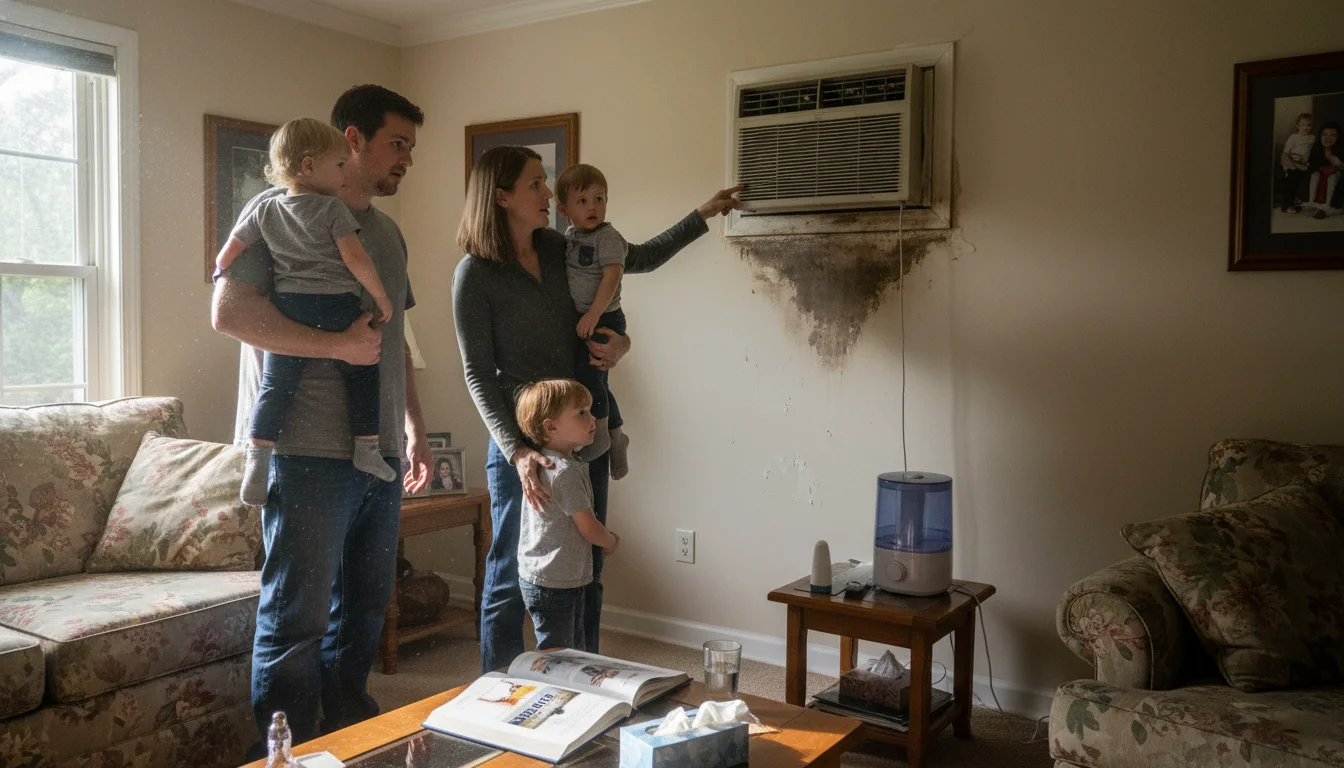
Black mold is one of the most feared household hazards, and for good reason. The term refers most commonly to Stachybotrys chartarum, a greenish-black mold that produces mycotoxins and thrives on materials with high cellulose content, such as drywall, ceiling tiles, and wood, when these materials have been wet for an extended period. In Georgia's humid climate, conditions that allow black mold to flourish are unfortunately common. Knowing the symptoms of exposure can help you protect your family before the problem becomes severe.
What Is Black Mold and Why Does It Matter?
Stachybotrys chartarum earned its reputation because it produces trichothecene mycotoxins, which are toxic compounds that can cause a range of health effects when inhaled, ingested, or absorbed through skin contact. Unlike common household molds that primarily cause allergic reactions, black mold mycotoxins can produce more serious, systemic effects in some individuals. The mold itself is not infectious — it does not grow inside the human body — but its spores and the toxins they carry can trigger powerful immune responses, inflammation, and in severe cases, neurological symptoms.
Black mold requires constant moisture to grow — typically from a water leak, flood, or condensation problem that has persisted for at least 72 hours. In Gainesville and throughout Hall County, Georgia, the region's average relative humidity of 70–80% during summer months means that even small leaks can create the prolonged dampness that Stachybotrys needs, because materials dry slowly or not at all without active intervention. A roof leak that drips into an attic during Georgia's frequent thunderstorms can create ideal black mold conditions within a week.
Common Symptoms Grouped by Body System
Respiratory Symptoms
Respiratory effects are the most common and often the earliest signs of black mold exposure. Inhaling spores and mycotoxins directly irritates the airways and lung tissue. Common respiratory symptoms include: chronic coughing that does not resolve and may worsen at home, wheezing or a whistling sound when breathing, shortness of breath, especially during light physical activity, chest tightness or discomfort, frequent throat clearing and a sensation of a lump in the throat, and recurrent sinus infections or sinusitis that does not respond fully to antibiotics. In individuals with asthma, black mold exposure is a well-documented asthma trigger and can increase both the frequency and severity of attacks. Several studies have linked damp indoor environments, including mold, to the development of asthma in previously healthy children.
Allergic and Immune System Reactions
Mold spores are potent allergens, and black mold produces particularly irritating proteins that can trigger allergic responses even in people without a history of allergies. Symptoms in this category include: persistent sneezing, especially indoors, runny or congested nose that antihistamines only partially relieve, itchy, watery, or red eyes (allergic conjunctivitis), skin rashes, hives, or dermatitis, particularly on exposed skin, post-nasal drip that causes a chronic sore throat, and general allergic sensitivity that seems to increase over time.
Neurological and Cognitive Symptoms
The neurological effects of black mold exposure are among the most concerning and the most debated in the medical community. Mycotoxins from Stachybotrys are known to be neurotoxic in significant exposures, and many individuals report: chronic headaches or migraines that improve when away from the affected building, brain fog, difficulty concentrating or short-term memory problems, persistent fatigue that sleep does not resolve, dizziness or lightheadedness, mood changes including increased irritability, anxiety, or depression, and numbness or tingling sensations in extremities. These symptoms are often dismissed or misattributed to stress, aging, or other conditions, which is why the connection to mold exposure is frequently missed during initial medical evaluations.
Severe Reactions and High-Risk Scenarios
In certain populations and with prolonged, high-level exposure, black mold can trigger severe health events: severe asthma attacks requiring emergency treatment, hypersensitivity pneumonitis, an inflammation of the lung tissue that mimics pneumonia, opportunistic fungal infections in severely immunocompromised individuals, such as those undergoing chemotherapy, organ transplant recipients, or people with advanced HIV, and chronic inflammatory response syndrome (CIRS), a multi-system condition characterized by widespread inflammation that some researchers believe is triggered by biotoxins including mold mycotoxins.
Who Is Most at Risk?
While anyone can experience symptoms from black mold exposure, certain groups face significantly higher risk. Infants and young children, whose respiratory and immune systems are still developing, are especially vulnerable; studies have suggested links between early childhood mold exposure and the development of asthma. Elderly adults, whose immune function naturally declines with age, may experience more severe and longer-lasting symptoms. Individuals with pre-existing respiratory conditions, including asthma, COPD, and allergic rhinitis, are likely to experience exacerbation of their conditions. People with compromised immune systems, whether from medical treatment, autoimmune disease, or other causes, are at risk for fungal infections that can become systemic and life-threatening. Pregnant women should avoid mold exposure when possible, as some mycotoxins can cross the placental barrier.
When Symptoms Indicate Mold Exposure vs. Other Causes
One of the most useful diagnostic clues for mold-related illness is the location pattern of symptoms. If you or family members feel noticeably worse at home and better when away (at work, school, or on vacation), environmental factors inside the home should be investigated. Similarly, if symptoms began or worsened after a known water event (flooding, a roof leak, plumbing failure), mold exposure should be considered. If multiple household members are experiencing similar symptoms, especially with similar timing, an environmental cause is more likely. Conversely, if symptoms persist equally in all environments and only one household member is affected, causes other than household mold are more probable.
Georgia-Specific Context: Why Our Climate Increases Risk
Georgia's humid subtropical climate makes black mold more prevalent here than in drier regions of the country. The state experiences an average of 50 inches of rainfall annually, with Hall County receiving approximately 52 inches. Combined with summer temperatures that regularly exceed 90°F, the region maintains near-ideal mold-growing conditions for six to seven months of the year. Homes that lack adequate dehumidification, that have even small undetected leaks, or that have crawlspaces without vapor barriers can develop black mold colonies in a matter of days. The prevalence of pier-and-beam foundations in older Georgia homes, which create dirt-floor crawlspaces under the living area, provides an ideal dark, humid environment for mold that then spreads spores into the home above.
Testing vs. Visual Identification
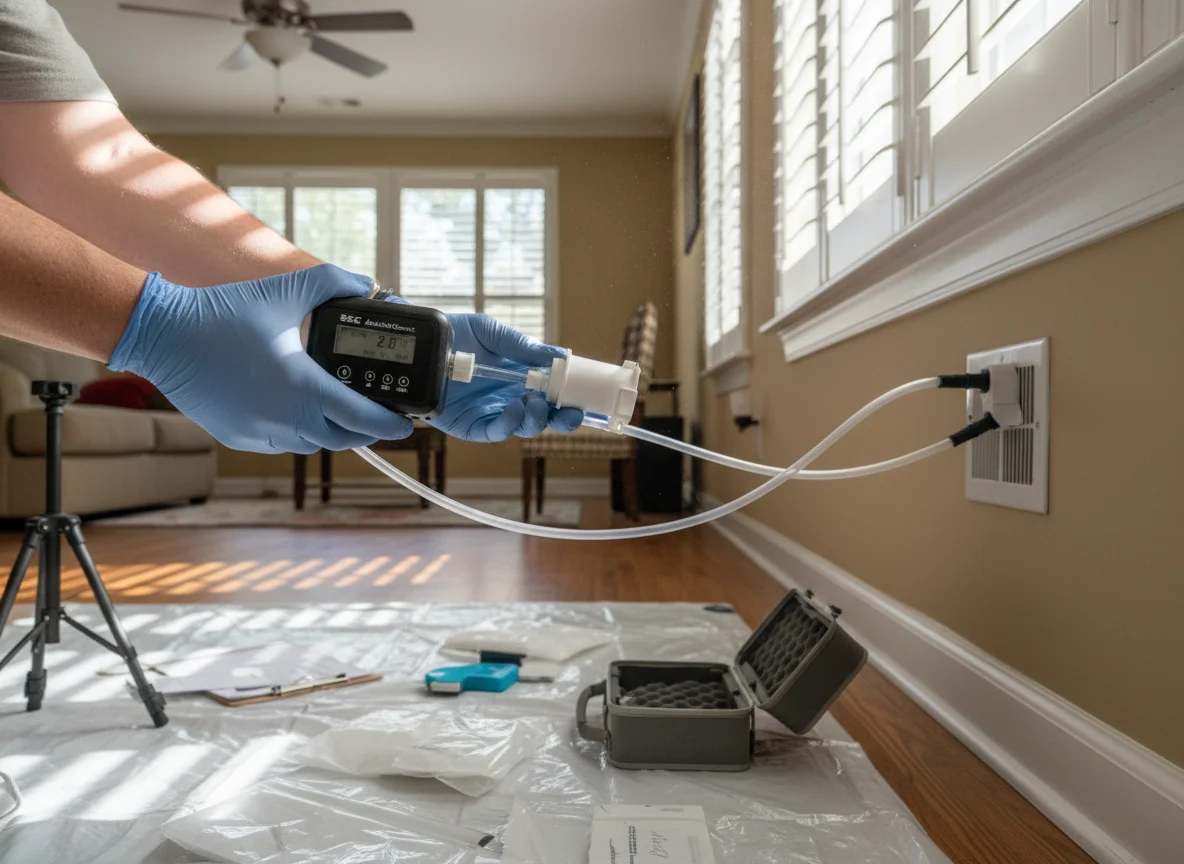
Many homeowners wonder whether they need professional mold testing or if visual identification is sufficient. The honest answer: you cannot definitively identify black mold by sight alone. Many mold species appear dark or black, including some that are relatively harmless. Conversely, not all Stachybotrys colonies are the textbook greenish-black — they can appear gray, brown, or even powdery white depending on growth stage and surface. Professional mold testing typically involves one or more of: air sampling (collecting airborne spores and analyzing them under a microscope), surface sampling (tape lifts or swabs of visible growth sent to a lab), and bulk sampling (removing a piece of affected material for lab analysis). Testing is particularly valuable when occupants are experiencing symptoms but no visible mold is present, when a real estate transaction requires documentation of mold species and spore counts, or after remediation to confirm that the mold has been successfully removed and airborne spore levels have returned to normal.
What to Do If You Suspect Black Mold
If you suspect black mold in your home, take these steps in order. First, if anyone in the household is experiencing severe respiratory symptoms, persistent headaches, or neurological symptoms, seek medical attention immediately and inform the healthcare provider of your mold concerns. Second, if possible, avoid the affected area. Close doors to rooms with visible mold or strong musty odors. If the affected area is large or centrally located, consider temporarily relocating vulnerable family members. Third, do not attempt to clean or remove large areas of mold yourself. Disturbing black mold releases spores and mycotoxins into the air. Without proper containment equipment (negative air pressure, HEPA filtration, personal protective equipment), DIY attempts often make the problem worse by spreading contamination. Fourth, call a professional mold remediation company for an inspection and assessment. A qualified professional can identify the mold type, determine the extent of the problem, locate hidden moisture sources, and provide a remediation plan.
Prevention After Remediation
Once black mold has been professionally removed, preventing recurrence is essential. This means fixing the moisture problem that caused the mold in the first place, whether it is a leak, condensation, or high indoor humidity. Install and maintain dehumidifiers in moisture-prone areas, particularly basements and crawlspaces. Ensure bathrooms, kitchens, and laundry rooms are properly vented to the outside, not into attics. Inspect your home regularly for signs of water intrusion: stains on ceilings or walls, bubbling paint, warped flooring, condensation on windows. In Georgia's climate, maintaining indoor relative humidity below 55% year-round is the single most effective strategy for preventing black mold recurrence.
Related Resources
- What to Expect During Professional Mold Remediation
- 7 Signs Your Home Has Mold
- Air Quality Testing After Mold Remediation
- How to File a Mold Insurance Claim in Georgia
Suspect Black Mold in Your Gainesville Home?
Don't wait. Call Mold Remediation Hotline at (332) 220-0303 for a professional inspection and expert remediation. Protect your family's health today.