Seasonal Mold Prevention Calendar for Hall County Homeowners
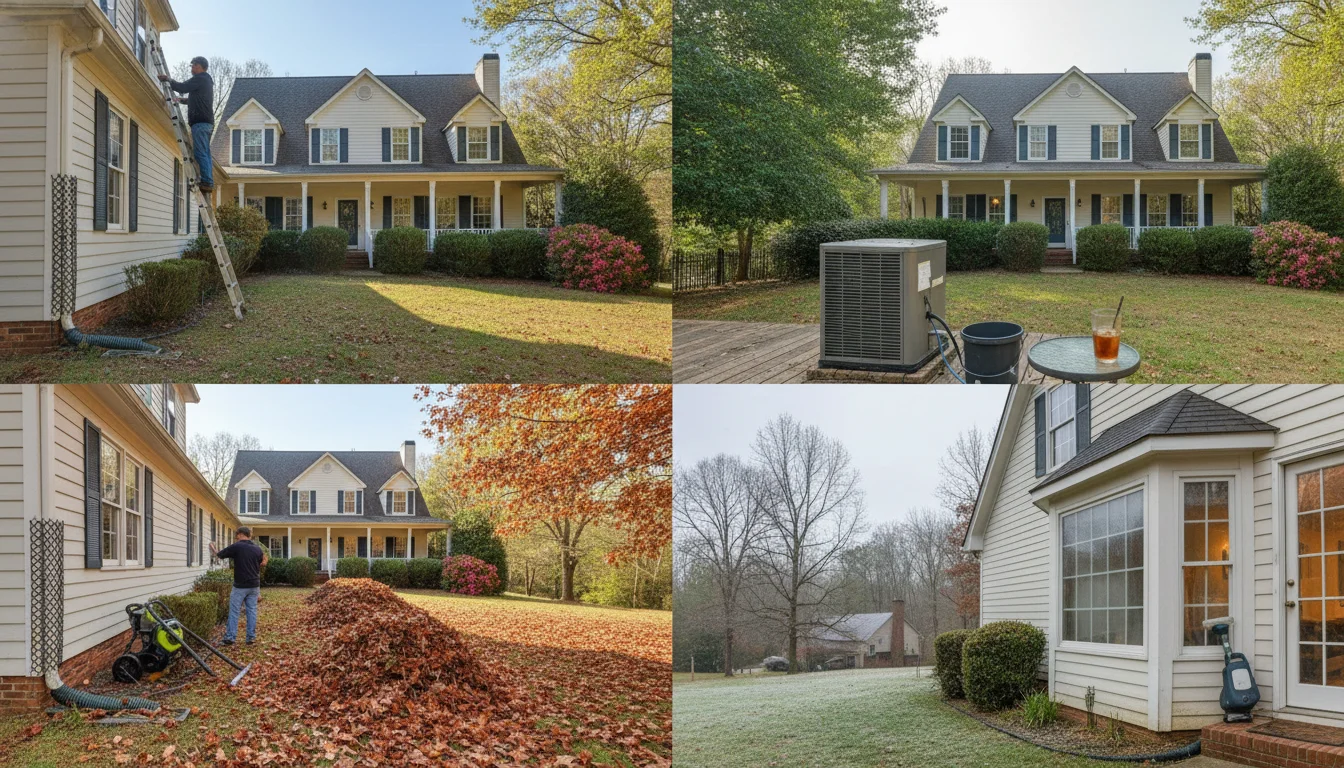
Mold doesn't take a season off in North Georgia. Our climate delivers four distinct seasonal challenges: spring rains that saturate the ground, summer humidity that hovers above 80% for weeks on end, fall storms that test your roof and gutters, and winter condensation that silently feeds mold in attics and on window frames. The homeowners who stay ahead of mold are the ones who work with the seasons, not against them. Here's your month-by-month mold prevention calendar, calibrated specifically for Hall County's climate patterns.
Understanding Hall County's Climate Profile
Before we walk through the calendar, let's establish the climate baseline that drives mold risk in our region. Gainesville and Hall County receive approximately 54 inches of rain annually, well above the national average of 38 inches. Our average relative humidity by season runs:
| Season | Average Morning RH | Average Afternoon RH | Mold Risk Level |
|---|---|---|---|
| Spring (Mar-May) | 85-90% | 55-65% | High |
| Summer (Jun-Aug) | 88-93% | 60-75% | Extreme |
| Fall (Sep-Nov) | 82-88% | 50-60% | Moderate-High |
| Winter (Dec-Feb) | 75-82% | 45-55% | Moderate |
Lake Lanier also plays a significant role in Hall County's microclimate. Homes within a mile of the lake experience persistently higher humidity than properties further inland, particularly during summer when warm air passes over the lake surface and picks up additional moisture. If you own lake-adjacent property, you need to be especially vigilant about mold prevention. Our Gainesville mold remediation team serves the entire Hall County area including lake-adjacent properties where mold risk is elevated.
Spring: March, April, May
The Challenge: Saturated Ground, Heavy Rain, and Rising Temperatures
Spring in Hall County is beautiful but treacherous for mold prevention. We average 4-5 inches of rain per month during spring. The ground is saturated from winter precipitation. Temperatures climb from the 60s in March to the 80s by late May, and as air temperatures rise, so does the air's capacity to hold moisture. This combination — wet ground, frequent rain, and warming air — creates ideal conditions for mold growth inside homes where any moisture intrusion occurs.
March Checklist
- Post-winter attic inspection. Winter condensation can leave mold on roof sheathing that you won't notice until you look. Climb into the attic with a flashlight and inspect the entire roof deck. Look for dark staining, white fuzzy growth, or any area that looks different from the surrounding wood. Spring is the ideal time to catch winter condensation mold before it's obscured by summer heat.
- Check crawlspace vapor barrier. If your home has a crawlspace with a vapor barrier on the ground, inspect it for tears, gaps, or areas where it's pulled away from the foundation walls. A compromised vapor barrier allows ground moisture to evaporate directly into the crawlspace air, which then rises into your home through the floor assembly. Repair or replace damaged sections.
- Inspect exterior grading. Walk around your home and check that soil slopes away from the foundation on all sides. Winter freeze-thaw cycles can shift soil, and spring rains will exploit any negative grade that directs water toward your foundation. The slope should drop at least 6 inches over the first 10 feet from the foundation. Add soil where needed to restore positive drainage.
- Clean gutters and downspouts. Winter debris (leaves, twigs, pine needles) clogs gutters and causes overflow that saturates the soil directly against your foundation. Clean them thoroughly. While you're at it, verify that downspout extensions discharge water at least 6 feet from the foundation, and that splash blocks are in place and functioning.
April Checklist
- Schedule AC maintenance. Before the humidity season hits in earnest, have your HVAC system serviced. The technician should clean the evaporator coil, check the condensate drain line for clogs, verify the drain pan is intact and draining properly, and confirm the system is sized correctly and functioning efficiently. A clogged condensate drain is one of the most common causes of hidden water damage in Hall County homes, often producing mold in walls or ceilings near the air handler that goes unnoticed for months.
- Check and clean bathroom exhaust fans. Remove the fan cover, clean the grill, and verify the fan is moving adequate air. Hold a tissue up to the running fan; it should hold the tissue firmly against the grill. If airflow is weak, the duct may be clogged or the fan motor may be failing. Replace bathroom fans that can't effectively exhaust moisture after a shower.
- Inspect window and door seals. Check weatherstripping and caulk around all windows and exterior doors. Spring rains driven by wind find every gap. Re-caulk any gaps you find. This prevents water intrusion and improves energy efficiency simultaneously.
- Test your sump pump if your home has one. Pour a bucket of water into the sump pit and confirm the pump activates and discharges water well away from the foundation. Sump pump failure during a spring storm is a fast path to a flooded basement or crawlspace.
May Checklist
- Set up humidity monitoring. Place hygrometers (humidity monitors) in key locations: basement, crawlspace, attic, and the main living area. Digital hygrometers cost $10-20 each and provide objective data about your home's moisture levels. Target 30-50% relative humidity in living spaces.
- Service dehumidifiers. If you run a dehumidifier in a basement or crawlspace, clean the filter, check the condensate collection bucket or drain line, and verify the unit is operating correctly before summer humidity peaks. A dehumidifier that fails in June might go unnoticed for weeks while humidity climbs into the mold danger zone.
- Check exterior faucets and hose connections for leaks that can saturate the soil near the foundation. A slowly leaking hose bib can introduce hundreds of gallons of water into the ground adjacent to your foundation over a season.
- Inspect the roof from the ground with binoculars. Look for missing, cracked, or curled shingles, damaged flashing around chimneys and vents, and any signs of impact from spring storms. Early May is also tornado season in North Georgia; after any severe weather event, perform a quick roof check.
Summer: June, July, August
The Challenge: Peak Humidity, Thunderstorms, and AC Condensation
Summer is when Hall County's humidity reaches its peak and mold prevention requires active management. Average afternoon humidity in July and August hovers around 65-75%, with morning humidity frequently exceeding 90%. Afternoon thunderstorms — a near-daily occurrence in July — dump heavy rain in short bursts that test gutters, drainage, and roof integrity. Meanwhile, your air conditioner is working hardest, generating gallons of condensation that must drain properly or it becomes an indoor water source feeding mold inside walls and ceilings.

June Checklist
- Monitor indoor humidity daily. If indoor humidity consistently exceeds 60%, you need supplemental dehumidification. Portable dehumidifiers work for individual rooms; whole-house dehumidifiers integrated with the HVAC system are more effective for persistent whole-home humidity problems common in Hall County summers.
- Check the AC condensate drain line. Pour a cup of white vinegar down the drain line to clear algae and mold growth that can clog the line. A clogged condensate line will back up and overflow the drain pan, potentially causing significant water damage near the air handler. This simple monthly maintenance prevents one of the most common summer mold scenarios.
- Inspect bathroom and kitchen for early mold. Summer is when bathroom ceiling mold and kitchen sink cabinet mold first appear. Check ceilings above showers, the grout and caulk around tubs and showers, under sinks, and around toilets for any discoloration. Catch it early when it's a cleaning task; miss it and it becomes a remediation project.
- Run exhaust fans during and after showers for at least 30 minutes. This is non-negotiable during Georgia summers. The moisture from one shower, if not exhausted, can raise the humidity in a closed bathroom to 90%+ and keep it elevated for hours, creating ideal mold conditions on ceilings, walls, and grout.
July Checklist
- Inspect crawlspace humidity. If your crawlspace hygrometer reads above 65% RH consistently, you need intervention. Options include installing a crawlspace dehumidifier, sealing foundation vents and encapsulating the crawlspace (installing a heavy-duty vapor barrier on floor and walls), or adding a fan to increase ventilation. Crawlspace moisture is a primary driver of musty odors, buckled hardwood floors, and subfloor mold in Hall County homes.
- Check attic ventilation function. On a hot afternoon, your attic should feel like air is moving through it. If it feels stagnant and oppressively hot, your ventilation may be inadequate. Inadequate attic ventilation traps both heat and moisture, accelerating roof shingle deterioration from below and creating condensation conditions on cool nights.
- After thunderstorms, check for water intrusion. Basements, crawlspaces, and window wells are vulnerable during intense summer storms. Walk the perimeter after heavy rain and look for standing water against the foundation, overflowing gutters, or water entering through basement windows or crawlspace vents.
- Keep interior doors open to promote air circulation between rooms. Closed rooms with no return air vent can develop localized high humidity, especially if the room has exterior walls that are cooler than the dew point, causing condensation inside walls.
August Checklist
- Deep clean or replace HVAC filters. After two months of heavy summer use, filters are loaded with dust, pollen, and mold spores. A clogged filter reduces airflow across the evaporator coil, which can cause the coil to ice up or fail to dehumidify effectively. Change filters at least every 90 days, and monthly during peak summer if you have pets or allergy concerns.
- Inspect washing machine hoses and connections. Rubber washing machine hoses deteriorate over time and are a leading cause of indoor water damage. Check for bulging, cracking, or leaks. Replace rubber hoses with braided stainless steel hoses, which have a much lower failure rate and are a cheap insurance policy against a major water damage event.
- Check refrigerator ice maker and water line connections. A slow drip from an ice maker line inside the wall or behind the refrigerator can cause significant mold growth before the water becomes visible on the floor. Pull the refrigerator out and inspect the connection and the floor beneath.
- Evaluate whether your AC is adequately dehumidifying. If your home feels clammy and cool rather than comfortably dry, your AC may be oversized (short cycling without running long enough to dehumidify) or undersized (unable to keep up with the humidity load). Either condition requires HVAC professional evaluation — and a supplemental dehumidifier in the interim.
Fall: September, October, November
The Challenge: Transition Season, Storms, and Pre-Winter Preparation
Fall in Hall County brings relief from peak humidity but introduces new mold risks. September remains warm and humid; October and November bring cooler temperatures, falling leaves, and the secondary severe weather season. The key fall strategy is preparing your home for winter while cleaning up summer's moisture legacy.
September Checklist
- Post-summer mold inspection. After three months of peak humidity and heavy AC use, perform a thorough visual inspection of all areas where mold commonly appears: bathroom ceilings and corners, under sinks, around windows, in closets on exterior walls, basement walls and floors, and crawlspace framing. Summer is the most likely season for new mold to have started.
- Clean gutters again. Fall leaves begin dropping in September. Gutters that were clean in April may already be accumulating debris. Clogged gutters during fall rains cause water to overflow and saturate the soil around your foundation just as winter approaches.
- Check roof for storm damage. Summer thunderstorms can damage shingles, flashing, and vent boots. Perform a roof inspection (or hire a professional) before fall rains expose any damage that went unnoticed during summer.
October Checklist
- Seal exterior gaps and cracks. As temperatures drop, the stack effect (warm air rising through the home) intensifies, pulling outside air in through every gap in the building envelope. Seal gaps around windows, doors, pipe penetrations, and electrical entries with appropriate caulk or foam sealant. This prevents moisture-laden outdoor air from being drawn into wall cavities where it can condense.
- Clean gutters thoroughly after the majority of leaves have fallen. Install gutter guards if you haven't already to reduce future maintenance.
- Disconnect and drain garden hoses. Water trapped in hoses connected to exterior faucets can freeze and crack the faucet or the pipe inside the wall. A cracked pipe inside a wall can leak for months before anyone notices, causing extensive hidden mold damage.
- Check attic insulation depth and distribution. Ensure insulation hasn't been disturbed (by summer attic work, pest activity, or air movement) and is evenly distributed. Pay special attention to the perimeter above exterior walls, where thermal bridging makes condensation most likely during winter.
November Checklist
- Final gutter check before winter. Remove all remaining leaves and debris. Verify downspouts are clear and discharging properly.
- Check for roof leaks before winter. The last thing you want is a roof leak going undiscovered all winter while mold slowly colonizes your attic. A professional roof inspection or a careful DIY attic check (look for daylight through the roof deck, water stains, or damp sheathing) is a wise investment.
- Cover or store outdoor furniture and equipment that could trap moisture against exterior walls or the foundation.
- Adjust humidifier settings. If you use a whole-house humidifier for winter comfort, set it to maintain 30-40% RH, not higher. Over-humidification in winter causes condensation on windows and inside exterior walls, which is a surprisingly common source of hidden mold in Georgia homes.
- Review our water damage restoration services so you know who to call if winter weather causes a leak.
Winter: December, January, February
The Challenge: Condensation, Unused Rooms, and Hidden Leaks
Winter in Hall County is relatively mild compared to northern states, but the condensation risk is real and frequently underestimated. When outdoor temperatures drop into the 30s and 20s while indoor humidity remains at 40-50%, the dew point is reached on cold surfaces: window glass, window frames, exterior wall surfaces behind furniture, and attic sheathing. This condensation provides just enough moisture for slow, chronic mold growth that accumulates over the winter months.
December Checklist
- Monitor condensation on windows. If you see condensation or frost on the inside of windows, your indoor humidity is too high for the outdoor temperature. Either lower the humidifier setting, increase ventilation, or both. Persistent window condensation that soaks into wood window frames and surrounding drywall will cause mold within weeks.
- Check unused rooms and closets. Rooms that stay closed during winter (guest bedrooms, storage rooms) may develop condensation problems that go unnoticed because nobody sees them. Open these rooms weekly, check for musty odors, and inspect exterior walls for cold spots or discoloration.
- Inspect the attic after cold snaps. A cold night followed by a warmer day can produce attic condensation. Check the attic within a day or two of a significant cold snap. Look for frost on the underside of the roof sheathing (which will melt and feed mold) or for signs of recent condensation like water staining or damp sheathing.
January Checklist
- Check plumbing for freeze damage. After hard freezes, inspect exposed pipes in crawlspaces, exterior walls, and unheated areas for cracks, leaks, or bulging. A freeze crack that leaks when the pipe thaws can cause significant water damage and mold before anyone notices. Know where your main water shutoff is and verify it operates freely.
- Maintain indoor humidity balance. The ideal indoor relative humidity during winter in Hall County is 30-40%. Below 30% can cause dry skin and respiratory irritation; above 40% risks condensation on windows and in wall cavities. Use your hygrometers to track this.
- Check bathroom exhaust fans are venting moisture outside. In winter, the contrast between warm, moist bathroom air and cold outdoor air makes condensation especially likely if the bathroom fan isn't functioning properly. Run the fan during and for 30 minutes after every shower.
- Inspect the roof after winter storms. North Georgia occasionally gets ice and snow, and the freeze-thaw cycle can damage roofing materials. After any winter storm, check for missing shingles or damage.
February Checklist
- Prepare for spring. February is the transition month. Service your dehumidifier so it's ready for March. Order replacement HVAC filters. Schedule your spring AC maintenance before the technicians get busy in April.
- Final winter attic check. Do one last attic inspection before spring arrives. If you find mold that developed over winter, address it now while it's still contained rather than waiting for spring rains to compound the problem. Early remediation is always less expensive, and scheduling in late winter before the busy spring season can mean faster service and sometimes better pricing.
- Check crawlspace after winter rains. February often brings heavy rain. Check for standing water or saturated soil in the crawlspace, which indicates drainage problems that need correction before spring.
Year-Round Mold Prevention Habits
These practices apply regardless of the season:
- Maintain indoor humidity at 30-50% relative humidity year-round. Use hygrometers to monitor. Above 50%, dehumidify. Above 60%, dehumidify aggressively because mold growth accelerates above this threshold. Below 30% in winter, consider a humidifier — but never allow window condensation.
- Fix plumbing leaks immediately. A dripping pipe under a sink that you'll "get to eventually" is mold's best friend. Repair leaks within 48 hours of discovery, and dry affected areas thoroughly. Even small, slow leaks behind walls or under cabinets can cause mold that costs thousands to remediate.
- Use exhaust fans in bathrooms and kitchens every time moisture is generated. Bathroom fan during and after showers. Kitchen range hood when boiling water or cooking without lids. These fans are your first line of defense against indoor moisture accumulation.
- Ensure clothes dryer vents discharge outdoors and the duct is clean and unobstructed. A disconnected or clogged dryer vent pumps gallons of moisture into your laundry room or crawlspace with every load.
- Keep gutters clean and downspouts directed away. This is the single most cost-effective exterior mold prevention measure. Clogged gutters cause foundation saturation, basement and crawlspace moisture, and exterior wall water damage.
- Maintain positive drainage around the foundation. Soil should slope away from the house. Fill low spots with compacted soil. Install French drains or surface drains if necessary. Water that pools against the foundation after rain will eventually find its way inside.
- Check your water heater annually. Water heaters in Hall County homes typically last 8-12 years. As they age, the risk of a catastrophic tank rupture increases. A failed water heater can release 40-50 gallons of water into your home in minutes. If your water heater is over 8 years old, consider proactive replacement or at minimum install a leak detector and automatic shutoff valve.
- Inspect attic and crawlspace quarterly. Seasonal attic and crawlspace inspections catch problems when they're small. The attic inspection looks for roof leaks, condensation, and ventilation issues. The crawlspace inspection looks for standing water, plumbing leaks, and vapor barrier condition.
- Know your home's moisture history. If your home flooded (even partially) during a past Hall County storm event, if it's had previous mold remediation, or if it has a history of roof leaks or plumbing issues, you need to be extra vigilant. Homes with moisture history are at significantly higher risk of recurrent mold problems.
Tornado Season and Severe Weather: Special Mold Risks
Hall County sits in an area of Georgia that experiences two tornado seasons: the primary spring season (March through May) and a secondary fall season (November). While the direct wind damage from tornadoes is a threat, the water damage from severe thunderstorms accompanying tornadic weather is the more common mold trigger for local homeowners. Intense rainfall in short periods overwhelms gutters and drainage, wind-driven rain exploits small gaps in the building envelope, and falling trees or limbs can puncture roofs, allowing water directly into attics and living spaces.
After any severe weather event in Hall County, perform a rapid exterior assessment: check the roof for damage, verify gutters are intact and clear, look for fallen limbs against the house, and check for standing water around the foundation. Inside, check ceilings for water spots, look for water around windows and doors, and check the attic for any sign of water intrusion. The faster you identify and dry water intrusion after a storm, the less likely mold becomes a consequence.
If you discover water intrusion after a storm, our Gainesville mold remediation and water damage team provides emergency response across Hall County. Call (332) 220-0303 for immediate dispatch.
When Prevention Isn't Enough: Recognizing When to Call a Professional
Even the most diligent prevention can't eliminate every mold risk. Homes age. Storms happen. Systems fail. The key is recognizing when a problem has exceeded your ability to handle it yourself. Call Mold Remediation Hotline at (332) 220-0303 if you encounter:
- Visible mold growth exceeding 10 square feet (roughly a 3-foot by 3-foot area). The EPA recommends professional remediation for areas larger than this.
- Mold in your HVAC system or ductwork, which requires specialized cleaning to avoid spreading spores throughout the home.
- A musty odor you cannot locate after a thorough search. Hidden mold behind walls or under flooring requires professional moisture mapping and investigation.
- Water damage from sewage or floodwater (Category 3 water), which is a biohazard requiring professional equipment and PPE.
- Health symptoms among household members that you suspect may be mold-related.
- A real estate transaction where mold documentation must meet lender and buyer requirements.
Stay Ahead of Mold in Every Season
Call Mold Remediation Hotline at (332) 220-0303 for seasonal inspections, preventive maintenance advice, or emergency mold remediation anywhere in Hall County. Prevention is always cheaper than remediation — but when prevention isn't enough, we're here 24/7.
Free seasonal mold risk assessments for Gainesville, Oakwood, Flowery Branch, and all Hall County homeowners. Schedule yours today.