Sometimes, life throws messes our way that are way beyond a simple spill or stain. We’re talking about situations where biological materials are present, and they just aren’t safe for regular cleaning. Think about crime scenes, serious accidents, or even just really, really bad hoarding situations. These aren’t your everyday cleaning challenges. They need a special kind of attention, and that’s where professional cleaning biohazard services come in. Trying to tackle these yourself is not only tough, but it can also be dangerous and even illegal. This article breaks down why you need the pros for cleaning biohazard situations and what to expect when they show up.
Key Takeaways
- Biohazard cleaning is a specialized service that deals with hazardous biological materials, unlike standard property cleaning.
- Situations like crime scenes, unattended deaths, hoarding, drug-related hazards, sewage, and mold require professional cleaning biohazard expertise.
- Attempting to clean biohazards yourself poses significant health risks, potential legal issues, and can lead to long-term property damage.
- Professional biohazard cleaning follows strict protocols, uses specialized equipment and protective gear, and ensures proper disposal of waste.
- Hiring certified professionals for cleaning biohazard incidents is vital for safety, health, and environmental protection.
Defining Biohazard Cleaning and Its Unique Challenges
When we talk about cleaning, most people think of dusting, vacuuming, or maybe scrubbing the bathroom. But there’s a whole different level of cleaning that most of us never want to deal with: biohazard cleaning. This isn’t your average spill cleanup; it’s about dealing with materials that can seriously harm health. Biohazard cleaning is the professional restoration of areas contaminated by dangerous biological materials, chemicals, or other hazardous substances. It’s a specialized field that requires specific training, equipment, and a deep respect for safety protocols.
What Constitutes a Biohazard
A biohazard, or biological hazard, is anything that poses a threat to human health. This can include a wide range of things, from visible biological matter to microscopic pathogens. Think about it:
- Bodily Fluids: Blood, vomit, urine, feces, and other human or animal fluids can carry diseases. Even small amounts can be risky if not handled correctly.
- Pathogens: Bacteria, viruses, fungi, and parasites that can cause illness. These are often invisible to the naked eye but are a major concern in biohazard situations.
- Hazardous Chemicals: Certain chemicals, especially those found in drug labs or industrial accidents, can also be classified as biohazards due to their toxicity.
- Decomposition: In cases of unattended death, the natural decomposition process releases fluids and gases that are hazardous.
Common Scenarios That Require Specialized Cleaning
So, when do you actually need this kind of specialized cleaning? It’s not just for TV shows. Here are some common situations:
- Traumatic Events: This includes crime scenes, accidents, or suicides where bodily fluids and other biological materials are present.
- Unattended Deaths: When a person passes away and isn’t found for some time, the resulting decomposition creates a biohazard.
- Hoarding Situations: Extreme hoarding can lead to unsanitary conditions with accumulated waste, mold, and pest infestations, all of which can be biohazardous.
- Animal Waste: Large-scale animal waste contamination, like in neglected properties or animal shelters, can pose health risks.
- Sewage Backups: Raw sewage contains dangerous pathogens and requires professional cleanup.
- Mold Infestations: While not always a biohazard in the same vein as blood, severe mold growth, especially toxic black mold like Stachybotrys, requires professional remediation [2714].
Distinction from Standard Property Cleaning
It’s really important to understand that biohazard cleaning is worlds apart from regular house cleaning. Standard cleaning services focus on appearance and general hygiene. They use common cleaning supplies and don’t typically have the training or equipment to deal with infectious materials. Biohazard cleaning, on the other hand, is all about safety, containment, and thorough decontamination. Professionals in this field wear specialized protective gear, use hospital-grade disinfectants, and follow strict protocols for handling and disposing of waste according to regulations set by bodies like OSHA and the EPA. They’re not just cleaning up a mess; they’re mitigating serious health risks and preventing the spread of disease [50ee].
Trying to clean up a biohazard yourself is incredibly risky. You could expose yourself and others to dangerous pathogens, leading to serious illness. Plus, without the right methods, you might not even get rid of the contamination completely, leaving a hidden danger behind. It’s a job best left to the trained professionals who have the right tools and knowledge.
Health and Safety Risks Associated With Cleaning Biohazard
It might sound straightforward to wipe up a mess, but biohazard cleaning presents dangers that most people simply aren’t prepared for. These risks go way beyond typical home or office cleanups—sometimes, it’s not just what you see, but what you can’t see that causes the most harm. Let’s break down the biggest concerns.
Dangers of Pathogen Exposure
Cleaning biohazardous material means real exposure to harmful viruses and bacteria—think hepatitis, HIV, or MRSA. Here’s why pathogen exposure during biohazard cleaning is so risky:
- Blood, bodily fluids, and other contaminated materials can carry infectious diseases.
- Invisible particles may become airborne during cleaning or removal.
- Without the proper safety gear, skin contact or inhalation is possible.
- Surfaces may look clean but still harbor dangerous microbes if not disinfected with the right products, like Sporicidin Disinfectant Solution.
| Pathogen | Common Source | Potential Illness |
|---|---|---|
| Hepatitis B/C | Blood, fluids | Liver infection |
| HIV | Blood, fluids | Immune deficiency |
| MRSA | Skin, surfaces | Staph infection |
| Norovirus | Vomit, feces | Gastrointestinal |
Even a quick cleanup can leave behind pathogens that put others at risk long after the event if not handled the right way.
Legal and Environmental Repercussions
Leaving biohazard waste untreated doesn’t just threaten personal health—it can lead to legal trouble and bigger environmental problems as well:
- Laws require safe handling and disposal of biohazardous waste.
- Failing to meet these standards may result in regulatory fines.
- Improper disposal can contaminate soil or water, widening the scope of harm.
- Landowners have a duty to assure thorough cleaning for future occupants (this is especially important for rental properties).
Risks of DIY Biohazard Cleaning
A lot of people think biohazard cleanup is a tough job, but that maybe they can save money by handling things themselves. Here’s why that’s a bad idea:
- The right personal protective equipment (PPE) is expensive and isn’t just gloves and a mask.
- Specialty cleaners and disinfectants are needed, not standard household products.
- The emotional toll can be a lot to handle, especially at the scene of trauma or death.
- Mistakes can expose others—family, neighbors, workers—to lingering risks.
- Improper disposal can invite rodents, pests, or further spread disease.
Hiring a professional may feel like another hassle, but it protects your health, your community, and keeps you on the right side of the law all at once.
Key Situations Where Professional Cleaning Biohazard Is Essential
Some messes are just too much for a regular cleaning crew, or even for you to tackle on your own. When you’re dealing with situations that involve biological materials or dangerous chemicals, calling in the pros isn’t just a good idea, it’s a necessity for health and safety. Trying to handle these yourself can put you and others at serious risk.
Crime and Trauma Scene Cleanup
When something terrible happens, like a violent crime or an unattended death, the aftermath can be incredibly disturbing. Beyond the emotional toll, there’s the physical cleanup. Blood, bodily fluids, and other biological matter can seep into floors, walls, and furniture. These substances can carry dangerous pathogens, like hepatitis or HIV, and pose a significant health hazard if not properly removed and disinfected. Professional teams are trained to handle these sensitive situations with discretion and efficiency, using specialized equipment to ensure the area is completely decontaminated and safe for re-entry. They understand the urgency and the need for a thorough job, often available 24/7 to respond to these critical needs across the nation.
Hoarding, Chemical, and Drug-Related Hazards
Hoarding situations can create environments that are unsanitary and hazardous. The accumulation of waste, decaying matter, and potential pest infestations requires more than just a deep clean. Similarly, properties used for illegal drug manufacturing, like meth labs, are contaminated with toxic chemicals that can linger in the air and on surfaces. These chemicals are harmful and can affect anyone who enters the space long after the activity has stopped. Professional biohazard cleaners have the knowledge and equipment to identify, neutralize, and remove these dangerous substances, making the property safe again. This also extends to situations involving significant chemical spills or exposure.
Sewage, Mold, and Bodily Fluid Contamination
Sewage backups are a serious biohazard. They introduce harmful bacteria, viruses, and parasites into your home or business, creating a significant health risk. Improper cleanup can lead to widespread contamination and potential illness. Likewise, severe mold infestations, often a result of water damage or neglect, can release toxic spores into the air, impacting respiratory health. Any situation involving significant amounts of bodily fluids, whether from an accident, injury, or illness, also requires specialized attention. These fluids can transmit diseases and need to be handled and disposed of according to strict regulations. Professionals are equipped to manage these complex contamination issues, from containment to complete disinfection and deodorization, in Pennsylvania and beyond.
Attempting to clean up biohazards yourself can lead to incomplete decontamination, potential exposure to dangerous pathogens, and even legal issues if not handled correctly. Always prioritize safety and call the experts when dealing with these serious situations.
Strict Protocols and Advanced Techniques in Biohazard Cleaning
When dealing with biohazards, it’s not just about scrubbing harder. Professional biohazard cleaning involves a very specific set of rules and tools that go way beyond what you’d use for a typical house cleaning. The primary goal is always safety – for the cleaning crew, for the occupants of the space, and for the environment. This means using the right gear and knowing exactly what you’re doing.
Personal Protective Equipment and Safety Measures
Think of biohazard cleaning crews as highly trained soldiers against unseen threats. They don’t just throw on a pair of gloves. Their Personal Protective Equipment (PPE) is a multi-layered defense system. This typically includes:
- Full-body suits: These are often disposable and designed to prevent any skin contact with contaminants.
- Respirators: Depending on the airborne risk, specialized masks or respirators are used to protect the lungs.
- Gloves and Boot Covers: Multiple layers of heavy-duty gloves and disposable boot covers are standard.
- Eye Protection: Goggles or face shields are used to prevent splashes.
Beyond the gear, strict safety protocols are followed. This includes detailed site assessments before any work begins, proper training on handling hazardous materials, and understanding how to avoid cross-contamination. It’s about minimizing exposure at every single step.
The difference between standard cleaning and biohazard remediation lies in the unseen. While you might see dirt and grime, biohazard cleaning tackles invisible threats like bacteria, viruses, and other pathogens that require specialized knowledge and equipment to neutralize safely.
Containment and Decontamination Procedures
Once the PPE is on, the next big step is containment. The idea is to keep the biohazard from spreading. This might involve sealing off the affected area with plastic sheeting and using negative air pressure machines to control airflow. It’s all about isolating the problem zone.
Decontamination is the process of making the area safe again. This involves several stages:
- Removal of Contaminated Materials: All visibly contaminated items, from porous materials like carpet and upholstery to non-porous surfaces, are carefully removed and bagged for proper disposal.
- Cleaning and Disinfection: Surfaces are thoroughly cleaned and then treated with EPA-registered disinfectants. The choice of disinfectant depends on the specific type of biohazard and the surfaces being treated. Some advanced, plant-based disinfectants can kill 99.99% of bacteria quickly without harsh chemicals, making them suitable for sensitive areas [a95e].
- Odor Removal: Biohazards often come with strong, lingering odors. Specialized deodorizing techniques are used to eliminate these smells at their source, not just mask them.
Specialized Disinfection and Deodorization Methods
Professional biohazard cleaners use a range of advanced techniques and products. They have access to industrial-grade cleaning agents and equipment that are far more potent than anything available to the public. This includes:
- Electrostatic Sprayers: These devices help disinfect surfaces more effectively by charging the cleaning solution, allowing it to wrap around objects and cover surfaces evenly.
- Ozone Generators: In some cases, ozone treatments can be used to neutralize odors and kill airborne pathogens, though this requires careful application and ventilation afterward.
- Thermal Fogging: This method disperses a disinfectant in a fine mist that can penetrate hard-to-reach areas.
All these methods are employed with a deep understanding of the specific biohazard present, ensuring that the area is not only visibly clean but also biologically safe. Adhering to OSHA safety standards and using approved disinfectants are key parts of this process [9692].
Selecting Qualified Biohazard Cleaning Professionals
When you’re facing a situation that requires biohazard cleaning, it’s not the time to guess. You need to know that the people showing up have the right stuff. This isn’t like hiring someone to paint your living room; it’s about health, safety, and making sure a really bad situation is handled correctly. So, how do you find the right crew for the job?
Certification and Regulatory Compliance
First off, look for credentials. Professionals should be certified and know all the rules and regulations. This means they’ve been trained properly and understand how to handle hazardous materials safely and legally. Think about it like a doctor needing a license to practice – these folks need their own kind of stamp of approval. They should be up-to-date on things like OSHA guidelines and EPA standards. Not having the right paperwork can lead to big problems down the road, like fines or even lawsuits, and nobody wants that.
Here’s a quick rundown of what to check for:
- Certifications: Look for recognized certifications. Organizations like the Global Biorisk Advisory Council (GBAC) offer training that shows a company is serious about biohazard cleanup.
- Compliance: They must follow all local, state, and federal regulations regarding hazardous waste handling and disposal.
- Training Records: Ask if their technicians have completed specific training, like courses on biohazard cleaning techniques.
Dealing with biohazards requires a specific skill set and adherence to strict protocols. Simply having cleaning supplies isn’t enough; specialized knowledge and equipment are non-negotiable for safe and effective remediation.
Emergency Response Capabilities
Biohazard situations don’t usually wait for a convenient time. They can happen at any hour, any day. That’s why it’s important to find a company that can respond quickly when you need them most. A fast response can make a big difference in preventing further contamination and reducing risks.
- 24/7 Availability: Do they offer emergency services around the clock?
- Response Time: How quickly can they typically get to a site after you call?
- Preparedness: Are they equipped to handle emergencies immediately, or do they need time to gather supplies?
Evaluating Experience and Local Reputation
Beyond certifications and availability, you want a company that has actually done this kind of work before. Experience matters, especially when dealing with different types of biohazards. A company that has handled crime scenes, for example, will have a different kind of experience than one that primarily deals with mold removal. Check out what other people in your area say about them. Online reviews, testimonials, or even asking local authorities or property managers can give you a good idea of their reliability and the quality of their work. A solid local reputation is often a good sign that they’re doing things right.
What to Expect During the Professional Biohazard Cleaning Process
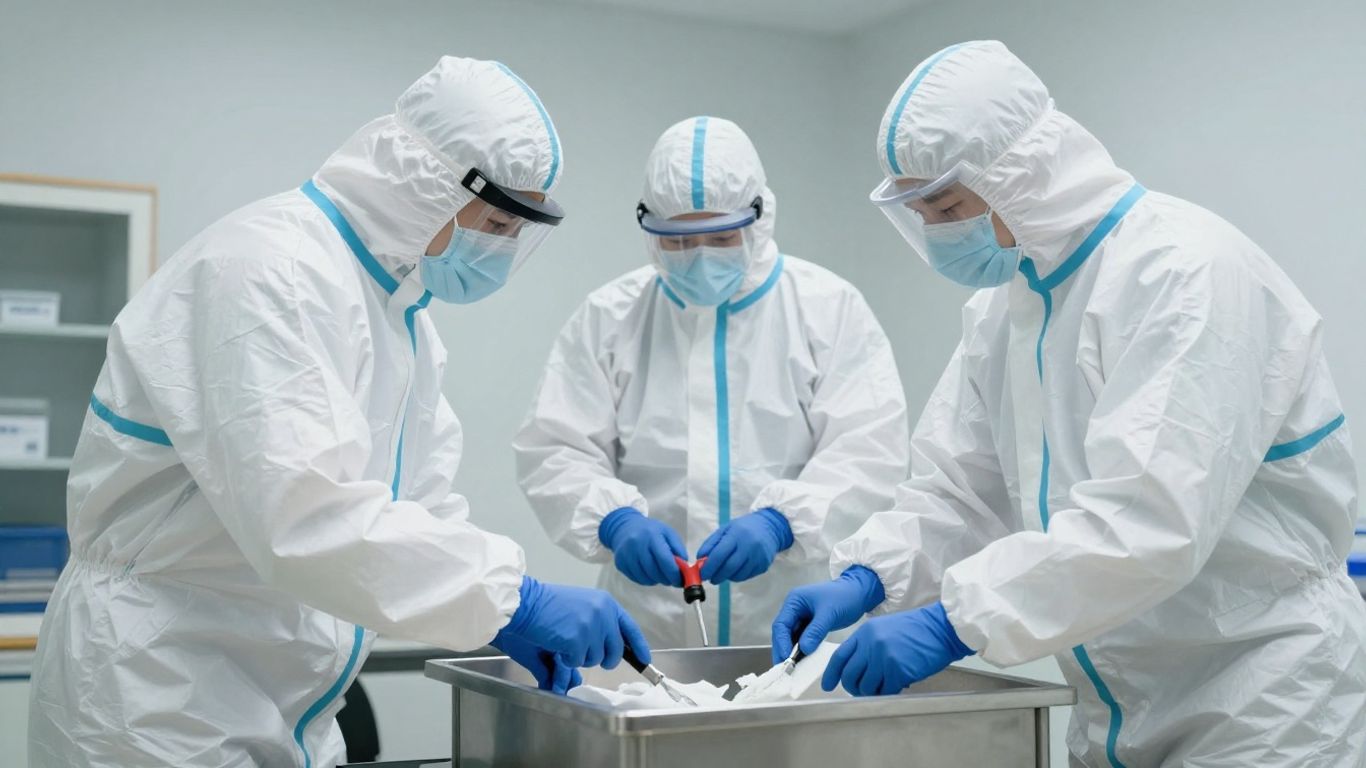
So, you’ve found yourself in a situation that calls for professional biohazard cleaning. It’s definitely not a DIY job, and honestly, it’s probably a bit overwhelming to think about. But here’s the good news: the pros know exactly what they’re doing. They have a structured approach designed to handle even the toughest situations safely and effectively.
Initial Site Assessment and Risk Evaluation
The first thing the team will do is take a good, hard look at the affected area. They aren’t just looking at the obvious mess; they’re assessing the full scope of the contamination. This involves identifying the type of biohazard, how far it has spread, and what materials are involved. This initial evaluation is key to developing the right plan. They’ll figure out what safety gear is needed, what cleaning agents will work best, and how to contain everything to prevent further spread. It’s like a detective mission, but instead of solving a crime, they’re figuring out the safest way to clean it up.
Safe Waste Removal and Disposal
Once they have a plan, the actual cleanup begins. This isn’t just throwing things in a trash bag. Biohazardous waste needs to be handled with extreme care. Professionals use specialized containers and follow strict protocols for bagging, sealing, and transporting the contaminated materials. This waste is then taken to approved facilities for proper disposal, often through incineration or other methods that completely neutralize the hazard. It’s a critical step that protects both the cleanup crew and the wider community from potential health risks. You can trust that they know the regulations inside and out when it comes to biohazard waste disposal.
Post-Cleanup Verification and Restoration
Just because the visible mess is gone doesn’t mean the job is finished. After the initial cleaning and disinfection, professionals will often perform verification tests. This might include air quality testing or surface swabs to confirm that the area is truly decontaminated and safe. They’ll also look at any structural damage that might have occurred and discuss restoration options with you. The goal is to not only make the space safe but also to return it to a habitable condition. Sometimes, this involves minor repairs or specialized treatments to eliminate lingering odors.
The entire process is about more than just cleaning; it’s about restoring safety and peace of mind. Professionals are trained to handle the emotional and psychological toll these situations can take, working with discretion and respect throughout the job.
The Impact of Proper Biohazard Cleaning on Community Health
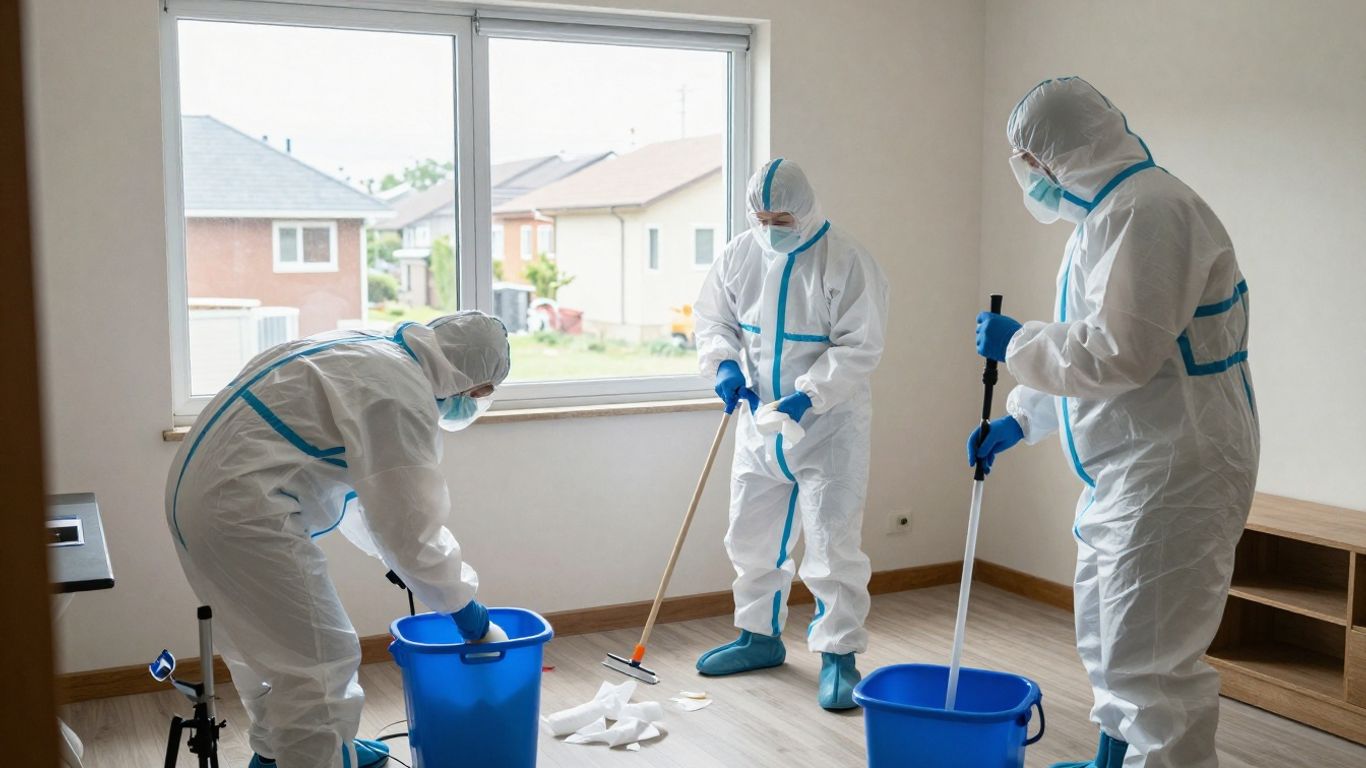
When biohazard situations happen, it’s not just about cleaning up a mess. It’s about protecting everyone around. Think about it: if a place isn’t cleaned right after something like a serious accident or a sewage backup, those nasty germs and bacteria can stick around. This can lead to diseases spreading way easier than they should. Professional biohazard cleaning is a key step in stopping that spread and keeping neighborhoods safe.
Prevention of Disease Transmission
Proper cleanup stops dangerous pathogens from lingering. These tiny invaders can survive on surfaces for a long time if not dealt with correctly. Professionals use special tools and cleaning agents to make sure everything is truly disinfected, not just wiped down. This means fewer chances for illnesses to jump from one person to another.
- Eliminating Pathogens: Specialized cleaning kills viruses, bacteria, and other harmful microorganisms.
- Preventing Cross-Contamination: Strict protocols stop germs from spreading to other areas of a property or to cleaning crews.
- Reducing Public Health Risks: By thoroughly cleaning, we lower the overall risk of outbreaks in the community.
Environmental Protection Measures
It’s not just about people’s health; it’s about the planet too. Biohazardous waste needs to be handled and disposed of in a very specific way. If it’s not done right, it can end up polluting our soil and water. Professional services know all the rules and regulations for getting rid of this stuff safely, so it doesn’t cause long-term harm to the environment. They handle everything from the initial containment to the final disposal, making sure it’s done legally and responsibly.
Proper disposal of biohazardous materials is a serious matter. It requires knowledge of specific regulations and the right equipment to prevent environmental contamination. This isn’t a job for just anyone; it needs trained professionals who understand the risks and the procedures involved.
Supporting Public Well-Being and Safety
Ultimately, having access to reliable biohazard cleaning services makes communities healthier and safer places to live. When a traumatic event or a serious contamination occurs, knowing that professionals can step in quickly and effectively brings a lot of peace of mind. It means that homes, businesses, and public spaces can be returned to a safe condition without putting more people at risk. This service is a vital part of the infrastructure that supports overall public health and well-being, especially after difficult events. It’s about restoring not just a physical space, but also a sense of security for everyone involved. You can find more information on preventing disease transmission through proper cleanup practices.
When in Doubt, Call the Pros
So, we’ve talked about what biohazards are and why they’re no joke. It’s pretty clear that trying to handle these situations yourself is a bad idea. You risk your health, and you might not even get the job done right. Professionals have the gear, the training, and they know all the rules about getting rid of this stuff safely. It’s not just about cleaning up a mess; it’s about making sure a place is truly safe again. If you ever find yourself dealing with something that seems like a biohazard, don’t hesitate. Call in the experts. It’s the smartest and safest way to get your space back to normal and keep everyone healthy.
Frequently Asked Questions
What exactly is a biohazard?
A biohazard is anything that could make people sick or cause harm. Think of things like blood, body fluids, mold, or even waste from pests. These materials need special care because they can spread germs and diseases if not handled correctly.
When should I call a professional for biohazard cleaning?
You should always call professionals if you find things like blood at a crime scene, serious mold problems, sewage backups, or evidence of drug activity. It’s also important for situations involving unattended deaths or hoarding. Basically, if it’s something beyond a normal messy clean-up and involves potentially harmful biological materials, it’s time to call the experts.
Can I clean up a biohazard myself?
It’s really not a good idea to try cleaning a biohazard on your own. These materials can carry dangerous germs and viruses that could make you very sick. Professionals have special gear, cleaning supplies, and training to handle these situations safely and make sure everything is truly clean and safe.
What happens during a professional biohazard cleaning?
First, the cleaning team will check out the area to figure out how bad the problem is. Then, they’ll use special equipment to safely remove all the hazardous stuff. They’ll clean, disinfect, and get rid of any bad smells. They also make sure to get rid of the waste safely and legally.
How do I find a good biohazard cleaning company?
Look for companies that are certified and follow all the rules. It’s good if they can respond quickly, especially for emergencies. Check if they have good reviews from people in your area and ask about their experience. Knowing they are properly trained and insured gives you peace of mind.
Why is professional biohazard cleaning so important for everyone?
When biohazards are cleaned up properly by professionals, it stops the spread of sickness and protects everyone’s health. It keeps our homes, workplaces, and communities safer and cleaner. It’s a vital step in making sure dangerous materials don’t cause long-term health problems for people or harm the environment.
