So, a fire happened, and now your place smells like a campfire that just won’t quit. Dealing with smoke damage is a real pain. It’s not just about the smell, though. That smoky residue can get into everything, and if you don’t handle it right, it can cause more problems down the road, even affecting your health. It’s a lot more complicated than just opening some windows. Let’s break down what you’re up against with smoke damage and what you can actually do about it.
Key Takeaways
- Smoke damage goes beyond just a bad smell; it involves soot and acidity that can harm surfaces and air quality.
- Inhaling smoke particles can lead to serious health issues, including breathing problems and eye irritation.
- When returning to a smoke-affected area, prioritize safety by wearing protective gear and discarding contaminated food.
- Professional restoration services offer specialized cleaning and odor removal to properly address smoke damage.
- While some minor cleaning can be done yourself, extensive smoke damage often requires professional help for effective and safe remediation.
Understanding The Pervasive Nature Of Smoke Damage
Smoke damage is a sneaky problem. It’s not just about the visible char marks from a fire; the smoke itself can spread far and wide, causing issues you might not even notice at first. Think about the smell after a campfire – it sticks to everything, right? Well, smoke from a house fire is similar, but much more intense and potentially harmful.
The Lingering Effects Of Smoke Odors
That smoky smell isn’t just unpleasant; it’s a sign that tiny smoke particles have settled into your home’s nooks and crannies. These particles are made up of various chemicals, and they can get into fabrics, carpets, and even the walls. Even after the flames are out, these odors can stick around for a long time, making your home feel uncomfortable and potentially impacting air quality. Trying to get rid of these smells yourself can be a real challenge, often requiring special techniques and products.
Soot And Acidity: The Primary Concerns
Soot is a major player in smoke damage. It’s that black, powdery residue left behind after something burns. Soot isn’t just messy; it’s also acidic. The type of material that burned affects the soot’s composition, but generally, the longer it sits on surfaces, the more damage it can do. It can discolor walls, ceilings, and furniture, and it can even start to eat away at materials over time. Cleaning soot needs to happen pretty quickly to prevent this secondary damage.
Here’s a quick look at what soot can affect:
- Walls and ceilings
- Furniture and upholstery
- Carpets and rugs
- Wood surfaces
- Appliances
Beyond The Visible: Invisible Smoke Damage
Sometimes, the worst damage isn’t what you can see. Smoke particles are incredibly small, so small they can get into places you wouldn’t expect, like inside electronics or deep within the fibers of your couch. This invisible damage can still cause problems down the line, from electronic malfunctions to persistent health issues. It’s why a thorough smoke damage assessment is so important after any fire event, even if your home looks mostly okay.
It’s easy to underestimate the reach of smoke. It can travel through ventilation systems and tiny cracks, depositing its residue on surfaces far from the actual fire. This pervasive nature means that even areas that appear untouched can harbor damaging particles and lingering odors.
Health Risks Associated With Smoke Exposure
Smoke from fires isn’t just an unpleasant smell; it carries real health risks that you need to be aware of. When smoke fills your home, it’s not just the visible soot that’s the problem. Tiny particles and gases can linger in the air and settle on surfaces, and breathing them in can cause a range of issues, from minor annoyances to serious health conditions.
Respiratory And Cardiovascular Issues
Inhaling smoke particles is tough on your lungs. You might notice immediate effects like a persistent cough, a scratchy throat, or just feeling short of breath. For anyone with existing breathing problems, like asthma or COPD, smoke can trigger flare-ups, making it much harder to breathe. The fine particles in smoke can also get into your bloodstream, potentially affecting your heart. This can be particularly dangerous for people with pre-existing heart conditions, increasing the risk of heart attacks or other cardiac events.
Eye Irritation And Allergic Reactions
Smoke doesn’t just affect your lungs and heart; your eyes can take a beating too. Smoke particles can cause significant irritation, leading to redness, itching, and watery eyes. It can feel like you’ve got something gritty in your eye, and it’s just plain uncomfortable. For some people, smoke can also act as an allergen, triggering sneezing fits, a runny nose, or even skin rashes. It’s like a bad cold or allergy attack, but it’s caused by the smoke lingering in your environment.
Toxic Exposure And Long-Term Health Impacts
Beyond the immediate irritation, smoke contains a cocktail of potentially toxic chemicals. Things like carbon monoxide, formaldehyde, and various volatile organic compounds (VOCs) are common. While short-term exposure might cause headaches or dizziness, longer exposure, especially to these specific toxins, can lead to more serious, long-term health problems. This is why it’s so important to address smoke damage thoroughly and not just live with the smell. Getting professional help is often the best way to deal with smoke damage and protect your health.
The invisible nature of smoke damage means that even after the fire is out and the visible soot is cleaned, harmful particles and gases can remain suspended in the air or embedded in materials. This persistent contamination poses an ongoing risk to your health, especially for vulnerable populations.
Here’s a quick rundown of what to watch out for:
- Breathing Difficulties: Coughing, wheezing, shortness of breath, asthma exacerbation.
- Eye and Throat Irritation: Redness, itching, burning sensations.
- Cardiovascular Strain: Increased risk for heart attack or stroke.
- Allergic Responses: Sneezing, runny nose, skin irritation.
- Potential Long-Term Effects: Chronic respiratory issues, increased risk of certain illnesses from toxic compound exposure.
Immediate Steps To Mitigate Smoke Damage
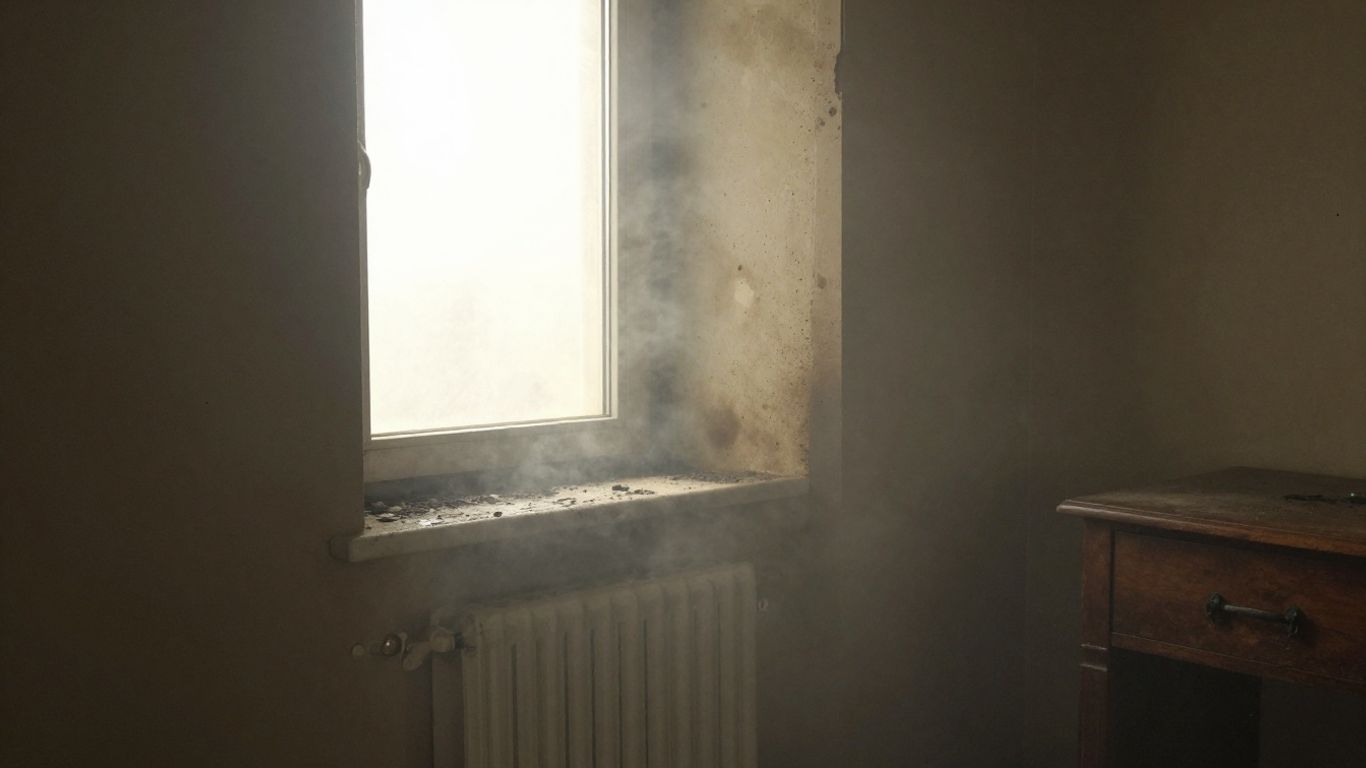
Okay, so a fire happened. It’s a relief if your home wasn’t completely destroyed, but smoke damage is a sneaky problem that can affect things even if the flames never touched them. When you’re allowed back in, there are a few things you need to do right away to try and stop the damage from getting worse.
Prioritizing Safety Upon Re-entry
First things first: safety. Listen to what the authorities say about when it’s okay to go back into your home. Wildfire smoke, especially, is full of tiny particles that are really bad for your lungs. Wearing an N95 mask is a must to protect yourself from breathing in all that stuff. Also, keep an eye out for visible signs of smoke damage like soot, which is that dark, flaky residue, and ash, which looks like fine dust. Document everything you see with photos or videos – this will be important later.
Discarding Contaminated Food Items
This is a big one that people sometimes overlook. Any food that was exposed to heat or smoke needs to go. This includes canned goods, because high heat can mess with the food inside and potentially cause bacteria growth. Anything in boxes or bags is basically a goner since the smoke has already gotten into it. It might seem like a waste, but it’s not worth the risk of getting sick.
Protecting Yourself With Respiratory Gear
Beyond just the mask when you first go back in, think about the gear you need for any cleaning you plan to do. Soot and smoke residue aren’t just messy; they can be acidic and harmful. You’ll want gloves and eye protection, too. If you’re planning on doing some initial DIY smoke damage cleanup, make sure you have the right supplies. It’s better to be overprepared than to end up with a health issue from the cleanup itself. Remember, even if things look okay, the smoke particles are microscopic and can cause problems.
Professional Smoke Damage Restoration Process
When smoke damage hits your home, it’s more than just a bad smell. It’s a complex problem that can affect surfaces you can’t even see. That’s where professional restoration services come in. They have the tools and know-how to tackle smoke damage effectively.
Comprehensive Loss Assessment
Before any cleaning starts, professionals will do a thorough check of your property. They look at everything that smoke might have touched, from the walls and ceilings to your furniture and belongings. This assessment helps them figure out the best way to clean and repair everything. They’ll identify different types of smoke residue, like wet smoke or dry smoke, because each needs a different approach. This detailed inspection is key to a successful restoration.
Thorough Cleaning and Decontamination
Professionals use specialized equipment and cleaning agents to get rid of soot and smoke particles. This isn’t just about making things look clean; it’s about removing the acidic residue that can cause long-term damage. They’ll use things like air scrubbers to clean the air and specialized cleaners for different surfaces. This step is vital for making sure your home is safe and healthy again.
Professionals have the right tools and knowledge to handle different types of smoke and soot. Trying to clean it yourself might not remove all the harmful particles, potentially leading to ongoing issues.
Here’s a look at some common cleaning methods:
- Surface Cleaning: Using specific solutions to wipe down walls, ceilings, and hard surfaces.
- Air Scrubbing: Employing machines that filter smoke particles and odors from the air.
- Deodorizing: Applying treatments to neutralize lingering smells at their source.
Specialized Contents Cleaning
Your personal belongings need special attention too. Professionals will carefully inspect items like furniture, clothing, electronics, and documents. They know which items can be cleaned on-site and which might need to be taken to a specialized facility. This careful handling helps save as many of your possessions as possible. For example, delicate items like important papers might require careful drying and cleaning techniques to prevent further damage. If your home has suffered smoke damage, getting professional fire restoration can make a big difference in bringing your property back to its original state.
Effective Odor Removal Strategies
Smoke odor is one of the most persistent and unpleasant reminders of a fire. It’s not just a bad smell; it’s a sign that tiny, odor-causing particles have settled into every nook and cranny of your home. Getting rid of it requires more than just opening windows. You need a plan.
The Role Of Volatile Organic Compounds
So, what exactly causes that lingering smoky smell? It’s mostly due to something called Volatile Organic Compounds, or VOCs. These are gases released when things burn. They’re super tiny and can get into just about anything – your walls, your furniture, even your clothes. The longer these VOCs hang around, the harder they are to get rid of. Different types of fires produce different VOCs, which is why smoke from a wood fire smells different from smoke from a plastic fire. Understanding this helps us figure out the best way to tackle the smell.
Professional Odor Neutralization Techniques
While airing out your home is a good first step, it often isn’t enough. Professionals have a few tricks up their sleeves. They use specialized equipment and cleaning agents designed to break down those odor-causing VOCs, not just mask them. Think of it like this: instead of just spraying air freshener, they’re actually neutralizing the source of the smell. This can involve using things like:
- Air Scrubbers: These machines pull air through filters, trapping smoke particles and VOCs.
- Ozone Generators: These create ozone, a gas that can neutralize odors. However, they need to be used carefully and in unoccupied spaces because ozone can be harmful to people and pets.
- Thermal Fogging: This process releases a deodorizing compound into the air in a fog-like mist, which can reach areas that are hard to clean manually.
Addressing Persistent Smells In Air Ducts
One of the biggest culprits for persistent smoke odor is your HVAC system. Smoke particles and VOCs can travel through your air ducts and get recirculated throughout your entire house, even if other areas seem clean. It’s like a hidden network for smells. If you don’t clean your air ducts after a fire, that smoky smell will likely keep coming back. Professionals will inspect and clean your entire HVAC system, including the ducts, to make sure the odor isn’t hiding there. This often involves specialized tools to reach deep into the ductwork and remove any settled soot or residue. Changing your furnace filter regularly is also a good idea, especially if you’re using a filter with activated carbon, which can help trap odors. Some filters are rated for particle removal, like MERV 11 or 12, and can be a good starting point.
Cleaning Specific Household Items
After a fire, tackling the smoke damage on your belongings can feel overwhelming. It’s not just about wiping down surfaces; different materials need different approaches. Getting this right is key to salvaging your possessions and removing that persistent smoky smell.
Restoring Furniture and Textiles
When it comes to furniture, the material really matters. For items with washable coverings, like some upholstery or curtains, a cold-water wash with your regular detergent is a good start. If you can use it, a bit of bleach can help, but always check the care label first. If bleach isn’t an option, try adding a teaspoon of baking soda to the wash. For wood furniture, you’ll need a cleaner specifically designed for wood to avoid damage. Plastic or metal pieces might be okay with a general smoke damage cleaner you can buy at the store. Remember, anything that was directly burned or heavily charred is likely beyond saving and should be discarded.
It’s important to remember that smoke particles are acidic and can continue to degrade materials over time if not properly cleaned. This is why using the right cleaning agents and methods is so important for long-term preservation.
Cleaning Carpets and Rugs
Carpets and rugs are notorious for trapping smoke odors and soot. The first step is usually vacuuming. Use a vacuum cleaner with a HEPA filter if possible, and avoid using beater bars, as they can push soot deeper into the fibers. If you don’t have a HEPA filter, open windows and wear a mask while you vacuum. For tougher stains or lingering smells, you might need to use a carpet cleaning solution. Some sources suggest using tri-sodium phosphate (TSP) for tough grease, but diluted soapy water can also be effective for general cleaning. Always test any cleaner in an inconspicuous spot first. For very deep damage or persistent odors, professional carpet cleaning might be your best bet.
Handling Delicate Items Like Documents
Cleaning delicate items like important documents, photographs, or artwork requires extreme care. Never use water or liquid cleaners on these items, as they can cause irreparable damage. Instead, gently brush off loose soot with a soft, dry brush or a dry-cleaning sponge. For items that are severely damaged or irreplaceable, it’s often best to consult with a professional restoration service that specializes in document or art recovery. They have specialized techniques and controlled environments to handle these fragile materials. Trying to clean them yourself could easily make the damage worse.
Here’s a quick rundown of what to consider:
- Fabrics: Check care labels. Cold water wash with detergent is a good start. Bleach or baking soda can be added if appropriate.
- Wood Furniture: Use wood-specific cleaners. Avoid harsh chemicals.
- Electronics: These are tricky. Often, professional cleaning is needed, or they may need to be replaced if exposed to heavy smoke.
- Documents/Photos: Dry cleaning methods only. Brush off soot gently. Consult professionals for severe damage.
If you’re dealing with a lot of items or particularly valuable possessions, restoring smoke-damaged furniture might be a task best left to the pros. They have the tools and knowledge to handle a wide range of materials safely.
When To Hire Professional Restoration Services
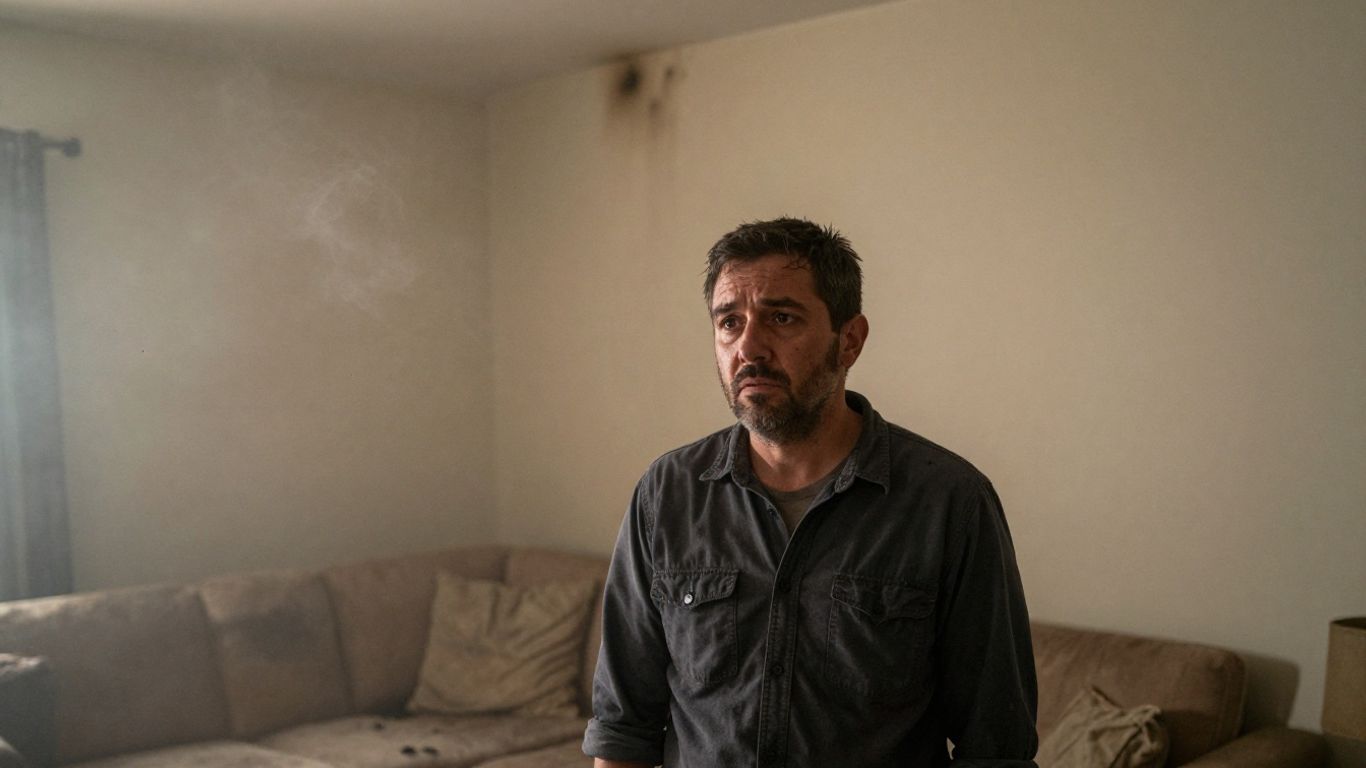
So, you’ve had a fire or some other event that left smoke damage in your home. You’ve done the initial safety checks, maybe aired things out a bit, and now you’re looking at the mess. It’s easy to think, "I can handle this." And sometimes, you can. If the smoke damage is really minor, like a bit of soot on one wall from a candle, and you’ve got the time and the right cleaning supplies, tackling it yourself might be an option. But let’s be real, smoke damage is sneaky. It gets into everything, and that smell? It just lingers.
Assessing the Extent of Smoke Damage
How bad is it, really? That’s the million-dollar question. You need to look beyond just what you can see. Smoke particles are tiny and can travel through your HVAC system, settling in places you wouldn’t expect. Think about:
- Visible Soot and Stains: Are they just on surfaces, or have they penetrated materials like drywall or wood?
- Odor Intensity: Can you smell it strongly in one room, or is it everywhere? Does it get worse when the heat or AC kicks on?
- Material Impact: What materials are affected? Porous items like upholstery, carpets, and even paper products absorb smoke much more readily than non-porous surfaces.
- HVAC System: Has smoke likely traveled through your air ducts? If so, this is a big one. Cleaning ducts is specialized work.
If you’re finding that the damage is widespread, affecting multiple rooms, or if you’re dealing with porous materials, it’s probably time to call in the pros. Trying to clean it yourself might just spread the problem or not fully remove the odor-causing compounds.
The Benefits of Expert Remediation
Professionals bring a few key things to the table that are hard to replicate. For starters, they have specialized equipment. We’re talking industrial-strength air scrubbers, ozone generators for odor removal, and specific cleaning agents designed for different types of smoke and surfaces. They also have the know-how to figure out what’s salvageable and what’s not. Sometimes, an item that looks ruined can be restored by experts, saving you money in the long run. Plus, they know how to handle potentially hazardous materials that might have been disturbed by the fire, like asbestos. Their goal is to not just clean, but to truly decontaminate your home and prevent future issues.
Dealing with smoke damage can be emotionally draining, especially after a fire. Professionals can take on the heavy lifting of the cleanup and restoration process, allowing you to focus on other important aspects of recovery and getting your life back to normal.
Choosing a Qualified Restoration Company
Not all restoration companies are created equal. When you’re looking for help, do a little digging. Check for certifications, like those from the IICRC (Institute of Inspection, Cleaning and Restoration Certification). This shows they’ve had formal training. Ask about their experience with smoke damage specifically. It’s also a good idea to get a few different opinions and estimates. Look for companies that are transparent about their process and what they plan to do. If you’re filing an insurance claim, many companies can work directly with your insurance carrier, which can simplify things a lot. Remember, this isn’t just about making things look clean; it’s about making your home safe and healthy again.
Wrapping Up: What to Remember About Smoke Damage
So, dealing with smoke damage after a fire, whether it’s from a small kitchen mishap or a big wildfire, is no joke. It’s not just about that lingering smell, which is bad enough. Smoke particles can get everywhere, causing more damage over time and even messing with your health. While you might be tempted to tackle some of the smaller stuff yourself, like wiping down a counter, remember that soot is acidic and can really eat away at surfaces if you don’t get it off quickly. For anything more serious, or if you’re just not sure, calling in the pros is usually the smartest move. They have the right gear and know-how to really get the job done right, making sure your home is safe and smells like home again.
Frequently Asked Questions
What exactly is smoke damage, and why is it so tricky to deal with?
Smoke damage is more than just a bad smell. It’s caused by tiny particles and chemicals that spread everywhere, even to places that weren’t touched by fire. These particles can stick to surfaces, get into fabrics, and even cause damage over time because they can be acidic. That’s why it’s tough to get rid of completely.
Is smoke damage dangerous to my health?
Yes, it can be. Breathing in smoke particles can cause breathing problems, make allergies worse, and irritate your eyes. Some smoke also contains harmful chemicals that can be bad for you in the long run if you’re exposed to them too much.
What should I do right after a fire that caused smoke damage?
First, make sure it’s safe to go back inside. If you can, throw away any food that might have been exposed, as it could be unsafe to eat. It’s also a good idea to wear a mask, like an N95, to protect yourself from breathing in any leftover particles when you first go back in.
How do professionals clean up smoke damage?
Professionals have special tools and cleaning solutions. They start by figuring out how bad the damage is. Then, they clean everything thoroughly to remove soot and smoke residue. They also use special equipment to get rid of stubborn odors and make sure the air is clean again.
Why does smoke smell linger even after cleaning?
The smell comes from tiny chemicals called Volatile Organic Compounds (VOCs) that smoke releases. These VOCs can soak into materials like furniture, carpets, and walls. Even after cleaning, they can keep releasing that smoky smell, especially when it’s warm. Professionals use special methods to break down and remove these compounds.
When is it better to call the experts instead of cleaning smoke damage myself?
If the smoke damage seems widespread or severe, it’s best to call professionals. They have the right equipment and knowledge to clean safely and effectively. Trying to clean it yourself might not get rid of all the harmful stuff, and you could even make the damage worse.
