Seeing mold pop up on your walls can be a real bummer. It’s not just unsightly; it can also be a health thing. But before you go out and buy those harsh chemical cleaners, hold up. There are plenty of simple, natural ways to tackle that mold right in your own kitchen. We’re talking about using stuff you probably already have to make your own homemade mold killer for walls that actually works. It’s easier than you think, and way better for you and your home.
Key Takeaways
- Natural ingredients like vinegar, baking soda, hydrogen peroxide, and tea tree oil can effectively kill mold on walls.
- Homemade mold killer for walls solutions are often safer and more budget-friendly than commercial products.
- Proper application involves applying the solution, letting it sit, scrubbing, and then rinsing and thoroughly drying the area.
- Addressing the root cause of moisture is vital for preventing mold from returning.
- Always wear protective gear like gloves and eyewear when dealing with mold, and consider professional help for large infestations.
Understanding Homemade Mold Killer for Walls
Seeing mold pop up on your walls can be a real bummer. It’s not just unsightly; it can also be a sign of bigger moisture problems lurking around. Before you reach for those harsh chemical cleaners, let’s talk about some natural ways to tackle it. Using stuff you probably already have in your kitchen can be just as effective, and honestly, a lot less stressful to deal with.
Why Choose Natural Mold Solutions
When mold appears, the first instinct might be to grab the strongest cleaner available. But those commercial products often come with strong fumes and a list of ingredients that are hard to pronounce. Natural solutions, on the other hand, use simple, common household items that are generally safer for your family and pets. Plus, they’re usually much cheaper! Making your own mold killer means you control exactly what goes into it. It’s a win-win for your home’s health and your wallet.
Identifying Mold Growth on Walls
Mold can show up in a few different ways. You might see fuzzy patches that are green, black, white, or even orange. Sometimes it looks like a stain, especially on painted surfaces. It often has a musty, damp smell, even if you can’t see it right away. Common spots include bathrooms, kitchens, basements, or any area with persistent moisture. If you notice any of these signs, it’s time to investigate further.
Safety Precautions for DIY Mold Removal
Even though we’re using natural ingredients, it’s still important to be careful. Mold spores can cause allergic reactions or respiratory issues, so it’s a good idea to protect yourself. Always wear gloves and eye protection when cleaning mold. If you’re dealing with a large area, or if you have respiratory problems, consider wearing a mask. Make sure the area you’re working in is well-ventilated. Open windows and doors if possible. For extensive mold growth, usually anything larger than a 10-square-foot area, it’s best to call in the professionals.
Always test any cleaning solution on a small, inconspicuous spot first to make sure it doesn’t damage or discolor your wall surface. This is especially true for painted or wallpapered walls.
Here’s a quick rundown of what you’ll need:
- Gloves
- Eye protection (goggles)
- Spray bottle
- Clean cloths or sponges
- A stiff-bristled brush (for tougher spots)
Remember, tackling mold early is key. The sooner you address it, the easier it will be to get rid of and prevent it from coming back. You can find more tips on effective cleaning with common household items here.
Effective Natural Ingredients for Mold Removal
When you find mold creeping up your walls, it’s easy to panic and reach for the strongest chemical cleaners you can find. But hold on a second! Turns out, you probably already have some super effective mold-fighting ingredients right in your kitchen. Using natural stuff means you’re not breathing in harsh fumes, which is a big win, especially if you have kids or pets around. Plus, these common household items are often way cheaper than store-bought mold removers.
The Power of White Distilled Vinegar
White distilled vinegar is a real workhorse when it comes to killing mold. Its acidity is no joke to mold spores. It’s been shown to get rid of about 82 percent of mold species, viruses, and bacteria. You can use it straight up, too. Just pour undiluted vinegar into a spray bottle and give the moldy spots a good soak. Let it sit for about 15 minutes, then scrub it away. A light spray and letting it air dry afterward can also help prevent mold from coming back.
Baking Soda’s Moisture-Absorbing Properties
Baking soda is another pantry staple that’s surprisingly good at tackling mold. It’s not just about killing the mold; it also helps absorb moisture, which is what mold loves. You can mix baking soda with water to make a paste for scrubbing stubborn stains, or put about a quarter teaspoon in a spray bottle with water. Spray it on, scrub with a sponge, and then rinse. Respraying and letting it dry can help keep things mold-free.
Hydrogen Peroxide as an Antifungal Agent
Hydrogen peroxide is a fantastic, odorless alternative if you’re sensitive to vinegar’s smell. A 3% solution works wonders. It’s not only a cleaner but also has antifungal and antibacterial properties that help kill mold and stop it from returning. Just spray it on the affected area, let it sit for at least 10 minutes, scrub, and then wipe it down. It’s a good idea to test it on a small, hidden spot first, especially on colored surfaces, just to make sure it doesn’t cause any discoloration. You can find hydrogen peroxide pretty easily at most drugstores.
Tea Tree Oil’s Natural Fungicidal Strength
Tea tree oil is a potent natural fungicide. You only need a little bit – about a teaspoon mixed with a cup of water in a spray bottle. Spray it on the mold, let it dry for about an hour, and then wipe it clean. It’s strong stuff, so even though it’s natural, it’s wise to wear gloves when you use it. The scent is pretty strong too, but it usually fades after a few days. It’s a great way to tackle mold and prevent spores from growing back.
When you’re dealing with mold, remember that safety comes first. Always wear gloves and consider eye protection, especially when using sprays. Ensure good ventilation in the area you’re cleaning. If the mold problem seems extensive or you’re concerned about health effects, it might be time to call in a professional mold remediation service.
Creating Your Homemade Mold Killer Solutions
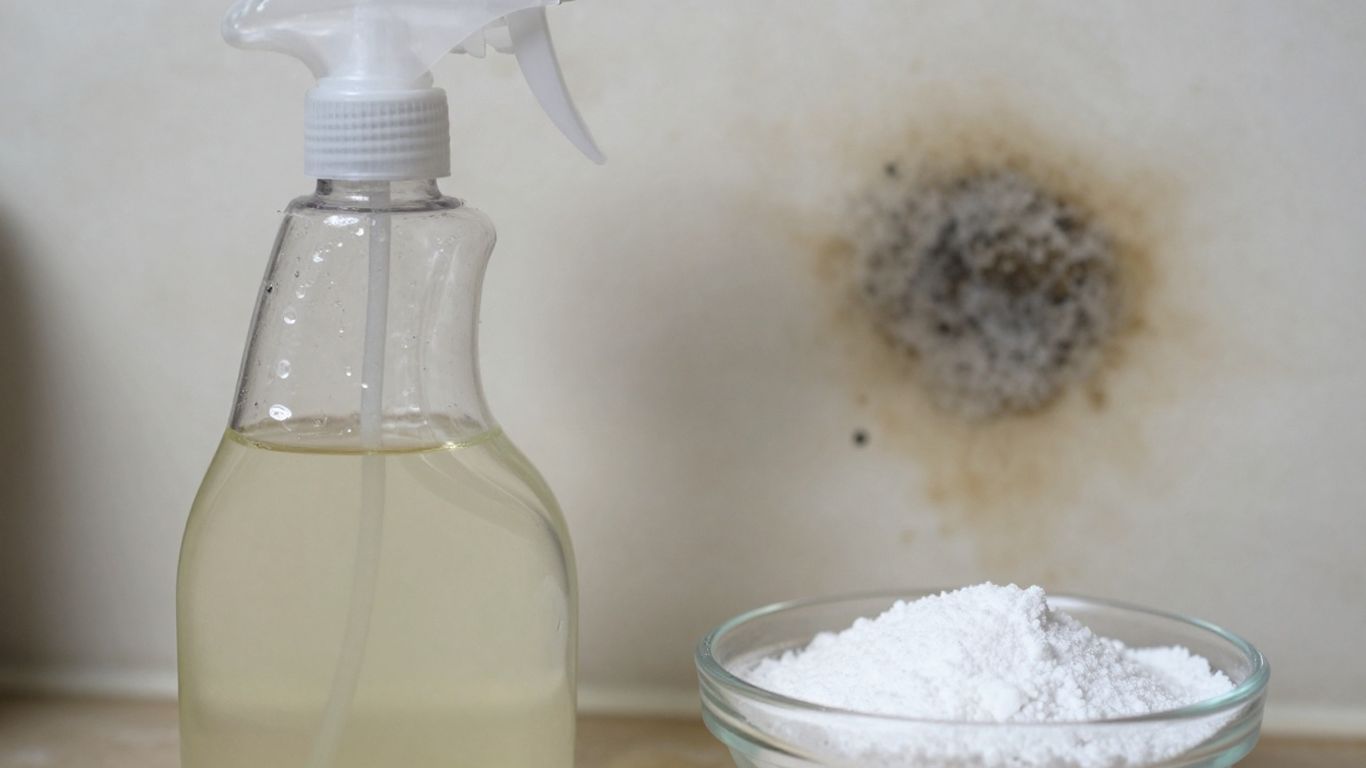
Alright, so you’ve identified the mold and you’re ready to tackle it. Instead of running to the store for some harsh chemical stuff, let’s whip up some natural cleaners right in your kitchen. These recipes are pretty straightforward and use things you probably already have.
Simple Vinegar Spray Recipe
White distilled vinegar is a real workhorse when it comes to mold. It’s acidic enough to kill a good chunk of mold spores. Seriously, research shows it can get rid of about 82 percent of mold, viruses, and bacteria. Plus, it’s super easy to use.
- Pour undiluted white distilled vinegar into a spray bottle.
- Spray it directly onto the moldy spots on your walls.
- Let it sit for at least 15 minutes. Don’t rush this part; give the vinegar time to do its thing.
- After it’s had time to work, scrub the area with a brush or cloth.
- Wipe the area clean. You can give it a light spray afterward and let it air dry to help prevent regrowth.
Baking Soda Paste for Stubborn Stains
Baking soda is fantastic because it’s not only a mild abrasive that helps scrub away mold, but it also absorbs moisture, which mold loves. This makes it great for those tougher spots.
- Mix about a quarter teaspoon of baking soda with a spray bottle of water. Shake it up well.
- Spray this mixture onto the moldy area.
- Use a sponge or brush to scrub away the mold.
- Rinse the surface with clean water.
- For a thicker paste to tackle really stubborn stains, mix baking soda with a little water until it forms a paste. Apply this paste directly to the mold, let it sit for a bit, then scrub and wipe clean.
Essential Oil and Water Mixture
If the smell of vinegar isn’t your favorite, or you want an extra antifungal boost, essential oils are the way to go. Tea tree oil is a popular choice because it’s a natural fungicide.
- Mix one teaspoon of tea tree oil with one cup of water in a spray bottle.
- Shake it really well before each use, as the oil and water will separate.
- Spray this mixture onto the moldy areas.
- Let it dry for about an hour.
- Wipe the area with a dry cloth. Be aware that tea tree oil has a strong scent, but it usually fades within a few days. You can also try grapefruit seed extract, using about ten drops per cup of water.
Combining Ingredients for Enhanced Power
Want to really amp up your mold-fighting game? You can combine some of these ingredients. For instance, mixing baking soda with vinegar and a bit of lemon juice can create a powerful cleaning paste.
- Combine equal parts white distilled vinegar and lemon juice.
- Add a smaller amount of baking soda to create a thick paste.
- Apply this paste to the moldy areas using a cloth or brush.
- Let it sit for about five minutes.
- Scrub the area, then wash it away with clean water. This combo not only cleans but also helps with any lingering musty smells thanks to the lemon juice.
Remember, even with natural solutions, it’s a good idea to wear gloves and maybe even a mask, especially if you’re dealing with a larger area. You don’t want to breathe in too many spores or get the cleaning mixture on your skin.
When you’re looking for effective, non-toxic ways to clean your home, these natural solutions are a great starting point. They’re budget-friendly and much gentler than many commercial cleaners, offering a safer approach to tackling mold.
Application and Cleaning Techniques
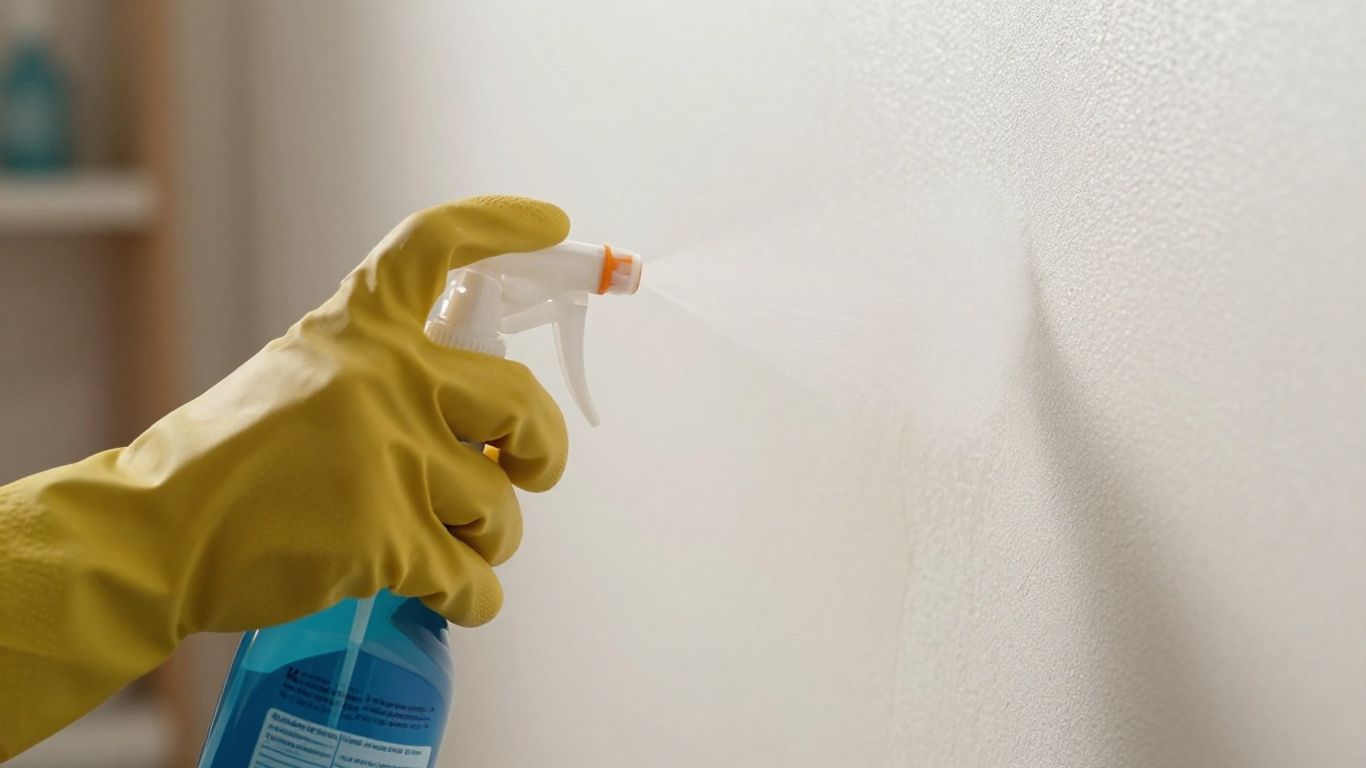
Alright, so you’ve got your homemade mold killer ready to go. Now comes the part where we actually get rid of that unsightly and potentially unhealthy mold. It’s not super complicated, but doing it right makes a big difference.
Preparing the Affected Area
First things first, you want to prep the area. This means protecting yourself and the surrounding stuff. Put on some gloves and maybe even an old mask – mold spores can get everywhere. If the mold is on a wall, you might want to lay down some old newspapers or a drop cloth on the floor underneath to catch any drips. If you’re using a spray, it’s a good idea to open a window for some airflow, but try not to create a strong draft that could blow spores around.
Applying Your Homemade Killer
Now for the application. Grab your spray bottle or whatever container you used for your solution. For most of the natural cleaners we talked about, like vinegar or hydrogen peroxide, you’ll want to spray them directly onto the moldy spots. Don’t be shy, give it a good coating. If you’re using a paste, like the baking soda one, you’ll want to apply that directly to the mold with a cloth or brush.
Here’s a quick rundown of how long to let some common solutions sit:
| Solution | Application Method | Dwell Time (Approx.) | Notes |
|---|---|---|---|
| White Vinegar | Spray directly | 15 minutes | Can be left to air dry after cleaning |
| Baking Soda Paste | Apply with cloth | 5-10 minutes | Good for scrubbing stubborn stains |
| Hydrogen Peroxide | Spray directly | 10-30 minutes | Test on an inconspicuous spot first |
| Tea Tree Oil Mixture | Spray directly | 1 hour | Let it dry before wiping |
Scrubbing and Wiping Away Mold
After your chosen solution has had some time to work its magic, it’s time to scrub. Use a stiff-bristled brush or a damp sponge. For walls, a brush is usually best to really get into the texture. Scrub the moldy areas firmly. You should see the mold start to lift away. If you’re dealing with a particularly stubborn patch, you might need to reapply your cleaner and scrub again. Don’t be afraid to put a little elbow grease into it. For painted walls, be gentle to avoid damaging the paint. If you’re tackling a tough stain, you might find a product like Jomax Mold & Mildew Stain Remover helpful, though we’re focusing on DIY here.
Rinsing and Ensuring Complete Dryness
Once you’ve scrubbed away all the visible mold, you need to rinse the area. Use a clean, damp cloth or sponge to wipe away any residue from the cleaner and the mold itself. Rinse your cloth or sponge frequently. After rinsing, the most important step is to make sure the area dries completely. Mold loves moisture, so leaving it damp is like inviting it back. Use a clean, dry towel to pat the area dry, and if possible, use a fan or open windows to speed up the drying process. You want that wall to be bone dry.
Leaving any moisture behind is a recipe for the mold to return. Think of it like this: you’ve just evicted the mold, and you don’t want to leave the door open for it to move back in. Thorough drying is your final step in kicking it out for good.
If you used hydrogen peroxide, remember that after scrubbing, you’ll want to rinse and dry thoroughly, similar to other methods. For tough mold removal, following specific instructions for hydrogen peroxide can be very effective.
Preventing Future Mold Growth on Walls
So, you’ve tackled the mold and got your walls looking fresh again. Awesome! But the real win is keeping it that way, right? Mold is sneaky, and if you don’t address what lets it grow in the first place, it’ll just come back. Think of it like weeding a garden – you gotta get to the root of the problem.
Addressing Moisture Issues
This is the big one. Mold needs water to live and spread. If you can control the moisture, you can control the mold. So, where does the extra water come from?
- Leaks: Check pipes under sinks, around bathtubs and toilets, and your roof. Even a small drip can create a mold buffet over time. Fix them fast.
- Condensation: This happens a lot on cold surfaces like windows or uninsulated pipes, especially when warm, moist air hits them. Improving insulation or using dehumidifiers can help.
- High Humidity: Bathrooms, kitchens, and basements are prime spots for humidity. If your home feels damp, it’s a sign.
If your home consistently has high humidity, especially in areas like basements or attics, a dehumidifier can be a lifesaver. Keeping humidity levels between 30-50% is the sweet spot to prevent mold growth. Also, make sure your gutters are clean and working properly. Clogged gutters can cause water to back up and seep into your home’s foundation, creating a damp environment perfect for mold.
Dealing with water issues is the most effective way to stop mold before it even starts. It’s not just about cleaning; it’s about fixing the underlying problems that allow mold to thrive.
Improving Ventilation
Good airflow helps dry things out and keeps moisture from hanging around. It’s like giving your house a chance to breathe.
- Open Windows: When the weather’s nice, crack open windows, especially after showering or cooking. Fresh air is your friend.
- Use Exhaust Fans: Make sure the fans in your bathroom and kitchen are actually working and use them every time you shower or cook. Let them run for a bit afterward, too.
- Don’t Block Airflow: Be mindful of furniture placement. Don’t push large pieces of furniture right up against walls, especially exterior ones, as this can trap moisture.
Regular Cleaning Routines
Even with moisture and ventilation handled, a little regular upkeep goes a long way. It’s about catching things early.
- Wipe Down Damp Areas: After showering, quickly wipe down shower walls and doors. Squeegeeing can make a big difference.
- Clean Spills Immediately: Don’t let water sit on floors or walls.
- Inspect Regularly: Do a quick visual check of common mold spots every few months. Catching a small spot early is way easier than dealing with a big problem later.
When you’re doing renovations, think about using mold-resistant products like special drywall or paint. These can add an extra layer of defense, especially in areas prone to moisture. It’s all about creating a less welcoming environment for those pesky mold spores.
Conclusion
Dealing with mold on your walls can feel like a never-ending chore, but it doesn’t have to be complicated or expensive. With a few simple ingredients like vinegar, baking soda, or even tea tree oil, you can tackle most small mold problems yourself. Just remember to wear gloves and keep the area well-ventilated while you clean. The best part is, these natural solutions are safer for your family and pets than harsh chemicals. If the mold keeps coming back or covers a big area, it might be time to call in a pro. But for most everyday cases, these homemade methods do the trick. Keep an eye out for leaks and try to keep things dry, and you’ll be one step ahead of mold in your home.
Frequently Asked Questions
Can I use vinegar to clean mold off my walls?
Yes, white distilled vinegar is a great natural cleaner for mold. Just spray it right onto the moldy area, let it sit for about 15 minutes, and then scrub it off. Vinegar can kill most types of mold and even helps stop it from coming back.
Is it safe to clean mold myself, or should I call a professional?
If the moldy area is small—less than 10 square feet—you can usually clean it yourself using safe home remedies. Always wear gloves, goggles, and a mask to protect yourself. If the mold covers a large area or keeps coming back, it’s better to call a professional.
What’s the best homemade solution for tough mold stains?
For stubborn mold, mix baking soda with a little water to make a paste. Spread it on the moldy spot, scrub with a brush, and rinse with water. You can also try mixing vinegar and baking soda for extra cleaning power.
How can I stop mold from coming back after cleaning?
To prevent mold from returning, keep your walls dry. Fix any leaks, use fans or open windows to let air move, and clean the area often. Mold likes damp places, so keeping things dry is the best way to keep it away.
Can I use essential oils like tea tree oil to remove mold?
Yes, tea tree oil is a natural mold fighter. Mix one teaspoon of tea tree oil with a cup of water, spray it on the mold, let it sit for an hour, and then wipe it off. Just be careful—tea tree oil has a strong smell, but it fades after a while.
Does baking soda really help get rid of mold?
Baking soda is great for cleaning mold because it soaks up moisture and helps scrub away mold. It’s safe to use around kids and pets. Just mix it with water, spray or rub it on the mold, and scrub it clean.
