Finding mold in your house can be a real headache, especially when it seems to pop back up no matter how much you scrub. Figuring out what kills mold permanently is more than just wiping down a surface. It means getting to the bottom of why it’s there in the first place. Mold spores are everywhere, but they only really take hold when they find moisture, warmth, and something to eat. So, if you’re tired of mold coming back, you need to look beyond the visible spots and tackle the conditions that let it grow.
Key Takeaways
- Moisture is the main trigger for mold. You have to find and fix any leaks or humidity issues for good.
- Just wiping mold off isn’t enough. The roots and spores deep in materials need to be dealt with, often by professionals.
- Mold can spread easily, so keeping the area contained during removal is super important.
- Sometimes, things like drywall or carpet that are really soaked with mold just have to be thrown out and replaced.
- Keeping humidity low, having good airflow, and checking regularly helps stop mold from coming back.
Understanding What Kills Mold Permanently
Discovering mold in your home can be a real headache, especially when it seems to pop back up no matter how much you scrub. The truth is, just wiping away the visible stuff isn’t enough to get rid of it for good. Mold spores are everywhere, floating around in the air, just waiting for the right conditions – like dampness, warmth, and something to eat – to start growing again. Killing mold permanently means tackling the problem at its source and preventing it from coming back.
The Science Behind Mold Growth
Mold is a type of fungus, and like most living things, it needs certain things to survive and multiply. It feeds on organic materials, which are found in almost every home – think wood, paper, fabric, and even dust. When mold spores land on a surface with enough moisture, they germinate and start to grow. This growth isn’t just the fuzzy stuff you see; it’s a network of root-like structures called hyphae that can burrow deep into porous materials. This is why a quick wipe-down often misses the real problem.
Identifying the Root Cause of Mold
To truly get rid of mold, you have to figure out why it’s growing in the first place. Usually, it comes down to moisture. This could be from:
- Leaks: Dripping pipes, faulty roofs, or window seals that let water in.
- Condensation: Warm, moist air hitting cold surfaces, like windows or uninsulated pipes.
- High Humidity: Poor ventilation in bathrooms, kitchens, or basements.
- Flooding: Water damage from storms or plumbing issues.
Without fixing the moisture problem, mold will just keep coming back. It’s like trying to bail out a boat with a hole in it – you’ll never get ahead.
Why Surface Cleaning Isn’t Enough
When you see mold, it’s easy to think that scrubbing it off with bleach or a household cleaner will solve the issue. While these methods can kill surface mold and remove stains, they rarely get to the root of the problem. The hyphae can extend far beyond what you can see, and spores can remain embedded in materials. This means that even after cleaning, the mold can regrow from the remaining microscopic structures. For a truly permanent solution, you need to address the entire affected area and the conditions that allowed it to grow. Sometimes, using a specialized cleaner like Jomax Mold & Mildew Stain Remover can help break down growth at its source, but it’s only part of the puzzle.
The key to permanent mold elimination lies in understanding that mold is not just a surface issue but an environmental problem that requires systematic intervention. Without addressing the moisture source that initially allowed mold to grow, even the most thorough cleaning efforts will only provide temporary relief.
Comprehensive Mold Removal Strategies
Okay, so you’ve found mold. It’s not a fun discovery, and just wiping it away with a sponge isn’t going to cut it if you want it gone for good. We need to get serious about how we tackle this stuff.
Addressing Visible Mold Growth
First things first, you have to deal with what you can see. This means physically removing the mold from surfaces. For non-porous materials like tile, glass, or sealed metal, a good scrub with a cleaning solution usually does the trick. Think of it like cleaning a dirty countertop – you scrub until it’s clean. However, for anything porous, like drywall, wood, or fabric, it gets trickier. Mold roots can sink deep into these materials, and a simple wipe-down won’t get them all. This is where surface cleaning often falls short of a permanent fix.
Eliminating Mold at the Root Level
This is the part that really matters for long-term success. Mold isn’t just on the surface; it has a root system, kind of like a plant. If you don’t get rid of those roots and the spores they release, the mold will just come back. Professionals use specialized equipment and techniques to get deep into materials. They might use HEPA vacuums to suck up spores without letting them spread, or special cleaning agents that can kill mold even in tiny cracks. It’s about making sure every last spore is dealt with.
The Necessity of Material Replacement
Sometimes, the mold has just taken over too much. If you have materials that are really soaked in mold, especially porous ones like insulation, carpet, or drywall that’s been wet for a while, cleaning might not be enough. In these cases, the safest and most effective solution is to remove the affected material entirely and replace it. It might seem drastic, but trying to save heavily contaminated items can lead to the mold returning later. It’s better to cut your losses and start fresh with new, clean materials. This is a key step in professional mold removal services that ensures a thorough job.
When mold has deeply penetrated porous materials, replacement isn’t just a suggestion; it’s often the only way to guarantee the mold is truly gone and won’t regrow. Trying to salvage heavily damaged items can be a false economy, leading to repeated problems and potential health issues down the line.
Advanced Techniques for Permanent Mold Elimination
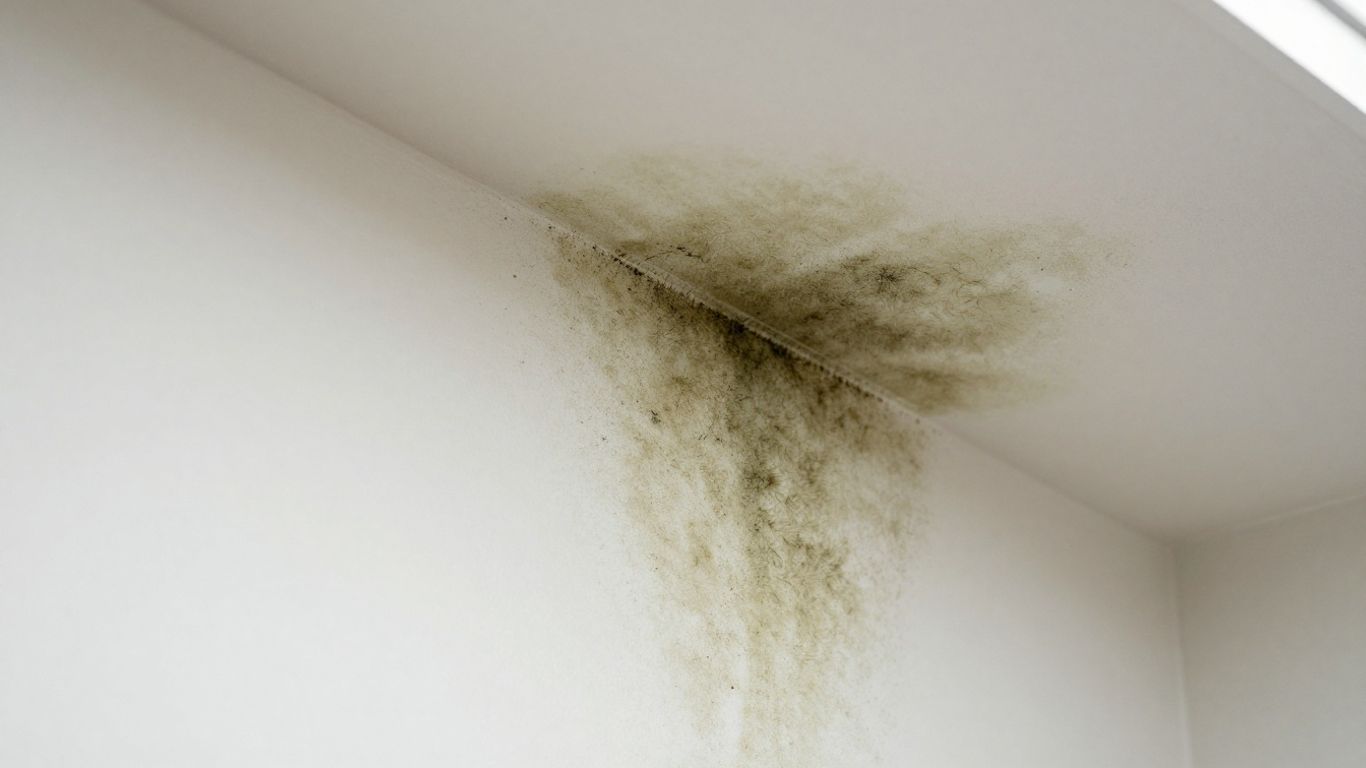
Sometimes, the mold you see is just the tip of the iceberg. For those stubborn cases where regular cleaning just doesn’t cut it, there are some more intense methods that can really get to the root of the problem. These aren’t your everyday DIY fixes, but they can be super effective for getting rid of mold for good.
Thermal Treatment for Deep Penetration
Think of this like a super-powered sauna for your house, but specifically designed to kill mold. Thermal treatment involves heating the affected areas to temperatures that mold can’t survive. It’s pretty neat because the heat can get deep into materials like wood or drywall where mold likes to hide. This method doesn’t usually involve a lot of harsh chemicals, which is a big plus. Specialized equipment is used to carefully control the temperature, making sure it’s hot enough to kill the mold but not so hot that it damages your home.
Ozone Treatment for Hard-to-Reach Areas
Ozone treatment is another advanced option, especially useful for mold that’s tucked away in places you can’t easily get to, like inside your walls or ductwork. Ozone gas is introduced into the space, and it works by breaking down mold spores and other organic matter at a cellular level. It’s quite powerful and can treat an entire area at once. However, it’s really important that this is done by professionals because ozone can be harmful to people and pets, so everyone needs to be out of the house during treatment and the area needs to be properly aired out afterward. It’s a good way to tackle mold that’s spread throughout your HVAC system for humidity control.
Dry Ice Blasting as a Non-Toxic Option
This one sounds pretty cool – dry ice blasting. It uses small pellets of dry ice that are shot at the moldy surface at high speed. When the dry ice hits, it sublimates, meaning it turns directly from a solid to a gas. This process creates a powerful cleaning effect that dislodges mold without using any water or chemicals. Because there’s no moisture left behind, it actually helps prevent future mold growth. It’s also non-abrasive, so it’s safe for most surfaces, and since the dry ice just turns into carbon dioxide gas, there’s no messy residue to clean up. It’s a really clean and effective way to deal with mold, especially in sensitive areas.
When dealing with persistent mold, remember that the goal is not just to remove what you see, but to eliminate the conditions that allow it to grow in the first place. Advanced techniques are powerful tools, but they work best when combined with a solid plan for moisture control and prevention.
The Critical Role of Moisture Control
Mold needs water to grow. It’s that simple. If you’re trying to get rid of mold permanently, you absolutely have to tackle the moisture problem first. Think of it like trying to stop weeds in your garden without pulling them out by the roots – you’ll just keep getting more. So, finding where the water is coming from and stopping it is the real key to keeping mold away for good.
Preventing Water Intrusion
Water can sneak into your home in a lot of ways. Leaky roofs, busted pipes, or even just poor drainage around your foundation can let moisture in. You need to be on the lookout for these issues. Regularly check your roof for damage, especially after big storms. Make sure your gutters are clean and directing water away from your house. Also, look at the ground around your foundation; it should slope away from the house, not towards it. Fixing these small things early can save you a huge headache down the road. It’s all about stopping water before it even has a chance to cause problems. Addressing crawl space mold, for instance, often starts with making sure the area stays dry [647b].
HVAC System Maintenance for Humidity Control
Your heating, ventilation, and air conditioning (HVAC) system does more than just keep you comfortable; it plays a big part in controlling humidity inside your home. If your filters are dirty, your system might not be running as efficiently, and it could even become a place where mold starts to grow. The drain pans and coils need to be checked too, as they can collect water. Getting your HVAC system looked at by a professional regularly can help make sure it’s doing its job of keeping the air dry. This is super important, especially in humid climates or during sticky summer months.
Long-Term Moisture Monitoring
Once you’ve fixed the obvious leaks and gotten your HVAC system in shape, you can’t just forget about it. You need to keep an eye on things. Using a simple hygrometer, which measures humidity, can give you a good idea of what’s going on. You want to keep the humidity levels inside your home generally between 30% and 50%. If it creeps up higher, especially in places like basements or bathrooms, it’s a sign that you might have a problem brewing. Catching these issues early with regular checks means you can deal with them before they turn into a full-blown mold situation. It’s a proactive approach that really pays off in the long run.
Mold thrives in damp environments. The goal isn’t just to clean up what you see, but to create an environment where mold can’t survive. This means actively managing water and humidity levels throughout your home, not just reacting to visible growth.
Professional Intervention for Lasting Results
Sometimes, mold problems get a bit out of hand, and you realize you need some backup. That’s where calling in the pros comes in. Trying to tackle a big mold issue on your own can be tough, and honestly, sometimes it just doesn’t work out the way you hoped. Professionals have the right gear and know-how to get the job done right, which is pretty important when you’re dealing with something that can affect your health.
When to Call Mold Remediation Specialists
If you’re seeing mold in more than a few small spots, or if it keeps coming back after you clean it, it’s probably time to pick up the phone. Also, if the mold appeared after a flood or a major leak, that’s a big sign you need experts. They can figure out how bad the problem really is, even in places you can’t see.
- Mold covers a large area (more than 10 square feet).
- Mold reappears after cleaning attempts.
- The mold is linked to sewage or contaminated water.
- You or family members experience health issues that might be related to mold.
Benefits of Professional Assessment
These folks aren’t just cleaners; they’re trained to find the source of the mold and get rid of it properly. They use special equipment to contain the mold spores so they don’t spread around your house while they’re working. This containment is a big deal because disturbing mold can release a ton of spores into the air. They also know which materials need to be removed and replaced, and which can be saved. It’s about more than just wiping down a surface; it’s about a whole process to make sure the mold is gone for good. They can also help identify hidden moisture problems that you might not even know exist. For instance, they might use tools to check moisture levels behind walls or under floors. This kind of thorough check is hard to do yourself.
Dealing with mold can be stressful, but knowing that professionals are handling it with the right tools and methods can bring a lot of peace of mind. They follow specific steps to make sure the job is done safely and effectively.
Ensuring Success Through Post-Remediation Verification
After the professionals are done, they don’t just pack up and leave. A really important step is the verification process. This usually involves testing the air quality in your home to make sure the mold spore count is back to normal levels. They’ll also do a visual inspection to confirm that all visible mold has been removed and that the area is clean. This step is your final check that the remediation was successful and that your home is safe again. It’s the confirmation that you’ve invested in a solution that actually lasts. If you’re looking for professional-grade disinfectants that can help tackle tough mold problems, you might find options like Fiberlock Shockwave useful, though professional application is often recommended for severe cases.
Prevention Strategies for a Mold-Free Home

So, you’ve dealt with the mold, and now you’re thinking, ‘How do I stop this from happening again?’ That’s the million-dollar question, right? It really comes down to being proactive and keeping an eye on a few key things. The best defense against mold is a good offense, and that means controlling moisture.
Maintaining Proper Ventilation
Think of ventilation as the lungs of your house. When air can’t move around freely, moisture gets trapped. This is especially true in places like bathrooms, kitchens, and laundry rooms where steam and humidity are common. Using exhaust fans during and after showering or cooking is a simple habit that makes a big difference. Opening windows when the weather permits also helps exchange stale, moist air for fresh, drier air. For areas that don’t get much natural airflow, consider installing small, quiet ventilation fans. It’s about creating a constant, gentle circulation.
Regular Home Inspections and Maintenance
This is where you become the detective of your own home. You need to be looking for trouble spots regularly. What kind of trouble? Leaks, for starters. Check under sinks, around toilets, and anywhere pipes run. Look at your roof and gutters too – clogged gutters can cause water to back up and seep into your walls or foundation. Even a small drip from a pipe can create a perfect little mold nursery over time. Doing a quick visual check every month or so can catch problems when they’re small and much easier to fix. It’s also smart to keep an eye on areas that have had water damage in the past; they’re often repeat offenders.
Educating Household Members on Mold Prevention
Getting everyone on the same page is super important. If you live with others, they need to know why these steps matter. It’s not just about telling them to turn on the fan; it’s about explaining that leaving wet towels on the floor or not wiping up spills can contribute to mold growth. Simple things like drying off shower walls after use, not letting dishes pile up in the sink, and reporting any strange smells or water spots immediately can really help. Making mold prevention a household effort means everyone plays a part in keeping the home healthy.
Keeping humidity levels in check is a constant battle, but it’s one worth fighting. Aim for indoor humidity between 30% and 50%. You can use a hygrometer, a small device that measures humidity, to keep tabs on this. Placing them in areas prone to moisture, like basements or bathrooms, gives you a clear picture of what’s going on.
Here are some practical steps to keep in mind:
- Wipe down wet surfaces: After showering, take a few minutes to squeegee or towel-dry shower walls and doors. This removes standing water that mold loves.
- Ventilate cooking and laundry areas: Always use exhaust fans when cooking or running the dishwasher, and in the laundry room when using the dryer. If you don’t have fans, open a window.
- Address spills immediately: Don’t let water sit on floors, counters, or furniture. Clean it up and dry the area thoroughly.
- Check for leaks regularly: Make it a habit to look for drips under sinks, around tubs, and near the refrigerator’s ice maker. Fix any leaks you find promptly.
- Use mold-resistant products: When doing renovations or painting in high-moisture areas like bathrooms, consider using mold-resistant paints and materials. Products like Perma-White Mold Cleaner can offer a lasting finish.
- Monitor your HVAC system: Ensure your heating, ventilation, and air conditioning system is maintained regularly. Dirty filters and clogged drain lines can become breeding grounds for mold. Professional mold removal services often include HVAC checks as part of their process.
Wrapping Up: Your Path to a Mold-Free Home
So, getting rid of mold for good isn’t just about scrubbing away what you can see. It’s really about figuring out why it showed up in the first place and fixing that. Think of it like this: you can wipe down a wet spot on the floor all day, but if the pipe underneath is still leaking, you’re just going to keep cleaning. The real win comes from stopping the leaks, improving airflow, and making sure your home stays dry. It takes a bit of effort and maybe some professional help, but keeping your home healthy and mold-free is totally worth it in the long run. Stay vigilant, keep those moisture levels in check, and you’ll be well on your way to a cleaner, healthier living space.
Frequently Asked Questions
How can I be sure all the mold is gone for good?
To truly get rid of mold for good, you need to do more than just wipe away what you see. You have to fix what’s making it grow in the first place, like leaks or dampness. Professionals often check the air and surfaces after cleaning to make sure the mold count is back to normal and stays that way.
Can I clean mold myself, or is it better to call a pro?
For small spots, like less than a 10-foot by 10-foot area, you might be able to handle it yourself if you have the right safety gear. But if the mold is spread out, in your air vents, or if someone in your house has health problems, it’s definitely safer and more effective to call in the experts.
What’s the best way to kill mold right down to its roots?
Killing mold permanently means getting rid of the mold itself and, more importantly, stopping the water that helps it grow. Just using sprays won’t work long-term if the dampness remains. You need to remove the moldy stuff and fix the moisture problem.
How long does it usually take to get rid of mold completely?
Professionals might take about 3 to 7 days to clean up a mold problem, depending on how bad it is. But making sure it’s gone for good takes longer. You need to keep an eye on moisture levels for several weeks to be sure it won’t come back.
What are the risks of trying to remove mold myself?
When you try to clean mold yourself, you can end up breathing in a lot of mold spores, which can make you sick, especially if you have allergies or breathing issues. Plus, you might accidentally spread the mold to other parts of your house, making the problem even bigger.
How much does it typically cost to have mold professionally removed?
The price for professional mold removal can change a lot. For a smaller job, it might cost around $1,500 to $3,000. But if there’s a lot of mold or it’s in hard-to-reach places, it could end up costing $10,000 or even more to get everything fixed and clean.
