Dealing with a flood in your home is rough, no doubt about it. Water can just appear out of nowhere, and suddenly your living space is a mess. It’s easy to feel overwhelmed, but knowing what to do next can make a big difference. This is where professional flood restoration services come into play, helping to sort out the damage and get things back to normal.
Key Takeaways
- Flood restoration teams act fast to remove water and stop damage from spreading.
- They use special gear to dry out your home completely, preventing mold.
- Professionals can handle tough jobs like sewage cleanup, making things safe again.
- Restoration experts work to fix and clean your belongings, not just the house structure.
- Choosing certified pros and working with your insurance makes the whole flood restoration process smoother.
Understanding Flood Restoration Services
When water damage happens, it’s more than just a mess. It’s a situation that needs quick, smart action to stop things from getting worse. Flood restoration services are all about getting your property back to how it was before the water hit, and doing it safely.
Immediate Response to Water Damage
The first few hours after a flood are the most critical. The longer water sits, the more damage it can do. Think about it: wood warps, drywall weakens, and mold can start to grow surprisingly fast. That’s why getting professionals on the scene right away is so important. They have the tools and know-how to start removing water immediately, which is the first big step in preventing long-term problems. This initial response is key to minimizing the overall impact on your home or business.
Mitigating Further Property Damage
Beyond just removing the visible water, restoration experts focus on stopping the damage from spreading. This involves identifying all the wet areas, even those you might not see, and taking steps to dry them out. They use special equipment to pull moisture out of walls, floors, and even the air. This process helps prevent issues like structural weakening and the growth of mold and mildew, which can cause bigger headaches down the road. It’s about protecting your investment and your health.
Restoring Your Property to Pre-Loss Condition
Ultimately, the goal of flood restoration is to bring your property back to its original state, or as close as possible. This isn’t just about cleaning up; it involves a detailed process of drying, sanitizing, and repairing. They’ll assess the damage, create a plan, and then execute it to restore everything from the structure of your building to your personal belongings. It’s a thorough approach to make sure your home is safe, healthy, and looks like it did before the disaster struck. You can find a good overview of the essential steps for water damage restoration that professionals follow.
Comprehensive Flood Damage Recovery
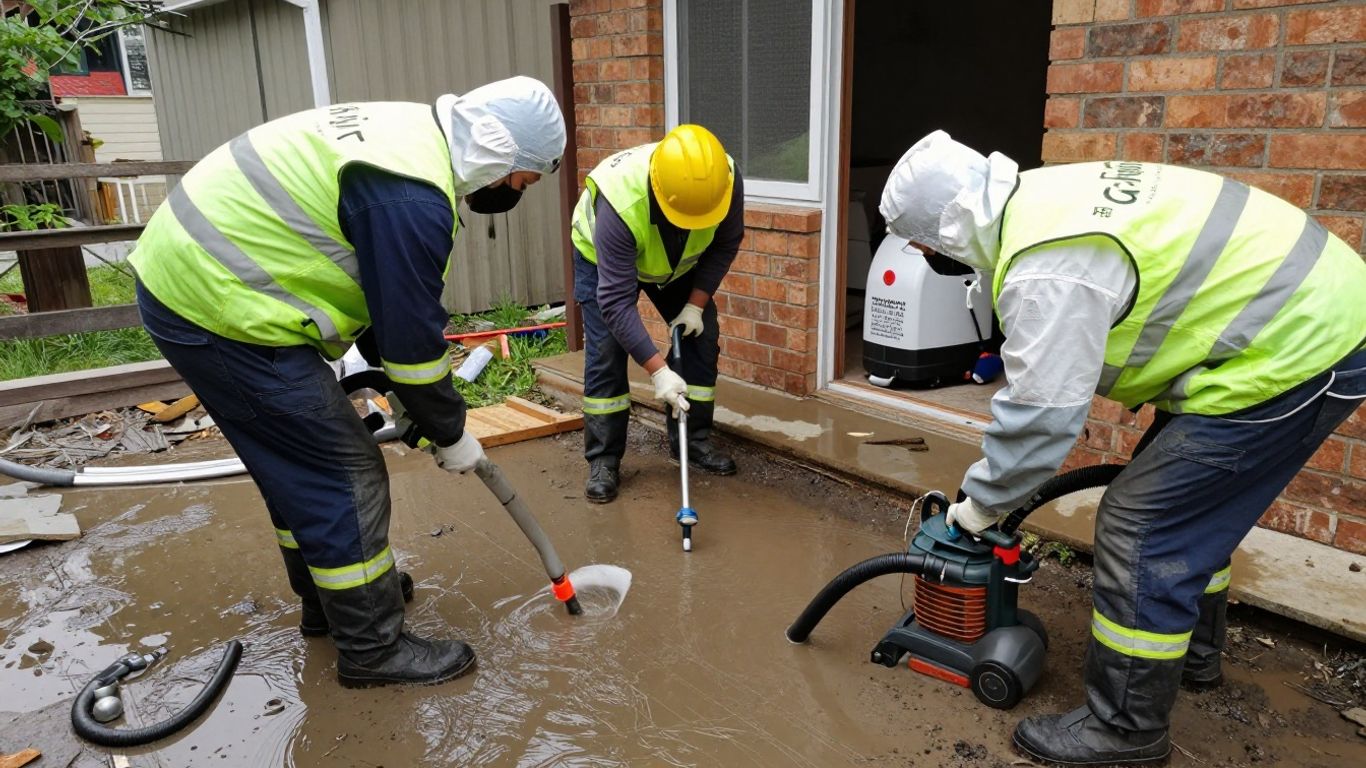
When water invades your home, it doesn’t just sit there. It spreads, seeps into materials, and can quickly turn a minor inconvenience into a major headache. That’s where specialized flood damage recovery services come in. They’re equipped to handle the mess and get your property back to how it was before the water hit.
Emergency Water Extraction and Cleanup
The first thing that needs to happen is getting the standing water out. This isn’t a job for buckets and mops. Professionals use powerful pumps and vacuums to remove large volumes of water quickly. The faster this is done, the less damage occurs to your home’s structure and belongings. After the bulk of the water is gone, they’ll tackle the remaining moisture that’s soaked into carpets, floors, and walls. This involves specialized equipment to pull out that hidden dampness before it causes bigger problems.
Advanced Drying and Dehumidification Techniques
Simply removing visible water isn’t enough. Moisture can linger in places you can’t see, like inside walls or under flooring. This is where advanced drying comes into play. Professionals use industrial-strength air movers and dehumidifiers. These machines work together to circulate air and pull moisture out of the environment. They monitor humidity levels closely to make sure everything dries out properly and to prevent mold from starting. It’s a science, really, making sure every nook and cranny is dry.
Sewage Backup and Contaminated Water Remediation
Sometimes, floodwaters aren’t just dirty; they’re dangerous. Sewage backups or water from overflowing rivers can carry harmful bacteria and contaminants. This type of water, often called "Category 3" water, requires special handling. Technicians use protective gear and follow strict protocols to clean and disinfect affected areas. They’ll remove contaminated materials that can’t be safely cleaned and make sure the space is safe to inhabit again. Dealing with this kind of contamination is serious business and needs trained professionals who know how to handle it safely. Sewage backup remediation is a critical part of this process.
It’s important to remember that even seemingly clean floodwater can harbor unseen dangers. Bacteria and other contaminants can be present, posing health risks if not properly addressed. Professional remediation ensures these risks are minimized.
Here’s a look at the typical steps involved:
- Water Removal: Using specialized pumps and vacuums to extract standing water.
- Surface Cleaning: Wiping down and sanitizing accessible surfaces.
- Structural Drying: Employing air movers and dehumidifiers to remove moisture from building materials.
- Content Cleaning: Restoring salvageable personal belongings.
- Odor Control: Eliminating musty smells that can linger after water damage.
- Final Inspection: Checking moisture levels to confirm the drying process is complete.
Expert Flood Restoration Process
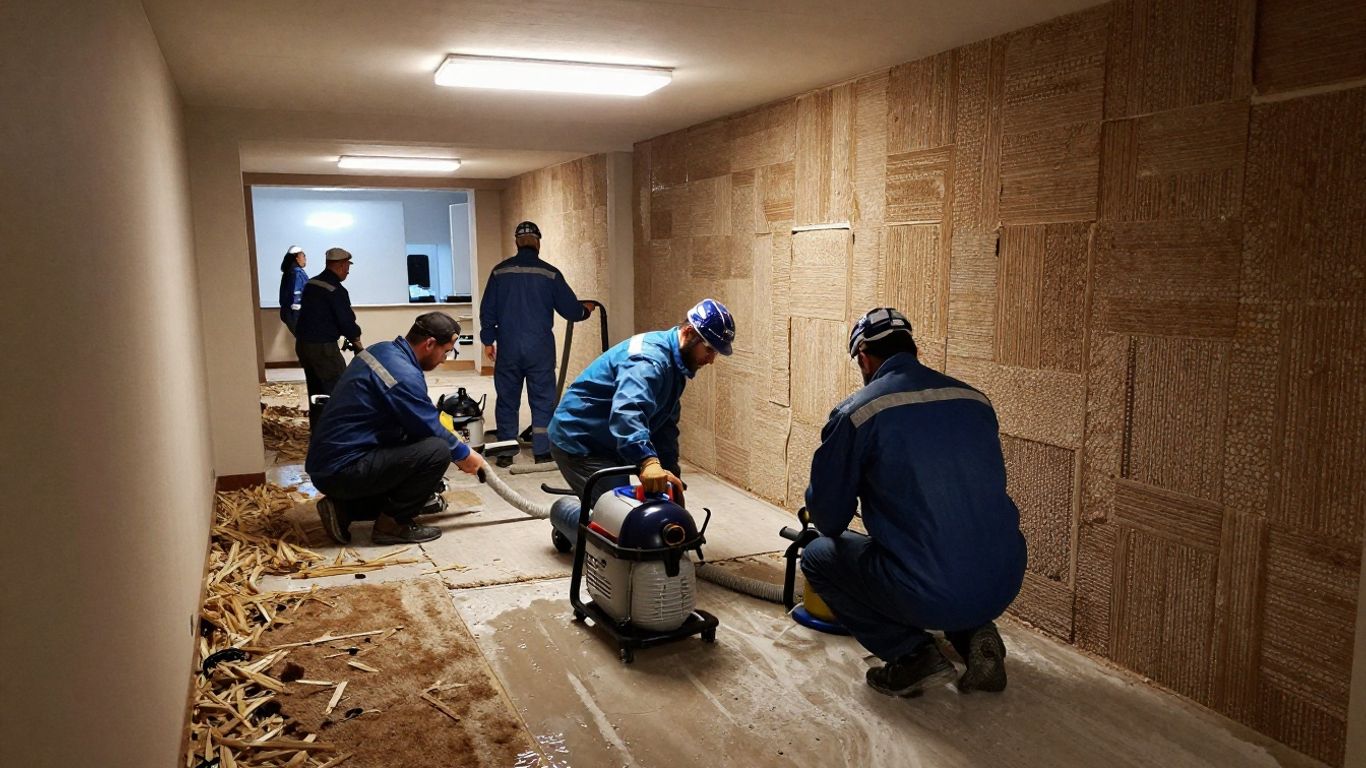
When your property takes on flood damage, a structured approach is key to getting things back to normal. It’s not just about mopping up water; it’s a multi-step process designed to tackle the problem thoroughly. The goal is always to restore your home or business to its condition before the disaster struck.
Initial Assessment and Water Damage Evaluation
The first thing a restoration team does is figure out exactly what they’re dealing with. This means walking through the affected areas, noting the type of water (clean, gray, or black water), and identifying how far the water has spread. They’ll look at structural materials, like drywall and flooring, and check for any immediate safety hazards. This evaluation helps create a plan for the cleanup and restoration work ahead. It’s like a doctor diagnosing an illness before prescribing treatment.
Structural Drying and Moisture Elimination
This is where the heavy lifting happens. After the standing water is removed, the real work of drying begins. Professionals use specialized equipment like industrial-strength dehumidifiers and air movers. These machines work to pull moisture out of the air and materials, like wood framing and insulation, that can hold water for a long time. It’s a careful process to get everything dry enough to prevent bigger problems down the road.
Here’s a look at the typical drying process:
- Water Extraction: Removing all visible standing water.
- Air Movement: Using fans to circulate air and speed up evaporation.
- Dehumidification: Employing dehumidifiers to remove moisture from the air.
- Monitoring: Regularly checking moisture levels in materials to track progress.
Content Restoration and Cleaning
It’s not just the building itself that needs attention. Personal belongings, furniture, and other items can also be damaged. Restoration services often include cleaning and restoring these contents. This might involve taking items off-site for specialized cleaning, deodorizing, and drying. The aim is to salvage as much as possible, saving you the cost and emotional toll of replacing everything. For items that can’t be fully restored, they’ll be properly documented for insurance purposes. If you’re dealing with significant water damage, professional restoration services can make a big difference in the recovery process.
Preventing Long-Term Flood Damage Issues
After the initial cleanup, it’s easy to think the worst is over. But if water damage isn’t handled right, it can cause problems down the road. We’re talking about things like mold, weakened structures, and even health worries. It’s really important to deal with any lingering moisture.
Addressing Hidden Moisture and Mold Growth
Water can get into places you can’t see, like inside walls or under floors. If this dampness stays there, mold can start to grow. Mold isn’t just unsightly; it can affect your health and damage your home’s materials. Proper drying and dehumidification are key to stopping mold before it starts. We use special tools to find and remove moisture from every nook and cranny.
Ensuring Building Integrity After Flooding
Flooding can do more than just wet your stuff. It can weaken the very bones of your house. Wood can warp, drywall can sag, and foundations can be compromised. It’s not always obvious right away. A professional assessment can spot these issues. Sometimes, you might need to think about improving your property’s water drainage system to help prevent future problems.
Health Risks Associated with Water Damage
Standing water, especially if it’s from a sewage backup, is a breeding ground for bacteria and other nasty things. Even clean floodwater can become contaminated quickly. Breathing in mold spores or coming into contact with contaminated water can lead to a range of health issues, from allergies and asthma flare-ups to more serious infections. It’s why dealing with contaminated water remediation is so important.
It’s not just about getting your home dry; it’s about making sure it’s safe and healthy again. Ignoring hidden moisture or structural concerns after a flood can lead to much bigger, more expensive problems later on. Think of it as a long-term investment in your home’s well-being.
Here’s a quick look at what can happen if moisture isn’t fully removed:
- Mold Growth: Can appear within 24-48 hours in damp conditions.
- Structural Weakening: Materials like wood can rot or warp over time.
- Health Issues: Respiratory problems, allergic reactions, and skin irritations.
- Odor Problems: Persistent musty smells that are hard to get rid of.
If your insurance covers mold cleanup, it’s usually for sudden events. Chronic issues from neglect aren’t typically covered. Choosing certified cleanup services that know how to work with insurance is a smart move. They use advanced methods to remove mold and stop it from coming back, while also helping with the claims process.
Partnering with Flood Restoration Professionals
When disaster strikes and your property is hit with flood damage, trying to handle everything yourself can feel overwhelming. That’s where bringing in the pros makes a huge difference. These companies are set up to deal with water damage, big or small, and they know what they’re doing. They have the tools and the training to get your home or business back to normal faster and more effectively than you could on your own.
Choosing Certified Restoration Technicians
Not all restoration companies are created equal. You want to find a team that’s properly trained and certified. Certifications, like those from the IICRC (Institute of Inspection, Cleaning and Restoration Certification), show that technicians have met specific standards for water damage restoration. This means they understand the best practices for everything from water extraction to drying and mold prevention. It’s like hiring a mechanic who’s certified versus one who just tinkers around. You want the one who knows the ins and outs.
Here’s what to look for:
- IICRC Certification: Look for technicians with WRT (Water Damage Restoration Technician) certification.
- Experience: How long has the company been in business? Do they have a good track record?
- References and Reviews: What do past clients say about their experience?
- Equipment: Do they use professional-grade equipment for drying and cleaning?
Working with Insurance Providers
Dealing with insurance claims after a flood can be a headache. Restoration professionals often have experience working with insurance companies and can help make this process smoother. They can document the damage properly, provide detailed estimates, and communicate with your adjuster. This can help ensure that your claim is processed accurately and that you get the coverage you’re entitled to. Some companies even have specific teams that handle insurance claims to take that burden off your shoulders.
24/7 Emergency Flood Restoration Availability
Water damage doesn’t wait for a convenient time. Floods can happen at any hour, on any day of the week. That’s why it’s so important to partner with a restoration service that offers 24/7 emergency response. When you call them, they can be on-site quickly, often within minutes, to start the mitigation process. This rapid response is key to preventing further damage, like mold growth or structural issues. Having a team ready to go at a moment’s notice can save a lot of stress and potential long-term problems.
When water damage occurs, the clock starts ticking. The longer water sits, the more damage it causes. This includes weakening building materials, creating a breeding ground for mold, and damaging personal belongings. Professional restoration companies are equipped to respond immediately, day or night, to stop the damage and begin the recovery process.
Some common services provided by these emergency teams include:
- Immediate extraction of standing water.
- Setting up advanced drying and dehumidification equipment.
- Boarding up damaged areas to secure the property.
- Initial cleaning and sanitization, especially if sewage is involved.
Choosing the right restoration professionals means you’re not just getting a cleanup crew; you’re getting a team dedicated to restoring your property and peace of mind. They have the know-how and the resources to tackle even the most challenging water damage situations, using methods like botanical science for cleaning and odor neutralization if needed [fe5a].
Getting Back to Normal
Dealing with flood damage is rough, no doubt about it. It feels like your whole world got turned upside down. But remember, you don’t have to go through this alone. Professional restoration teams are there to help sort out the mess, from the initial cleanup to getting things back to how they were. They’ve got the tools and the know-how to handle the tough stuff, making the whole process smoother. So, when disaster strikes, reaching out to these experts is a smart move to help get your home and your life back on track.
Frequently Asked Questions
What should I do right after a flood happens?
The very first thing you should do is call your insurance company to let them know about the damage. Then, call a professional restoration service. They can start fixing things quickly, usually within 24 to 72 hours, to stop more problems like mold from growing.
How long does it take to dry out a flooded house?
Drying time can change a lot depending on how big the flooded area is, what materials are in your home, and how complex the damage is. Experts use special tools to make sure everything is dried out completely.
Can flood damage lead to mold?
Yes, definitely. If wet areas aren’t dried out properly and quickly, mold can start to grow. This can cause more damage to your home and can also be bad for your health.
Do restoration companies help with insurance paperwork?
Many restoration companies can help you with your insurance claim. They can help document the damage and talk to your insurance company to make the process smoother for you.
What is ‘Category 3 Water’?
Category 3 water is the dirtiest kind of water. It can come from things like sewage backups or floodwaters that have mixed with dirt and other yucky stuff. It’s dangerous because it can carry germs and make you sick, so it needs special cleaning.
Can my belongings be saved after a flood?
Often, yes! Professionals can clean, dry, and restore many items like furniture, electronics, and important papers. They have special ways to save your valuable things whenever possible.
