Finding mold on your wood surfaces can be a real headache. It looks bad, and you worry about what it means for your home’s health. The big question on everyone’s mind is: what kills mold on wood? Luckily, there are quite a few ways to tackle it, from simple household items to more serious solutions. We’re going to break down the best methods so you can get rid of that mold and keep it from coming back.
Key Takeaways
- White vinegar is a solid natural option, effective against many mold types, but might struggle with certain stubborn species.
- Baking soda works by changing the pH and absorbing moisture, which helps kill mold and get rid of smells.
- Hydrogen peroxide (3%) is a good middle-ground choice, killing mold effectively without harsh fumes and breaking down safely.
- For immediate results on non-porous surfaces, 70% isopropyl alcohol or steam can kill mold quickly, but addressing the root cause and moisture is still key.
- Preventing mold means fixing leaks, controlling humidity, and setting up a regular cleaning routine to stop mold before it starts.
Effective Solutions for What Kills Mold on Wood
Wondering what actually works against mold on wood? The truth is, not all methods work the same—and some are a whole lot safer for wood (and your lungs) than others. Below, let’s break down what works for different wood surfaces and situations.
Understanding Mold on Wood Surfaces
- Mold thrives on wood because it’s porous and holds moisture, making removal tricky.
- The treatment depends on whether the wood is painted/sealed or raw (unfinished).
- Always address the underlying moisture problem, not just the visible mold.
If you skip fixing dampness or leaks, mold will keep coming back, no matter how thoroughly you clean.
Painted or Sealed Wood Treatment
For painted or sealed wood, you have more choices since the finish protects the wood fibers:
- Use a mild detergent and warm water for light mold.
- Apply 3% hydrogen peroxide for stronger action—spray and let sit for 10 minutes, then wipe away.
- If you want a fast-acting solution for outdoor surfaces, Jomax Mold & Mildew Stain Remover not only kills mold but also works to prevent it from coming back.
| Method | Effectiveness | Precautions |
|---|---|---|
| Mild detergent/water | Light/medium mold | Avoid oversaturating surface |
| 3% Hydrogen Peroxide | Strong | Ventilate, test small area first |
| Commercial sprays (like Jomax) | Very strong | Follow label, keep away from children |
Raw Wood Treatment Methods
Bare wood needs gentler methods since there’s no barrier to protect it:
- Start with a HEPA vacuum to remove loose mold spores.
- Make a paste with 3 parts baking soda to 1 part water and apply directly to moldy areas. Let it dry, then scrub with a soft brush.
- For deep cleaning, undiluted white vinegar (at least 5% acidity) can be sprayed on and left for an hour. Scrub and wipe away.
- Hydrogen peroxide is safe for raw wood, but be sure to avoid soaking—spray lightly, let it work, then dry thoroughly.
Steps for Raw Wood Mold Removal
- Vacuum up loose spores.
- Apply baking soda paste.
- Once dry, gently scrub and vacuum the debris.
- Spray with vinegar, let sit, then wipe clean.
- Ensure the area dries quickly; use fans if needed.
Proper ventilation and drying are just as important as cleaning, because lingering moisture only encourages new mold to grow. While plenty of household solutions work, persistence and prevention are what really wins against mold in the long run.
Natural Methods to Eliminate Mold from Wood
Sometimes, you just want to avoid the heavy-duty chemicals, right? Especially when dealing with wood, which can be a bit sensitive. Luckily, nature offers some pretty effective ways to tackle mold without resorting to harsh stuff. These methods are often safer for your home and the environment, and they can work surprisingly well if you use them correctly.
Vinegar’s Efficacy Against Wood Mold
White vinegar is a real workhorse when it comes to mold. Its acidity is what does the trick, breaking down mold’s cell walls. For wood, especially painted or sealed surfaces, using undiluted white vinegar is usually the way to go. You’ll want to spray it directly onto the moldy area and let it sit for about an hour. This gives the vinegar time to really penetrate and kill the mold. After that, you can gently scrub the area with a brush and then wipe it clean. It’s pretty effective, with studies showing it can tackle a good chunk of common mold species. Just remember, it’s not a miracle cure for every single type of mold, but it’s a solid first step.
Baking Soda for Mold and Odor Removal
Baking soda is another one of those handy household items that can help with mold. It works in a couple of ways. First, it’s alkaline, which mold doesn’t like. Creating an alkaline environment can actually kill mold. Second, baking soda is great at absorbing moisture, which is mold’s best friend. So, it helps dry out the area and makes it less hospitable for mold to grow back. A simple way to use it is to make a paste with water, apply it to the moldy spot, let it dry for a few hours, and then scrub it off. It’s also fantastic for getting rid of those musty mold smells that can linger in wood. You can just put an open box or a bowl of baking soda near the affected area to absorb odors.
Tea Tree Oil as a Potent Antifungal
If you’re looking for something really powerful from nature, tea tree oil is a top contender. This stuff is a natural antifungal and disinfectant. You only need a small amount – usually a teaspoon or two mixed with water in a spray bottle. Shake it up well before each use. Spray it on the moldy wood and, here’s the cool part, you often don’t even need to rinse it off. The tea tree oil continues to work, helping to prevent mold from coming back. It’s quite effective, and while it has a strong scent, it’s generally considered a safe option for many situations. It’s a bit pricier than vinegar or baking soda, but a little goes a long way.
When using natural methods, patience is key. They might not offer the instant gratification of harsh chemicals, but they work by creating an environment that mold struggles to survive in. Consistency in application and addressing the underlying moisture issues are just as important as the cleaning agent itself.
Here’s a quick rundown of how these natural helpers stack up:
- Vinegar: Good for killing mold and has some residual effect. Best on sealed or painted wood. Needs about an hour to work.
- Baking Soda: Excellent for absorbing moisture and neutralizing odors. Can help kill mold and prevent regrowth.
- Tea Tree Oil: A very strong natural antifungal. Effective and can provide long-term protection without rinsing.
Choosing the right natural method often depends on the type of wood and how bad the mold problem is. For more stubborn issues, you might need to repeat treatments or consider other options, but these natural solutions are a great starting point for a healthier home. If you’re curious about other natural cleaning agents, this guide has more details on various household items.
Powerful Household Products for Mold Eradication
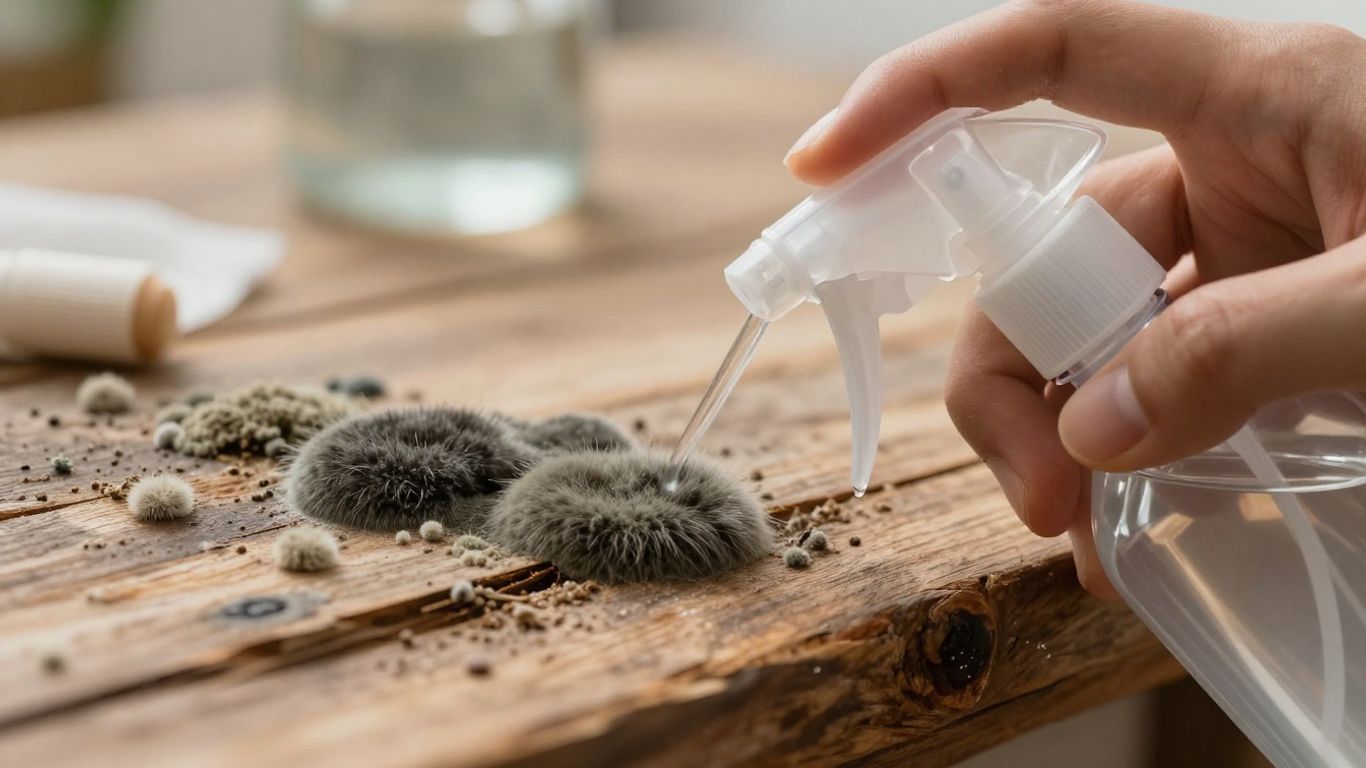
Sometimes, you don’t need to run to the store for fancy chemicals to tackle mold. Many common items lurking in your kitchen or bathroom can actually do a pretty good job. It’s all about knowing what works and how to use it safely.
Hydrogen Peroxide’s Role in Mold Control
Hydrogen peroxide, the stuff you get at the pharmacy, is a solid choice. It’s a bit of a middle ground – stronger than vinegar but not as harsh as bleach. It works by oxidizing the mold, essentially breaking it down. A 3% solution is usually what you want for household use. You just spray it on, let it sit for about 10 minutes, and then wipe it away. What’s cool is that it breaks down into just water and oxygen, so there are no nasty fumes or residues left behind. It’s pretty good on fabrics and surfaces that might get damaged by stronger stuff.
Always remember to test any cleaning solution on an inconspicuous spot first, especially on wood, to make sure it doesn’t cause discoloration or damage.
Alcohol-Based Solutions for Instant Kill
If you need mold gone now, alcohol is your friend. Isopropyl alcohol, especially around 70% concentration, can kill mold on contact. This is great for non-porous surfaces where you can see the mold clearly. Just spray it on, and it works pretty fast. However, be aware that alcohol is flammable, so keep it away from open flames or sparks. It also evaporates quickly, so you might need to reapply it if the mold is really stubborn. For wood, it’s generally safe, but again, a spot test is wise.
Combining Household Items Safely
People often wonder about mixing things to make a super cleaner. While the idea sounds good, it’s usually a bad plan. Mixing different chemicals, even common household ones, can create toxic gases or reactions you really don’t want. For example, never mix bleach with ammonia or vinegar. It’s much safer to use one method at a time. If you’re cleaning a tough spot, try one thing, rinse it thoroughly, and then if needed, try something else. A simple mix that works well is dish soap and water for general cleaning before you hit it with a mold killer. For a bit more power on non-porous surfaces, you could try a paste of baking soda and water, let it dry, then scrub it off. Just remember, one at a time is the safest bet. If you’re looking for commercial options, Concrobium Mold Control is a popular choice that works differently by crushing spores as it dries.
Commercial and Professional Mold Removal Options
Sometimes, the mold you’re dealing with is just too much for your average household cleaner. That’s when you might start looking at commercial products or even calling in the pros. It’s not always about having the strongest stuff; it’s about using the right stuff for the job and knowing when you’ve reached your limit.
Choosing the Right Commercial Mold Sprays
Commercial mold removers often have more potent ingredients than what you’d find in your pantry. They’re formulated to tackle tougher mold situations. Look for products that specify their active ingredients, like quaternary ammonium compounds, which are known for their broad-spectrum fungicide action. Some are designed for specific surfaces – porous wood might need something different than a sealed surface. Always read the label carefully and follow the application instructions. Proper application, including pre-cleaning and allowing adequate contact time, is key to effectiveness.
When using these products, remember:
- Pre-clean: Remove loose debris so the spray can reach the mold.
- Saturate: Keep the treated area wet for the recommended dwell time.
- Ventilate: Ensure good airflow during and after application, but avoid spreading spores.
Using commercial products requires attention to detail. Mistakes like not letting the product sit long enough or mixing incompatible chemicals can reduce effectiveness or even create hazards.
When Professional Remediation is Necessary
There comes a point where DIY just won’t cut it. If the mold covers an area larger than about 10 square feet, or if it’s in a hard-to-reach place like inside walls or in your HVAC system, it’s time to consider professional help. Health concerns are also a big indicator. If anyone in your household is experiencing persistent respiratory issues that seem to get better when they leave the house, it’s a strong sign that professional mold remediation is needed. Professionals have the tools and knowledge to identify hidden mold and deal with it safely. They can also offer warranties on their work, which is something you won’t get with a DIY job. For serious mold problems, hiring certified professionals is often the safest and most effective route.
Advanced Professional Treatment Systems
Beyond standard spraying, professionals have access to advanced systems. Antimicrobial foggers, for instance, disperse a fine mist that can reach into nooks and crannies where manual cleaning can’t. These systems offer superior coverage. Enzyme-based cleaners are another advanced option; they break down the organic matter mold feeds on, offering longer-lasting results than many conventional treatments. These methods are more involved and typically require the area to be vacated for a period, but they can be incredibly effective for stubborn or widespread mold issues. They are part of a larger process that aims for complete mold eradication.
Preventing Mold Regrowth on Wood
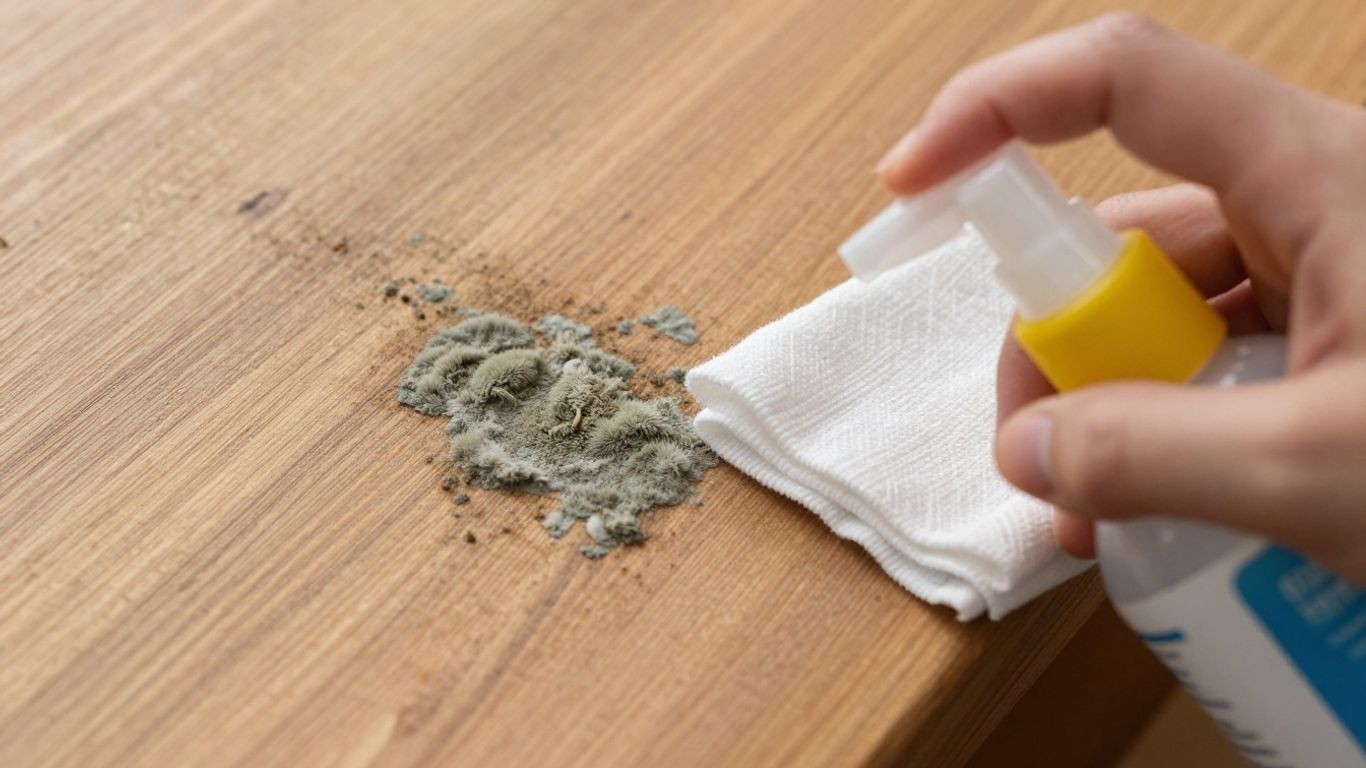
So, you’ve tackled the mold on your wood surfaces, and things are looking much better. That’s great! But the job isn’t quite done yet. Mold is persistent, and if you don’t take steps to keep it from coming back, you’ll find yourself right back where you started. The real win is keeping it gone for good.
Addressing Moisture Sources
Mold needs moisture to grow, plain and simple. If you don’t fix the source of the dampness, the mold will eventually return, no matter how thoroughly you clean. Think about where the moisture is coming from. Is there a leaky pipe nearby? Is your bathroom fan working properly, or is steam lingering too long after showers? Maybe condensation is building up on windows or exterior walls. Identifying and fixing these issues is the first, and arguably most important, step.
- Check for leaks: Regularly inspect pipes, roofs, and any areas where water might enter your home.
- Improve ventilation: Make sure kitchens, bathrooms, and basements have adequate airflow. Consider installing exhaust fans if needed.
- Control condensation: Insulate cold surfaces like windows and pipes to reduce moisture buildup.
Mold thrives in damp environments. By actively managing and reducing moisture levels in your home, you create an unfavorable habitat for mold spores to take hold and multiply.
Long-Term Environmental Controls
Beyond fixing immediate leaks, think about the overall environment in your home. Keeping humidity levels in check is key. Most household molds struggle to establish new growth when humidity stays below 50%. You might need to use dehumidifiers, especially in basements or other naturally damp areas. Using mold-resistant building materials in high-moisture zones can also make a big difference. For instance, using paints with anti-microbial additives or choosing synthetic insulation over organic materials can help prevent mold from finding a foothold in the first place. This proactive approach is much easier than dealing with a full-blown mold problem later on.
Implementing a Maintenance Schedule
Finally, make a plan for regular check-ups. Just like you’d schedule oil changes for your car, schedule mold prevention checks for your home. This means periodically inspecting those vulnerable areas – around windows, in bathrooms, basements, and attics. Keep an eye on humidity monitors if you have them. A quick wipe-down of surfaces that tend to get damp can also go a long way. If you’ve had mold issues before, consider applying a preventative treatment like Mildew-X to wood surfaces, especially in areas prone to moisture. A little bit of consistent effort can save you a lot of trouble down the road.
Wrapping Up: Your Mold-Free Wood Journey
So, we’ve gone over a bunch of ways to tackle mold on wood. Whether you’re leaning towards natural stuff like vinegar or tea tree oil, or thinking about something a bit stronger, the main thing is to pick what works for your situation and to actually get rid of the mold. Remember, just spraying something on top might not cut it. You’ve got to make sure you’re dealing with the moisture problem too, otherwise, that mold will just keep coming back. For really stubborn or widespread mold, or if you’re just not sure, calling in the pros is always a good idea. Taking care of mold now saves a lot of headaches later.
Frequently Asked Questions
What’s the quickest way to kill mold on wood?
For a fast kill on non-porous wood surfaces, 70% isopropyl alcohol works almost instantly. If you have access to steam, heating the wood to 212°F (100°C) will kill mold right away. While 3% hydrogen peroxide starts working immediately, it needs about 10 minutes to do its job completely.
Can I use vinegar to get rid of mold on wood?
Yes, white vinegar is a great natural option! It’s pretty effective against many types of mold. You should use it undiluted, spray it directly onto the moldy wood, and let it sit for about an hour before gently scrubbing it off. This gives the vinegar time to really break down the mold.
Is baking soda good for cleaning mold off wood?
Baking soda is a fantastic helper for mold on wood, especially because it also tackles odors. You can make a paste with baking soda and water, spread it on the moldy spot, let it dry for a few hours, and then scrub it away. It’s a gentle but effective way to clean and freshen up the wood.
What about using bleach on wood mold?
It’s best to avoid using bleach on wood. Bleach has a lot of water, which can actually feed mold on porous materials like wood. Plus, bleach doesn’t penetrate the wood fibers well, so it often only kills the mold on the surface, and the mold can grow back quickly. It can also damage the wood.
How can I stop mold from coming back on my wood after cleaning?
Preventing mold from returning is all about controlling moisture. Find and fix any leaks or sources of dampness, like condensation or poor ventilation. Keeping humidity levels low, ideally below 50%, is key. Regularly cleaning and maintaining wooden items also helps prevent mold from taking hold in the first place.
When should I call a professional for mold on wood?
If the mold covers a large area (more than about 3 square feet), if it’s in a hard-to-reach spot, or if you suspect it’s a more dangerous type like black mold, it’s time to call the pros. Professionals have the right tools and knowledge to remove mold safely and completely, making sure it doesn’t come back.
