Finding mold in your home can be a real headache, right? It’s gross, it can be bad for your health, and let’s not even talk about the cost to get rid of it. A lot of people wonder, ‘Does home insurance cover mold removal?’ The short answer is: it depends. It’s not as simple as a ‘yes’ or ‘no,’ and understanding your policy is key. This article breaks down when your insurance might help and when you’re likely on your own.
Key Takeaways
- Home insurance usually covers mold only if it’s a direct result of a sudden and accidental event that’s covered by your policy, like a burst pipe or storm damage.
- Mold caused by long-term issues, like unaddressed leaks, poor ventilation, or general neglect, is typically not covered by standard home insurance policies.
- Mold remediation can be expensive because it often involves specialized processes, containment, removal of materials, and reconstruction.
- Standard policies might have low limits for mold coverage, so consider adding endorsements or riders for increased protection.
- Preventing moisture buildup and acting quickly to report and document any water damage are the best ways to potentially get coverage and minimize mold problems.
Understanding When Home Insurance Covers Mold
Discovering mold in your home can be a real headache. It looks bad, smells worse, and can even be a health concern. A common question that pops up is whether your homeowner’s insurance policy will help foot the bill for getting rid of it. The short answer? Sometimes. It really depends on how the mold got there in the first place. Insurance companies generally look at the cause of the mold, not just the mold itself.
Mold Coverage for Sudden and Accidental Events
Home insurance policies are primarily designed to cover damage from sudden and unexpected events, often called
Situations Where Mold Is Typically Not Covered
So, when does your home insurance draw the line on mold? It usually comes down to how the mold got there in the first place. If the mold is a result of poor maintenance or a problem that’s been brewing for a while, you’re likely on your own. Insurance policies are designed to cover sudden, unexpected events, not the slow creep of decay that comes from neglect.
Maintenance Issues and Gradual Damage
Think about those slow, unnoticed leaks under a sink or a roof that’s been dripping for months. When mold starts growing because of these kinds of ongoing issues, insurers tend to classify it as a maintenance problem. It’s not a sudden disaster; it’s a gradual decline. Because it wasn’t a specific event that caused the water damage, the resulting mold isn’t usually covered. It’s like expecting your car insurance to pay for an oil change – it’s just not what it’s for.
Unaddressed Leaks and Poor Ventilation
This is a big one. If you’ve had a leaky pipe that you knew about but didn’t fix, or if your bathroom is constantly steamy because the fan isn’t working right, and mold starts to grow, that’s generally not covered. Insurance companies look at this as a failure to maintain the property. They expect homeowners to take reasonable steps to keep their homes in good repair. Ignoring a persistent moisture problem, whether it’s from a faulty appliance or just a lack of airflow, creates an environment where mold can thrive, and that’s usually an out-of-pocket expense. For example, if condensation builds up over time due to inadequate ventilation, leading to mold, it’s typically considered a maintenance oversight. Preventing future growth involves keeping humidity in check and fixing leaks promptly.
The Impact of Neglect on Mold Claims
Basically, if your insurance company can point to a lack of upkeep or a long-standing issue as the cause of the mold, your claim will probably be denied. They aren’t in the business of paying for problems that could have been avoided with regular maintenance. It’s important to be proactive. Catching small issues before they become big, mold-producing problems is key. Documenting any water damage and the steps you take to fix it can also be helpful if you ever need to file a claim related to a sudden event. Remember, insurance covers unexpected damage, not wear and tear or neglect.
Homeowners insurance policies are built around covering sudden and accidental losses. When mold develops slowly over time due to issues like poor ventilation, unaddressed leaks, or general lack of maintenance, it falls outside the scope of typical coverage. Insurers view these situations as preventable maintenance failures rather than covered perils.
The Cost and Complexity of Mold Remediation
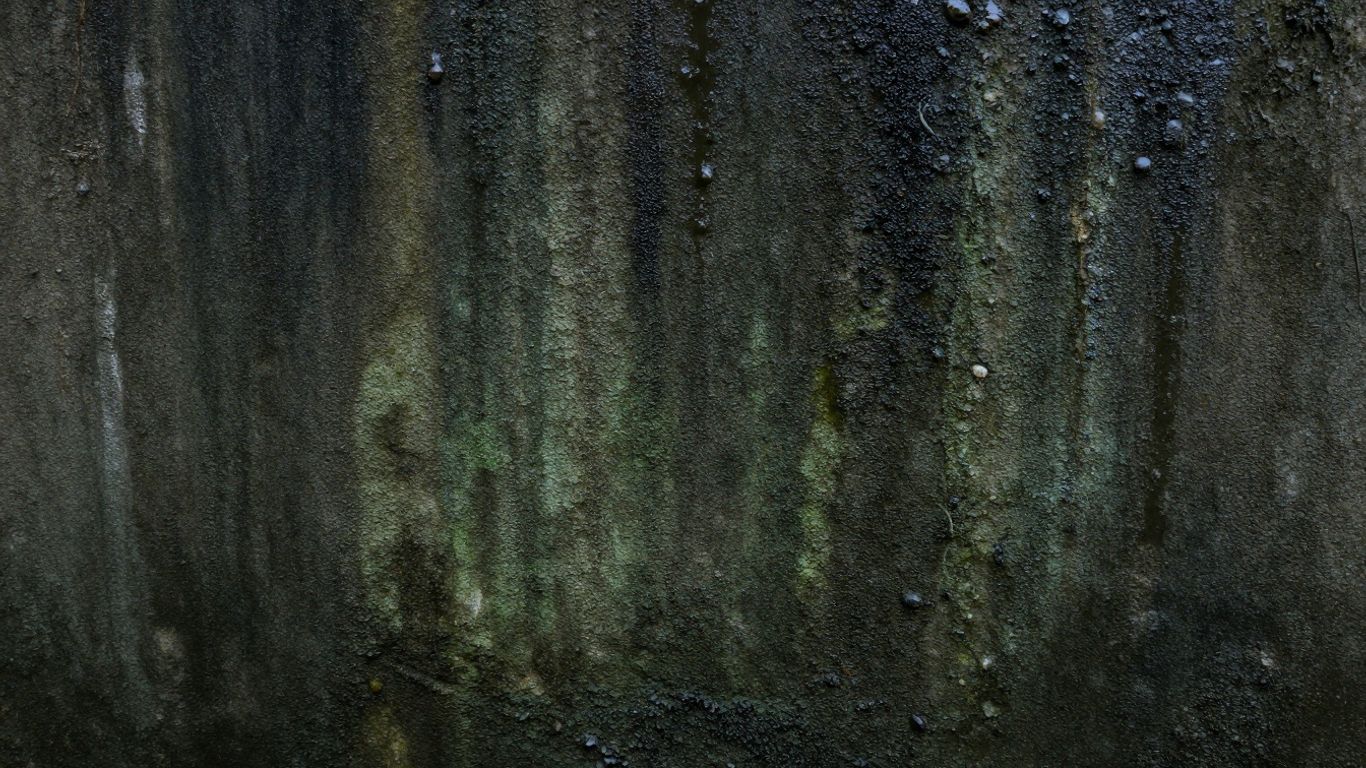
So, you’ve found mold. It’s not just a cosmetic issue; it can be a real headache, and honestly, a pretty expensive one to fix. When mold takes hold, it’s rarely a simple wipe-down job. The process of actually getting rid of it, called remediation, is involved and requires specialized knowledge and equipment. This is why homeowners often get sticker shock when they look into the costs.
Why Mold Cleanup Is Expensive
Mold remediation isn’t like just cleaning up a spill. It’s a controlled process to stop the mold from spreading and to safely remove it. This often means more than just scrubbing. Think containment barriers to keep spores from traveling, special air filters to clean the air, and sometimes even tearing out parts of your home.
- Containment: Setting up plastic barriers to isolate the moldy area.
- Air Filtration: Using HEPA filters to capture airborne mold spores.
- Material Removal: Taking out things like drywall, insulation, or flooring if the mold has gotten into them.
- Cleaning & Drying: Thoroughly cleaning affected surfaces and making sure everything is completely dry.
- Reconstruction: Putting back any removed materials, like new drywall or paint.
Professional Mold Remediation Processes
When mold becomes a significant problem, you’ll likely need professionals. They have the tools and training to handle it safely and effectively. The process usually involves a few key steps. First, they’ll set up containment to prevent the mold from spreading to other parts of your house. Then, they use specialized equipment, like air scrubbers with HEPA filters, to clean the air. Depending on how bad it is, they might have to remove building materials like drywall or insulation that have been contaminated. After all the mold is gone and the area is cleaned, they’ll often do some reconstruction to get your home back to normal. This could mean replacing drywall, repainting, or putting in new flooring. It’s a detailed job, and that’s why it costs what it does. For example, in some areas, you might expect to pay anywhere from $1,500 to $6,000, but severe cases can easily go much higher, sometimes over $10,000. This is where understanding your home insurance coverage becomes really important.
Reconstruction After Mold Removal
After the mold itself is dealt with, the job isn’t quite done. Often, parts of your home will need to be rebuilt or repaired. This could involve putting up new drywall, replacing insulation, installing new flooring, or even fixing cabinets. The extent of the reconstruction really depends on how widespread the mold was and what materials were affected. If mold got behind walls or under floors, the reconstruction phase can become quite extensive and add significantly to the overall cost. It’s not just about killing the mold; it’s about restoring your home to its pre-mold condition, which can be a lengthy and costly part of the process.
Policy Limits and Additional Coverage Options
Even when your home insurance policy does cover mold, there are usually limits to how much it will pay out. Mold cleanup can get expensive, especially if it’s a big job. Standard policies often have a cap on mold remediation, sometimes around $5,000, but this can vary a lot. It’s like having a credit card with a limit – once you hit it, you’re on your own for the rest.
Standard Mold Coverage Limits
Most standard homeowners policies aren’t designed to cover extensive mold issues. They typically offer a specific dollar amount for mold remediation, which might be enough for minor problems but falls short for widespread contamination. This limit is often a sub-limit within your overall dwelling coverage, meaning it’s a portion of your main policy.
- Typical Limit: $2,500 – $10,000 (This is a general range and can differ significantly by insurer and policy.)
- What it Covers: Usually includes costs for inspection, containment, removal, and disposal of mold.
- What it Might Not Cover: Often excludes costs for repairing or replacing items that were damaged by mold, or the cost of addressing the underlying moisture problem if it’s due to poor maintenance.
Understanding Policy Exclusions
It’s super important to know what your policy doesn’t cover. Many policies specifically exclude mold that arises from poor maintenance, lack of upkeep, or gradual damage. If a slow leak under your sink went unnoticed for months and caused mold, your insurer will likely see that as a maintenance issue, not a sudden, accidental event. This is why understanding how mold starts is so key to understanding your coverage.
Insurance companies view mold as a maintenance issue when it develops slowly over time due to neglect. This means that if you didn’t address a small leak or a damp area promptly, and mold grew as a result, your claim might be denied. It’s about distinguishing between an unexpected disaster and a problem that could have been prevented with regular home care.
The Benefit of Mold Remediation Endorsements
If you’re worried about hitting those standard limits or live in an area prone to moisture, you might want to look into a mold remediation endorsement. Think of it as an add-on that boosts your mold coverage. These endorsements can significantly increase the payout limit for mold cleanup and sometimes even broaden the types of water damage that are covered. It’s an extra layer of protection that can make a big difference if the worst happens, especially for older homes or those with known moisture issues. Reviewing your policy with your agent can help you figure out if this extra coverage makes sense for your situation.
Preventing and Identifying Mold Growth
Nobody wants mold in their house. It looks bad, smells worse, and can be a real pain to get rid of. The good news is, a lot of mold growth can be stopped before it even starts. It really comes down to two main things: keeping an eye out for moisture problems and knowing what to look for.
Early Detection of Moisture Problems
Moisture is mold’s best friend. If you can control the dampness, you can control the mold. This means being proactive about potential water issues around your home. Think about where water might sneak in or get trapped.
- Check for leaks: Regularly inspect pipes under sinks, around toilets, and behind appliances. Even a small, slow drip can create a damp environment over time.
- Manage humidity: Keep the air in your home from getting too sticky. Using exhaust fans in bathrooms and kitchens when you’re using them helps a lot. Consider a dehumidifier for basements or other damp areas.
- Gutters and drainage: Make sure your gutters are clear and directing water away from your house’s foundation. Clogged gutters can cause water to back up and seep into your walls or basement.
The key is to address any moisture source quickly, ideally within 24 to 48 hours, to prevent mold from taking hold. If you’ve had a water incident, like a burst pipe or a leaky roof, drying things out fast is super important to prevent mold growth.
Recognizing the Signs of Mold
Sometimes, mold doesn’t announce itself with a big, obvious patch. You might smell it before you see it. A persistent musty odor, especially in damp areas like bathrooms, basements, or closets, is a big red flag.
Here are some other things to watch out for:
- Visual cues: Look for discolored spots on walls, ceilings, or even fabrics. Mold can appear in various colors – black, green, white, or orange.
- Surface changes: Peeling paint, bubbling wallpaper, or warped flooring can indicate moisture trapped underneath, which is prime mold territory.
- Texture issues: Soft spots in drywall or a spongy feel to carpets can also be signs that something is wrong.
Don’t ignore those little clues. Mold often starts small and hidden, and catching it early can make a huge difference in how much work and money it takes to fix.
Proactive Steps to Prevent Mold
Being a good homeowner means taking steps to keep your place in good shape, and that includes preventing mold. It’s not just about avoiding a smelly house; it’s also about protecting your investment and potentially avoiding issues with your insurance down the line. If your insurance company sees that you’ve been taking reasonable steps to maintain your home, it can help when you need to file a claim for something unexpected.
- Ventilation is your friend: Always use exhaust fans when cooking or showering. Make sure clothes dryers are vented to the outside.
- Control indoor climate: Aim to keep your home’s humidity level between 30% and 50%. This range is generally uncomfortable for mold spores.
- Regular maintenance: Schedule routine checks of your roof, plumbing, and HVAC system. Fixing small issues before they become big problems is always the best approach.
Taking these preventative measures can save you a lot of headaches. If mold does become an issue due to a sudden, covered event, having a well-maintained home can strengthen your position when discussing your insurance coverage.
Navigating Mold Claims with Your Insurer
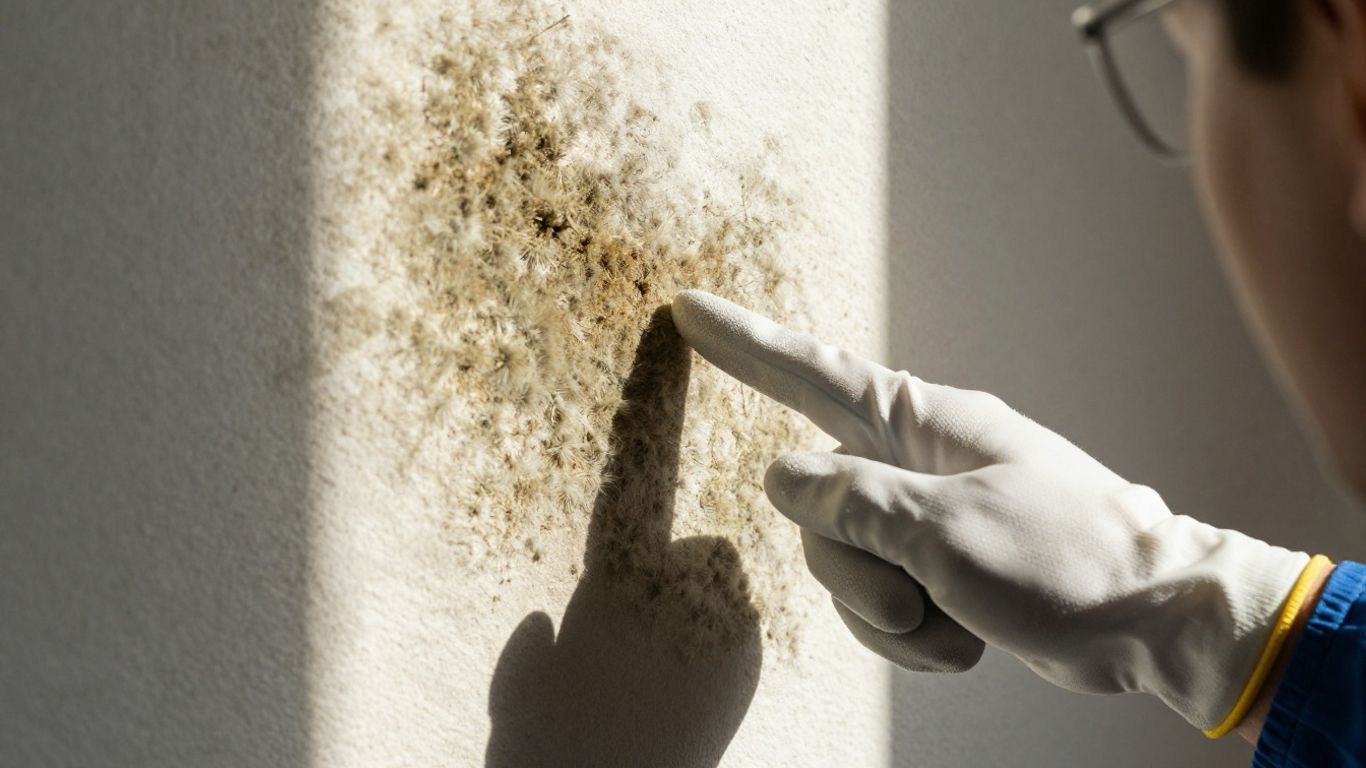
So, you’ve found mold. It’s a gross, unsettling discovery, and your first thought might be, ‘Will my insurance cover this?’ The answer, as we’ve touched on, isn’t always a simple yes or no. It really depends on how the mold got there in the first place. If it’s from a sudden, unexpected event like a pipe bursting or a storm causing a leak, you’ve got a better shot at coverage. But if it’s been brewing for ages due to poor maintenance or a slow drip you ignored, your insurer might see it as a homeowner responsibility.
The Importance of Prompt Reporting
The absolute first thing you should do when you suspect mold is to contact your insurance agent. Seriously, don’t wait. The longer mold sits and grows, the more damage it causes, and the more expensive it gets to fix. This also makes your claim look a lot stronger. If you wait weeks or months, the insurance company might argue that the damage worsened because you didn’t act fast enough. Think of it like this: if you see a small tear in your favorite shirt, you mend it right away. You don’t wait until it’s a giant rip that’s beyond repair, right? It’s the same idea with mold and your home.
Documenting Water Damage and Mold
Before you even call your agent, start snapping pictures and taking videos. Document everything. If you found a leaky pipe, get footage of the leak itself, the water damage it caused, and any visible mold. If you can safely do so, try to identify the source of the moisture. This documentation is your evidence. It shows the insurance company exactly what happened and when. You’ll want to keep a detailed log of all communication with your insurer, too – dates, times, who you spoke with, and what was discussed. This paper trail is super important.
Here’s a quick rundown of what to document:
- The initial water source (e.g., burst pipe, roof leak)
- The extent of the water damage (photos/videos of wet walls, floors, ceilings)
- Any visible mold growth (close-ups and wider shots)
- Any temporary repairs you make (like covering a broken window)
- Receipts for any materials you buy for temporary fixes
Remember, insurance companies want to see that you’ve taken reasonable steps to protect your property. Acting quickly and documenting thoroughly helps prove you’ve done just that. It’s not about trying to trick them; it’s about presenting a clear, factual case for why you need coverage.
Working With Your Insurance Agent
Your insurance agent is your main point of contact. Be honest and upfront with them about what you’ve found and when you found it. They can guide you through the claims process and explain what your policy does and doesn’t cover. They might send out an adjuster to assess the damage. Cooperate with the adjuster and provide them with all the documentation you’ve gathered. If mold is found, you’ll likely need to hire a professional mold remediation company. Get multiple estimates from licensed professionals, as this can help ensure you’re getting a fair price and provides additional proof for your claim. If your claim is denied, don’t just accept it. You have the right to appeal, especially if you believe the denial was unfair. Understanding your policy details, like those related to sudden and accidental water damage, is key throughout this whole process.
Wrapping Up: What to Remember About Mold and Your Insurance
So, does home insurance cover mold? It’s not a simple yes or no. Generally, if the mold popped up because of a sudden accident, like a pipe bursting or a storm causing damage, your policy might help pay for the cleanup. But if it’s been creeping in slowly due to poor maintenance or long-term leaks, you’re likely on your own. Costs can get high fast, especially for professional removal. It’s always a good idea to check your specific policy details or chat with your insurance agent. Knowing what’s covered and what’s not can save you a lot of headaches and money down the road. And hey, a little regular upkeep around the house can go a long way in preventing mold problems in the first place.
Frequently Asked Questions
Does my home insurance pay for mold cleanup?
Sometimes, but it really depends on how the mold got there. If a sudden event, like a pipe bursting or a storm causing water damage, leads to mold, your insurance might cover the cleanup. However, if the mold grew over time because of poor maintenance, like a slow leak you didn’t fix, it’s usually not covered.
What kind of water damage causes mold that insurance will cover?
Insurance typically covers mold that happens because of sudden and accidental water damage. Think of things like a washing machine hose breaking, a water heater exploding, or a storm ripping a hole in your roof. These are unexpected events where water damage occurs quickly, and mold follows.
When is mold damage NOT covered by my home insurance?
Your insurance likely won’t cover mold if it’s a result of ongoing problems that you could have prevented or fixed. This includes things like leaky roofs that you knew about but didn’t repair, constant high humidity in your home that wasn’t managed, or slow plumbing leaks that went unnoticed for a long time. Basically, if it looks like neglect, it’s probably not covered.
How much does mold removal usually cost?
Mold removal, also called remediation, can be quite expensive. It’s not just a simple cleaning job. Professionals often need to set up barriers to stop the mold from spreading, use special air filters, and sometimes even remove and replace things like drywall, insulation, or flooring. If the mold has spread a lot, the costs can really add up, sometimes into the thousands of dollars.
Can I get extra coverage for mold?
Yes, you often can! Many standard home insurance policies have limits on how much they’ll pay for mold removal. You can usually buy something called an endorsement, which is like an add-on to your policy. This can increase the amount your insurance will cover for mold cleanup, giving you more protection if a big mold problem happens.
What should I do if I find mold in my home?
The most important thing is to act fast. If you discover water damage that could lead to mold, report it to your insurance company as soon as possible. Take pictures or videos of the damage and the mold if you can do so safely. Also, try to prevent the area from getting wetter. The quicker you address the issue and inform your insurer, the better your chances of having the damage covered.
