Here are the main things to remember about using vinegar to tackle mold in your home. It’s a useful tool, but knowing its limits is important.
Key Takeaways
- Vinegar, specifically white vinegar with at least 5% acetic acid, can kill many types of household mold.
- It works best on non-porous surfaces and for smaller mold problems.
- Vinegar penetrates mold better than bleach, making it more effective at killing it.
- Avoid using vinegar on certain surfaces like stone, unfinished wood, or electronics, as it can cause damage.
- Always fix the underlying moisture problem to prevent mold from coming back.
Understanding Vinegar’s Mold-Killing Capabilities
So, you’ve got a bit of mold creeping up in the bathroom or maybe in that forgotten corner of the basement. Naturally, you’re wondering if that bottle of white vinegar sitting in your pantry can handle it. It’s a common question, and the short answer is: yes, vinegar can definitely kill mold. But like most things, it’s not quite that simple. Let’s break down what makes vinegar a contender in the mold-fighting arena.
The Science Behind Vinegar’s Effectiveness
Vinegar’s power comes from its acetic acid. Most household white vinegar has about 5% to 8% acetic acid. This acid is what makes vinegar effective against many types of mold and bacteria. It works by disrupting the mold’s cell structure, essentially killing it and preventing it from growing back. Studies suggest that vinegar can eliminate around 82% of common mold species. It’s a natural, non-toxic option that many people feel more comfortable using around their homes compared to harsher chemicals. Plus, the US EPA actually approves of its use for mold control, which is pretty reassuring.
Vinegar’s Penetration Power Compared to Bleach
This is where vinegar really shines, especially when you compare it to something like bleach. Bleach is good at killing mold on non-porous surfaces, like tiles or glass, because it can sit on top and kill what it touches. But mold is sneaky; it likes to burrow into surfaces. Vinegar, with its acidic nature, can actually penetrate porous materials like drywall, wood, or even carpets. This means it can get to the mold’s roots, not just the surface growth. While bleach might make a spot look clean, the mold underneath can keep growing. Vinegar’s ability to go deeper makes it a more thorough option for many situations. It’s a bit like comparing a surface polish to a deep clean; you want the one that gets to the actual problem.
Effectiveness Against Different Mold Species
It’s important to know that not all molds are created equal, and vinegar’s effectiveness can vary. While it’s great against many common household molds, including some types of black mold on certain surfaces, it’s not a universal mold killer. The success rate depends on the specific mold species, how widespread the infestation is, and the type of surface the mold is growing on. For minor surface mold, vinegar is often a solid choice. However, for extensive or deeply embedded mold issues, you might need to look at other solutions or even professional help. Think of it as a great tool for small jobs, but maybe not the best for a major renovation project. If you’re dealing with a significant mold problem, it might be worth looking into professional mold remediation services to ensure it’s handled correctly.
When Does Vinegar Kill Mold Effectively?
So, you’ve got some fuzzy stuff growing on your walls or in the bathroom grout. The big question is, can plain old vinegar actually handle it? The answer is a bit nuanced, but generally, yes, vinegar can be a pretty good weapon against mold, especially in certain situations. It’s not a magic bullet for every single mold problem, but for many common household issues, it really does the trick.
Vinegar for Surface Mold
When you’re dealing with mold that’s just sitting on the surface, like on tiles or sealed countertops, vinegar often shines. Its acetic acid content can break down the mold and stop its growth. For these types of visible, surface-level mold spots, vinegar is a go-to solution. It’s less harsh than bleach and doesn’t produce those strong fumes that can make your eyes water.
Vinegar’s Limitations on Porous Materials
Here’s where vinegar’s effectiveness starts to dip. Porous materials, like drywall, unsealed wood, or fabric, are a different story. Mold roots can burrow deep into these surfaces, and while vinegar can kill what’s on top, it might not reach all the way down. This means the mold could potentially grow back. For these kinds of materials, you might need something that penetrates deeper, or you might be looking at a more involved removal process. It’s important to understand that while vinegar can kill about 82% of mold types, its ability to fully eradicate it from porous surfaces is limited [1c73].
Assessing Mold Severity for Vinegar Treatment
Before you grab the spray bottle, take a good look at the mold situation. Is it a small patch, maybe a few square inches? Or is it a large, widespread problem? Vinegar is best suited for smaller outbreaks. If the mold covers an area larger than about 10 square feet (roughly a 3-foot by 3-foot square), it’s probably time to call in the professionals. Trying to tackle a massive mold problem with just vinegar might not be enough and could even spread spores if you’re not careful.
Here’s a quick rundown of when vinegar is a good choice:
- Small, visible mold spots on non-porous surfaces (like tile, glass, or sealed countertops).
- Areas with mild mold growth where you can easily wipe away residue.
- As a preventative measure in damp areas like bathrooms or kitchens.
When mold covers a significant area or has deeply penetrated materials, vinegar might not be sufficient. In such cases, professional mold remediation is often the safest and most effective route to ensure complete removal and address underlying moisture issues.
Safe and Effective Vinegar Application for Mold
So, you’ve decided to tackle that mold spot with vinegar. Good choice! It’s a pretty common and often effective DIY method, especially for smaller issues. But like anything, there’s a right way and a not-so-right way to do it. Let’s break down how to use vinegar safely and get the best results.
Step-by-Step Guide to Using Vinegar
Using vinegar isn’t rocket science, but following a few steps can make a big difference. The key is to let the vinegar do its work before you start scrubbing.
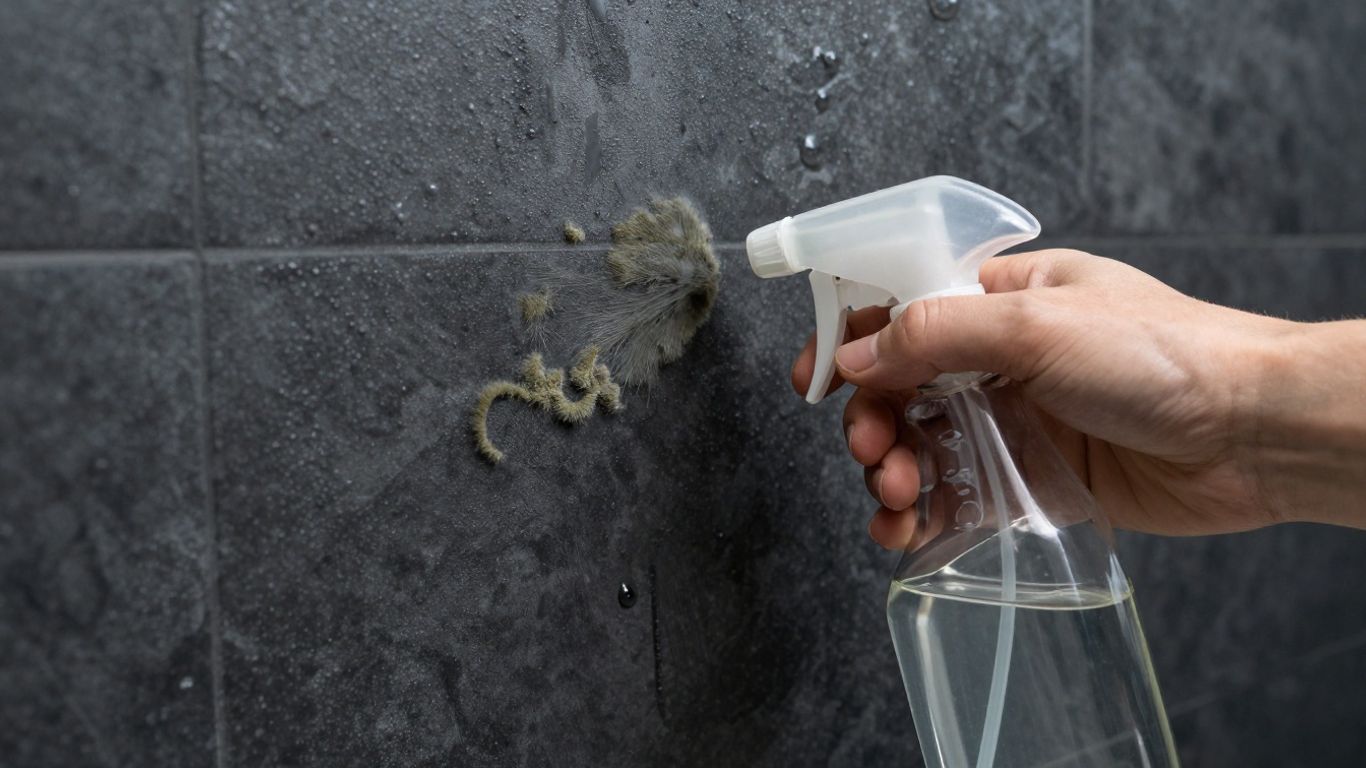
- Prep your spray bottle: Grab a clean spray bottle and fill it with undiluted white vinegar. Seriously, don’t water it down; that just makes it less potent. You don’t want to mix it with other cleaners either, as that can sometimes create nasty fumes or just make the vinegar less effective.
- Spray generously: Aim the spray directly at the moldy area. Make sure to cover it well. You want the vinegar to really soak in.
- Let it sit: This is the most important part. Leave the vinegar on the mold for at least an hour. This gives the acetic acid time to break down the mold and kill it.
- Scrub if needed: After an hour, if there’s still some residue or staining, you can gently scrub the area. A soft brush works well. For tougher spots, a paste made from baking soda and water can help lift stains.
- Rinse and dry: Wipe down the area with a damp cloth to remove any vinegar residue. Then, let it air dry completely. For an extra preventative step, you can spray a bit more vinegar on the clean, dry surface and let it air dry without rinsing. This leaves a protective acidic layer.
Protective Measures During Application
While vinegar is generally safer than harsh chemicals, it’s still a good idea to take some precautions. You don’t want to end up with a headache or irritated skin.
- Ventilation is key: Even though vinegar fumes aren’t as bad as bleach, it’s still best to have good airflow. Open windows and doors if you can.
- Gloves: Wear rubber gloves to protect your skin from prolonged contact with the vinegar.
- Eye protection: If you’re spraying overhead or in a tight spot, consider wearing safety glasses to prevent splashes.
Remember, while vinegar is great for surface mold, it might not be enough for mold that has deeply penetrated materials. If you’re dealing with a large area or suspect the mold is inside walls, it might be time to look into professional mold remediation.
Choosing the Right Vinegar Concentration
When it comes to killing mold, the strength of your vinegar matters. Most household white vinegars have an acetic acid content of about 5% to 8%. This concentration is generally effective for tackling common household molds. You don’t need to buy special, super-concentrated vinegar for this job. Just grab a standard bottle of white distilled vinegar from the grocery store. Using it undiluted is the best way to ensure its mold-killing power is at its peak. Watering it down will reduce its effectiveness, making it less likely to get the job done right the first time.
Surfaces Where Vinegar Excels and Where to Avoid
So, you’ve got some mold, and you’re thinking vinegar is the magic bullet. Well, it can be, but not everywhere. It’s like using the wrong tool for the job – you might get it done, but it’s going to be messy, and you might break something.
Vinegar’s Suitability for Drywall and Concrete
Vinegar can be a decent option for tackling mold on surfaces like drywall and concrete. For drywall, it’s best for surface mold. You want to spray it on and let it sit, maybe for an hour, then gently scrub. Don’t go too wild with the scrubbing, though, or you’ll damage the drywall itself. Concrete is pretty tough, so vinegar usually won’t hurt it. However, if the mold has really dug in deep, vinegar might not be strong enough to get it all out. It’s good for the visible stuff, but for deep-set mold, you might need something else.
Using Vinegar on Leather and Wood
When it comes to leather, you’ve got to be careful. Vinegar can clean mold off leather, but you absolutely need to dilute it. A 1:1 ratio with water is a good starting point. Spray it on a cloth, not directly on the leather, and wipe gently. Too much vinegar, or leaving it on too long, can dry out and damage the leather. Wood is another tricky one. On finished wood, like a table or a cabinet, vinegar can strip away the protective coating. If you’re dealing with unfinished wood, it’s a bit more forgiving, but still, use it sparingly. Always test in an inconspicuous spot first.
Surfaces Damaged by Vinegar’s Acidity
Vinegar’s acidity, while great for killing mold, can be a problem for certain materials. It can corrode some metals, so keep it away from aluminum and copper. You also need to be cautious with natural stone surfaces like marble or granite, as the acid can etch them, leaving dull spots. And as mentioned, finishes on wood and some types of paint can be damaged. It’s generally best to stick to non-porous, hard surfaces where vinegar can do its work without causing collateral damage. If you’re unsure, a quick patch test is always the smartest move before you commit to cleaning the whole area. For more stubborn mold on hard surfaces, you might consider other cleaning solutions.
Here’s a quick rundown:
- Good for: Most non-porous surfaces like tile, glass, metal (except aluminum/copper), sealed wood.
- Use with caution: Drywall, concrete, unfinished wood, leather, painted surfaces.
- Avoid: Natural stone (marble, granite), unsealed wood, porous materials where mold is deep.
Remember, the goal is to kill the mold, not to damage the surface you’re trying to clean. If a surface looks like it might react badly to vinegar, it probably will. Better safe than sorry!
Addressing Mold Beyond Vinegar’s Reach
So, you’ve tried the vinegar trick, and maybe it worked for those little spots on the bathroom tile. That’s great! But what happens when the mold problem is bigger than a breadbox, or it’s decided to set up shop in places vinegar just can’t quite get to? It’s time to face facts: sometimes, DIY solutions just don’t cut it.
When to Consider Professional Mold Remediation
If you’re looking at a mold situation that’s more than just a minor annoyance, it might be time to call in the cavalry. We’re talking about those situations where the mold covers a significant area, like more than 10 square feet. It’s also a red flag if the mold keeps coming back, no matter how much you scrub or spray. Mold isn’t just an eyesore; it can be a health hazard, and getting it all out is key. Professionals have the right gear and know-how to tackle extensive mold growth safely and effectively. They can identify the type of mold and figure out the best way to remove it without spreading spores everywhere. It’s often the safest bet for your health and your home’s structure.
Alternative DIY Mold Removal Solutions
Okay, so vinegar isn’t always the hero. What else can you try for those tougher spots? Hydrogen peroxide is a good option. It’s an antifungal and antibacterial agent that can be effective on many surfaces. Just make sure you don’t mix it with vinegar – that’s a big no-no that can create nasty fumes. Another thing to remember is that mold loves damp, dark places. So, while you’re cleaning, think about what’s causing the mold in the first place. Fixing leaky pipes or improving airflow can make a huge difference.
The Importance of Addressing Moisture Sources
Honestly, cleaning mold is only half the battle. If you don’t figure out why the mold is there, it’s just going to keep showing up. Think about it: mold needs moisture to grow. So, if you’ve got mold on your bathroom ceiling, is there a leaky pipe up there? Or maybe your shower isn’t venting properly? Finding and fixing these moisture issues is super important. It might mean repairing a roof leak, improving ventilation in your kitchen or bathroom, or just making sure you dry up spills quickly. Without tackling the moisture, you’re just playing a losing game.
Mold thrives in environments with excess moisture. Identifying and rectifying the source of this moisture is paramount to preventing its recurrence, even after thorough cleaning.
Preventing Mold’s Return with Vinegar
So, you’ve tackled that moldy spot with vinegar and it looks (and smells) much better. That’s great! But the job isn’t quite done yet. To really keep mold from staging a comeback, you’ve got to be a bit proactive. Vinegar can actually help with this, not just as a cleaner, but as a preventative measure too.
Vinegar as a Mold Preventative Measure
Think of it like this: after you’ve cleaned up the visible mold, there might still be tiny spores hanging around, just waiting for the right conditions to grow again. A light spray of undiluted white vinegar on the cleaned area, and letting it air dry without rinsing, can make the surface less welcoming for mold. The residual acidity makes it harder for those sneaky spores to take hold. It’s a simple step that can make a big difference in keeping your bathroom or kitchen mold-free.
- Apply undiluted white vinegar to cleaned areas.
- Allow the vinegar to air dry completely.
- Repeat this application periodically, especially in damp spots.
While vinegar is a good first line of defense, it’s not a magic bullet. Addressing the root cause of mold growth is always the most important step.
Maintaining Optimal Humidity Levels
Mold absolutely loves moisture. If the air in your home is too damp, mold will find a way to grow, no matter how well you clean. Keeping humidity levels in check is key. Aim to keep your indoor humidity below 60%, ideally between 30% and 50%. You can use a dehumidifier, especially in basements or bathrooms where moisture tends to build up. It’s a simple way to make your home less hospitable to mold.
| Area | Target Humidity (%) |
|---|---|
| Living Areas | 30-50 |
| Bathrooms | 30-50 (after use) |
| Basements | 30-50 |
Ensuring Proper Ventilation and Airflow
Good airflow is another big player in mold prevention. Stagnant, moist air is mold’s best friend. Make sure your bathrooms have working exhaust fans that you actually use when showering or bathing. Kitchens can also benefit from good ventilation when cooking. Opening windows when the weather permits can also help circulate fresh air. Think about how air moves around your home; if there are areas that feel stuffy or damp, that’s where mold might try to set up shop. Improving ventilation in these spots can really help prevent mold growth.
- Use exhaust fans in bathrooms and kitchens.
- Open windows regularly to air out rooms.
- Ensure furniture isn’t blocking air vents or radiators.
Conclusion
So, does vinegar kill mold? For many common household mold issues, especially those on non-porous surfaces, the answer is yes. White vinegar’s acetic acid can effectively break down and kill mold spores, and it’s a safer option than harsh chemicals. However, it’s not a magic bullet for every situation. For extensive mold growth or when mold has deeply penetrated porous materials, you might need more than just vinegar. Always remember to address the moisture source that allowed the mold to grow in the first place. Taking prompt action, whether with vinegar or professional help, is key to keeping your home healthy and mold-free.
Frequently Asked Questions
Can I use vinegar to stop mold before it starts?
Yeah, you can totally use vinegar as a way to keep mold from popping up. Just spray some undiluted white vinegar on spots where mold likes to grow, like bathrooms or damp corners, and let it dry. Doing this regularly in wet areas can make it much harder for mold to get a foothold.
Is vinegar safe for all my stuff?
Nope, not everything. You shouldn’t use vinegar on things like marble countertops or limestone because it can make them look dull or even etch the surface. It’s also a no-go for some fabrics and certain metals. Always test in a small, hidden spot first if you’re not sure.
What if the mold is really tough and vinegar isn’t working?
If you’ve tried vinegar and the mold just won’t budge, or if the moldy area is pretty big, it might be time to call in the pros. Professional mold removers have special tools and know-how to get rid of stubborn mold and make sure it doesn’t return.
Does vinegar kill that nasty black mold?
Vinegar can indeed help kill black mold, especially on surfaces that aren’t rough or absorbent. The acetic acid in white vinegar is good at breaking down mold. But if you have a lot of black mold, or if it’s gotten deep into things like drywall, you’ll likely need professional help.
How long should I let the vinegar sit on the mold?
For the best results, you’ll want to let the vinegar soak into the moldy area for at least an hour. This gives the acetic acid time to really work on breaking down the mold before you scrub it away. Don’t rush this part!
Can I mix vinegar with other cleaners?
Definitely do not mix vinegar with bleach! That creates a dangerous gas. It’s also not a good idea to mix it with hydrogen peroxide, as that makes a different kind of chemical that can irritate your skin and eyes. Stick to using vinegar on its own or with water.
