When mold shows up in your attic, it can be a real headache. Knowing what you might have to pay to get rid of it is important. Here are the main things to remember about the cost of attic mold cleanup:
Key Takeaways
- The average cost for attic mold removal can range from about $1,000 to $4,000, but this can change a lot.
- Things like how much mold there is, how hard it is to get to, and what kind of mold it is really affect the price.
- Don’t forget to factor in costs for inspection, testing, and possibly fixing water damage that caused the mold.
- Getting quotes from a few different companies helps you compare prices and services to find the best deal.
- Taking steps to prevent mold in the first place, like fixing leaks and improving airflow, can save you money down the road.
Understanding Attic Mold Remediation Costs
When you first notice that fuzzy, discolored patch in your attic, your first thought might be, "How much is this going to cost me?" It’s a totally normal question, and honestly, the answer isn’t always straightforward. The true cost of attic mold remediation in 2026 depends on a bunch of different things. It’s not just about slapping some bleach on it and calling it a day. We’re talking about making sure it’s gone for good and figuring out why it showed up in the first place. Ignoring it can lead to bigger problems down the road, not to mention potential health issues for your family.
Factors Influencing Attic Mold Remediation Expenses
Several key elements play a role in how much you’ll end up paying to get rid of attic mold. Think of it like a recipe; the more ingredients and the more complex they are, the higher the price tag.
- Size of the Infestation: A small spot is obviously cheaper to fix than mold that’s taken over a large section of your attic.
- Accessibility: Is the mold in a wide-open space, or is it tucked away behind insulation or in a tight corner? Hard-to-reach areas mean more labor and potentially specialized equipment.
- Materials Affected: Mold on hard surfaces like wood framing is usually easier to deal with than mold that has deeply penetrated insulation or drywall.
- Underlying Moisture Issues: If the mold is there because of a leaky roof or poor ventilation, you’ll need to address those problems too, which adds to the overall cost.
Average Cost for Attic Mold Removal
So, what’s the damage, financially speaking? For a typical home in the US, you can expect the average cost for professional attic mold removal to fall somewhere between $1,800 and $8,000. Of course, this is just an average. Smaller jobs might be on the lower end, while severely affected attics could push the price higher. Some sources suggest a range of $1,000 to $4,000 for the national average, but remember, this often doesn’t include fixing the root cause of the mold. It’s always best to get a few quotes to get a clearer picture for your specific situation. You can find more details on professional attic mold remediation costs.
The Cost for Mold Remediation in Attic Spaces
Attics are particularly tricky because they’re often cramped and poorly ventilated, creating the perfect breeding ground for mold. This means remediation in these spaces can sometimes be more expensive than in other parts of your home. You might be looking at costs that are higher due to the difficulty of working in such an environment. Plus, dealing with insulation and wooden beams adds another layer to the process. It’s not uncommon for specialized attic mold removal to cost anywhere from $1,534 to $7,138.
When getting quotes, always ask what’s included. Does it cover just the removal, or does it also address the moisture source and any necessary repairs to prevent it from coming back? Understanding the full scope is key to avoiding surprises.
Key Cost Drivers for Mold Remediation
When you’re facing a mold problem in your attic, it’s not just a simple cleanup job. Several things can really make the price tag jump up. Understanding these factors beforehand can help you get a more accurate estimate and avoid surprises down the road.
Severity and Spread of Mold Infestation
The biggest factor is usually how bad the mold problem is. A small patch you can see is one thing, but mold that’s spread behind walls, in insulation, or deep within the wood structure is a whole different ballgame. The more widespread the mold, the more labor and materials will be needed to remove it properly. This often means more containment setup, more contaminated materials to remove, and more time spent by the remediation crew. Sometimes, what looks like a minor issue can hide a much larger problem, especially if moisture has been present for a while.
Type of Mold Present
Not all mold is created equal, and some types require more careful handling. For instance, if you’re dealing with Stachybotrys chartarum, often called "black mold," it needs special attention because it can be more toxic. This means the remediation team will need to use extra protective gear, set up more robust containment to prevent spores from spreading, and follow stricter disposal protocols. These extra safety measures naturally add to the overall cost.
Accessibility of Affected Areas
Think about how easy it is to get to the mold. If the mold is in an open, easy-to-reach spot in the attic, it’s generally less expensive to deal with. However, if it’s in a tight crawl space, mixed in with complex ductwork, or requires removing parts of the attic’s structure to get to, the costs will go up. Labor time increases significantly when crews have to contort themselves or use specialized equipment to access and clean affected areas. This can also lead to additional costs if drywall, insulation, or other building materials need to be removed and replaced. For a general idea of costs, the average cost for mold remediation can vary widely based on these factors.
It’s important to remember that mold remediation isn’t just about spraying some cleaner. It’s a process that involves identifying the source of moisture, containing the mold, safely removing it, and then taking steps to prevent it from coming back. Each of these steps adds to the final bill, and the complexity of each step is directly tied to the cost.
Here’s a quick look at how these factors can influence pricing:
- Minor Surface Mold: Easier access, less spread, standard mold types. Lower cost.
- Moderate Infestation: Mold in multiple areas, possibly hidden, requires more containment. Mid-range cost.
- Severe or Hidden Mold: Extensive spread, toxic mold types, difficult access (e.g., inside walls, HVAC). Highest cost.
- Associated Damage: If the mold has caused significant structural damage or water damage, repairs will add to the total expense.
Breakdown of Mold Remediation Service Expenses
When you get a quote for mold remediation, it’s not just a single number. There are several components that make up the total cost. Understanding these individual expenses can help you compare quotes and know exactly what you’re paying for.
Inspection and Testing Fees
Before any work begins, a professional needs to figure out what’s going on. This involves a thorough inspection to find all the mold, even the hidden stuff. They might also take air samples or surface swabs to identify the type of mold and how bad the problem is. These tests are sent to a lab for analysis. Expect to pay anywhere from $292 to $1,320 for this initial assessment, with an average cost around $684. This step is super important because it guides the entire remediation plan.
Containment and Air Scrubber Rentals
To stop mold spores from spreading to other parts of your house, professionals set up containment zones. This usually involves plastic sheeting and negative air pressure. They also use HEPA air scrubbers to filter the air during the process. Renting this equipment can add a significant chunk to the bill, often averaging around $682 for the job. It’s a necessary step for safety and effectiveness.
Water Damage Repair Costs
Mold doesn’t grow without moisture. If the mold is there, it means there’s a water problem somewhere. This could be a leaky pipe, a roof issue, or condensation. Fixing the source of the moisture is key to preventing mold from coming back. If there’s structural damage or extensive water damage, repairs can get pricey. This part of the job can add an average of $3,826 to your total bill, depending on what needs to be fixed.
Disposal and Verification Fees
Once the mold is removed, all the contaminated materials – like insulation, drywall, or wood – need to be bagged and disposed of properly. This isn’t like regular trash; special handling is often required, especially for certain types of mold. This disposal can cost around $217. After the main work is done, they’ll likely do a follow-up inspection and testing to make sure the mold is really gone. This verification step might add another $418 to the bill. It’s the final check to ensure the job was done right and you’re not going to have mold issues again soon. Getting this verification is a good idea for peace of mind, especially if you’re dealing with a serious infestation.
It’s really important to get a clear understanding of what’s included in your quote. Sometimes, things like disposal or post-remediation testing are separate charges. Asking questions upfront can save you a lot of surprises later on.
Here’s a quick look at some typical costs:
| Service Component | Average Cost |
|---|---|
| Inspection and Testing | $684 |
| Containment & Air Scrubber Rental | $682 |
| Water Damage Repair | $3,826 |
| Disposal Fees | $217 |
| Post-Remediation Verification | $418 |
Comparing Mold Remediation Service Providers
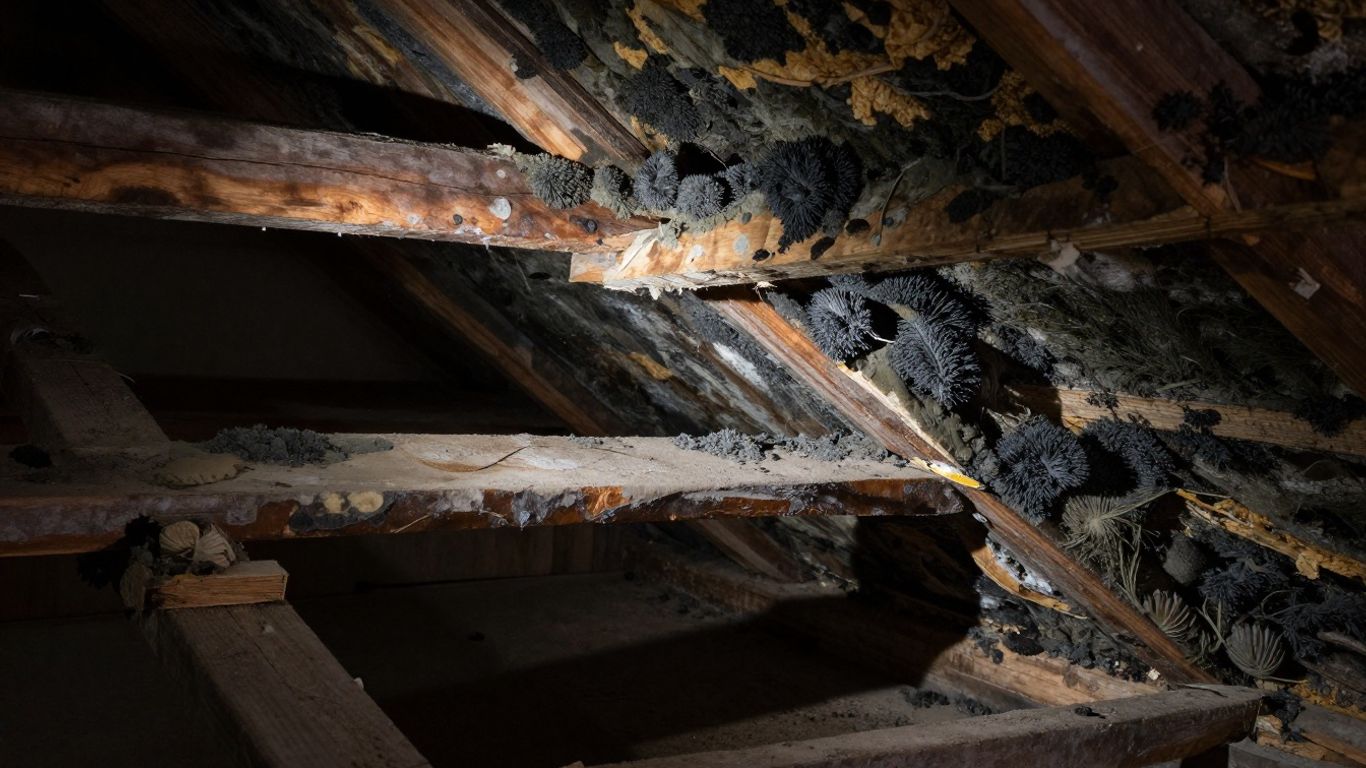
When you’re facing a mold problem in your attic, it’s easy to feel overwhelmed. The next step is figuring out who to call. Not all mold remediation companies are created equal, and understanding the differences can save you a lot of headaches and money down the line. It’s not just about finding the cheapest option; it’s about finding the right fit for your specific situation.
Contractor Experience and Certification
This is a big one. You want a company that knows what they’re doing. Look for certifications from recognized industry bodies. These aren’t just fancy letters; they mean the technicians have undergone specific training in mold identification, safe removal techniques, and proper containment procedures. A contractor with years of experience in attic mold remediation in Houston, for example, will likely have seen a wider range of issues than a newer company. They’ll have a better handle on what works and what doesn’t, which can translate to a more efficient and effective job.
- Check for certifications: Look for credentials like CRMI (Certified Mold Remediation Inspector) or CMRS (Certified Mold Remediation Specialist).
- Ask about their experience: How long have they been in business? How many attic mold jobs have they completed?
- Read reviews: See what past clients say about their professionalism, thoroughness, and customer service.
The type of mold present can significantly impact the remediation process and cost. Some molds are more hazardous and require specialized handling and disposal protocols, increasing labor and material expenses.
Hourly Rates vs. Project Quotes
This is where things can get a little tricky. Some companies prefer to bill by the hour, while others will give you a flat project quote. An hourly rate might sound good initially, but it can be hard to predict the final cost, especially if the job takes longer than expected. A detailed project quote, on the other hand, breaks down the costs for each part of the job – inspection, containment, removal, disposal, and any necessary repairs. Always aim for a detailed, written quote before any work begins. This helps you understand exactly what you’re paying for and prevents surprise charges later.
| Pricing Structure | Pros |
|---|---|
| Hourly Rate | Potentially lower if job is quick |
| Project Quote | Predictable cost, easier budgeting |
Understanding What’s Included in a Quote
Don’t just look at the bottom line. You need to know what’s actually covered in that price. A quote might seem low, but it could exclude important steps like proper waste disposal or post-remediation testing. Make sure the quote clearly outlines:
- The scope of work: What areas will be treated? What materials will be removed?
- Containment procedures: How will they prevent mold spores from spreading to other parts of your home?
- Air scrubbing and ventilation: Will they use equipment to clean the air?
- Disposal of contaminated materials: How will they handle the removal of moldy insulation, drywall, etc.?
- Post-remediation testing: Will they test the air quality after the job is done to confirm the mold is gone?
- Any warranties or guarantees offered on their work.
Specialized Mold Remediation Scenarios
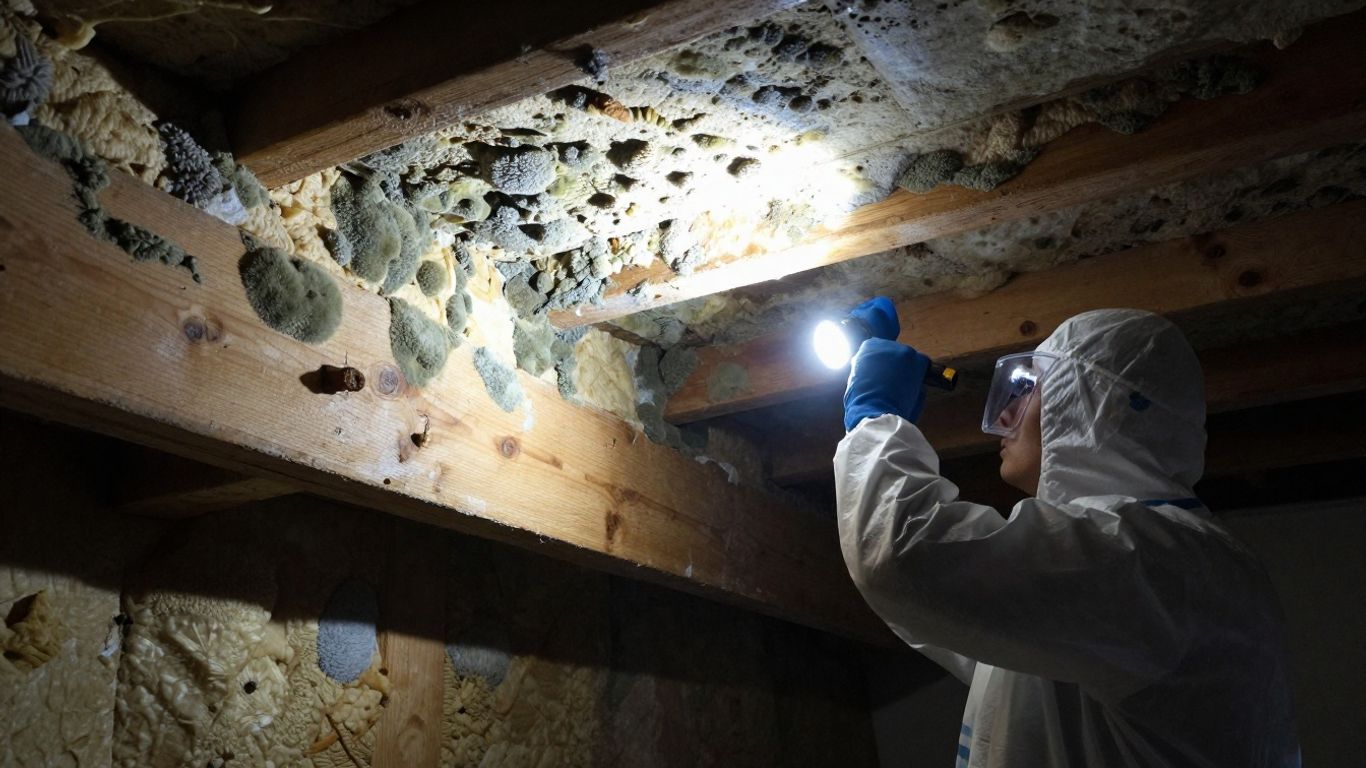
Sometimes, mold issues aren’t your typical attic situation. Certain types of mold or specific locations can really bump up the price and complexity of getting rid of it. Let’s look at a few of these trickier scenarios.
Black Mold Remediation Expenses
Dealing with black mold, often referred to as Stachybotrys chartarum, is a serious business. This type of mold is known for being particularly toxic, which means extra precautions are needed. The cost for black mold remediation is generally higher because of the specialized containment and safety measures required. Professionals need to use advanced protective gear, set up strict containment zones to prevent spores from spreading, and often employ more aggressive cleaning and removal techniques. This isn’t a job for a weekend warrior; it requires certified professionals who know how to handle hazardous materials safely. Expect to pay more for the expertise and equipment needed to tackle this specific type of mold.
HVAC System Mold Treatment Costs
Mold in your HVAC system is a sneaky problem. It can spread spores throughout your entire house without you even realizing it. Cleaning mold out of ductwork and the system itself is a specialized job. It involves taking apart sections of the system, using special vacuums with HEPA filters, and applying antimicrobial treatments. Because the system is complex and often hard to access, labor costs go up. Plus, if the mold has damaged any components of the HVAC system, those parts might need to be replaced, adding to the overall expense. Getting your HVAC system checked regularly can help catch issues early.
Whole Property Mold Remediation Pricing
When mold has taken over a significant portion of your home, or if it’s a severe infestation that has spread from the attic to other areas, you’re looking at whole-property remediation. This is the big leagues of mold removal. It’s not just about cleaning surfaces; it often involves structural repairs, extensive air scrubbing, and sometimes even temporary relocation for your family while the work is being done. The price tag for something this extensive can be quite high, reflecting the sheer scale of the job. It’s a major undertaking that aims to restore your entire home to a safe, mold-free condition. For these large-scale projects, costs can range significantly, sometimes reaching into the tens of thousands of dollars, covering everything from demolition to rebuilding and air quality restoration.
Addressing mold in specialized scenarios like black mold or HVAC systems requires a higher level of expertise and specialized equipment. While the initial cost might seem daunting, it’s an investment in your health and the long-term integrity of your home. Ignoring these specific issues can lead to more widespread problems and greater expenses down the line.
Here’s a general idea of what you might expect:
- Black Mold Remediation: Higher costs due to toxicity and containment needs.
- HVAC System Treatment: Increased expenses for specialized cleaning and potential part replacement.
- Whole Property Remediation: Significant investment covering extensive cleaning, repairs, and potentially temporary housing.
Preventative Measures and Long-Term Savings
Dealing with attic mold can be a real headache, and honestly, it’s usually way more expensive than you’d think. But here’s the thing: a lot of that cost comes from letting the problem get out of hand. Focusing on prevention is where you really start to save money in the long run. It’s about being proactive instead of reactive, which, let’s be honest, is a much better way to handle things around the house.
Mold Prevention Service Costs
While you might think of mold remediation as a one-time fix, there are services and products aimed at stopping mold before it even starts. These aren’t always huge expenses, but they add up. Think about things like installing better ventilation systems in your attic, using specialized mold-resistant paints or sealants on surfaces, or even regular attic inspections. Some companies offer ongoing maintenance plans that include checking for moisture issues and ensuring your attic stays dry. These preventative services can range from a few hundred dollars for a one-time treatment to a few thousand for a comprehensive system upgrade. It’s an investment, for sure, but compare that to the thousands you might spend on a full-blown mold removal job.
The Value of Professional Remediation Over DIY
Look, I get the temptation to DIY. Saving money is always good, right? But when it comes to mold, especially in an attic, trying to tackle it yourself can actually cost you more in the end. Professionals have the right gear, like HEPA vacuums and containment systems, to safely remove mold without spreading spores all over your house. They also know how to find the source of the moisture that’s causing the mold in the first place. If you just clean the visible mold, it’ll likely come back, and you’ll be back at square one, possibly with a bigger problem. Plus, dealing with mold can be a health hazard if you’re not properly protected. Hiring a pro might seem pricier upfront, but it often prevents bigger, more expensive issues down the road. It’s about getting it done right the first time.
Strategies to Reduce Overall Mold Remediation Costs
So, how do you keep those mold remediation bills from getting out of control? It really comes down to a few smart moves:
- Address Moisture Issues Immediately: This is the big one. Fix any roof leaks, faulty gutters, or condensation problems ASAP. Mold needs moisture to grow, so cutting off its water supply is key.
- Improve Attic Ventilation: Proper airflow helps keep the attic dry. Consider adding vents or ensuring existing ones aren’t blocked. This is a pretty standard recommendation from attic mold removal experts.
- Regular Home Inspections: Don’t wait until you see visible mold. Periodically check your attic, especially after heavy rain or snow, for any signs of dampness or musty smells.
- Control Indoor Humidity: While this might seem more related to living spaces, high humidity in your home can affect the attic too. Using dehumidifiers in basements or during humid months can help.
Dealing with mold is often a symptom of a larger issue, usually related to water intrusion or poor ventilation. Focusing solely on the mold itself without addressing the root cause is like putting a bandage on a broken bone. You need to fix the underlying problem to truly solve it and prevent future costly remediation.
Think of these preventative steps as a shield for your home. They might require a bit of effort or an initial cost, but they’re far less disruptive and expensive than dealing with a full-blown mold infestation. It’s about smart homeownership, really. Keeping your attic dry and well-ventilated is one of the best ways to avoid those surprise mold remediation bills in 2026 and beyond. It’s also worth checking if your homeowner’s insurance policy offers any coverage for mold-related issues, though this often depends on the cause of the mold. Sometimes, just understanding your policy can save you a lot of money. For more on staying optimistic and finding creative solutions in life, you might find practices like yoga and meditation helpful for a clearer mind when tackling home projects.
Conclusion
Dealing with mold in your attic isn’t just an aesthetic issue; it’s a potential health and structural problem. Understanding the cost for mold remediation in attic spaces, from initial inspection to final cleanup, helps you budget and make informed decisions. While professional remediation might seem costly upfront, it’s often the most effective way to ensure the mold is gone for good and to prevent future issues, saving you money and worry in the long run. Don’t put off addressing attic mold – it’s an investment in your home’s health and integrity.
Frequently Asked Questions
What’s the usual price to get mold out of an attic?
Most of the time, you’re looking at spending somewhere between $1,000 and $4,000 to clear mold from an attic. But, this number can go up or down depending on how bad the mold problem is and how easy it is for workers to get to the moldy spots.
What makes attic mold removal cost more?
A few things can drive up the price. If the mold has spread a lot, or if it’s in a really tough spot to reach, it’ll cost more. Also, if it’s a type of mold that’s more dangerous, like black mold, you’ll pay extra for special safety steps.
Do I need to pay for mold testing?
Yes, usually. Companies will often charge for an inspection and testing first. This helps them figure out what kind of mold you have and how much of it there is, so they can plan the best way to remove it. This part can cost a few hundred dollars.
Can I just clean a little mold myself?
For tiny spots, maybe. But it’s risky. Mold can spread easily, and you might not get it all, especially if it’s hiding. Professionals have the right gear and know-how to get rid of it safely and completely, which can save you trouble later.
Does my home insurance cover mold removal?
Sometimes, but not always. If the mold came from a sudden event like a big leak or storm, your insurance might help. But if it’s from long-term moisture problems that you could have fixed, they probably won’t cover it.
How can I stop mold from coming back after it’s cleaned?
The best way is to fix what caused the mold in the first place. This usually means finding and fixing any roof leaks, making sure there’s good airflow in the attic, and controlling moisture. Some companies offer services to help prevent mold from growing again.
