Waking up to a flooded carpet is a homeowner’s nightmare. It’s not just about the mess; it’s about the potential for mold and health issues that can pop up if you don’t handle it right. Learning how to dry a carpet after a flood is super important to save your floors and keep your home healthy. This guide breaks down what you need to do, step-by-step, so you can get your home back to normal without the added stress of mold.
Key Takeaways
- Safety first: Always turn off electricity in the affected area and wear protective gear like gloves and masks when dealing with floodwater.
- Remove standing water immediately using a wet vacuum or pump, then increase airflow with fans and open windows (if outdoor humidity is low).
- Lift the carpet and padding if possible to thoroughly dry the subfloor, as moisture trapped underneath is a prime spot for mold.
- Use powerful dehumidifiers and air movers to speed up the drying process, aiming for a moisture level below 16% in the carpet and subfloor.
- Clean and sanitize the carpet and surrounding surfaces with appropriate solutions to kill bacteria and prevent mold growth, especially if the water source was contaminated.
Immediate Actions For A Flooded Carpet
Okay, so your carpet is soaked. It’s a mess, and honestly, it feels overwhelming. But the absolute first thing you need to do is make sure everyone is safe. Water, especially if it’s from a flood, can hide all sorts of dangers like electrical hazards or structural weaknesses. So, before you even think about grabbing towels, take a moment to assess the situation from a safety standpoint.
Prioritize Safety First
Seriously, don’t skip this. If the water is deep, or if you suspect it’s contaminated (like from a sewage backup), stay out of the area. Turn off electricity to that part of the house if you can do so safely. If you’re unsure about anything electrical, just leave it alone and call a professional. Your well-being is way more important than a wet carpet.
Dealing with a flooded carpet isn’t just about the water itself; it’s also about the potential damage to your home and the health risks that can come with it. Acting fast is key to keeping things from getting worse.
Remove Standing Water Quickly
Once you know it’s safe to proceed, the next big step is getting rid of all that standing water. The longer it sits, the more damage it does and the higher the chance of mold setting in. A wet vacuum is your best friend here. If you don’t have one, a sturdy bucket and a sponge can help, though it’ll take a lot longer. For larger areas, you might need to rent a more powerful pump. The goal is to remove as much liquid as possible, as fast as you can. This is the first real step in drying soaked carpet after leaks.
Assess Furniture and Belongings
While you’re dealing with the water, take a look at your furniture and anything else in the room. Did the water reach them? If so, can they be moved to a dry area to air out? Upholstered items are tricky and might need professional attention. Some things might be a total loss, unfortunately. It’s tough, but sometimes you have to let go of items that are too damaged to save. This assessment helps you figure out what else needs your attention beyond just the carpet itself.
Drying Your Carpet After Water Damage
Okay, so the water’s mostly gone, but your carpet is still soaked. This is where the real work begins to get things dry and stop any nasty mold from setting up shop. It’s not just about the surface; you’ve got to think about what’s happening underneath too.
Lift and Remove Carpet If Necessary
Sometimes, the carpet padding is just too saturated to save. If your carpet feels like a soggy sponge, you might need to pull it up. Carefully detach the edges from the tack strips along the walls. If it’s really wet, roll it up and move it to a dry spot, or even hang it outside if the weather’s cooperating. The padding underneath? Honestly, it’s often a goner and needs to be tossed. If your carpet is glued down, this step might be a job for the pros.
Dry The Subfloor Thoroughly
This is super important. Even if the carpet feels a bit drier, moisture hiding in the subfloor is a mold party waiting to happen. You’ll want to get some serious airflow going. Position powerful fans to blow air directly over the subfloor. A dehumidifier running in the room will pull a lot of moisture out of the air, which helps everything dry faster. If the outside air isn’t too humid, opening windows can help too. Keep an eye on wood subfloors; they can swell or warp if they stay wet for too long. If you see significant damage, it’s time to call in someone who knows what they’re doing.
Utilize Air Movers and Dehumidifiers
These are your best friends right now. Air movers, which are basically super-powered fans, are designed to push a lot of air around and speed up the drying process significantly. You’ll want to keep them running constantly. Pair these with a good dehumidifier. These machines pull moisture right out of the air, making the drying environment much more effective. You might need to empty the dehumidifier’s tank frequently, or set up a continuous drain hose if it has one. Keeping the air circulating and the humidity low is the key to preventing mold growth. It can take several days of continuous drying with these machines to get everything back to normal moisture levels, so be patient and persistent. A moisture meter can be a handy tool to confirm when the carpet and subfloor are truly dry, ideally below 16% moisture content.
Essential Equipment For Carpet Drying
Alright, so your carpet’s seen better days thanks to a flood. Now comes the part where you actually dry it out. You can’t just wave a towel at it and hope for the best. You’re going to need some serious gear to get the job done right and stop mold in its tracks. Think of it like this: you wouldn’t try to put out a house fire with a garden hose, right? Same idea here.
Choosing The Right Wet Vacuum
First things first, you need to get rid of all that standing water. A regular vacuum cleaner is a big no-no here; you’ll just short it out. What you need is a wet vacuum, often called a shop vac. These things are built to handle liquids. Look for one with a decent tank capacity so you’re not emptying it every five minutes. You want to be able to suck up as much water as possible, as quickly as possible. The less water that sits, the better your chances of avoiding bigger problems down the line. Some people even rent these if they don’t own one, which is a smart move if you’re not planning on dealing with floods regularly.
Selecting Powerful Dehumidifiers
Once the bulk of the water is gone, the air is still going to be thick with moisture. That’s where dehumidifiers come in. These machines pull water vapor right out of the air. You’ll want a powerful one, especially if the flooded area is large. Smaller units might struggle to keep up. Some models have a higher "pint capacity," meaning they can remove more water per day. It’s also handy if it has a continuous drain option, so you don’t have to empty the tank constantly. You can often find these for rent too, which might be more cost-effective for a one-time emergency.
Using Air Movers and Fans Effectively
Fans, especially the high-powered "air movers" you see on restoration sites, are your best friend for circulating air. They don’t remove moisture themselves, but they push the damp air away from the carpet and towards the dehumidifier, and also help dry out the carpet fibers directly. You’ll want to position them strategically to create a good airflow pattern across the entire affected area. Think about setting up a few fans to blow air across the carpet surface and maybe one aimed at the walls or corners where moisture can get trapped. Good ventilation is key, and these tools really help speed things up. You can check out professional restoration equipment to get an idea of what’s out there.
Don’t underestimate the power of airflow. It’s not just about making things feel drier; it’s about actively moving moisture away from surfaces and preventing it from settling back down. This is especially important for the carpet padding and the subfloor underneath, which can hold onto moisture long after the carpet surface feels dry.
Cleaning and Sanitizing Your Carpet
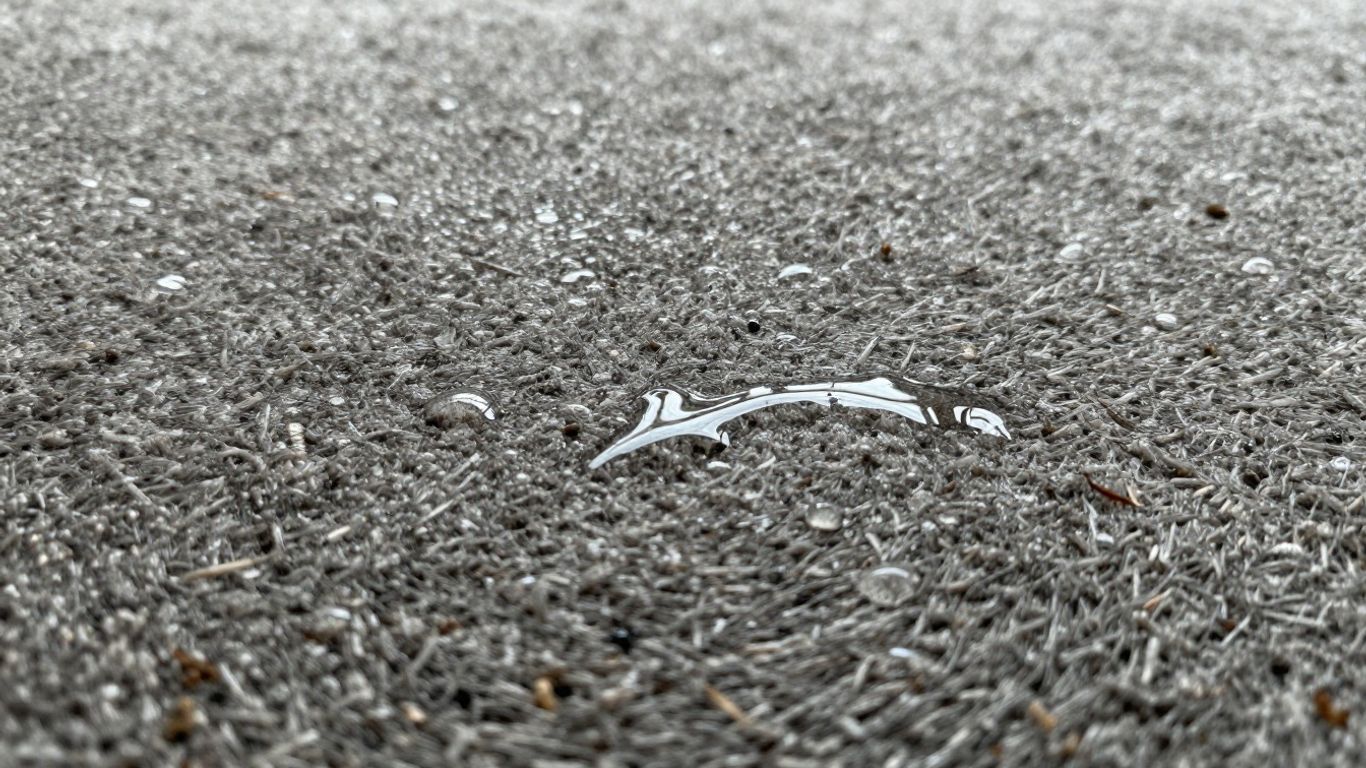
Okay, so your carpet is mostly dry, but we’re not out of the woods yet. Floodwater can leave behind all sorts of nasty stuff – think bacteria, mold spores, and odors that just won’t quit. We need to tackle that.
Steam Cleaning For Toxins And Odors
This is where steam cleaning really shines. The hot water and steam can break down and lift away those lingering contaminants and smells. You can rent a steam cleaner yourself, or if you’re feeling overwhelmed, calling in a professional service is a good idea. They have the heavy-duty equipment to really get in there. The heat from steam cleaning is effective at killing many types of bacteria and mold spores. It’s a solid step for making sure your carpet is truly clean after a flood.
DIY Disinfectant Solutions
If you’re going the DIY route, there are a couple of options. A simple mix of white vinegar and water, usually a 1:1 ratio, can work wonders for sanitizing. You can also use a mild detergent, but be careful not to use anything too harsh, as it might damage your carpet fibers. Always test any solution on a small, hidden spot first to make sure it doesn’t cause discoloration.
Here’s a quick rundown of some DIY options:
- Vinegar Solution: Mix equal parts white vinegar and water. Great for general sanitizing and odor control.
- Mild Detergent: Use a small amount of dish soap or laundry detergent mixed with water. Rinse thoroughly.
- Baking Soda: Sprinkle generously over damp areas to absorb moisture and odors. Let it sit for a few hours, then vacuum.
Treating Existing Mold and Mildew
If you spot any signs of mold or mildew, you’ll need to be a bit more aggressive. For small, manageable spots, a solution of 1 cup of bleach mixed with a gallon of water can be effective. However, you absolutely must test this on an inconspicuous area first, as bleach can discolor or damage carpet. If the mold problem seems widespread or you’re unsure, it’s really best to get professional help. Trying to tackle a large mold issue yourself can actually spread the spores further. For serious mold problems, professional restoration services are the way to go [0b84].
Remember, the goal here isn’t just to make the carpet look and smell better. It’s about removing potential health hazards left behind by floodwater. Taking these cleaning steps seriously can prevent bigger problems down the line.
After cleaning, make sure to dry the carpet completely. You can use fans and dehumidifiers to speed up the process. If you’re unsure about the best way to remove water, there are guides that can help you with the initial steps [74a5].
Preventing Mold Growth Under Carpets
Mold loves damp, dark places, and let’s be honest, under a carpet after a flood is like a five-star resort for it. The key to stopping this unwelcome guest is to make the environment inhospitable. This means tackling moisture head-on and keeping things dry and moving.
Understanding Mold’s Growth Conditions
Mold needs a few things to really get going: moisture, a food source (like carpet fibers and backing), and the right temperature. If you can take away the moisture, you’ve pretty much won the battle. Even a small leak can create enough dampness for mold to start its party. The longer a carpet stays wet, the higher the chance of mold taking hold. It can start growing in as little as 24-48 hours after a flood, so speed is really important.
Maintaining Proper Ventilation
Good airflow is your best friend when it comes to preventing mold. When air can move freely, it helps to dry things out and prevents moisture from getting trapped. Think about opening windows and doors when the outside air isn’t too humid. Using fans, especially high-powered ones, can really help circulate the air and speed up the drying process. Moving furniture away from walls also lets air get behind it. It’s a simple step, but it makes a big difference in keeping that under-carpet environment dry.
Using Antimicrobial Solutions
Sometimes, even with good drying and ventilation, you might want an extra layer of defense. This is where antimicrobial solutions come in. These can be sprays or treatments designed to inhibit mold and bacteria growth. They don’t replace the need for drying, but they can make it much harder for any lingering spores to start a new colony. You can find specific products for carpets, or sometimes even use household items like diluted hydrogen peroxide or vinegar for a DIY approach, though always test in an inconspicuous spot first. For more serious situations, professional-grade mold removers might be necessary.
Keeping indoor humidity below 60% is a good target. Using a dehumidifier, especially in basements or other damp areas, can significantly help control moisture levels and make your home less appealing to mold.
Here are some things to keep in mind:
- Address Leaks Immediately: Don’t wait to fix any drips or leaks, no matter how small. They are a direct invitation for mold.
- Regular Vacuuming: This helps remove dust and moisture that mold could feed on.
- Consider Antimicrobial Padding: When replacing carpet, look for padding that has built-in resistance to mold and mildew.
- Professional Cleaning: Sometimes, a deep clean from professionals can remove hidden moisture and spores that you might miss. They have the tools to really get into the carpet fibers and backing. This is especially true after a significant water event, where professional restoration might be needed.
When To Seek Professional Restoration
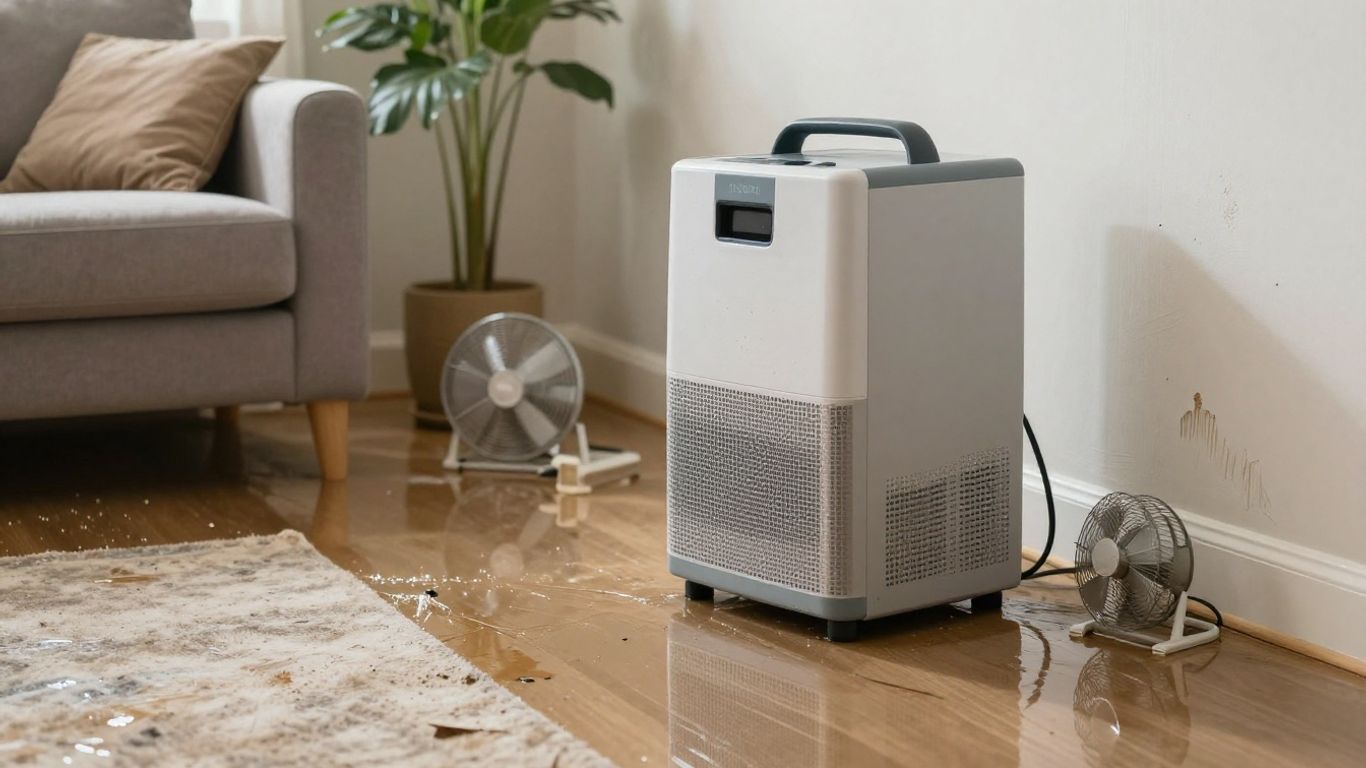
Sometimes, the flood damage is just too much to handle on your own. It’s not a sign of weakness; it’s just being smart about protecting your home and your health. If you’re looking at a situation that feels overwhelming, it’s probably time to call in the pros.
Identifying Contaminated Water Sources
If the water that flooded your carpet isn’t clean, like from a sewage backup or a burst pipe carrying nasty stuff, you really shouldn’t try to clean it yourself. This kind of water is full of bacteria and other gross things that can make you sick. Professionals have the right gear and safety protocols to deal with this kind of mess without putting themselves or you at risk. They can properly remove the contaminated water and sanitize everything to make it safe again.
Assessing Severe Subfloor Damage
Water doesn’t just sit on top of your carpet; it soaks down into everything. If the water sat for a long time, or if it was a really bad flood, the wood or concrete underneath your carpet – the subfloor – could be damaged. This might mean warped wood, weakened concrete, or even mold starting to grow down there. If you suspect the subfloor is compromised, it’s a job for experts. They can assess the damage accurately and make the necessary repairs before you even think about putting the carpet back.
Recognizing Widespread Mold Issues
Mold can start growing pretty quickly after a flood, sometimes in as little as 24 to 48 hours. If you see mold spreading across large areas of your carpet, walls, or ceiling, or if you notice that musty smell that just won’t go away, it’s a big red flag. Dealing with extensive mold growth requires specialized knowledge and equipment to remove it safely and prevent it from coming back. Trying to tackle a big mold problem yourself can actually make it worse and spread the spores further. For serious mold problems, it’s best to contact water damage restoration services that have experience with mold remediation.
Wrapping Up: Keeping Your Carpet Dry and Mold-Free
So, dealing with a flooded carpet is definitely a pain, but it’s not the end of the world. The biggest takeaway here is that you’ve got to act fast. The sooner you get that water out and start drying things up, the less chance mold has to set up shop. Whether you’re tackling it yourself with fans and a dehumidifier or deciding it’s time to call in the pros, remember that getting your carpet completely dry is the main goal. Keep an eye on things afterward, and hopefully, you won’t have to go through this again anytime soon. But if you do, you’ll know what to do.
Frequently Asked Questions
How fast can mold start growing on a wet carpet?
Mold is a speedy grower! It can start popping up in as little as 24 to 48 hours after a carpet gets wet. That’s why it’s super important to start drying everything out right away after a flood.
What’s the quickest way to get water out of a carpet?
The best tool for this is a wet/dry vacuum, also called a shop vac. It’s designed to suck up lots of water quickly. If you don’t have one, using lots of absorbent towels or a mop can help, but it’ll take longer.
Do I really need to lift the carpet to dry it?
If the carpet is really soaked, yes, you probably should. Lifting it lets you dry the padding underneath and the floor (called the subfloor). If the padding is soaked, it often needs to be thrown out and replaced because it’s hard to get completely dry and can grow mold.
How long does it usually take for a carpet to dry after a flood?
It typically takes about 3 to 5 days for a carpet to dry completely. This can change depending on how thick the carpet is, what it’s made of, and how good the air is circulating in the room. Using fans and dehumidifiers helps speed things up.
What should I do if I think the floodwater is dirty or contaminated?
If the water came from something like a sewage backup or dirty floodwater, it’s best not to handle it yourself. This kind of water can have dangerous germs. It’s safer to call professionals who have the right gear and know how to clean it up safely.
When is it time to call in the pros for carpet flooding?
You should definitely call professionals if the flooding is really bad, if the water looks dirty or smells bad (like sewage), if you see mold already growing, or if the floor underneath seems damaged. They have special tools and know-how to fix big problems.
