Finding black mold in walls can feel like a homeowner’s worst nightmare. It’s not just unsightly; it can also be a health hazard and impact your home’s structure. Many homeowners aren’t sure where to start when they suspect mold is lurking behind their paint or drywall. This guide is here to help you figure out what’s going on, why it’s happening, and what you can do about it. We’ll cover the signs, the causes, the risks, and the steps to take, so you can get your home back to normal.
Key Takeaways
- Look for discoloration, musty smells, or damp spots on walls as signs of black mold in walls.
- Moisture is the main culprit behind mold growth, often caused by leaks, high humidity, or poor ventilation.
- Black mold can cause respiratory problems, allergies, and affect those with weaker immune systems; pets can also be affected.
- Prevent mold by fixing leaks quickly, controlling indoor humidity, and ensuring good airflow throughout your home.
- For small mold spots, DIY removal might be an option, but larger or hidden infestations usually require professional help.
Identifying Black Mold in Walls
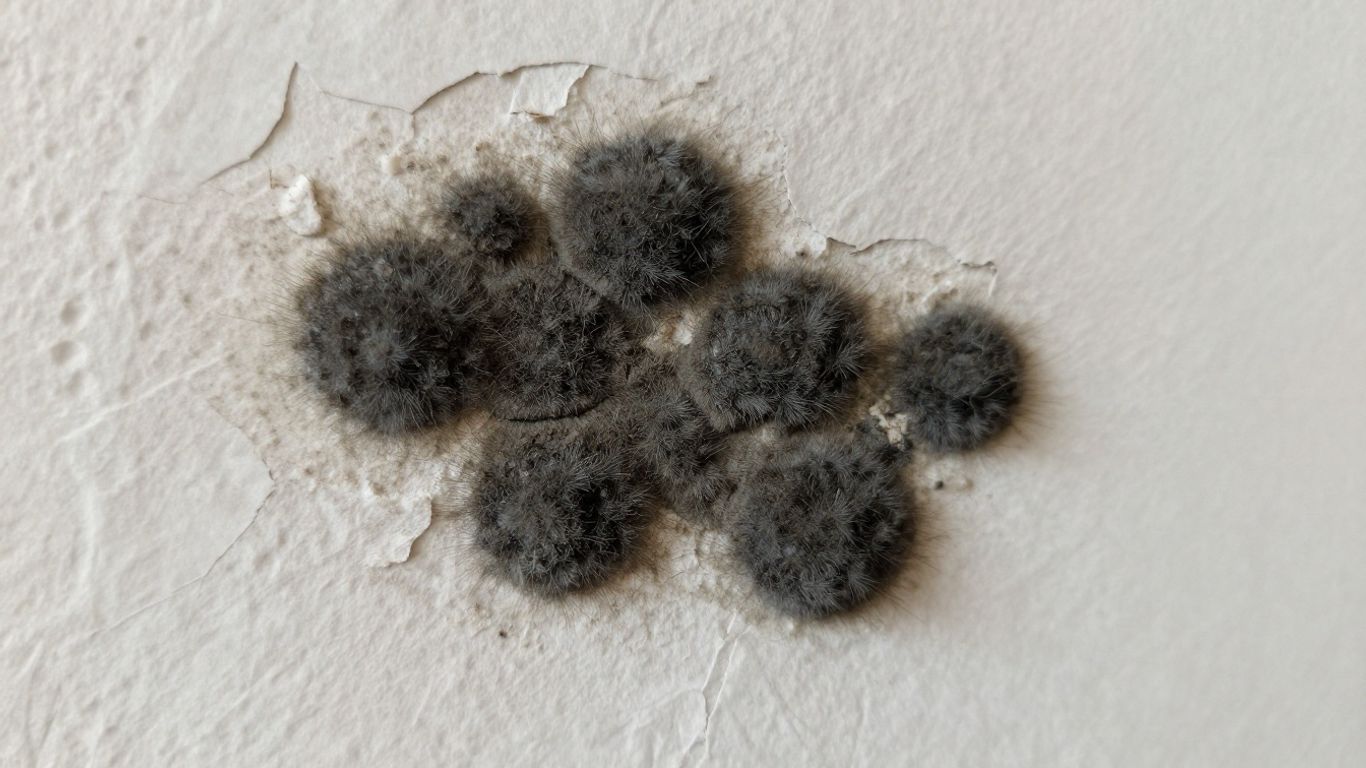
Spotting mold, especially when it’s hiding inside your walls, can feel like a detective job. But there are definitely clues to look for. The first thing most people notice is a smell. It’s usually a musty, damp, or earthy odor, kind of like old books or wet soil. If you catch this scent, especially in areas that might be damp, it’s worth investigating further.
Common Signs of Wall Mold
Beyond the smell, keep an eye out for visual cues. Mold doesn’t always look like a big, fuzzy black splotch. Sometimes it’s more subtle.
- Discoloration: Look for dark spots, patches of gray, white, green, black, or brown on your walls. These can appear as dots or larger areas and often show up clustered together.
- Water Stains: Past water damage can be a big hint. Think about dark rings on drywall, bubbling paint, or areas where the paint seems to be peeling away.
- Texture Changes: Walls might feel damp to the touch, or you might notice a slight sag or softness in the drywall, especially if mold is growing behind it.
- Peeling Paint or Wallpaper: If paint is bubbling or wallpaper is lifting, it could be due to moisture trapped behind it, creating a perfect spot for mold.
What Black Mold Looks and Smells Like
While "black mold" is the common term, this type of mold can actually come in a few colors. It’s often described as black, very dark green, or even dark brown. The texture can vary too; it might look fuzzy, slimy, or sometimes even a bit leathery. When you try to wipe it, it might leave a greenish stain. The smell is usually the most consistent indicator – that strong, musty odor that just doesn’t go away. If you’re not sure about a smell, sometimes asking someone else to take a sniff can help, as you might get used to it over time.
Mold can grow in many places you can’t see, like behind wallpaper or inside wall cavities. If you suspect mold but can’t find it, it might be hidden. This is especially true if you’re experiencing allergy-like symptoms without any visible mold growth. A professional inspection might be needed in these situations.
Distinguishing Black Mold from Other Molds
It’s true that many types of mold exist, and not all of them are "black mold" (like Stachybotrys chartarum). However, the visual signs are often similar across different molds: discoloration, fuzzy or slimy patches, and a musty smell. The key difference often lies in the potential health effects. While any mold can cause issues for sensitive individuals, black mold has a stronger reputation for potentially causing more severe reactions, especially for those with respiratory problems or weakened immune systems. If you see mold, it’s best to treat it seriously regardless of its exact type. For a general overview of mold signs, you can check out early detection of mold.
Here’s a quick rundown of what to look for:
- Color: Black, dark green, dark brown.
- Texture: Fuzzy, slimy, powdery, or leathery.
- Smell: Musty, earthy, damp, like rotting plants.
- Location: Often found in damp, poorly ventilated areas like bathrooms, basements, kitchens, and around windows or pipes.
Remember, if you see mold, it’s a sign of a moisture problem that needs to be fixed. You can find more details on what black mold looks like if you want to compare.
Causes and Conditions for Mold Growth
Mold isn’t some magical, spontaneous occurrence. It needs specific conditions to really take hold and start causing trouble, especially inside your walls. Think of it like baking a cake – you need the right ingredients and the right temperature. For mold, the key ingredient is moisture.
The Role of Moisture in Mold Development
Seriously, without water, mold just can’t grow. It’s that simple. Mold spores are everywhere, floating around in the air, but they’re mostly dormant until they land on a damp surface. That’s when they wake up and start to multiply. This is why any area in your home that stays wet for too long becomes a potential breeding ground. It doesn’t take much – a slow leak, some condensation, or even just high humidity can be enough to get things started. Understanding this is the first step to preventing mold problems. Without moisture, mold cannot grow. Mold growth indoors starts when mold spores land on wet surfaces.
Common Household Causes of Hidden Mold
So, where does this moisture usually come from inside our homes? It’s often from things we don’t even think about. Leaky pipes are a big one, especially if they’re hidden behind walls or under floors. Then there’s condensation, which can build up on windows, pipes, or in poorly insulated areas. Even everyday activities contribute: long, hot showers release a lot of steam, cooking with uncovered pots adds moisture to the air, and drying clothes indoors can significantly increase humidity. If you’ve got a basement that tends to flood or moisture seeping through the foundation, that’s another prime spot. Storing damp firewood indoors or even having a lot of houseplants can also create the right environment.
Why Poor Ventilation Fuels Mold
Now, let’s talk about ventilation. When air can’t move around freely, moisture gets trapped. This is especially true in areas like bathrooms, kitchens, attics, and basements. If you don’t have good airflow, any moisture that enters these spaces just hangs around, giving mold the perfect opportunity to settle in and spread. Think about it: stale air means stagnant moisture. This is why proper air circulation is so important for keeping mold at bay. It helps to dry out surfaces and prevents humidity from building up to levels that mold loves.
Mold thrives in damp, poorly ventilated areas. Hidden mold develops in concealed spaces such as behind walls, under flooring, and in crawl spaces. These areas often retain moisture for long periods, creating the perfect conditions for mold growth.
Here are some common culprits that create damp conditions:
- Water Leaks: From plumbing, roofs, or even appliance malfunctions.
- Condensation: On windows, pipes, or in attics and crawl spaces.
- High Humidity: Caused by cooking, showering, or humidifiers.
- Flooding: Basement flooding or water intrusion from heavy rain.
- Poor Insulation: Leading to cold surfaces where condensation forms.
If you’re dealing with a persistent moisture problem, it might be time to look into professional remediation services to address the root cause and prevent future mold growth.
Health Risks Associated with Black Mold
Respiratory Issues and Allergies
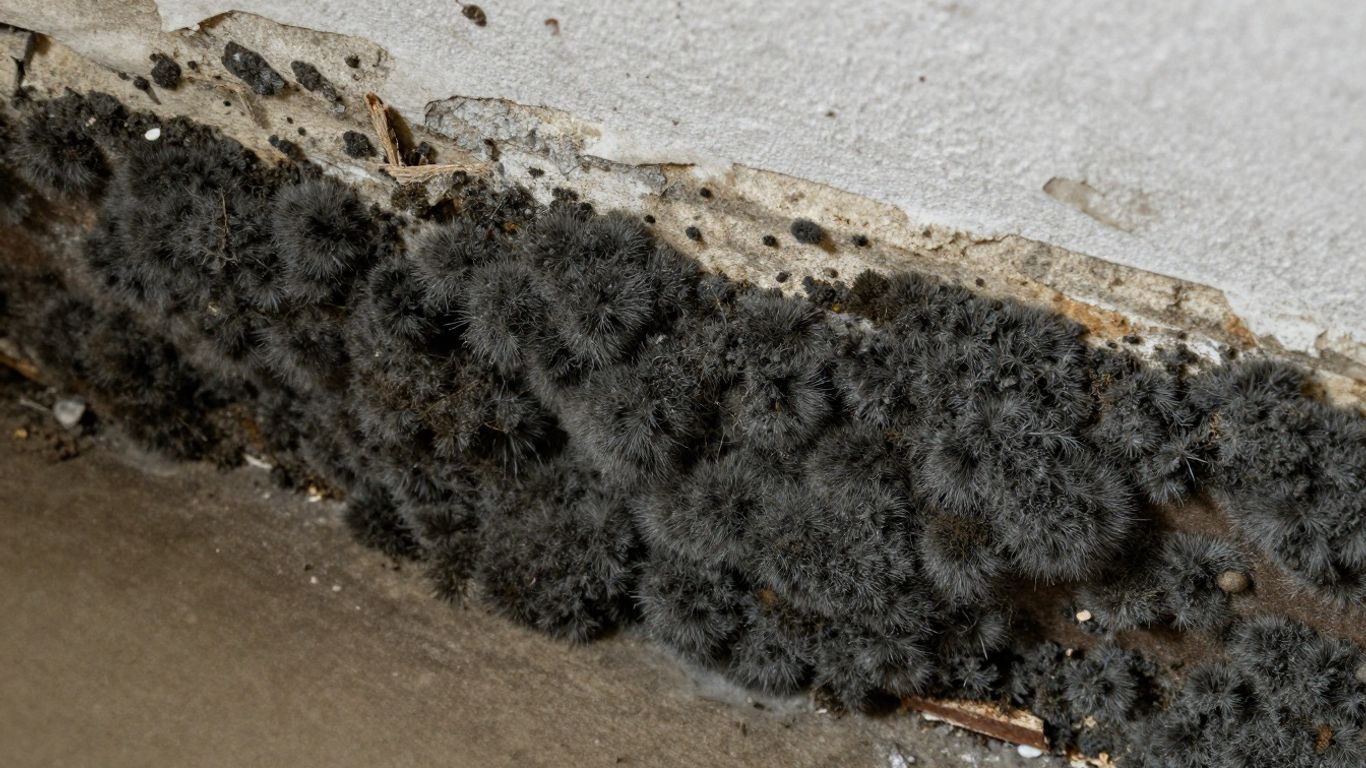
Black mold, scientifically known as Stachybotrys chartarum, isn’t just an unsightly problem; it can seriously mess with your breathing. When this mold grows, it releases tiny spores into the air. If you breathe these in, they can really irritate your lungs. For folks who already have allergies or asthma, this can be a big deal, potentially triggering coughing fits, wheezing, and making it harder to catch your breath. Even if you don’t have a known respiratory condition, you might notice symptoms like sneezing, itchy eyes, a runny nose, or a persistent cough after being exposed to mold. It’s the airborne spores that cause these immediate reactions.
Impact on Individuals with Compromised Immunity
If your immune system isn’t at full strength – maybe due to an illness, certain medications, or just being very young or elderly – mold exposure can hit you harder. Your body’s defenses are already working overtime, and mold spores can add a significant burden. This can lead to more severe infections or a worsening of existing health problems. It’s not just about feeling a bit under the weather; for these individuals, mold can contribute to more serious health complications that require medical attention. Keeping mold out of the home is extra important for these vulnerable groups.
Potential Effects on Pets
Our furry friends aren’t immune to mold’s effects either. Just like people, pets can develop allergic reactions to mold spores. You might notice them scratching more than usual, having itchy skin, or showing signs of respiratory distress like coughing or sneezing. Lethargy can also be a sign that something’s not right. If you suspect your pet is reacting to mold, it’s best to keep them away from affected areas and consult with your veterinarian. They can experience allergic reactions, such as lethargy, itching, or respiratory trouble. Keep them away from areas undergoing mold treatment.
When to Consider DIY Mold Removal
For very small patches of mold, maybe the size of a dinner plate or smaller, and if you’re feeling up to it, you might consider tackling it yourself. Make sure you have good ventilation, wear gloves, eye protection, and a mask. Use a mold cleaner or a solution of water and detergent. Scrub the area clean and dry it thoroughly. However, if the mold covers a larger area, is inside your walls, or you’re unsure about the type of mold, it’s really best to call in the pros. Trying to clean up too much mold yourself can actually spread the spores further into your home, making the problem worse. Addressing mold problems early can prevent long-term damage to both your home and your health.
Strategies for Mold Prevention
Preventing mold from taking hold in your home is way easier than dealing with it after it’s already there. It mostly comes down to controlling moisture and keeping things clean. Think of it as being proactive instead of reactive. You don’t want to wait until you smell that musty odor or see those tell-tale spots to start thinking about mold.
Maintaining Optimal Indoor Humidity Levels
Keeping the air in your home from getting too damp is a big deal. High humidity creates the perfect breeding ground for mold. The sweet spot for indoor humidity is generally between 30% and 50%. You can keep an eye on this with a simple hygrometer, which you can find at most hardware stores. If your humidity is consistently creeping up, especially in certain rooms, a dehumidifier can be a lifesaver. Running your air conditioning also helps, as it pulls moisture out of the air.
Here are some ways to manage humidity:
- Use exhaust fans in bathrooms and kitchens whenever you’re cooking or showering. Make sure they vent outside, not just into the attic.
- Consider a dehumidifier for damp areas like basements or crawl spaces.
- Ensure your clothes dryer vents properly to the outside.
Promptly Addressing Water Leaks and Damage
Any kind of water intrusion, big or small, needs immediate attention. A small leak under a sink might seem minor, but it can quickly lead to mold growth within the walls or cabinets. It’s important to fix plumbing issues, roof leaks, or any water damage as soon as you notice them. Don’t just dry the surface; make sure the underlying materials are completely dry too. This might involve opening up walls or ceilings to ensure everything dries out properly.
When water damage occurs, the clock starts ticking for mold growth. The faster you can stop the water source and dry out the affected areas, the less likely mold is to become a problem. Don’t underestimate the power of a small leak.
Ensuring Adequate Ventilation in Your Home
Good airflow is key to preventing stagnant, moist air pockets where mold loves to grow. This means making sure air can move freely throughout your house. Regularly cleaning out your HVAC system’s air filters is also part of this. Dirty filters can restrict airflow and even harbor mold spores themselves. Think about cleaning out your air ducts every few years, especially if you’ve had any water issues or notice dust buildup.
- Check and clean your HVAC filters every 1-3 months. This is a simple step that makes a big difference.
- Open windows when the weather permits to let fresh air circulate.
- Ensure furniture isn’t pushed right up against walls, especially in bedrooms or closets, to allow air to move behind it. This helps prevent condensation buildup on cooler wall surfaces.
Addressing Black Mold in Walls
So, you’ve found what looks like black mold in your walls. It’s a pretty unsettling discovery, and honestly, it’s easy to panic. But take a deep breath. Dealing with mold in your walls is manageable, especially if you catch it early. The first thing to figure out is whether you can tackle this yourself or if it’s time to call in the pros. It really depends on how widespread the problem is and what caused it in the first place.
When to Consider DIY Mold Removal
For smaller patches of mold, say less than 10 square feet, you might be able to handle it yourself. This is usually for surface mold that hasn’t caused major structural damage. Always prioritize safety when attempting DIY mold removal.
Here’s a general rundown of how to approach it:
- Gear Up: You absolutely need to protect yourself. Think rubber gloves, eye goggles, long sleeves, and pants, and most importantly, an N95 respirator mask. You don’t want to be breathing in those spores.
- Containment: Try to seal off the area. Use plastic sheeting to block off doorways or vents. This stops the mold from spreading to other parts of your house while you’re working.
- Cleaning Solution: A mix of white vinegar and water can be effective. Some people also use a bit of baking soda in the mix. Let it sit on the mold for a good 30 minutes to an hour before you start scrubbing.
- Scrubbing and Wiping: Use a stiff brush to scrub the affected area. Afterward, wipe it down with a damp sponge or cloth. Make sure to collect any liquid with a wet/dry vacuum or mop.
- Disinfect and Dry: After cleaning, you can disinfect the area. Some people use diluted hydrogen peroxide or a very diluted bleach solution (never mix bleach with ammonia, that’s a big no-no!). The key is to let the area dry out completely afterward.
- Disposal: Any porous materials that got moldy, like drywall or insulation, usually need to be thrown out. Fabric items might be salvageable if you can wash or dry clean them.
Remember, the goal is to remove the mold and dry the area thoroughly to prevent it from coming back. If you’re dealing with anything beyond a small, surface-level issue, it’s probably best to stop and reconsider.
The Importance of Professional Remediation
If the mold covers a larger area (more than 10 square feet, as a general rule of thumb), or if it’s linked to significant water damage like a burst pipe or a leaky roof that’s been ignored, it’s time to call in the experts. Professionals have the specialized equipment and knowledge to handle extensive mold problems safely and effectively. They can identify the source of the moisture, remove the mold without spreading spores, and make sure the area is properly dried and repaired. This is where professional mold remediation really becomes necessary.
Steps to Take Before Mold Remediation Begins
Before the professionals even show up, or if you’re assessing the situation yourself, there are a few things you should do. First, try to pinpoint the source of the moisture. Mold won’t grow without water, so finding that leak or condensation issue is key to preventing future problems. You’ll also want to document everything. Take pictures of the mold and any water damage. This can be helpful for insurance purposes later on. If you have any items that are heavily contaminated and can’t be cleaned, it might be wise to remove them from the area to prevent further spread, but do so carefully, bagging them up securely. Finally, if you have any questions about your insurance policy and whether it covers mold damage, now is the time to contact your provider. Understanding your coverage can save a lot of headaches down the line.
The Impact of Mold on Home Value
Finding mold in your walls isn’t just a health concern; it can also seriously mess with your home’s marketability and, let’s be honest, its value. When potential buyers see or even suspect mold, it often sends up a big red flag. This can lead to lower offers or even scare buyers away altogether.
How Mold Affects Property Marketability
Mold issues can make a home much harder to sell. Buyers are often wary of the potential costs and health risks associated with mold. Even if the mold is minor, the perception of a problem can be enough to make them look elsewhere. It’s not just about the visible mold either; buyers might worry about hidden mold that could cause future problems. This uncertainty can drag out the selling process and lead to price reductions.
A home with a history of mold problems, or one where mold is currently present, will almost certainly fetch a lower price than a comparable home without such issues.
Here’s a quick look at what buyers might be thinking:
- Health Concerns: Is this going to make my family sick?
- Repair Costs: How much will it cost to fix this, and what else might I find?
- Future Problems: Will this mold come back after I buy the house?
- Maintenance: Does this indicate a lack of care from the current owner?
Insurance Coverage for Mold Damage
When it comes to insurance, things can get a bit tricky. Generally, standard homeowner’s insurance policies are more likely to cover mold damage that results from a sudden, accidental event. Think a burst pipe or a storm that causes immediate water damage. However, if the mold is due to a slow, gradual issue, like a leaky roof that’s been ignored or water seeping through unsealed brick joints, insurance might deny the claim. It often comes down to whether the damage was preventable.
- Covered: Sudden and accidental water damage (e.g., burst pipe, appliance malfunction).
- Not Covered: Gradual damage from neglect or poor maintenance (e.g., slow leaks, condensation issues).
- Flood Damage: Typically requires a separate flood insurance policy.
It’s always a good idea to review your policy and talk to your insurance provider to understand exactly what’s covered and what’s not. Knowing this upfront can save a lot of headaches down the road, especially if you discover mold damage. Dealing with mold can be expensive, and understanding your insurance coverage is a big part of that picture. For instance, mold issues can significantly decrease a home’s resale value, so knowing if insurance will help offset remediation costs is key.
Wrapping Up: Keeping Your Walls Mold-Free
So, we’ve talked a lot about black mold lurking in walls. It’s definitely not a fun topic, but knowing the signs – like weird smells or damp spots – is super important. Remember, mold loves moisture, so fixing leaks fast and keeping things dry is your best bet. If you find a small patch, you might be able to handle it yourself with the right gear, but for bigger problems or if you’re unsure, calling in the pros is the way to go. Staying on top of your home’s moisture levels and doing regular checks can save you a lot of headaches, and keep your home healthy and safe for everyone.
Frequently Asked Questions
Can pets get sick from black mold?
Yes, pets can have allergy-like reactions to black mold, just like people. Signs might include scratching more than usual or having trouble breathing. It’s best to keep them away from moldy spots and any cleaning supplies you use.
Does my home insurance pay for mold problems?
It really depends on how the mold started. If a pipe burst suddenly and caused water damage, insurance might cover the mold cleanup. But if it’s from a slow leak you didn’t fix or just general dampness over time, it’s usually not covered. Mold caused by flooding needs separate flood insurance.
How much does black mold lower a home’s price?
Finding mold can make a big difference in how much a house is worth. Even small mold issues can make a home less valuable by about 20%. If the mold problem is really bad, it could cut the home’s value by as much as half!
What makes black mold grow in a house?
Black mold loves damp, dark places with not much air moving. It needs moisture to grow, so things like leaky pipes, high humidity, or water damage from floods are big reasons it appears. If you fix leaks fast and keep things dry, you can stop it from growing.
How can I stop black mold from showing up?
The best way to prevent black mold is to control moisture. Keep the air in your home from getting too damp, especially in bathrooms and basements, by using fans or dehumidifiers. Fix any water leaks right away, and make sure air can move around your home easily.
Is black mold dangerous, and what should I do if I see it?
Yes, black mold can be harmful, especially if you have allergies or asthma, as it can cause breathing problems. If you find a small amount of mold, you can try cleaning it yourself while wearing protective gear. But if it’s a large area or inside your walls, it’s much safer to call a professional mold removal service.
