Seeing black spots or smelling that musty odor in your home? That’s probably mold. It’s not just ugly; it can mess with your house and your health. If you’re wondering about the cost of black mold removal in 2026, you’re in the right place. We’re going to break down what goes into the price, from how big the problem is to where it’s hiding. You’ll get a clearer picture of what to expect so you can deal with mold safely and smartly.
Key Takeaways
- The size of the mold problem is a big factor in cost, with larger areas needing more work and materials.
- Where the mold is located matters; hard-to-reach spots like attics or crawl spaces usually cost more to fix.
- Different types of mold can affect the price, especially if it’s a more hazardous kind like black mold that needs special handling.
- Beyond just cleaning, you might face extra costs for fixing water damage, cleaning air ducts, or replacing damaged items.
- Always think about the root cause of the mold, like leaks or poor ventilation, to avoid the problem coming back and costing you more later.
Understanding the Factors Influencing Mold Remediation Costs
So, you’ve found some fuzzy stuff growing on your walls and you’re wondering about the cost to get rid of it. It’s not as simple as just slapping on some paint, unfortunately. Several things play a big role in how much a mold removal job will set you back. Knowing these factors upfront can help you get a more accurate estimate and avoid sticker shock.
Size of the Infestation
This one’s pretty straightforward. The more mold there is, the more work it takes. Professionals usually look at how many square feet are affected. A small spot in the bathroom is way different from mold that’s taken over your entire basement ceiling. More square footage means more labor, more cleaning supplies, and more time spent on the job.
- Small areas (under 10 sq ft): Generally the least expensive.
- Medium areas (10-100 sq ft): Costs start to climb.
- Large areas (over 100 sq ft): Expect significantly higher prices.
- Whole-house remediation: This is the big one, often involving extensive work throughout the property.
Location of Mold Growth
Where the mold is growing makes a big difference too. Is it out in the open, or is it tucked away in a hard-to-reach spot? Mold hiding in places like attics, crawl spaces, or inside your HVAC system is usually more expensive to deal with. These areas often require special equipment, more careful containment, and a lot more effort to access and clean properly. Think about it – getting to mold behind a wall is way trickier than mold on an exposed basement wall.
Type of Mold Present
Not all mold is created equal, and this definitely impacts the cost. While many common household molds can be handled with standard cleaning methods, some types, like Stachybotrys chartarum (often called black mold), are more hazardous. Dealing with these toxic strains requires extra precautions, specialized containment procedures, and sometimes, specific disposal methods. This means more protective gear for the workers and more careful handling, which adds to the overall expense. If you’re dealing with a particularly nasty strain, you might need specialized handling to ensure it’s removed safely and effectively.
Sometimes, mold is just a symptom of a bigger problem, like a leaky pipe or poor ventilation. If the source of the moisture isn’t fixed, the mold will just keep coming back, no matter how well it’s cleaned up. Addressing the root cause is key to a long-term solution and can prevent future remediation costs.
Getting a clear picture of these factors is the first step to understanding your mold remediation bill. It’s not just about the visible mold; it’s about the scope, the location, and the specific type of mold you’re up against. This initial assessment helps professionals provide a more accurate mold remediation cost estimate for your situation.
Estimating the Cost of Black Mold Removal
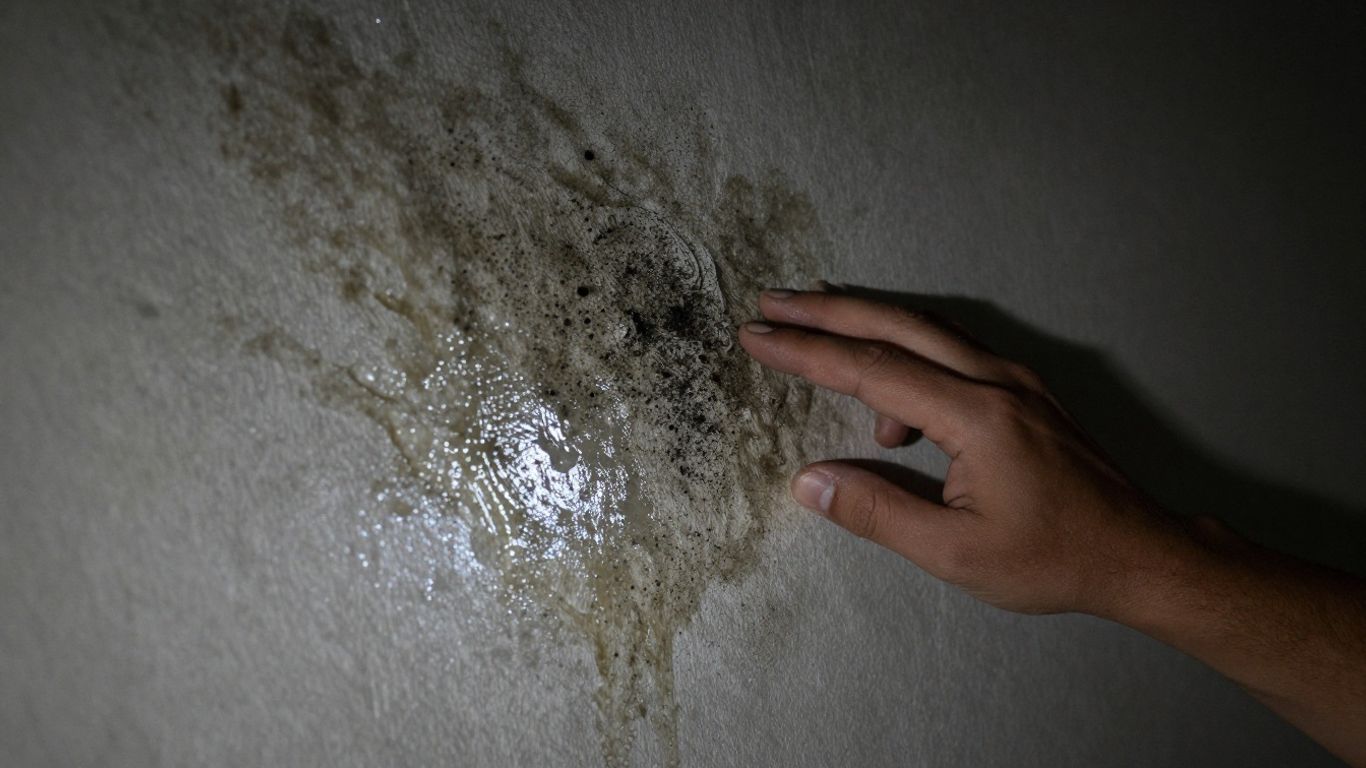
So, you’ve found some suspicious-looking mold, and you’re wondering how much this is going to set you back. It’s not a simple question with a single answer, unfortunately. The price tag for getting rid of mold, especially that dreaded black mold, can swing quite a bit. It really depends on a few key things.
Average Cost of Mold Remediation
Most folks end up spending somewhere in the ballpark of $1,200 to $3,700 for professional mold removal. But honestly, that’s just a rough idea. Some smaller jobs might be closer to $500, while really big, complicated situations could easily climb to $10,000 or even more. The size of the area affected is usually the biggest driver of cost.
Cost Per Square Foot Breakdown
Professionals often quote their services based on the square footage they need to treat. You’ll commonly see prices ranging from $10 to $30 per square foot. This makes sense, right? More space means more work, more materials, and more time. However, this per-square-foot rate can go up if the mold is in a tricky spot or if it’s a particularly nasty type.
Here’s a general idea of how square footage can impact pricing:
- Under 100 sq ft: Might be on the lower end, potentially $500-$1,500.
- 100-500 sq ft: This is where you’ll see costs align more with the average, perhaps $1,000-$5,000.
- Over 500 sq ft: Expect costs to climb significantly, potentially $5,000+.
Factors Affecting Black Mold Removal Pricing
Beyond just the size of the mess, several other things play a big role:
- Location: Is the mold in an easy-to-reach basement, or is it hidden deep in an attic or inside your HVAC system? Accessibility really matters.
- Type of Mold: While all mold needs to go, some types, like Stachybotrys chartarum (the infamous black mold), require more careful handling and containment, which adds to the bill. You can find more info on hazardous mold species.
- Water Damage: Mold doesn’t just appear; it needs moisture. If there’s underlying water damage from leaks or flooding that needs fixing, that’s an extra cost on top of the mold removal itself.
- Testing: Sometimes, you need to test the air or surfaces to figure out exactly what you’re dealing with. This testing can add a few hundred dollars to the overall expense.
It’s important to remember that the initial quote might not be the final price. Unexpected issues, like finding mold behind walls you didn’t know were affected, can pop up. Always ask your remediation company about how they handle unexpected discoveries and what their policy is on additional charges.
Getting a few different quotes is always a good idea. It helps you compare prices and services, and make sure you’re getting a fair deal for professional mold removal.
Location-Specific Mold Remediation Expenses
Not all mold removal jobs cost the same—where the mold is hiding makes a real difference. Spaces like attics, basements, and HVAC systems come with challenges that push up the final bill. Here’s what to expect from each area in your home:
Attic and Crawl Space Remediation Costs
Attics and crawl spaces are tough spots. Because these areas are often cramped and have less ventilation, treating them takes extra effort and specialized equipment. The cost in 2026 usually falls into these ranges:
| Location | Typical Cost Range (2026) |
|---|---|
| Attic | $1,000 – $9,000 |
| Crawl Space | $1,500 – $5,000 |
- Difficult access adds hours to the job.
- Mold is sometimes hidden under insulation or subflooring.
- Moisture issues here may mean you have to fix leaks or upgrade insulation.
Even if you only see a small patch, crawl space mold can spread to other parts of the house through unseen gaps.
Basement Mold Removal Expenses
Basements are another mold hotspot. Dampness from the ground, foundation leaks, or plumbing problems can all encourage growth. Here’s a cost breakdown:
| Type of Basement Issue | Cost Range |
|---|---|
| Minor surface mold | $800 – $2,500 |
| Significant spread (walls/floor) | $2,500 – $6,000 |
| Full basement remediation | $6,000+ |
- Basements often require moisture control like sump pumps or better drainage.
- If your basement is finished, demolition and reconstruction could be part of the cost.
- Early treatment of minor issues is way cheaper than waiting for a big problem (more on early intervention and costs).
HVAC System and Air Duct Cleaning Costs
When mold shows up in your HVAC system, things get serious quickly. Every time your heat or air kicks on, it can blow mold spores throughout the house. Cleaning up ductwork and HVAC components isn’t cheap because it requires careful disassembly and specialty tools:
| Service | Average Cost (2026) |
|---|---|
| HVAC Mold Remediation | $3,000 – $10,000 |
| Air Duct Only Cleaning | $1,000 – $3,000 |
- Professionals use HEPA vacuums and foggers for proper cleaning.
- Some ducts may need sealing or replacement if there is heavy contamination.
- It’s a good idea to combine this work with air quality testing afterward — this confirms the whole system is clean.
Three things that influence costs across all locations:
- Accessibility – Tight, awkward spaces take longer.
- Severity of mold – More affected square footage = higher bill.
- Repairs required before or after remediation.
Planning for the right remediation—no matter the room—means not just removing what you see, but checking the spots you can’t. Mold can hide out of sight, so budgeting for professional, room-by-room cleanup is well worth the expense.
Additional Expenses Beyond Basic Mold Removal
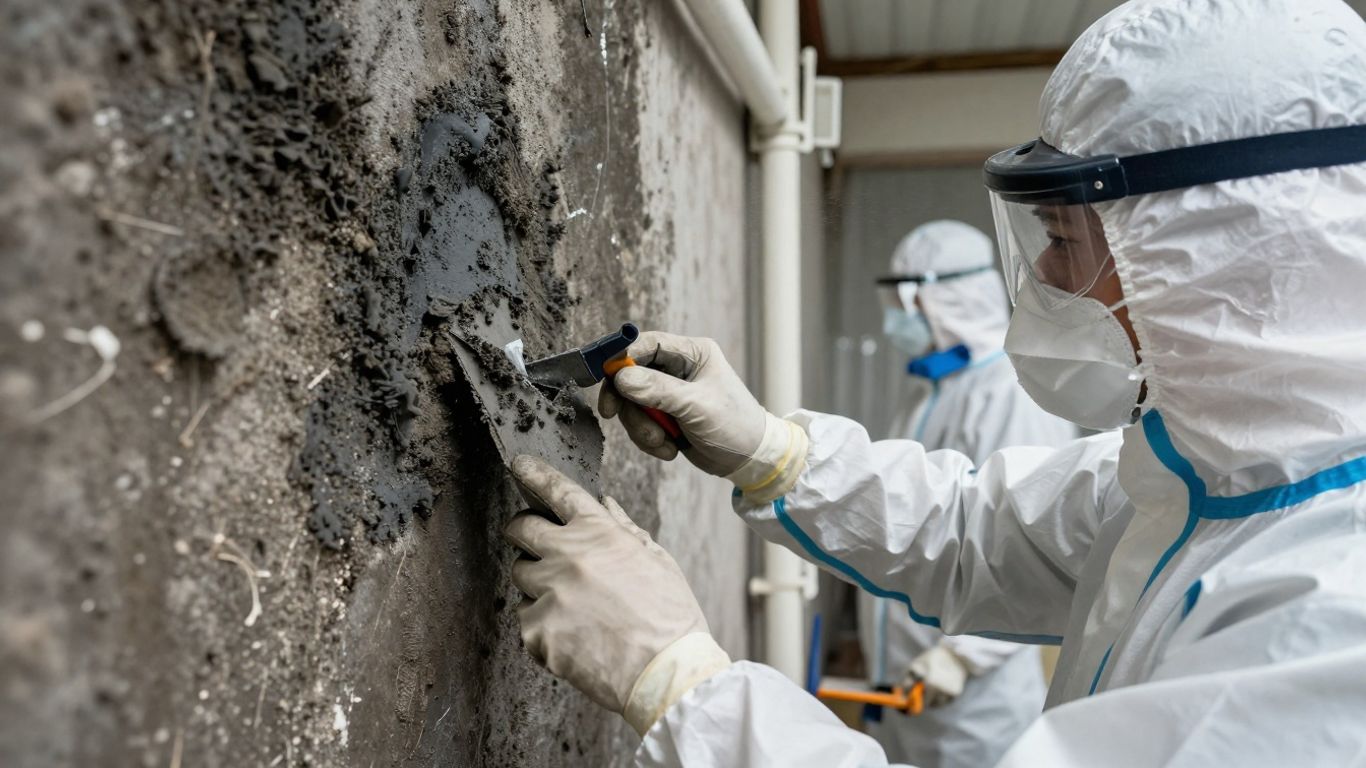
When planning for black mold remediation, it’s easy to focus on that base quote—but don’t forget about the extra bills that can spring up along the way. Some of these costs aren’t always obvious until the work is underway. Let’s look at some of the main add-ons you might face.
Structural Repairs and Material Replacement
Mold doesn’t just stain surfaces; in bad cases, it can eat right into the structure of your home. Once wood, drywall, or flooring are damaged, simple cleaning won’t cut it. Instead, you may need to replace parts of walls, floors, or framing. Take a look at what these fixes can cost:
| Repair Type | Price Range |
|---|---|
| Drywall Replacement | $1,000 – $3,500 |
| Flooring Repair | $1,200 – $4,000 |
| Wood Framing Repair | $500 – $2,500+ |
- Extensive projects may need full demolition in several rooms.
- If water damage caused the mold, leaks or plumbing can require emergency fixes.
- Insurance may not always cover structural repairs, so check your policy carefully.
Post-Remediation Testing and Verification
Once the work is done, it’s smart to confirm the mold is truly gone from your home. Third-party testing is often recommended (or required) for peace of mind, insurance claims, or when selling your house. Here’s what to expect:
- Air quality and surface sampling often ranges between $200 and $700.
- Sometimes, regular follow-up tests are advised months after the first fix.
- Testing should be handled by a separate company—not the one who did the cleanup—to avoid any conflicts of interest.
It’s a good idea to include post-remediation checks in your budget, even if you don’t plan to sell soon. You want to know the problem was solved for good.
For more on typical mold clearance costs and approaches, you can see a recent breakdown of projected mold remediation pricing.
Contents Cleaning and Replacement Needs
Don’t forget your stuff! Furniture, rugs, curtains, and even electronics can hold onto mold spores. Some can be saved, but others may have to go.
- Professional cleaning for textiles or soft goods (like couches or drapes) often ranges from $100 – $500 per item.
- Hard-to-clean or absorbent items sometimes can’t be salvaged and need replacing.
- Sentimental or unique belongings—like photo albums, books, or collectibles—can require specialist restoration. These services aren’t cheap, sometimes topping $1,000 for a single box of severely affected items.
If you or anyone in your household has sensitivities or allergies, keeping contaminated belongings really isn’t worth the risk.
Planning for these add-ons can help prevent frustration and unexpected financial headaches down the road. All those little extras can stack up, so it’s wise to overestimate rather than come up short.
The Impact of Mold Type on Remediation Expenses
The kind of mold growing in your home goes a long way in deciding how complicated—and how expensive—removal will be. If you’re staring at what looks like black mold, don’t start panicking just yet, but be prepared for more involved cleanup than you’d need for something mild growing in your bathroom tile. Not all molds mean the same risks or prices. Here’s what actually affects the bill:
Hazardous Mold Species and Their Costs
- Black mold (Stachybotrys chartarum) and other toxic types require more than just simple cleaning. Remediation pros need to set up containment areas, run air scrubbers, and wear protective suits.
- Common household molds (like Cladosporium or Alternaria) are usually less expensive to clear up, though that can change if they’ve spread widely.
- Mold species like Ulocladium, which show up after floods, often intermingle with others and drive prices higher because cleanup can become complicated.
Here’s a quick overview of some molds and their cost impact:
| Mold Type | Typical Appearance | Cost Impact |
|---|---|---|
| Stachybotrys (Black mold) | Slimy black/dark green | High ($1,000–$6,000+) |
| Ulocladium | Dark brown/black, fast | High |
| Alternaria | Dark green/brown, velvet | Low to Moderate |
| Chaetomium | Cottony gray/green | Moderate |
When toxic molds are present, remediation experts must go slower, use stronger barriers, and handle contaminated materials as hazardous waste. That alone bumps up the price, even for small areas.
Common Household Molds vs. Toxic Strains
Most household molds won’t cause a huge hit to your wallet if you get to them soon. It’s situations where testing shows highly toxic types that you see a major jump in expenses. A short breakdown:
- Common molds (like Penicillium) = handled with standard procedures, lower cost
- Toxic species (like black mold or Chaetomium) = strict protocols, higher labor costs
- Some molds only thrive after big leaks or floods, requiring extra steps like moisture control
Sometimes, before starting, pros suggest a mold test, which usually runs $300–$700. It’s a smart move if people in the home are having symptoms or you need documentation for insurance. Identifying the mold type early helps avoid costly surprises later—getting several quotes and clarifying the mold type helps too.
Specialized Handling for Black Mold
Black mold stands out for a few reasons:
- Requires sealed work zones (containment)
- HEPA air filtration and full personal protective gear
- Extra steps for safe disposal of everything from drywall to insulation
Because of this, black mold remediation routinely sits on the high end of the pricing spectrum. Some companies offer programs or even discounts for certain groups like seniors, but expect to pay more for black mold versus common varieties.
- Emergency jobs add another layer of cost, especially if health is on the line.
- Follow-up air quality testing is recommended after any toxic mold removal, adding $200–$500 or more to your final bill.
The mold species in your home might look similar at first, but it’s worth knowing the difference—both for your safety and your wallet.
Budgeting for Comprehensive Mold Remediation
So, you’ve got mold. It’s not just about the visible stuff you can see on the wall, is it? When you’re planning for mold removal, especially the stubborn ‘black mold’ kind, you’ve got to think beyond just the immediate cleanup. There are a bunch of other things that can add up, and it’s easy to get blindsided if you’re not prepared.
Hidden Costs to Anticipate
Beyond the basic mold removal, there are often extra expenses that pop up. Think about it: mold doesn’t just sit there; it eats away at things. This means you might need repairs for:
- Structural Repairs: Drywall, wood framing, insulation, and even flooring can get damaged. If the mold has been there a while, you might need to replace sections of these materials. This can add anywhere from $500 to $5,000 or more, depending on how bad the damage is.
- Air Duct Cleaning: If your HVAC system has been circulating mold spores, cleaning the ducts is a must. This usually runs between $300 and $1,000.
- Plumbing or Roof Fixes: Mold often starts because of a leak. If you don’t fix that leaky pipe or roof issue, the mold will just come back. These repairs can cost $150 to $2,500+.
- Contents Cleaning: Your furniture, carpets, and personal items might need professional cleaning or, sadly, might have to be thrown out. The cost here really varies.
It’s important to remember that mold remediation isn’t just about wiping away the visible problem. It’s about fixing the underlying issue and repairing the damage left behind. Planning for these potential extra costs upfront can save you a lot of stress and money down the road.
Addressing the Root Cause of Mold
This is a big one. You can clean all the mold you want, but if you don’t figure out why it’s growing, it’ll just return. Common culprits include:
- Leaks: From roofs, pipes, windows, or foundations.
- High Humidity: Poor ventilation in bathrooms, kitchens, or basements.
- Condensation: On pipes, windows, or walls, especially in cooler areas.
- Flooding: Even minor water damage can lead to mold if not dried properly.
Fixing the source, whether it’s repairing a leaky pipe or improving ventilation, is key. Ignoring this step means you’re likely looking at repeat mold remediation costs down the line.
Potential for Temporary Relocation Costs
Sometimes, the mold situation is so bad, or the remediation process is so involved, that it’s not safe or practical to stay in your home. This is especially true if the mold is widespread or if your HVAC system is heavily contaminated. In these cases, you might need to factor in the cost of:
- Temporary Housing: Renting an apartment or staying in a hotel.
- Storage: If you need to move belongings out of the house during remediation.
- Increased Utility Bills: If you’re running extra fans or dehumidifiers.
While not every mold job requires you to leave, it’s something to consider, especially for larger infestations. Getting multiple estimates can help you understand the scope and potential duration of the work, giving you a better idea if temporary relocation might be necessary.
Wrapping Up: What to Remember About Mold Removal Costs
So, dealing with black mold or any mold, really, can feel like a big headache, and the cost is definitely a major part of that. We’ve seen that prices can jump around a lot depending on how big the problem is, where it’s hiding, and even what kind of mold you’re dealing with. It’s not just about the mold itself, either; fixing any water damage that caused it or cleaning out your air ducts can add quite a bit to the bill. The best advice? Get a few quotes from different pros, ask them to break down exactly what’s included, and don’t forget to ask about potential extra costs like repairs or testing. Being prepared with this info can help you make a better decision and get your home back to normal without too many nasty surprises.
Frequently Asked Questions
What’s the main reason mold cleanup costs so much?
The cost really depends on a few big things. How much mold there is, where it’s growing (like in a hard-to-reach attic versus an open basement), and what kind of mold it is. If it’s a type of mold that’s more harmful, it needs extra care, which costs more.
How much does it usually cost to clean up mold?
On average, cleaning up mold can cost around $2,300. But this number can change a lot. Small jobs might be closer to $500, while big, complicated ones, especially if they involve damage to the house’s structure or air systems, could go for $6,000 or even more.
Does the size of the mold problem really affect the price?
Absolutely. Professionals often charge by the square foot. So, a large area covered in mold will naturally cost more to clean than a small spot. Think of it like painting: a whole room takes more paint and time than just one wall.
Are there extra costs I should know about besides just cleaning the mold?
Yes, there can be. Sometimes mold damages things like drywall, wood, or insulation, and those parts need to be replaced. Also, if the mold has spread through your air vents, those will need cleaning too. Sometimes, you might even need to test the air afterward to make sure it’s clean.
Does ‘black mold’ cost more to remove than other types?
Yes, it often does. Black mold, or Stachybotrys chartarum, is more toxic and needs special safety steps and equipment to remove safely. This extra care and the potential health risks involved usually make its removal more expensive than dealing with less harmful molds.
What if the mold is in my basement or attic?
Mold in places like basements, attics, or crawl spaces can be more expensive to fix. These areas can be harder to get to, might have moisture problems that need fixing too, and sometimes require special equipment. Basements might be a bit cheaper because they’re usually easier to work in than attics or tight crawl spaces.
