Dealing with water damage in your rental can be a real headache. You might be wondering, does tenant insurance cover water damage? The short answer is usually yes, but it really depends on how the water got there. It’s not always a straightforward ‘yes’ or ‘no,’ and understanding the details can save you a lot of trouble and money down the line. Let’s break down what your policy likely covers and what it doesn’t.
Key Takeaways
- Tenant insurance generally covers water damage to your personal belongings if it happens suddenly and by accident, like from a burst pipe or a malfunctioning appliance.
- Slow, gradual leaks, damage from floods, or issues caused by your own neglect are typically not covered by standard tenant insurance policies.
- Your policy helps replace your stuff, but it doesn’t cover repairs to the building itself; that’s usually the landlord’s job.
- Tenant insurance can also help with extra costs like staying in a hotel if your place becomes unlivable and cover you if you accidentally damage a neighbor’s unit.
- To make sure you’re covered, know your policy’s limits, consider add-ons for things like sewer backups, and always report issues to your landlord right away.
Understanding What Does Tenant Insurance Cover Water Damage
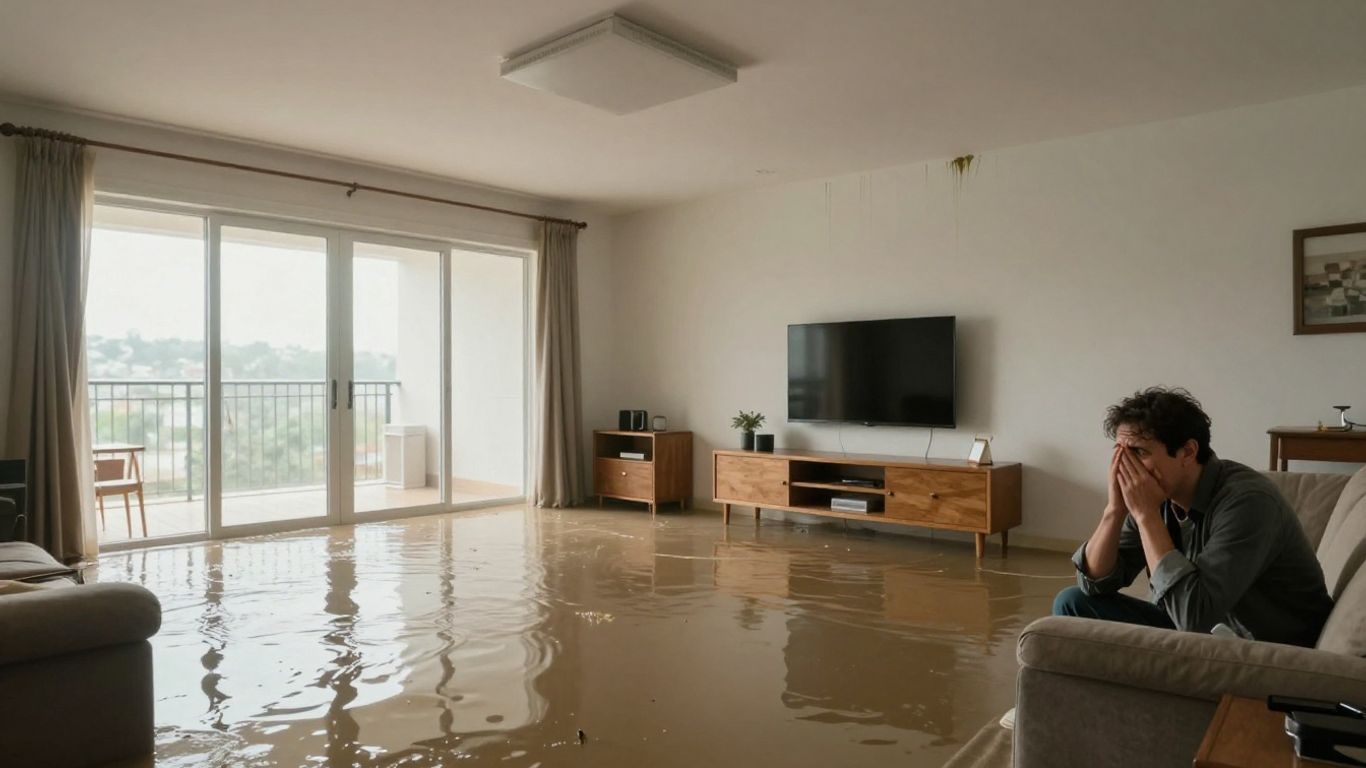
So, does tenant insurance actually cover water damage? The short answer is usually yes, but it really depends on how the water got there. Think of it this way: your policy is generally there for those sudden, unexpected
Common Causes of Water Damage Covered by Tenant Insurance
When water decides to make an unwelcome appearance in your rental, it can be a real headache. The good news is that your tenant insurance is designed to help with many of these unexpected situations, especially those that happen suddenly and without warning. It’s all about covering damage to your personal belongings that results from specific types of water-related incidents.
Burst or Leaking Pipes
This is a big one. If a pipe in your apartment or building suddenly bursts or develops a significant leak, and that water damages your stuff, your insurance should have you covered. This includes pipes from your plumbing, heating, or even sprinkler systems. It’s important to remember that while your landlord is responsible for fixing the pipes themselves, your insurance steps in to cover your damaged possessions. Keep an eye out for any drips or signs of moisture, and report them to your landlord right away.
Appliance Malfunctions
Appliances can be tricky. If your washing machine hose decides to split, your dishwasher springs a leak, or your water heater malfunctions and causes a flood that ruins your belongings, tenant insurance typically steps in. However, if the appliance was old and clearly in need of repair, or if you didn’t report a known issue, your claim might be trickier. Regular checks and reporting any odd noises or small leaks are always a good idea.
Toilet and Bathtub Overflows
We’ve all had those moments where we get distracted. If your toilet overflows due to a clog or malfunction, or if you accidentally leave the bathtub running and it spills over, damaging your personal property, your insurance should help. Again, if you knew there was a problem with the toilet and didn’t tell your landlord, or if you routinely let your tub overflow, it could affect your claim.
Ice Dams and Accidental Discharge
Living in colder climates means dealing with ice dams. These can form on your roof and cause water to back up and seep into your apartment, damaging your belongings. Your tenant insurance usually covers this type of damage. Similarly, if there’s an accidental discharge from your plumbing system that causes damage, that’s generally covered too. It’s about those unexpected events that aren’t due to poor maintenance or natural disasters.
It’s really important to distinguish between damage that happens suddenly and accidentally, and damage that develops slowly over time. Your tenant insurance is primarily there for the former. Gradual issues, like a slow drip from a faucet that goes unnoticed for months, are often not covered because they could have been prevented with timely maintenance.
Here’s a quick rundown of common covered causes:
- Sudden pipe bursts or leaks
- Washing machine hose failures
- Dishwasher leaks
- Toilet back-ups or overflows
- Water heater leaks
- Damage from ice dams
- Accidental discharge from plumbing systems
Remember, your policy covers your personal items, not the building itself. So, while your couch might be covered, the repair to the wall is your landlord’s responsibility. For more details on what might be covered, understanding water damage roof restoration can sometimes provide context on how water gets into a building in the first place.
What Tenant Insurance Does Not Cover for Water Damage
While tenant insurance is a lifesaver for many unexpected water-related issues, it’s not a magic wand for every single water problem. It’s super important to know what’s not typically included, so you don’t get blindsided when you need it most. Think of it this way: your policy is designed for sudden, accidental oopsies, not for problems that have been brewing for a while or are just part of nature.
Natural Floods and Storm Surges
This is a big one. If your apartment floods because of heavy rain, a hurricane, a storm surge from a nearby body of water, or even rapid snowmelt causing rivers to overflow, your standard tenant insurance policy likely won’t cover the damage. These kinds of widespread events are usually considered ‘acts of God’ or natural disasters. For protection against these scenarios, you’d typically need a separate flood insurance policy or a specific endorsement on your existing policy, which isn’t always standard.
Sewer Backups Without Endorsements
Nobody wants to deal with a sewer backup. It’s gross, and it can cause a lot of damage. Most basic tenant insurance policies exclude damage from sewage or drain backups. If the pipes backing up into your home are from the municipal sewer system or even your building’s main line, and it’s not due to a sudden, accidental internal pipe burst you caused, you’re probably out of luck unless you’ve specifically added sewer backup coverage to your policy. This is a common add-on that many people opt for, especially if they live in an older building or an area prone to such issues.
Damage from Tenant Negligence
This category is a bit more subjective, but generally, if the water damage happens because you were careless or didn’t take reasonable steps to prevent it, your claim might be denied. For example, if you leave a tap running unattended for hours and it overflows, or if you notice a small leak and just ignore it for weeks, letting it turn into a big problem, the insurance company might see that as negligence. It’s always best to report any issues, no matter how small, to your landlord immediately.
Wear and Tear or Poor Maintenance
Tenant insurance is for sudden, accidental events. It’s not meant to cover damage that happens slowly over time due to the natural aging of building materials or because things weren’t maintained properly. Think about:
- Slow, persistent leaks from old pipes that have been dripping for months.
- Water damage caused by a roof that’s been leaking for a long time due to poor upkeep.
- Mold or mildew growth that develops gradually due to persistent dampness.
These types of issues are generally considered the landlord’s responsibility to fix as part of maintaining the property. Your insurance is there for the unexpected, not for the predictable results of time and neglect.
It’s really important to remember that your tenant insurance covers your personal belongings and potentially your liability, not the building itself. If a pipe bursts, your insurance might cover your furniture and electronics, but fixing the actual pipe and the walls is on your landlord. Always check your policy documents for the exact wording on exclusions and limitations, as these can vary between insurers. Understanding these limits helps you know where your protection truly lies and what you might need to discuss further with your landlord or insurer, like additional coverage options.
Beyond Personal Belongings: Additional Tenant Insurance Coverage
So, your tenant insurance covers your stuff when water damage strikes, which is great. But did you know it can also help out in ways that go way beyond just replacing your couch or that favorite rug? It’s true. Your policy often includes protections that can save you a lot of headaches and money in situations you might not even think about.
Liability Protection for Neighboring Units
This is a big one. If a water issue starts in your apartment and, unfortunately, spills over into your neighbor’s place, your tenant insurance can step in. Think about a washing machine hose that bursts or a toilet that overflows and floods the unit below. Your personal liability coverage can help pay for the damage you accidentally caused to their apartment and their belongings. Without this, you could be on the hook for thousands of dollars in repairs and replacement costs. It’s a pretty important safety net, not just for you but for maintaining good neighborly relations too. This coverage is sometimes called “adjacent apartment coverage” and it’s a key part of what renters insurance can do for you [6825].
Additional Living Expenses (ALE)
What happens if the water damage is so bad that you can’t live in your apartment anymore? That’s where Additional Living Expenses, or ALE, comes in. This part of your policy helps cover the costs of living somewhere else while your place is being fixed up. It’s not just about the hotel bill, either. ALE can also help with things like:
- Temporary Housing: Paying for hotels, motels, or even short-term apartment rentals.
- Increased Food Costs: If you can’t use your kitchen, you might end up eating out more. ALE can help cover that difference.
- Other Necessities: This could include things like laundry services if your machines are unusable, or even pet boarding if you have to leave your furry friend behind.
Basically, ALE aims to keep your life as normal as possible, financially speaking, while you’re displaced.
Coverage for Landlord’s Property Damage
Sometimes, water damage can affect the building itself – the landlord’s property. If you accidentally cause this damage, like if a pipe bursts because you were doing something you shouldn’t have been, your liability coverage might help pay for those repairs too. It’s another layer of protection that prevents you from facing massive bills for damage to the structure of the building that you might have unintentionally caused. This is separate from your personal property coverage, which focuses on your belongings.
It’s easy to think of renters insurance as just covering your personal items, but it’s much more than that. The liability and additional living expenses components are incredibly useful, especially when water damage makes your home unlivable or affects others. Understanding these parts of your policy can save you from significant financial stress during a difficult time.
Maximizing Your Tenant Insurance for Water Damage Claims
Finding water damage in your rental can be a real headache, but knowing how to handle it with your insurance can make a big difference. The key is to act fast and be prepared.
When disaster strikes, your first move should be to document everything. Take pictures and videos of the damage before you touch anything, if possible. This visual record is super important for your claim. Then, try to stop the water from causing more harm. This might mean placing buckets under drips or covering up a broken window if it’s raining. Keep receipts for any supplies you buy for these temporary fixes; your insurance might cover them.
Here’s a quick rundown of what to do:
- Document the Damage: Snap photos and videos of everything affected.
- Prevent Further Damage: Take reasonable steps to stop the water from spreading or worsening.
- Save Damaged Items: Don’t throw things away unless absolutely necessary. Your insurer needs to see them.
- Keep Records: Hold onto receipts for any temporary repairs or supplies.
It’s also a good idea to have a list of your belongings ready. Knowing what you have and roughly what it’s worth makes filing a claim much smoother. Think about your electronics, furniture, clothes, and any special items. This inventory can be a lifesaver when you’re trying to recall everything that was damaged.
Reporting the issue to your landlord promptly is also a smart move. They might have responsibilities for fixing the building’s plumbing or structure, which could help limit the damage before it gets worse. Plus, they need to know what’s going on with their property.
Once you’ve got the immediate situation under control and documented, it’s time to call your insurance company. Having all your photos, videos, and notes ready will help the conversation go more smoothly. They’ll likely assign an adjuster to assess the damage, and your documentation will help them understand the scope of the problem. Being proactive and organized can really speed up the claims process and help you get back on your feet faster. For more on preventing water damage, check out smart mitigation plans.
Remember, your landlord’s insurance covers the building, but yours covers your personal stuff and liability. Understanding this difference is key to making sure you’re properly protected. If you’re unsure about what your policy covers, it’s always best to contact your insurance provider to clarify any doubts.
Enhancing Your Water Damage Protection
So, your standard tenant insurance policy covers a good chunk of water damage scenarios, which is great. But what about those situations that aren’t so straightforward? Sometimes, the basic coverage just doesn’t cut it, and you’re left with gaps. The good news is, you can often beef up your protection without spending a fortune. It’s all about knowing what to look for and understanding the options available.
Understanding Policy Exclusions
Before you even think about adding coverage, it’s smart to really get what your current policy doesn’t cover. We’ve talked about how sudden, accidental events are usually in, but gradual leaks or damage from poor maintenance? Not so much. It’s also important to remember that standard policies typically won’t cover damage from natural floods or sewer backups. These are common exclusions that can leave you footing a big bill if something happens.
It’s easy to assume your insurance covers everything, but policies have specific limits and exclusions. Taking the time to read the fine print, especially regarding water damage, can save you a lot of headaches and money down the line. Don’t wait until you have a claim to find out what’s not covered.
Exploring Add-Ons and Endorsements
This is where you can really tailor your coverage. One of the most common and useful add-ons is for sewer backups and sump pump overflows. If you live in a basement apartment or an area prone to heavy rain, this is practically a must-have. It specifically covers damage when water backs up through drains or your sump pump fails. Another thing to consider is flood insurance. This is usually a separate policy, not just an add-on, and it’s vital if you live in an area that’s susceptible to flooding, even if it’s just from heavy rain. Remember, standard policies exclude damage from natural floods. You can often add coverage for things like leaky roofs or external water sources too, depending on your provider.
Here’s a quick look at common add-ons:
- Water Backup and Sump Pump Overflow Endorsement: Covers damage from sewer backups and sump pump failures.
- Flood Insurance: A separate policy for damage caused by natural flooding events (heavy rain, overflowing rivers, etc.).
- Specific Peril Endorsements: May cover damage from sources like leaky roofs or external water intrusion not covered by the base policy.
The Importance of Regular Policy Reviews
Your insurance needs aren’t static. Life changes, and so should your insurance. Maybe you’ve bought more expensive electronics recently, or perhaps your building is getting older and the plumbing is a concern. It’s a good idea to review your policy at least once a year, or whenever you have a significant life event. This ensures your coverage still fits your situation and that you’re not underinsured. Talking with your insurance agent about potential changes can help you stay protected. You might be surprised at how affordable it is to update your renters insurance to better suit your needs.
Wrapping It Up: Your Tenant Insurance and Water Woes
So, does tenant insurance cover water damage? The short answer is usually yes, but it really depends on how the water got there. Think sudden accidents like burst pipes or a washing machine gone wild – that’s generally covered. Slow leaks from neglect, however? Not so much. Your policy is there to help with unexpected messes, not ongoing maintenance issues. Remember, your insurance covers your stuff, not the building itself. That’s your landlord’s job. Keep an eye out for leaks, tell your landlord right away if you see anything, and know what your policy actually says. Being prepared and informed is your best bet when water decides to make an unwelcome appearance in your home.
Frequently Asked Questions
Does my tenant insurance cover any type of water damage?
Generally, tenant insurance covers water damage that happens suddenly and by accident. Think of things like a pipe bursting or a washing machine hose breaking. It’s meant for unexpected events, not slow leaks that happen over a long time because something wasn’t fixed.
What if my toilet overflows?
If your toilet overflows and damages your personal belongings, your tenant insurance usually helps. However, if you knew the toilet was having problems and didn’t tell your landlord, they might not cover it because it could be seen as you not taking care of the situation.
Does tenant insurance cover damage from natural floods?
No, typical tenant insurance policies do not cover damage caused by natural floods, like heavy rain or rivers overflowing. For flood damage, you’d usually need separate flood insurance or a special add-on to your policy.
What’s the difference between gradual leaks and sudden leaks?
Sudden leaks happen unexpectedly, like a pipe bursting. These are usually covered by tenant insurance. Gradual leaks, on the other hand, happen slowly over time, such as a small drip from an old pipe that you might not notice right away. These are often not covered because they’re seen as a maintenance issue.
What if I accidentally cause water damage to my neighbor’s apartment?
If you accidentally cause water damage to a neighbor’s unit, your tenant insurance’s liability coverage can help pay for the repairs to their property. This is important because you could be held responsible for the costs.
What happens if my apartment becomes unlivable due to water damage?
If water damage makes your apartment unsafe or unlivable, your tenant insurance may cover ‘Additional Living Expenses’ (ALE). This helps pay for things like a hotel stay, meals out, and other costs associated with living somewhere else while your home is being repaired.
