Here are the main points to remember about tackling mold on your kitchen cabinets. Keep these in mind to maintain a clean and healthy kitchen environment.
Key Takeaways
- Mold loves kitchens because of moisture from cooking, leaks, and poor ventilation.
- Watch for musty smells, discoloration, or visible fuzzy growth, especially under sinks and around windows.
- Prevent mold by improving airflow, controlling humidity, fixing leaks quickly, and using waterproof liners.
- Clean small mold spots with a bleach solution, but call professionals for larger or persistent issues.
- Long-term solutions include choosing mold-resistant materials and installing leak detection systems.
Understanding Mold on Cabinets: Causes and Indicators
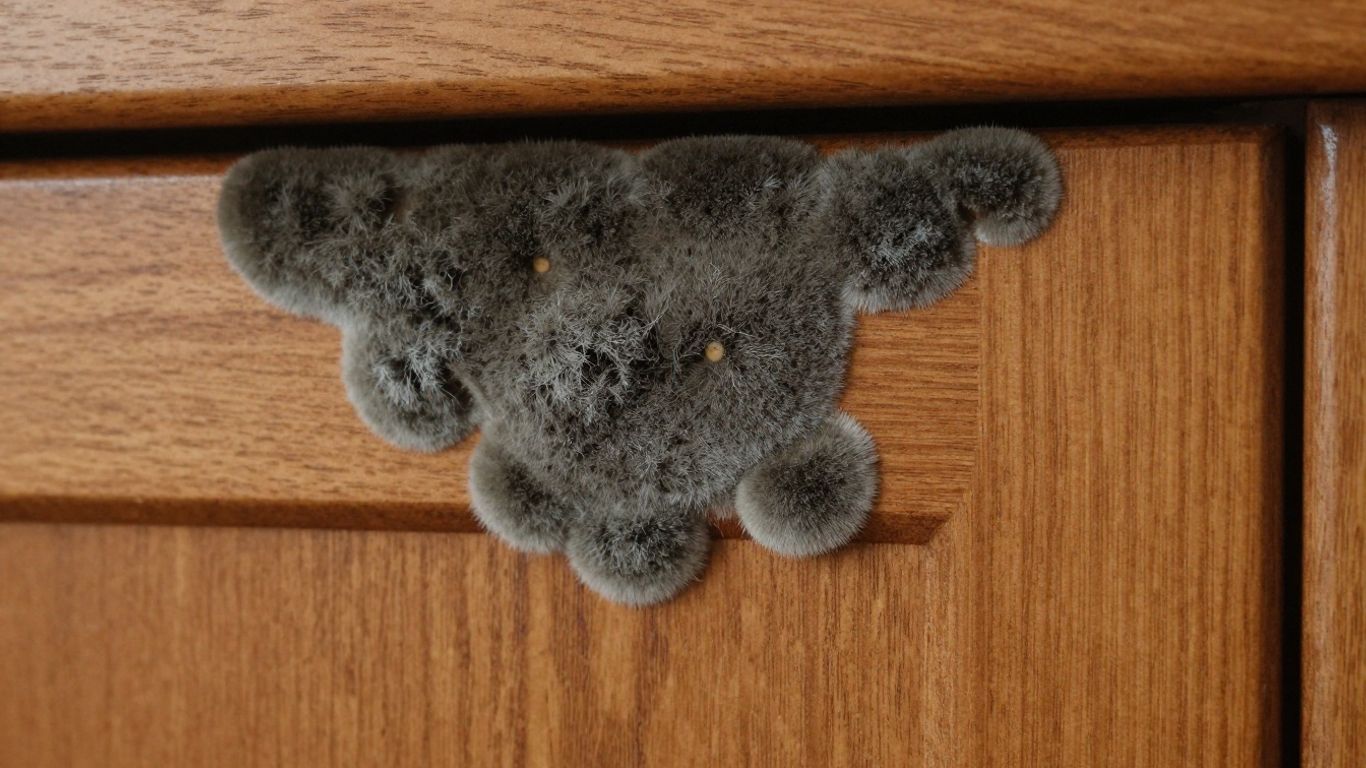
Kitchens are basically mold magnets, and it’s not hard to see why. Think about it: we’re constantly boiling water, cooking, and washing dishes. All that activity pumps a ton of moisture into the air. Plus, there are always crumbs and food bits hanging around, which mold just loves to munch on. Add in the warmth from appliances, and you’ve got a recipe for mold growth. The combination of moisture, food sources, and warmth creates a perfect storm for mold to take hold.
Why Kitchens Create Ideal Conditions for Mold
Our kitchens are basically humid, food-rich environments. When we cook, steam fills the air. Dishwashers and ovens add to the heat. If this moisture isn’t dealt with, it settles on surfaces, especially in enclosed spaces like cabinets. Food particles that escape the trash or fall on the floor can also feed mold spores. It’s a cycle that, if left unchecked, can lead to a mold problem pretty quickly.
Common Mold Hotspots in Your Kitchen
Certain spots in the kitchen are just more prone to mold than others. You’ll often find it:
- Under the sink: This is probably the number one spot. Leaky pipes, condensation from cold water lines, or even small spills from cleaning supplies can create a damp haven. It’s dark, often poorly ventilated, and right there is a water source.
- Around the dishwasher: The seals can wear out, leading to leaks. Plus, the inside of a dishwasher is warm and steamy after a cycle.
- Near the refrigerator: The drip pan underneath can collect water, and if the seals on the fridge door aren’t perfect, warm, moist air can get in.
- On window sills: Condensation can build up here, especially in colder months, and dust and grime can provide food for mold.
- Inside pantry cabinets: If you store produce or anything that can spoil, or if there’s a hidden leak, mold can start there.
Mold isn’t just an eyesore; it can actually damage your cabinets and the surrounding structures over time. It can also release spores into the air, which isn’t great for your health, especially if you have allergies or breathing issues. Catching it early is key.
Key Indicators of Mold Infestation Beneath Kitchen Cabinets
Spotting mold early is super important. Sometimes it’s obvious, but other times you have to look a bit closer. Here are some signs to watch out for, especially under your sink or other cabinet areas:
- Musty Odors: This is often the first clue. If you open a cabinet and get a whiff of damp, earthy, or stale air, mold is likely present, even if you can’t see it yet. This smell can be more noticeable after cooking or on humid days.
- Visible Growth: Look for fuzzy or slimy patches. Mold can be black, green, white, or even orange. It might appear on the cabinet walls, the floor of the cabinet, or around pipes.
- Discoloration: You might see dark spots or stains on the wood, particleboard, or cabinet liners. This discoloration is often a sign of moisture that has been sitting there long enough for mold to start growing. Check out signs of mold for more details.
- Deterioration of Materials: Wood might start to warp, paint can peel or bubble, and laminate can lift. These are signs that moisture has been present for a while, creating an environment where mold can thrive and damage the cabinet materials themselves.
- Condensation: While some condensation is normal on pipes, excessive or persistent water droplets on surfaces inside the cabinet, especially when it’s not actively raining or humid outside, can indicate a problem.
Preventing Mold on Cabinets: Proactive Strategies
Keeping mold from setting up shop in your kitchen cabinets is all about staying ahead of moisture. It’s not rocket science, but it does take a little consistent effort. Think of it as giving your cabinets a regular check-up to make sure they’re happy and dry.
Ensuring Proper Ventilation
Good airflow is your best friend when it comes to preventing mold. Stagnant, humid air is like an open invitation for mold spores. You want to keep things moving.
- Use exhaust fans whenever you’re cooking, especially if you’re boiling water or frying. Don’t forget to run the fan for a bit after you’re done, too.
- If you have cabinets that tend to feel damp, try leaving the doors slightly ajar when you’re not using them. This lets air circulate inside.
- Consider adding small, battery-operated fans inside cabinets that are prone to moisture, like those under the sink. Just make sure they’re quiet!
Effective Moisture Control Measures
Beyond just ventilation, actively managing moisture levels is key. This means being mindful of where water comes from and how it’s handled.
- Wipe down any condensation you see on pipes or cabinet walls immediately. Don’t let it sit there.
- Use moisture absorbers or small dehumidifiers in particularly damp areas, like that cabinet under the sink. These little guys can make a big difference.
- When cleaning, try to use damp cloths rather than soaking wet ones, and always dry surfaces thoroughly afterward.
The goal is to make your cabinets an unappealing place for mold. This means keeping surfaces dry and air moving. It’s a simple concept, but consistency is what really counts.
Leak Prevention and Detection
Leaks are a major culprit for mold growth, and they can be sneaky. Catching them early is way easier than dealing with the mold they cause.
- Regularly inspect pipes under your sink and around appliances for any signs of drips or moisture. A quick check once a month can save you a lot of trouble.
- Pay attention to the seals around your sink and dishwasher. If they look worn or cracked, it’s time to think about replacing them.
- Consider using plumber’s tape on pipe connections to help create a tighter seal. It’s a cheap fix that can prevent bigger problems down the line. You can find supplies for this kind of maintenance at places that sell hardwood floor supplies.
Utilizing Waterproof Linings
For areas that are more prone to spills or minor leaks, like under the sink, a waterproof lining can act as a good backup.
- Place a waterproof mat or a simple plastic tray at the bottom of cabinets where you store cleaning supplies or have plumbing. This catches small spills or drips before they can soak into the cabinet material.
- When choosing new cabinets or renovating, look into materials that are naturally more resistant to moisture. Some modern materials are designed with mold prevention in mind.
Cleaning and Removing Mold from Cabinets
Okay, so you’ve found some fuzzy green or black stuff on your cabinets. Don’t panic! Dealing with mold on your kitchen cabinets is usually manageable if you catch it early. The key is to act fast and be thorough.
Safe Cleaning for Small Mold Areas
If the mold patch is small – think smaller than a dinner plate – you can probably handle it yourself. Always wear protective gear: gloves, a mask (an N95 is best), and eye protection. You don’t want to breathe in mold spores or get them on your skin.
Here’s a simple approach:
- Mix a cleaning solution. A good option is one cup of bleach mixed with a gallon of water. If you prefer something less harsh, a solution of white vinegar and water (equal parts) can also work, though it might take a bit more scrubbing. Some people also use commercial mold removers, which you can find at most hardware stores. Mold removal kits are designed for this.
- Scrub the area. Use a stiff brush or a scrub sponge to gently scrub away the mold. Be careful not to scrub too hard, especially on painted or finished surfaces, as you could damage the cabinet.
- Rinse and dry. Wipe the area down with a damp cloth to remove any cleaning solution residue. Then, dry the cabinet completely with a clean towel. You might want to use a fan or open a window to speed up the drying process. Leaving it damp is just inviting the mold back.
Remember, cleaning mold is only half the battle. You absolutely have to figure out why the mold grew in the first place. If you don’t fix the moisture problem, it’ll just keep coming back, no matter how well you clean.
When to Call Professional Mold Remediation
Sometimes, the mold problem is bigger than a DIY job. If you see mold covering a large area (more than about 10 square feet), or if it keeps coming back after you clean it, it’s time to call in the pros. Professionals have the equipment and knowledge to safely remove mold and, more importantly, to find and fix the source of the moisture. This is especially true if the mold is inside the cabinet walls or if you suspect it’s related to a bigger water damage issue. They can also help with mold removal wash if needed.
Addressing Mold on Cabinet Liners and Surfaces
Cabinet liners, especially those in damp areas like under the sink, are prime real estate for mold. If you find mold on these liners, it’s often best to just replace them. They’re usually inexpensive and trying to clean them thoroughly can be tough, especially if they’re made of cardboard or other porous materials. For the cabinet surfaces themselves, follow the cleaning steps mentioned above. Make sure to dry everything thoroughly. If the mold has damaged the cabinet material itself, you might need to consider repairs or even replacement of that section of the cabinet.
Long-Term Solutions for Mold-Free Cabinets
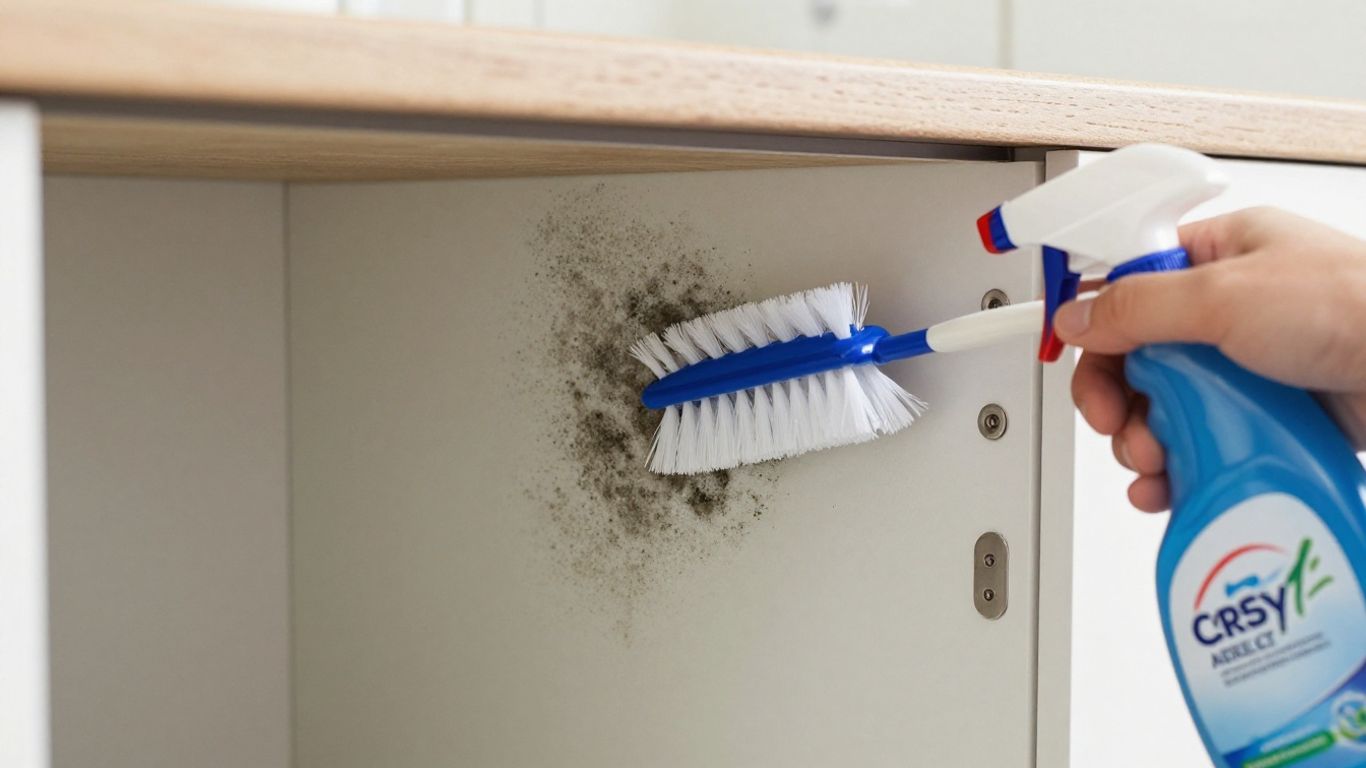
Okay, so you’ve dealt with the mold, and now you’re thinking, ‘How do I stop this from happening again?’ That’s the smart move. We’re talking about making your kitchen a place where mold just doesn’t want to hang out anymore. It’s about making some lasting changes, not just quick fixes.
Choosing Mold-Resistant Cabinet Materials
When it’s time for a kitchen refresh or a full renovation, think about what your cabinets are made of. Some materials are just naturally better at fighting off mold. Forget that old particleboard if you can; it soaks up moisture like a sponge and becomes a mold buffet. Instead, look into options like:
- Metal cabinets: These are super durable and don’t absorb moisture at all. Plus, they can look pretty sleek.
- High-density plastic or polymer cabinets: Similar to metal, these are non-porous and easy to wipe down. Great for busy kitchens.
- Sealed wood with a good finish: If you love the look of wood, make sure it’s properly sealed with a moisture-resistant varnish or paint. Regular maintenance is key here.
The best defense is a good offense, and choosing the right materials from the start makes a huge difference.
Installing Water Leak Detection Systems
This is like having a little alarm system for your cabinets, especially the ones under the sink. These systems are pretty neat. They usually have a sensor that sits on the floor of the cabinet. If even a small amount of water shows up – maybe from a tiny pipe leak you wouldn’t notice otherwise – the sensor triggers an alert. Some systems can even send a notification to your phone. It means you can catch a problem when it’s just a drip, not a flood, which is way easier and cheaper to deal with. It’s a smart way to get early warnings about potential water damage.
Upgrading Plumbing for Leak Prevention
Sometimes, the culprit is old, worn-out pipes or fittings. Over time, these can corrode or develop tiny cracks that let water escape. Thinking about upgrading the plumbing, especially in high-risk areas like under the sink, can save you a lot of headaches down the road. This could mean replacing old galvanized pipes with newer materials like copper or PEX, which are less prone to corrosion. It’s also a good idea to check and replace any worn-out seals or washers in your faucets and pipe connections. Addressing these plumbing issues proactively is a solid step towards keeping mold at bay.
Making these long-term changes might seem like a bigger job upfront, but they really pay off. It’s about creating a kitchen environment that’s less inviting to mold and more resilient to moisture. Think of it as an investment in your home’s health and your peace of mind.
Mold Concerns Around Kitchen Sink Cabinets
The area under your kitchen sink is practically a mold magnet. Think about it: pipes, potential leaks, and a generally damp environment all packed into a dark cabinet. It’s no wonder mold loves it there. Persistent musty odors are often the first clue that something’s not right.
Causes of Mold Under the Sink
Several things can lead to mold growth in this spot:
- Leaky Pipes: Even a tiny drip from a pipe fitting can create enough moisture over time for mold to take hold. It’s not always a gushing leak; slow seeps are just as bad.
- Condensation: Temperature differences between cold water pipes and the warmer air in the cabinet can cause water droplets to form on the pipes. This condensation can then drip down and wet the cabinet floor.
- Spills and Splashes: Cleaning supplies stored under the sink can leak, or water can splash up from the sink basin itself, especially if the cabinet isn’t sealed well.
- Poor Ventilation: These cabinets are usually closed off, trapping humidity. Without airflow, any moisture that gets in just sits there, giving mold the perfect conditions to grow.
- Garbage Disposal Issues: If your garbage disposal has a faulty seal or connection, it can leak water right into the cabinet.
Detecting mold early under the sink is vital for preventing structural and health issues. Common signs include persistent musty or damp odors, visible fungal growth on cabinet walls, pipes, or baseboards, peeling paint, bubbling laminate, or warped wood panels, and water stains or condensation buildup around pipe joints.
Preventing Mold Around and In the Sink
Keeping this area dry is key. Here’s how:
- Regular Inspections: Make it a habit to check under the sink at least once a month. Look for any signs of water damage, discoloration, or dampness. Also, check your faucet connections for any drips.
- Improve Air Circulation: If possible, leave the cabinet door slightly ajar when you’re home to let air flow. You could also consider a small, battery-operated fan to keep things circulating.
- Moisture Control: Use moisture absorbers or a small dehumidifier in the cabinet. Wipe down pipes and surfaces regularly to remove any condensation.
- Leak Prevention: Keep an eye on pipe connections. Replacing worn-out washers and gaskets promptly can stop small drips before they become big problems.
- Waterproof Lining: Put a waterproof mat or some vinyl tiles on the bottom of the cabinet. A plastic tray under cleaning supplies can also catch spills.
Maintaining Sink Area Hygiene
It’s not just about what’s under the sink. The sink itself needs attention too.
- Daily Wipes: Wipe down the sink basin and surrounding countertops after each use to remove standing water.
- Weekly Cleaning: Sanitize sink components weekly. A simple solution of vinegar and water works well for general cleaning, and don’t forget to clean the drain area.
- Caulking Check: Inspect the caulk around your sink and faucet regularly. If it’s cracked or peeling, water can seep underneath. Reapply mold-resistant caulk as needed.
- Sponge Care: Don’t leave wet sponges or cloths sitting in the sink. Use a ventilated holder so they can dry out completely between uses. This prevents them from becoming moldy themselves and spreading spores. Identifying these causes is the initial step in addressing the issue.
Addressing Mold on Exterior Kitchen Walls and Windows
Exterior walls and windows in your kitchen can become surprisingly vulnerable to mold. It’s not just about what happens inside; the outside environment plays a big role too. Think about the temperature swings between a hot summer day and a cool evening, or how rain can hit your house. All these things can create conditions where mold likes to grow, especially if there are any tiny openings or issues with how your windows are sealed.
Why Exterior Walls Are Vulnerable to Mold
Exterior walls are often the first line of defense against the elements, and that makes them susceptible. Several factors contribute to this vulnerability:
- Temperature Differences: When the inside of your house is warm and the outside is cold (or vice versa), condensation can form on the interior surface of your exterior walls. This moisture is a mold magnet.
- Moisture Intrusion: Cracks in siding, gaps around windows, or even poorly maintained gutters can allow rainwater to seep into the wall structure.
- Poor Insulation: Walls that aren’t well-insulated can develop cold spots. Mold loves these cooler, damp areas.
- High Indoor Humidity: While we often think of humidity affecting interior surfaces, it can also impact exterior walls, especially if there’s a significant temperature difference.
- Plumbing: Sometimes, pipes run through exterior walls. If these pipes leak or sweat, they can introduce moisture that leads to mold.
Signs of Mold on Exterior Walls
Spotting mold early is key. Keep an eye out for these signs on your exterior walls, particularly near windows or in corners:
- Discoloration: Dark spots or patches, often greenish, black, or brownish, are a common indicator.
- Peeling or Bubbling Paint: Moisture trapped behind paint can cause it to lose its adhesion.
- Musty Odors: A persistent damp, earthy smell near the wall, especially after rain, can signal mold growth.
- Visible Moisture: You might see damp patches or condensation on the wall surface.
- Warping: In severe cases, the wall material itself might start to warp or bulge due to moisture damage.
Preventing Mold Growth Around Kitchen Windows
Kitchen windows are a common trouble spot. They deal with indoor humidity from cooking and dishwashing, plus outdoor weather. The key is managing moisture and air flow.
Here’s how to keep mold away from your kitchen windows:
- Improve Ventilation: Use your kitchen exhaust fan whenever you’re cooking or running the dishwasher. If weather permits, open windows regularly to let moist air escape. Consider installing small trickle vents in your windows for constant, low-level air exchange.
- Control Humidity: Aim to keep your indoor humidity levels between 30% and 50%. A dehumidifier can be a big help, especially during humid months. You can monitor levels with a simple hygrometer.
- Regular Cleaning: Wipe down window sills, frames, and glass weekly. Pay attention to window tracks and any crevices where dust and moisture can collect. Cleaning these areas prevents mold from getting a foothold.
- Address Leaks Promptly: Inspect the caulking around your windows regularly. If it’s cracked or peeling, re-caulk it to prevent water from getting in. Also, check for any signs of water damage on the trim or surrounding wall.
- Proper Insulation: Make sure your windows are well-insulated. This helps reduce condensation on the glass and frames. Using thermal curtains can also help minimize temperature differences.
Dealing with mold on the exterior of your home requires a proactive approach. It’s about creating barriers against moisture and ensuring good air circulation, both inside and out. Don’t wait for a small issue to become a big problem; regular checks and maintenance are your best defense.
If you’re dealing with persistent mold issues on your exterior walls or windows, it might be time to look into professional mold remediation services. They can help identify the source of the moisture and provide effective solutions to protect your home.
Conclusion
Mold on cabinets can be a real headache, but it doesn’t have to be a permanent problem. By understanding why it shows up in the first place – usually due to moisture and poor airflow – you can take steps to stop it before it starts. Regular cleaning, fixing leaks fast, and making sure your kitchen is well-ventilated are your best defenses. For small spots, a good cleaning might do the trick. But if the mold is widespread or keeps coming back, don’t hesitate to call in the pros. Keeping your cabinets mold-free means a healthier home for everyone.
Frequently Asked Questions
What makes mold grow on my kitchen cabinets?
Mold really likes damp places. Your kitchen has lots of moisture from cooking, washing dishes, and sometimes leaks under the sink. If air can’t move around well, that moisture gets trapped, and mold spores have a perfect spot to start growing on your cabinets.
How can I tell if I have mold under my sink?
The biggest clue is usually a bad, musty smell that just won’t go away. You might also see dark spots or fuzzy patches on the cabinet walls or pipes. Sometimes, you’ll notice peeling paint or warped wood, which means moisture has been there for a while.
Is cleaning mold myself safe?
For small areas, yes, it’s usually safe if you take precautions. Wear gloves, a mask, and eye protection. Use a cleaning solution like diluted bleach or a strong detergent. Make sure to dry the area completely afterward. If the mold covers a large area or you’re worried, it’s better to get professional help.
What are the best ways to stop mold from coming back?
The key is to keep things dry and well-ventilated. Fix any leaky pipes right away. Use exhaust fans when you cook or shower. Consider using a dehumidifier if your kitchen is often damp. Keeping cabinet doors slightly open sometimes can also help air circulate.
Should I worry about mold on the outside of my cabinets?
Mold can grow on the outside too, especially if there’s moisture. This might happen if your windows leak, or if there’s a lot of steam in the kitchen that condenses on cooler surfaces. Keeping the kitchen aired out and wiping down surfaces regularly helps prevent this.
When is it time to call a mold expert?
You should call a professional if the mold covers a large area, like more than 10 square feet. Also, if you’ve tried cleaning it and it keeps coming back, or if you or your family are having health problems like allergies or breathing issues that you think might be related to mold. They have special tools and knowledge to get rid of it safely.
