Here are the main things to remember about homeowners insurance and mold:
Key Takeaways
- Homeowners insurance often covers mold if it’s caused by a sudden, accidental water problem, like a burst pipe.
- Mold from long-term issues, poor maintenance, or flooding usually isn’t covered unless you have extra insurance.
- Always check your specific policy details and talk to your insurance agent to know exactly what’s covered.
- If you find mold, act fast to stop the water source, document everything with photos, and contact your insurer quickly.
- Preventing mold by fixing leaks promptly and managing moisture is the best way to avoid issues and potential claim denials.
When Homeowners Insurance Covers Mold Removal
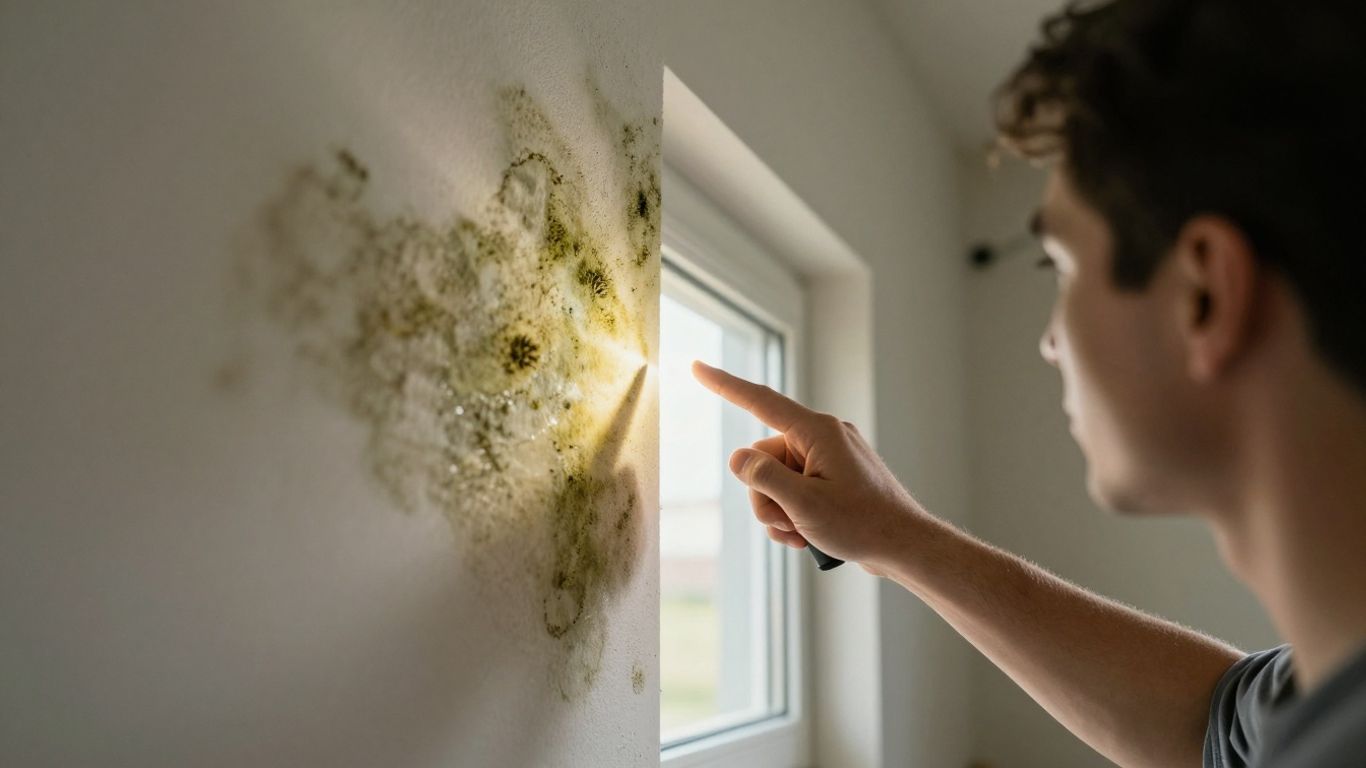
So, you’ve found some fuzzy stuff growing where it shouldn’t be. It’s natural to wonder if your homeowner’s insurance will help foot the bill for getting rid of it. The short answer is: sometimes. It really boils down to why the mold showed up in the first place.
Understanding the "Sudden and Accidental" Clause
Most insurance policies have a key phrase: "sudden and accidental." This is your golden ticket for mold coverage. If a pipe bursts unexpectedly and floods your bathroom, leading to mold growth, that’s usually considered sudden and accidental. The water damage itself has to be from an event that you couldn’t have reasonably predicted or prevented. Think of a washing machine hose that blows out – that’s sudden. Mold that pops up weeks later because you didn’t fix the resulting water damage? That’s less likely to be covered because it wasn’t accidental anymore; it became a maintenance issue.
Insurance companies started limiting mold coverage more strictly after some big lawsuits in the early 2000s. They want to cover unexpected disasters, not problems that creep up over time due to neglect.
Covered Perils That Lead to Mold
What exactly counts as a "covered peril"? It’s basically an event listed in your policy that causes damage. For mold, this often means water damage stemming from things like:
- A burst or leaking pipe
- A malfunctioning appliance, like a water heater or dishwasher overflowing
- Damage from trying to put out a fire
- Storm damage that lets water into your home
For example, if a storm rips a hole in your roof and rain gets in, causing mold to grow in your attic, your insurance might cover the mold removal. However, if your roof has been slowly leaking for years because you never got it repaired, that’s usually not covered. It’s important to check your specific policy details for mold-related exclusions and limitations [b085].
The Role of Prompt Action in Claim Approval
How quickly you act after discovering water damage and potential mold growth plays a big role. If you notice a leak and immediately shut off the water and start the drying process, you’re showing your insurance company you’re being responsible. This helps prevent the situation from getting worse and reduces the chances of extensive mold taking hold. Documenting everything – photos, videos, and keeping receipts for any immediate mitigation steps you take – is also super important when you eventually file a claim. Being proactive can make a big difference in whether your claim gets approved and how smoothly the process goes. For seniors looking to manage costs, exploring government assistance programs alongside understanding their homeowners insurance is a good idea [e451].
Situations Where Mold Damage Is Typically Not Covered
It’s a common misconception that homeowners insurance will always cover mold removal. While some situations are indeed covered, many common causes of mold growth fall outside the scope of a standard policy. Understanding these exclusions is key to avoiding surprises when you need to file a claim. Generally, insurance companies won’t pay for mold that arises from a lack of maintenance or gradual damage.
The Impact of Poor Home Maintenance
If mold is the result of something you could have reasonably prevented or fixed, your insurance company will likely deny coverage. This includes issues like:
- Ignoring slow leaks: That tiny drip under the sink or a slow leak in the roof that you’ve known about but haven’t addressed can lead to significant mold problems. Insurance typically views these as maintenance issues, not sudden accidents.
- Poor ventilation: Bathrooms and kitchens that aren’t properly ventilated can become breeding grounds for mold. If mold grows due to consistently high humidity from lack of airflow, it’s usually considered a maintenance oversight.
- Not fixing known issues: If you knew about a plumbing problem or a damp spot and didn’t take steps to repair it, the resulting mold damage probably won’t be covered. It’s important to address water issues promptly.
Exclusions for Gradual Water Intrusion
Homeowners insurance policies are designed to cover sudden and accidental events, not slow, creeping problems. This means that mold resulting from gradual water intrusion is typically excluded. Think about:
- Long-term dampness: Basements or crawl spaces that are consistently damp over extended periods can develop mold. This slow accumulation of moisture isn’t usually considered a covered event.
- Seepage: Water that slowly seeps into your home through the foundation or walls over time, leading to mold, falls into this category. It’s not a sudden event like a burst pipe.
- Condensation: Persistent condensation issues, especially in poorly insulated areas, that lead to mold growth are generally not covered. This is seen as a condition that develops over time due to environmental factors and building performance.
Insurance companies limit mold coverage because they want to encourage homeowners to maintain their properties. They are in the business of covering unexpected disasters, not the slow deterioration that comes from neglect. It’s a way to keep premiums fair for everyone by not covering preventable issues.
Floodwaters and Their Insurance Implications
Mold caused by flooding is a major exclusion from standard homeowners insurance policies. Floods are considered a separate type of disaster requiring specific coverage. If your home floods due to external water sources, like heavy rains, overflowing rivers, or storm surges, any resulting mold damage will not be covered by your regular policy. You would need to have a separate flood insurance policy in place before the flood occurs to have coverage for the damage, including mold that develops afterward. This is a critical distinction, as many homeowners mistakenly believe their standard policy will cover flood-related issues.
How to Determine Your Mold Coverage Details
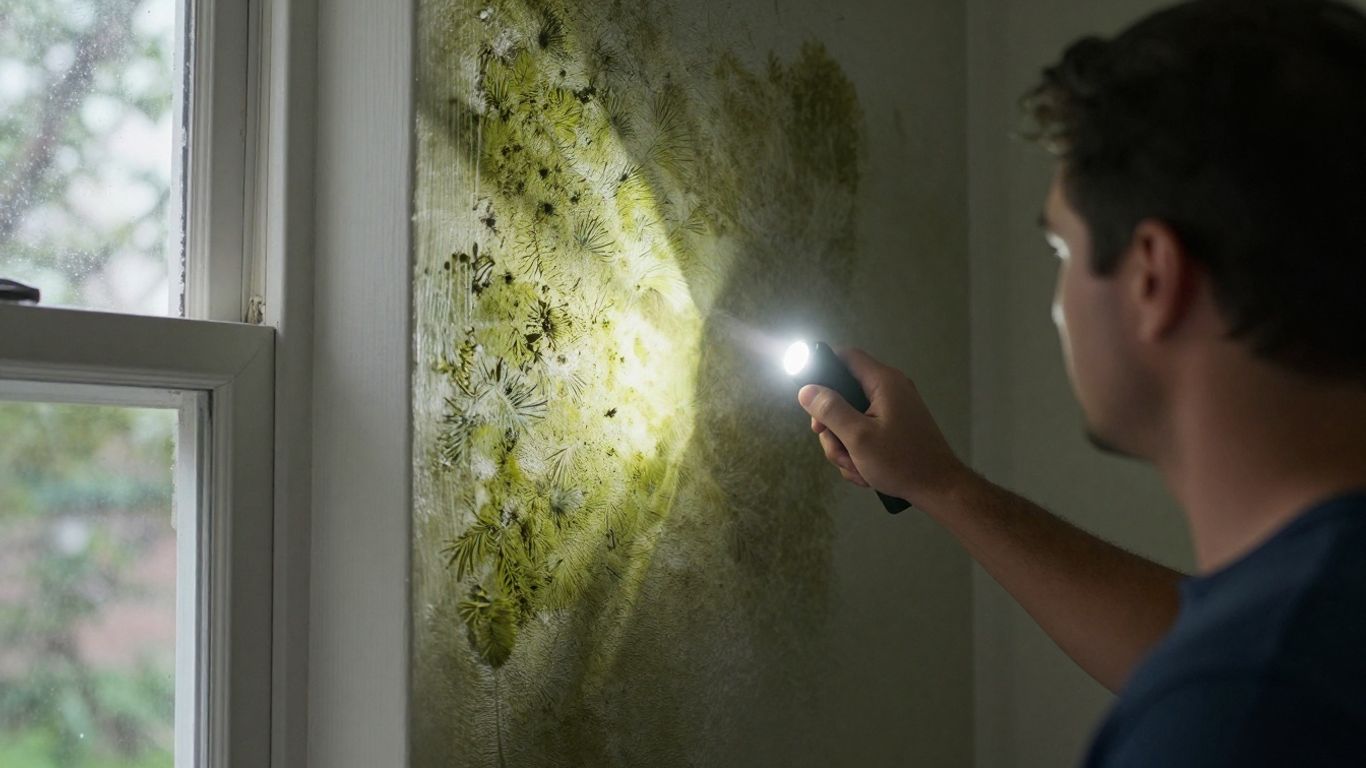
So, you’ve found some fuzzy stuff growing on your wall, and now you’re wondering if your homeowners insurance will pick up the tab for getting rid of it. It’s not always a straightforward answer, and honestly, it can feel like trying to read a foreign language sometimes. The first step is to really dig into what your policy actually says.
Scrutinizing Your Homeowners Policy Language
Your policy document is the key here. You need to look for specific wording that relates to water damage and mold. Pay close attention to sections detailing "covered perils" and "exclusions." Often, mold is only covered if it’s a direct result of a sudden and accidental event that’s also covered by your policy. Think a pipe bursting or a storm ripping a hole in your roof. Gradual issues, like a slow leak under the sink that’s been going on for months, or just general high humidity in a basement, are usually not covered. It’s worth checking if your policy has a specific dollar limit for mold remediation, as some policies cap coverage at a certain amount, like $5,000 or $10,000, even if the damage is more extensive.
Consulting Your Insurance Agent for Clarity
If reading the policy makes your head spin, don’t hesitate to call your insurance agent. They’re there to help you understand the fine print. Ask them directly: "What specific situations would my policy cover for mold removal?" They can explain what constitutes a "sudden and accidental" event according to your insurer and what falls under "wear and tear" or poor maintenance. It’s also a good time to ask about any endorsements or riders you might be able to add. For instance, some policies might not cover mold from a malfunctioning air conditioner, but an endorsement could add that protection. Getting this clarification upfront can save a lot of headaches later.
Exploring Policy Enhancements for Mold Protection
Depending on where you live and the age of your home, you might be more prone to moisture issues. If you’re in a flood-prone area or have an older home with plumbing that’s seen better days, you might want to look into beefing up your coverage. This could mean adding specific mold remediation coverage as an endorsement to your existing policy. You might also consider water backup and sump pump overflow coverage, as these events can often lead to mold growth. It’s a bit like buying extra insurance for peace of mind, especially if you’ve had moisture problems before. Understanding your current policy limits is the first step before deciding if you need more.
Mold damage is often a secondary issue, meaning it happens because of another problem. Your insurance policy will likely cover the initial problem (like the burst pipe) and the resulting mold, but only if that initial problem is a covered event. If the mold is due to something not covered, like general dampness or lack of maintenance, then the mold cleanup won’t be covered either.
Here’s a quick look at common scenarios:
- Covered: Mold from a burst pipe, a sudden roof leak during a storm, or an AC unit malfunction causing water damage.
- Not Covered: Mold from long-term leaks under a sink, persistent high humidity, or flooding from external sources (unless you have separate flood insurance).
It’s always best to contact your insurance provider if you’re unsure about a specific situation.
Steps to Take When Discovering Mold
Finding mold in your home can be unsettling, but acting fast is key. Your insurance company will want to see that you took immediate steps to stop the problem from getting worse. This not only helps protect your home but also shows your insurer you’re being proactive, which can make a big difference when it comes to getting your claim approved.
Immediate Actions to Mitigate Damage
When you first spot mold, your priority is to stop the source of moisture. If a pipe burst, shut off the main water valve right away. If you notice a leak in the roof, try to cover the damaged area with a tarp temporarily. Don’t try to make permanent fixes yourself before your insurance adjuster has a chance to see the damage, but temporary measures to prevent further water intrusion are usually a good idea. After stopping the water source, focus on drying out the affected areas. Use fans and dehumidifiers to speed up the drying process. If you have wet carpets or other porous materials that are heavily affected, you might need to remove them. Remember, the goal here is to prevent the mold from spreading and causing more damage.
Documenting Mold and Water Issues
Before you do anything else, take plenty of pictures and videos of the mold and the source of the water damage. Get close-ups of the mold itself, as well as wider shots showing the extent of the problem and where the water came from. This visual evidence is super important for your insurance claim. Keep a detailed log of everything you observe and every action you take. Note the date you discovered the mold, the suspected cause, and any steps you’ve taken to address it. This documentation helps build a clear picture for your insurance adjuster and supports your claim that the damage was sudden and accidental, rather than due to long-term neglect. It’s also a good idea to keep receipts for any temporary repairs or supplies you purchase during this initial phase.
Filing Your Mold Insurance Claim Effectively
Contact your insurance company as soon as possible after discovering the mold. Many policies have time limits for reporting damage, especially for water issues that might have been hidden. When you call, be ready to provide details about the incident, including when you found the mold and what you believe caused it. You’ll want to explain the steps you’ve already taken to mitigate the damage. If you’ve hired professionals for initial cleanup or assessment, have their contact information ready. If your policy requires it, make sure any mold removal specialists you hire are licensed and certified. They can provide the necessary documentation, like a certificate of mold removal, which your insurer will likely need. Being organized and providing all requested information promptly can help speed up the claims process.
Acting quickly and documenting everything thoroughly are your best allies when dealing with mold damage and insurance claims. It demonstrates responsibility and helps establish that the mold resulted from a covered event, not from a lack of maintenance.
Understanding Mold-Related Health Concerns
Mold isn’t just a structural issue; it can seriously impact the health of everyone living in your home. Breathing in mold spores can lead to a variety of problems, especially for those with allergies or asthma. The effects can range from mild irritation to more significant respiratory issues.
Common Respiratory and Allergic Reactions
Exposure to mold can trigger a range of symptoms. You might notice things like:
- Sneezing and runny nose
- Itchy, red eyes or skin rashes
- Wheezing or shortness of breath
- Coughing or throat irritation
These reactions happen because your body is reacting to the mold spores in the air. For people with existing conditions like asthma, mold can be a major trigger, leading to more severe attacks. It’s not just about allergies; even people without known sensitivities can experience irritation.
Vulnerable Populations and Mold Exposure
Some groups are more at risk when it comes to mold exposure. This includes:
- Infants and young children, whose developing bodies are more sensitive.
- Elderly individuals, who may have weaker immune systems.
- People with chronic lung conditions, such as COPD or emphysema.
- Anyone with a compromised immune system, like those undergoing chemotherapy or living with HIV/AIDS.
For these individuals, even short-term exposure can lead to more serious health complications. It’s important to address mold issues promptly to protect these vulnerable members of your household. If you’re dealing with a mold problem, finding certified professionals can help ensure safe and effective removal, which is a key step in protecting everyone’s health.
Insurance Coverage for Health Issues
It’s important to know that standard homeowners insurance policies typically do not cover medical bills for health problems caused by mold. Your policy is designed to cover the damage to your home, not the personal health effects on you or your family. However, there’s a small exception: if someone else is injured on your property due to a covered event that led to mold, your "medical payments to others" coverage might help with their medical bills. This is a specific part of your policy, often called Coverage F, and it’s meant for accidental injuries to guests. If you’re concerned about potential health issues, it’s always a good idea to consult with your insurance agent about what your specific policy does and doesn’t cover.
While your homeowners insurance might not pay for your own doctor visits due to mold exposure, it’s designed to cover the costs of repairing the damage to your home caused by a covered event. The focus is on the property, not the personal health impact. Addressing the source of the mold quickly is key for both your health and your insurance claim.
Preventing Mold Growth and Future Claims
Nobody wants to deal with mold, and honestly, the best way to avoid the headache and the potential cost is to stop it before it even starts. It sounds simple, but it really comes down to managing moisture in your home. Think of it like this: mold needs water to grow, so if you can keep things dry, you’re already winning.
Regular Home Maintenance for Moisture Control
This is where you really get proactive. It’s not just about fixing things when they break; it’s about keeping an eye on potential problems. Regularly checking your plumbing, for instance, can catch small leaks before they become big, mold-spawning issues. I mean, who wants to find out their pipes have been slowly dripping for months? Also, don’t forget about your HVAC system. Keeping those filters clean and the system running well helps control humidity inside your house. And those gutters? Make sure they’re clear so water actually flows away from your foundation, not pools around it.
Addressing Leaks and Dampness Promptly
Okay, so maybe you missed a small drip, or a storm caused a minor roof issue. The key here is speed. The faster you address any water intrusion, the less chance mold has to take hold. If a pipe bursts, shut off the water immediately. If you notice a damp spot on the ceiling, get up there and check the attic. Even small leaks can create a perfect environment for mold if left unchecked. Drying out any wet areas within 24 to 48 hours is a good rule of thumb. This might mean using fans or a dehumidifier, and if carpets are soaked, you might need to pull them up. It’s a bit of a hassle, sure, but it’s way better than dealing with a full-blown mold problem later.
Importance of Ventilation and Humidity Management
This ties into keeping things dry. Places like bathrooms, kitchens, and laundry rooms tend to be more humid. Using exhaust fans when you shower or cook makes a big difference. You can also use dehumidifiers in basements or other areas that tend to feel damp. Keeping indoor humidity levels between 30% and 50% is generally recommended. It’s a sweet spot that makes it tough for mold to thrive. You can even get little hygrometers to measure the humidity if you’re really serious about it. It’s all about creating an environment that’s less hospitable to mold spores. For more on keeping your home dry, check out this guide to mold management.
Preventing mold isn’t just about avoiding insurance claims; it’s about maintaining a healthier living space for you and your family. Small, consistent efforts can save you a lot of trouble down the line.
Conclusion
Dealing with mold can be a real headache, and figuring out if your insurance will help can add to the stress. Remember, the key is usually a sudden, accidental event causing the mold. Things like a burst pipe or a sudden leak from a storm might be covered. On the flip side, mold that creeps in because of leaky faucets you ignored or just general dampness is often on you. Always, always read your policy and chat with your insurance agent. They can explain the specifics and tell you about extra coverage options, like flood insurance or special mold riders, that might be worth it for your home. Acting fast when you find mold and keeping good records are also super important for getting a claim approved. By staying on top of home maintenance and knowing your insurance options, you can better protect yourself from costly mold problems.
Frequently Asked Questions
Will my insurance pay if mold comes from a leaky roof?
It might. If the roof leak was caused by something sudden and covered, like hail or a tree falling, then yes, the mold could be covered. But if the roof just got old and started leaking, or you didn’t fix a small drip, the insurance probably won’t cover the mold.
How much does it usually cost to get rid of mold?
Mold removal can be pretty pricey. Depending on how much mold there is and where it is, you could be looking at anywhere from a few hundred dollars to thousands. Some estimates put the average cost around $3,500, but it really depends on the job.
Does insurance cover mold testing or checking?
Sometimes. If the mold showed up because of a covered event, like a pipe bursting, your insurance might pay for testing and inspection. You’ll need to look at your policy to see how much it covers for these steps.
What if mold makes me sick? Does insurance cover that?
Generally, no. Your homeowners insurance won’t pay for your own medical bills from mold. However, if someone else gets sick because of mold on your property from a covered problem, your insurance might help pay their medical costs.
Why don’t insurance companies cover mold more often?
Insurance companies started limiting mold coverage a while back after paying out a lot of money from big mold-related lawsuits. They changed policies to only cover mold from sudden accidents, not problems that happen slowly because of neglect or just normal wear and tear.
Should I tell my insurance company if I find mold?
Yes, you should definitely tell them, especially if you think it’s from a covered event and you plan to file a claim. Getting in touch right away can help prevent the problem from getting worse and might make it easier to get your claim approved.
