After digging into the facts about white mold, here are the main things you should remember. It’s not just about what you see; there’s a lot more going on beneath the surface.
Key Takeaways
- White mold can harm your lungs and breathing, even if you don’t have allergies.
- The mold you see is just a small part; most of it grows hidden inside walls and materials.
- Some white molds produce dangerous toxins that can spread through the air and dust.
- Constant exposure can weaken your immune system over time, making you more likely to get sick.
- Mold digests building materials, causing structural damage and lowering your home’s value if not fixed quickly.
Understanding The White Mold Dismissal Problem
It’s easy to see white mold and think, “Oh, that’s just some harmless fuzz.” Many people do. You hear it all the time: “Black mold is the bad one, white mold is fine.” This casual dismissal is a huge part of why white mold can become such a sneaky problem. People see it, maybe shrug it off, and don’t take action. This attitude is unfortunately common, fueled by conflicting advice you find online and even from well-meaning neighbors. The truth is, the color of mold isn’t a reliable indicator of its danger.
The Dangers of Underestimating White Mold
Dismissing white mold as a minor issue is a dangerous mistake. It’s like ignoring a small crack in your foundation because it doesn’t look like a gaping hole. This fuzzy growth, often appearing on walls, ceilings, or even furniture, can be a sign of deeper problems. The real danger lies in what you can’t see and the long-term effects it can have on your health and your home. Many people don’t connect their ongoing health complaints to mold until much later, if ever. This delay allows the problem to worsen, both biologically and structurally.
Conflicting Advice and False Reassurances
Walk around any online forum discussing mold, and you’ll find a mess of opinions. Some people will tell you to just scrub it off with bleach, while others will warn you about serious health risks. This conflicting information makes it hard to know what to believe. You might hear reassurances that white mold is just surface-level and easily cleaned. However, this often overlooks the complex nature of mold growth. It’s not always as simple as a quick wipe-down. The reality is, professional advice is often needed for proper mold inspection and remediation.
Why Color is Not an Indicator of Toxicity
People tend to associate danger with dark colors, like black or green mold. This is a common misconception. While some molds that appear black or green can be toxic, so can many molds that are white, gray, or even orange. The color of mold is influenced by its age, the substrate it’s growing on, and its specific species. It doesn’t tell you whether it’s producing harmful substances called mycotoxins. Relying on color alone to judge risk is like judging a book by its cover – you’re likely to miss the important story inside. You can’t tell if white mold is dangerous just by looking at it.
The idea that white mold is harmless is a widespread myth that needs to be debunked. Its appearance can be deceiving, and it often signifies underlying moisture issues that, if left unaddressed, can lead to significant health and structural problems.
White Mold’s Impact on Respiratory Health
Lots of people think white mold is just a minor annoyance, maybe something that causes a little sniffle if you’re sensitive. But honestly, that’s not the whole story. It turns out, white mold can mess with your breathing way more than most folks realize, and it doesn’t just pick on people who already have breathing issues.
Beyond Allergies: Respiratory Damage in All Individuals
It’s a common misconception that only those with allergies or asthma need to worry about mold. The truth is, mold spores, including those from white mold varieties, can irritate anyone’s airways. When you breathe them in, they can cause inflammation and make it harder for your lungs to do their job. Think of it like constantly breathing in dust – it just wears your system down over time. This isn’t just about sneezing; it can lead to a persistent cough, a scratchy throat, and general breathing discomfort, even if you’ve never had a lung problem before. This widespread irritation can accumulate, leading to measurable damage over time.
The Vulnerability of Children’s Developing Lungs
Kids are especially at risk. Their lungs are still growing and developing, making them much more sensitive to irritants. Exposure to mold in their environment can have a more significant impact on their respiratory health compared to adults. It’s not just about making them cough more; it can actually affect how their lungs develop. This is why it’s so important to address mold issues promptly, especially when children are in the home. Waiting too long can mean more serious, long-term consequences for their breathing. If you’re concerned about mold and your child’s health, looking into potential health effects is a good first step.
Recognizing Measurable Lung Damage
So, how do we know it’s causing actual damage? It’s not always obvious. Symptoms like a chronic cough, wheezing, or shortness of breath aren’t just temporary annoyances; they can be signs that your lungs are struggling. Over time, repeated exposure can lead to more serious issues. It’s like a slow leak in a tire – you might not notice it at first, but eventually, it’ll cause problems. For those with weakened immune systems, the risks are even higher, potentially leading to more severe infections or complications. It’s a good idea to be aware of how mold can affect your body, and sometimes, understanding the science behind it, like how hormones work in the body, can shed light on how other biological processes can be impacted by environmental factors. For instance, while unrelated to mold, understanding hormone testing highlights the body’s complex systems.
The idea that mold only affects those with pre-existing conditions is a dangerous myth. The reality is that mold spores can irritate anyone’s airways, leading to inflammation and reduced lung function. For children, whose lungs are still developing, the impact can be even more pronounced, potentially affecting their long-term respiratory health.
The Myth of Surface-Level Mold Growth
Lots of people think that if they can see white mold, it’s just a little surface issue. You know, like a bit of fuzz on the bathroom tile or a spot on the basement wall. The idea is that you just scrub it off, and poof, problem solved. But honestly, that’s not how mold works at all. Visible mold is just the tip of the iceberg, and ignoring what’s underneath can lead to bigger problems.
Visible Mold: The Tip of the Iceberg
What you see as fuzzy white growth is actually just the mold’s way of reproducing. These are the fruiting bodies, the parts that release spores. The real action, the main body of the mold colony, is hidden. It’s a network of tiny threads called hyphae that burrow deep into whatever material it’s growing on. Think of drywall, wood, insulation, even carpet – these are all food sources for mold. By the time you spot that white patch, the colony has likely been growing for weeks, maybe even months, spreading its tendrils unseen.
Hidden Hyphae and Deep Colonization
These hidden hyphae are the real troublemakers. They can penetrate several inches into porous materials. This deep colonization means that even if you scrub the surface clean, the underlying network is still alive and well. It’s like trying to get rid of weeds by just snipping the tops off – the roots are still there, ready to grow back. This is why mold often reappears shortly after you thought you’d gotten rid of it. The conditions that allowed it to grow in the first place are still present, and the hidden hyphae just keep on going.
Why Surface Cleaning Is Ineffective
Because the main colony is hidden, cleaning only the visible part just doesn’t cut it. You might kill some of the surface mold, but the extensive network underneath remains. This network will continue to feed and grow, and soon enough, you’ll see new mold popping up. It’s a frustrating cycle that doesn’t actually solve the problem. For anything more than a tiny spot on a non-porous surface, like a glass shower door, DIY cleaning is usually just a temporary fix. For effective removal, you really need to address the hidden growth and the moisture source that’s feeding it. This is where professional mold remediation comes in, as they have the tools and methods to find and remove the entire colony, not just what’s visible. If you’re dealing with mold, it’s often best to get professional advice on how to handle it properly, especially if you have respiratory issues.
The assumption that mold is only a surface issue is a dangerous misconception. Mold is a living organism that actively colonizes building materials, and its visible presence is merely an indicator of a much larger, hidden infestation. Without addressing the root cause – the moisture and the deeply embedded hyphae – any cleaning efforts will be futile in the long run.
Mycotoxins: A Hidden Danger of White Mold
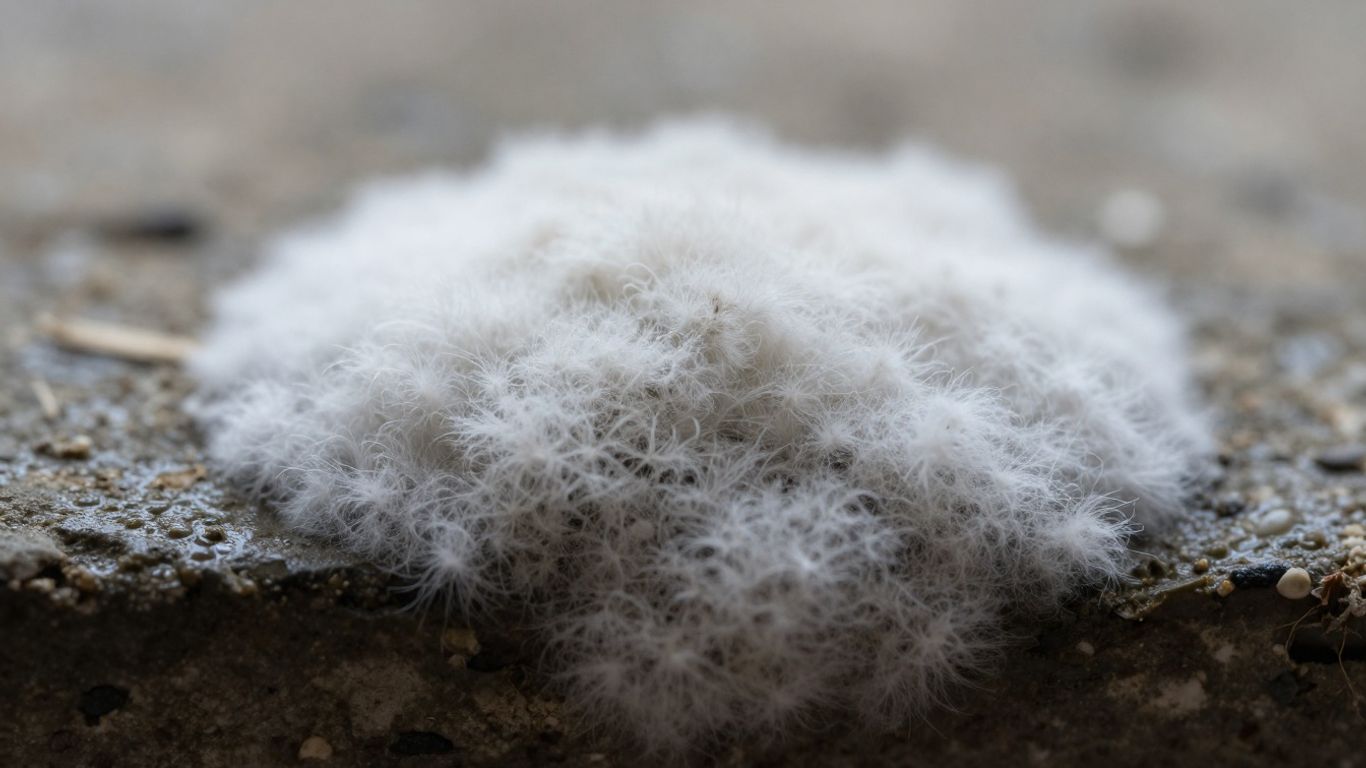
When we talk about white mold, it’s easy to focus on the visible growth and maybe some allergy symptoms. But there’s a much more serious threat lurking beneath the surface: mycotoxins. These are toxic compounds produced by certain types of mold, and they can cause significant health problems, even if you don’t directly touch the mold itself. Dismissing white mold because it doesn’t look like the ‘bad’ black mold is a dangerous mistake.
Common White Molds That Produce Mycotoxins
It’s a common misconception that only dark-colored molds like Stachybotrys produce mycotoxins. This simply isn’t true. Many common white and light-colored molds, such as certain species of Aspergillus and Penicillium, can produce these harmful substances under the right conditions. For example, Aspergillus species can release aflatoxins and ochratoxins, while Penicillium can produce patulin and citrinin. These compounds are not just irritants; they can actually damage cells and have been linked to various health issues in studies.
Airborne and Surface Contamination Pathways
Mycotoxins don’t just stay put where the mold is growing. They can become airborne, attaching themselves to tiny dust particles and mold fragments. This means you can inhale them without even being near the visible mold colony. They also settle on surfaces throughout your home, creating multiple ways for you to be exposed. You might be breathing them in or picking them up on your skin without realizing it. This widespread contamination is a big reason why mold exposure can cause illness even in areas without obvious mold growth.
The Need for Professional Identification
So, how do you know if your white mold is producing mycotoxins? The honest answer is, you can’t tell just by looking at it. The type of mold, the surface it’s growing on, the amount of moisture, and the temperature all play a role in whether mycotoxins are produced and in what quantity. Trying to guess is a gamble with your health. The only way to be sure is through professional testing. This involves taking air samples and possibly mold cultures to be analyzed in a lab. This step is vital because it moves beyond assumptions and provides concrete data about the specific risks present in your home, which is especially important if you’re experiencing unexplained allergy-like symptoms.
The invisible nature of mycotoxins means that even a small patch of white mold could be releasing harmful compounds into your living space. Ignoring it or attempting a quick DIY fix without understanding the potential for toxic byproduct production is a significant risk.
Gradual Immune System Suppression
The Depleting Effect of Constant Exposure
It’s easy to dismiss white mold as just another household nuisance, but the reality is far more concerning. Your immune system is constantly working, and when it’s faced with a persistent invader like mold spores, it has to divert a lot of energy to fight them off. This ongoing battle can really wear down your body’s defenses over time. Think of it like a soldier constantly on guard; eventually, they get tired and less effective. This constant drain on your immune resources means your body has less capacity to deal with other things, like actual infections or injuries. You might find yourself getting sick more often, or taking longer to recover from colds and other common ailments. It’s a slow burn, and many people don’t connect their increasing susceptibility to illness with the mold lurking in their home.
The Links to Autoimmune Responses
This is where things get really serious. When your immune system is constantly on high alert due to mold exposure, it can start to get confused. Some research suggests that this prolonged state of activation might lead to your immune system mistakenly attacking your own body’s healthy tissues. It’s like the soldier on guard duty starts seeing enemies everywhere, even among their own ranks. While the exact mechanisms are still being studied, there’s evidence showing that people with long-term mold exposure can have markers in their blood that indicate their immune system is becoming overactive or misdirected. This can potentially contribute to the development of autoimmune conditions, which are complex and often chronic illnesses. It’s a concerning aspect of mold exposure that often goes unnoticed until symptoms become quite severe. For more information on how mold can affect your health, you can look into health effects of mold exposure.
Accelerated Risks for Vulnerable Populations
Now, some people are naturally more at risk than others when it comes to mold. We’re talking about kids, older adults, pregnant women, and anyone who already has a weakened immune system. For these groups, the effects of white mold aren’t just about feeling a bit under the weather; they can be much more significant and happen faster. A child’s developing lungs, for instance, are more delicate and can suffer more damage from the same mold spores that might only cause mild irritation in an adult. This means that for these vulnerable individuals, white mold isn’t just an inconvenience; it’s a genuine health hazard that needs to be dealt with promptly. Ignoring it can lead to more serious health problems down the line, and it’s especially important to protect those who are already struggling with their health. If you’re concerned about mold in a place where vulnerable people spend time, like a school or commercial building, professional assessment is highly recommended.
The subtle way mold impacts your immune system means that many people don’t realize their declining health is linked to their living or working environment. They might go to the doctor for recurring infections or unexplained fatigue, but never mention the possibility of mold. This is why it’s so important to consider your surroundings when dealing with persistent, unexplained health issues.
Structural Damage and Property Value
It’s easy to think of mold as just a cosmetic issue, something that looks bad but doesn’t really hurt anything. That’s a dangerous way to think. White mold, in particular, isn’t just sitting there; it’s actively eating your house. It produces enzymes that break down materials like wood and drywall, weakening them over time. This biological digestion happens much faster than most people realize.
The Digesting Nature of White Mold
Think of mold as a tiny, persistent demolition crew. The enzymes it secretes are designed to break down organic matter, which includes the very materials that make up your home. This process isn’t just about surface discoloration; it’s about compromising the integrity of building components.
Rapid Compromise of Building Materials
What might start as a small patch of white mold can quickly lead to significant structural problems. Wood framing can lose strength, drywall can become crumbly, and insulation can lose its effectiveness. These changes can occur within months of the mold taking hold, even if the visible growth still seems minor. This kind of damage can make your home unsafe and difficult to repair.
Financial Implications of Delayed Remediation
Putting off mold cleanup is a costly mistake. What could have been a relatively inexpensive fix early on can turn into a major renovation project. If mold is left to spread, it can require extensive removal and replacement of structural materials, turning a few hundred dollar problem into a tens of thousands dollar nightmare. Beyond repair costs, mold contamination significantly impacts your home’s resale value. Even after remediation, potential buyers might be wary, and disclosure requirements can create hurdles. Addressing mold promptly is key to protecting both your health and your financial investment. It’s often a good idea to get a professional assessment to understand the full scope of the problem, especially if you’re considering selling your home soon. Protecting your investment is paramount.
The Pervasive Threat of Cross-Contamination
It’s easy to think of mold as a localized issue, something confined to that one damp spot in the bathroom or the corner of the basement. But here’s the thing: mold doesn’t stay put. Those tiny, microscopic spores are incredibly good at traveling, and before you know it, a small problem can become a house-wide infestation. This spread, known as cross-contamination, is a major reason why DIY mold cleaning often makes things worse.
How Mold Spores Spread Easily
Mold reproduces by releasing spores into the air. These spores are lighter than dust and can hang around in the air for a long time. Any kind of disturbance – like wiping at a moldy surface, running a fan nearby, or even just walking past a contaminated area – can send millions of these spores airborne. They then travel through your home via air currents, HVAC systems, or even hitching a ride on your clothes or pets.
- Airborne Dispersal: Spores are designed to travel on the slightest air movement.
- Contact Transfer: They stick to surfaces, clothing, and anything else that touches them.
- HVAC Systems: Central air and heating can distribute spores to every room.
The Impact of DIY Cleaning on Air Quality
When you try to tackle mold yourself, especially with household cleaners, you’re often just agitating the spores. You might kill some of the visible mold, but you’re also creating a massive cloud of airborne contaminants. This can significantly worsen indoor air quality, even if you can’t see the spores. For people with allergies or respiratory issues, this sudden increase in airborne mold can trigger immediate health reactions. It’s a common mistake that homeowners make, thinking they’re solving the problem when they’re actually spreading it further. This is a key reason why professional mold remediation is so important for effective treatment and overall well-being.
Preventing Widespread Contamination
Professional mold remediation services use specialized techniques to contain the spread. They set up physical barriers, use negative air pressure machines to keep spores from escaping the work area, and employ HEPA filters to capture airborne particles. This careful approach prevents the spores from contaminating other parts of your home. Without these measures, you risk turning a small patch of mold into a much larger, more expensive, and more dangerous problem.
The ease with which mold spores can travel means that what appears to be a minor issue can quickly become a pervasive problem affecting multiple areas of your home. Ignoring the potential for spread can lead to more extensive contamination and health risks.
It’s not just about getting rid of the visible mold; it’s about stopping it from coming back and spreading elsewhere. This is why understanding the science behind mold growth and spread is so important, especially when dealing with conditions like Chronic Inflammatory Response Syndrome (CIRS).
Identifying and Addressing Moisture Sources
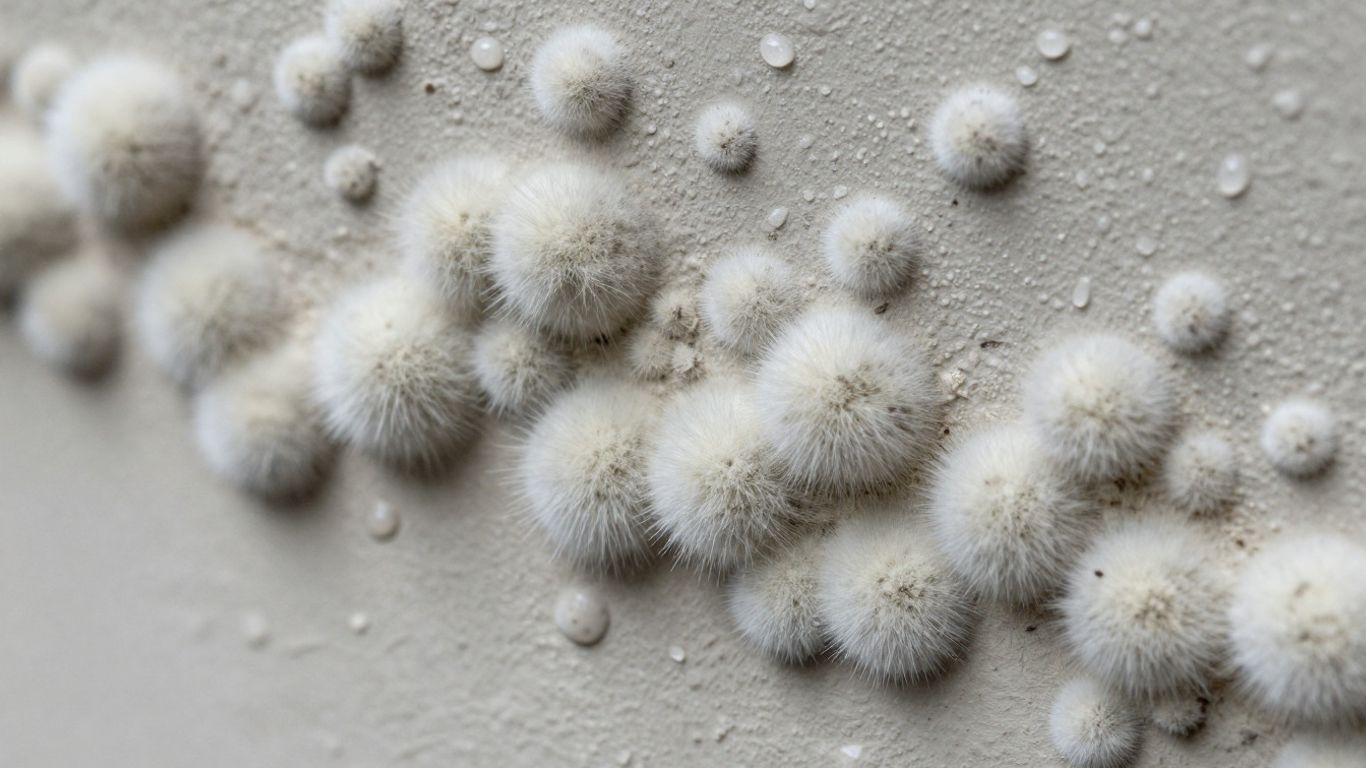
You know, it’s easy to think mold just pops up out of nowhere, but that’s really not the case. Mold needs moisture to grow, plain and simple. If you’re seeing white mold, or any mold for that matter, it’s a big sign that there’s a water problem somewhere. And honestly, finding that water problem can be trickier than you’d think.
Beyond Obvious Leaks: Hidden Moisture Problems
Most people picture a leaky pipe under the sink or a dripping faucet when they think about moisture. Those are definitely culprits, but they’re often the easy ones to spot. The real trouble starts with the hidden moisture. Think about condensation forming on cold pipes in a basement, or moisture wicking up through a foundation from damp soil. Sometimes, it’s just poor ventilation in a bathroom or kitchen, letting steam build up and create damp spots. Even a slightly misaligned gutter can direct water to seep into your walls over time. The key takeaway is that visible water damage is often just the tip of the iceberg.
Specialized Tools for Moisture Detection
Because these moisture sources can be so sneaky, you often need more than just your eyes to find them. Professionals use tools that can detect moisture you can’t see or feel. Infrared cameras, for example, can spot temperature differences on walls that indicate hidden water. Moisture meters can tell you how wet building materials actually are, even if they look dry on the surface. Hygrometers measure the humidity in the air, which can point to a larger moisture issue. These tools are really helpful for getting a clear picture of what’s going on, especially in places like attics and crawl spaces.
The Necessity of Moisture Source Elimination
So, you’ve found the mold, and maybe you’ve even found the source of the moisture. Great! But here’s the thing: just cleaning the mold isn’t going to solve the problem long-term. If you don’t fix what’s causing the moisture, the mold will just come back. It’s like trying to bail out a boat with a hole in it without plugging the hole first. You have to eliminate the moisture source completely. This might mean fixing a roof leak, improving ventilation, sealing foundation cracks, or repairing plumbing. Without addressing the root cause, you’re just setting yourself up for more mold growth down the line. It’s all about preventing mold growth by tackling the water issue head-on.
Conclusion
So, is white mold dangerous? The evidence we’ve looked at clearly shows that dismissing white mold as harmless is a mistake. It can cause real health problems, damage your home, and spread easily if not handled correctly. Don’t rely on simple cleaning or color to judge the risk. If you see white mold, it’s best to get a professional opinion to make sure your home stays safe and healthy for everyone living in it.
Frequently Asked Questions
Does all white mold cause health problems?
Not every single type of white mold is super harmful, but many kinds can cause breathing issues or allergic reactions. The tricky part is you can’t tell which is which just by looking. It’s always safer to treat any mold growth as a potential problem until you know for sure.
Can I just wipe away small spots of white mold myself?
For really tiny spots on hard surfaces like tile, a careful wipe-down might be okay if you wear gloves and a mask. But if the mold is on things like drywall or wood, or if it covers a bigger area, cleaning it yourself can actually spread the spores and make things worse. It’s usually best to call in the pros for anything more than a minor spot.
What health signs mean I need to call a mold expert right away?
If you or someone in your house has ongoing coughs, trouble breathing, gets sick often with lung stuff, feels tired all the time without a reason, or has skin rashes, it might be mold. These symptoms suggest you should see a doctor and also get your home checked for mold.
Are those home mold test kits reliable?
Those kits can tell you if mold is present, which is a start. But they usually can’t tell you exactly what kind of mold it is or if it’s producing dangerous toxins. Professional testing gives you a much clearer picture of the problem and what needs to be done.
If I clean off the visible white mold, is the problem solved?
Nope, usually not. Just cleaning the surface mold is like mowing the lawn without pulling the roots. The mold will likely grow back because the hidden parts and the moisture source are still there. Real fixing means getting rid of the moisture and the mold completely.
How does white mold damage my house?
White mold eats away at things like wood and drywall. It breaks down these materials, making them weaker. What might start as a small problem can lead to serious structural issues if left untreated, costing a lot to repair later on.
