Here are the main points to remember about using Concrobium Mold Control for effective mold removal and prevention in your home.
Key Takeaways
- Concrobium Mold Control works by crushing mold spores and preventing regrowth, rather than using harsh chemicals.
- Proper surface preparation, including cleaning away loose debris, is important before applying Concrobium.
- Allowing adequate contact time is crucial for Concrobium to effectively kill mold and inhibit its return.
- Concrobium kills mold but may not remove stains; separate strategies are needed for discoloration.
- Preventing mold regrowth relies heavily on controlling moisture sources and maintaining low humidity levels.
Understanding Concrobium Mold Removal
Concrobium Mold Control is one of the most well-regarded solutions for tackling home mold issues. Whether you’re staring at black spots in your shower or catching a musty odor from a forgotten shed, knowing how this product works (and where it shines) can make a big difference.
How Concrobium Mold Control Works
Concrobium doesn’t rely on bleach or harsh chemicals—it works by crushing mold spores at a cellular level as it dries. The product forms a barrier over the affected area, then collapses the fungus structure so it can’t grow back. Here’s the basic process:
- Spray directly onto visible mold or moldy surfaces
- Allow the area to dry completely (the action happens during this phase)
- Optional: Once dry, scrub and wipe up any leftover mold residue
For more on safe use, it’s important to note that Concrobium is a water-based solution. It doesn’t off-gas or leave any dangerous residues, so even in small rooms, it’s generally considered nontoxic for most household situations (Concrobium Mold Control safety).
Mold isn’t just an eyesore—it can trigger allergies or even cause lasting damage to your stuff if you don’t address it, so quick action is always best.
Effectiveness Compared to Other Cleaners
When folks compare Concrobium to items like bleach, hydrogen peroxide, or vinegar, there are definitely some differences. Check out this quick table to see how they stack up:
| Cleaner | Mold Kill Rate | Fumes/Odor | Residue | Effect on Surfaces |
|---|---|---|---|---|
| Concrobium | High (~85%) | None | None | Safe for most |
| Bleach | High | Strong, damaging | Can bleach | Can damage surfaces |
| Hydrogen Peroxide | High | Mild | None | Safe, may bleach |
| Vinegar | Medium | Mild | None | Safe for most |
Concrobium works a little slower than the quick-kill effect of bleach but doesn’t leave behind hazardous fumes or discolor surfaces.
Reasons People Choose Concrobium:
- No harsh chemical smell left behind
- Minimal prep/cleanup compared to bleach
- Safe for use around kids and pets
Safe Breakdown Products
One thing homeowners like about Concrobium is what happens to it after it dries. Its active ingredients break down into safe components: mostly water and salt. This means there’s no need to worry about toxic build-up in your home after use. You’ll find it particularly handy for treating bathrooms, closets, and other frequently used spaces.
- Leaves behind no toxic residues
- Doesn’t harm wood, fabrics, tiles, or painted walls
- Great for recurring moisture spots where safety matters
If you’re looking for a reliable, family-friendly option for tackling and removing bathroom mold with minimal fuss, Concrobium is a solid bet. It works differently than many chemical cleaners, but for homes, that can be a good thing.
Effective Concrobium Mold Removal Techniques
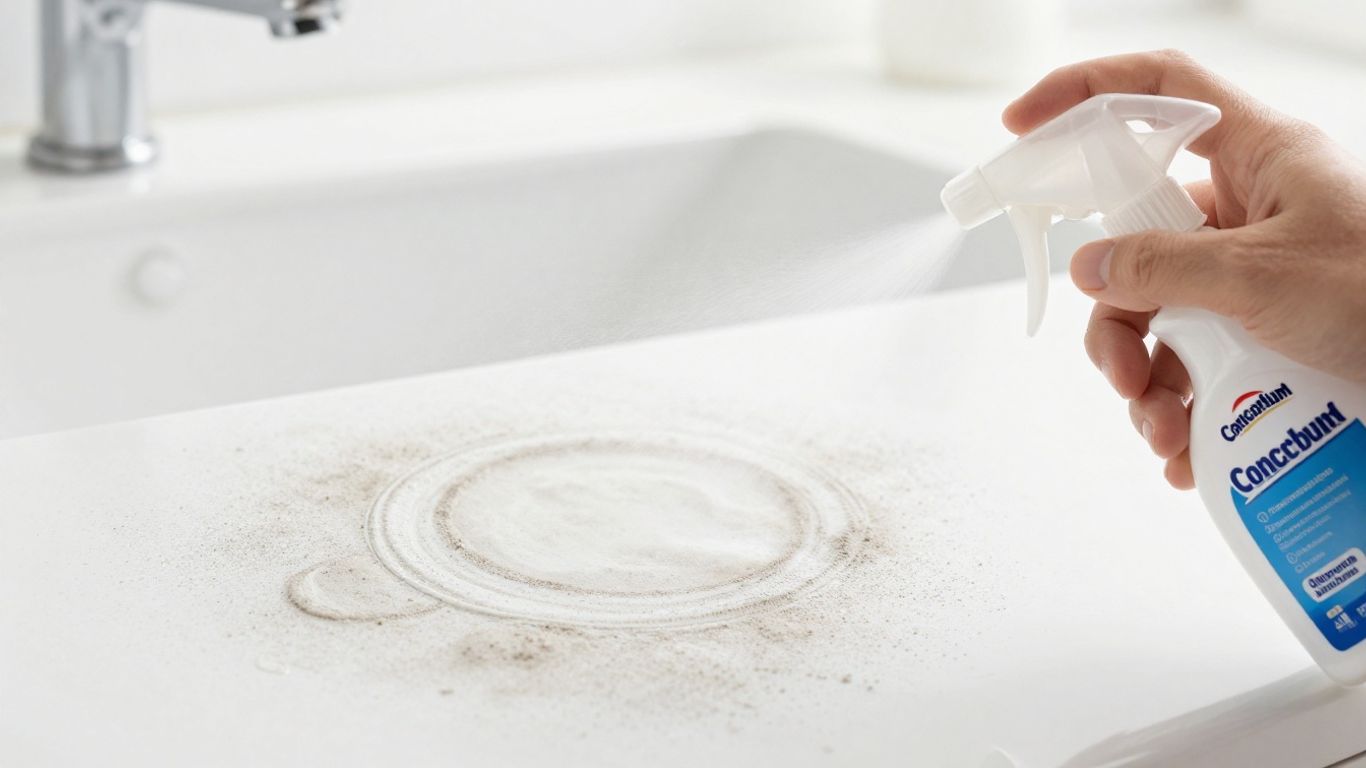
Alright, so you’ve got Concrobium Mold Control, and you’re ready to tackle that fuzzy stuff. It’s not super complicated, but doing it right makes a big difference. Let’s break down how to actually use it.
Surface Preparation for Treatment
Before you even think about spraying, give the area a once-over. You don’t need to go crazy scrubbing, but if there’s loose dirt, dust, or debris, wipe it away. This helps Concrobium get to the mold itself instead of just cleaning around gunk. Think of it like prepping a canvas before you paint – you want a clean surface for the best results.
Optimal Application Methods
Using Concrobium is pretty straightforward. The main thing is to apply it generously. You want to thoroughly wet the moldy surface. Don’t just mist it; really saturate the area. This gives the product the time it needs to work. After you’ve applied it, you just let it dry. No rinsing is needed, which is a nice bonus.
- Spray generously: Cover the entire moldy area and a bit beyond.
- Allow to dry completely: This is when Concrobium does its magic, crushing mold spores.
- No rinsing required: Once dry, the product leaves a protective layer.
The key is to let Concrobium dry on the surface. It’s during the drying process that it breaks down the mold. Wiping it off too soon or not applying enough can really cut down on its effectiveness.
Ensuring Adequate Contact Time
This is where Concrobium really shines compared to some other cleaners. You don’t need to stand there with a timer. Once you’ve applied the product and it’s drying, it’s doing its job. The longer it can stay on the surface as it dries, the better. So, after you’ve sprayed, just leave it alone. Let it air dry naturally. If you’re treating a particularly damp area, you might want to improve ventilation to help it dry faster, but don’t wipe it away. You can find more tips on how Concrobium Mold Control works if you’re curious about the science behind it.
Addressing Mold Stains After Concrobium Treatment
So, you’ve used Concrobium Mold Control, and the mold itself is gone. That’s great! But sometimes, even after the mold is dead and gone, those stubborn stains stick around, leaving your surfaces looking less than ideal. It’s a common situation, and it’s important to know what to do next.
Limitations of Mold Killers on Stains
Concrobium is fantastic at killing mold spores and preventing regrowth, but it’s not really designed as a stain remover. Think of it like this: it gets rid of the living mold, but the discoloration left behind is like a shadow. The product’s primary job is to eliminate the mold organism, not necessarily to lift pigment from surfaces. This means that after treatment, you might still see those dark spots or patches, especially on porous materials like drywall or wood.
Complementary Stain Removal Strategies
Don’t despair if stains remain! There are a few ways to tackle them. For non-porous surfaces like tile or sealed countertops, a good scrub with a general household cleaner might do the trick. If the stains are more persistent, especially on painted surfaces or wood, you might need something a bit stronger. Products specifically designed for stain removal can be very effective. For instance, some professionals use products like RMR-86 which are formulated to break down and lift those tough mold stains quickly. Always remember to test any new cleaner in an inconspicuous spot first to make sure it doesn’t damage the surface.
Here’s a quick rundown of what you might try:
- Mild Stains: Try a paste of baking soda and water. Apply it to the stain, let it sit for a bit, then gently scrub and wipe clean.
- Moderate Stains: A diluted solution of white vinegar or hydrogen peroxide can sometimes lift stains. Apply, let it dwell for a short period, then scrub and rinse.
- Tough Stains: Consider a dedicated mold stain remover. Always follow the product instructions carefully and ensure good ventilation.
When dealing with stains, patience is key. Some discoloration might be permanent damage to the material itself, especially if the mold had been there for a long time. In such cases, the best solution might be to repaint or refinish the affected area after the mold is completely gone and the surface is clean.
Preventing Future Discoloration
The best way to avoid dealing with stains is to prevent mold from growing in the first place. This means controlling moisture is your number one priority. Regularly inspect areas prone to dampness, like bathrooms, kitchens, and basements. Fixing leaks promptly and improving air circulation can make a big difference. Keeping humidity levels in check is also super important. You can use dehumidifiers in damp areas and make sure your home is well-ventilated, especially after activities that create moisture, like showering or cooking. For more on keeping your home dry, check out identifying and controlling moisture sources.
Preventing Mold Regrowth After Concrobium Use
So, you’ve tackled the mold with Concrobium, and things are looking up. But here’s the thing: just killing the mold isn’t the end of the story. Mold is sneaky, and if you don’t address what allowed it to grow in the first place, it’ll be back. The real win is keeping it gone for good.
Identifying and Controlling Moisture Sources
Mold needs water to survive and thrive. Think of it like a plant – no water, no plant. So, the first step in keeping mold away is to find out where the moisture is coming from and stop it. This could be anything from a leaky pipe under the sink to condensation on your windows. You’ve got to be a bit of a detective here.
- Check for leaks: Go around your house and look for any drips, puddles, or damp spots. Pay close attention to bathrooms, kitchens, basements, and attics.
- Manage condensation: If you see moisture forming on windows or pipes, it’s a sign that the air is too humid or the surface is too cold. Improving ventilation or insulation can help.
- Fix plumbing issues: Don’t put off fixing leaky faucets, pipes, or toilets. Even a small drip can create a big mold problem over time.
- Address drainage: Make sure water drains away from your home’s foundation. Clogged gutters or poor grading can lead to water seeping into your basement.
Mold thrives in damp environments. Simply cleaning the visible mold without fixing the underlying moisture issue is like putting a band-aid on a broken bone. You’re only treating the symptom, not the cause.
Maintaining Optimal Humidity Levels
Even if you don’t have obvious leaks, high humidity can still encourage mold growth. The goal is to keep the relative humidity in your home below 50%. This creates an environment that’s much less friendly to mold spores.
- Use dehumidifiers: These machines pull moisture out of the air. They’re especially useful in basements, bathrooms, and other damp areas. You’ll need to empty them regularly, of course.
- Ventilate properly: Use exhaust fans in bathrooms when showering and in the kitchen when cooking. Open windows when the weather is dry to let fresh air circulate.
- Monitor humidity: A simple hygrometer can tell you the humidity level in different rooms. This helps you know when and where you need to take action. You can find these pretty easily online.
Long-Term Prevention Strategies
Keeping mold away is an ongoing effort, not a one-time fix. It’s about making smart choices that create a less hospitable environment for mold.
- Use mold-resistant products: When renovating or painting, consider using products that are specifically designed to resist mold. Many paints and primers now have this feature built-in.
- Clean regularly: Dust and dirt can provide food for mold. Regular cleaning, especially in areas prone to moisture, can help prevent spores from taking hold. This includes cleaning out gutters and ensuring good airflow around your home.
- Consider professional application: For areas that are particularly prone to mold or where you’ve had a recurring problem, applying a protective treatment like Concrobium can offer continuous defense against mold. This creates an invisible barrier that helps prevent future growth.
Remember, consistency is key. By regularly checking for moisture issues and maintaining a dry environment, you can significantly reduce the chances of mold coming back.
When Concrobium Mold Removal Requires Professional Help
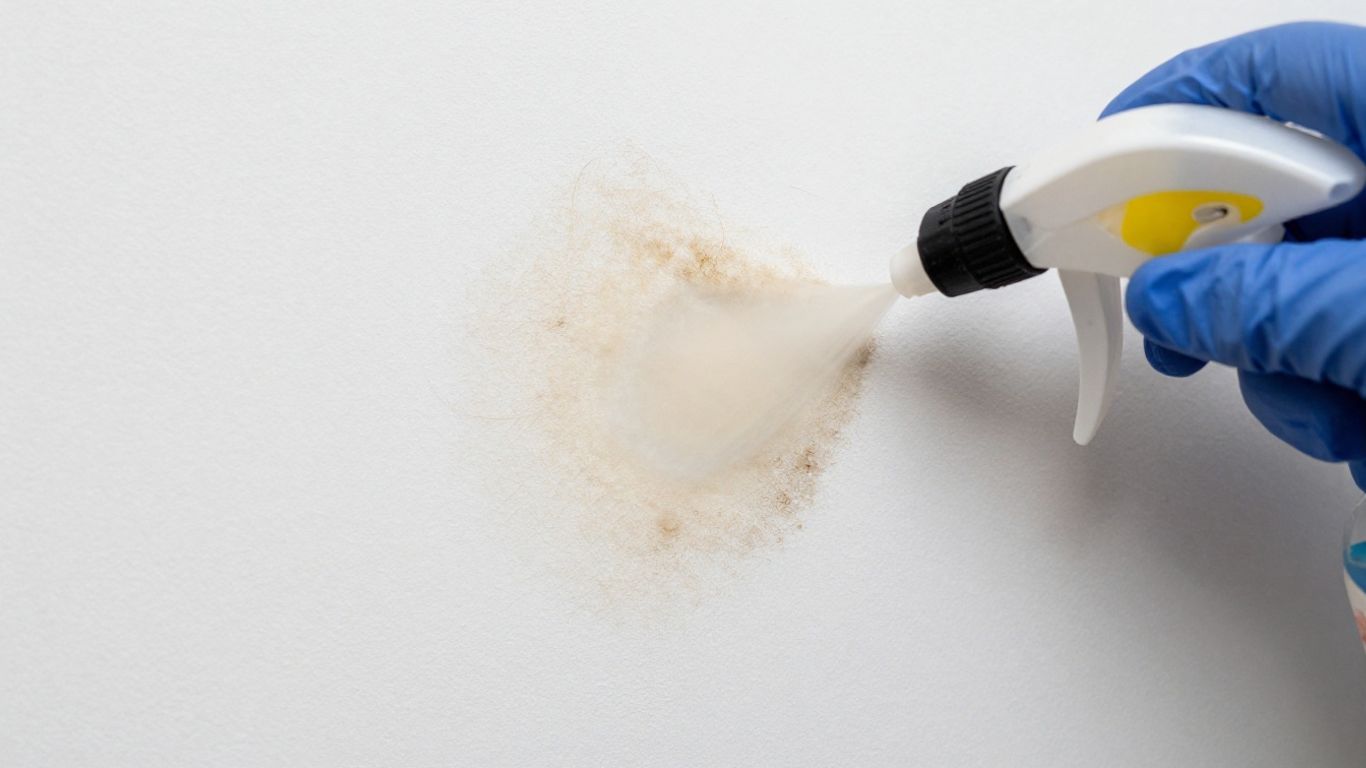
While Concrobium Mold Control is a solid choice for many household mold issues, there are definitely times when it’s best to call in the pros. Trying to tackle a massive mold problem yourself can sometimes make things worse, or at least not solve the root cause. Knowing your limits is key to a truly mold-free home.
Signs of Extensive Mold Growth
If you’re seeing mold spread across more than about 10 square feet, it’s probably time to get professional help. That’s a pretty big area, and it suggests the mold might be deeper than just the surface. Also, if you notice mold in your HVAC system, that’s a big red flag. Mold spores can travel through your ductwork and spread throughout your entire house, making it a much bigger problem than you initially thought. It’s not just about cleaning the visible spots; it’s about making sure the air you breathe is clean.
- Mold covering an area larger than 10 square feet.
- Mold found inside your heating or cooling system (HVAC).
- Mold growing in hidden spaces like behind walls or under flooring.
- Persistent mold that keeps coming back even after multiple treatments.
Sometimes, mold can hide in places you can’t see, like inside walls or under carpets. These hidden spots can be a constant source of spores and moisture, making DIY treatments ineffective in the long run.
Health-Based Triggers for Expert Intervention
Your health, and the health of your family, should always come first. If anyone in your household is experiencing health issues that you suspect are related to mold exposure, it’s wise to seek professional advice. This is especially true for vulnerable groups like young children, the elderly, or individuals with compromised immune systems. Symptoms like persistent coughing, wheezing, skin rashes, or unexplained fatigue that seem to improve when you leave the house are strong indicators that a professional assessment is needed. They have the tools to test the air quality and identify the extent of the problem safely.
Professional Advantages Over DIY
Professionals bring a lot to the table that you just can’t get with a store-bought cleaner. They have specialized equipment, like industrial-grade air scrubbers and moisture meters, that can detect and remove mold more effectively. They also have access to stronger cleaning agents and containment methods to prevent cross-contamination. Plus, many professional mold remediation services offer warranties on their work, giving you peace of mind that the job is done right. For serious mold issues, professional mold remediation is often the most reliable route.
Here’s a quick look at what they offer:
- Advanced Diagnostics: Professionals can use tools like thermal imaging and moisture mapping to find all the affected areas, even hidden ones.
- Specialized Equipment: They use HEPA filters, professional-grade antimicrobials, and containment systems to ensure thorough and safe removal.
- Warranties and Follow-up: Many companies stand by their work with guarantees and offer follow-up inspections.
Conclusion
Tackling mold with Concrobium Mold Control can be a straightforward process if you follow the right steps. Remember, killing the mold is just part of the job. Controlling moisture, preparing surfaces properly, and giving the product enough time to work are all key. Don’t forget that mold stains might need extra attention, and persistent or widespread mold issues might call for professional help. By staying on top of moisture and humidity, you can keep your home mold-free long after the initial cleanup.
Frequently Asked Questions
How does Concrobium Mold Control actually kill mold?
Concrobium works a bit differently than other cleaners. Instead of using strong chemicals, it crushes the mold spores. This stops them from growing and reproducing. It’s like disabling the mold so it can’t come back.
Will Concrobium remove the black stains left by mold?
Not always. Concrobium is great at killing the mold itself, but it doesn’t always get rid of the dark marks or stains that mold leaves behind. You might need to use a different cleaner or scrub a bit more to remove those stubborn stains after the mold is dead.
How long should I leave Concrobium on a surface?
You need to let Concrobium sit on the moldy area for a while. The exact time can vary, but generally, you want to give it enough contact time to really do its job. Check the product label for specific instructions, but think at least 10 minutes or more for best results.
What’s the best way to apply Concrobium?
You usually spray Concrobium directly onto the moldy surface. Make sure to cover the area well. After it has had enough time to work, you might need to wipe or scrub gently, depending on the surface. Always make sure the area dries properly afterward.
Can I use Concrobium on painted walls?
Yes, Concrobium is generally safe for most surfaces, including painted walls. It doesn’t usually cause discoloration. However, it’s always a good idea to test it on a small, hidden spot first, just to be absolutely sure it won’t affect the paint finish.
What if the mold comes back after using Concrobium?
If mold returns, it usually means there’s still a moisture problem. Mold needs water to grow. You’ll need to find out where the water is coming from – maybe a leaky pipe, high humidity, or poor ventilation – and fix that issue. Concrobium stops mold, but it can’t stop water.
