Here are the main points to remember about finding mold in your house. Keep these in mind to help keep your home healthy and mold-free.
Key Takeaways
- Look for visible signs like discoloration and water stains, and trust your nose if you smell a musty odor.
- Check common moisture spots: bathrooms, kitchens, basements, and around windows or leaky pipes.
- DIY test kits can offer a quick check, but they aren’t always accurate and can’t find hidden mold.
- Professional inspections use special tools to find mold you can’t see and pinpoint the moisture source.
- Fixing water leaks and drying out damp areas promptly is the best way to stop mold from growing in the first place.
Understanding Mold’s Presence in Your Home
Mold is a natural part of our environment, but when it starts growing inside your house, it can turn into a real problem. It thrives in damp, dark places, and unfortunately, many homes provide just the right conditions. Recognizing the signs early is key to preventing bigger issues down the road.
Common Signs of Mold Growth
Spotting mold isn’t always as simple as seeing a fuzzy green patch. Sometimes, it’s more subtle. You might notice a persistent musty smell, especially after rain or in areas that don’t get much airflow. This odor is often the first clue that mold is present, even if you can’t see it.
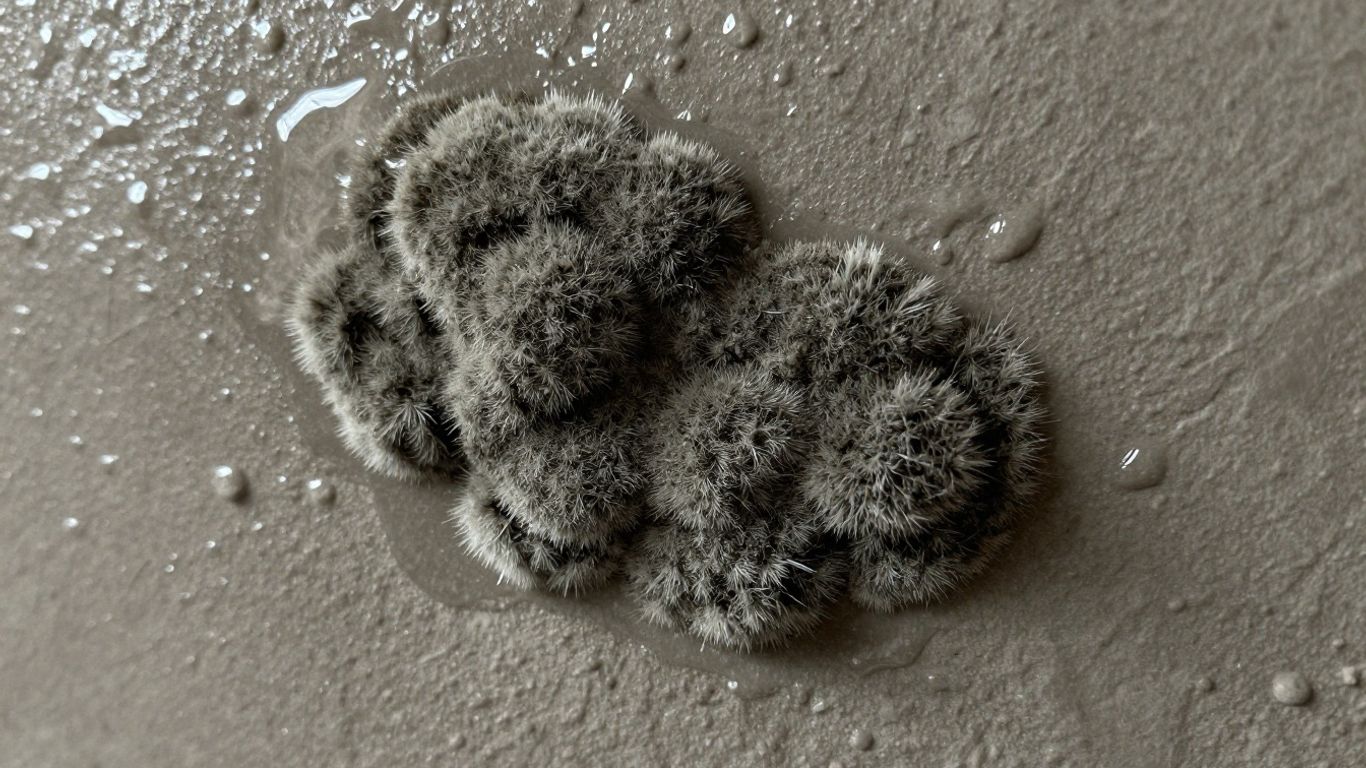
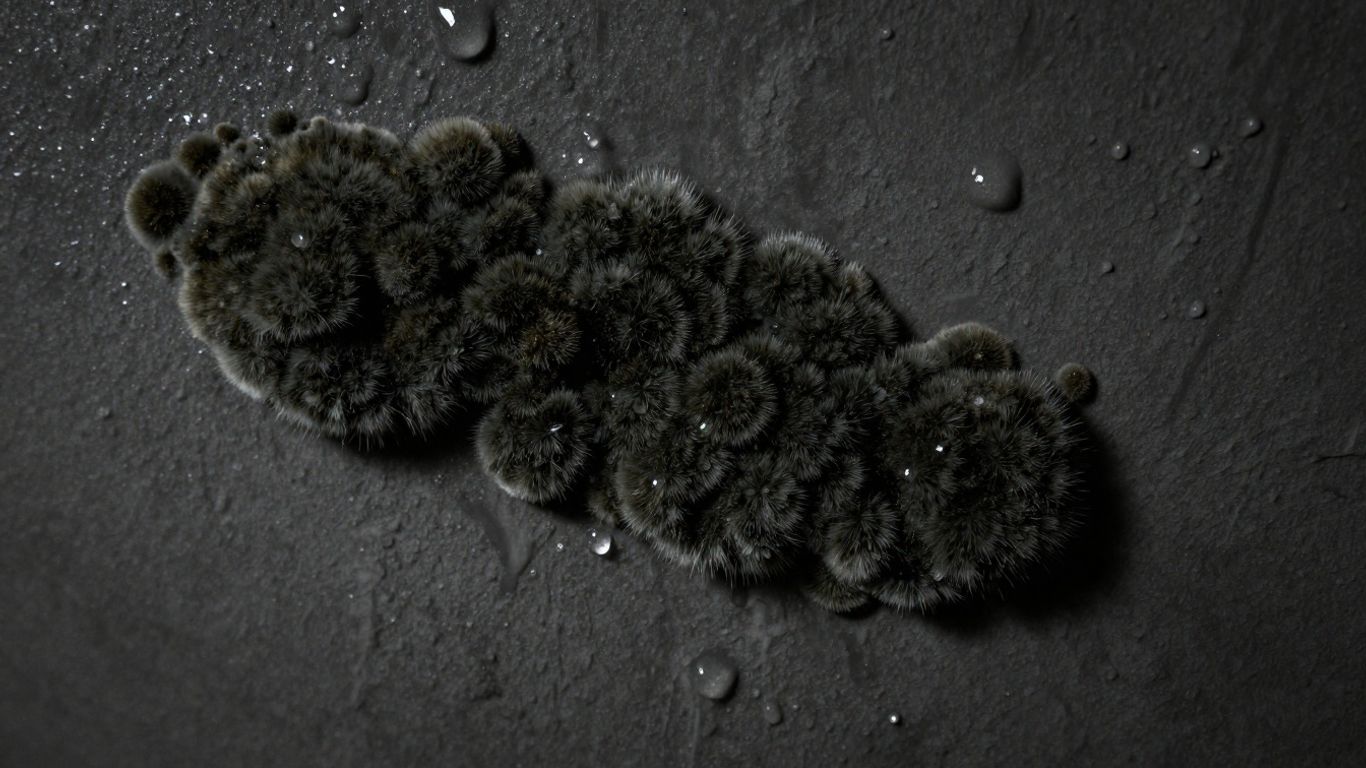
- Visible Growth: Look for discolored patches, which can be black, green, white, or even orange, on surfaces like walls, ceilings, and bathrooms.
- Musty Odors: A persistent damp, earthy, or musty smell, particularly in basements, bathrooms, or areas with past water damage.
- Water Stains: Dark spots or rings on walls, ceilings, or around windows can indicate past or ongoing moisture problems that encourage mold.
- Peeling Paint or Wallpaper: Moisture trapped behind these materials can cause them to bubble or peel, creating a perfect spot for mold.
Health Implications of Mold Exposure
Living with mold isn’t just an aesthetic issue; it can affect your health. Mold spores are microscopic and can become airborne, which means you can inhale them without even realizing it. For some people, this exposure can lead to a range of symptoms, from mild irritation to more serious respiratory problems.
Mold exposure can trigger allergic reactions and asthma symptoms in sensitive individuals. Symptoms can include sneezing, runny nose, red eyes, skin rash, and difficulty breathing. For those with existing respiratory conditions, mold can significantly worsen their health.
Common symptoms include:
- Sneezing and coughing
- Runny or stuffy nose
- Eye, nose, and throat irritation
- Headaches
- Skin rashes or hives
- Aggravated asthma symptoms
Seasonal Mold Patterns and Your Health
Mold growth isn’t static; it can change with the seasons. Humid climates, like those found in many parts of the country, often see an increase in mold activity during warmer, wetter months. This can be particularly challenging for allergy sufferers, as mold spores can mix with pollen, creating a double whammy for your respiratory system. Understanding these seasonal shifts can help you be more prepared. For instance, if you live in an area prone to high humidity, you might want to pay extra attention to ventilation and moisture control during the summer months. This vigilance can help prevent mold from taking hold and impacting your health.
It’s also worth noting that even in drier seasons, indoor moisture sources like leaky pipes or condensation can still provide enough dampness for mold to grow year-round. So, while seasonal patterns are important, consistent monitoring is always a good idea.
Visual Inspection: Your First Line of Defense
Before you even think about test kits or calling in the pros, your own eyes are your best tool for spotting mold. It’s like being a detective in your own home, looking for clues that something isn’t quite right. The most obvious signs are usually discoloration or fuzzy patches on surfaces, but mold can be sneaky.
Areas Prone to Moisture Accumulation
Mold absolutely loves damp places. So, where should you be looking? Think about all the spots in your house where water likes to hang out or where condensation can build up.
- Bathrooms: Check around tubs, showers, sinks, and especially behind the toilet. Grout and caulk are prime real estate for mold.
- Kitchens: Look under the sink, around the dishwasher, and near the refrigerator’s ice maker line.
- Basements and Crawl Spaces: These areas are often damp. Inspect walls, floors, and any stored items.
- Attics: Leaky roofs or poor ventilation can create moldy conditions up here.
- Windows and Doors: Condensation can form around frames, especially in colder months. Look for peeling paint or water stains.
- Laundry Rooms: Leaks from washing machines or dryers are common culprits.
Using Tools for Hard-to-Reach Spots
Sometimes, mold hides where you can’t easily see it. Don’t let that stop you! A few simple tools can help you get a better look.
A flashlight is your best friend for peering into dark corners, closets, or under cabinets. For those really awkward spots, like behind appliances or in tight ductwork, a small mirror can be a lifesaver. You might even consider a cheap endoscope camera that connects to your phone; these can snake into small openings and show you what’s going on. This can be especially helpful when you’re looking at potential issues in your home.
Documenting Your Findings
If you spot something suspicious, don’t just forget about it. Taking good notes and pictures is super important. It helps you track changes over time and gives professionals a clear picture if you end up needing their help.
- Take Photos: Get clear pictures of any discolored spots, fuzzy patches, or water damage. Try to capture the area in relation to other objects so you can tell how big it is.
- Write Down Details: Note the date, the location of the suspected mold, what it looks like (color, texture), and any smells you notice. Also, jot down any recent water events like leaks or spills.
- Keep a Log: If you’re monitoring an area, keep a running log of your observations. This consistent record is invaluable.
Remember, a thorough visual inspection is your first and often most effective step. It doesn’t require fancy equipment, just a bit of time and attention to detail. Don’t underestimate what you can find just by looking closely.
Even if you don’t see anything obvious, a musty smell can be a sign of hidden mold. If you’re concerned, it might be worth looking into a standard home inspection to get a professional opinion.
DIY Mold Testing: Capabilities and Limitations
So, you’ve spotted something fuzzy or smelled that musty odor and are wondering if it’s mold. Before you call in the pros, you might be thinking about a DIY mold test kit. These kits are pretty common and can be found online or at your local hardware store. They promise a quick way to check for mold without a big expense. They can be a good first step for a basic screening, especially if you’re just trying to get a general idea.
Benefits of Home Mold Test Kits
These kits are definitely appealing for a few reasons. For starters, they’re way cheaper than hiring someone. You can grab a basic kit for around $20 to $60, which is a fraction of what a professional inspection might cost. Plus, you can use them whenever you want, no need to schedule an appointment. This is super handy if you discover a potential issue after a big rainstorm or notice something odd on a Saturday morning. They’re also useful for keeping an eye on areas where you’ve had mold problems before. If you’ve dealt with mold in the bathroom, for example, a quick test every few months can give you some peace of mind.
- Affordability: Significantly less expensive than professional services.
- Convenience: Test anytime, anywhere, without scheduling.
- Monitoring: Good for checking on previously affected areas.
Understanding Test Kit Accuracy
When you get a DIY kit, you’re usually looking at a few different types. Some involve swabbing a surface, others involve collecting air samples, and some are petri dishes where you let airborne spores grow. The results you get can be a bit of a mixed bag. While some kits might give you a clear ‘yes’ or ‘no’ for certain types of mold, they often don’t tell the whole story. The accuracy can vary a lot between brands and types of tests. It’s important to remember that mold spores are everywhere, so finding some mold isn’t always a disaster. The real concern is the type and amount of mold, and whether it’s linked to a moisture problem.
When DIY Testing Falls Short
Here’s where things get tricky. DIY kits have some pretty big blind spots. They’re generally not great at finding mold that’s hiding behind walls, under carpets, or inside your HVAC system. That’s often where the most serious mold growth happens. Think of it like trying to figure out what’s wrong with your car by only looking at the tires; you’re missing a huge part of the picture. These kits also won’t tell you why the mold is growing in the first place – they can’t identify the water source. So, you might clean up the visible mold, but if the leak isn’t fixed, it’ll just come back. For a truly reliable assessment, especially if you suspect a hidden problem or have health concerns, it’s best to consult with a professional. They have the tools and knowledge to get a complete picture of your home’s mold situation.
DIY tests can give you a starting point, but they often lack the ability to identify the root cause of mold growth or detect hidden infestations. Relying solely on these kits might lead to a false sense of security or unnecessary worry.
It’s also worth noting that interpreting the results can be confusing. A positive result doesn’t always mean you have a dangerous mycotoxin-producing mold; it could just be common household mildew. Without expert guidance, you might misinterpret what the findings mean for your health and your home. For a more thorough evaluation, consider looking into professional mold inspection services.
The Role of Professional Mold Inspections
Sometimes, you just need to call in the pros. While DIY kits can give you a general idea, they often miss the bigger picture. Professional mold inspectors have the tools and know-how to really get to the bottom of things. They’re not just looking at what’s visible; they’re trained to find hidden mold that could be causing all sorts of problems.
Advanced Tools for Detection
Professionals come equipped with gear that goes way beyond what you’d find in a home test kit. Think thermal imaging cameras that can spot moisture behind walls, even if there’s no visible stain. They also use moisture meters to measure the dampness in building materials, which is a big clue for hidden mold. Plus, they know how to use specialized borescopes to peek into small spaces like wall cavities or ductwork without causing damage. These advanced tools are key to uncovering mold growth that you’d never find on your own.
Identifying Hidden Mold Issues
Mold loves to hide. It can grow in attics, crawl spaces, inside wall cavities, under carpets, and within your HVAC system. These are places you can’t easily see or reach. Professionals are trained to recognize the subtle signs of hidden mold, like specific odors, changes in building materials, or even just knowing which areas are most susceptible based on the building’s structure and your home’s history. They can also perform air sampling and surface testing to confirm the presence and type of mold, which is important for understanding the potential health risks. For example, a professional inspection can help determine if your home has issues similar to those found in humid climates.
Interpreting Test Results Accurately
Getting a test result is one thing, but understanding what it actually means is another. Professional inspectors don’t just hand you a number; they interpret the findings in the context of your home and health. They can tell you if the mold found is a common household type or something more concerning, like a mycotoxin-producing species. They also know how to correlate air quality readings with surface samples and visual evidence. This detailed analysis helps create a clear picture of the problem. The average cost for residential mold inspections in the U.S. is estimated to range from $400 to $700 in 2026, but this price can vary based on the scope of the inspection and the number of samples taken as noted by industry estimates.
When you suspect mold, especially if you or your family are experiencing unexplained health symptoms, it’s often best to get a professional opinion. They have the experience to identify the source and extent of the problem, which is the first step toward a healthy home environment.
Here’s a quick look at what professionals offer:
- Specialized Equipment: Thermal cameras, moisture meters, borescopes.
- Expert Analysis: Identifying hidden growth and interpreting lab results.
- Actionable Recommendations: Clear steps for remediation and prevention.
- Documentation: Detailed reports for insurance or legal purposes.
When to Call the Experts for Mold Detection
Sometimes, you just know when it’s time to bring in the pros. While DIY mold tests can give you a general idea, certain situations really call for a professional’s touch. If you’ve got a hunch that mold is hiding, or if a big water event has happened, it’s probably best to get an expert opinion. Don’t guess when your health or home’s integrity is on the line.
Suspected Hidden Mold Problems
This is where things get tricky. You might not see any mold, but you can smell that persistent musty odor, especially after rain or in damp areas. This "phantom smell" often means mold is growing behind walls, under floorboards, or even in your HVAC system. Professionals have tools like moisture meters and thermal cameras that can "see" through walls and detect hidden water sources feeding the mold. They can also use air sampling to find out if mold spores are circulating in your air, even if you can’t see the source. If you’re experiencing unexplained health issues that doctors can’t pinpoint, like ongoing sinus problems or respiratory irritation, a hidden mold issue could be the culprit. Getting a professional inspection can help connect the dots between your environment and your well-being. It’s better than just cleaning visible spots and hoping for the best, only to have the smell return.
Large-Scale Water Damage
Anytime your home experiences significant water damage, like from a burst pipe, a leaky roof, or a flood, it’s a red flag for mold. Even if things look dry on the surface after a few days, water can travel surprisingly far and get trapped in places you wouldn’t expect. Think inside wall cavities, under carpets, or in insulation. A professional inspection is key here because they can assess the full extent of the water intrusion and identify all the areas where mold might start to grow. They can also advise on the best way to dry out the affected areas properly, which is super important for preventing mold from taking hold in the first place. For instance, if your basement flooded, you’ll want to look into professional water damage restoration services to make sure everything is handled correctly.
Persistent Health Concerns
If you or your family members are dealing with ongoing health problems that seem to be linked to your home environment, it’s worth investigating mold. This could include things like chronic allergies that don’t improve, worsening asthma symptoms, or frequent respiratory infections. While seasonal allergies are common, if symptoms persist year-round or seem worse indoors, mold exposure might be a factor. A professional inspection can help determine if mold is present and at what levels, providing information that can be shared with your doctor. They can also help identify potential sources of mold that might be affecting your indoor air quality. Sometimes, even if you can’t see mold, the spores can still be in the air and causing issues. Getting a professional assessment can give you peace of mind or confirm that mold is indeed a problem that needs addressing, potentially leading to relief from those nagging health complaints.
Moisture Control: The Key to Mold Prevention
Okay, so we’ve talked about finding mold and what to do about it, but let’s get real: the best way to deal with mold is to stop it from showing up in the first place. And the absolute number one way to do that? Keep things dry. It sounds simple, right? But it’s surprisingly easy to let moisture sneak into your home and set up shop.
Addressing Water Leaks Promptly
Anytime you see a leak, whether it’s a dripping faucet, a leaky pipe under the sink, or a bigger issue from a storm, you’ve got to jump on it. Seriously, don’t wait. Mold can start growing in as little as 24 to 48 hours if a wet spot doesn’t dry out. Think of it like this: if you spill water on your floor, and you wipe it up right away, no harm done. But if you leave it there? You’re basically inviting mold over for dinner.
- Check for leaks regularly: Make it a habit to look under sinks, around toilets, and near appliances that use water.
- Fix leaks fast: Don’t put off repairs. Even a small drip can cause problems over time.
- Dry spills immediately: Keep towels handy for quick cleanups.
The longer water sits around, the more chances mold has to take root and spread. Acting fast is your best bet.
Ensuring Proper Ventilation
Good airflow is super important for keeping moisture levels down. Think about your bathroom after a hot shower – all steamy, right? That steam needs to go somewhere. Same goes for your kitchen when you’re cooking up a storm.
- Use exhaust fans: Always turn on the fan in your bathroom when you shower or bathe, and leave it running for about 30 minutes afterward. Do the same in the kitchen when you’re cooking, especially if you’re boiling water or frying things.
- Open windows: When the weather’s nice, opening windows can help circulate fresh air and dry out damp spots.
- Don’t block vents: Make sure furniture or curtains aren’t blocking air vents or registers. This helps your heating and cooling system work better and keeps air moving.
Drying Water-Damaged Areas
So, you had a leak, or maybe a pipe burst. What now? The key is to dry everything out as quickly as possible. We’re talking within a couple of days, max. If you’ve got a big mess, like from a flood, you might need professional help, but for smaller incidents, you can often handle it yourself.
- Remove wet materials: Get rid of anything that’s soaked and can’t be dried, like wet carpet padding or drywall that’s gotten really wet.
- Use fans and dehumidifiers: Point fans at wet areas to speed up drying. A dehumidifier can pull a lot of moisture out of the air, which helps dry things faster and keeps humidity low. You can find these at most hardware stores, and they’re a good investment if you live in a humid climate or have had water issues before. Controlling moisture is really the name of the game.
- Clean and disinfect: Once everything is dry, clean the area to remove any potential mold spores and prevent future growth. This is especially important if you suspect mold might have already started to form.
Keeping your home dry isn’t just about preventing mold; it also helps keep your home in good shape and can save you money on repairs down the line. It’s a bit of ongoing effort, but way better than dealing with a mold problem later.
Conclusion
Dealing with mold in your home can feel overwhelming, but knowing how to detect it is the first step. By regularly inspecting common problem areas, understanding the limits of DIY kits, and knowing when to bring in the pros, you can protect your home and your health. Remember, controlling moisture is the ultimate key to preventing mold from coming back. Stay vigilant, address water issues quickly, and breathe easier knowing you’re taking proactive steps.
Frequently Asked Questions
What are the first signs I should look for to know if I have mold?
The most obvious signs are seeing fuzzy or discolored patches on walls, ceilings, or other surfaces. Sometimes, mold doesn’t look like much, but you might notice a damp, musty smell, especially in areas that don’t get much airflow. If you smell it, it’s worth investigating.
Are DIY mold test kits reliable?
DIY kits can give you a general idea, but they have limits. They might tell you if mold spores are present, but they often can’t tell you how much mold there is or if it’s a type that’s harmful to your health. Sometimes they give wrong results, so don’t rely on them completely.
Where does mold usually grow in a house?
Mold loves damp places. Think bathrooms, especially around showers and sinks, kitchens, laundry rooms, basements, and attics. Anywhere water might leak or condensation builds up is a prime spot for mold to start growing.
Can mold make me sick?
Yes, mold can cause health problems for some people. It can trigger allergies, leading to sneezing, coughing, and itchy eyes. For people with asthma, mold can make breathing difficult. Some molds can produce substances that are more harmful if inhaled.
When should I definitely call a professional for mold detection?
You should call a pro if you suspect mold is hidden behind walls or under floors, especially after a flood or major water leak. Also, if you have a large amount of mold (like a patch bigger than a small rug) or if you or your family are having ongoing health issues you think might be related to mold.
How can I stop mold from coming back after I find it?
The most important thing is to fix the water problem that allowed the mold to grow. This means fixing leaks, improving ventilation to reduce humidity (like using exhaust fans), and drying out any wet areas quickly. Keeping things dry is the best defense against mold.
