Here are the main points to remember about tackling black mold in your toilet bowl:
Key Takeaways
- Black mold loves damp, dark places, making toilet bowls a common spot for it to grow.
- Cleaning involves turning off water, applying a mold killer (like bleach or vinegar), scrubbing, and rinsing.
- Good ventilation, regular cleaning, and fixing leaks are key to preventing mold from returning.
- Always wear gloves and ensure good airflow when cleaning mold to protect your health.
- If mold problems are severe or keep coming back, consider calling a professional.
Understanding Black Mold in Toilet Bowls
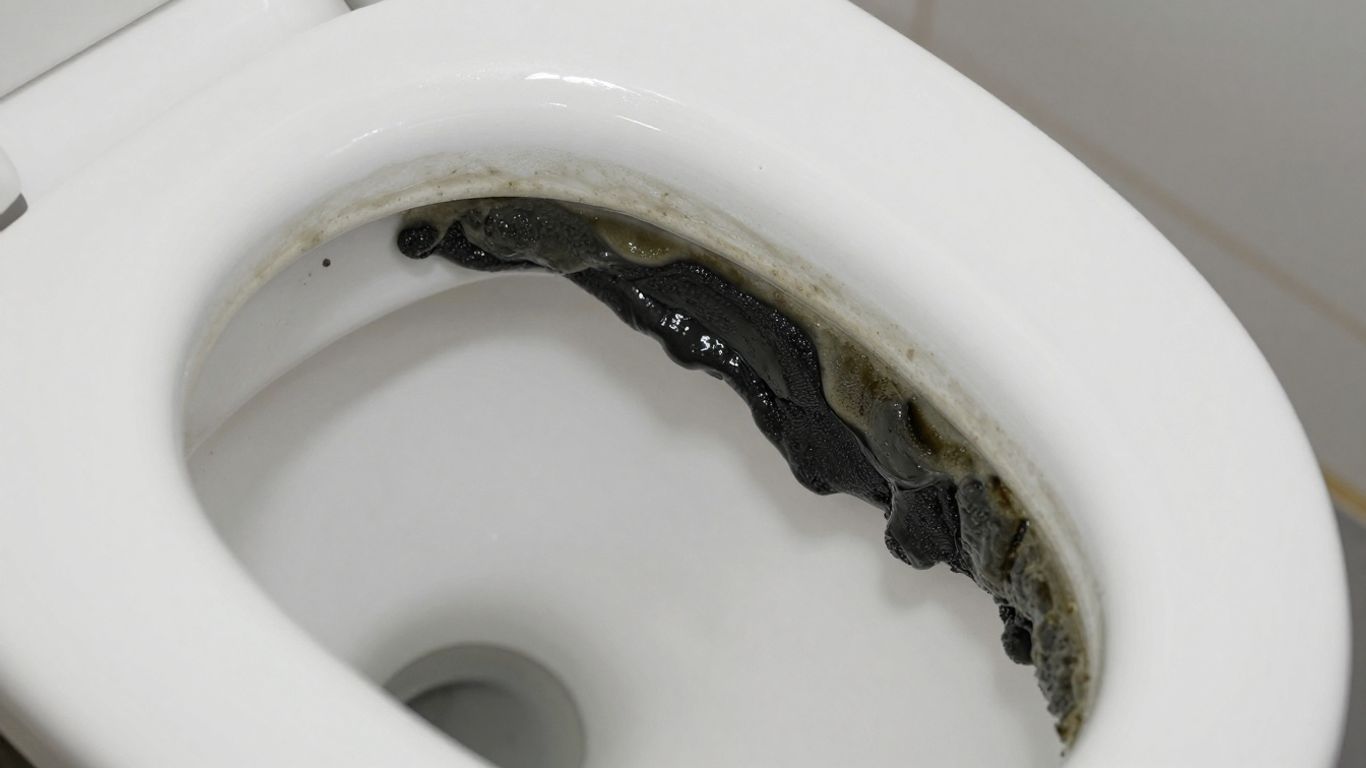
Seeing dark spots or a fuzzy, slimy residue in your toilet bowl or tank can be unsettling. This isn’t just dirt; it’s often a sign of mold, and sometimes, it’s the notorious black mold. Bathrooms, with their constant moisture and warmth, create a perfect breeding ground for these tiny organisms. Understanding why it appears is the first step to getting rid of it and keeping it away.
Why Mold Thrives in Toilet Bowls
Mold needs a few things to grow: moisture, a food source, and the right temperature. Toilets provide all three. The water in the tank, especially if the toilet isn’t used frequently, can become stagnant, giving mold a place to start. Bathrooms also tend to be warmer and have less airflow than other rooms, especially after a hot shower. This damp, warm, and dark environment is ideal for mold spores, which are pretty much everywhere, to take hold and multiply. Mineral deposits in the water can also act as a food source for certain types of mold and bacteria, contributing to that dark gunk you might see. This is why even a clean-looking toilet can develop mold issues over time.
Identifying the Presence of Black Mold
Spotting mold isn’t always straightforward. While some mold is obviously black, other types can look dark green or even brown. You’ll often find it inside the toilet tank, under the rim of the bowl, or around the base of the toilet if there’s a leak. A persistent musty smell in the bathroom is a big clue, even if you can’t see the mold itself. Sometimes, you might notice streaks running down from the tank into the bowl. A flashlight can be helpful for inspecting the dark interior of the tank. If you see dark spots, especially if they feel slimy or fuzzy, it’s a good bet you’re dealing with mold. It’s important to address it quickly, as mold can spread.
Health Risks Associated with Toilet Mold
While not all mold is dangerous, black mold, in particular, can cause health problems for some people. Exposure to mold spores can trigger allergic reactions, leading to symptoms like sneezing, coughing, itchy eyes, and skin rashes. For individuals with asthma or other respiratory conditions, mold can worsen their symptoms, causing breathing difficulties. Vulnerable groups, such as young children, the elderly, and those with weakened immune systems, might be more susceptible to severe reactions. It’s not just about aesthetics; keeping your toilet mold-free is important for maintaining a healthy home environment. Addressing mold promptly can help prevent these health issues from developing or worsening.
Mold thrives in damp, dark places, and your toilet offers just that. The constant presence of water, combined with less-than-ideal airflow in many bathrooms, creates a perfect storm for mold growth. Even if you clean regularly, spores can settle and grow, especially in areas that stay wet. Addressing the root causes, like moisture and poor ventilation, is key to preventing its return.
Effective Methods for Toilet Mold Removal
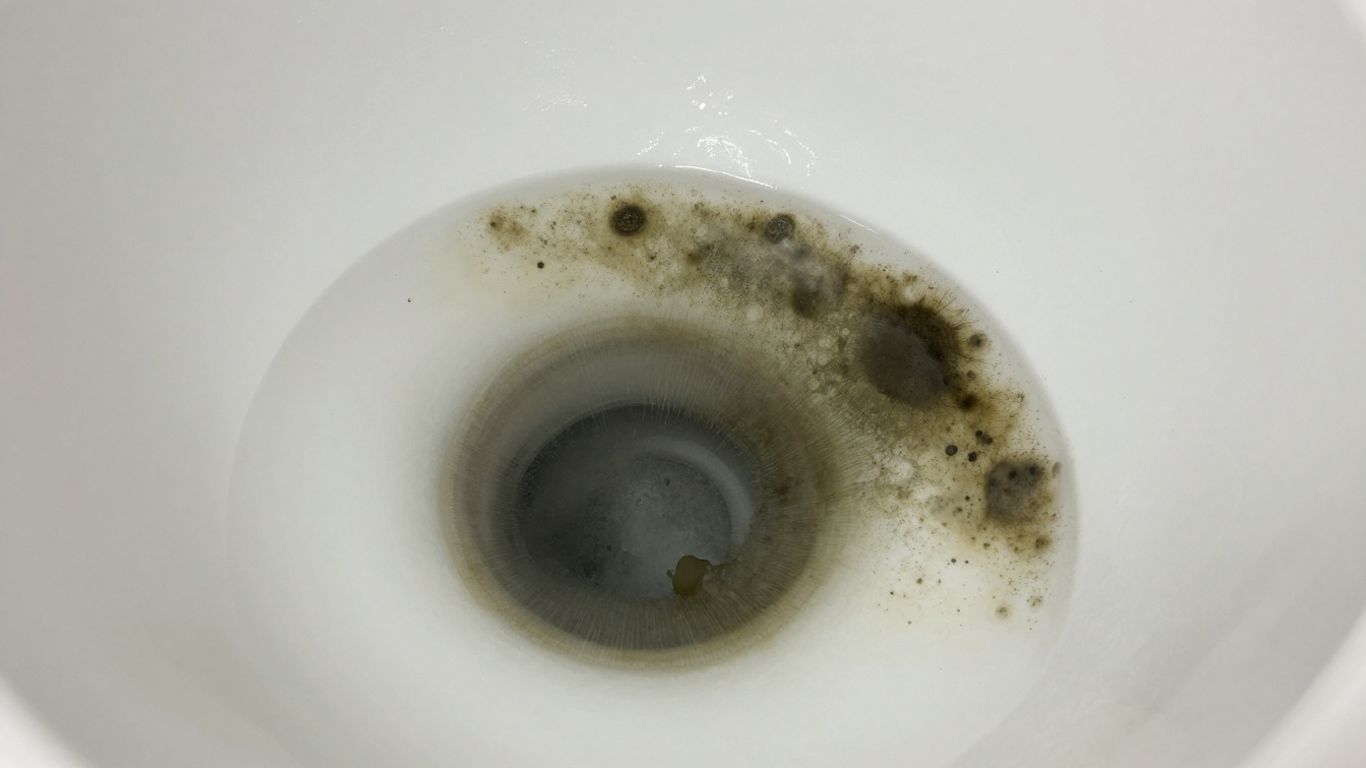
Seeing that fuzzy black stuff in your toilet bowl is never fun. It’s a sign that mold has decided to set up shop, and you’ll want to deal with it pronto. Luckily, getting rid of it isn’t usually a huge ordeal. The key is to be thorough and consistent.
Step-by-Step Guide to Cleaning Mold
Ready to tackle that mold? Here’s a straightforward way to get your toilet looking clean again:
- Gear Up: First things first, put on some rubber gloves. Mold spores aren’t great to breathe in, so protecting yourself is smart.
- Apply Your Cleaner: You can use a commercial mold remover, or opt for a natural solution (more on that below!). Spray it generously inside the toilet bowl, making sure to cover all the moldy areas.
- Let It Work: Give the cleaner some time to do its thing. Depending on the product, this might be 15-20 minutes, or even longer for tougher spots.
- Scrub Away: Grab your toilet brush or a stiff scrub brush and really go to town on the mold. Get into all the nooks and crannies.
- Flush and Rinse: Once you’ve scrubbed, flush the toilet to rinse away the mold and cleaning solution. If you’re using a cleaner that requires rinsing, do that now.
- Dry It Off: Use a clean cloth or paper towels to dry the inside of the bowl. Getting rid of excess moisture helps prevent mold from returning quickly.
Natural Solutions for Mold Eradication
If you’re not a fan of harsh chemicals, there are some pretty effective natural remedies you can try. They work by using the natural properties of common household items to break down and kill mold.
- Vinegar Power: Distilled white vinegar is a fantastic mold killer. Just pour about a cup into the toilet bowl, let it sit for at least 30 minutes (or even overnight for stubborn mold), then scrub and flush. You can also put some vinegar in a spray bottle and spray it directly onto moldy areas outside the bowl, like the base or lid hinges.
- Baking Soda Boost: Baking soda is a mild abrasive and a deodorizer. Sprinkle it generously over moldy spots, then spray with vinegar. The fizzing action helps lift the mold. Let it sit for a bit, scrub, and then flush.
- Hydrogen Peroxide: A 3% solution of hydrogen peroxide can also be effective. Pour a cup into the bowl, let it sit for about 30 minutes, scrub, and flush. It’s good for disinfecting too.
Remember, even after cleaning, mold spores can still be in the air. While these methods tackle the visible mold, consistent cleaning and good ventilation are your best defense against its return.
Using Bleach for Stubborn Mold Stains
For those really tough, set-in mold stains that just won’t budge, bleach can be a powerful ally. However, it’s important to use it carefully and never mix it with other cleaners, especially ammonia or vinegar, as this can create dangerous fumes.
- Ventilate: Open windows and turn on the exhaust fan. Good airflow is a must when using bleach.
- Apply Bleach: Pour about a cup of bleach directly into the toilet bowl. Let it sit for at least 15-20 minutes to allow it to break down the stain.
- Scrub: Use your toilet brush to scrub the stained areas vigorously.
- Flush: Flush the toilet to rinse away the bleach and loosened stains. You might need to repeat this process for very persistent stains. For cleaning the toilet base, you can spray a bleach solution (1 part bleach to 10 parts water) and let it sit before scrubbing. Cleaning mold from a toilet base can be tricky, but bleach can help.
Always follow up with a good rinse and ensure the area is dry afterward. If you’re dealing with a widespread mold issue or if the mold keeps coming back despite your efforts, it might be time to look into professional mold removal services.
Preventing Future Mold Growth
So, you’ve tackled the black mold in your toilet bowl and want to make sure it doesn’t make a comeback. That’s smart thinking! Mold loves damp, dark places, and unfortunately, a toilet bowl can be a prime spot. The good news is, with a few consistent habits, you can keep that unwelcome guest out.
Maintaining Optimal Bathroom Ventilation
Good airflow is your best friend when it comes to stopping mold before it starts. Think of it like this: if you’re constantly breathing in stale air, you don’t feel great, right? Mold feels the same way about stagnant, moist air. Making sure your bathroom has good ventilation is key to preventing mold growth.
Here’s how to boost your bathroom’s air game:
- Use the exhaust fan: If you have one, run it during and for at least 20-30 minutes after every shower or bath. This pulls out all that humid air.
- Open a window: If you don’t have an exhaust fan, or even if you do, cracking a window lets fresh air circulate. Even a little bit of airflow makes a difference.
- Keep the door open: When the bathroom isn’t in use, leave the door ajar. This allows air from the rest of your home to mix in.
Stagnant air is a mold party waiting to happen. Think about it – moisture hangs around, providing the perfect environment for spores to settle and grow. Good ventilation actively removes this moisture, making your bathroom a less hospitable place for mold.
Regular Cleaning Schedules
Consistency is more important than intensity when it comes to cleaning. You don’t need to scrub your toilet with bleach every single day, but letting it go for weeks on end is asking for trouble. A routine cleaning schedule helps remove the tiny bits of organic matter that mold feeds on.
Here’s a suggested schedule:
- Weekly: Give the toilet bowl a good scrub. You can use your regular toilet bowl cleaner or a natural option like vinegar and baking soda. Don’t forget to wipe down the seat, lid, and exterior.
- Monthly: Consider a more thorough clean, perhaps including the tank. Adding a cup of white vinegar to the tank and letting it sit for a few hours before flushing can help keep things fresh. If you’re looking for effective ways to clean, check out this guide on toilet bowl cleaners.
- As needed: If you notice any early signs of mold or discoloration, tackle it immediately. Don’t wait for it to become a bigger problem.
Addressing Leaks and Moisture Issues
Mold needs moisture to grow, so any leaks or persistent dampness in your bathroom are like an open invitation. It’s not just about the toilet bowl itself; check around the base of the toilet, the pipes, and anywhere water might be escaping.
- Check for leaks: Regularly inspect the toilet and surrounding pipes for any drips or puddles. Even a small, slow leak can create enough moisture for mold to thrive.
- Wipe up spills: If water splashes around the toilet after use, or if there’s a leak from the sink or shower, dry it up promptly. Don’t let water sit.
- Fix faulty parts: Old or worn-out toilet parts can cause leaks. If you notice a problem, it’s best to get it repaired or replaced. Sometimes, persistent issues might even require looking into chimney strap installation for structural integrity, though that’s a bit of a stretch for bathroom plumbing, it highlights the importance of addressing structural moisture issues.
Choosing the Right Cleaning Tools
Essential Cleaning Supplies
When tackling black mold in your toilet bowl, having the right gear makes all the difference. You don’t need a whole professional setup, but a few key items will make the job much easier and more effective. Think of it like this: you wouldn’t try to paint a masterpiece with just your fingers, right? Same idea here.
Here’s a rundown of what you’ll want to have on hand:
- Rubber Gloves: Protect your hands from mold, cleaning solutions, and general yuckiness. Get a pair that goes up your forearms if you can.
- Toilet Brush: A sturdy brush with stiff bristles is a must for scrubbing away mold and stains. Look for one with a holder to keep things tidy.
- Spray Bottle: Handy for applying cleaning solutions like vinegar and water mixtures. A good quality one won’t leak.
- Scrub Sponges or Pads: For areas the brush can’t quite reach, or for wiping down the exterior. Avoid anything too abrasive that might scratch the porcelain.
- Old Rags or Paper Towels: For wiping surfaces and drying.
- Bucket: Useful for mixing larger batches of cleaning solutions or for rinsing your brush.
Having these basic tools ready will make your cleaning process smoother and more efficient. For tougher stains, you might also consider a pumice stone, but use it gently and always keep the surface wet to avoid scratching the porcelain.
Remember, the goal is to remove the mold and its spores, not just to make it look clean. Proper tools help you get into all the nooks and crannies where mold likes to hide.
When to Consider Professional Help
Sometimes, despite your best efforts with the right tools and cleaning solutions, that stubborn black mold just keeps coming back. Or maybe the mold growth is extensive, covering large areas or appearing in places you can’t easily reach.
If you’re finding yourself in one of these situations, it might be time to call in the pros. Professionals have access to stronger cleaning agents and specialized equipment that can tackle deep-seated mold issues. They can also identify the root cause of the mold, like a hidden leak or ventilation problem, which is key to preventing its return. For persistent problems, professional restroom services can offer a more thorough and lasting solution than DIY methods alone. Don’t hesitate to reach out if the mold seems overwhelming or keeps reappearing after your cleaning attempts.
Conclusion
Dealing with black mold in your toilet bowl might seem like a hassle, but it’s totally manageable. By understanding why it shows up and using the right cleaning methods, you can get rid of it. More importantly, by keeping things dry, clean, and well-ventilated, you can stop it from coming back. A little regular effort goes a long way in keeping your bathroom healthy and mold-free.
Frequently Asked Questions
Why does mold grow in my toilet bowl?
Mold loves moisture and darkness, and toilet bowls often have both. If your bathroom is humid or the toilet isn’t used much, mold can start to grow. Leftover waste in the bowl can also give it food to grow on.
Is black mold in the toilet dangerous?
Yes, it can be. Breathing in mold spores can cause allergy-like symptoms like coughing, sneezing, or skin irritation. It’s especially tough on kids, older folks, or people with asthma or weak immune systems.
How do I get rid of black mold in my toilet bowl?
First, turn off the water and flush to empty the bowl. Then, use a mold-killing cleaner (like a bleach solution or vinegar) and let it sit for a bit. Scrub the mold away with a toilet brush, then turn the water back on and flush to rinse everything out.
Can I use natural cleaners for toilet mold?
Definitely! Baking soda mixed with distilled white vinegar works well. You can also try hydrogen peroxide. These are good options if you want to avoid harsher chemicals.
How often should I clean my toilet to prevent mold?
It’s a good idea to give your toilet a good cleaning at least once a week. If your bathroom is very humid or you have hard water, you might need to clean it more often to keep mold and mineral buildup away.
What if the mold keeps coming back?
If mold keeps showing up, it usually means there’s still too much moisture or not enough airflow. Check for leaks, make sure your bathroom fan is working, and try cleaning more often. If it’s still a problem, it might be time to call in a professional mold cleaner.
