Here are the main things to remember about using ammonia to clean mold. It’s good to know the facts before you start scrubbing!
Key Takeaways
- Ammonia is an effective mold killer because it’s highly alkaline, which mold doesn’t like.
- It works best on hard, non-porous surfaces and needs to sit for a few hours to be effective.
- Always mix ammonia with water (usually a 1:1 ratio) and never use it at full strength.
- Crucially, never mix ammonia with bleach or other cleaners, as this can create toxic gas.
- Ensure good ventilation and wear gloves and eye protection when using ammonia.
Understanding Ammonia’s Mold-Killing Properties
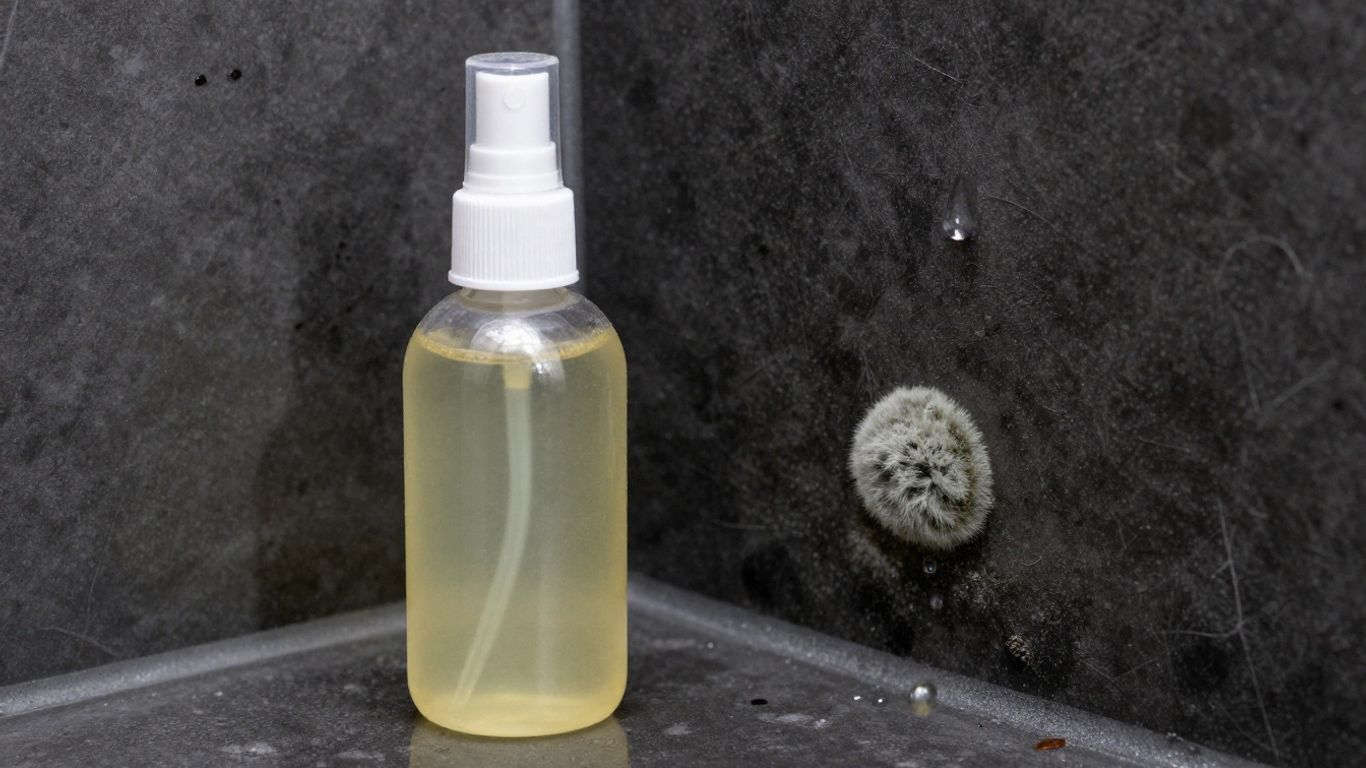
So, you’ve got a mold problem and you’re wondering if that bottle of ammonia under your sink can handle it. The short answer is: yes, it can be quite effective. Ammonia is a powerful cleaner, and many store-bought mold removers actually use it as a main ingredient. It’s known for its ability to tackle mold, often performing better than milder options like vinegar.
Ammonia’s Alkaline Nature
What makes ammonia so good at fighting mold? It all comes down to its chemistry. Ammonia is a highly alkaline substance, meaning it has a high pH level, typically between 11 and 13. Most common household molds, on the other hand, prefer a more neutral or slightly acidic environment, usually with a pH below 7. When ammonia comes into contact with mold, its extreme alkalinity creates an environment that is simply too harsh for the mold to survive. It disrupts the mold’s cellular structure, effectively killing it.
Comparison to Other Cleaners
When you look at common household cleaners, ammonia sits somewhere in the middle in terms of strength. It’s generally considered more potent than vinegar, which is acidic and works differently. However, it’s important to note that while ammonia is a strong mold killer, using bleach for routine mold cleanup isn’t always the best approach. Bleach can kill surface mold but might not get to the root of the problem or address moisture issues, which are key to preventing mold from coming back.
Ammonia’s effectiveness is often compared to bleach, but they work in different ways. While both can kill mold, ammonia’s alkaline nature is its primary weapon. It’s a good option for tackling mold on hard, non-porous surfaces. However, it’s crucial to remember that ammonia should never be mixed with bleach, as this creates dangerous toxic fumes. For more in-depth information on safe cleaning practices, consulting professional guidelines is always a good idea, especially for larger mold issues, as using chemicals like bleach isn’t always recommended.
Here’s a quick look at how ammonia stacks up:
- Ammonia: Highly alkaline (pH 11-13), effective on non-porous surfaces.
- Vinegar: Acidic (pH ~2-3), can penetrate porous surfaces better.
- Bleach: Alkaline (pH ~12.5), good for surface mold on non-porous materials, but doesn’t penetrate well.
When considering cleaning agents, understanding their chemical properties is key. Ammonia’s high alkalinity makes it a strong contender for killing mold, but its use requires careful handling and awareness of potential chemical reactions with other cleaners.
How Does Ammonia Kill Mold?
So, you’re wondering if that bottle of ammonia under your sink can actually tackle that fuzzy green or black stuff growing on your bathroom tiles. The short answer is yes, it can. Ammonia works by creating an environment that mold just can’t survive in. It’s a pretty strong cleaner, and many commercial mold removers actually use it as a main ingredient. Its high alkalinity is the key to its mold-fighting power.
Mechanism of Action
Ammonia is a base, meaning it has a high pH level, typically between 11 and 13. Most types of mold, on the other hand, prefer a more neutral or slightly acidic environment, usually with a pH below 7. When you apply ammonia to a moldy surface, it disrupts the mold’s cellular structure and essentially breaks it down. It’s a chemical reaction that makes the surface inhospitable for mold growth. Some cleaning compounds, known as quaternary ammonium compounds, are specifically designed to kill mold spores and stop them from coming back [5518].
Effectiveness on Different Surfaces
Ammonia is generally best suited for hard, non-porous surfaces. Think things like glass, tile, and countertops. It can effectively kill surface mold on these materials. However, it’s not the best choice for porous surfaces like wood or drywall. Mold can grow deep into these materials, and while ammonia might kill what’s on the surface, it might not reach the mold roots embedded within. For those situations, you might need something that can penetrate deeper, like vinegar.
Here’s a quick look at how ammonia stacks up:
| Surface Type | Effectiveness with Ammonia | Notes |
|---|---|---|
| Non-porous | High | Tiles, glass, countertops, sinks |
| Semi-porous | Moderate | Some sealed wood, laminate |
| Porous | Low | Unsealed wood, drywall, fabric, carpet |
When using ammonia, it’s important to remember that it can damage certain materials, like aluminum or linoleum. Always test in an inconspicuous spot first if you’re unsure.
Preparing an ammonia solution is pretty straightforward. You’ll want to mix one part clear ammonia with one part water. Using a spray bottle makes application easy. Just spray it onto the moldy area and let it sit for a few hours – usually around 3 to 4 hours is good. After it’s had time to work, wipe the area clean with a damp cloth and let it dry completely. This process helps to remove the mold and prevent its return. If you’re dealing with respiratory issues, you might consider natural alternatives for air quality, like a herbal diffuser [3fb8].
Safe and Effective Ammonia Cleaning Methods
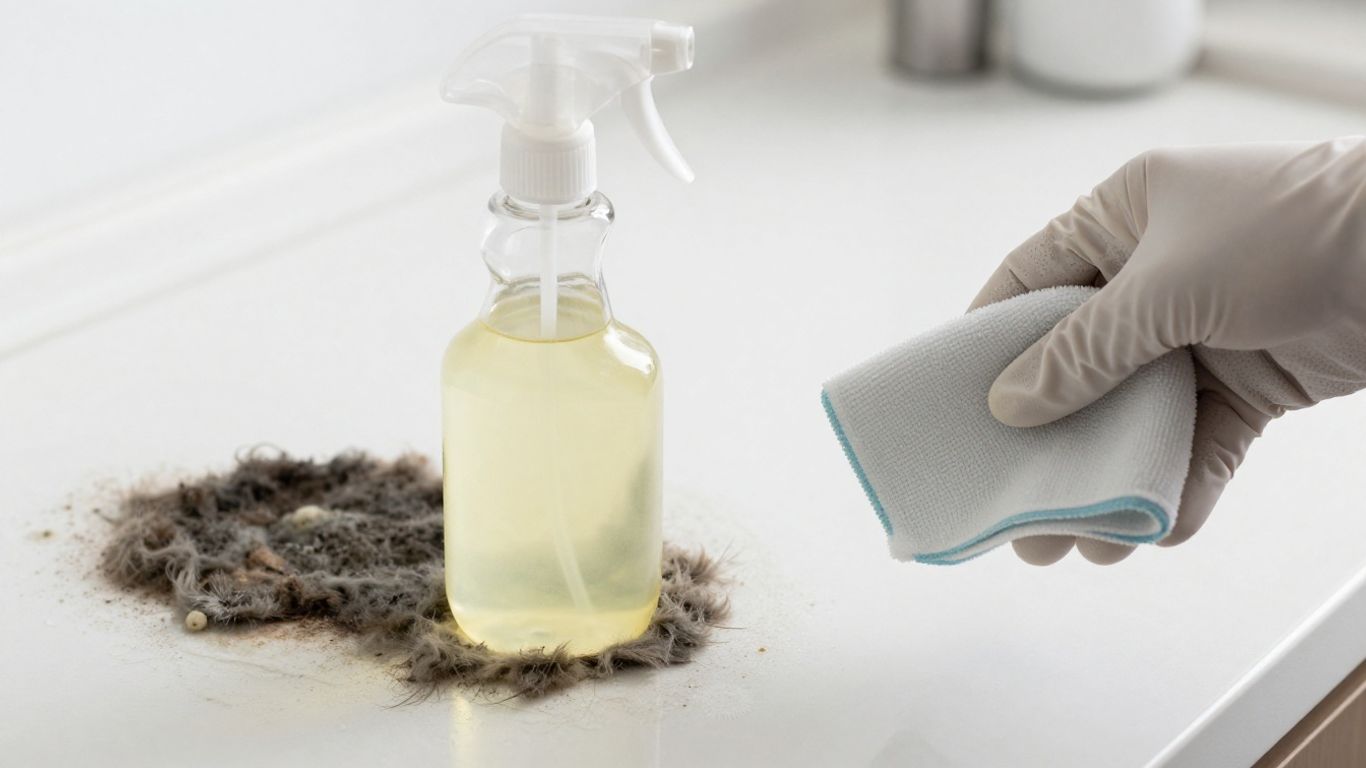
So, you’ve decided ammonia is the way to go for tackling that moldy spot. That’s a solid choice, as ammonia is pretty good at its job. But, like any cleaning agent, you’ve got to use it right. Messing up can be, well, not good. Here’s how to get it done safely and actually get rid of that mold.
Preparing an Ammonia Solution
First things first, you need to mix up your cleaning solution. You don’t want to use straight-up ammonia; that’s way too harsh. A good starting point is a 1:1 ratio of clear household ammonia to water. Grab a clean spray bottle and pour in equal parts of each. Give it a gentle swirl to mix. This diluted solution is what you’ll be using to tackle the mold. It’s strong enough to do the job without being overly aggressive on most surfaces.
Application and Removal Steps
Now for the actual cleaning part. Make sure the area is well-ventilated – open windows, turn on a fan (but not one blowing directly on the mold, we don’t want spores flying everywhere!).
Here’s a step-by-step breakdown:
- Spray the affected area: Generously spray the diluted ammonia solution onto the moldy surface. Make sure to cover all the visible mold.
- Let it sit: This is important. Let the ammonia solution sit on the mold for at least 3 to 4 hours. This gives it time to really break down the mold.
- Wipe it clean: After the waiting period, use a clean cloth or paper towels to wipe away the mold and the solution. Work from the top down.
- Rinse (optional but recommended): You can lightly rinse the area with a damp cloth and clean water to remove any lingering residue.
- Dry thoroughly: Let the surface air dry completely. You might even want to use a fan to circulate air in the room (again, not blowing directly on the cleaned spot) to speed up the drying process.
Remember, even after cleaning, mold spores can still be present in the air and on surfaces. It’s always a good idea to keep the area dry and address any underlying moisture issues to prevent mold from coming back. If you’re dealing with a large mold problem, it might be best to call in professionals, especially if you’re unsure about the extent of the issue. For those looking to sell a property with existing issues, you might want to explore options like selling your house fast for cash.
After cleaning, you’ll want to dispose of your cleaning materials properly. Seal used rags and paper towels in a plastic bag before throwing them away. Wash your hands thoroughly with soap and water, and if you used gloves, wash those too. If you’re concerned about legal aspects related to property damage or health issues, consulting with a legal professional might be helpful, like the team at Kaplan Law Group if you’re in their service area.
Important Safety Precautions When Using Ammonia
When it comes to cleaning mold with ammonia, safety should always come first. Ammonia is a powerful cleaner, but improper use can lead to harmful accidents. Here’s what you need to keep in mind every step of the way.
Never Mix Ammonia with Bleach
Combining ammonia and bleach creates dangerous chloramine gases that can cause breathing problems, eye irritation, and even more serious health risks. People sometimes think mixing cleaners will boost cleaning power, but in this case, it’s a recipe for disaster. Always use ammonia and bleach separately, cleaning and rinsing well in between if you need to use both on the same area.
Quick Reminders:
- Never pour ammonia into a container that held bleach without cleaning it thoroughly.
- Always read product labels to check for ammonia or chlorine content.
- If you accidentally mix the two, immediately leave the area and get fresh air.
For more about safe cleaning practices, especially with household chemicals, check out this summary of household cleaner hazards.
Ventilation and Protective Gear
When using ammonia, ventilation is non-negotiable. Ammonia fumes can quickly irritate your nose, throat, and lungs.
- Work with windows open or doors propped to maximize airflow. Setting up a fan to blow fumes out of the room is even better.
- Always wear gloves that are resistant to chemicals (think nitrile or rubber rather than latex).
- Eye protection is important: safety goggles are best, but wraparound glasses can add extra reassurance.
- For bigger jobs or if you are sensitive, a respirator mask rated for ammonia can cut down on inhaled fumes.
A little prep goes a long way. Find out more about protective measures while cleaning with ammonia by reading these helpful ammonia safety tips.
Don’t drink, eat, or smoke while cleaning with ammonia. Fumes and residues can stick to your hands and surface items, so it’s always best to finish cleaning and wash up before taking breaks.
Safety Equipment Table
| Equipment | Use | Required? |
|---|---|---|
| Gloves | Protect hands from splashes | Yes |
| Goggles | Shield eyes from fumes | Yes |
| Respirator Mask | Stop inhalation of vapors | Recommended |
| Apron/Old Clothes | Prevent skin exposure | Highly Suggested |
Additional Safety Steps
- Keep kids and pets away from the area while you clean.
- Store ammonia and all other cleaning supplies in a secured location after use.
- Rinse cleaned surfaces with water and allow them to air-dry thoroughly before reusing the area.
Following these steps takes a little more time but makes a big difference in safety. Don’t skip them, even for small jobs. Staying safe with household cleaners should always be the priority.
Ammonia vs. Other Household Mold Removers
So, you’ve got a mold situation and you’re wondering what’s best to use. Ammonia is definitely a contender, but how does it stack up against other common household cleaners? Let’s break it down.
Ammonia and Vinegar
Both ammonia and vinegar are pretty effective at killing mold, but they work a bit differently. Vinegar, being an acid, can actually penetrate porous surfaces like wood or drywall to get to the mold roots. Ammonia, on the other hand, is alkaline. It’s generally considered stronger than vinegar for surface mold and is often found in commercial mold removers. However, never, ever mix ammonia with bleach, as this creates dangerous toxic fumes. While vinegar is a good option for many situations, ammonia might be your go-to for tougher surface mold.
Ammonia and Baking Soda
Baking soda is another alkaline cleaner, but it’s much milder than ammonia, with a pH around 8-9 compared to ammonia’s 11-13. This means baking soda can kill mold and inhibit its growth, but it’s not as potent as ammonia. Think of baking soda more as a gentle cleaner and deodorizer that can help with mold removal, especially when made into a paste for scrubbing. It’s a safer, more natural choice if you’re sensitive to fumes, but for a serious mold problem, ammonia might be more effective.
Ammonia and Bleach
This is the big one to watch out for. Both ammonia and bleach are powerful mold killers. Bleach works by denaturing proteins and destroying mold cells on contact, making it great for non-porous surfaces. Ammonia, as we’ve discussed, is also very effective due to its high alkalinity. However, mixing ammonia and bleach is extremely dangerous. The chemical reaction produces chloramine gases, which can cause severe respiratory problems and even be fatal. If you need a strong cleaner, choose one or the other, and always ensure good ventilation. For most household mold, you probably don’t even need bleach; soap and water or vinegar can often do the trick, and professional mold remediation is best for large infestations.
When tackling mold, remember that the most effective strategy is always to address the moisture source first. No cleaner will permanently solve the problem if the underlying dampness remains. After cleaning, ensure the area is thoroughly dried and stays dry to prevent mold from returning.
Conclusion
So, does ammonia kill mold? The short answer is yes, it’s quite effective. Its alkaline nature makes it tough on mold, and it can be a useful tool for tackling smaller mold issues on non-porous surfaces. However, it’s really important to remember the safety rules. Never, ever mix ammonia with bleach – that’s a big no-no that can create dangerous fumes. Always make sure you have good ventilation and wear protective gear. While ammonia can work, it’s not the only option. For many situations, simpler cleaners like vinegar or even just soap and water might do the trick, especially if you address the moisture problem first. If you’re dealing with a large mold problem, it’s always best to call in the pros.
Frequently Asked Questions
Does ammonia really kill mold?
Yep, it sure does. Ammonia is a pretty strong cleaner, and its high pH level makes it hard for mold to survive. Many cleaning products use it because it gets the job done.
How do I use ammonia to clean mold?
You’ll want to mix clear ammonia with water, usually a 1:1 mix, in a spray bottle. Spray it on the moldy spot, let it sit for a few hours (like 3 to 4), then wipe it clean. Make sure the area dries well afterward.
Is ammonia safe to use around my house?
It can be, but you have to be careful. Always use it in a well-ventilated area, like with windows open. Wearing gloves and eye protection is a good idea too. And the most important rule: never mix it with bleach.
What happens if I mix ammonia and bleach?
Oh boy, don’t do that! When you mix ammonia and bleach, they create a toxic gas called chloramine. Breathing this gas can make you really sick, causing breathing problems and other serious health issues. It’s super dangerous.
Can I use ammonia on all types of moldy surfaces?
Ammonia works best on hard surfaces that don’t soak up liquids, like tile or glass. It’s not as good on things like wood or drywall because the mold can grow deeper inside those materials, and ammonia might not reach it.
Are there alternatives to ammonia for killing mold?
For sure! Vinegar is another popular choice that kills most mold types. Baking soda mixed with water can also help, and it’s very gentle. Sometimes, just plain old soap and water is enough to get rid of small mold spots, especially if you fix the water problem.
