Here are the main things to remember about the cost for water damage restoration in 2026. Keep these points in mind to be better prepared.
Key Takeaways
- The average cost for water damage restoration in 2026 is around $3,860, but prices can range widely from $1,383 to $6,370 or more.
- The type of water (clean, gray, or black) significantly impacts the cost, with blackwater being the most expensive to clean up.
- Factors like the size of the affected area (square footage), the materials damaged (like drywall or flooring), and the presence of mold all play a big role in the final bill.
- Where you live matters too; major cities and coastal areas often have higher restoration costs compared to other regions.
- Acting fast is key – the sooner you address water damage, the less it will likely cost to fix.
Understanding the Cost for Water Damage Restoration in 2026
Dealing with water damage in your home can be a real headache, and figuring out the cost of fixing it is often the next big worry. In 2026, several things influence how much you’ll end up paying to get things back to normal. It’s not just a simple price tag; it’s a mix of factors that can really change the final bill. Knowing these factors beforehand can help you prepare and make smarter decisions when disaster strikes.
Average Expenses for Water Damage Restoration
When water damage happens, people often want a ballpark figure. While it varies a lot, the average cost for professional water damage restoration services in 2026 tends to fall somewhere between $1,383 and $6,370. Some smaller jobs might only cost a few hundred dollars, but extensive damage can easily push that number up to $16,000 or even more. It really depends on what needs to be done.
Factors Influencing Restoration Costs
Several things play a big role in the final price. The size of the affected area is a major one – bigger spaces mean more work. The type of materials damaged also matters; fixing hardwood floors costs differently than replacing carpet. Plus, how quickly professionals can get to work makes a difference. The longer water sits, the more damage it can cause, leading to higher repair bills.
The Impact of Water Category on Expenses
Water isn’t just water when it comes to damage. It’s usually put into one of three categories, and this really affects the cost:
- Category 1 (Clean Water): This is water from sources like a broken supply line or melting snow. It’s the least risky and generally the cheapest to clean up.
- Category 2 (Gray Water): This water has some contaminants, maybe from a washing machine overflow or a toilet backup (but not sewage). It needs more cleaning and sanitizing, which adds to the cost.
- Category 3 (Blackwater): This is the nastiest, often coming from sewage or floodwaters that have been sitting. It’s hazardous and requires specialized cleanup, making it the most expensive to deal with.
The speed at which you address water damage is incredibly important. A small leak caught immediately might only cost a few hundred dollars to dry out. However, if that same leak is ignored for a couple of days, the water can seep into walls and floors, leading to mold growth and structural issues, easily turning that small cost into thousands of dollars in repairs. Acting fast is key to minimizing damage and expense.
For instance, a minor basement water damage situation involving clean water, if addressed promptly, might cost around $1,500 to $4,000 . But if that same basement floods with contaminated water and isn’t dealt with for days, the price tag could skyrocket due to the need for extensive decontamination and structural repairs.
Categorizing Water Damage and Associated Costs
When water invades your home, not all floods are created equal. The source and cleanliness of the water play a huge role in how much it costs to fix. Professionals classify water damage into three main categories, and understanding these distinctions is key to figuring out your restoration bill. The category of water directly impacts the safety protocols, equipment needed, and the overall complexity of the cleanup process.
Category 1: Clean Water Damage Expenses
This is the best-case scenario, relatively speaking. Category 1 water comes from a sanitary source, meaning it doesn’t pose a significant health risk. Think of a burst pipe from your main water line, a leaky faucet, or even rainwater that hasn’t touched the ground yet. The main goal here is quick extraction and drying to prevent secondary issues like mold.
- Source: Broken water supply lines, overflowing sinks or tubs (without contaminants), melting snow, rainwater.
- Cost Range: Generally the least expensive, often ranging from $2,000 to $8,000.
- Timeline: Extraction and drying can often be completed within 48-72 hours.
- Insurance: Typically covered by standard homeowners insurance, minus your deductible.
For a small bathroom (around 200 sq ft) hit by a burst supply line, you might expect costs between $2,500 and $4,500 for full restoration.
Category 2: Gray Water Damage Expenses
Gray water is a step up in terms of contamination. It’s not sewage, but it’s not perfectly clean either. This type of water might come from washing machines, dishwashers, or toilet overflows (but not from the sewer line). It contains some level of biological or chemical contaminants that could make you sick if not handled properly. This means more than just drying; it requires sanitization.
- Source: Washing machine discharge, dishwasher overflows, toilet overflows (urine, no feces), aquarium water.
- Cost Range: Moderate, typically falling between $8,000 and $20,000.
- Timeline: Cleanup and sanitization usually take 5-7 days.
- Insurance: Often covered by insurance, but the deductible applies.
Restoring a finished basement (about 1,500 sq ft) flooded by gray water from an appliance could easily cost $12,000 to $18,000, including thorough sanitization. This type of damage is a significant reason why prompt professional attention is so important.
Category 3: Blackwater Damage Expenses
This is the most serious and costly category. Blackwater is grossly contaminated and can carry dangerous pathogens, viruses, and bacteria. Sources include sewage backups, floodwaters from rivers or lakes, and any standing water that has been stagnant long enough to develop significant microbial growth. Cleanup requires specialized protective gear and disposal methods, making it the most expensive to remediate.
- Source: Sewage, floodwaters, stagnant standing water, contaminated ground surface water.
- Cost Range: High, often starting at $20,000 and potentially reaching $43,000 or more.
- Timeline: Full decontamination and drying can take 1-2 weeks, sometimes longer.
- Insurance: May not be covered by standard policies; flood insurance is often required.
Dealing with blackwater, especially from a sewage backup affecting multiple areas of a home (like a basement, first floor, and crawlspace totaling 3,000 sq ft), could result in bills from $30,000 to $50,000 or even higher. This level of damage often necessitates professional mold remediation afterward, adding another layer of cost.
The classification of water damage isn’t static. Clean water can degrade into gray water within 24-48 hours as bacteria multiply. Similarly, gray water can become blackwater if left untreated. This progression significantly escalates restoration expenses, making immediate action a financial necessity.
Room-Specific Water Damage Restoration Expenses
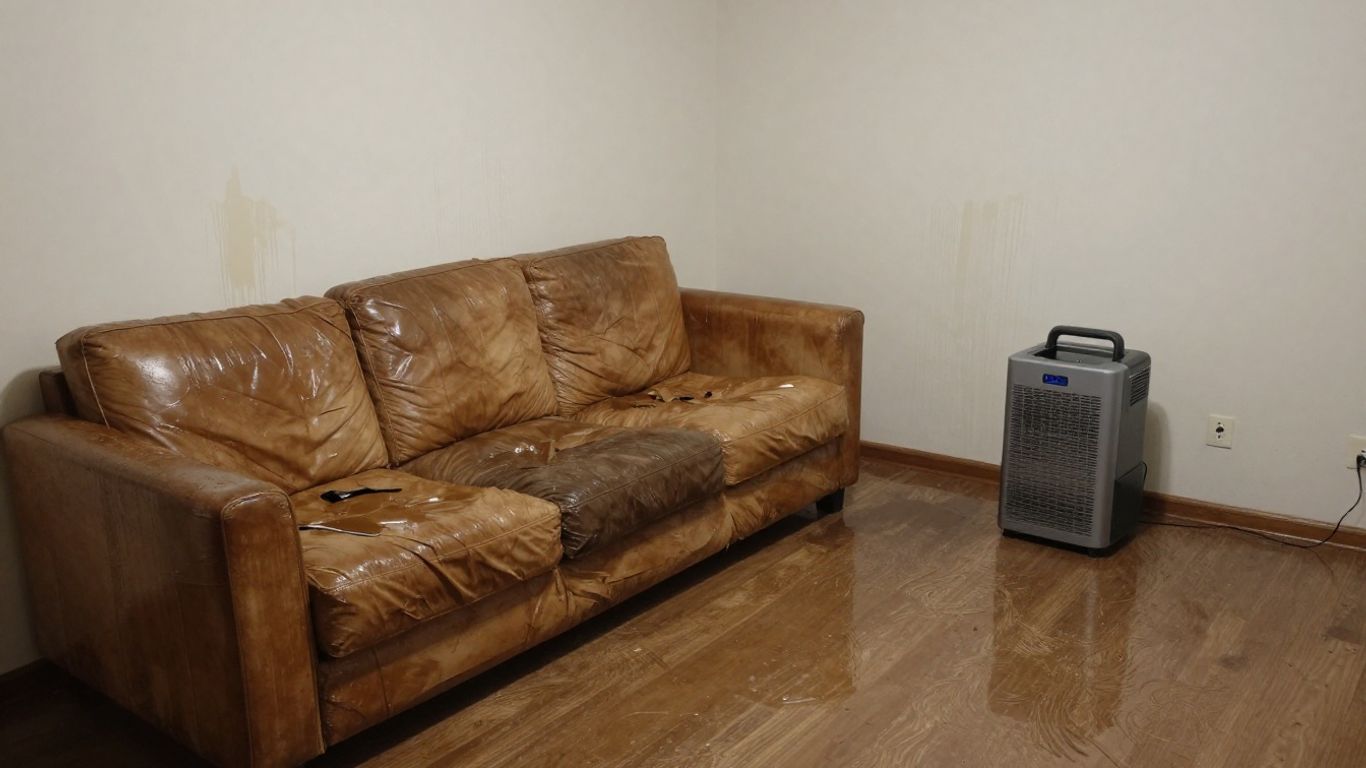
When water damage strikes, the location within your home can really change the price tag. Different rooms have different materials and complexities, making some repairs more involved than others. Let’s break down what you might expect for common areas.
Bathroom Water Damage Restoration Costs
Bathrooms are often a hotspot for water issues, from leaky faucets to overflowing toilets. Because they typically have tile and grout, water can seep into the subflooring if not addressed quickly. Expect costs to range from $3,000 to $12,000. This can include replacing drywall, subflooring, and tile, plus any necessary plumbing repairs or fixture replacements. Sometimes, even the vanity and toilet might need to be swapped out.
Kitchen Water Damage Restoration Costs
Kitchens can get expensive fast due to all the cabinetry, appliances, and countertops. A burst pipe under the sink or a dishwasher leak can cause significant damage. Costs here can run anywhere from $5,000 to $18,000. This often involves replacing cabinets, flooring, and potentially appliances like the refrigerator or dishwasher. Countertop replacement is also a common expense.
Basement Water Damage Restoration Costs
Basements are notorious for water problems, especially if you live in an area prone to flooding or have foundation issues. Dealing with water in a basement can cost between $4,000 and $25,000 or more. This usually involves drying out the foundation, replacing flooring and drywall, and ensuring proper dehumidification and ventilation to prevent future issues. If you’re dealing with a finished basement, the costs can climb even higher, especially if it’s gray water damage from something like a washing machine overflow.
Bedroom Water Damage Restoration Costs
While perhaps less complex than kitchens or bathrooms, water damage in a bedroom still requires attention. Costs typically fall between $2,000 and $8,000. This might involve replacing drywall and flooring, like carpet or laminate. A significant factor here can be the loss or damage to furniture and personal belongings, which adds to the overall financial impact.
The materials present in each room play a huge role in how much restoration will cost. Hardwood floors, for instance, are pricier to replace than carpet, and extensive tile work in bathrooms can add up quickly.
Here’s a general idea of what different rooms might cost:
- Bathroom: $3,000 – $12,000
- Kitchen: $5,000 – $18,000
- Basement: $4,000 – $25,000+
- Bedroom: $2,000 – $8,000
Remember, these are just estimates. The actual price depends heavily on the extent of the damage and the type of water involved. For a general idea of average restoration costs, you can look at national averages.
Additional Factors Affecting Restoration Bills
So, you’ve got water damage. It’s a mess, and you’re probably already thinking about the cost. While the basics like the size of the mess and the type of water are big players, there are other things that can really bump up the final bill. It’s not just about how much water there is, but also what it’s gotten into and how long it’s been sitting there.
The Role of Square Footage in Restoration Pricing
This one’s pretty straightforward. The more space that’s affected by water, the more work there is to do. Think about it: more floors to dry, more walls to inspect, and potentially more materials to replace. Restoration companies often price based on the square footage they need to treat. A small leak in a bathroom is one thing, but a burst pipe that floods your entire living room and kitchen? That’s a whole different ballgame.
Here’s a rough idea of how square footage can impact costs:
- Small (under 500 sq ft): $2,000–$6,000
- Medium (500–1,500 sq ft): $6,000–$15,000
- Large (1,500–3,000 sq ft): $15,000–$30,000
- Whole-home (3,000+ sq ft): $30,000–$50,000+
Structural Materials and Their Impact on Cost
What your home is made of really matters when water damage strikes. Different materials react to water in different ways, and some are way more expensive to fix or replace than others. For instance, hardwood floors might look beautiful, but they can warp and become unsalvageable after a flood, costing a pretty penny to replace. Carpet, while often needing replacement, might be less costly than hardwood. Even drywall and insulation have their own price tags for removal and replacement.
Consider these material costs:
- Drywall: ~$1–$3 per sq ft to replace
- Hardwood flooring: ~$8–$15 per sq ft
- Carpet: ~$3–$12 per sq ft
- Tile and grout: ~$8–$20 per sq ft
The Financial Implications of Mold Presence
This is a big one, and honestly, it’s the reason why acting fast is so important. Mold can start growing in as little as 24-48 hours in damp conditions. Once mold takes hold, it’s not just about drying things out anymore; it’s about mold remediation, which is a specialized and often costly process. The more mold there is, and the more it has spread, the higher the cost will be. Catching water damage early can prevent mold from becoming a major expense.
Here’s how mold can add to your bill:
- Minor mold (under 10 sq ft): Adds $500–$2,000
- Moderate mold (10–30 sq ft): Adds $2,000–$6,000
- Extensive mold (30+ sq ft): Adds $5,000–$20,000+
The speed at which you address water damage is directly tied to the potential for secondary problems like mold growth and structural rot. What might have been a straightforward drying job can quickly escalate into a complex, multi-stage restoration project if left unattended for too long. This escalation means more labor, more specialized equipment, and more materials, all contributing to a significantly higher final cost. It’s a stark reminder that prompt action isn’t just about convenience; it’s about cost containment.
Remember, these factors don’t exist in a vacuum. They often interact. For example, a large square footage with expensive structural materials and a mold problem will naturally lead to a much higher bill than a small area with basic materials and no mold. Understanding these elements helps you get a clearer picture of what you might be facing. If you’re looking for more details on how different water damage scenarios affect costs, checking out water damage restoration costs can be helpful.
Regional Variations in Water Damage Restoration Pricing
So, you’ve got water damage, and you’re trying to figure out how much it’s going to cost to fix. Well, buckle up, because where you live plays a pretty big role in that final number. It’s not just about the size of the mess; the local economy, labor rates, and even building rules can really change the price tag. Generally, you’ll see higher costs in areas where the general cost of living is higher.
Northeast and West Coast Cost Premiums
If you’re on the East Coast, think New York, New Jersey, or Connecticut, or out on the West Coast like California or Washington, you’re probably going to pay more. These areas often have higher labor costs and sometimes stricter building codes that restoration companies have to follow. This can add anywhere from 15% to 50% more to the bill compared to the national average. For instance, a job that might cost $12,000 in a more affordable region could easily jump to $15,000 or even $18,000 in a pricier city like New York.
Midwest and Southern Cost Differences
Heading to the Midwest or the South? You might find a bit of relief on your wallet. These regions typically have lower labor expenses and a generally lower cost of living. This often translates to restoration costs that are a bit below the national average. While not a huge difference, it can add up, especially for larger jobs. It’s always good to get a few quotes, but you might find more competitive pricing here.
Major Metro Area Pricing Adjustments
Even within a region, big cities are a whole different ballgame. Places like Los Angeles, Chicago, or Boston often come with a premium. Think of it as a city surcharge. These major metropolitan areas can add an extra 25% to 40% on top of the regional average. This is due to a mix of factors: higher demand for services, more expensive equipment rentals, and the simple fact that skilled technicians can command higher wages in these bustling hubs. If you’re dealing with water damage in a major city, be prepared for those costs to climb. It’s often worth looking into local water damage restoration services that understand the specific challenges of your area.
The cost of water damage restoration isn’t static. It’s a dynamic figure influenced by a complex interplay of geographic location, local economic conditions, and the specific demands of the job. Understanding these regional differences is key to budgeting effectively and avoiding surprises when disaster strikes.
Insurance Coverage and Out-of-Pocket Expenses
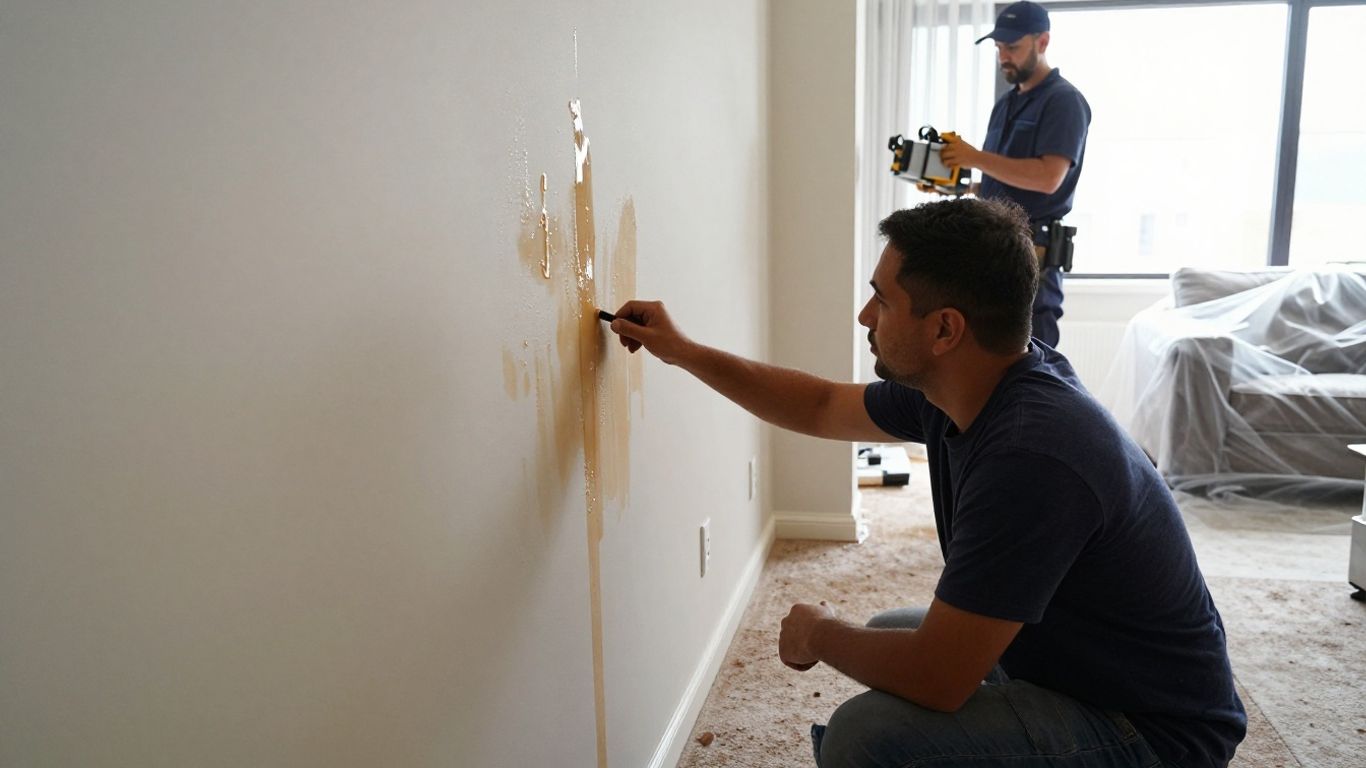
When water damage strikes, figuring out who pays for what can be a real headache. Your homeowners insurance policy is your first line of defense, but it’s not a magic wand. Understanding the ins and outs of your coverage is key to avoiding surprise bills. Most standard policies are designed to cover sudden and accidental water damage. Think burst pipes, appliance malfunctions, or leaks from your HVAC system. If a pipe bursts in your living room, your insurance will likely step in to help cover the costs, minus your deductible, of course.
Water Damage Scenarios Covered by Insurance
Here’s a quick rundown of what’s typically included:
- Sudden Leaks and Bursts: This covers unexpected pipe breaks or appliance hose failures. It’s the kind of damage that happens fast and without warning.
- Appliance Malfunctions: If your washing machine hose splits or your water heater decides to call it quits, that’s usually covered.
- Storm and Ice Dam Damage: Water damage resulting from severe weather, like ice dams on your roof, is generally part of your policy.
When these events happen, your out-of-pocket expense is usually limited to your policy’s deductible, which can range anywhere from $500 to $5,000 or more. It’s a good idea to know what that number is before disaster strikes.
Water Damage Not Covered by Standard Policies
Now, for the not-so-fun part. There are several situations where your standard policy won’t cover the damage, leaving you responsible for the full cost. This is where things can get expensive quickly.
- Flood Damage: This is a big one. Damage from rising external water sources like rivers overflowing or heavy rain causing widespread flooding requires separate flood insurance. Standard policies don’t include this. The average insurance payout for flood damage can be significantly higher than for other types of water issues.
- Gradual Leaks and Seepage: If you have a slow leak from your roof or foundation that you knew about or should have known about, insurance companies often classify this as a maintenance issue. They expect you to keep up with repairs, so these gradual damages aren’t covered. This can lead to bills in the thousands of dollars.
- Sump Pump Failure: Unless you have a specific endorsement or rider on your policy, damage caused by a failed sump pump is often excluded. This can be a costly oversight, especially for homes in flood-prone areas.
- Sewage Backup: Similar to flood damage, sewage backups usually require a separate endorsement. Without it, you’re looking at paying the full restoration cost out-of-pocket, which can be substantial.
It’s really important to review your policy documents carefully. Don’t just assume you’re covered for everything. Sometimes, adding a small endorsement for things like water backup can cost less than $100 a year and save you tens of thousands down the line.
Understanding Your Insurance Deductible
Your deductible is the amount you pay before your insurance kicks in. For water damage claims, this can be a fixed amount (like $1,000) or a percentage of your home’s value. For example, a 2% deductible on a $400,000 home means you’d pay the first $8,000 of the claim. This is why it’s so important to have a good grasp on your policy details and to act fast when water damage occurs. The sooner you address the issue, the less severe the damage might be, potentially keeping your claim costs lower. Experienced restoration companies can also help you navigate the claims process and minimize your overall expenses [c135].
Minimizing Water Damage Restoration Expenses
Nobody wants to deal with water damage, but if it happens, there are definitely ways to keep the costs from getting totally out of hand. It’s all about being smart and acting fast.
The Importance of Immediate Response
When water hits your home, time is really of the essence. The longer water sits, the more damage it does, and the more expensive it gets to fix. Think about it: wet carpet can start to mold in just a day or two. That means you need to get the water out and the drying process started ASAP. A quick response can cut restoration costs significantly. For any water damage, especially if it’s clean water, getting professionals in to extract the water and start drying can prevent a small issue from becoming a huge, costly mess. Standard water mitigation costs, typically ranging from $1,000 to $3,500, are a wise investment that helps prevent more expensive demolition. This service is crucial for property owners dealing with water damage.
Preventive Measures to Avoid Future Costs
An ounce of prevention is worth a pound of cure, right? Taking some steps now can save you a ton of money down the road. It’s about being proactive.
- Regularly check for leaks: Look under sinks, around toilets, and inspect appliance hoses. Catching a small drip early can stop a flood later.
- Maintain your home’s exterior: Clean out gutters and downspouts so water flows away from your foundation. Make sure the ground slopes away from your house too.
- Consider smart home devices: Water leak detectors are relatively inexpensive and can alert you to problems immediately, even when you’re not home.
- Know your water heater: If it’s old, think about replacing it before it bursts. They don’t last forever.
DIY vs. Professional Restoration Cost Analysis
This is a big one. Can you tackle it yourself, or do you need the pros? For minor spills of clean water, maybe you can handle some of it. You can rent equipment like dehumidifiers and air movers. However, it’s really important to know your limits.
- DIY: Best for very small, clean water spills where you can extract water and dry the area within hours. You might save on labor, but you risk extending drying times or missing hidden moisture if you don’t have the right equipment or knowledge.
- Professional: Always the better choice for gray water, black water, or any situation where water has sat for more than a few hours. Professionals have specialized equipment, training, and experience to handle contamination, prevent mold, and dry your home properly. Trying to DIY black water cleanup is a serious health risk.
While it might seem like hiring professionals adds to the immediate bill, their expertise often prevents secondary damage like mold growth, which can be far more expensive to remediate later. Plus, they work faster and more efficiently, potentially reducing the overall time your home is in disarray. It’s about the total cost, not just the initial price tag.
When you’re dealing with water damage, remember that acting fast and making smart choices about professional help can make a huge difference in your final bill. It’s not just about fixing the visible damage; it’s about preventing future problems too. For more complex situations, understanding how professionals manage different scenarios can be helpful, almost like how a system helps manage families in a care ministry. This approach focuses on providing clear expectations and using tools to ensure no one is overlooked.
Conclusion
Figuring out the cost for water damage restoration in 2026 is all about knowing what you’re up against. The price tag can jump around quite a bit depending on the type of water that caused the mess, how big the damaged area is, and how fast you get help. Waiting even a day can turn a small, cheap fix into a much bigger, more expensive job, especially if mold starts to grow. Being prepared with knowledge about these costs, understanding your insurance, and taking steps to prevent damage in the first place will save you a lot of stress and money down the road. Remember, quick action is your best friend when water damage happens.
Frequently Asked Questions
What’s the typical price range for water damage restoration in 2026?
Most homeowners end up paying somewhere between $1,383 and $6,370 for water damage cleanup. The national average is about $3,860. But honestly, this can change a lot based on the situation.
Does the type of water make a big difference in cost?
Oh, absolutely! If it’s clean water from a leaky pipe, it’s usually cheaper. But if it’s gray water from a washing machine or blackwater from sewage, it gets way more expensive because it’s dirtier and needs special cleaning.
How much does mold affect the total cost?
Mold can really drive up the price. If you catch water damage early and there’s no mold, it’s cheaper. But if mold has started to grow, especially a lot of it, you’ll be looking at adding hundreds or even thousands of dollars to the bill for mold removal.
Will my home insurance cover water damage costs?
Sometimes, yes. Insurance usually covers sudden problems like burst pipes or storm damage. But it often doesn’t cover water damage from floods or slow leaks that happen over time. You’ll need to check your specific policy.
Is it cheaper to fix water damage myself?
For very small issues, maybe. But professionals have special tools and know-how to dry things out properly and prevent future problems like mold. Trying to do it yourself might save money at first but could cost more later if not done right.
Why do costs vary so much from place to place?
Location plays a big part! In big cities or on the West Coast, you’ll probably pay more for restoration services. This is because labor and material costs are higher in those areas compared to smaller towns or other parts of the country.
