Mold can be a stubborn problem, but by understanding its nature and addressing the root causes, you can achieve lasting results. Here are the key points to remember for effective mold control:
Key Takeaways
- Mold thrives in damp conditions and its “roots” can stay hidden, making surface cleaning a temporary fix.
- Natural cleaners like white vinegar and baking soda can kill surface mold, but don’t always solve the underlying issue.
- The real key to permanent mold removal is finding and fixing the moisture source, like leaks or poor ventilation.
- For widespread or recurring mold, professional remediation is often necessary to ensure complete removal and prevent regrowth.
- Preventing mold involves ongoing monitoring, managing humidity, and using mold-resistant materials in damp areas.
Understanding Why Mold Persists
You scrub that corner in your bathroom until your arms ache. The mold disappears, the surface looks spotless, and you feel accomplished. Two weeks later, it’s back. Same spot, same ugly growth, mocking your efforts. This exhausting cycle plays out in homes everywhere. You clean, it returns. You try stronger products, but it comes back anyway. You wonder if you’re doing something wrong, or if this particular spot in your home is just cursed.
Here’s the truth: recurring mold isn’t about bad luck or ineffective cleaning. When mold keeps returning to the same location, it’s sending you a clear message: there’s an underlying problem you haven’t addressed yet. That spot keeps growing mold for a specific reason, and until you fix that reason, you’ll keep fighting the same battle. The good news? Once you understand what’s really causing the mold in that troublesome spot, you can solve the problem permanently instead of just managing symptoms.
The Hidden Nature of Mold Colonies
When mold appears on your walls, ceilings, or grout, the visible growth represents only a fraction of the actual colony. Mold sends roots, called hyphae, deep into porous materials like drywall, wood, and grout. Your surface cleaning kills what’s on top while leaving the established colony thriving beneath. Think of it like weeds in your garden. Cutting off the visible parts doesn’t eliminate the root system. Within days or weeks, new growth emerges from those intact roots. This is why simply wiping away surface mold rarely provides a lasting solution.
Why Surface Cleaning Falls Short
Grabbing your spray bottle and sponge feels productive, but surface cleaning tackles only what you can see, not what’s actually causing your problem. It doesn’t address the moisture source, which is the real reason mold keeps coming back. Whether it’s a hidden leak, condensation issue, or ventilation problem, the moisture source continues creating ideal conditions for mold growth, regardless of how often you clean. Addressing the root cause, rather than just the visible mold, is crucial for effective and lasting mold removal [ee63].
The Limitations of Common Household Cleaners
Bleach tops most people’s list for mold removal, but it creates more problems than it solves when it comes to recurring mold. Bleach works on non-porous surfaces like tile or glass, but it can’t penetrate porous materials where mold actually lives. The water in bleach solutions can actually feed the mold colony beneath the surface, while the bleach only lightens surface staining. Many homeowners notice their “cleaned” spots look better temporarily, but develop darker, more aggressive growth within weeks. The cleaning disturbed the colony without eliminating it, and the added moisture accelerated regrowth. Even dead mold spores don’t just disappear; they remain in place, providing food and structure for new colonies to establish themselves.
Certain locations in homes become mold magnets due to a combination of moisture sources, materials, and environmental conditions. Some building materials practically invite mold growth. Paper-faced drywall, unsealed grout, and untreated wood absorb and hold moisture while providing food for mold colonies. Once these materials develop mold, their porous structure makes complete removal nearly impossible without replacement.
Here are some common hidden moisture sources behind recurring mold:
- Slow Plumbing Leaks: Small leaks inside walls create persistent dampness that supports continuous mold growth. These leaks might be too minor to cause visible water damage, but they provide enough moisture for mold colonies to thrive.
- HVAC System Problems: Air conditioning and heating systems can create localized moisture problems. Condensation from poorly insulated ducts, blocked condensate drains, or improperly balanced systems repeatedly deliver moisture to the same locations.
- Temperature and Airflow Patterns: Spots with poor airflow and temperature extremes create ideal conditions for condensation and mold growth. These patterns remain consistent, which explains why the same locations repeatedly develop problems.
- Structural Vulnerabilities: Certain spots in homes have inherent design or construction issues that make them prone to moisture problems, such as bathroom corners where shower spray hits walls repeatedly without proper waterproofing, or window sills where condensation collects.
Effective DIY Methods for Killing Surface Mold
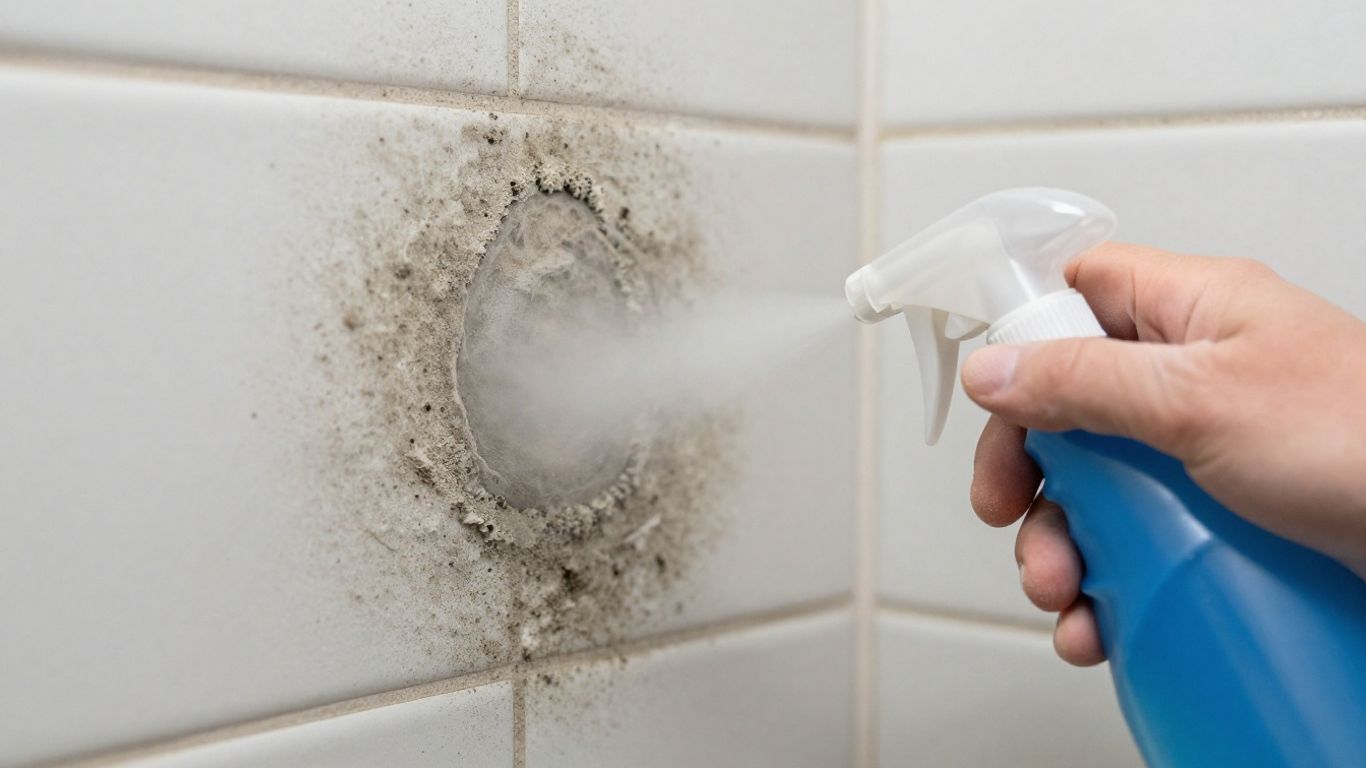
Sometimes, you just want to tackle that visible mold yourself. And hey, for smaller spots on hard surfaces, you can often get a good handle on it with stuff you probably already have in your kitchen. It’s not always about harsh chemicals; nature has some pretty effective mold-fighting agents too.
Harnessing the Power of White Vinegar
White vinegar is a fantastic natural antifungal. It’s acidic enough to kill a good chunk of mold species. Just pour undiluted white vinegar into a spray bottle. Spray it directly onto the moldy area and let it sit for about 15 minutes. Then, wipe it down. You might notice a strong smell, but it usually dissipates quickly. It’s a solid choice for many surfaces, though it might not be the best for very porous materials where the mold has really dug in.
Utilizing Baking Soda for Cleaning and Prevention
Baking soda is a real multi-tasker. You can mix it with a little water to make a paste, which is great for scrubbing away mold. But it does more than just clean; it also helps absorb moisture and leaves behind a residue that discourages mold from coming back. You can also dissolve a quarter tablespoon of baking soda in a spray bottle filled with water and use that as a spray. It’s gentle, safe, and effective for light mold issues.
The Role of Hydrogen Peroxide
A 3% hydrogen peroxide solution, the kind you can get at most drugstores, is another good option. It works on both porous and non-porous surfaces. Spray it generously on the mold, let it sit for about 10 minutes to do its work, and then scrub the area. It’s a bit less harsh than bleach but still packs a punch against mold. Just be aware that it can sometimes lighten colored surfaces, so test it in an inconspicuous spot first.
When Chlorine Bleach Might Be Considered
Chlorine bleach is a powerful disinfectant, and it can kill mold on hard, non-porous surfaces like tile or glass. However, it’s not always the best choice. For one, it’s harsh and can damage some materials. More importantly, on porous surfaces like drywall or wood, bleach might kill the mold on the surface, but it doesn’t always penetrate deep enough to get the roots, meaning the mold can come back. If you do decide to use it, never mix it with other cleaners, especially ammonia, as this creates toxic fumes. Always ensure good ventilation and wear protective gear. For many situations, gentler options are often preferred, and you can find DIY solutions that are just as effective without the harshness.
When you’re cleaning mold yourself, remember that the goal is to kill the spores, not just wipe away the visible growth. If you’re scrubbing or wiping without killing the spores, you might just be spreading them around, which can lead to new growth elsewhere. Always aim to kill the mold and then clean the area thoroughly.
Here’s a quick rundown of what to keep in mind:
- Safety First: Always wear gloves and a mask when dealing with mold. Open windows or use fans to keep the air circulating.
- Surface Type Matters: What works on tile might not work on drywall. Porous materials are trickier.
- Dry Thoroughly: After cleaning, make sure the area is completely dry. Moisture is mold’s best friend.
- Don’t Spread Spores: Avoid vigorous scrubbing that can aerosolize mold. Gentle cleaning is often better.
While these DIY methods can be effective for surface mold, it’s important to remember that they don’t always address the underlying moisture problem. If mold keeps coming back, you’ll need to look at controlling moisture in your home.
Addressing the Root Cause: Moisture Control
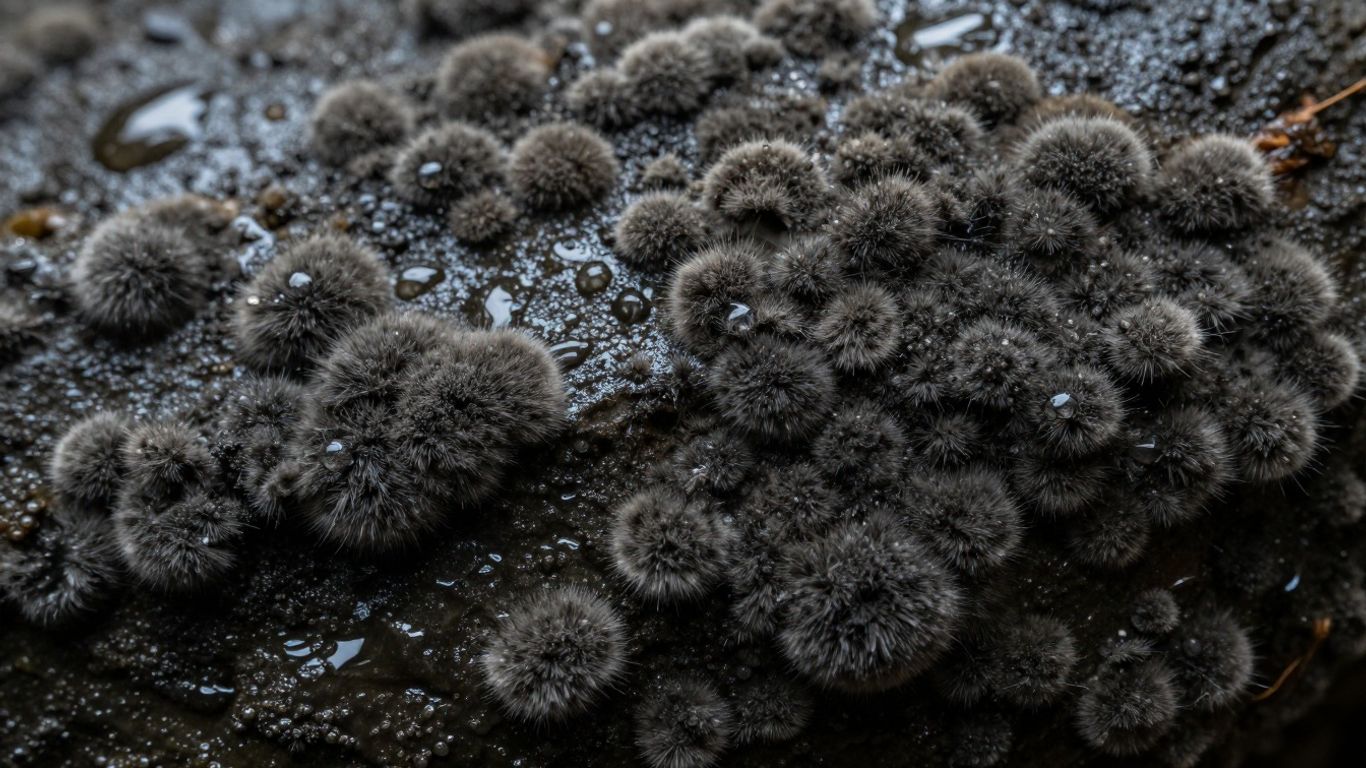
Look, mold is a persistent little thing. You clean it up, and a few weeks later, there it is again, usually in the same spot. That’s because you’re only dealing with the visible stuff, not why it’s there in the first place. Mold needs moisture to grow, plain and simple. If you don’t stop the water source, you’re just fighting a losing battle.
Identifying and Fixing Leaks
Leaks are often the biggest culprits behind recurring mold. These aren’t always dramatic floods; sometimes, it’s just a slow drip that goes unnoticed for ages. Think about those tiny leaks from supply line connections under your sink, or a washing machine hose that’s just starting to weep. Even a toilet wax ring that’s failing can cause slow leaks into the subfloor. These small, persistent moisture sources are perfect for mold.
- Check under sinks for any signs of dampness or water stains.
- Inspect around toilets and bathtubs for leaks or grout issues.
- Look at appliance hoses, like those for washing machines or dishwashers, for wear and tear.
- Don’t forget about your roof and exterior walls; small cracks can let water in.
Improving Ventilation and Air Circulation
Stagnant air is a mold’s best friend. When moisture gets trapped in certain areas, like bathrooms without proper exhaust fans or closets on exterior walls, mold can thrive. You need air to move around to help dry things out. This means making sure your bathroom fans actually vent outside, not just into the attic, and that they’re powerful enough for the room size. Sometimes, you might need to add extra ventilation, especially in basements or areas prone to dampness. Good airflow helps prevent condensation from building up on surfaces.
Managing Humidity Levels Indoors
Even without obvious leaks, high humidity can create enough moisture for mold. This often happens due to condensation. Think about cold water pipes
Professional Remediation for Permanent Solutions
When to Call Mold Removal Experts
Look, sometimes you just can’t win against mold. If you’ve got a moldy area that’s bigger than, say, a standard dinner plate, or if the mold keeps popping back up no matter what you do, it’s probably time to call in the pros. Trying to tackle a big job yourself can be risky, not just for your health but also because you might miss spots, and then you’re right back where you started. The EPA actually suggests that if mold covers more than 10 square feet, it’s best left to professionals. They have the right gear and know-how to get it all gone without spreading it around your house. It’s not about admitting defeat; it’s about getting a real, lasting fix.
Comprehensive Mold Removal Strategies
Professional mold remediation is way more than just wiping down a wall. These folks go in with a plan. First, they figure out exactly where the mold is and why it’s there – usually, it’s a moisture problem that needs fixing. Then, they set up barriers to keep the mold spores from traveling to other parts of your home. After that, it’s about getting rid of the moldy stuff. This often means tearing out and replacing things like drywall, insulation, or carpet that can’t be properly cleaned. For surfaces that can be saved, they use special cleaners, not just your average household stuff, to really kill the mold and stop it from coming back. They’ll also use air scrubbers to clean up the air during and after the job. It’s a whole process designed to get rid of the mold and prevent it from returning.
Here’s a general rundown of what they do:
- Identify the Source: They find and fix the water issue causing the mold.
- Containment: They isolate the affected area to prevent spore spread.
- Removal: They remove mold-damaged materials that can’t be cleaned.
- Cleaning: They treat remaining surfaces with professional-grade solutions.
- Drying & Deodorizing: They ensure the area is dry and smells fresh.
- Post-Remediation Testing: They check to make sure the job is done right.
Professionals have specialized equipment, like thermal cameras, to find hidden moisture and mold that you might not even know is there. This helps them address the problem at its core, not just the visible signs.
Material Replacement vs. Cleaning Decisions
Deciding whether to clean or replace materials is a big part of professional mold removal. It really depends on what the material is and how bad the mold damage is.
When Replacement is Usually Necessary:
- Porous Materials: Things like drywall, insulation, and carpet that have mold growing deep inside them are often too difficult to clean completely. If they’re heavily contaminated, out they go.
- Structural Damage: If the mold has weakened wood or other structural components, replacement is usually the only safe option.
- Repeated Problems: If mold keeps coming back to the same spot, even after cleaning, it’s a sign that the material might need to be replaced.
- Health Concerns: For people with severe allergies or sensitivities, complete removal of affected materials might be recommended for peace of mind.
When Cleaning Might Be Enough:
- Non-Porous Surfaces: Hard surfaces like tile, glass, or metal can often be cleaned effectively if the mold is just on the surface.
- Limited Contamination: If the mold is a small, surface-level issue and caught early, cleaning might do the trick.
- Moisture Source Fixed: If the water problem that caused the mold has been permanently corrected, cleaning non-porous surfaces can be successful.
Ultimately, a professional assessment will guide these decisions to ensure the most effective and long-term mold-free living environment.
Preventative Measures for Long-Term Mold Defense
So, you’ve tackled the mold, cleaned it up, and maybe even fixed that leaky pipe. That’s great! But how do you stop it from coming back? It’s all about being proactive and making your home less welcoming to mold spores. Think of it as setting up a good defense system.
Choosing the Right Paints and Sealants
When you’re painting or sealing surfaces, especially in areas prone to moisture like bathrooms or kitchens, consider using products that have mold inhibitors built right in. These aren’t magic bullets, but they add an extra layer of protection. Some paints are specifically formulated to resist mold and mildew growth on the surface. For exterior surfaces or areas exposed to the elements, using a good quality sealant can also help prevent water from seeping into materials where mold loves to grow. It’s a small step, but it makes a difference.
The Importance of Ongoing Monitoring
Mold can be sneaky. Even after a thorough cleanup, it’s wise to keep an eye out. Regularly check those spots where mold has appeared before. Look for any signs of new growth, dampness, or that tell-tale musty smell. You can also use simple tools like a hygrometer to keep track of humidity levels in different rooms. Consistent monitoring helps you catch potential problems early, before they become big issues. If you’re not sure what to look for, periodic professional inspections can be a good idea, especially for commercial operations.
Maintaining Your Home’s Environment
This is where you really take control. It boils down to managing moisture and airflow.
- Ventilation is key: Make sure bathrooms and kitchens have working exhaust fans that vent outside. Keep them running during and after showers or cooking.
- Control humidity: Aim to keep indoor humidity levels between 30% and 50%. Dehumidifiers can be lifesavers in damp basements or humid climates.
- Fix leaks immediately: Don’t let small drips turn into big mold problems. Address any plumbing leaks or roof issues right away.
- Improve air circulation: Open windows when weather permits, use fans, and avoid blocking vents. Good airflow helps dry out surfaces.
Preventing mold isn’t just about cleaning; it’s about creating an environment where mold struggles to survive. This means consistently managing moisture sources and ensuring good air movement throughout your home. It’s a continuous effort, but far less taxing than dealing with a recurring infestation.
Remember, consistent effort in these areas can save you a lot of headaches down the line. It’s about making your home a less hospitable place for mold to take hold. And if you’re setting up email accounts, make sure you follow the right steps for your client, like Mozilla Thunderbird, to avoid other kinds of digital headaches!
Conclusion
Dealing with mold can be a real headache, but understanding why it keeps coming back is the first step to winning the fight. Surface cleaning might offer a quick fix, but it’s the moisture source that needs attention. Whether you’re tackling small spots with vinegar or calling in the pros for a big job, remember that a dry home is a mold-free home. By combining smart cleaning methods with good moisture control, you can finally say goodbye to that persistent mold and enjoy a healthier living space.
Frequently Asked Questions
What’s the best way to kill mold that won’t come back?
To truly kill mold for good, you need to do more than just wipe it off. You have to find out why it’s growing there in the first place, usually because of too much moisture. Fixing that problem, like stopping a leak or improving air flow, is key. Then, you can clean up the mold that’s already there.
Can I just use bleach to get rid of mold permanently?
Bleach can kill mold on hard surfaces like tiles, but it’s not great for porous things like drywall or wood. It often just lightens the stain and doesn’t reach the mold’s ‘roots’ deep inside. Plus, the water in bleach can actually feed the mold underneath, making it come back stronger.
How do I know if I need a professional for mold removal?
If the moldy area is bigger than a few square feet, if you see mold after a flood or major leak, or if the mold keeps coming back no matter what you do, it’s probably time to call the experts. They have special tools and know-how to find hidden mold and fix the real problem.
What are some simple things I can do to stop mold from growing?
Keeping things dry is super important! Use fans in your bathroom and kitchen, especially after showering or cooking. Try to keep the air moving around your home. Using a dehumidifier can also help lower the dampness in the air, making it harder for mold to grow.
Is vinegar really effective at killing mold?
Yep, white vinegar is a pretty good natural cleaner for mold. It can kill a lot of different types of mold. Just spray it on the spot, let it sit for a bit, and then wipe it away. It works best on smaller areas, though.
What if I can’t find the source of the moisture causing the mold?
Sometimes the moisture source is hidden, like a small leak inside a wall. If you’ve tried fixing obvious things and the mold still returns, it’s a good sign you need a professional. They have tools to find those sneaky leaks or damp spots you can’t see.
