Here are the main things to remember when dealing with a wet carpet after a flood. These points will help you get through the process and keep your home healthy.
Key Takeaways
- Safety first: always turn off electricity and wear protective gear when dealing with floodwater.
- Remove standing water quickly using a wet vacuum or pump to stop further damage.
- Increase airflow with fans and dehumidifiers to speed up drying and prevent mold.
- Dry the carpet, padding, and subfloor thoroughly; mold can grow within 24-48 hours.
- When in doubt, or if the water is contaminated, call professional restoration services.
Immediate Actions For How To Dry A Carpet After A Flood
Okay, so your carpet is soaked. It happens. The first thing you need to do is act fast. Seriously, the sooner you get to work, the better your chances of saving your carpet and avoiding bigger problems like mold. Think of it like this: the longer that water sits, the deeper it goes, and the harder it is to get out.
Prioritize Safety and Assess the Situation
Before you even think about grabbing a towel, take a moment to check things out. Is the water clear, or does it look murky? If it’s discolored or smells bad, it might be contaminated, and you’ll want to be extra careful. Donning gloves and maybe even a mask is a good idea if you suspect the water isn’t clean. Also, be mindful of electrical hazards. If water is near outlets or appliances, shut off the power to that area if you can do so safely. It’s not worth risking a shock.
Remove Standing Water Quickly
This is where you get down to business. You need to get as much of that standing water up as possible, right away. The initial 30 to 60 minutes are super important for removing liquid before it really soaks into everything. A wet vacuum is your best friend here. If you don’t have one, see if you can rent one. They’re designed to suck up water, not just push it around. For really large areas, you might even need a pump. Just get that water out!
- Use a wet vacuum: Go over the wettest areas multiple times. Empty the tank frequently.
- Consider a wet/dry shop vac: These are powerful and can handle a lot of water.
- For smaller puddles: Buckets and sponges can help soak up remaining moisture.
Don’t underestimate how much water can hide. It can seep under the carpet, into the padding, and even down to the subfloor. Getting the bulk of it up fast is key.
Increase Airflow and Ventilation
Once you’ve removed the standing water, it’s time to get air moving. Open up windows and doors if the weather outside is dry and not too humid. This helps get fresh air in and moist air out. Then, bring in fans. You want to create as much circulation as possible. Point fans directly at the wet carpet and also use them to move air around the room. This helps speed up the drying process and makes the environment less friendly for mold. You can find some great fans for drying that really move a lot of air.
- Position fans strategically: Aim them at the wettest spots and also to create cross-ventilation.
- Use high-powered fans: If you have them, use them. Even regular fans are better than nothing.
- Consider a dehumidifier: These machines pull moisture right out of the air, which is a huge help in drying out your carpet and the room.
Essential Equipment for Carpet Drying
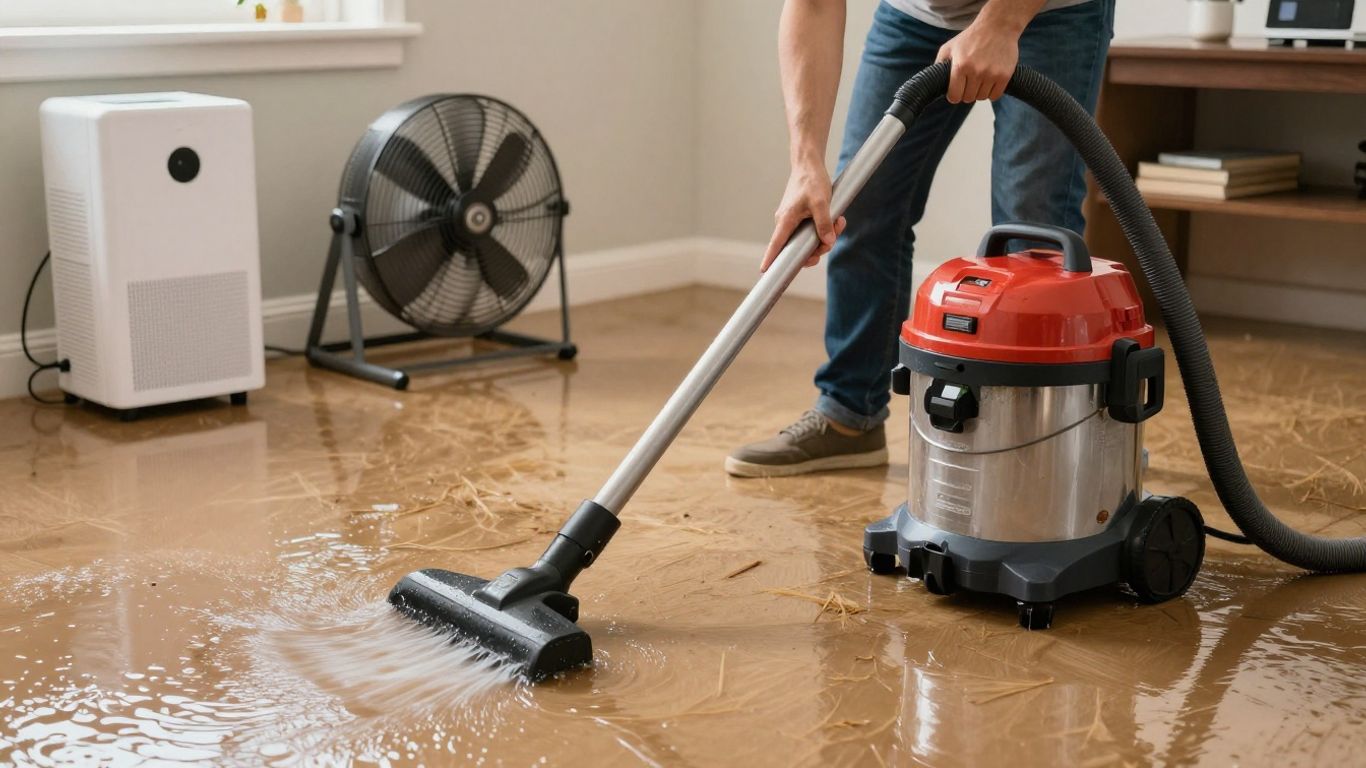
Alright, so your carpet’s seen better days, probably thanks to a flood. Don’t panic just yet. The right tools can make a huge difference in getting things dried out and preventing that nasty mold from setting up shop. Think of it like this: you wouldn’t try to build a house with just a hammer, right? Same idea here. You need a few key players on your team.
Choosing the Right Wet Vacuums and Pumps
First things first, you’ve got to get the bulk of that standing water out. This is where a good wet vacuum, often called a shop vac, comes in handy. These things are built to suck up liquids, unlike your regular vacuum that would probably just short out. For really serious flooding, like if your whole basement is a swimming pool, you might need a more powerful pump. These can move a lot of water quickly. You can often rent these if you don’t want to buy one for a one-time disaster. Getting the standing water gone fast is probably the most important first step. If you’re dealing with a lot of water, calling in a service with industrial pumps might be your best bet to quickly empty flooded rooms [0241].
Selecting Powerful Dehumidifiers and Air Movers
Once the visible water is gone, the real drying begins. This is where dehumidifiers and air movers (think super-powered fans) become your best friends. Dehumidifiers pull moisture right out of the air, which helps the carpet and everything around it dry faster. Air movers, on the other hand, create a strong airflow that helps to circulate the air and speed up evaporation. You’ll want to position these strategically to get air moving over and under the carpet if you’ve managed to lift it.
Here’s a quick rundown of what to look for:
- Wet Vacuums: Look for models with a decent tank capacity and strong suction. A hose that’s long enough to reach different spots is also a plus.
- Pumps: If you need to move a lot of water, consider a submersible pump. They can handle significant volumes.
- Dehumidifiers: Aim for one with a high moisture removal rate (measured in pints per day). Some have built-in hygrometers to monitor humidity.
- Air Movers/Fans: Industrial-strength fans are ideal. They’re designed for continuous use and powerful airflow.
Utilizing Fans for Optimal Air Circulation
Fans are your workhorses for getting air moving. You can use regular household fans, but if you have access to industrial air movers, they’re much more effective. The goal is to create a constant flow of air across the wet surfaces. This helps to carry away moist air and replace it with drier air. You might even want to place fans directly on the carpet or point them underneath if you’ve lifted it. Opening windows can help too, but only if the air outside is drier than the air inside. If it’s humid outside, you’re just bringing more moisture in.
Remember, even after you think the carpet is dry, there could still be moisture trapped deep down. This is where a moisture meter comes in handy. You want to get the moisture level below 16% to really be sure it’s dry enough to prevent mold.
Using a combination of these tools is key. You’ll start with the wet vac to get the bulk of the water, then bring in the dehumidifiers and fans to tackle the remaining moisture and speed up the drying process. Don’t underestimate the power of good airflow; it’s a game-changer for drying out a flooded carpet and preventing mold [16b9].
Drying the Carpet and Subfloor
Okay, so the water’s stopped, and you’ve gotten most of the standing water out. Now comes the real work: getting everything bone dry. This is where you really need to focus, because moisture hiding underneath is a mold party waiting to happen.
Lifting and Removing Carpet for Thorough Drying
Sometimes, you just can’t get things dry enough with the carpet still in place. If your carpet is really soaked, you might need to pull it up. Carefully detach the edges from the tack strips along the walls. If it’s glued down, this is way trickier and you might need to call in the pros. Once you’ve got it loose, roll it up. If the weather’s nice, you could even hang it outside to air out. But honestly, the padding underneath is usually a lost cause. It’s like a sponge, and once it’s soaked, it’s pretty much done for. Most of the time, you’ll need to toss the old padding and get new stuff.
Drying the Exposed Subfloor
Don’t skip this part! Even if the carpet feels dry on top, there could be a swamp party happening underneath. This is prime real estate for mold and can warp your floorboards. You’ll want to get some serious airflow going. Position those powerful fans we talked about to blow air directly over the subfloor. Keep the dehumidifier running too, to suck moisture out of the air. If it’s not too humid outside, opening windows can help a lot. Keep an eye on wood subfloors; they can swell up. If it looks really bad, it might be time to get some advice from a restoration company.
Moisture is sneaky. It loves to hide in places you can’t see, like under your carpet or deep within the padding. If you don’t get it all out, you’re just inviting mold and mildew to set up shop. That’s why getting to the subfloor is so important.
Using Moisture Meters to Confirm Dryness
How do you know for sure if it’s dry? You can’t always tell just by touching it. That’s where a moisture meter comes in handy. These gadgets can tell you the exact moisture content deep within the carpet and subfloor. You’re aiming for a reading below 16% for the carpet to be considered truly dry. It might seem like overkill, but it’s the best way to be certain you’ve won the battle against dampness and prevent future mold growth.
Here’s a quick look at what to aim for:
- Carpet Moisture Content: Below 16%
- Subfloor Moisture Content: Below 12% (for wood)
- Humidity in Room: Aim for 30-50%
Cleaning and Sanitizing Your Carpet
Once you’ve tackled the bulk of the water and have good airflow going, it’s time to really clean and sanitize the carpet itself. Floodwater, no matter how clean it seems initially, can carry all sorts of unwanted guests like bacteria, mold spores, and other yucky stuff. Getting these out is super important for your health and to stop any lingering smells.
Steam Cleaning or Shampooing for Deeper Cleaning
For a really thorough clean, steam cleaning or a good shampooing is the way to go. A hot water extraction method, often called steam cleaning, uses hot water and cleaning solutions to get deep into the carpet fibers. This process not only lifts dirt but can also help kill off any mold spores or bacteria that have taken up residence. If you’re doing it yourself, make sure you rent a machine that uses hot water and has strong suction to pull out as much moisture as possible. If you’re thinking about professional help, this is a good time to look into carpet cleaning services that specialize in flood recovery.
DIY Disinfectant Solutions
If you’re on a budget or prefer to handle things yourself, there are some simple DIY solutions that can help disinfect your carpet. A mixture of white vinegar and water, usually in a 1:1 ratio, works pretty well. Vinegar is a natural disinfectant and deodorizer. You can also use a mild detergent mixed with water, but be careful not to use too much soap, as it can leave residue that attracts dirt later. Always test any solution on a small, hidden spot of the carpet first to make sure it doesn’t cause discoloration.
Addressing Mold and Mildew Concerns
This is where you really need to be vigilant. If you notice any signs of mold or mildew – like a musty smell or visible fuzzy patches – you need to act fast. For minor mold spots, a solution of one part bleach to ten parts water can be effective, but use it with caution and good ventilation. Always wear gloves and a mask when dealing with mold. Remember, the goal is not just to clean the surface but to eliminate the source of the problem. If the mold seems widespread or has gotten into the carpet padding, it might be time to consider replacing the carpet altogether.
It’s important to remember that even after cleaning, you need to ensure the carpet dries completely. Lingering moisture is the perfect breeding ground for mold and mildew, undoing all your hard work and creating a bigger problem down the line. Keep those fans and dehumidifiers running until you’re absolutely sure it’s dry.
Here’s a quick rundown of what to do:
- Inspect thoroughly: Look for any signs of mold or mildew, especially in corners and along baseboards.
- Spot test: Always test cleaning solutions on an inconspicuous area first.
- Ventilate well: Keep windows open and fans running during and after cleaning.
- Dry completely: Don’t stop drying efforts until the carpet is bone dry, top to bottom.
Understanding Carpet Drying Times
So, your carpet’s soaked. Now what? The big question on everyone’s mind is, ‘How long is this going to take?’ Honestly, there’s no single answer, because a lot of things play a role. It’s not just about how wet it got, but also what your carpet is made of and what’s underneath it.
Factors Affecting Drying Duration
Several things can speed up or slow down the drying process. Think of it like drying laundry – a thick towel takes longer than a t-shirt, right? It’s similar with carpets.
- Carpet Material and Thickness: Thicker carpets and those made from natural fibers like wool tend to hold more moisture and take longer to dry than synthetic, low-pile carpets.
- Amount of Water: Obviously, a light dampness dries faster than a carpet that’s completely submerged.
- Subfloor Type: Is it concrete, wood, or something else? Wood subfloors can absorb water and take longer to dry out completely, increasing the risk of warping.
- Humidity and Temperature: High humidity in your home means the air is already full of moisture, making it harder for the carpet to release its own water. Warmer temperatures generally help, but too much heat can sometimes damage fibers.
- Ventilation and Airflow: This is huge. The more air moving over and under the carpet, the faster it will dry. Think fans, open windows (if the outside air isn’t too humid), and dehumidifiers.
Typical Drying Timeline After Flooding
While it’s tough to give an exact number, here’s a general idea. For a carpet that’s been professionally dried with the right equipment, you’re often looking at 24 to 72 hours for it to feel dry to the touch. However, getting the padding and subfloor completely dry can take much longer, sometimes up to a week or even more in severe cases. Remember, drying a flooded basement can take up to six weeks, and the carpet is just one part of that. Saving carpet after a flood is challenging, especially if mold has begun to grow. Carpets that remain wet for less than 24 hours have the best chance of being salvaged.
| Condition | Estimated Drying Time (Carpet Surface) | Estimated Drying Time (Padding/Subfloor) | Notes |
|---|---|---|---|
| Light Dampness | 12-24 hours | 1-2 days | With good airflow and dehumidification. |
| Moderately Wet | 24-48 hours | 2-4 days | Requires consistent use of fans and dehumidifiers. |
| Heavily Soaked | 48-72 hours | 4-7+ days | May require lifting carpet; professional intervention often needed. |
The Urgency of Preventing Mold Growth
This is where the timeline really matters. Mold doesn’t wait around. It can start to appear in as little as 24 to 48 hours after a flood, especially if the conditions are right – dark, damp, and warm. That’s why speed is so important. Even if the carpet surface feels dry, moisture trapped underneath can be a breeding ground for mold and mildew. You need to be absolutely sure that everything, down to the subfloor, is dry. If you’re not seeing progress or are worried about mold, it might be time to call in the pros.
Don’t just focus on the surface. The real battle is against the moisture hiding beneath the carpet and padding. That’s where mold loves to set up shop, and it can spread quickly if not addressed.
Preventing Mold and Future Flood Damage
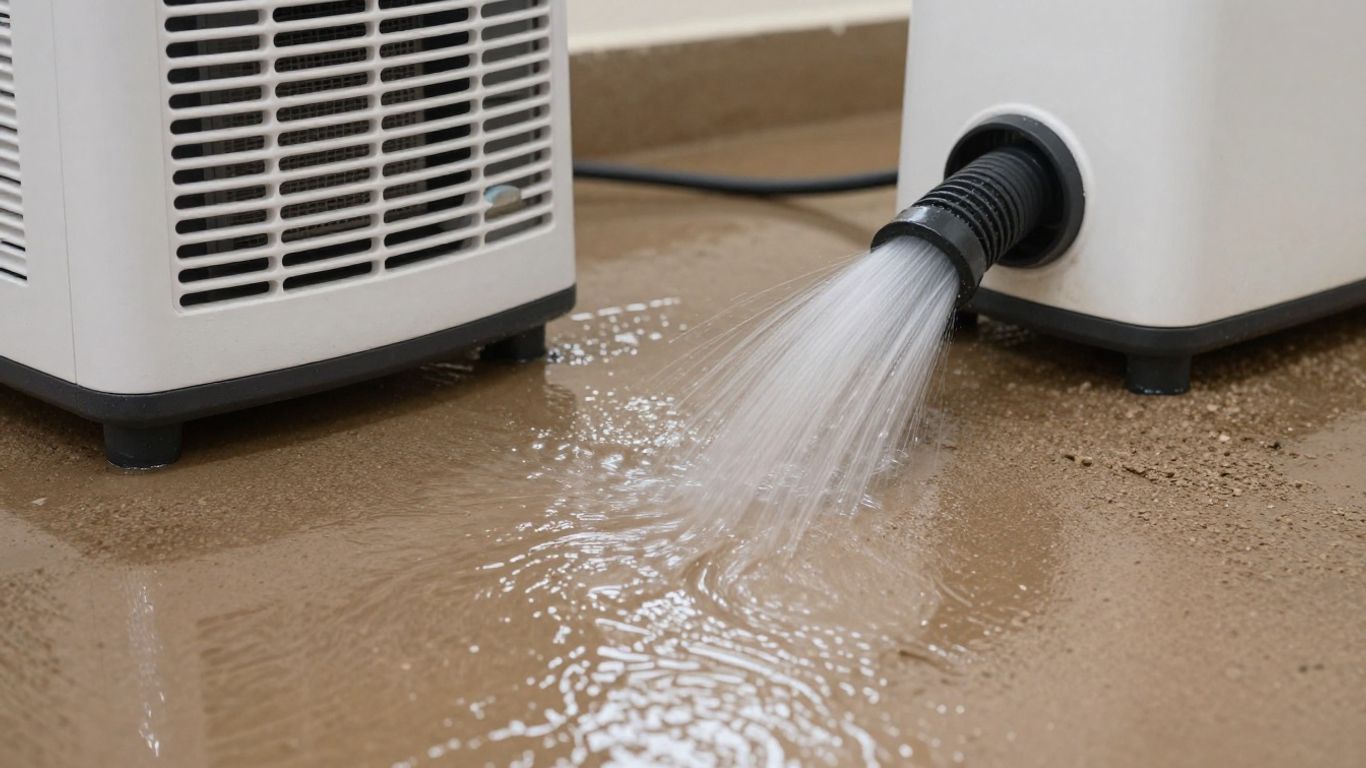
Okay, so you’ve managed to get the carpet mostly dry, which is a huge win. But the battle isn’t over yet. Mold is sneaky, and it can start setting up shop in as little as 24 to 48 hours if things stay damp. We need to be proactive to keep it from coming back and to stop future floods from causing the same headache.
Maintaining Low Humidity Levels
This is probably the most important thing you can do after a flood, and honestly, just good practice for any home. Mold really likes it humid. Keeping your home’s humidity below 60% is key, but aiming for 30-40% is even better. It makes it way harder for mold spores to get comfortable and start growing. You can get a little gadget called a hygrometer to check the levels – they’re pretty cheap and easy to use. Running dehumidifiers is your best friend here. You might need to keep them running for days, or even weeks, depending on how wet everything got. Don’t forget to open windows when the weather outside is dry and less humid to help air things out, too.
Regular Carpet Maintenance
Think of your carpet like a garden; it needs regular attention to stay healthy. This means vacuuming often, like, at least once a week, maybe more if you have pets or kids. When you vacuum, try to go in different directions to really get the dirt out from the base of the fibers. If you notice any spills or small damp spots, tackle them immediately. Don’t let them sit and soak in. A quick blot with a clean cloth can save you a lot of trouble later. Also, consider getting your carpets professionally cleaned every year or so. They have the heavy-duty equipment to really get them clean and can spot potential problems you might miss.
Proactive Flood Prevention Measures
Let’s talk about stopping floods before they even start. It sounds like a lot, but a few smart moves can make a big difference. First, check the outside of your house. Make sure water isn’t pooling near the foundation. You might need to regrade the soil so it slopes away from the house, or maybe extend your downspouts so they dump water further away. If you live in a flood-prone area, think about installing a sump pump in your basement. It’s a lifesaver. Also, keep an eye on your plumbing. Old pipes can burst, and leaky faucets are just asking for trouble. Regularly inspecting your roof and gutters for damage or blockages is a good idea too. It’s all about being a step ahead. If you’re unsure about some of these exterior fixes, you might want to look into local landscaping services that can help manage water flow around your property.
Dealing with water damage is stressful, no doubt about it. But by focusing on keeping humidity low, taking good care of your carpets, and taking steps to prevent future water issues, you’re building a stronger defense against mold and further damage. It’s about creating an environment where mold just doesn’t want to live.
When to Seek Professional Restoration Services
Look, sometimes you can handle a little water spill yourself. Maybe you’ve got a wet vac and some fans, and the water damage isn’t too bad. But there are definitely times when you need to call in the pros. Trying to tackle a big job without the right gear or know-how can actually make things worse, and honestly, it’s just not worth the headache.
Identifying Contaminated Water Sources
This is a big one. If the water that flooded your place came from a sewage backup, a burst sewer line, or any other source that’s likely full of nasty stuff, you absolutely need professionals. This kind of water, often called black water, is loaded with bacteria and other gross things that can make you really sick. Professionals have the special gear and training to deal with this safely. They know how to get rid of the contamination and make sure your home is actually clean, not just dry.
Recognizing Signs of Severe Damage
Sometimes, the water damage is just too much for a DIY approach. If you’re seeing:
- Water that has soaked through to the subfloor and is causing it to warp or soften.
- Visible mold growth that’s already spread across a large area.
- Damage to the structural integrity of your home, like sagging ceilings or walls that look unstable.
- Electrical systems that have been submerged or are showing signs of damage.
In these situations, it’s best to step away and let the experts handle it. They have industrial-strength equipment and a much better understanding of how to repair serious structural issues. For immediate help with water damage, you can contact a local office right away.
When DIY Efforts Are Insufficient
Even if the water source wasn’t contaminated and the damage doesn’t look immediately structural, there are still times when your own efforts just won’t cut it. If you’ve tried drying everything out for a few days and it still feels damp, or if you’re seeing that musty smell that just won’t go away, it’s probably time to call for backup. Professionals have access to advanced drying technology and moisture meters that can detect hidden dampness you might miss. They can also perform deeper cleaning and sanitization that goes beyond what most homeowners can do. Remember, promptly addressing water damage is key, and sometimes that means knowing when to hand it over to someone with more experience.
Conclusion
Dealing with a flooded carpet can feel like a big mess, but remember, acting fast is your best friend. By following these steps, you can tackle the drying process yourself and keep your home safe from mold. If the water damage is severe or you’re unsure about the contamination, don’t hesitate to call in the pros. Taking care of your carpet after a flood not only saves your floors but also protects your family’s health and your home’s structure.
Frequently Asked Questions
How fast does mold grow after a flood?
Mold can start to grow really quickly, sometimes in just 24 to 48 hours after the carpet gets wet. That’s why it’s super important to start drying everything out as soon as possible.
What’s the best way to get water out of a carpet?
The best first step is to use a wet/dry vacuum, often called a shop vac. It’s made to suck up lots of water. If you don’t have one, you can use absorbent towels or mops, but it’ll take longer.
Do I need to remove the carpet padding?
Most of the time, yes. Carpet padding soaks up a ton of water like a sponge. It’s really hard to dry out completely, and it’s a prime spot for mold to grow. It’s usually best to just replace it.
How long does it take for a carpet to dry completely?
It really depends on how wet it got and how well you can get air moving. It can take anywhere from 3 days to a week, or even longer if it’s really soaked and humid. Using fans and dehumidifiers helps a lot.
Can I just use regular fans to dry my carpet?
Regular fans can help a bit by moving the air around, which is better than nothing. But for really fast and effective drying, especially after a flood, powerful fans called air movers and dehumidifiers work much better.
When should I call a professional for help?
You should call the pros if the water is dirty (like from a sewage backup), if the flooding is really bad, if you see mold already growing, or if you’re just not sure you can get it dry enough yourself. They have special tools and know-how.
