Figuring out what those spots on your ceiling mean is the first step to fixing them. Here are the main things to remember:
Key Takeaways
- Spots on the ceiling often point to leaks from the roof, plumbing, or even condensation.
- The location and appearance of the stain, like its color and if it has a ring, offer clues.
- Check areas where pipes, chimneys, or vents meet the roof, as these are common leak points.
- Attic inspections are key; look for wet insulation, dark wood, or mold to trace the leak uphill.
- Don’t forget about HVAC systems and high humidity, which can also cause ceiling stains.
Understanding the Initial Signs of Spots on Ceiling
So, you’ve noticed a spot on your ceiling. That sinking feeling is pretty common, but don’t panic just yet. Think of that discoloration as your home’s way of sending you a message, and your first job is to figure out what it’s trying to say. These interior clues are your best starting point for figuring out if you’re dealing with a roof issue, a plumbing problem, or something else entirely.
Decoding Interior Clues
Before you even think about climbing onto the roof or tearing into walls, take a good, hard look at what’s happening inside your home. The location and appearance of the stain can tell you a surprising amount. For example, if a spot appears or gets worse right after a rainstorm, it’s a pretty strong indicator that the problem is coming from above, likely the roof. Plumbing leaks, on the other hand, tend to be more consistent and don’t usually depend on the weather outside. It’s all about observing the patterns.
Paying attention to these early signs can save you a lot of time and money down the road. It’s like your house is giving you a heads-up before a small issue becomes a major headache.
Location and Appearance of Stains
Let’s break down what you might be seeing. The shape, color, and where the stain is located are all important pieces of the puzzle. A small, yellowish circle might mean something different than a large, brown, spreading patch.
Here’s a quick rundown of common visual cues:
- Water Stains: These often look like rings, sometimes with a darker edge, and can be yellowish or brownish. They’re frequently found on ceilings on the top floor or in corners where walls meet the ceiling.
- Peeling or Bubbling Paint: If the paint or wallpaper near the ceiling line is starting to blister, crack, or flake off, it’s a sign that moisture is getting behind the surface.
- Active Dripping: In some cases, especially during heavy rain, you might actually see water dripping from the spot. You might even hear it before you see it.
Interpreting Telltale Discoloration
Not all stains are created equal, and understanding the nuances can help you pinpoint the source. An active leak might look damp and even feel cool to the touch. During a storm, you might see it actively dripping. Older stains, however, often have a distinct brown or yellowish ring around them, almost like a coffee stain. This suggests that water has been seeping in for a while, even if it only happens under specific conditions. You can learn more about these subtle issues by reviewing other common signs of roof damage that often go unnoticed. Also, keep an eye out for peeling or bubbling paint, especially where walls meet the ceiling. As water gets behind the drywall, it can cause the paint to separate from the surface. If these spots feel soft or spongy when you gently push on them, that’s a strong indicator of trapped moisture. If you’re unsure whether a stain is old or new, try this trick: lightly trace the outside edge of the stain with a pencil. After the next significant rain, check it again. If the damp area has grown beyond your pencil line, you’ve got an active leak.
Investigating Potential Roof-Related Spots on Ceiling
Spots on your ceiling that look like water damage can sometimes be a sign that something’s up with your roof. It’s not always obvious, but water has a sneaky way of finding its path into your home. Thinking about your roof as the first line of defense is key here. When that defense gets compromised, you start seeing problems inside.
Common Roof Penetrations
Anything that pokes through your roof is a potential weak spot. Think about plumbing vents, chimneys, and even skylights. These areas have seals and flashing designed to keep water out, but over time, these seals can break down. You might notice discoloration around pipes or framing that looks damp. It’s like a tiny crack in armor; small at first, but it can let a lot of water in.
- Plumbing Vents: The rubber boots around vent pipes can dry out and crack from sun exposure.
- Chimneys: The flashing around a chimney has many seams that can fail over time.
- Roof Vents: Even simple roof vents can develop cracks or lose their sealant.
When you’re looking for roof leaks, remember that water doesn’t always drip straight down. It can travel along rafters or other structural elements for quite a distance before it makes its presence known on your ceiling. Always try to trace the stain uphill to find the true entry point.
Shingle Damage and Nail Issues
Your shingles are the main barrier against the elements. If they’re damaged, water can get underneath them and start its journey inward. You don’t always need to get on the roof to spot this. Sometimes, just walking around your house with a good pair of binoculars can reveal a lot. Look for shingles that are missing, cracked, or curling up at the edges. These are all invitations for water to seep in. Another thing to watch for are "shiners," which are roofing nails that missed the rafter or have backed out. From inside the attic, these can look like tiny dark spots or even frost-covered nail tips if there’s condensation. Identifying damaged shingles from the ground is a smart first step in diagnosing ceiling stains.
The Role of Roof Flashing
Flashing is that thin metal material used to seal off joints and transitions on your roof, especially around those penetrations we just talked about. It’s designed to direct water away from vulnerable areas. If you see flashing that’s rusted, bent, or pulling away, that’s a big red flag. Even small gaps or cracked sealant around flashing can lead to significant water intrusion. It’s often overlooked, but faulty flashing is a very common culprit for leaks that show up as ceiling spots.
Exploring Plumbing Causes for Spots on Ceiling
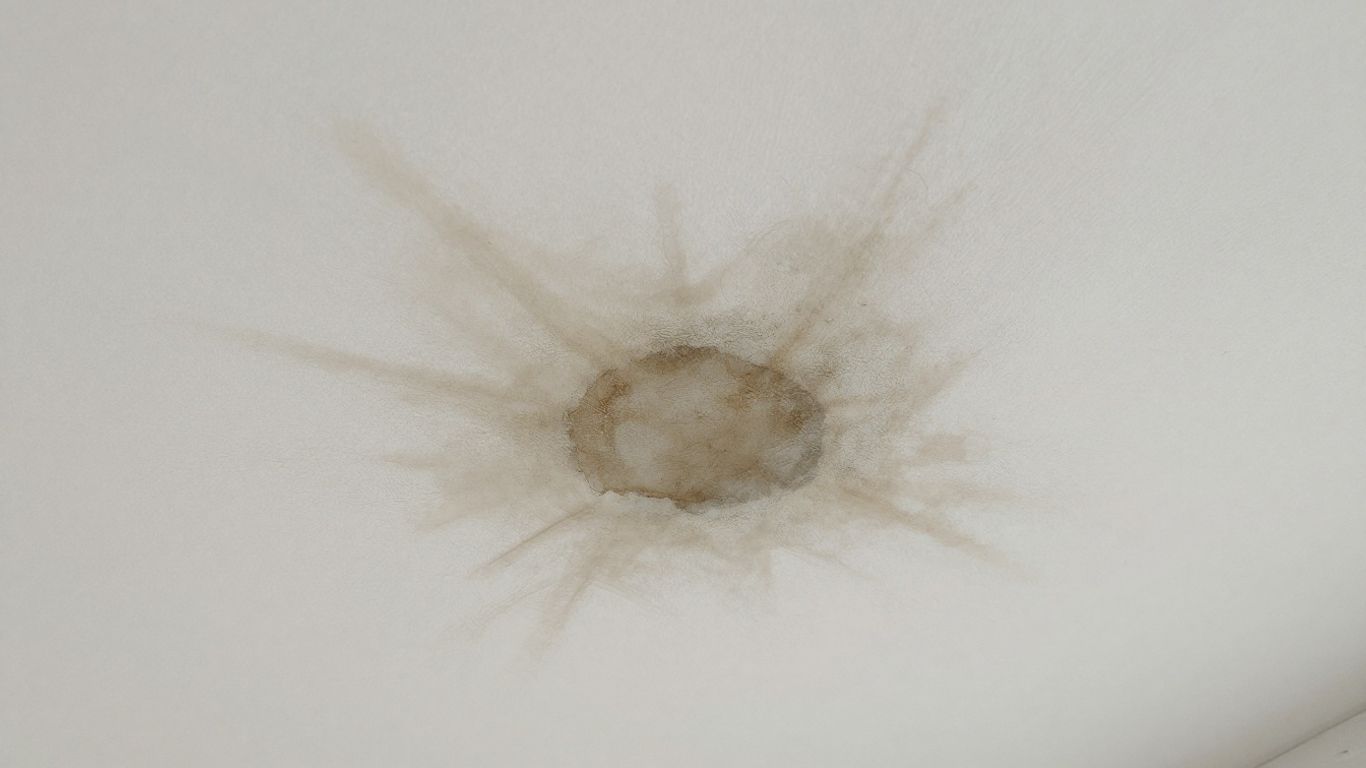
When you spot a discolored patch on your ceiling, your mind might jump straight to the roof. But don’t forget about what’s happening inside your walls! Plumbing issues are a surprisingly common culprit for those unwelcome ceiling stains. Think about it: water is constantly moving through pipes all over your house, and where there’s water, there’s potential for leaks.
Bathroom Plumbing Vulnerabilities
Bathrooms are often ground zero for plumbing-related ceiling spots. Toilets, showers, and sinks all have seals, gaskets, and connections that can wear out over time. A failing toilet seal, for instance, might not seem like a big deal, but it can slowly drip water that eventually makes its way to the ceiling below. Even a minor overflow from a sink or tub can cause problems if it’s not caught quickly. It’s worth checking the caulking around your tub or shower too; if it’s cracked or peeling, water can seep behind the tiles and find a path to your ceiling.
Kitchen and Laundry Room Leaks
Your kitchen and laundry room are also prime suspects. The dishwasher, refrigerator ice maker lines, and kitchen sink all have water connections that could develop leaks. In the laundry room, the washing machine hoses are notorious for developing cracks or becoming loose, leading to significant water damage. A slow drip from any of these appliances can go unnoticed for a while, allowing moisture to build up and stain the ceiling.
Identifying Pipe Issues
Sometimes, the problem isn’t with an appliance but with the pipes themselves. Older homes might have pipes that have corroded or developed pinhole leaks. Even newer homes can have issues if pipes weren’t installed correctly. If you notice a stain that seems to be growing or changing color, it could be a sign of a more serious pipe problem. The key is to act fast because even small leaks can lead to bigger problems like mold growth or structural damage.
It’s easy to overlook the plumbing within your walls until a stain appears. These hidden systems are complex, and a small failure can have a cascade effect, leading to water damage that spreads silently. Addressing these issues promptly is always the best approach.
Here are some common plumbing leak points to inspect:
- Toilet Seals: The wax ring or gasket at the base of the toilet can degrade.
- Supply Lines: Hoses connecting sinks, toilets, and appliances can crack or loosen.
- Drain Pipes: Leaks can occur at joints or due to corrosion in drain lines.
- Shower/Tub Valves: The internal components of shower valves can fail, causing leaks behind the wall.
- Appliance Connections: Dishwashers, refrigerators, and washing machines all have water hookups that can fail. If you suspect a plumbing issue, it’s often best to get a professional opinion. They have the tools and experience to pinpoint the exact source of the leak, which can save you a lot of time and money in the long run. You can find resources for home repair services that can help diagnose and fix these kinds of problems.
The Impact of Condensation and Humidity
Sometimes, those spots on your ceiling aren’t from a leaky roof or a burst pipe. Nope, they can actually be caused by something as simple as too much moisture hanging around in the air. We’re talking about condensation and humidity, and they can really mess with your home.
High Humidity Environments
If your house just feels generally damp, especially on the upper floors or in rooms that don’t get much airflow, that’s a big clue. High humidity means there’s a lot of water vapor in the air. When this warm, moist air hits cooler surfaces, like your ceiling, it cools down and releases that water. Think of it like a cold glass on a hot day – water beads up on the outside. This constant moisture can lead to those telltale water spots, and if left unchecked, it can encourage mold and mildew growth. It’s a sneaky problem because you might not see an obvious leak, but the damage is still happening.
Ventilation Deficiencies
Poor ventilation is a major player here. If your home doesn’t have enough airflow, moisture from everyday activities like showering, cooking, or even just breathing gets trapped inside. This is especially true in attics. If the air can’t escape, it cools down and condenses. This is why having proper attic ventilation is so important for keeping your home dry and preventing issues. Without it, you’re basically creating a perfect environment for moisture problems to start. You can find some practical advice on preventing mold growth by controlling moisture in your home, which often starts with better ventilation. Reducing indoor humidity levels is key.
Recognizing Condensation Patterns
Condensation often shows up in specific ways. You might notice it first on the parts of the ceiling that are closest to the outside or above unheated spaces like garages. The spots might be more widespread than a typical leak, sometimes appearing as a general dampness or a collection of small droplets rather than a single, defined stain. Sometimes, you’ll see it forming on surfaces that are particularly cold. It’s a good idea to pay attention to where these spots appear and when. For instance, if they seem worse during humid weather or after a period of heavy use (like multiple showers in a day), it points more towards condensation. It’s a subtle indicator, but it’s definitely one to watch out for.
Condensation happens when warm, moist air meets a cold surface. The air cools, and the water it’s holding turns into liquid. This can happen on ceilings if the air inside your house is too humid or if the ceiling surface is too cold. It’s not always a sign of a major leak, but it does mean there’s too much moisture hanging around, which can cause other problems down the line like mold or damage to paint and drywall.
Uncovering Hidden Spots on Ceiling from HVAC Systems
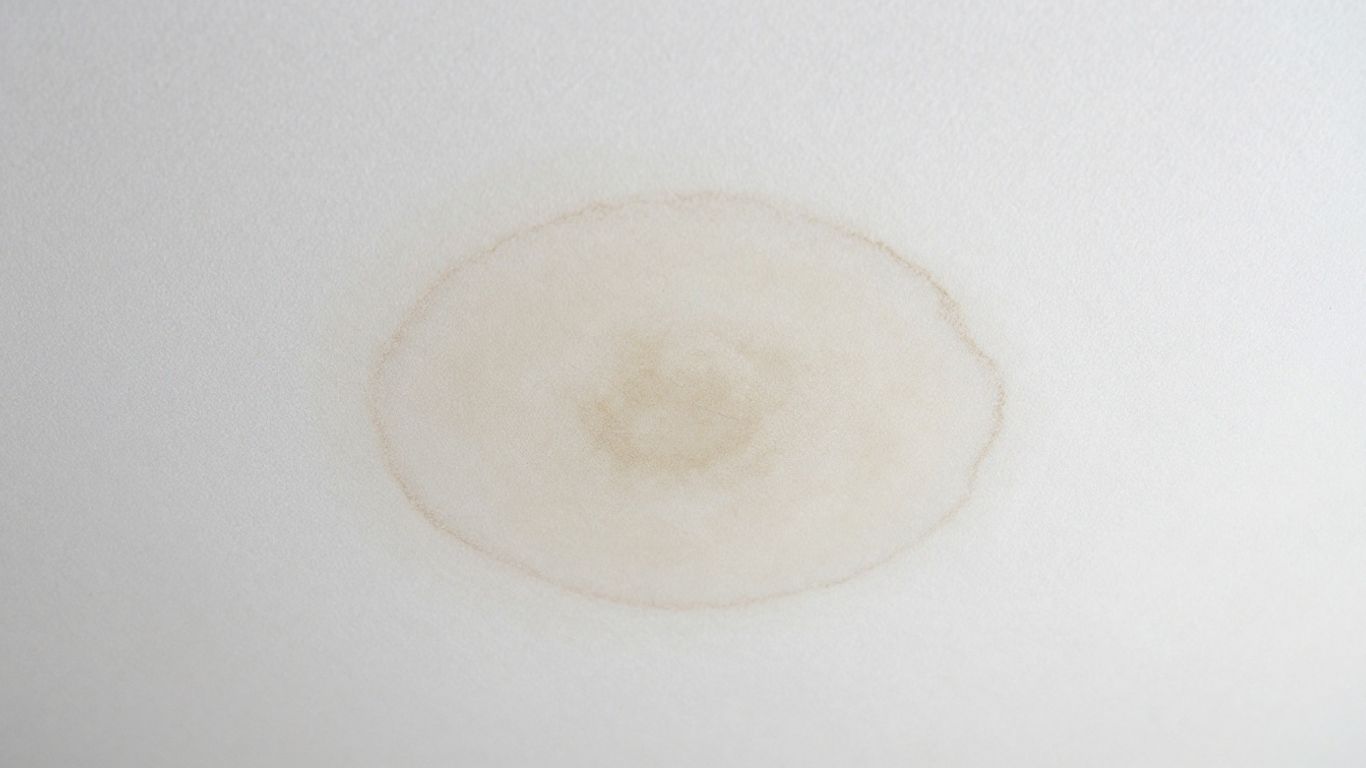
Sometimes, those mysterious spots on your ceiling aren’t from the roof or leaky pipes. Your heating, ventilation, and air conditioning (HVAC) system can also be a sneaky source of water damage. It’s easy to forget that this complex network of ducts and machinery is constantly dealing with moisture, and when something goes wrong, that moisture can end up where you least expect it.
Leaky Ductwork
Your HVAC system moves air, and sometimes it moves water too. If the ductwork isn’t sealed properly, or if it runs through unconditioned spaces like an attic or crawl space, condensation can form on the outside of the ducts. As this condensation builds up, it can drip down. This is especially common in humid climates or during the summer when the air conditioner is running a lot. Over time, these drips can saturate the ceiling material above, leading to those telltale water spots. It’s a good idea to check the areas around your vents for any signs of moisture, as this is often where the problem becomes visible.
Cracked Drip Pans
Your air conditioner has a drip pan designed to catch condensation from the evaporator coils. If this pan cracks or gets damaged, water can overflow. This overflowed water then has to go somewhere, and unfortunately, that ‘somewhere’ can often be the ceiling below. You might notice this issue more during periods of high humidity or when the AC unit is working overtime. A quick peek into the area around your indoor AC unit might reveal a full or overflowing drip pan, which is a pretty clear sign of trouble.
Clogged Drain Lines
Every air conditioning system has a condensate drain line to remove the water collected by the drip pan. If this line gets clogged with dust, algae, or other debris, the water has nowhere to go but back up. This backup can cause the drip pan to overflow, leading to leaks. Sometimes, the water can even back up into the air handler itself and cause issues there. If you notice your AC unit is running but not cooling effectively, or if you hear gurgling sounds, a clogged drain line might be the culprit. Addressing a clogged drain line is often a straightforward fix, but it’s important to catch it before it causes significant ceiling damage. You can learn more about how HVAC systems manage moisture by looking into common AC water issues.
It’s important to remember that HVAC systems are intricate. When water spots appear, it’s not always a simple fix. The system’s complexity means that a small issue, like a minor clog, can quickly escalate into a larger problem if not addressed promptly. Regular maintenance can prevent many of these issues from developing in the first place.
The Attic Inspection: Tracing Spots on Ceiling to Their Source
Alright, so you’ve seen the spots, maybe even smelled that faint musty odor. Now it’s time to get serious and head into the attic. This is where the real detective work happens, and honestly, it’s usually the most telling part of figuring out what’s going on with that ceiling stain. Think of the attic as the house’s central nervous system for water issues – everything eventually shows up here.
Safety Precautions for Attic Entry
Before you even think about climbing up, let’s talk safety. Attics can be dusty, dark, and full of hidden hazards. Always make sure you have a sturdy ladder and know where you’re stepping. You don’t want to put your foot through the drywall ceiling below – trust me, that’s a whole other problem. It’s a good idea to wear gloves and a dust mask, especially if you suspect mold might be present. A headlamp is way better than a flashlight because it keeps your hands free to hold onto things or move stuff around. If your attic is packed with old boxes or insulation, move slowly and deliberately.
What to Look For Under Roof Decking
Once you’re up there, your main goal is to find where the water is coming from. Shine your light on the underside of the roof sheathing (that’s the wood right under the shingles) and the wooden beams. You’re looking for any signs of moisture. This could be dark stains, damp spots, or even mold growth. Pay close attention around any pipes or vents that go through the roof, like plumbing vents or chimney areas. These are common spots where seals can fail. Sometimes, you might even see tiny pinpricks of light coming through the roof boards on a sunny day – while a few small ones might be okay, any noticeable gaps are a red flag. You can learn more about how these areas are sealed by understanding what roof flashing is.
Following Water Trails Uphill
This is where the real detective work comes in. Water doesn’t just appear; it travels. If you see a wet spot on the ceiling, the leak source is almost always above that spot in the attic. Look for water stains on the rafters or the underside of the roof decking. Follow these trails uphill. Where do they lead? Does the trail end at a specific pipe penetration? Is there a collection of damp insulation near a particular area of the roof? Sometimes, you might even spot what are called ‘shiners’ – these are roofing nails that missed the rafter or have popped out, and they can collect condensation. If you’re finding signs of pests, like droppings or nesting materials, that’s another clue to investigate entry points around soffits.
Identifying the exact source of a leak can sometimes feel like a puzzle. It’s about systematically looking for evidence and following the path the water has taken. Don’t get discouraged if you don’t find it immediately; sometimes it takes a bit of patience and careful observation.
Beyond the Visible: Subtle Indicators of Spots on Ceiling
Sometimes, the signs of trouble aren’t as obvious as a big, wet splotch. You might not see a direct drip, but there are other clues that water is making its way into your home. Paying attention to these less obvious signals can help you catch a problem before it gets serious.
Musty Odors and Hidden Moisture
That persistent, damp, earthy smell that you just can’t seem to place? That’s often your first warning. It’s the scent of mold or mildew, and it loves to grow in quiet, dark, damp spots. If you notice this smell, especially in upper rooms or closets, it’s a strong indicator that moisture is lurking somewhere unseen. It’s a good idea to be aware of how mold and mildew can form, as this knowledge can help you spot potential issues early on.
Wall Discoloration and Bloating
Look closely at the areas where your walls meet the ceiling. You might see paint that’s starting to bubble up or peel away. This happens when moisture gets behind the paint layer, pushing it off the surface. If you gently press on these areas and they feel soft or spongy, that’s a pretty clear sign that water is trapped behind the drywall. It’s not just about the ceiling; sometimes the walls give away the secret first.
Peeling or Bubbling Paint
This symptom is closely related to wall discoloration but can appear on its own. You might see paint that looks like it’s got blisters or is starting to crack and flake. This is especially common near the edges of the ceiling or around window frames on upper floors. It’s a visual cue that something is compromising the integrity of the paint and, by extension, the surface beneath it. If you’re dealing with a house that needs some work, you might be wondering about selling it as-is, which is something you can explore if you’re looking to sell your Miami house fast for cash.
Here are some other subtle signs to watch out for:
- Soft Spots: Gently press on suspect areas of the ceiling or walls. If they feel soft, mushy, or give way easily, moisture is likely present.
- Changes in Texture: Beyond bubbling paint, you might notice a slight warping or sagging in the drywall itself, indicating it’s becoming saturated.
- Unexplained Dampness: Even without a visible stain, a small area of the ceiling might feel cool or slightly damp to the touch, especially after rain.
It’s easy to dismiss a faint smell or a small patch of peeling paint. However, these subtle indicators are often the earliest warnings that water is finding its way into your home’s structure. Ignoring them can lead to more significant damage, including structural issues and mold growth, which can affect your home’s air quality and your health. Addressing these minor signs promptly is key to preventing major problems down the line.
Conclusion
Spotting those unwelcome spots on your ceiling can be a bit unsettling, but they’re usually a sign that something needs attention. By understanding the common culprits – from roof leaks and plumbing issues to condensation and HVAC problems – you can start to pinpoint the source. Don’t ignore these signs; they’re your home’s way of telling you it needs a little care. A little detective work, maybe a quick trip to the attic, and you’ll be well on your way to fixing the problem and keeping your ceiling looking its best. Remember, tackling these issues early can save you a lot of trouble and expense down the line.
Frequently Asked Questions
Are ceiling spots always a big deal?
Yeah, usually they are. A spot on your ceiling often means there’s a leak somewhere. Water can damage the ceiling material, and wet spots are a perfect place for mold to grow. It’s best to check it out right away.
What if I see a stain but no dripping water?
That can happen! Sometimes, the leak isn’t active right now, or it’s very slow. Condensation is a common reason for this, especially in bathrooms or kitchens where steam builds up. It could also be an older leak that has dried up, but the stain remains.
Why are my ceiling stains brown?
Brown stains usually mean the water has picked up dirt or rust as it traveled. This could be from old pipes, debris on your roof, or water sitting in wood for a while. It’s a sign that the water has been there for some time.
Could my air conditioner cause ceiling spots?
Definitely. Your AC system has parts like drip pans and drain lines that can clog or crack. If these aren’t working right, water can leak out and end up on your ceiling, especially if the ducts are also leaky.
How can I tell if the spot is from the roof or plumbing?
Think about when you see it. If the spot appears or gets worse after it rains, it’s probably the roof. If it seems to happen randomly or is in a bathroom or kitchen, plumbing is a more likely suspect. Also, check if the stain is near a pipe or bathroom fixture.
What’s the first thing I should do when I see a spot?
The very first thing is to try and figure out where the water is coming from. Look at where the spot is, check the attic if you can safely, and think about recent weather. Knowing the cause helps you fix it correctly.
