Here are the main points to remember when using baking soda and vinegar for mold removal. These simple tips will help you get rid of mold and keep it from coming back.
Key Takeaways
- Vinegar is a strong mold killer because of its acetic acid, while baking soda helps absorb moisture.
- Always wear protective gear like gloves, goggles, and a mask when cleaning mold.
- For bathroom surfaces, spray undiluted vinegar, let it sit, then wipe with hot water and dry well.
- Wash moldy towels and clothes using vinegar in the wash cycle, followed by baking soda in a second cycle.
- Prevent mold by fixing leaks, improving ventilation, and drying damp areas completely.
Understanding The Power Of Baking Soda And Vinegar For Mold Removal
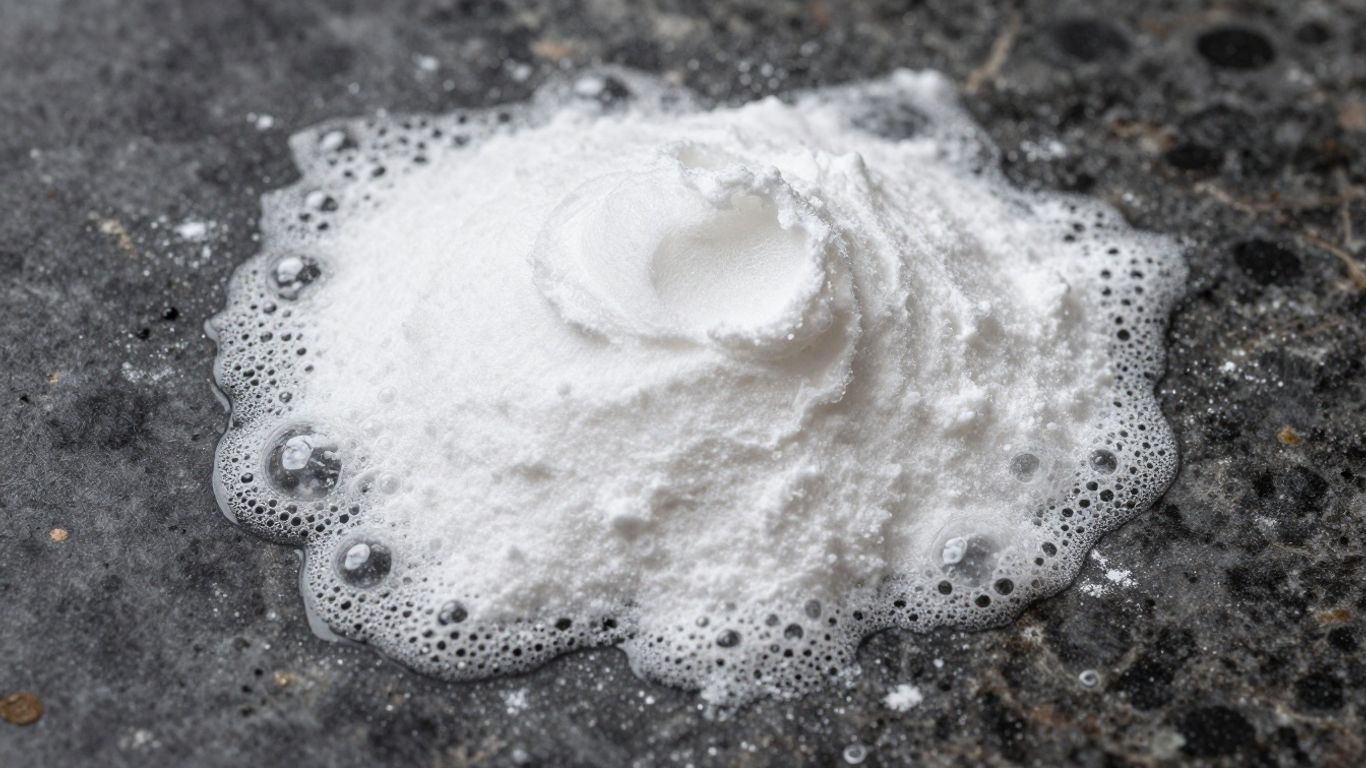
Mold can be a real nuisance, showing up in damp corners and making things look and smell unpleasant. But before you reach for the heavy-duty chemicals, let’s talk about two common household items that pack a serious punch against mold: baking soda and vinegar. These aren’t just for baking cookies or cleaning drains; they’re surprisingly effective mold fighters.
Why Vinegar Is A Mold’s Worst Enemy
Vinegar, specifically white distilled vinegar, is a powerhouse when it comes to tackling mold. Its secret weapon is acetic acid. This acid is what makes vinegar so good at breaking down mold and killing its spores. It’s not just about killing what’s visible; vinegar gets into the nooks and crannies. It’s estimated that vinegar can kill about 82% of mold species. While it might take a little longer than some harsh chemicals, it’s a much safer option for your home and family. Plus, it’s readily available and inexpensive, making it a go-to for many DIY mold removal tasks.
Remember, never mix vinegar with bleach. This combination creates toxic chlorine gas, which is incredibly dangerous and can cause serious respiratory problems or worse. Always use them separately and rinse surfaces thoroughly between applications.
Baking Soda’s Role In Moisture Absorption
Baking soda, that humble powder in your pantry, plays a different but equally important role. While vinegar is busy killing mold, baking soda is working behind the scenes to absorb moisture. Mold thrives in damp environments, so removing the moisture is key to preventing its return. Baking soda is also a mild abrasive, which helps in scrubbing away mold spores without damaging surfaces. Think of it as a one-two punch: vinegar kills, and baking soda dries and scrubs.
Here’s a quick look at what each brings to the table:
- Vinegar: Kills mold spores with its acetic acid.
- Baking Soda: Absorbs moisture and acts as a gentle abrasive.
Why Bleach Is Not The Ideal Choice
Many people automatically grab bleach when they see mold, but it’s often not the best solution. While bleach can kill surface mold and lighten stains, it doesn’t always penetrate porous materials to kill the mold’s roots. In some cases, it can even encourage mold growth by leaving behind moisture. Plus, bleach fumes are harsh and can be harmful to your health, especially if you have respiratory issues. For a safer and more thorough approach, sticking with natural options like vinegar and baking soda is usually a better bet for DIY mold cleaning.
When dealing with mold, it’s always good to have a plan. Understanding what makes these common household items effective gives you the confidence to tackle mold issues without resorting to harsh chemicals. It’s about working smarter, not just harder, to keep your home clean and healthy.
Essential Preparations For Effective Mold Remediation
Before you even think about scrubbing away that fuzzy green stuff, it’s super important to get ready. Tackling mold isn’t just about grabbing a sponge and some cleaner; it’s about being safe and smart about it. Think of it like preparing for a small DIY project – you wouldn’t start without the right tools, right? Mold remediation is no different, and a little prep work goes a long way.
Assembling Your Protective Gear
First things first, let’s talk safety. Mold spores can cause all sorts of problems if you breathe them in or get them on your skin. So, your first line of defense is proper protective gear. You’ll want to put on:
- Gloves: Thick rubber gloves are best to keep your hands safe from both the mold and any cleaning solutions.
- Eye Protection: Safety goggles are a must. Mold spores can easily get into your eyes, and nobody wants that.
- Respiratory Protection: A mask is really important, especially if you’re dealing with a larger area or if you have any breathing sensitivities. An N95 respirator is a good choice.
- Old Clothing: Wear clothes you don’t mind getting dirty or potentially stained. You might want to have a separate outfit just for mold cleaning.
Gathering Necessary Tools And Ingredients
Once you’re geared up, it’s time to collect your cleaning arsenal. Having everything ready means you can work efficiently without stopping to search for things. You’ll need:
- Spray Bottles: For applying your cleaning solutions evenly. Using undiluted white vinegar in one bottle is a good idea.
- Scrub Brushes: A stiff-bristled brush is great for scrubbing away stubborn mold.
- Clean Cloths or Sponges: Plenty of them, for wiping and drying.
- Buckets: For mixing solutions or rinsing tools.
- Plastic Sheeting or Drop Cloths: To protect surrounding areas from spores and drips.
- Trash Bags: Heavy-duty ones for disposing of contaminated materials.
Your main cleaning agents will likely be baking soda and white vinegar, but having some dish soap and warm water on hand is also helpful.
Assessing The Extent Of Mold Damage
Before you start scrubbing, take a good look at the situation. How widespread is the mold? If the mold covers an area larger than about 10 square feet, it’s generally recommended to call in a professional. Trying to tackle a huge mold problem yourself can actually spread the spores and make things worse, not to mention it can be a health hazard. For smaller, manageable areas, you can proceed, but always be mindful of the potential risks. It’s better to be safe than sorry when it comes to mold.
Remember, mold thrives in damp environments. Identifying and fixing the source of moisture is just as important as cleaning the mold itself. If you don’t fix the leak or ventilation issue, the mold will likely return, no matter how thoroughly you clean.
Tackling Mold On Bathroom Surfaces
Bathrooms are prime real estate for mold. All that steam from showers and baths creates a humid environment that mold just loves. But don’t worry, tackling it is usually pretty straightforward with common household items. We’re going to focus on how to get rid of mold on your bathroom walls, ceilings, and even in those tricky grout lines.
Cleaning Mold From Bathroom Walls
When you spot mold creeping up your bathroom walls, the first thing to do is grab your protective gear. Think gloves, eye protection, and maybe a mask if it’s a bigger patch. For walls, a simple solution of undiluted white vinegar in a spray bottle works wonders. Spray it directly onto the moldy spots and let it sit for about an hour. This gives the vinegar time to really work its magic. After an hour, wipe the area down with a damp cloth. You might need to scrub a bit for tougher spots. Make sure to dry the wall thoroughly afterward; a fan can help speed this up. A regular spray of vinegar on these surfaces can help keep mold from coming back.
Addressing Mold On Bathroom Ceilings
Ceilings can be a bit trickier because gravity isn’t your friend here. You’ll want to use a solution that clings a bit better. A mix of baking soda and water, or even just undiluted vinegar, can be applied with a sponge or cloth. Be careful not to oversaturate the ceiling, especially if it’s drywall. Apply your chosen cleaner, let it sit for about 15-20 minutes, and then gently scrub. Wipe clean with a damp cloth and then dry the area completely. Improving ventilation in your bathroom is key to preventing mold from returning to these high-up spots.
Removing Mold From Grout
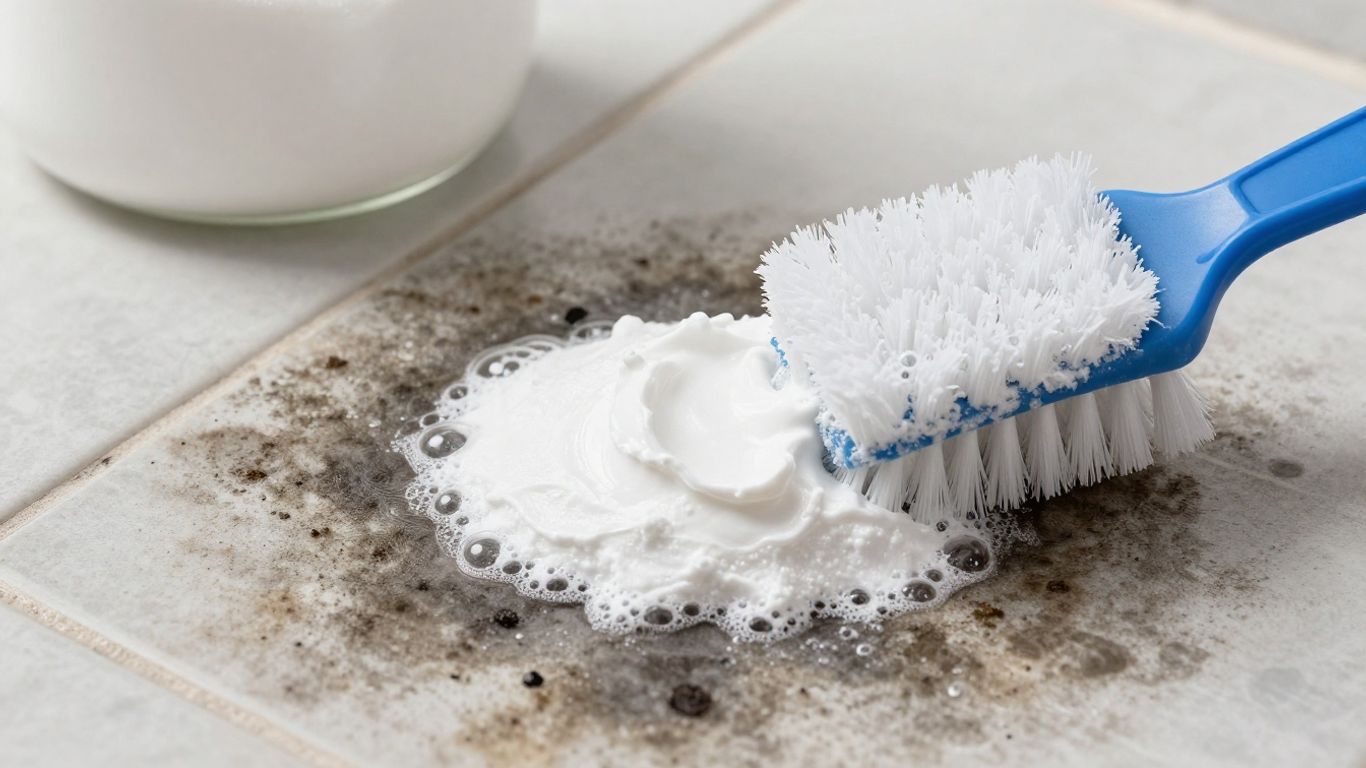
Grout lines are notorious for trapping moisture and, you guessed it, mold. For this, a paste made from baking soda and a little water is your best bet. Apply the paste directly to the grout lines and let it sit for a good 15-20 minutes. Then, use an old toothbrush or a small scrub brush to work the paste into the grout and scrub away the mold. Wipe clean with a damp cloth and dry thoroughly. For really stubborn mold in grout, you might need to repeat the process or try a slightly more concentrated vinegar solution, but always test in an inconspicuous spot first. Keeping grout lines dry after showers can make a big difference in preventing mold growth. If you’re looking for ways to keep your bathroom sparkling, checking out cleaning tools can be helpful.
Remember, consistency is key. Regularly cleaning your bathroom and addressing moisture issues promptly will make mold removal much easier in the long run. Don’t let mold get a foothold in your bathroom; a little effort goes a long way.
Baking soda is a fantastic natural cleaner that can help absorb moisture and scrub away mold spores without being too harsh on surfaces. Its mild abrasive quality is perfect for tackling mold without damaging your bathroom fixtures. Learn more about baking soda’s cleaning power.
Restoring Fabric Items Affected By Mold
Mold on your favorite clothes or towels can be a real bummer. It’s not just about how it looks; that musty smell is pretty unpleasant too. Thankfully, you don’t always have to toss those items. Baking soda and vinegar, those household heroes, can work wonders on fabric.
How To Clean Moldy Towels
Dealing with moldy towels is pretty straightforward. You’ll want to gather a few things first: your washing machine, a drying machine (though air drying works too), about a cup of white vinegar, and half a cup of baking soda.
Here’s the process:
- Toss the towels into your washing machine.
- Set the machine to the hottest water temperature and the extra-heavy cycle.
- Instead of your usual detergent, pour in the cup of vinegar. This step helps kill mold spores and get rid of that lingering odor.
- Once that cycle is done, add the half cup of baking soda and run another cycle.
- After the second wash, if you have a dryer, use it. If not, hang the towels outside in the sun. Sunlight is a natural mold killer and stain remover. Make sure they are completely dry before you use or store them.
Remember, damp towels left bunched up are a mold’s best friend. Always hang them up to dry after each use, or at least ensure your bathroom is well-ventilated.
Removing Mold Stains From Carpets
Carpets can be tricky, but you can tackle mold spots with a bit of effort. You’ll need a vacuum cleaner, white vinegar, water, a spray bottle, and baking soda.
- Start by vacuuming the moldy area on the carpet.
- Mix equal parts white vinegar and water in your spray bottle.
- Spray this solution onto the affected carpet section. Don’t soak it – just a good misting is enough.
- Sprinkle baking soda generously over the damp area.
- Let it sit for about an hour, then vacuum it all up.
It’s super important not to leave your carpet too wet, as this can actually encourage more mold to grow. Always make sure the carpet dries out completely. If you’re dealing with a particularly damp environment, consider using fans or a dehumidifier to speed up the drying process.
Revitalizing Moldy Clothes
Mold on clothes can seem daunting, but often, your favorite outfits can be saved. Before you start, check the garment’s care label to make sure it can handle hot water and the cleaning agents. You’ll need baking soda, white vinegar, a soft brush (like a toothbrush), laundry detergent, and hot water.
- First, inspect the clothing item to see how bad the mold is. This helps you decide the best way to treat it.
- Make a paste using baking soda and a little bit of vinegar. Apply this paste directly to the mold stains and gently scrub with your soft brush. Let it sit for at least 30 minutes so it can work its way into the fabric.
- Wash the garment in hot water using your regular laundry detergent. You can also add a cup or two of vinegar to the wash cycle along with the detergent. This helps neutralize any remaining mold spores and odors. For tougher stains, you might need to repeat this process. You can find more tips on cleaning moldy clothes.
- After washing, rinse the item thoroughly. If possible, dry it in direct sunlight. The sun’s rays can help fade any remaining stains and kill off any lingering mold. Ensure the clothing is completely dry before putting it away to prevent mold from returning.
Advanced Techniques And Prevention Strategies
So, you’ve tackled the visible mold, but what about those stubborn spots or how do you keep this whole mold situation from coming back? Let’s get into some more advanced stuff and talk prevention. It’s not just about cleaning; it’s about creating an environment where mold doesn’t want to hang out.
Dealing With Stubborn Mold Stains
Sometimes, even after a good scrub, a faint stain remains. For these tougher spots, you might need to try a few things. A paste made from baking soda and a little water can be surprisingly effective. Apply it to the stain, let it sit for a bit, then gently scrub. If that doesn’t quite do it, a diluted vinegar solution can also help lift residual discoloration. Remember, patience is key here; don’t scrub so hard you damage the surface. For really persistent stains on non-porous surfaces, a commercial mold stain remover might be your next step, but always test it in an inconspicuous area first.
Preventing Future Mold Growth
Prevention is way better than cure, right? The biggest enemy of mold is moisture. So, keeping things dry is your number one goal.
- Fix Leaks Immediately: Don’t let dripping faucets or roof leaks linger. Even a small amount of water can kickstart mold growth.
- Ventilate Properly: Use exhaust fans in bathrooms and kitchens. Open windows when you can to let fresh air circulate. Consider a dehumidifier for damp areas like basements or laundry rooms.
- Control Humidity Levels: Aim to keep indoor humidity below 55%. You can monitor this with a simple hygrometer.
- Clean Spills Promptly: Whether it’s water on the floor or a spilled drink, dry it up fast.
Keeping your home dry and well-ventilated is the most effective way to stop mold before it even starts. It’s a simple concept, but it requires consistent attention to potential moisture sources.
When To Call A Professional
While baking soda and vinegar are great for small, manageable mold issues, there are times when you really need to bring in the pros. If the mold covers a large area, say more than 10 square feet, it’s time to call for help. Also, if you suspect the mold is toxic, like certain types of black mold, or if it’s growing inside your walls or HVAC system, professional mold remediation is the safest route. They have the specialized equipment and knowledge to handle extensive or hazardous mold situations. Don’t hesitate to seek professional mold remediation services if you’re unsure or overwhelmed by the problem.
Conclusion
So there you have it! Tackling mold doesn’t always mean reaching for the harsh chemicals. Baking soda and vinegar are surprisingly effective, budget-friendly options for many common mold issues around the house. Remember to always protect yourself, work in a well-ventilated area, and dry things out thoroughly to keep mold from coming back. If you’re dealing with a really big mold problem, or if you’re just not sure, it’s always best to call in the pros. Stay mold-free!
Frequently Asked Questions
Is baking soda and vinegar safe to use around pets and kids?
Generally, yes. Baking soda and vinegar are pretty safe and not as harsh as strong chemical cleaners. However, it’s still a good idea to keep your pets and little ones out of the area while you’re cleaning and until everything is dry and aired out. You don’t want them accidentally tasting the cleaning mixture.
Can I use this method on all types of mold?
This method works well for most common types of mold you find around the house. Vinegar is great at killing many kinds of mold. For really serious or widespread mold issues, especially black mold, it’s always best to get advice from a mold expert.
How long should I let the vinegar sit on the mold?
For most surfaces like bathroom walls, letting the vinegar sit for about an hour usually does the trick. For fabrics like towels or clothes, the washing machine cycle with vinegar takes care of it. Just make sure it has enough time to work.
What if the mold comes back after cleaning?
If mold returns, it usually means there’s still too much moisture in the area. Check for any leaks, condensation, or poor air flow. You might need to improve ventilation, use a dehumidifier, or fix any water problems that are letting the mold grow back.
Can I mix baking soda and vinegar together before spraying?
You can mix them to make a paste for scrubbing, which is great for tougher spots. But when spraying on surfaces like walls, it’s often best to use vinegar first, let it sit, and then use baking soda to help scrub or absorb moisture. Using them separately at different stages can be more effective.
Why is it important to dry everything completely after cleaning?
Mold loves damp places. If you clean mold but leave the area wet, you’re basically giving mold a perfect place to grow again. Drying everything thoroughly, using fans or even a dehumidifier, is super important to stop mold from returning.
