Figuring out if your home insurance will pay for water damage can be confusing. Here are the main things to remember about your coverage:
Key Takeaways
- Home insurance usually covers water damage that happens suddenly and by accident, like a burst pipe or an appliance overflowing.
- Damage from floods, sewer backups, and water seeping in over time (gradual leaks) is typically NOT covered by standard policies.
- You might need extra insurance for floods or sewer backups.
- Your policy likely won’t cover damage if you didn’t maintain your home properly (like letting pipes freeze).
- If water damage happens, take pictures, stop more water from getting in, and contact your insurance company right away.
Understanding What Will House Insurance Cover For Water Damage
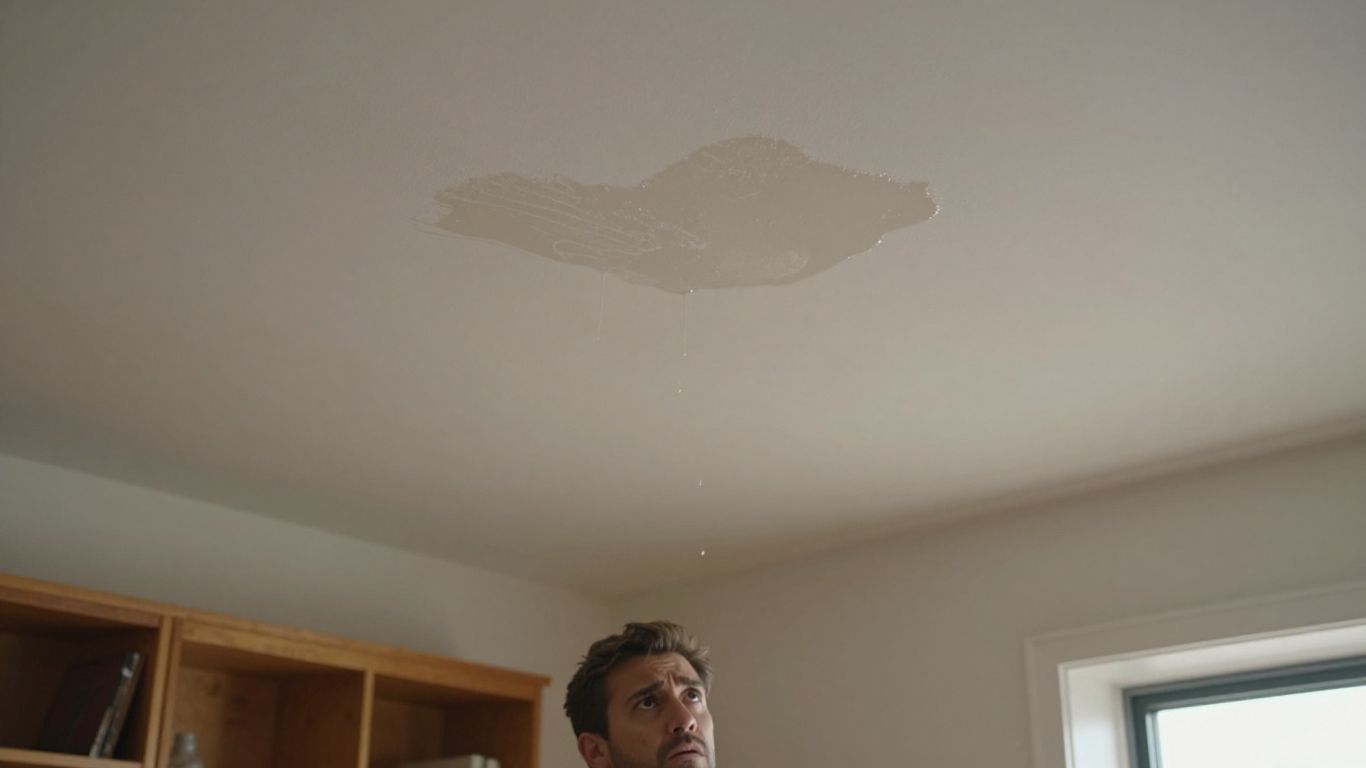
Water damage is a big headache, and figuring out if your homeowner’s insurance will help can be confusing. The main thing to remember is that most policies cover water damage that happens suddenly and by accident, but not so much the damage that creeps up over time. It really boils down to where the water came from and how it got into your home.
Sudden And Accidental Leaks
This is usually the sweet spot for insurance coverage. Think of those moments when something breaks unexpectedly and water goes everywhere. This includes things like:
- A pipe bursting in your wall.
- Your washing machine hose giving out.
- An appliance like a dishwasher or refrigerator suddenly leaking.
- A storm causing a roof leak because it blew off some shingles.
If these things happen, your insurance generally steps in to help with the repairs to your home’s structure and your belongings. It’s important to report these issues to your insurer pretty quickly after they happen. Delaying repairs can sometimes lead to denied claims, which is the last thing you want.
Gradual Leaks And Wear And Tear
This is where things get tricky. Insurance policies are typically designed to protect you from sudden disasters, not from the slow, steady effects of aging and neglect. So, if you have a leaky faucet that’s been dripping for months, or a slow seep from your foundation that’s been happening for ages, your insurance probably won’t cover the resulting damage. This is often referred to as "wear and tear." It’s your responsibility to keep up with regular maintenance to catch these slow leaks before they cause major problems. Ignoring them can lead to bigger issues down the line, like mold or structural damage, which also might not be covered.
The Source Of The Water Damage
Where the water originates is a huge factor in determining coverage. Generally, water damage originating from inside your home, like from a burst pipe or an overflowing toilet, is more likely to be covered than water coming from outside sources. We’ll get into the specifics of what’s usually excluded later, but for now, just know that the origin story of your water damage is key. For instance, damage from a storm that causes a roof leak is usually covered, but damage from a flood that inundates your home from the outside is not. It’s a bit like the difference between a surprise party guest (covered) and a natural disaster (not covered).
It’s always a good idea to have a general idea of your home’s condition. Small issues, if left unaddressed, can snowball into much larger, more expensive problems that your insurance might not touch. Being proactive with maintenance can save you a lot of grief and money in the long run.
If you’re unsure about what your policy covers, it’s best to review your home insurance policy details or speak with your insurance agent. They can clarify the specifics of your coverage and help you understand any potential gaps.
Common Water Damage Scenarios Covered By Homeowners Insurance
When water starts pooling up inside your house, it’s a frantic moment. You rush for towels or the nearest mop, and your mind jumps right to insurance: “Am I covered for this?”
The good news—there are some water disasters that most homeowners policies will help with. But remember, it’s all about how the water gets there and how fast it happens.
Plumbing Issues And Burst Pipes
Most homeowners insurance will pay for damage caused by burst or leaking pipes if the problem is sudden and unexpected.
If a pipe freezes and cracks, spraying water everywhere, insurance usually steps in to cover the cleanup and repairs. But if that pipe has been slowly leaking for months and you missed it, insurance probably won’t help. Routine maintenance matters.
- Covered: Pipes that burst from a sudden cold snap.
- May not be covered: Ongoing leaks from pipes that go ignored.
- Damage to your stuff (like rugs or furniture) might be covered under your personal property coverage, but the actual pipe repair typically isn’t.
Appliance Malfunctions And Overflows
Washing machines and dishwashers work hard, but they occasionally go rogue. Imagine starting a load of laundry before bed, only to wake up to a soggy flood on your floor. If an appliance suddenly malfunctions and causes water damage, your standard policy often steps in for the resulting mess, not the appliance itself.
Here’s a quick rundown:
| Scenario | Homeowners Helps? |
|---|---|
| Washing machine hose bursts | Yes |
| Dishwasher suddenly overflows | Yes |
| Old, rusty water heater gives out | Usually not |
The key point is that sudden failures are often included, but slow leaks—and the cost to fix your actual appliance—usually aren’t. If you need help deciding what’s safe, looking into mold impact and insurance coverage can be a good next step, especially when appliances are involved.
Roof Leaks From Covered Perils
Not all dripping ceilings are the same under your insurance. When a thunderstorm rips off some shingles and rainwater seeps in, destruction from that event is usually covered by your policy. But if your roof is ancient and slowly lets water in over years—different story entirely.
Here’s what gets taken care of under most typical setups:
- Storm tears shingles or flashing, causing interior damage.
- Heavy winds or hail crack the roof, leading to leakage below.
- A tree crashes through the roof and rain pours in.
But:
- Wear and tear from old age? Not covered.
- Leaks from long-term neglect? Also not covered.
After a big storm, checking your attic and ceilings for wet spots is a smart move, especially if you want to avoid surprises with future insurance claims.
Understanding which water issues are usually included can help take some of the panic out of a soggy emergency. Stay on top of maintenance and know your policy’s details, so you’re not stuck with a shocking bill after the plumber leaves.
Water Damage Exclusions In Standard Homeowners Policies
So, your home insurance policy might cover a burst pipe or an overflowing washing machine, but it’s not a magic wand for every water-related disaster. There are definitely some common scenarios that standard policies leave out. It’s super important to know these exclusions so you don’t get a nasty surprise when you actually need to file a claim.
Flood Damage From External Sources
This is a big one. Homeowners insurance typically does not cover flood damage, which is usually caused by rising water. Think overflowing rivers, heavy rain causing widespread flooding, or even storm surges. If water comes into your home from the ground up, it’s generally not covered. You’ll likely need a separate flood insurance policy for this, especially if you live in a flood-prone area. It’s a good idea to check with your agent about options for flood insurance if you’re concerned.
Sewer And Drain Backups
Another common exclusion is water backing up from your sewer or drain lines. If your toilet overflows because the main sewer line is blocked, or if your basement drain backs up, the resulting damage usually isn’t covered by a standard policy. This can be a pretty costly problem to fix. Fortunately, many insurance companies offer an endorsement or rider you can add to your policy to cover sewer and drain backups. It’s usually not too expensive and can provide a lot of peace of mind.
Groundwater Seepage Into Your Home
This refers to water that slowly seeps into your home, often through the foundation or basement walls. If you have an older home, you might be familiar with this. This kind of gradual water intrusion, especially if it’s due to hydrostatic pressure or just the ground being saturated, is typically not covered. It’s considered more of a maintenance issue or a problem that should have been addressed with proper waterproofing or drainage systems before it became severe.
It’s important to remember that insurance policies are designed to cover sudden and accidental events, not problems that develop over time due to wear and tear or lack of maintenance. Understanding these distinctions can save you a lot of headaches and money down the line.
Here’s a quick rundown of what’s usually excluded:
- Flooding: Water entering from outside due to rising water levels (rivers, lakes, heavy rain).
- Sewer/Drain Backup: Water backing up from municipal sewer lines or your home’s drain system.
- Groundwater Seepage: Water slowly entering through foundations, walls, or basements.
- Maintenance Issues: Damage resulting from a lack of upkeep, like a long-term leaky pipe that wasn’t fixed.
Mold And Rot Coverage Considerations
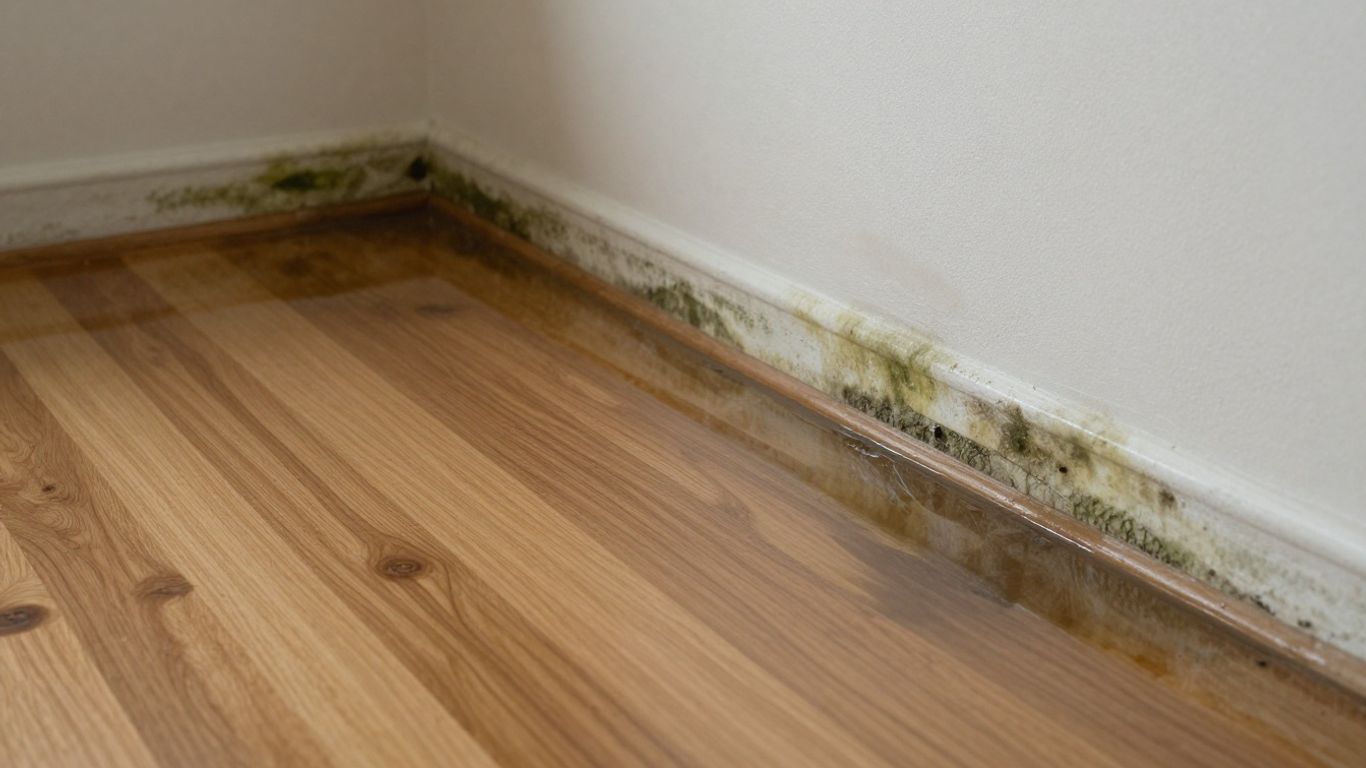
Okay, so you’ve dealt with the water, but now you’re seeing some fuzzy stuff growing, or maybe things are starting to feel a bit spongy. This is where mold and rot come into play, and honestly, it can get a little tricky with insurance.
Mold Resulting From Covered Water Damage
Generally speaking, if mold pops up because of a water problem that your insurance policy does cover – like a sudden pipe burst or damage from a storm that ripped a hole in your roof – then the resulting mold cleanup might be covered too. The key here is that the initial water damage had to be from a covered event. Think of it like this: the insurance paid for the initial mess, so they might also help with the secondary mess (the mold) that came directly from it. It’s always a good idea to check your policy details or chat with your agent about what exactly is considered a covered peril that leads to mold.
Mold From Gradual Leaks Or Floods
Now, if the mold is a result of slow, sneaky leaks that have been happening for a while, or if it’s from flooding (which, remember, usually needs separate flood insurance), your standard homeowners policy probably won’t cover it. Insurers often see mold from these situations as a maintenance issue or something you should have prevented. It’s kind of like if your car engine seizes up because you never changed the oil – the repair shop won’t cover that under a standard warranty. The same logic often applies here; if the water damage itself wasn’t covered, the mold that grew from it likely won’t be either. This is why addressing leaks quickly is so important.
Adding Mold Cleanup Coverage
Good news, though! Many insurance companies know that mold can be a big problem, even from covered events. They often give you the option to add extra coverage specifically for mold cleanup and testing. This is usually an endorsement or rider you can add to your existing policy. It might cost a bit more, but it can offer peace of mind, especially if you live in an area prone to moisture or have older plumbing. It’s worth asking your insurance agent about adding water backup coverage or specific mold endorsements to see what fits your needs and budget. It’s a way to get more protection beyond the standard policy limits.
Your Responsibilities And Policy Limitations
It’s easy to think of your homeowner’s insurance as a magic wand that fixes everything, but that’s not quite how it works. Your policy has its limits, and you’ve got responsibilities too. Understanding these can save you a lot of headaches and money down the line.
Preventative Maintenance And Negligence
Your insurance company expects you to take reasonable care of your home. This means keeping up with regular maintenance. If damage happens because you’ve been neglecting things, like letting a small roof leak go unrepaired for months or ignoring a constantly dripping faucet, your claim might be denied. Homeowners insurance is generally for sudden, accidental damage, not for problems that develop over time due to lack of upkeep. Think of it like this: if your car breaks down because you never changed the oil, the mechanic won’t cover the engine repair under warranty. It’s a similar idea with your house.
- Regular Inspections: Make it a habit to check your plumbing, appliances, and roof at least twice a year. Spring and fall are good times for this.
- Prompt Repairs: Don’t put off fixing small issues. A tiny drip can turn into a major water problem quickly.
- Appliance Care: Follow the manufacturer’s recommendations for maintaining appliances like washing machines and water heaters.
Insurance policies are designed to cover unexpected events, not the natural aging and wear of your home’s components. Being proactive about maintenance is key to preventing issues that could lead to denied claims.
Wear And Tear On Appliances And Plumbing
This ties into the maintenance point. If your washing machine hose finally gives out and floods your laundry room, the resulting water damage is likely covered. However, the cost to repair or replace the old washing machine itself? Probably not. Home insurance isn’t meant to cover the normal lifespan of appliances or plumbing fixtures. For that kind of coverage, you might need a separate home warranty. This is also true for things like old pipes that corrode and burst; the water damage might be covered, but the cost of replacing all the old pipes in your house likely won’t be.
Policy Limits And Sub-limits On Personal Property
Even when water damage is covered, there are limits to how much the insurance company will pay. Your policy has an overall dwelling coverage limit, which is the maximum amount they’ll pay to rebuild your house. But there are also sub-limits, especially for personal property (your belongings). For example, while the water damage to your furniture might be covered, there might be a specific dollar amount cap on how much they’ll pay for all your furniture, or even specific categories like jewelry or electronics. It’s important to know these limits so you’re not surprised if a major loss occurs. You might need to consider additional coverage or a separate policy, like flood insurance, if you live in a high-risk area. Reviewing your policy’s Coverage C, which deals with personal property, is a good idea to understand these caps. Remember, damage from gradual leaks or seepage is often excluded, regardless of policy limits.
Steps To Take When Water Damage Occurs
Okay, so water damage happens. It’s never fun, and honestly, it can be pretty overwhelming. But don’t panic! Taking the right steps right away can make a huge difference in how smoothly your insurance claim goes and how much damage you end up dealing with. Think of it like this: the faster and smarter you act, the better your chances of getting things back to normal.
Documenting the Damage
First things first, you need to show your insurance company what happened. Take pictures and videos of everything. Seriously, get your phone out and start recording. Capture the water source if you can find it, the extent of the water on your floors and walls, and any damaged belongings. Don’t touch or move anything too much until you’ve got good documentation. This visual evidence is super important for your claim. Also, start making a list of all the stuff that got ruined. It might seem like a lot, but it’s better to have too much information than not enough.
Preventing Further Damage
After you’ve documented, your next job is to stop the problem from getting worse. If you can safely do so, try to shut off the main water supply to your house. If it’s just a leaky appliance, you might be able to turn off the valve directly to that item. Then, start removing standing water. You can use buckets, mops, or even a wet vac if you have one. If carpets are soaked, pull them up if you can. Moving wet furniture or belongings to a dry area also helps. The goal here is to dry things out as quickly as possible to prevent mold from starting. If the damage is extensive, don’t hesitate to call a professional water damage restoration service. They have the equipment to dry things out fast and can often help with the insurance claims process.
Filing Your Water Damage Claim
Once you’ve got your documentation and have taken steps to prevent more damage, it’s time to contact your insurance company. You’ll need to officially file a claim. Be ready to provide them with all the details you’ve gathered – your photos, videos, and that list of damaged items. Be honest and thorough in your report. Your insurer will likely send an adjuster to assess the damage themselves. Cooperate with them and provide any additional information they need. Remember, your policy has specific coverage limits and sometimes sub-limits for certain items, so understanding those beforehand is helpful, though often difficult in the moment. It’s a process, but following these steps will set you up for the best possible outcome.
Conclusion
Water damage can be a real headache, but understanding your homeowners insurance is the first step to dealing with it. Most policies cover sudden, accidental leaks from inside your home, like a burst pipe or a washing machine overflow. However, they usually don’t cover damage from floods, sewer backups, or gradual leaks from neglect. Always check your specific policy and talk to your insurance agent about any gaps in coverage, especially for things like mold or sewer backups. Taking good care of your home and acting fast when damage occurs are key to a smoother claims process. Being prepared means less stress when the unexpected happens.
Frequently Asked Questions
Does my house insurance pay for water damage from a leaky pipe?
Usually, yes! If a pipe in your house suddenly bursts or leaks, and it wasn’t because you ignored a small drip for months, your insurance will likely help pay for the damage. It’s considered a sudden and accidental event.
What if my basement floods after heavy rain?
That’s typically not covered by regular homeowners insurance. Flood damage from outside sources, like heavy rain causing flooding, usually needs a separate flood insurance policy. Think of it like this: rain is coming from the sky, not from inside your house.
Will my insurance cover damage from a sewer backup?
Standard policies often don’t cover this. If your toilet or drains back up and flood your home with dirty water, you’ll probably need to add a special ‘water backup’ coverage to your policy beforehand to be protected.
What about mold? Does insurance cover that?
It depends. If mold shows up because of a water damage problem that your insurance *does* cover (like a burst pipe), they might pay for the mold cleanup. But if the mold grew slowly from a leak that wasn’t covered, or from a flood, you’re usually on your own.
What if I didn’t fix a small leak and it got worse?
Insurance companies usually won’t cover damage that happens slowly over time because you didn’t take care of it. This is called ‘wear and tear’ or neglect. They expect you to do basic maintenance, like fixing a dripping faucet before it causes major problems.
What should I do first if I find water damage?
First, try to stop the water from causing more damage, maybe by turning off the main water valve. Then, take lots of pictures and videos of everything that’s wet or ruined. Don’t throw anything away until your insurance adjuster has seen it. After that, call your insurance company to start the claim process.
