Dealing with mold in your bathroom, especially on the ceiling, can be a real headache. Here are the main things to remember about whether black mold on your bathroom ceiling is dangerous and what to do about it.
Key Takeaways
- Black mold, like Stachybotrys chartarum, can release spores that cause health problems, including breathing issues and allergies.
- Bathrooms are prime spots for mold due to high humidity from showers and baths, and often lack of good ventilation.
- Symptoms of mold exposure can include coughing, sneezing, headaches, and fatigue. If you notice these, check for mold.
- For small mold patches, you can try cleaning it yourself with protective gear, but larger areas or recurring mold need professional help.
- Preventing mold means controlling moisture: use exhaust fans, fix leaks, and consider mold-resistant paint.
Understanding the Dangers of Bathroom Ceiling Mold
So, you’ve noticed some dark spots creeping onto your bathroom ceiling. It’s easy to just think of it as a cosmetic issue, something to wipe away with a sponge. But honestly, that fuzzy growth, especially if it’s dark in color, could be more than just an eyesore. It’s a sign that something in your bathroom isn’t quite right, and ignoring it can lead to bigger problems down the line.
What Constitutes Black Mold?
When people talk about "black mold," they’re usually referring to a specific type called Stachybotrys chartarum. This isn’t the only mold that can look black, though. Several kinds of mold can appear dark green or black, and it’s really hard to tell them apart just by looking. The real issue isn’t just the color; it’s the potential health effects these molds can have. They release tiny spores into the air, and when you breathe them in, that’s where the trouble can start, especially for folks who already have allergies or breathing issues.
Why Bathroom Ceilings Are Prime Locations for Mold
Think about your bathroom. It’s warm, it’s steamy after showers, and sometimes, the air just hangs around without much movement. That’s basically a mold spa! Ceilings are particularly vulnerable because warm, moist air rises. When this humid air hits the cooler surface of the ceiling, condensation can form. This moisture, combined with the organic materials found in paint and drywall, creates a perfect buffet for mold spores that are just floating around, waiting for a chance to grow. It’s a cycle that’s hard to break without addressing the root cause.
Is Black Mold on Your Bathroom Ceiling Dangerous?
Yes, it absolutely can be. While a small patch might seem manageable, mold growth on your bathroom ceiling is a clear indicator of excess moisture, which can lead to more significant structural issues over time. More importantly, the spores released by mold can affect indoor air quality. For many people, this can mean allergy flare-ups, coughing, sneezing, or even skin irritation. If you’re noticing these symptoms, it might be time to look into professional mold remediation services.
The presence of mold, regardless of its color, signals an underlying moisture problem that needs attention. Ignoring it won’t make it go away and could lead to more extensive damage and health concerns.
Here’s a quick look at why bathrooms are such mold magnets:
- Humidity: Showers and baths create a lot of steam.
- Condensation: Warm, moist air hitting cooler surfaces like ceilings.
- Poor Ventilation: Not enough airflow to dry things out quickly.
- Leaks: Sometimes, hidden water issues can contribute.
Dealing with mold isn’t just about cleaning; it’s about figuring out why it’s there in the first place. If you’re finding mold keeps coming back, it’s a strong hint that the moisture issue hasn’t been fully resolved. This is why understanding the causes is so important for keeping your home healthy and safe.
Health Implications of Black Mold Exposure
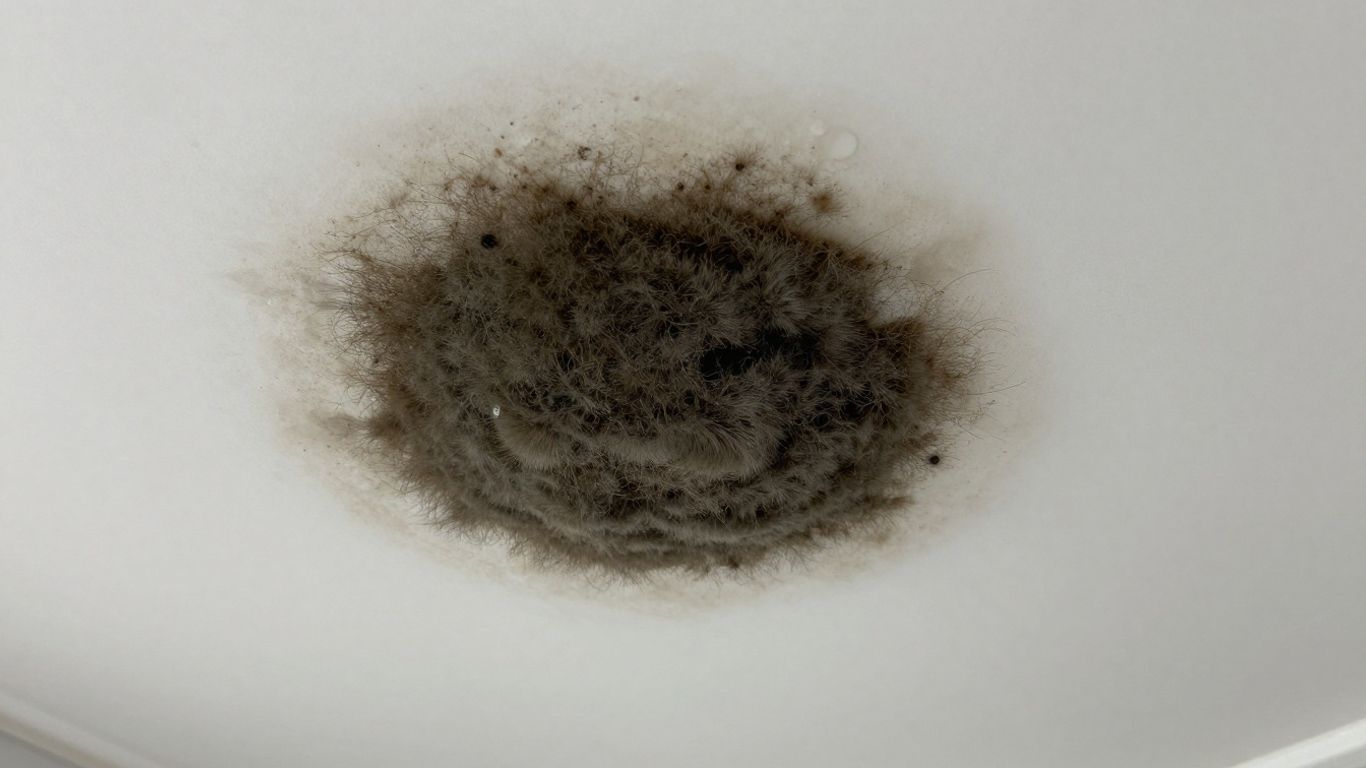
So, you’ve spotted some questionable dark spots on your bathroom ceiling. It’s easy to brush it off, but what if it’s actually black mold? This isn’t just about aesthetics; it can actually impact your health. When mold, especially the kind known as Stachybotrys chartarum, starts growing, it can release tiny spores into the air. You can’t see them, but you can breathe them in. And that’s where the problems can start.
Respiratory Distress and Allergy Aggravation
One of the most common issues people face from mold exposure is trouble with their breathing. Even if you don’t have allergies, mold can irritate your eyes, skin, nose, throat, and lungs. For those who do have allergies or asthma, mold spores can be a major trigger. Think coughing fits, wheezing, and a general feeling of tightness in your chest. It can make existing conditions much worse, leading to more frequent or severe asthma attacks. It’s not just a stuffy nose; it can really impact your ability to breathe comfortably.
Potential for Skin Irritation and Fatigue
Beyond breathing issues, mold exposure can manifest in other ways. Some people develop skin rashes or notice their skin becoming itchy and irritated after being around mold. You might also find yourself feeling unusually tired or experiencing headaches. It’s like your body is reacting to something it doesn’t like, and it shows up as general malaise. This fatigue can be persistent, making everyday tasks feel more draining than they should.
Long-Term Health Concerns and Immune System Impact
While immediate reactions are concerning, there’s also the question of what happens with prolonged exposure. Research is still ongoing, but some studies suggest that long-term contact with certain types of mold could potentially affect your immune system. For individuals who already have compromised immune systems, this is a particularly serious consideration. It’s a good reminder that dealing with mold isn’t just about a quick fix; it’s about protecting your long-term well-being. Addressing mold growth promptly is key to preventing these kinds of issues.
The presence of mold, regardless of its color, indicates an underlying moisture problem that needs attention. Ignoring it can lead to a cascade of issues, from structural damage to health concerns for everyone in the household.
Here’s a quick rundown of what you might experience:
- Coughing and wheezing
- Sneezing and runny nose
- Itchy, watery eyes
- Skin rashes
- Headaches and fatigue
- Aggravated asthma or allergy symptoms
If you’re experiencing these symptoms and suspect mold might be the cause, it’s a good idea to look into mold remediation services. Getting professional help can make a big difference in clearing out the problem safely and effectively.
Identifying Mold Growth in Your Bathroom
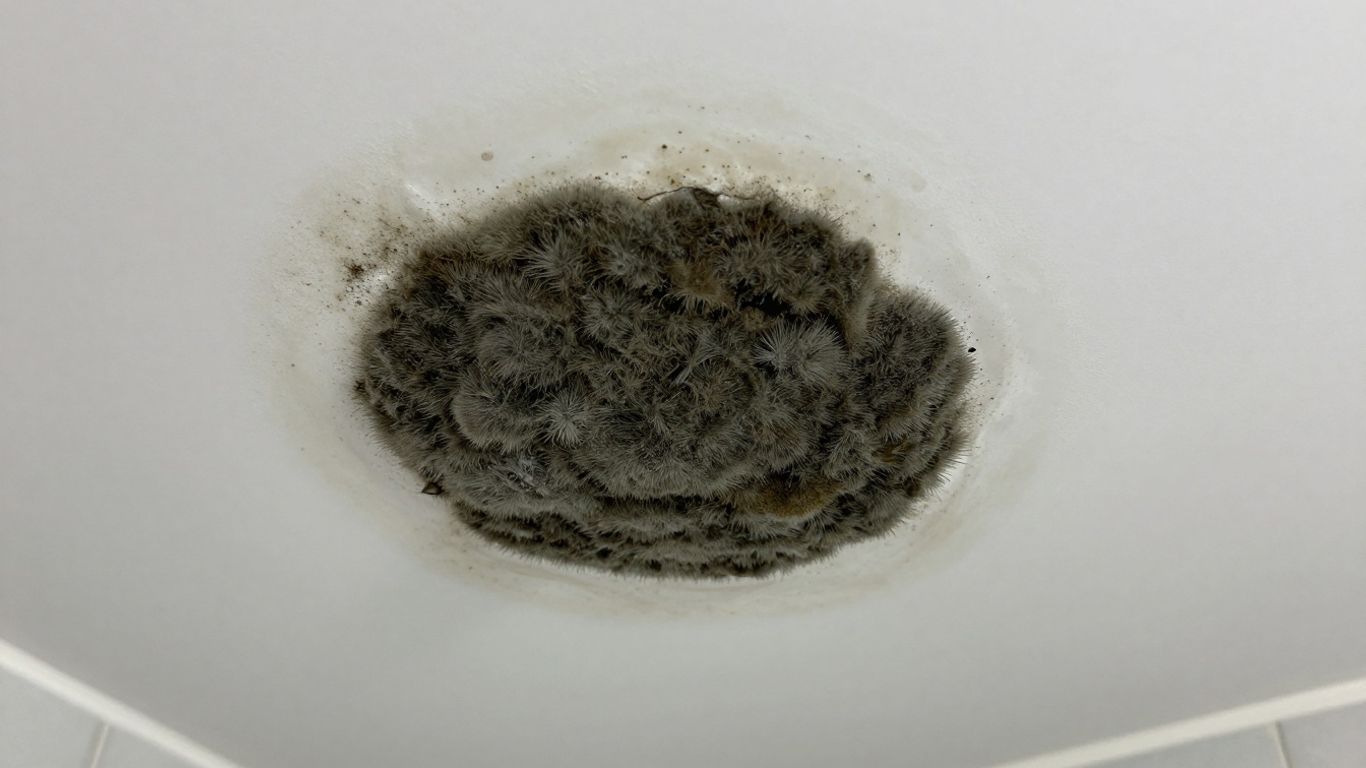
Spotting mold before it becomes a big problem is key. Sometimes it’s obvious, like those dark spots on the ceiling, but other times, you might not see it right away. It’s like a sneaky house guest you didn’t invite.
Visual Cues of Mold Infestation
Mold can show up in a few different ways. You might see fuzzy or slimy patches, often in shades of black, green, or even white. These spots can appear on your shower walls, around the tub, or yes, on the ceiling. Don’t just assume any dark spot is dangerous black mold, though; sometimes it’s just a stain. But if you see discoloration that looks like it’s growing, that’s a red flag. It’s also worth noting that mold can grow in places you can’t easily see, like behind tiles or under sinks, especially if there’s a hidden leak.
The Role of Persistent Musty Odors
That smell. You know the one. A persistent, damp, musty odor in your bathroom is often the first clue that mold is lurking somewhere, even if you can’t see it. This smell comes from the mold releasing gases as it grows. It doesn’t matter how much air freshener you use; if the smell sticks around, it’s a sign something’s up. This is especially true if the odor gets worse after a shower or bath. It’s a strong indicator that moisture is trapped, creating a perfect environment for mold to thrive. You might need to check areas like under the sink or behind loose tiles.
Recognizing Symptoms of Mold Exposure
Sometimes, you might not see the mold or smell it, but your body tells you something’s wrong. If you or your family members start experiencing new or worsening allergy symptoms, like sneezing, itchy eyes, a runny nose, or a sore throat, especially when you’re in the bathroom, it could be mold. Some people also report headaches, fatigue, or skin irritation. These symptoms can be subtle at first, but if they consistently pop up when you’re in that specific room, it’s time to investigate further. It’s not always obvious, but your health can be a good indicator that there’s a mold issue present.
Mold thrives in damp, dark places. Your bathroom, with its steam and moisture, is a prime spot. If you notice discoloration, a strange smell, or start feeling unwell when you’re in there, it’s a sign to look closer. Early detection is always better than dealing with a big problem later on.
Addressing Mold on Your Bathroom Ceiling
So, you’ve spotted that fuzzy, dark stuff creeping across your bathroom ceiling. It’s definitely not a good look, and it’s a clear sign that something’s up with the moisture in your bathroom. While it’s tempting to just grab a sponge and scrub it away, it’s a bit more complicated than that. Dealing with mold on your bathroom ceiling requires a thoughtful approach that tackles both the visible growth and the underlying causes. Ignoring it can lead to bigger problems down the road, not just for your ceiling but for your health too.
When to Consider DIY Removal
For those small, isolated spots that just popped up, you might be able to handle it yourself. Think of it as a minor touch-up job. The key here is to be super careful and not spread those mold spores around. If the affected area is smaller than a dinner plate, and it’s just on the surface, DIY might be an option. It’s important to remember that even small amounts of mold can cause issues if you’re sensitive to them.
Here’s a basic rundown if you decide to go the DIY route:
- Gear Up: Put on some old clothes, gloves, eye protection, and a mask that actually filters mold spores. You don’t want this stuff getting on your skin or in your lungs.
- Ventilate: Open a window or turn on the exhaust fan. Keep the bathroom door shut while you’re working to contain any airborne spores.
- Clean Gently: Mix a mild detergent with water or use a solution of vinegar. Lightly mist the area – don’t soak it. Gently scrub with a soft brush or cloth. Avoid aggressive scrubbing that could damage the ceiling surface or release more spores.
- Dry Thoroughly: After cleaning, make sure the area dries completely. Run the fan for a good while afterward, and consider using a dehumidifier if the air feels damp.
The Importance of Professional Mold Remediation
Now, if the mold covers a larger area – say, more than a square foot or two – or if it keeps coming back no matter what you do, it’s time to call in the pros. Professionals have the right equipment and knowledge to handle mold safely and effectively. They can identify the source of the moisture problem, which is often hidden, and make sure the mold is completely removed without spreading it further. This is especially important if you or someone in your household has allergies or respiratory problems. They can also help with mold remediation services that address the root cause.
Here’s when you should definitely call a professional:
- Large Infestations: If the mold covers a significant area (generally over 10 square feet).
- Recurring Mold: If the mold reappears shortly after you’ve cleaned it.
- Suspected Hidden Mold: If you suspect mold is growing behind walls or in the attic due to leaks or condensation.
- Health Concerns: If anyone in the household has experienced health issues that might be related to mold exposure.
Safe Practices for Small Area Cleaning
When tackling small mold spots yourself, safety is paramount. You’re essentially dealing with a potential health hazard, so don’t cut corners. Think of it like this: you wouldn’t handle a minor cut without cleaning it properly, right? Mold is similar. Even if it looks small, the spores can travel. Using a solution of water and a bit of dish soap can work for light surface mold. For tougher spots, a diluted vinegar solution can be effective. Remember, the goal is to remove the mold without making the problem worse or exposing yourself unnecessarily. Always ensure the area is completely dry afterward, as moisture is mold’s best friend. If you’re unsure about the extent of the problem or how to handle it, it’s always better to err on the side of caution and seek advice from a professional who understands bathroom ventilation issues.
Dealing with mold on your bathroom ceiling isn’t just about aesthetics; it’s about maintaining a healthy living environment. Addressing the visible mold is only half the battle; finding and fixing the source of the moisture is what truly solves the problem and prevents future outbreaks.
Preventing Future Mold Growth
So, you’ve dealt with that unwelcome mold on your bathroom ceiling, or maybe you’re just trying to be proactive. That’s smart thinking. Mold loves damp, dark places, and let’s be honest, bathrooms can be prime real estate for it. The good news is, you can make your bathroom a lot less appealing to these tiny, unwelcome guests. It really comes down to managing moisture and making sure air can move around freely.
Enhancing Bathroom Ventilation Systems
This is probably the biggest one. If you don’t have a good exhaust fan, or if yours is just kind of wheezing along, it’s time to think about an upgrade. An effective exhaust fan can make a huge difference in pulling moisture out of the air. You want one that’s properly sized for your bathroom; a tiny fan in a big room won’t cut it. Make it a habit to run the fan while you’re showering and for at least 20-30 minutes afterward. If a fan isn’t an option, opening a window, even a crack, during and after showers helps a lot. Just letting some fresh air in can disrupt the humid environment mold needs.
Controlling Humidity Levels
Beyond just ventilation, keeping an eye on the overall humidity in your bathroom is key. Mold spores can start to grow when humidity levels consistently stay above 60%. Ideally, you want to keep your indoor humidity between 30% and 50%. A simple hygrometer can tell you what your levels are. If they’re too high, consider using a dehumidifier, especially in smaller bathrooms or during humid seasons. Another simple trick? After you shower, grab a squeegee and wipe down the shower walls and doors. It takes seconds and stops a lot of water from just sitting there and evaporating into the air.
Choosing Mold-Resistant Materials
When you’re doing any renovations or even just touching up paint, think about materials that fight mold. There are paints specifically designed for bathrooms and kitchens that have mildewcides mixed in. They won’t stop mold if the moisture problem is severe, but they add an extra layer of defense. Also, consider materials for walls and ceilings that don’t easily absorb moisture. Some newer drywall products are more resistant to mold growth. It’s about making smart choices upfront that pay off in the long run, preventing those nasty spots from reappearing.
Dealing with mold is often a two-part problem: getting rid of what’s there and stopping it from coming back. Focusing on moisture control and airflow addresses the root cause, making your home a healthier place to be. If you’ve had recurring issues, it might be worth looking into professional mold remediation to ensure the problem is fully solved.
Here’s a quick rundown of what helps:
- Ventilation: Use exhaust fans during and after showers. Open windows when possible.
- Moisture Control: Fix leaks immediately. Wipe down wet surfaces. Use a dehumidifier if needed.
- Material Choice: Opt for mold-resistant paints and building materials when renovating.
- Regular Cleaning: Keep surfaces clean and dry. Address any spills promptly.
Conclusion
Seeing mold on your bathroom ceiling can be a bit alarming, but knowing the facts helps. While not all mold is dangerous, black mold can cause health issues, especially for those with allergies or breathing problems. The key is to tackle the moisture problem that allows mold to grow in the first place. Improving ventilation, controlling humidity, and fixing leaks are your best bets for keeping mold away. For small spots, you might be able to clean it yourself, but if it’s a big problem or keeps coming back, calling in the pros is the smartest move. Taking action quickly means a healthier bathroom and a safer home for everyone.
Frequently Asked Questions
Is black mold on my bathroom ceiling dangerous?
Yes, black mold can be dangerous. It releases tiny particles called spores into the air that you can breathe. For some people, these spores can cause health problems like allergies, asthma attacks, or other breathing troubles. It’s definitely something you don’t want hanging around.
What makes mold grow on bathroom ceilings?
Bathrooms are naturally damp places. When you take hot showers or baths, steam fills the air. If your bathroom doesn’t have good ventilation, that moist air gets trapped. It can then settle on the cool ceiling, creating the perfect wet environment for mold spores to start growing.
Can I just paint over the mold on my ceiling?
No, please don’t do that. Painting over mold is like putting a band-aid on a deeper problem. The mold will keep growing underneath the paint, and it can actually make the moisture issue worse. You need to remove the mold first and fix why it’s growing there.
How do I know if it’s black mold or just regular mold?
It can be tricky to tell just by looking. Many types of mold can look black or dark. The important thing is that any mold growth in your bathroom needs to be addressed. If you see dark spots and smell a musty odor, it’s best to treat it carefully, especially if it’s a large area.
What are the signs that mold is affecting my health?
If you’re suddenly sneezing a lot, have a stuffy nose, itchy eyes, a cough, or feel more tired than usual, and it seems worse when you’re in the bathroom, mold could be the reason. People with allergies or asthma might notice their symptoms get worse.
When should I call a professional for mold removal?
If the mold covers a big area, like more than a 3-foot by 3-foot square, or if it keeps coming back after you clean it, it’s time to call in the experts. They have special tools and knowledge to get rid of it safely and figure out why it grew in the first place.
