Mold can be sneaky, but its smell often gives it away. Here are the main things to remember about detecting and understanding mold odors in your home.
Key Takeaways
- Mold smells are usually described as musty, earthy, or like damp, decaying wood. Sometimes, it can even smell sour or like fermenting alcohol.
- Different types of mold produce different smells because they release unique chemical compounds. So, not all mold smells exactly the same.
- If you notice a persistent strange smell, especially after cleaning, it’s a strong sign that mold might be growing somewhere hidden.
- Trust your nose! Your sense of smell is the first tool for detecting potential mold. Look for visual signs and moisture issues too.
- If the smell is strong, persistent, or you suspect a health issue, it’s best to get professional help to find and remove the mold safely.
Understanding The Distinctive Mold Smell
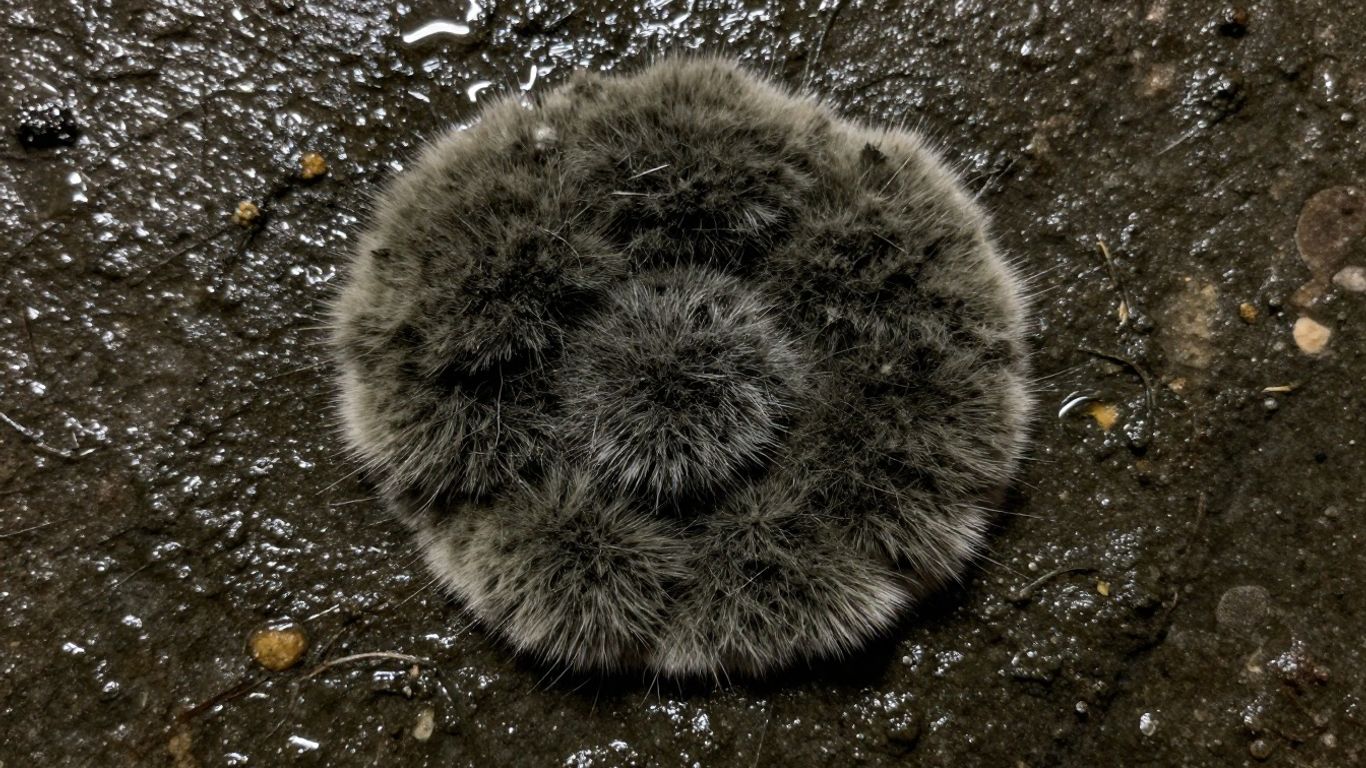
That peculiar smell you sometimes catch in your home? It might not just be your imagination. Often, it’s the first clue that mold has decided to set up shop, usually where you can’t see it. This smell is a byproduct of mold’s life processes, specifically the release of gases called microbial volatile organic compounds, or mVOCs. Think of it as mold’s way of announcing its presence, and it’s rarely a pleasant announcement.
What Does Mold Smell Like?
Most people describe the smell of mold as musty, stale, or earthy. It can remind you of old, damp clothes that have been sitting in a hamper for too long, or perhaps the scent of a basement that hasn’t seen sunlight in years. Some people even compare it to the smell of wet soil after a rain, or the distinct aroma of rotting wood. It’s a smell that tends to linger and can become more noticeable when humidity levels rise.
The Science Behind Mold Odors
Molds produce a variety of chemical compounds as they grow and metabolize. These compounds are gases that become airborne, and we perceive them as odors. There are hundreds of different mVOCs identified, and the specific mix depends on the type of mold and its environment. This is why mold doesn’t always smell the same. Some common mVOCs can smell like:
- Aldehydes (pungent, metallic)
- Benzenes (like gasoline)
- Ethanol (like hand sanitizer)
- Carboxylic acids (sour, tart)
- Sulfur compounds (like rotten eggs)
Common Descriptions Of Mold Smells
While
Identifying Different Mold Scent Profiles
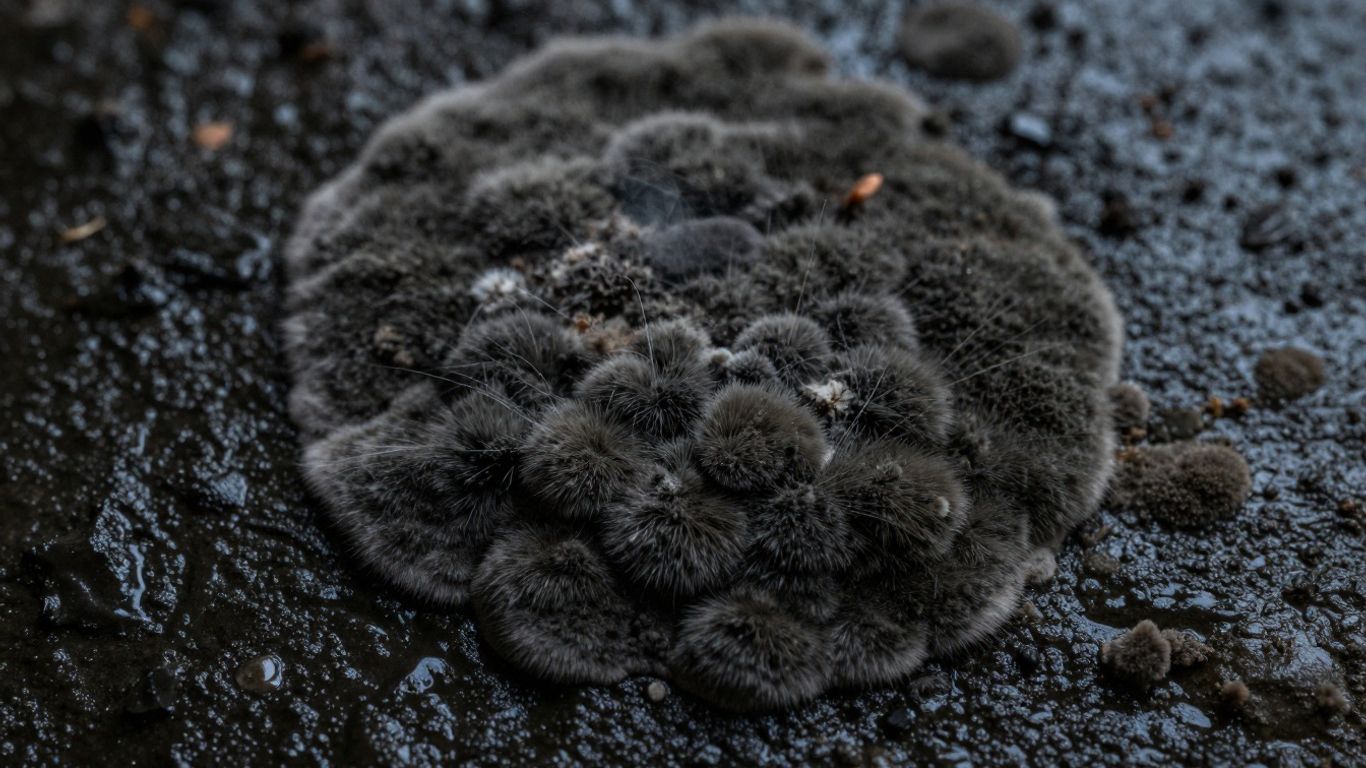
Mold doesn’t just have one smell; it can present itself with a variety of distinct aromas, each telling a slightly different story about what’s going on in your home. Understanding these different scent profiles can be a big help in figuring out if you’re dealing with a mold issue.
The Musty And Stale Aroma
This is probably the most common description people use when they talk about mold. Think about old, damp towels that have been left in a gym bag for too long, or a forgotten book in a damp basement. It’s a heavy, stale smell that just doesn’t seem to go away. This scent often comes from molds like Cladosporium or Penicillium. It’s a classic indicator that moisture has been present for a while, creating a perfect environment for mold to thrive. If you catch this smell, it’s a good idea to start looking for hidden moisture sources.
Earthy And Rotting Wood Notes
Sometimes, mold can smell more like the outdoors, but not in a good way. This profile often brings to mind a damp forest floor after a heavy rain, or the smell of decaying leaves and wood. It’s an earthy, sometimes pungent aroma that can be quite strong. Molds like Stachybotrys (often called black mold) can produce this kind of smell. This scent is particularly concerning because it can indicate that the mold has been growing on organic materials, like wood or drywall, for some time. It’s a sign that the mold might be more established and potentially spreading.
Sour, Tangy, Or Fermented Scents
This is a less common, but still important, mold smell to recognize. It can be described as sour, tangy, or even like fermenting alcohol. It’s a sharp, sometimes unpleasant smell that’s quite different from the typical musty odor. Molds like Aspergillus are known to produce these kinds of scents. This smell often means that the mold is actively releasing a higher concentration of microbial volatile organic compounds (MVOCs), which are the gases that cause the odor. A strong sour smell could mean a more significant mold problem is present, and it’s definitely worth investigating further. If you’re noticing persistent, unusual smells, it might be time to consider professional mold testing.
The specific smell mold gives off depends on the type of mold and the compounds it’s releasing. It’s not a one-size-fits-all situation. What might smell musty in one area could smell sour or earthy in another, depending on the species and the surface it’s growing on.
Here’s a quick look at some common mold types and their typical smells:
- Cladosporium: Often described as musty, damp, or like rotten wood.
- Aspergillus: Can have a sour, tangy, or even slightly sweet smell, sometimes compared to fermenting alcohol.
- Penicillium: Might smell sweet and stale, or damp and musty.
- Stachybotrys (Black Mold): Known for a strong, musty odor, similar to decaying leaves or wet soil.
It’s important to remember that these are general descriptions. The actual smell can vary based on the specific strain of mold and the environmental conditions. If you’re dealing with a persistent odor that you can’t quite place, it’s always best to investigate the possibility of mold growth. This is especially true if you’ve recently experienced water damage or have areas with high humidity, as these conditions are prime for mold development. Addressing mold early can prevent more significant issues down the line, much like how simplifying complex systems can prevent future headaches.
Factors Influencing Mold Odors
So, you’ve caught a whiff of something funky, but what exactly makes mold smell the way it does? It’s not just one thing; a few different elements play a role in creating those distinctive (and often unpleasant) aromas. Understanding these factors can help you pinpoint potential problems.
Mold Species And Their Unique Smells
Just like people have different voices, different types of mold give off their own unique scents. It’s all about the specific chemical compounds, called microbial volatile organic compounds (mVOCs), that each species releases as it grows. Some common culprits and their typical smells include:
- Cladosporium: This one often smells like damp, rotten wood or even wet socks. Think of that smell after a heavy rain when things just don’t seem to dry out properly.
- Aspergillus: If you notice a sour or tangy scent, almost like fermenting alcohol, it might be Aspergillus. It can be quite pungent.
- Penicillium: You might recognize this one if you’re a fan of blue cheese. It can smell sweet and stale, or sometimes a bit damp and musty.
- Stachybotrys (Black Mold): This notorious type is known for a strong, musty odor that really sticks around. It’s often compared to decaying leaves or old, wet wood.
Environmental Conditions Affecting Scent
Beyond the type of mold, the environment it’s growing in can really change how strong or noticeable the smell is. Moisture is the big one, of course. The more moisture available, the more mold can grow, and the stronger the mVOCs will be released into the air. Temperature also plays a part; warmer, humid conditions often mean faster growth and more intense odors. Even air circulation matters – a stagnant, poorly ventilated area will trap those smells, making them seem much worse than in a breezy spot.
The key takeaway here is that mold needs moisture to thrive. Controlling water damage and humidity is the most effective way to prevent mold growth and, consequently, its associated odors. Fixing leaks promptly is a good start for addressing and preventing mold growth.
How Mold Smell Can Vary
It’s important to remember that mold smells aren’t always consistent. What you smell one day might be different the next. This variation can happen for a few reasons. The age of the mold colony can influence the scent – younger colonies might smell different from older, more established ones. The surface mold is growing on can also affect the odor. For instance, mold on drywall might smell slightly different than mold on fabric or wood. Even the concentration of spores in the air can change the intensity. So, while a persistent musty smell is a big red flag, subtle shifts in odor don’t necessarily mean the problem has gone away. If you’re dealing with persistent odors, it might be time to consider pediatrician care for your family’s health, or even professional mold inspection services.
Detecting Hidden Mold Growth
Sometimes, you can’t see mold, but you can definitely smell it. That musty odor is your nose’s way of telling you something’s not right, and it’s often the first clue that mold is lurking where you can’t easily spot it. Trusting your senses is the initial step in pinpointing the problem. Mold loves to hide in dark, damp places, so that persistent smell might be coming from behind walls, under carpets, or even inside your HVAC system.
Trusting Your Sense Of Smell
Your nose is a surprisingly effective tool for mold detection. If you’re noticing a persistent musty or earthy smell, especially in certain rooms or areas, it’s worth investigating. This smell is caused by microbial volatile organic compounds (MVOCs) that mold releases as it grows. Different types of mold can produce slightly different scents, so a strong, unpleasant odor is a significant warning sign. Don’t dismiss it; it’s often the earliest indicator of a problem that could be growing out of sight.
Visual Clues Accompanying Odors
While the smell might lead you to an area, visual cues can confirm the presence of mold. Look for:
- Discolored patches: These can appear fuzzy, slimy, or powdery and come in various colors like green, black, white, or brown.
- Water stains: Stains on walls, ceilings, or floors often indicate past or present moisture issues where mold can thrive.
- Peeling paint or wallpaper: Mold growing underneath these surfaces can cause them to deteriorate and lift.
- Condensation: Excessive condensation on windows or walls is a sign of high humidity, a breeding ground for mold.
Investigating Moisture Issues
Mold needs moisture to grow, so finding the source of dampness is key to finding the mold. Check for:
- Leaky pipes or fixtures: Inspect plumbing under sinks, around toilets, and in basements.
- Roof leaks: Look for water damage on ceilings or in attics.
- Poor ventilation: Damp areas like bathrooms and kitchens need good airflow to prevent moisture buildup.
- Recent water damage: If you’ve had flooding or leaks, thoroughly check those areas, even after they’ve dried. Mold can start growing within 24-48 hours.
If you’ve tried to locate the source of a persistent moldy smell and can’t find it, or if you suspect a large area is affected, it’s a good idea to get professional help. They have specialized tools, like moisture meters, to find hidden dampness and can assess the extent of the problem. Trying to tackle extensive mold on your own can be difficult and potentially spread spores further.
Sometimes, the smell is the only clue you get, especially if the mold is hidden behind walls or under flooring. If you’ve had recent water damage, like from a leaky roof or a burst pipe, it’s especially important to be vigilant. Professionals can help identify hidden mold growth and determine the best course of action.
When Can Mold Smell Be A Concern?
So, you’ve caught a whiff of that tell-tale musty scent. While a faint, occasional smell might not be a huge deal, there are definitely times when a mold odor should set off alarm bells. Persistent odors, especially after you’ve tried to clean the area, are a strong indicator that something more serious is going on. It’s not just about the smell itself; it’s what that smell represents – potential mold growth that could be impacting your health and your home.
Persistent Odors After Cleaning
If you’ve cleaned a damp spot, tackled a leaky pipe, or even just aired out a room, and that funky smell sticks around, it’s a sign the mold might be deeper than you can reach. Mold loves to hide in places like behind drywall, under carpets, or within insulation. If the smell lingers, it means the mold is likely still actively growing, feeding on moisture you might not even see. This is when you really need to pay attention.
Health Implications Of Mold Smells
That odor isn’t just unpleasant; it’s often a byproduct of mold releasing spores and volatile organic compounds (VOCs) into the air. For many people, especially those with allergies, asthma, or weakened immune systems, inhaling these can lead to a range of symptoms. Think sneezing, itchy eyes, a runny nose, skin rashes, or even more serious respiratory issues. Black mold, for instance, is known to cause allergic reactions and other health problems, particularly in vulnerable groups. It’s not worth the risk to ignore a persistent smell.
Recognizing The Need For Professional Help
Sometimes, you just can’t find the source, or the smell is overwhelming. If you’ve tried the usual fixes and the odor persists, or if you suspect a large area is affected, it’s time to call in the pros. They have the tools and knowledge to pinpoint hidden mold growth and understand the extent of the problem. Professional mold remediation is often the safest and most effective way to ensure all the mold is gone and to prevent it from coming back. They can also help identify and fix the underlying moisture issues that allowed the mold to grow in the first place, which is key to preventing future issues.
Here’s a quick rundown of when to be extra concerned:
- The smell returns shortly after cleaning.
- You or your family members are experiencing new or worsening allergy-like symptoms indoors.
- You can’t visually locate the source of the smell, but it’s strong and persistent.
- There have been recent water leaks, floods, or ongoing high humidity in your home.
Ignoring a persistent mold smell can lead to more significant problems down the line, both for your home’s structure and for the health of its occupants. It’s better to be safe than sorry when it comes to mold.
Distinguishing Mold From Other Household Odors
Sometimes, that weird smell in your house isn’t mold at all. It’s easy to jump to conclusions, especially if you’ve heard mold smells like damp socks or old books. But honestly, a lot of things can make your home smell funky. You might have a pile of wet towels in the laundry room, or maybe that forgotten container of leftovers in the back of the fridge is finally giving up the ghost. Even your pet’s favorite spot can start to develop its own unique aroma over time.
Common Smells Mistaken For Mold
It’s helpful to know what else could be causing that odor. Think about these common culprits:
- Dirty Laundry: Damp clothes left sitting can quickly develop a musty smell, very similar to mold.
- Garbage: Overflowing kitchen or bathroom bins, especially with food scraps, can produce strong, unpleasant odors.
- Spoiled Food: Old food in the refrigerator, pantry, or even a neglected garbage disposal can create foul smells.
- Pet Odors: Accidents or just general pet smells can linger and become quite potent.
- Pests: Rodents or other small critters can leave behind a distinct, often musky, odor.
- HVAC Issues: Problems with your heating, ventilation, or air conditioning system can circulate stale or unpleasant air.
- Plumbing Problems: Sewage backups or issues with drains can create very strong, foul smells that might be mistaken for mold.
Assessing The Source Of Unpleasant Scents
So, how do you figure out what’s what? Start by using your nose and then do a little detective work. The key is to try and pinpoint the location and intensity of the smell. Does it get worse when you turn on the AC? Is it strongest in one particular room or near a specific appliance? Sometimes, a quick visual check can reveal the source – like a bin that needs emptying or a damp spot on the carpet. If you’ve recently had a leak or significant moisture event, that’s a big clue that mold might be involved. For more on identifying potential mold issues, check out these expert guidance articles.
When To Suspect Mold Over Other Issues
While many household smells can be confusing, a few things might point more strongly towards mold. If the smell is persistent and doesn’t go away after cleaning or airing out the space, it’s worth investigating further. Also, if you notice visual signs like peeling paint, discoloration on walls or ceilings, or visible dampness, these are strong indicators. The smell of mold is often described as musty, earthy, or like rotting wood, and it tends to be more pervasive than, say, a forgotten banana peel. If you’re experiencing allergy-like symptoms when you’re indoors, and the smell is present, it’s definitely time to consider mold as a serious possibility.
It’s important to remember that mold needs moisture to grow. If you can’t find a logical source for a persistent, unpleasant odor, and you’ve ruled out common culprits like trash or dirty laundry, then mold becomes a much more likely suspect. Don’t ignore persistent smells, as they can sometimes indicate a larger problem that needs addressing.
Conclusion
So, that weird smell in your house? It might be mold. Knowing what mold smells like is your first clue. Whether it’s musty, earthy, or a bit sour, that odor is a signal. Don’t ignore it. Finding the source and dealing with it, maybe even calling in the pros, is key to keeping your home healthy and smelling fresh. It’s better to be safe than sorry when it comes to mold.
Frequently Asked Questions
What exactly does mold smell like?
Most people say mold smells musty, like old, damp things. Think of wet socks left in a gym bag or a basement that hasn’t had fresh air in ages. Sometimes, it can also smell a bit like dirt or rotting wood.
Can different kinds of mold smell different?
Yep, they sure can. Just like people have different voices, different mold types release different tiny chemicals as they grow. This means one mold might smell more like damp earth, while another could have a sour, almost fermented smell.
Is a moldy smell always a sign of a big problem?
Not always a huge problem right away, but it’s definitely a sign that something needs checking out. Even a small amount of mold can produce a smell, and it usually means there’s moisture somewhere it shouldn’t be.
I cleaned my bathroom, but it still smells weird. What’s up?
That’s a common situation! If you cleaned the visible spots but the smell sticks around, the mold might be hiding. It could be behind tiles, under the sink, or even in the walls. The smell means it’s still there or growing again.
Can smelling mold make me sick?
For some folks, yes. Breathing in mold spores can cause allergy-like symptoms. Things like sneezing, itchy eyes, a runny nose, coughing, or even a sore throat can happen if you’re sensitive to mold.
What should I do if I smell mold in my home?
First, try to find where the smell is strongest. Look for damp spots or water leaks. If you can’t find it, or if the smell is really strong and won’t go away, it’s a good idea to call in a mold expert to check things out properly.
