Water damage is one of those things that can turn your day upside down in a hurry. Whether it’s a burst pipe in the middle of the night or your washing machine deciding to flood the laundry room, a lot of homeowners don’t really know what their insurance will actually pay for. Homeowners insurance for water damage can be confusing, and the last thing you want is to find out too late that something isn’t covered. Let’s break down what you need to know so you’re not caught off guard when water goes where it shouldn’t.
Key Takeaways
- Most standard homeowners insurance covers sudden and accidental water damage, like burst pipes or appliance overflows, but not gradual leaks or flooding from outside.
- Damage from sewer or drain backups usually isn’t covered unless you add special endorsements to your policy.
- Flood damage from storms or rising water almost always requires a separate flood insurance policy.
- Mold and rot from water intrusion are only covered if the water damage itself is covered by your policy, and there are usually limits on mold coverage.
- Always document any water damage right away, take steps to prevent further damage, and file your claim as soon as possible to avoid issues with your insurance company.
Understanding What Homeowners Insurance For Water Damage Covers
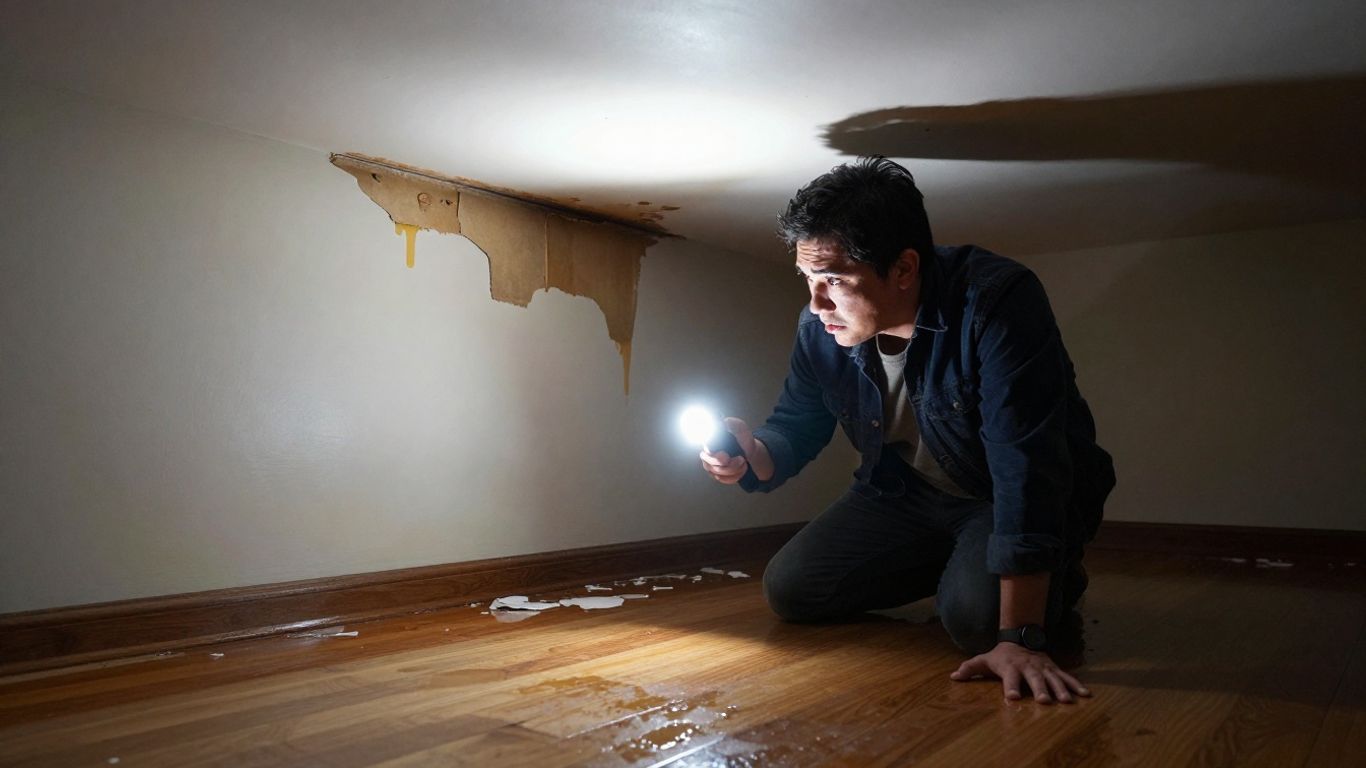
Water damage is a big deal for homeowners, and honestly, it’s one of the most common reasons people end up filing a claim. It can be super stressful, but knowing what your homeowners insurance policy actually covers can make a huge difference when something goes wrong. Generally, your policy is designed to help with water damage that happens suddenly and by accident. Think of it like this: if a pipe bursts unexpectedly and floods your kitchen, that’s usually covered. But if a tiny leak has been dripping for months behind your shower wall, that’s a different story.
Coverage for Sudden Plumbing Issues
When a pipe in your home decides to give up the ghost, it can cause a mess in a hurry. If a water supply line breaks, a pipe freezes and bursts, or a fitting suddenly fails, the resulting water damage is typically covered by your homeowners insurance. This applies to the water that spills out and damages your home’s structure, like walls, ceilings, and floors, as well as your personal belongings. The key here is that the event was sudden and accidental. It wasn’t something that developed over a long period.
Appliance Malfunctions and Overflows
We rely on our appliances for so much, but sometimes they can cause unexpected problems. If your washing machine hose splits, your dishwasher overflows, or your water heater leaks, the water damage caused by these events is usually covered. Your insurance can help pay to repair or replace damaged parts of your home and your possessions. However, it’s important to remember that the policy usually won’t pay to fix or replace the faulty appliance itself. That’s often considered wear and tear, and might be covered by a separate home warranty if you have one.
Damage from Firefighting Efforts
This might seem a little unusual, but if firefighters have to use water to put out a fire in your home, the water damage caused by their efforts is typically covered by your homeowners insurance. This also extends to damage from the fire suppression systems themselves, like sprinklers. The logic is that these events are necessary to prevent a much larger disaster, and the resulting water damage is a consequence of that necessary action.
Roof Leaks from Covered Perils
Your roof is your home’s first line of defense against the elements. If a storm, like high winds or hail, damages your roof and causes a leak, the resulting water damage inside your home is usually covered. This also applies if a tree falls on your roof during a storm. However, if the leak is due to the roof simply being old and worn out, or from poor maintenance, it likely won’t be covered. Promptly addressing roof damage after a covered event is important to prevent further issues.
Common Water Damage Exclusions in Homeowners Insurance
So, your homeowners insurance policy is pretty great for a lot of things, but it’s not a magic wand for every single water-related mishap. There are definitely some common situations where water damage just isn’t covered. It’s super important to know these exclusions beforehand so you don’t get a nasty surprise when you need to file a claim. Think of it like this: your policy is designed to help with sudden, unexpected problems, not ongoing issues or things that are generally considered maintenance.
Sewer and Drain Backups
This is a big one. If your toilet overflows because the main sewer line is backed up, or if your drains start spewing water back into your house, your standard homeowners policy probably won’t cover it. This kind of damage can be really extensive and costly to fix. The good news is that most insurance companies offer an add-on, often called a sewer and water backup endorsement, that you can purchase to get coverage for these specific events. It’s usually a pretty reasonable cost for the peace of mind it provides.
Flood Damage from External Sources
This is probably the most misunderstood exclusion. Homeowners insurance does not cover flood damage. This means water that comes into your home from outside sources like overflowing rivers, heavy rain pooling around your foundation, or even storm surges from a hurricane. If your home is in a flood zone, or even if it’s not but you’re worried about heavy rain, you’ll likely need a separate flood insurance policy. This is a completely different type of coverage than your standard homeowners policy.
Gradual Seepage and Wear and Tear
Your insurance policy is meant to cover sudden and accidental damage, not the slow creep of water over time. So, if you have a leaky pipe under your sink that you’ve known about for months, or water slowly seeping through your basement walls because the foundation is old, that’s generally not covered. This falls under wear and tear, or lack of maintenance. Insurers figure that if you know about a problem, you should fix it before it causes major damage. This also includes things like rust or rot that develop slowly over time.
It’s really about the nature of the event. Was it a sudden pipe burst that flooded your living room in an hour, or a slow drip behind a tile that caused mold over a year? The former is usually covered, the latter typically isn’t.
Negligence and Lack of Maintenance
This ties into the gradual seepage point. If damage occurs because you haven’t taken reasonable steps to maintain your home, your claim could be denied. For example, if a pipe bursts because you didn’t properly winterize your home and it froze, or if a small roof leak was ignored for too long and caused significant interior damage, the insurance company might argue that the damage was preventable. They expect homeowners to be proactive about upkeep. This is why regular inspections and addressing small issues promptly are so important for preventing bigger problems down the line and for keeping your insurance coverage valid.
Distinguishing Between Covered and Uncovered Water Damage
So, you’ve got water damage. Now what? It can be tricky to figure out if your homeowners insurance will actually pay for the repairs. It really comes down to a few key things, and understanding them can save you a lot of headaches.
The Importance of the Water Source
Where did the water come from? This is often the biggest factor. If the water originated from inside your home – think a burst pipe, a leaky appliance like a dishwasher or washing machine, or even a toilet overflow – you’re generally in a better position for coverage. These are usually considered sudden and accidental events originating from within the structure itself. However, if the water came from outside your home, like from heavy rain causing a flood or groundwater seeping into your basement, that’s typically not covered by a standard policy. For external water issues, you might need separate flood insurance policies or specific endorsements.
Sudden and Accidental vs. Gradual Damage
This is another big one. Insurance policies are designed to cover unexpected events, not the slow, steady wear and tear that happens over time. A pipe bursting suddenly in your wall? That’s likely covered. A slow drip from a faucet or a shower pan that’s been leaking for months, leading to rot and mold? That’s usually considered gradual damage, and your insurer might deny the claim. They want to see that the damage was accidental and happened relatively quickly, not something that developed over a long period due to neglect or lack of maintenance. It’s important to address small leaks promptly before they become big, costly problems.
Policy Type and Required Endorsements
Not all homeowners policies are created equal. The specific type of policy you have, and whether you’ve added any extra coverage, plays a huge role. Standard policies might exclude things like sewer backups or sump pump failures. If you live in an area prone to these issues, you’ll likely want to look into adding specific endorsements, like a sewer and water backup endorsement. These are essentially add-ons to your main policy that provide coverage for perils your standard policy doesn’t. It’s always a good idea to review your policy documents or chat with your insurance agent to know exactly what’s included and what might require an extra layer of protection.
The distinction between covered and uncovered water damage often hinges on the origin of the water and the timeline of the event. Sudden, internal issues are generally favored over slow, external water intrusion. Always check your policy details for specific exclusions and consider endorsements for common risks in your area.
Additional Coverage Options for Water Damage Protection
So, your standard homeowners policy has some gaps when it comes to water damage. That’s pretty common, actually. Luckily, there are ways to beef up your protection. Think of these as add-ons or separate policies that can cover those tricky situations your main policy might skip over.
Sewer and Water Backup Endorsements
This is a big one for many homeowners. Standard policies usually don’t cover damage from your sewer or drain backing up into your home. It’s a messy, expensive problem that can happen for various reasons, like heavy rain overwhelming the system or blockages. For a relatively small extra cost, you can often add a sewer and water backup endorsement to your existing policy. This endorsement can help pay for the cleanup and repairs if this kind of backup occurs. It’s a smart move, especially if you live in an older home or an area prone to such issues.
Flood Insurance Policies
It’s a common misconception that homeowners insurance covers flood damage. It generally doesn’t. Flood insurance is a separate policy, often purchased through the National Flood Insurance Program (NFIP) or private insurers. If you live in a flood-prone area, or even if you just want peace of mind, looking into flood insurance is a good idea. Remember, flooding isn’t just about rivers overflowing; it can include heavy rainfall overwhelming drainage systems or water pooling around your foundation. You can find out more about flood insurance options from your insurance agent.
Service Line Endorsements
This endorsement is about the pipes and lines that run from the street to your house, carrying water in and wastewater out. If these lines break or leak due to wear and tear or other covered events, your homeowners policy might not cover the cost of digging them up and repairing or replacing them. A service line endorsement can help with these specific, often costly, repairs. It can also sometimes extend to other underground utilities like gas or electricity lines.
Here’s a quick rundown of what these extra coverages typically address:
- Sewer/Drain Backup: Protects against water backing up from municipal sewer systems or your own private drains.
- Flood Damage: Covers damage from external water sources like overflowing rivers, heavy rain, or storm surges.
- Service Line Failure: Helps pay for repairs to underground pipes that bring utilities to your home.
It’s really important to talk through these options with your insurance agent. They can explain the specifics of each endorsement, including coverage limits, deductibles, and any exclusions that might still apply. Don’t just assume you’re covered; ask the questions to make sure your home is protected against a wider range of water-related disasters.
Addressing Mold and Rot from Water Intrusion
Dealing with mold and rot after water gets into your home can be way more stressful than you’d expect. Most homeowners insurance will only help pay for mold removal if its root cause is a sudden, covered event like a burst pipe—but not if the problem builds up slowly over time or results from neglect. Let’s break down how insurance treats mold and rot, when you might actually be protected, and what you can do to stop it before it gets out of hand.
Mold Coverage Limitations
- Your standard policy usually won’t pay for mold, fungus, or rot cleanup if the cause is long-term leaks or poor maintenance.
- Some policies give you the option to purchase additional mold coverage as an endorsement, but limits often apply.
- Coverage for mold from water backup or sump pump failure is typically only available if you’ve added a rider for water backup coverage.
Here’s a quick look at typical coverage:
| Cause of Mold/R0t | Standard Policy | Optional Endorsement Needed |
|---|---|---|
| Burst pipe (sudden/accidental) | Yes | No |
| Sump pump or drain backup | No | Yes |
| Gradual, unnoticed leaks | No | No |
| Flood from heavy rain or outside | No | Separate flood |
| Poor maintenance/neglect | No | No |
When Mold Might Be Covered
- Mold from a sudden, accidental event, like pipe bursts or an appliance hose disconnecting, is sometimes covered.
- If a covered peril (say, a storm breaks your roof and water leaks in) leads to mold before you could fix it, you might be protected.
- Any claim must show fast response—delays can lead to claim denial, as insurers consider slow response as neglect (even for covered incidents).
If you spot mold, report it to your insurer right away, take photos, and follow their instructions closely. Acting quickly not only helps your claim but stops the problem from spreading even further.
Preventing Mold Growth
- Regularly inspect pipes, appliances, and roofing for leaks or moisture.
- Fix leaks or drips as soon as you notice them—don’t wait.
- Use dehumidifiers in damp or humid areas like basements or bathrooms.
- Make sure your home is well-ventilated to reduce moisture buildup.
- Keep gutters clear to prevent water from entering around the roof or foundation. For more on keeping your home safe, check out preventative measures and maintenance tips.
It’s easy to forget about hidden leaks behind walls or under floors until it’s too late, but staying on top of simple maintenance can save you a lot of grief—and money—down the line. If water does get in, the faster you act, the less you’ll have to clean up later. For more details about how your insurance company may handle these situations, reviewing specific mold coverage situations in your policy can be eye-opening.
Steps to Take After Experiencing Water Damage

Okay, so a pipe burst, or maybe your washing machine decided to go rogue and flood the laundry room. It happens. When water damage strikes your home, it’s easy to panic, but staying calm and acting fast can make a big difference, especially when it comes to your insurance claim. Here’s a breakdown of what you should do right away.
Documenting the Damage
Before you do anything else, grab your phone or camera. You need to create a detailed record of everything that’s been affected. This means taking clear photos and videos of the water source, the extent of the water spread, and any damaged items. Don’t start cleaning up or throwing things away just yet. Your insurance adjuster will need to see the damage as it is. Think of it like a crime scene – don’t disturb the evidence until the professionals arrive.
Preventing Further Damage
While documenting, you also need to stop the water from causing more trouble. If it’s a burst pipe, find the main water shut-off valve for your house and turn it off. If water is pooling, try to remove as much of it as you safely can using buckets, mops, or even a wet vac if you have one. Move any furniture, electronics, or valuable items that are still dry to a safe, higher location. This shows your insurer you took reasonable steps to mitigate the damage, which is important for your claim. If you have a crawlspace that’s flooded, addressing it quickly can prevent bigger issues down the line, like mold. Checking your crawlspace regularly is a good habit.
Filing Your Insurance Claim
Once the immediate situation is under control, it’s time to contact your insurance company. Have your policy number handy. Explain what happened clearly and concisely. They’ll likely assign an adjuster to come out and assess the damage. Be prepared to provide them with the documentation you gathered. It’s also a good idea to start making a list of damaged items, noting their age and estimated value if possible. This will help speed up the claims process. Remember, homeowners insurance can help cover repair costs for water damage, such as soaked drywall, but understanding your policy is key.
Acting quickly is your best bet. The sooner you report the damage and start the mitigation process, the better your chances of a smoother insurance claim and a quicker recovery. Don’t wait around hoping it will get better on its own.
Here’s a quick checklist:
- Stop the water source: Turn off the main water valve if necessary.
- Remove standing water: Use buckets, mops, or a wet vac.
- Protect belongings: Move undamaged items to a safe place.
- Document everything: Take photos and videos before cleaning.
- Contact your insurer: Report the damage promptly to start the claim process.
- Cooperate with the adjuster: Provide all requested information and documentation.
Wrapping It Up
So, dealing with water damage can be a real headache, right? We’ve gone over what your standard homeowners policy might cover, like sudden pipe bursts or appliance overflows, and what it usually leaves out, such as floods and sewer backups. Remember, keeping up with home maintenance is a big deal – neglecting things can mean your insurance won’t help when you need it most. It’s always a good idea to chat with your insurance agent about your specific policy and maybe look into extra coverage like sewer backup or flood insurance, especially if you live in a riskier area. Taking a little time now to understand your policy and do some preventative checks can save you a lot of trouble and money down the road.
Frequently Asked Questions
Will my homeowners insurance pay for water damage caused by a leaky pipe?
Usually, yes! If a pipe inside your home suddenly bursts or leaks, causing water damage, your homeowners insurance typically covers the cost to fix the damage and repair your home. However, if the leak was happening for a long time and you didn’t fix it, insurance might not cover it because it’s considered wear and tear. It’s always best to fix leaks as soon as you notice them.
Does homeowners insurance cover damage from floods?
Generally, no. Standard homeowners insurance policies do not cover damage caused by flooding, like water coming into your home from heavy rain, overflowing rivers, or storms. To get coverage for flood damage, you’ll likely need to buy a separate flood insurance policy.
What if my sewer backs up and floods my basement?
Most standard homeowners insurance policies won’t cover damage from sewer or drain backups. This type of problem is usually an extra cost. Many insurance companies offer an add-on, called an endorsement, that you can buy to cover sewer backups. It’s a good idea to ask your insurance agent about this option.
Is mold damage covered by my homeowners insurance?
It depends. If mold is a result of a sudden and accidental water damage event that your insurance covers (like a burst pipe), some policies might cover the mold cleanup. But if the mold grew over time due to slow leaks or neglect, it’s usually not covered because it’s considered a maintenance issue.
What should I do if I find water damage in my home?
First, try to stop the water from causing more damage if it’s safe to do so – like turning off the main water valve. Then, take lots of pictures and videos of the damage. After that, contact your insurance company right away to start the claims process. Don’t throw away damaged items until the insurance adjuster has seen them.
Will my insurance cover damage from a leaky roof?
It depends on why the roof is leaking. If a covered event, like a strong wind during a storm, damages your roof and causes a leak, your insurance will likely cover the resulting water damage. However, if the leak is due to old age, lack of maintenance, or general wear and tear, your insurance probably won’t cover it.
