Ever looked at a wall or a loaf of bread and wondered, “Is mold green?” Turns out, green mold is pretty common in homes and can show up in lots of places, from bathrooms to basements. It’s not just one kind of mold—several different types can look green. Some people might shrug it off, but green mold can affect your health and your house if you don’t handle it right. Let’s break down what green mold really is, why it shows up, and what you should do about it.
Key Takeaways
- Green mold isn’t just one type—it includes several species like Aspergillus, Cladosporium, and Penicillium, all of which can appear green.
- Green mold usually pops up wherever there’s moisture, like in bathrooms, basements, or around leaky pipes and windows.
- Not all green mold is toxic, but it can still cause allergies, asthma symptoms, or respiratory irritation, especially for people with existing health issues.
- Small patches of green mold can sometimes be cleaned with household products, but bigger or hidden infestations are best left to professionals.
- Keeping your home dry, fixing leaks quickly, and making sure rooms are well-ventilated are the best ways to prevent green mold from coming back.
Understanding What Is Green Mold
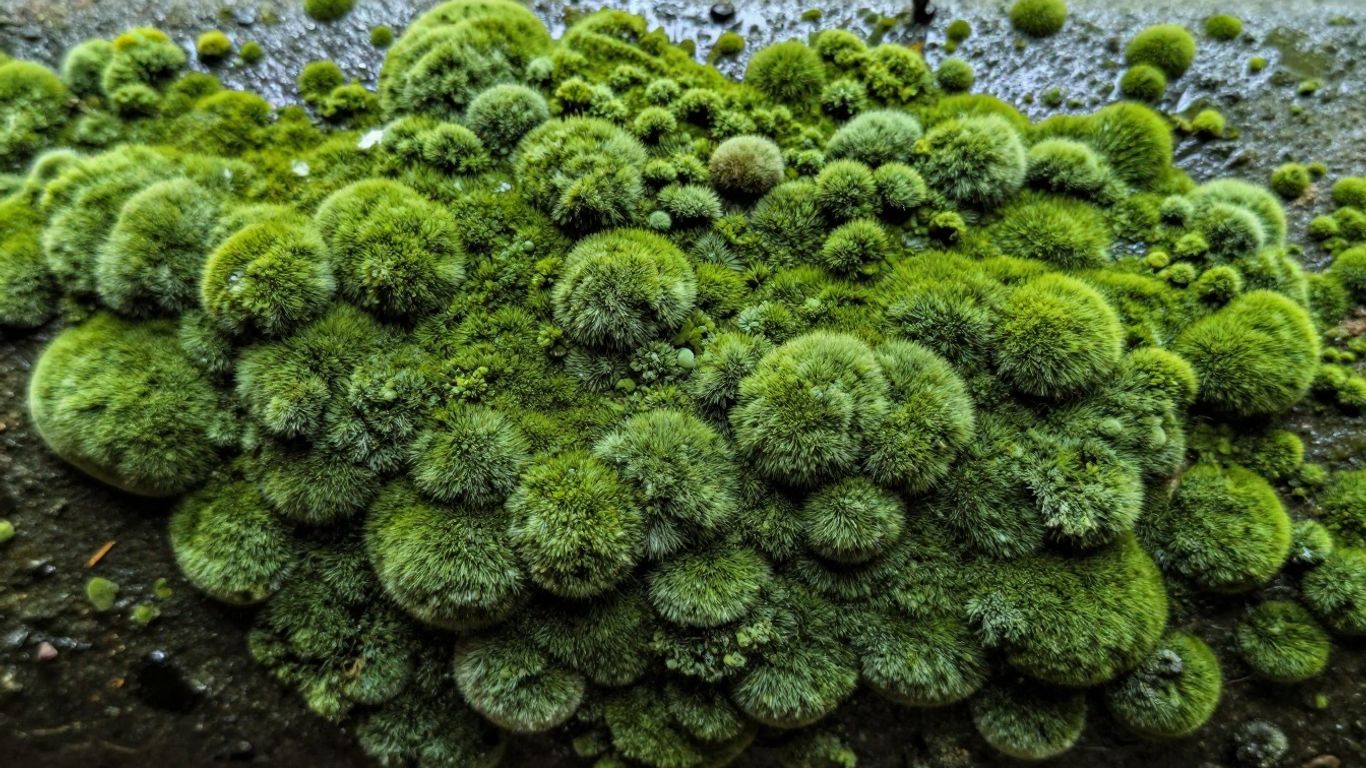
So, you’ve noticed some fuzzy green patches popping up around your place and you’re wondering, "Is this mold?" Well, you’re not alone. Green mold is a pretty common sight in homes, but it’s not just one single type of fungus. It’s actually a general term for several different species of mold that happen to grow in shades of green. These little guys reproduce by sending out tiny spores into the air, and when those spores land on a damp spot with something to eat, they can start a whole colony pretty quickly.
Defining Green Mold Species
When we talk about "green mold," we’re usually referring to a few common culprits. The most frequently seen ones include Cladosporium, Aspergillus, and Penicillium. Each has its own quirks, but they all share a love for moisture and organic materials. Identifying the exact species just by looking can be tricky, as they don’t always stick to their signature green color and can sometimes look like dirt or other molds.
Common Types of Green Mold
Let’s break down some of the usual suspects:
- Cladosporium: This one often shows up as olive-green or dark green. It’s found on plants outdoors but can easily make its way inside, growing on walls, cabinets, and even fabrics.
- Aspergillus: You might see this type on spoiled food, like bread or fruit. It also likes damp spots such as basements, attics, and can even get into your HVAC system.
- Penicillium: This mold typically has a blue-green hue. While it’s famous for producing penicillin, it also likes to grow on damp materials like insulation, carpets, and wallpaper.
Visual Characteristics of Green Mold
Visually, green mold can be a bit of a chameleon. It might look powdery, fuzzy, or even velvety. The color can range from a bright, almost lime green to a duller green-gray. Sometimes, it grows alongside other molds, making it harder to spot or identify. It’s also worth noting that mold often has a distinct musty or earthy smell, which can be a clue even before you see it. If you suspect mold, early detection is key to preventing bigger problems.
While visual identification is a starting point, it’s not always reliable for pinpointing the exact type of mold or its health risks. Professional inspections can offer a clearer picture.
It’s important to remember that mold, regardless of color, can cause issues. If you’re dealing with a small patch, you might be able to handle it yourself, but for larger areas, it’s often best to get professional help. You can find mold removal kits that might help with smaller jobs.
Where Green Mold Thrives
Green mold isn’t picky; it loves damp, humid spots. Think of places where water likes to hang out or where condensation builds up. Bathrooms are a classic spot, especially around showers, tubs, and sinks where moisture is a constant. Basements and crawl spaces often stay damp and poorly ventilated, making them prime real estate for mold growth. Kitchens, particularly under sinks or around dishwashers, can also be a problem area if there are any leaks or spills that aren’t dried properly.
Identifying Growth Locations in Homes
Beyond the usual suspects like bathrooms and basements, keep an eye out for other less obvious places. Leaky pipes, even small ones hidden in walls, can create a perfect breeding ground. Window sills that collect condensation are another common site. If you have carpets in damp areas, like a basement, they can hold moisture and become a hidden mold haven. Even attics, if they have poor ventilation or roof leaks, can develop mold. Basically, anywhere organic material meets persistent moisture is a potential home for green mold. Mold can start growing within 24 to 48 hours after water exposure.
Environmental Factors Favoring Mold
Several environmental conditions really help green mold take hold. High humidity is a big one; generally, if the humidity stays above 60%, mold has a good chance of growing. Temperature also plays a role, with many common green molds preferring temperatures between 68–77°F, which is pretty typical for indoor living spaces. Lack of proper ventilation is another major factor. When air can’t circulate well, moisture gets trapped, creating those ideal damp conditions. Organic materials like wood, drywall, and even dust provide the food source mold needs to thrive.
Green Mold vs. Algae Growth
Sometimes, people mistake green mold for algae, and it’s easy to see why – they both can be green! But they’re quite different. Algae are photosynthetic organisms that usually need water and sunlight to grow, often appearing slimy or film-like on outdoor surfaces or in very wet indoor spots. Mold, on the other hand, is a fungus that spreads via airborne spores and doesn’t need sunlight. It typically looks fuzzy, powdery, or velvety. While algae are generally harmless indoors, mold can cause health issues and damage materials. So, if you see a green growth, consider where it is and what it looks like to get a better idea of what you’re dealing with. If you’re unsure, it’s always best to address it as potential mold and investigate the moisture source. For effective and safe mold removal, consider using products like EcoClean Solutions Mold Remover which uses natural ingredients.
Health Implications of Green Mold
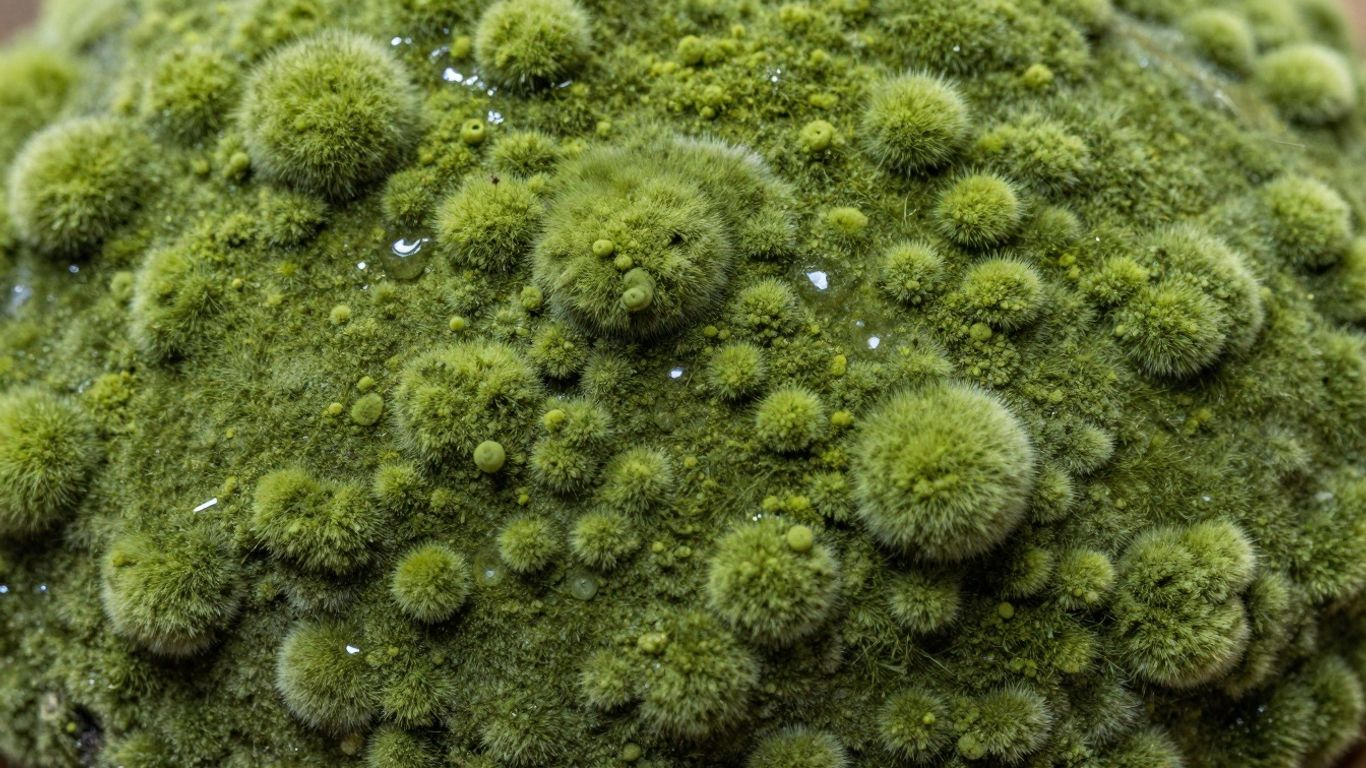
So, you’ve found some green mold. It’s easy to think, ‘Oh, it’s just green, probably not as bad as black mold, right?’ Well, that’s not always the case. While green mold species like Penicillium and Aspergillus are often associated with allergic reactions, they can still cause a range of health issues, especially if you’re exposed for a while or if you’re particularly sensitive.
Potential Health Risks and Symptoms
When mold spores get into the air, they can really bother your respiratory system. You might notice things like:
- Sneezing and a runny nose
- Watery, itchy eyes
- Coughing and wheezing
- Skin rashes or hives
For people with asthma or other breathing problems, these symptoms can be much more serious, sometimes leading to severe bronchial inflammation. It’s not just about allergies, though. Some molds can cause infections, particularly in the lungs, like bronchitis or even pneumonia. The severity of symptoms often depends on how long you’re exposed and how much mold there is.
Vulnerable Populations and Mold Exposure
Some folks are just more susceptible to mold’s effects. This includes:
- Young children
- Elderly individuals
- People with existing respiratory conditions (like asthma or COPD)
- Anyone with a weakened immune system (due to illness or medication)
These groups can experience more intense reactions, even from lower levels of mold exposure. For them, prolonged contact can lead to more significant health problems, and recovery might take longer. It’s important to remember that mold exposure can cause irritation to the eyes, skin, nose, throat, and lungs for both allergic and non-allergic individuals [b5ff].
Distinguishing Mold Toxicity by Color
It’s a common misconception that mold color directly tells you how toxic it is. While some molds, like certain types of black mold, are known for producing mycotoxins that can cause more severe issues, green mold isn’t automatically harmless. The color can change based on the surface it’s growing on and the specific species. Judging the danger solely by color is a risky game. Instead of focusing on the hue, it’s more important to address any mold growth promptly. If you’re dealing with a significant infestation, especially one larger than 10 square feet, it’s best to bring in professionals [034b].
Mold isn’t just an aesthetic problem; it’s a health concern. Ignoring it can lead to persistent symptoms and, in some cases, more serious long-term health complications. Taking action to remove and prevent mold is key to maintaining a healthy living environment.
Addressing Green Mold Infestations
So, you’ve spotted some green fuzzy stuff on your wall or maybe in the bathroom. It’s easy to panic, but let’s break down what to do about it. Dealing with green mold effectively means understanding when you can tackle it yourself and when it’s time to call in the pros.
DIY Removal for Small Areas
If the green mold patch is pretty small, like less than a square foot, you might be able to handle it yourself. Think of it like a minor spill – annoying, but manageable. You can try a few common household cleaners. A solution of white vinegar, baking soda, or even hydrogen peroxide can often do the trick on non-porous surfaces. Just remember to wear gloves and a mask, and make sure the area is well-ventilated. After cleaning, it’s super important to get the spot completely dry. Leaving any moisture behind is like rolling out the welcome mat for more mold.
Here are some common DIY cleaning agents:
- White Vinegar: Undiluted white vinegar can kill many types of mold. Spray it on, let it sit for an hour, then wipe clean.
- Baking Soda: Mix baking soda with water to make a paste or a spray. It’s a mild abrasive and deodorizer that can help scrub away mold.
- Hydrogen Peroxide: A 3% solution of hydrogen peroxide can be sprayed directly onto the mold. Let it bubble for a few minutes, then scrub and wipe.
Always test any cleaning solution on an inconspicuous spot first to make sure it doesn’t damage the surface. And seriously, don’t skip the protective gear – mold spores can get everywhere.
When to Call Professional Remediation
Now, if that green patch is bigger than a dinner plate, or if it’s popped up after a major water event like a flood or a serious leak, it’s probably time to step back and call in the experts. Large infestations, especially those that have gotten into drywall, wood, or insulation, are tricky. Professionals have the right gear and know-how to get rid of it completely without spreading spores all over your house. They can also figure out why the mold started growing in the first place, which is key to preventing it from coming back. For serious issues, looking into professional mold removal services is a smart move.
Safe Removal Practices
No matter who is doing the cleaning, safety is the top priority. When you’re dealing with mold, even small amounts, you don’t want to just scrub it dry and hope for the best. Spores can become airborne and spread easily. If you’re doing it yourself, wear gloves, eye protection, and a mask (an N95 respirator is best). For larger jobs, professionals use specialized equipment like containment barriers and air scrubbers to keep the spores from traveling. They also have ways to properly dispose of contaminated materials. Remember, the goal isn’t just to make it look clean; it’s to remove the mold and fix the underlying moisture problem that allowed it to grow in the first place. This is a big part of mold remediation that often gets overlooked.
Preventing Future Green Mold Growth
So, you’ve dealt with that unwelcome green fuzz, and now you’re wondering how to keep it from coming back. It’s all about making your home less inviting for mold. Think of it like this: mold needs a few key things to grow – moisture, food (which is pretty much anything organic in your house), and the right temperature. If you can take away its favorite things, you’re golden.
Controlling Moisture Sources
This is probably the biggest one. Mold spores are everywhere, but they can’t really get a foothold without dampness. So, the first line of defense is to keep things dry. That means fixing any leaky pipes or roofs right away. Seriously, don’t put it off. Even small drips can create a perfect little mold nursery over time. Check around windows, especially after rain, and make sure your gutters are clear so water doesn’t back up against your house. Basements and bathrooms are notorious for moisture issues, so pay extra attention to those areas. If you’ve had any water damage, like from a flood or a burst pipe, make sure everything is dried out completely within 24 to 48 hours. Keeping water out of your basement is a good place to start if that’s a concern.
Here are some practical steps:
- Fix leaks promptly: Don’t wait for a small drip to become a big problem.
- Manage humidity: Aim to keep indoor humidity levels below 50%. Using dehumidifiers or air conditioners can help, especially in damp climates or seasons.
- Dry wet items: Carpets, clothes, and other materials should be dried within a couple of days if they get wet.
- Wipe down condensation: Regularly dry condensation from window frames, pipes, and bathroom tiles.
Improving Ventilation and Air Quality
Good airflow helps prevent moisture from building up in the first place. Think about using exhaust fans in your bathroom when you shower and in your kitchen when you cook. These fans vent out the moist air, stopping it from settling on surfaces. Opening windows when the weather is nice also helps circulate fresh air. If you have areas in your home that tend to be stuffy, like closets or attics, consider adding some form of ventilation. Using a HEPA vacuum cleaner can also make a difference by capturing mold spores and other tiny particles from the air and surfaces.
Regular Inspections and Maintenance
It’s easy to forget about mold until you see it, but a little bit of regular checking can save you a lot of hassle. Periodically walk through your home and look for any signs of moisture or potential mold growth. Check those common spots: bathrooms, kitchens, basements, laundry rooms, and around any pipes or appliances that use water. Pay attention to any musty smells, as that’s often an early indicator. Catching a small issue early can prevent a major infestation. It’s about being proactive rather than reactive. This approach is key to maintaining a healthier living environment.
Mold doesn’t need much to get started. A tiny spore, a bit of moisture, and some organic material are all it takes. By controlling the moisture and ensuring good air circulation, you’re essentially making your home a less hospitable place for mold to set up shop. It’s a continuous effort, but a lot easier than dealing with a full-blown infestation.
Wrapping Up: Green Mold Isn’t Just a Color
So, we’ve talked a lot about green mold. It’s not just a weird green spot on the wall; it’s a sign that something’s not right, usually too much moisture hanging around. Remember, mold color isn’t the main thing to worry about – any mold can cause problems. If you see it, especially if it’s a bigger patch, it’s best to get it sorted out. Fixing the dampness is key, and sometimes you’ll need a pro to help clear it out safely. Keeping things dry and ventilated is your best bet to keep these green invaders from setting up shop in your home.
Frequently Asked Questions
What exactly is green mold?
Green mold isn’t just one type of mold; it’s a general name for several kinds of fungi that show up in shades of green. Think of it like different brands of green paint. These molds, like Aspergillus and Penicillium, often look fuzzy or powdery and love to grow where there’s moisture.
Where does green mold usually grow in a house?
Green mold needs moisture to grow, so you’ll often find it in damp places. This includes bathrooms, basements, kitchens, laundry rooms, and anywhere leaks or condensation are a problem. It can grow on walls, carpets, wood, and even food.
Is green mold dangerous to my health?
Yes, green mold can be harmful. While not all molds are toxic, mold spores can cause allergic reactions, trigger asthma symptoms, and lead to stuffy noses, coughing, and itchy eyes. People with allergies, asthma, or weaker immune systems are more likely to get sick from it.
How is green mold different from algae?
Although both can look green, they are very different. Mold is a fungus that grows from spores in damp indoor spots. Algae are plants that need water and sunlight to grow, usually appearing slimy outdoors or on surfaces exposed to the elements.
Can I clean up green mold myself?
For very small patches (less than about 10 square feet) on non-porous surfaces, you might be able to clean it yourself using things like vinegar or a mild detergent. However, if the mold covers a larger area, is inside walls, or you’re unsure, it’s much safer to call professionals.
How can I stop green mold from growing in my home?
The best way to prevent green mold is to control moisture. Fix any leaks right away, use exhaust fans in bathrooms and kitchens, keep humidity levels low (below 50%), and make sure your home is well-ventilated. Cleaning up spills and drying wet areas quickly is also key.
