Finding mold in your home can be a real headache, not just for your health but for your wallet too. You might be wondering if that nasty growth is something your homeowners insurance will help you deal with. It’s a common question, and the answer isn’t always a simple yes or no. Let’s break down what you need to know about whether homeowners insurance cover mold removal and what situations are typically covered, and which ones aren’t.
Key Takeaways
- Standard homeowners insurance usually covers mold removal only if it’s caused by a sudden and accidental event, like a burst pipe or appliance malfunction.
- Damage from gradual leaks, poor maintenance, or pre-existing mold issues are typically not covered by homeowners insurance.
- Homeowners insurance might cover remediation costs rather than the replacement of damaged items, depending on your policy’s terms.
- You’ll likely need to pay a deductible for any mold damage claim, and filing a claim could potentially increase your future premiums.
- Consider supplemental insurance endorsements, like flood or sewer backup coverage, for broader protection against mold-related issues that aren’t covered by a standard policy.
Understanding Homeowners Insurance Coverage for Mold
When mold starts creeping into your home, it’s easy to panic. You might wonder if your homeowners insurance will pick up the tab for cleanup. The short answer is: it depends. Standard policies usually cover mold only if it’s a direct result of a sudden and accidental event that’s listed in your policy. Think of things like a pipe bursting unexpectedly or damage from a severe storm that lets water in.
When Does Homeowners Insurance Cover Mold?
Your insurance company looks at the cause of the mold. If the mold grew because of something sudden and unforeseen, like a washing machine hose that burst and flooded your laundry room, that’s often a covered event. The water damage from the burst hose is covered, and the resulting mold cleanup might be too, depending on your specific policy details. It’s not about the mold itself, but what caused it to appear in the first place.
What Constitutes a Covered Peril for Mold?
A "peril" in insurance terms is basically an event that causes damage. For mold to be covered, it generally needs to stem from a covered peril. This means the cause must be something listed in your policy that you’re protected against. Some common examples include:
- Sudden and accidental discharge of water from plumbing systems, HVAC units, or appliances.
- Damage from frozen, leaking, or burst pipes.
- Water heater ruptures.
- Overflowing dishwashers or toilets.
- Damage from severe weather events that cause water intrusion (though flood damage itself often requires separate insurance).
The Role of Sudden and Accidental Events
This is the key phrase to remember: "sudden and accidental." If a water pipe breaks and floods your kitchen, causing mold to grow within a few days, your insurance will likely cover the resulting mold damage. However, if you have a slow, unnoticed leak under your sink that’s been dripping for months, and mold starts to grow because you didn’t fix it, that’s usually considered gradual damage or homeowner neglect. In such cases, the mold cleanup is typically not covered. It’s important to address any water issues as soon as you notice them to prevent them from becoming larger, more expensive problems. Prompt action can make a big difference when filing a claim, and professional mold cleanup services can help you document the damage properly.
Insurance policies can be tricky, and what’s covered can change from one company to another. Always read your policy carefully to understand what events are considered "perils" and how they handle mold-related claims. Don’t hesitate to ask your insurance agent for clarification on any confusing parts.
Situations Where Mold Damage Is Typically Not Covered
So, you’ve found some fuzzy stuff growing on your wall, and you’re wondering if your homeowner’s insurance will pick up the tab for getting rid of it. While insurance can be a lifesaver for many home disasters, mold is a bit of a tricky situation. Most standard policies won’t cover mold if it’s due to something that’s been brewing for a while or if you could have reasonably prevented it. It really comes down to the cause of the mold.
Homeowner Negligence and Lack of Maintenance
This is a big one. If mold pops up because you haven’t kept up with basic home maintenance, your insurance company will likely say, "Sorry, not our problem." Think about it: if you’ve got a leaky faucet that’s been dripping for months, and that slow drip eventually leads to mold behind the sink cabinet, that’s usually on you. Insurance is generally for sudden, unexpected events, not for issues that develop over time due to neglect. This includes things like:
- Not fixing a known roof leak promptly.
- Ignoring condensation issues in bathrooms or basements.
- Failing to clean up spills or address minor water intrusion.
Basically, if you knew about a water problem and didn’t do anything about it, or if it’s a result of poor upkeep, the mold that follows probably won’t be covered. It’s like not changing the oil in your car and then expecting the mechanic to cover engine damage – it just doesn’t work that way.
Gradual Leaks and Seepage
This ties into the negligence point, but it’s worth highlighting separately. Insurance policies are designed to cover damage from "sudden and accidental" events. A slow, creeping leak from a pipe behind a wall, or water seeping into your basement through the foundation over time, doesn’t fit that description. These are gradual issues. While they can cause significant damage and lead to mold, insurers typically view them as maintenance problems rather than covered perils. You might need to look into specific endorsements for hidden water damage if you’re concerned about these types of leaks.
Pre-Existing Mold Issues
If you buy a house and discover mold that was already there before you moved in, your current homeowner’s insurance policy won’t cover it. The damage and the mold existed before you had the policy in place. It’s a bit like buying a used car with a known engine problem – the seller (or in this case, the previous owner) is usually responsible for disclosing and addressing it before the sale. If you suspect mold was present before you purchased your home, you might need to explore legal options or discuss it with the seller, but your insurance company won’t be footing the bill for pre-existing conditions.
It’s really important to understand that insurance policies are contracts. They clearly define what is covered and what isn’t. When it comes to mold, the cause is almost always the deciding factor. If the mold resulted from a covered event, like a burst pipe that flooded your living room, your policy might help. But if it’s from something that’s been happening slowly or due to a lack of care, you’re likely on your own for the cleanup costs.
Assessing Mold Damage and Your Insurance Claim
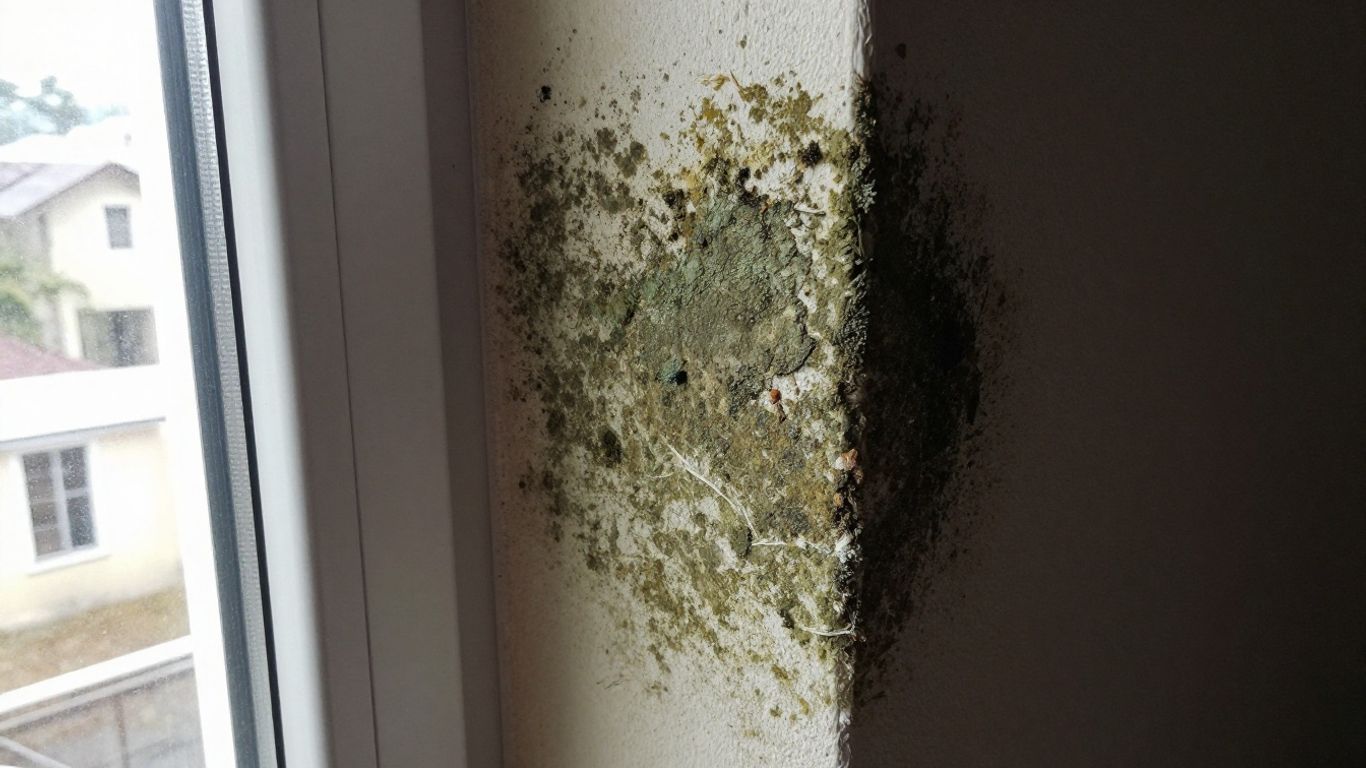
So, you’ve found some fuzzy stuff growing on your walls, or maybe you’ve got that musty smell that just won’t quit. Figuring out if your homeowner’s insurance will help with the cleanup is the next big step. It’s not always straightforward, and understanding how to approach your insurance company is key.
Identifying Signs of Mold Damage
Sometimes mold is obvious, like a big patch of black or green on the ceiling. Other times, it’s sneakier. Keep an eye out for:
- Discoloration: Look for spots on walls, ceilings, or even fabrics that weren’t there before.
- Musty Odors: A persistent damp, earthy smell, especially in enclosed spaces like closets or basements, is a big clue.
- Water Stains: These can be a sign that moisture has been present, creating a perfect environment for mold.
- Peeling Paint or Wallpaper: Moisture trapped behind these can cause them to bubble or peel.
- Health Symptoms: Some people experience allergic reactions, headaches, or respiratory issues when exposed to mold.
It’s important to document everything you see, so snap photos or take videos of any suspected mold growth and any related water damage. This visual evidence is super helpful when you talk to your insurance company.
Understanding Your Policy’s Deductible
Before you even think about calling the insurance company, you need to know about your deductible. This is the amount you have to pay out-of-pocket before your insurance starts covering costs. For mold remediation, deductibles can range from $500 to $2,000 or more. If the estimated cost of cleanup is, say, $1,500 and your deductible is $1,000, your insurance would only pay $500. You’ll need to decide if that payout is worth the potential increase in your premiums later on. It’s a good idea to review your policy details or call your agent to confirm your specific deductible amount. Understanding your policy’s deductible is a critical first step.
Steps to File a Mold Damage Claim
When you’re ready to file, here’s a general rundown of what to expect:
- Stop the Source: Your first priority is to stop any ongoing water damage. If a pipe burst, get it fixed. If there’s a leak, try to contain it. Insurance companies expect you to take reasonable steps to prevent further damage.
- Document Everything: Take clear photos and videos of the mold, its location, and the extent of the damage. Also, document any water damage that might have caused it.
- Notify Your Insurer: Contact your insurance company as soon as possible. Explain how the mold originated and provide all your documentation. They might send an adjuster to assess the situation.
- Get Professional Assessments: You may need a professional mold inspector to determine the cause and scope of the problem. A licensed mold remediation specialist can provide estimates for cleanup. Make sure any professionals you hire are licensed and reputable.
- Submit Your Claim: Follow your insurance company’s specific process for submitting the claim, including all the documentation you’ve gathered. Keep copies of everything you send.
Dealing with mold can be overwhelming, and the claims process adds another layer of stress. Remember to stay organized, communicate clearly with your insurance company, and keep detailed records of all interactions and expenses. This thoroughness can make a big difference in the outcome of your claim.
If your claim is denied, don’t give up immediately. You can appeal the decision, often by providing additional evidence from mold professionals or seeking legal advice. Understanding how your home insurance covers mold is vital throughout this entire process.
The Cost of Mold Remediation and Insurance Payouts
Mold can be a real headache, not just for your health but for your wallet too. Getting rid of it professionally isn’t cheap, and understanding how your insurance fits into the picture is super important. The price tag for mold removal can really add up, especially if the problem is widespread.
Average Costs for Professional Mold Removal
So, how much are we talking about? Well, it varies a lot. For a typical job, you might see costs ranging from a few hundred dollars to several thousand. If the mold has gotten into walls or under floors, that’s when things get really expensive. Here’s a general idea:
- Minor cases (less than 10 sq ft): Might cost around $500 – $1,000.
- Moderate cases (10-100 sq ft): Could be anywhere from $1,000 – $5,000.
- Severe cases (over 100 sq ft or hidden mold): Can easily go upwards of $5,000, sometimes even $10,000 or more.
These figures often include assessment, containment to stop spores from spreading, and the actual cleanup. Sometimes, you might need to pay your deductible first before insurance even starts covering costs. It’s worth checking if your policy has a specific limit for mold damage, as some standard policies might not cover the full extent of a major remediation project.
Remediation vs. Replacement Coverage
When mold damage happens, your insurance policy usually focuses on remediation rather than replacement. This means they’ll likely pay for the process of cleaning and removing the mold itself, and repairing the affected areas. They might not cover replacing entire sections of your home just because mold was present, unless it’s absolutely necessary to get rid of the mold.
It’s important to remember that insurance companies want to see that the mold resulted from a sudden and accidental event, like a burst pipe. If they determine the mold grew due to neglect or poor maintenance over time, your claim might be denied. This is why documenting the cause of the mold is a big deal when you file a claim.
Evaluating the Value of a Claim Payout
When you file a mold damage claim, you’ll have to consider your deductible. Let’s say your deductible is $1,000 and the total cost of mold removal is $3,000. Your insurance would pay $2,000. But, you also need to think about how filing a claim might affect your future premiums. Sometimes, the payout might not be worth the potential increase in your insurance costs down the line. It’s a good idea to get a few quotes from mold remediation specialists and discuss them with your insurance adjuster to get a clear picture of what to expect. You’ll want to make sure the remediation plan meets your insurer’s requirements and any lender stipulations if you have a mortgage.
Exploring Additional Coverage Options for Mold
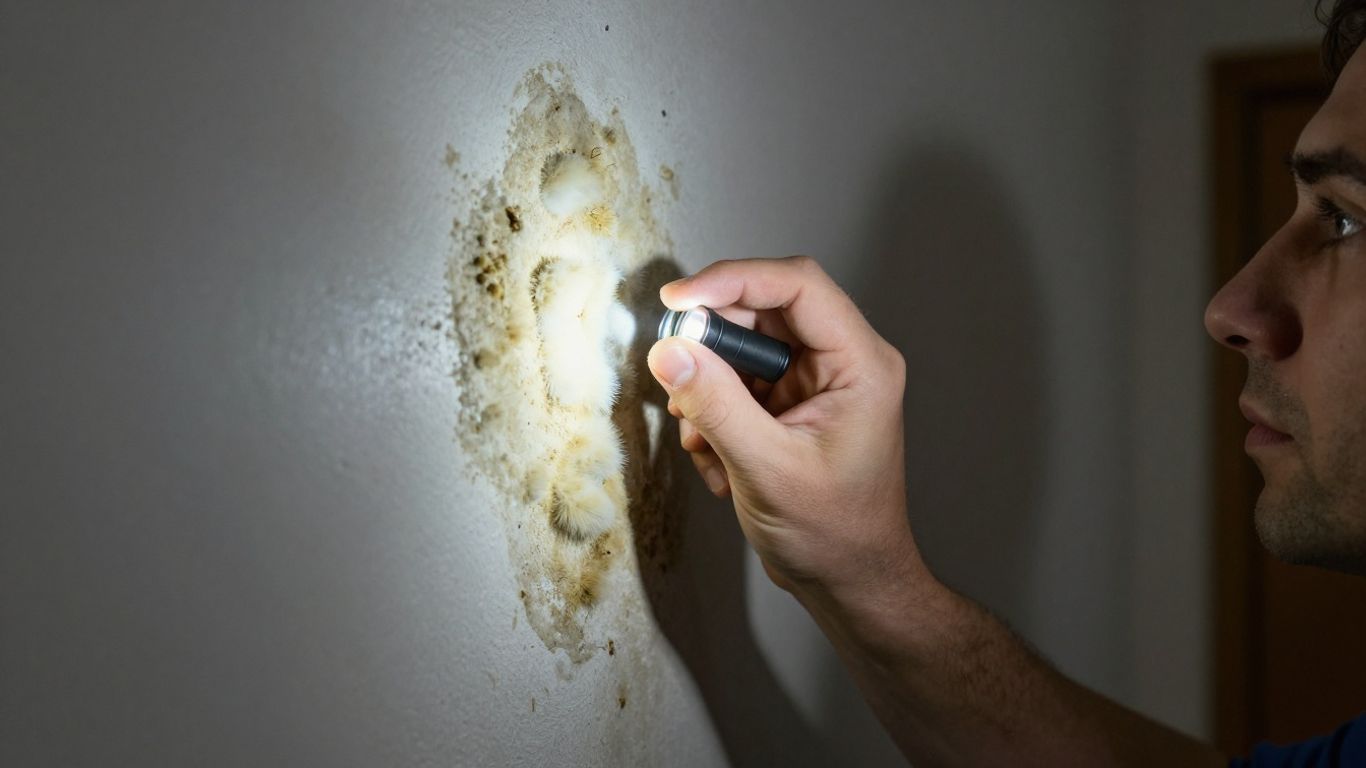
Sometimes, your standard homeowners policy just doesn’t cut it when it comes to mold. It’s like having a basic phone plan when you really need unlimited data – you hit a limit fast. Luckily, there are ways to beef up your protection. Think of these as upgrades for your home insurance, specifically targeting those pesky mold issues that can pop up unexpectedly.
Supplemental Insurance Endorsements
Many insurance companies let you add special riders or endorsements to your existing policy. These are like add-ons that give you extra coverage for specific problems, and mold is often one of them. If you live in an area prone to humidity or have a home built with materials that tend to encourage mold growth, like wood or vinyl, looking into these supplemental options makes a lot of sense. It’s always a good idea to shop around and compare what different insurers offer to make sure you’re getting the best deal for the coverage you need.
Flood Insurance and Sewer Backup Coverage
Standard policies usually won’t cover mold caused by floods or sewer backups. That’s where specialized insurance comes in. Flood insurance can be a lifesaver if your home is in a flood zone, and sewer backup coverage is great for those times when your drains decide to throw a party in your basement. These policies can help pay for the cleanup and repairs, including mold remediation, that result from these specific water-related disasters. It’s important to check the specifics of these policies, though, as coverage can still have limitations.
- Flood Insurance: Covers water damage from external sources like heavy rains or overflowing rivers.
- Sewer Backup Coverage: Protects against damage from clogged sewer lines or sump pump failures.
- Hidden Water Damage Coverage: This is a good one to consider, as it helps with leaks that happen behind walls or under floors, which can lead to mold you don’t see right away.
Choosing the Right Add-On Protections
Deciding on the right extra coverage depends a lot on your home’s location and its specific risks. If you’ve had issues with water damage before, or if your home is older, you might want to invest in more robust protection. Don’t assume your current policy covers everything; always read the fine print. It might be worth talking to your insurance agent about your concerns and getting quotes for different endorsements. Sometimes, a little extra premium now can save you a massive headache and a lot of money down the road when mold decides to make an unwelcome appearance.
Preventing Mold Growth and Protecting Your Home
Nobody wants to deal with mold. It’s a sneaky problem that can pop up in all sorts of places, from damp bathrooms to hidden spots behind walls. Not only can it mess with your home’s structure, but it can also cause health issues for you and your family. The good news is, a lot of mold problems can be avoided with a little bit of attention and some smart habits. The key to keeping mold at bay is controlling moisture.
So, what can you actually do to stop mold before it even starts? It mostly comes down to being proactive.
Key Steps for Mold Prevention
- Fix leaks right away. Whether it’s a leaky pipe under the sink or a drip from your air conditioner, don’t let water hang around. Get it fixed as soon as you notice it.
- Dry things out quickly. If something gets wet, you’ve got about 24 to 48 hours to dry it completely before mold has a chance to grow. This is super important for carpets, furniture, and anything else that can soak up water.
- Keep humidity in check. Aim for indoor humidity levels between 30% and 50%. You can use dehumidifiers, especially in basements or bathrooms, and make sure to vent appliances that create moisture, like dryers and stoves, to the outside.
- Clean your gutters. Clogged gutters can cause water to back up and potentially seep into your home’s foundation or walls.
- Watch for condensation. If you see moisture forming on windows, pipes, or walls, it’s a sign that your indoor humidity might be too high.
When to Call Professionals for Mold Removal
While you can handle small spots of mold yourself, there are times when it’s best to bring in the pros. If you see a large area of mold, or if the mold is related to sewage or contaminated water, it’s definitely time to call a professional mold remediation service. They have the right equipment and knowledge to deal with it safely and effectively. Trying to clean up a big mold problem without the proper gear can actually spread the spores and make things worse. For more on identifying mold, check out information on mold issues.
DIY Mold Cleaning vs. Professional Remediation
For tiny, surface-level mold spots (think a small patch on a tile in the shower), you might be able to clean it up yourself with a household cleaner. However, if the mold covers a larger area, is inside your walls, or has a strong musty smell that you can’t locate, professional help is usually the way to go. Professionals have specialized tools and protective gear to remove mold without spreading it further into your home. They can also help identify the source of the moisture that allowed the mold to grow in the first place, which is key to preventing future mold.
Dealing with mold can be stressful, but remember that consistent maintenance and prompt attention to moisture issues are your best defense. Being aware of the signs and taking action quickly can save you a lot of trouble down the road.
So, What’s the Bottom Line on Mold and Insurance?
Alright, so we’ve talked a lot about mold and how tricky it can be with homeowners insurance. The main takeaway here is that your standard policy probably won’t cover mold if it’s just been hanging around because of poor maintenance or slow leaks. Think of it like this: insurance is generally for sudden, unexpected stuff, like a pipe bursting and causing a mess. If the mold is a result of something like that, you might be covered, at least for the cleanup. But if it’s from that leaky shower you’ve been meaning to fix for months? Probably not. It’s super important to read your policy carefully and maybe even chat with your insurance agent. Sometimes you can add extra coverage for mold, which could be a good idea, especially if you live in a damp area. And honestly, the best defense is a good offense – keep an eye out for moisture and fix problems fast. It could save you a lot of headaches and money down the road.
Frequently Asked Questions
Does my homeowners insurance usually pay for mold cleanup?
Generally, standard homeowners insurance policies only cover mold removal if the mold happened because of a sudden and accidental event. Think of things like a pipe bursting or a washing machine hose breaking. If the mold grew over time due to poor maintenance or a slow leak, your insurance company probably won’t pay for it.
What kind of events trigger mold coverage?
Insurance companies look for ‘perils,’ which are sudden and unexpected events. If a covered peril, like a major storm causing water damage or a fire that’s put out with water, leads to mold, your policy might cover the cleanup. It’s all about whether the water damage that caused the mold was accidental and sudden.
When is mold damage NOT covered by insurance?
If mold shows up because you didn’t take care of your home, like ignoring a leaky faucet for months or having poor ventilation in a damp bathroom, insurance usually won’t cover it. They see this as homeowner neglect. Also, mold that was already there before you bought the house or before your policy started is typically not covered.
How much does mold removal cost, and will insurance cover it all?
Professional mold removal can be expensive, often costing a few thousand dollars, but it can go much higher if the problem is widespread. Your insurance might cover the removal itself if it was caused by a covered event, but you’ll likely have to pay a deductible first. This is the amount you pay out-of-pocket before insurance starts paying. Sometimes, the insurance payout might not even cover your deductible, so it’s important to check your policy.
Can I add extra coverage for mold problems?
Yes, you can often add extra protection to your standard homeowners policy. These are called endorsements or riders. You might be able to get specific coverage for hidden water damage, or you might need separate flood insurance or sewer backup coverage, as mold from these issues often isn’t covered by a basic policy.
What are the signs that I might have mold in my home?
Keep an eye out for a musty, damp smell, especially in areas like bathrooms, basements, or kitchens. You might also see visible mold, which can be fuzzy, powdery, or slimy and come in various colors like black, green, or white. Some people also experience allergy-like symptoms, such as sneezing, itchy eyes, or a runny nose, that seem to get worse when they are at home.
