So, you’ve got a camper and you’re wondering, does camper insurance cover water damage? It’s a pretty common question, especially since water can sneak into these vehicles in so many ways. From a leaky roof to a busted pipe, water can cause a real mess. We’re going to break down what you need to know about camper insurance and water damage, so you’re not caught off guard if something happens. It’s all about understanding your policy and what it actually covers.
Key Takeaways
- Campers can get water damage from leaks, plumbing issues, or even condensation. It’s a big problem because it can damage the structure and lead to mold.
- Whether camper insurance covers water damage really depends on your policy. Usually, it’s tied to comprehensive coverage, but not always.
- Sudden and accidental damage, like from a storm, is more likely to be covered than damage that happens slowly over time due to poor maintenance.
- Policies often have exclusions for damage caused by neglect, wear and tear, or gradual leaks. It’s important to check your specific policy details.
- You might be able to add extra coverage for water damage, but this will likely increase your premium. Staying on top of maintenance is the best way to prevent damage in the first place.
Understanding Water Damage In Your Camper
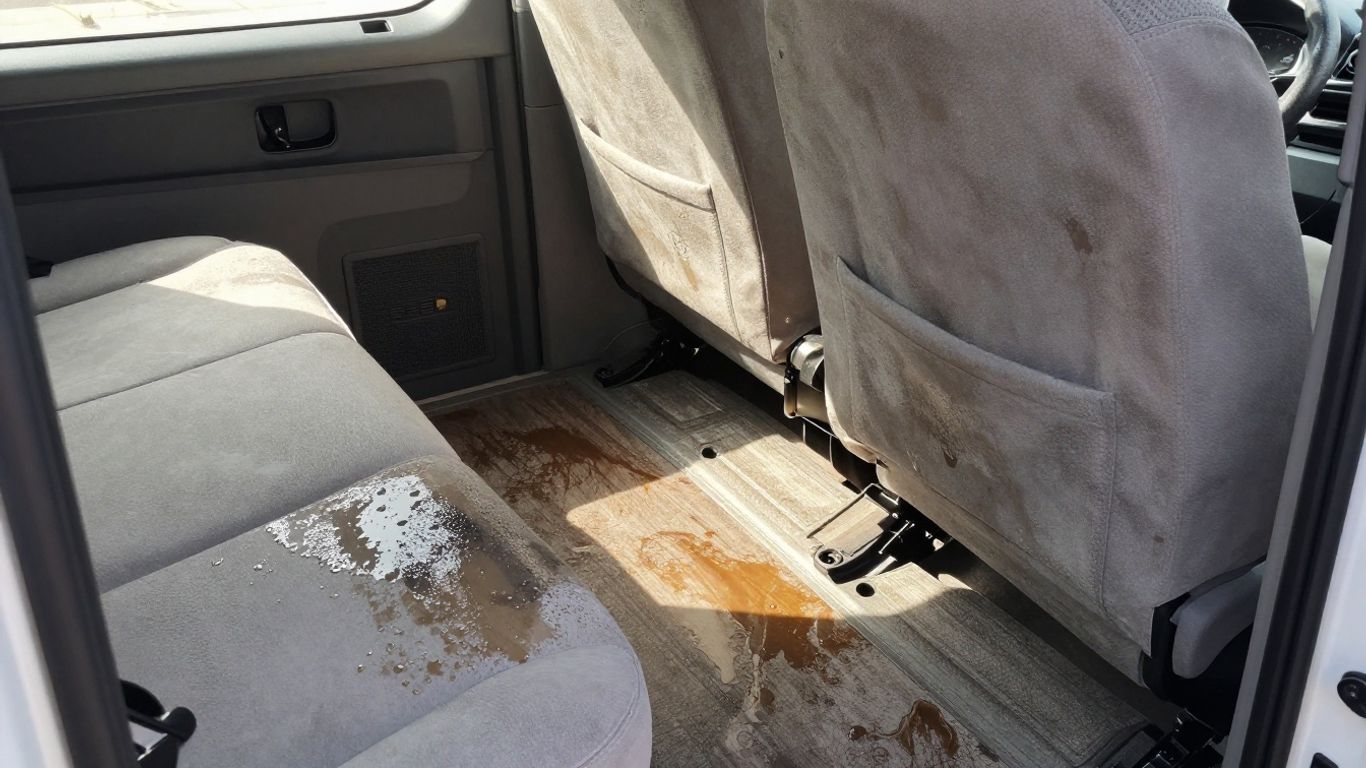
Water damage in a camper is a sneaky problem. It doesn’t always announce itself with a dramatic flood. Sometimes, it’s just a slow drip that goes unnoticed for too long. Because campers are built to be mobile and often sit outside, they’re pretty exposed to the elements. This means water can find its way in through all sorts of places, causing a lot more trouble than you might think.
What Constitutes Water Damage In An RV?
Basically, any unwanted water getting into your camper’s structure counts as water damage. This isn’t just about big floods, though those are definitely a problem. It includes leaks from the roof, windows, or even plumbing issues inside. Over time, this moisture can break down materials, leading to rot and mold. Even condensation from everyday use can contribute if not managed properly.
Common Causes Of Camper Water Intrusion
There are a few usual suspects when it comes to water getting where it shouldn’t:
- Roof Seals: The seals around vents, skylights, and the roof edges can dry out and crack over time, especially with sun exposure. This creates tiny openings for rain to sneak in.
- Window and Door Seals: Just like on a house, the seals around RV windows and doors can degrade. If they’re not tight, water can get in while you’re driving in the rain or when it’s parked.
- Plumbing Leaks: The pipes and connections for your sinks, shower, and toilet can develop leaks. Sometimes these are obvious drips, but they can also be slow seeps inside the walls.
- Condensation: When you cook or shower inside your camper, moisture builds up in the air. If there isn’t enough ventilation, this moisture can condense on surfaces and lead to mold and mildew.
- Slide-Outs: The seals on slide-outs are complex and can be prone to leaks if not maintained.
Why Water Damage Is Particularly Harmful To Campers
Campers are built differently than houses. They use a lot of wood and composite materials for framing and walls, which are really susceptible to rot when they get wet. Unlike a house where water might just damage drywall, in a camper, it can compromise the entire structure. This structural damage is often expensive and difficult to repair. Mold is another big concern, not just for the structure but for your health too. Once mold takes hold, it can spread quickly and be tough to get rid of completely. Dealing with water damage often means dealing with mold remediation costs, which can be significant. Mold cleanup can be covered by insurance if the growth stems from a sudden, accidental event like a burst pipe or storm damage.
Water damage in an RV is a serious issue because the materials used in their construction are often more vulnerable to rot and mold than those in a traditional home. The confined spaces also mean that moisture can spread quickly, leading to widespread problems if not addressed promptly.
It’s not just about the visible damage either. Water can seep into hidden areas, causing problems that you won’t see until they’re quite advanced. This is why regular checks and prompt repairs are so important for keeping your camper in good shape and avoiding costly surprises down the road.
Does Camper Insurance Cover Water Damage?
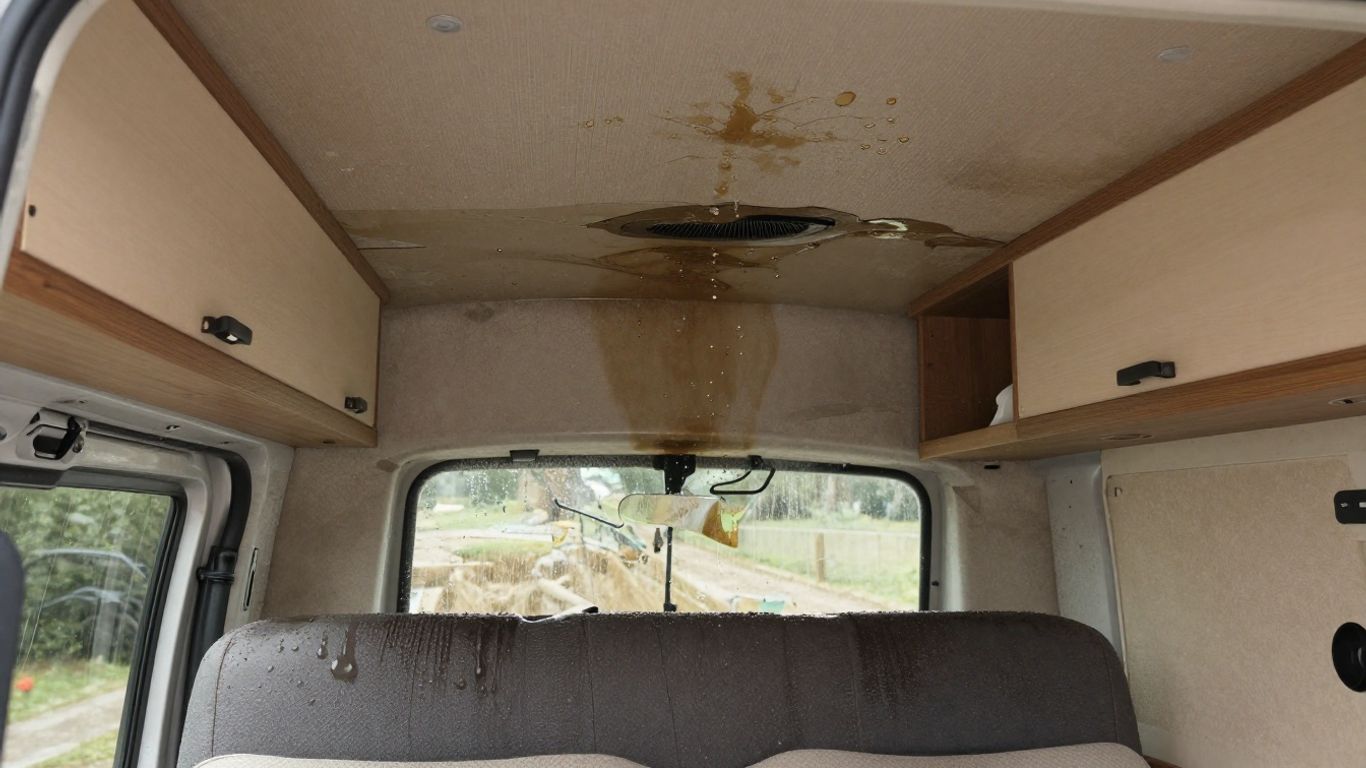
So, you’ve discovered a damp spot or a musty smell in your camper. The big question on your mind is likely, "Will my insurance help me fix this?" It’s not always a simple yes or no answer, and it really depends on a few key things about your policy and how the damage happened.
The Role Of Comprehensive Coverage
Think of comprehensive coverage as your catch-all for non-collision events. If your camper is damaged by things like falling trees, hail, theft, or vandalism, this is usually what kicks in. Crucially, comprehensive coverage often extends to water damage, but only if it’s from a sudden and accidental event. This means if a storm rips open your roof and rain pours in, or a pipe bursts unexpectedly, your comprehensive policy might cover the repairs. It’s a good idea to check your policy documents or chat with your insurance provider to confirm if this is included. You can add comprehensive coverage to your policy anytime, but remember, it won’t cover damage that’s already there.
Sudden And Accidental Versus Gradual Damage
This is where things get a bit tricky. Most insurance policies are designed to cover damage that happens quickly and unexpectedly. For example, a sudden leak from a damaged pipe or a roof breach during a severe storm would likely be considered sudden and accidental. However, damage that happens slowly over time, like a small, persistent leak from old seals that you didn’t notice or address, is usually classified as gradual damage. Insurers often see gradual damage as a maintenance issue, and unfortunately, that’s typically not covered.
Here’s a quick breakdown:
- Covered (Likely):
- Sudden pipe bursts
- Roof damage from storms causing immediate leaks
- Flooding from external sources (like a flash flood)
- Not Covered (Likely):
- Slow leaks from worn-out seals
- Damage from lack of maintenance
- Mold growth resulting from long-term dampness
When Water Damage Is Typically Covered
Generally, your camper insurance will cover water damage when it’s a direct result of a covered event. This often falls under your comprehensive policy. For instance, if a tree falls on your camper during a windstorm, and that damage allows water to enter and cause further issues, the water damage itself would likely be covered as part of the initial storm damage claim. Similarly, if your RV is hit by a flash flood, and water gets inside, that’s usually a covered peril under comprehensive coverage. The key is that the water intrusion is a consequence of an event that your policy already protects against. It’s always best to report any water damage to your insurer as soon as possible, even if you’re unsure about coverage. They can help guide you through the process and determine what your specific policy entails. RV insurance can cover water damage if it’s the direct result of a covered loss.
It’s important to remember that even with coverage, you’ll likely have a deductible to pay. This is the amount you’re responsible for before your insurance starts paying. Also, insurers expect you to take reasonable steps to prevent further damage once you discover a problem.
Exclusions And Limitations In Camper Policies
Damage From Neglect And Poor Maintenance
So, you’ve got a leak, and you know it’s there, but you figure you’ll get to it eventually. Well, your insurance company might not be so forgiving. Most policies are designed to cover sudden, unexpected events, not problems that pop up because maintenance was put on the back burner. If your camper’s seals around the windows or roof have seen better days and started letting water in, that’s usually considered a maintenance issue. The same goes for plumbing problems that arise from not taking care of the system. Insurance is generally not there to fix things that break down due to a lack of upkeep. It’s like owning a car; if you skip oil changes, the engine seizing up isn’t going to be covered by your warranty. The same principle applies here. If you’re not doing the basic checks and fixes, you’re likely on your own when water damage occurs.
Wear and Tear Exclusions
This ties into neglect, but it’s a bit broader. Think about anything that happens just from normal use over time. Seals degrade, materials age, and sometimes, things just wear out. If a roof seam starts to fail simply because it’s old, and water gets in, that’s typically wear and tear. Similarly, if a pipe inside your camper cracks because it’s old and brittle, that’s usually not covered. Insurance companies expect that RVs, like any vehicle, will experience some level of deterioration. They aren’t usually in the business of paying for the natural aging process of your camper. This is why regular inspections are so important; catching these issues before they become major leaks can save you a lot of headaches and money. It’s a good idea to check your policy details for specific language around wear and tear, as it can vary between providers.
Specific Exclusions for Gradual Leaks
This is a big one. Many policies explicitly state that they won’t cover damage that happens slowly over time. We’re talking about those tiny drips that go unnoticed for weeks or months, slowly rotting wood or causing mold to grow. These aren’t usually covered because they are seen as preventable. The damage might be extensive by the time you find it, but the root cause was a slow, ongoing leak. This is different from a pipe bursting suddenly or a storm ripping a hole in your roof. Gradual leaks, like those from a poorly sealed vent or a slow drip from a faucet that wasn’t turned off properly, often fall outside the scope of coverage. It’s a tough pill to swallow, but it highlights the importance of being vigilant about any signs of moisture. If you suspect a slow leak, addressing it immediately is your best bet, rather than hoping insurance will pick up the tab later. For more on what might be excluded, you can look into common reasons an RV water damage claim is denied.
It’s important to remember that insurance policies are contracts. They outline exactly what is covered and, just as importantly, what is not. Understanding these exclusions isn’t about finding loopholes; it’s about knowing the boundaries of your protection so you can make informed decisions about maintenance and repairs.
Adding Water Damage Protection To Your Policy
So, you’ve looked over your camper insurance and maybe you’re feeling a little uneasy about how water damage is handled. It’s a pretty common concern, honestly. While standard policies might offer some protection, it’s often not a slam dunk, especially with those slow, sneaky leaks. The good news is, you’re not stuck with whatever your base policy says. You can often beef up your coverage.
Optional Endorsements For Water Damage
Think of endorsements as add-ons, like getting extra toppings for your pizza. For water damage, you might find specific endorsements that broaden your coverage beyond just sudden and accidental events. These could include protection for:
- Damage from burst pipes within your RV’s plumbing system.
- Leaks originating from the roof or seals that weren’t necessarily caused by a storm.
- Damage resulting from issues with your RV’s water tanks or fixtures.
It’s really about tailoring the policy to your specific needs and how you use your camper. If you spend a lot of time on the road or in areas with unpredictable weather, these add-ons can bring a lot of peace of mind. You can usually find out about these options by talking to your insurance agent or looking through your policy documents for terms like "water damage endorsement" or "leak protection."
Understanding Policy Add-Ons
When you’re looking at adding coverage, it’s not just about water damage. Many insurers offer a package of optional coverages that can be really helpful for RV owners. Things like roadside assistance, which can be a lifesaver if you break down, or personal effects coverage, which protects your belongings inside the camper, are often bundled or available as separate add-ons. It’s worth asking your provider what else they suggest to round out your protection. Remember, adding coverage means you’ll want to understand the details of your RV insurance thoroughly.
Impact Of Additional Coverage On Premiums
Now, let’s talk about the elephant in the room: cost. Adding extra coverage usually means your premium will go up. It’s a trade-off, right? You’re paying a bit more each month or year for a bigger safety net. The exact increase depends on a lot of factors, like the type of RV you have, its age, where you store it, and the specific endorsements you choose. It’s a good idea to get a quote for the additional coverage and compare it to the potential cost of repairs if you were to experience water damage without it. Sometimes, the extra premium is a small price to pay for avoiding a massive out-of-pocket expense down the line.
Don’t just assume your policy is enough. Take the time to review it and ask questions. It’s way better to find out now that you need more coverage than after a leak has already caused thousands of dollars in damage.
Here’s a quick look at how premiums might be affected:
| Coverage Type | Potential Premium Impact | Notes |
|---|---|---|
| Standard Policy | Base Rate | Varies by insurer and RV details |
| Water Damage Endorsement | Moderate Increase | Covers specific leak scenarios |
| Full Comprehensive | Higher Increase | Broader protection against many perils |
| Bundled Add-ons | Variable Increase | Depends on the number and type of add-ons |
It’s all about finding that sweet spot where you feel protected without breaking the bank. Chatting with your insurance agent is the best way to figure out what makes sense for your situation.
Filing A Camper Water Damage Claim
So, you’ve discovered water damage in your camper. Bummer, right? It’s never fun, but the good news is that if you have the right insurance, you might be covered. The key is knowing how to handle the claim process. Acting quickly and documenting everything is your best bet for a smooth experience.
First things first, if it’s safe to do so, try to stop the water from causing more damage. This might mean temporarily patching a leak or moving the camper out of the rain. Then, start gathering evidence. Take pictures and videos of the damage from all angles. Seriously, get as much visual proof as you can. This will be super helpful when you talk to your insurance company.
When you contact your insurer, be ready to explain what happened. When did you notice the damage? Where were you? What do you think caused it? The more details you can provide, the better. Keep records of any temporary fixes you make, too.
Here’s a general idea of what to expect:
- Initial Contact: Call your insurance provider as soon as possible. Even if you’re not sure if it’s covered, it’s better to let them know. They can guide you on the next steps.
- Documentation Submission: You’ll likely need to fill out a claim form and provide your photos, videos, and any receipts for temporary repairs.
- Inspection: An adjuster might come out to assess the damage. Be present if you can, and point out everything you’ve noticed.
- Repair Process: Once the claim is approved, you’ll work with the insurance company to get the repairs done. Sometimes they have preferred repair shops, or you might be able to choose your own.
Remember, insurance is generally designed to cover sudden and accidental damage. Issues that arise from long-term neglect or poor maintenance might be excluded. This is why regular checks and upkeep are so important for your camper’s overall health.
Don’t forget to keep all your receipts for any expenses related to the damage and repairs. This includes temporary fixes, cleaning supplies, or even temporary accommodation if your camper becomes uninhabitable. It all adds up and can support your claim. Filing an RV insurance claim can feel overwhelming, but by staying organized and communicating clearly with your insurer, you can navigate the process more easily.
Preventing Water Damage To Your Camper
Look, nobody wants to deal with water damage in their camper. It’s a real headache and can get super expensive fast. The good news is, a lot of it is preventable if you just stay on top of a few things. Think of it like regular check-ups for your RV – it keeps the big problems away.
Routine Inspections Of Seals And Caulking
This is probably the most important thing you can do. Your camper is basically a box on wheels, and all those seams, windows, doors, and vents are potential entry points for water. You need to check the seals and caulking around all of them pretty regularly. Look for cracks, gaps, or areas where the sealant is peeling away. If you see anything suspicious, get it fixed. Don’t wait for a leak to start. It’s way easier and cheaper to reseal a small area than to repair water-logged walls.
Maintaining Roofs And Slide-Outs
Your RV’s roof takes a beating from the sun, rain, and whatever else the weather throws at it. Keep it clean! Debris can trap moisture and cause problems. Also, pay attention to your slide-outs. The seals on these are critical. Make sure they’re clean and lubricated so they seal up tight. Sometimes, just cleaning and lubricating them can reveal other issues you might not have noticed.
Addressing Leaks Promptly
If you do spot a leak, or even just a damp spot inside, don’t ignore it. That little drip could be the start of something much bigger. Check for signs like staining, soft spots on the floor or walls, or that tell-tale musty smell. The sooner you catch it and fix the source, the less damage you’ll have to deal with. It’s like when you find a small tear in your jacket – fix it now before it becomes a gaping hole. If you’re dealing with a leak, stopping the water source is the first step, and documenting everything with photos and videos is key for any potential insurance claim.
The Importance Of Winterization
If your camper is going to sit idle during the colder months, proper winterization is a must. This isn’t just about preventing your pipes from freezing; it’s also about protecting against moisture buildup. Make sure all water systems are drained and protected. This helps prevent not only freeze damage but also potential issues from standing water that could lead to mold or other problems, which can be a real headache to deal with and might not be covered by your policy, especially if it’s due to neglect. Understanding mold’s impact is also part of this preventative mindset.
Taking a proactive approach to maintenance can save you a ton of grief and money down the road. It shows you’re taking care of your investment, which is always a good thing, especially when it comes to dealing with insurance companies.
Wrapping It Up
So, does camper insurance cover water damage? The short answer is: it depends. Most policies won’t automatically cover it, especially if the damage happened slowly over time due to poor upkeep. But, if something sudden and accidental happens, like a storm ripping through your roof and letting rain pour in, you might be covered, especially if you have comprehensive coverage. It really comes down to the specifics of your policy and what caused the leak in the first place. Always, always check your policy details and talk to your insurance agent. Being proactive with maintenance is your best bet to avoid these costly issues altogether, but knowing your coverage can save you a lot of headaches if the worst happens.
Frequently Asked Questions
What exactly is considered water damage in a camper?
Water damage in your camper means any harm caused by water getting where it shouldn’t be. This could be from a leaky roof, a broken pipe inside, or even just moisture building up over time. It can lead to things like rotting wood, mold, and damaged electrical systems, making your camper unsafe and uncomfortable.
Does my camper insurance automatically cover water damage?
Not usually. Most standard camper insurance policies don’t automatically cover water damage. You often need to have a specific type of coverage, like comprehensive insurance, or add an extra endorsement to your policy to be protected. It really depends on what your individual policy says.
When is water damage typically covered by camper insurance?
Insurance usually covers water damage if it happens suddenly and unexpectedly. Think of a big storm ripping a hole in your roof, and then rain gets in. Or if a pipe bursts out of nowhere. These kinds of events are more likely to be covered than damage that happens slowly over time due to neglect.
What kind of water damage is usually NOT covered?
Insurance companies often don’t cover water damage that happens gradually or is caused by poor upkeep. This includes things like slow leaks from old seals that you didn’t fix, mold that grows because you didn’t clean up moisture, or general wear and tear that lets water in. They expect you to maintain your camper.
Can I add extra coverage for water damage to my policy?
Yes, you often can! Many insurance companies offer optional add-ons, called endorsements, that provide extra protection specifically for water damage. This could cover leaks from pipes, roofs, or other issues. Talk to your insurance agent to see what options are available and how they might affect your insurance cost.
What should I do if I discover water damage in my camper?
First, try to stop the water from causing more damage if it’s safe to do so. Take lots of pictures and videos of the damage from different angles. Then, contact your insurance company as soon as possible to let them know what happened. Be ready to share all the details and follow their instructions for filing a claim.
