Your ceiling might be trying to tell you something’s wrong, but you have to know what to look for. Ignoring small issues can lead to big, expensive problems down the line. Let’s talk about the signs of water damage in ceiling that you shouldn’t miss, so you can catch them early and avoid a bigger headache.
Key Takeaways
- Watch out for ceilings that are sagging or bulging, as this means water is collecting above and could lead to a collapse.
- If you see water actively dripping or pouring from your ceiling, it’s a serious leak that needs immediate attention.
- Large or growing stains are a clear sign of ongoing water intrusion and hidden damage.
- Visible mold growth means moisture has been present long enough for mold to develop, posing health risks.
- Peeling paint, musty smells, or warped ceiling textures are also important indicators of moisture problems that need checking.
Sagging Or Bulging Ceiling
Okay, so you’re looking up at your ceiling and notice it’s not quite flat anymore. Maybe it’s starting to droop in one spot, or perhaps there’s a noticeable bulge pushing outwards. This is a big red flag that you absolutely shouldn’t ignore.
What’s happening is that water has gotten trapped above your ceiling. Drywall, the stuff most ceilings are made of, can only hold so much moisture before it starts to lose its strength. Think of it like a sponge getting soaked – eventually, it gets heavy and starts to sag. In some cases, the weight of the water can be substantial, putting a lot of stress on the ceiling structure.
Here’s why this is so serious:
- Structural Integrity Compromised: The drywall is losing its ability to support itself and anything above it. The longer it sags, the weaker it gets.
- Risk of Collapse: A severely sagging ceiling can eventually give way, potentially causing a messy and dangerous collapse. This isn’t just about water damage; it’s a safety hazard for anyone in the room.
- Hidden Water Accumulation: The bulge or sag is a visual cue that there’s a significant amount of water pooling above. This moisture can spread, damaging insulation, wood framing, and electrical wiring.
If you see this happening, the best thing to do is to get out from under it and call for professional help right away. Trying to poke or drain a bulge yourself can actually make things worse, leading to a sudden flood. It’s a clear sign that water intrusion is serious and needs immediate attention to prevent further damage and ensure safety. Addressing this promptly can save you a lot of headaches and potentially prevent a much larger repair job down the line. You can find more information on signs of water damage that might lead to this issue.
Active Water Dripping Or Pouring
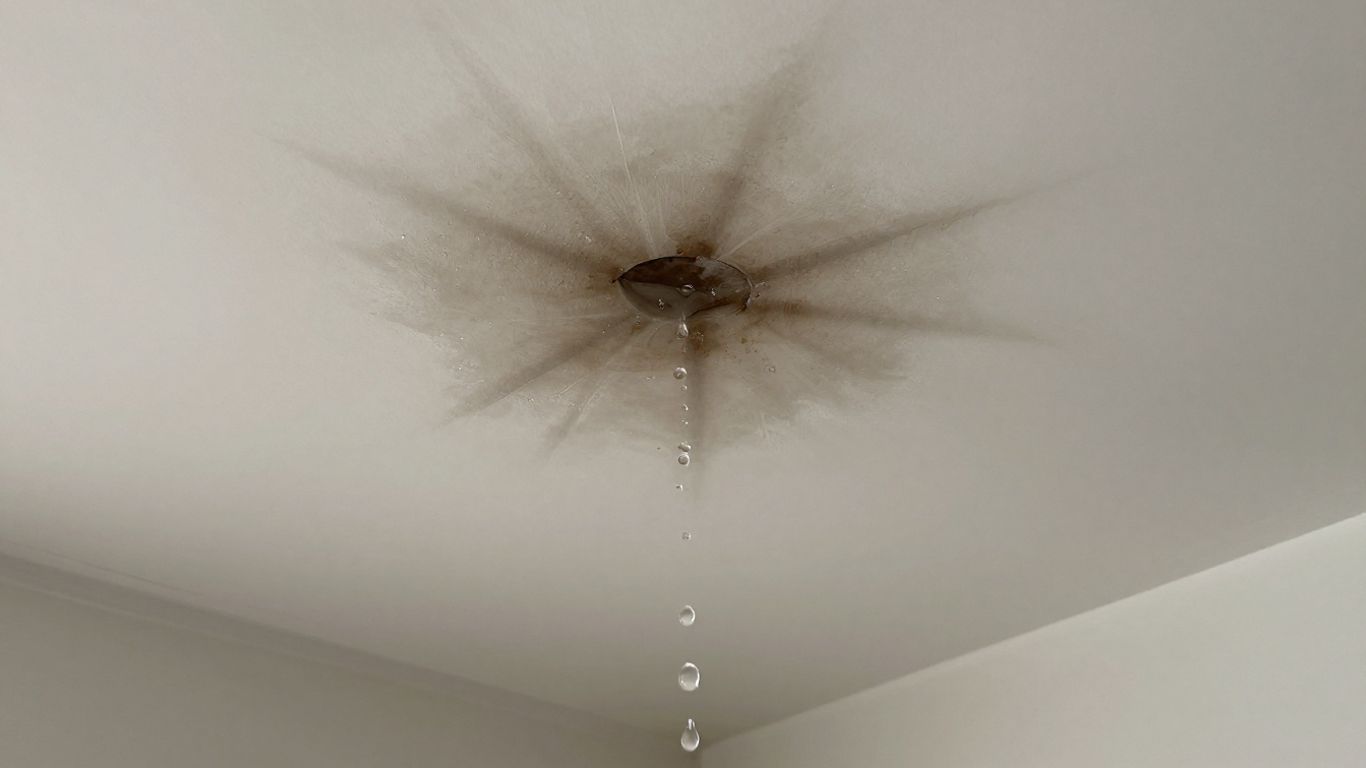
Okay, so you’re seeing water actively dripping or even pouring from your ceiling. This isn’t just a little drip, this is a full-on flow. This is a serious red flag that needs your immediate attention. It means there’s a significant leak happening somewhere above, and it’s making its way down.
Think about it: water doesn’t just magically appear. It’s coming from somewhere – maybe a burst pipe, a roof issue, or even a problem with an upstairs bathroom or appliance. The longer this keeps happening, the more damage it’s doing. We’re talking about soaked insulation, damaged drywall, and potentially even structural problems if it goes on for too long.
Here’s what you should do if you spot this:
- Contain the mess: Put buckets or containers directly under the drips to catch the water. This will at least help prevent further damage to your floors and furniture.
- Shut off the water: If you suspect it’s a plumbing issue, find your main water shut-off valve and turn it off. This stops more water from entering your home’s system.
- Document everything: Take pictures or videos of the leak. This will be helpful for insurance claims later on.
- Call for help: Don’t try to fix this yourself unless you’re absolutely sure you know what you’re doing. It’s best to call a professional plumber or a water damage restoration service right away. They have the tools and know-how to find the source and start the cleanup process. You can find services that specialize in water damage repair.
This kind of active leak is like an emergency siren for your house. It’s not something to put off or hope goes away on its own. The faster you act, the less damage you’ll likely end up dealing with, and the less it’ll cost you in the long run.
Large Or Growing Stains
You might notice a discolored patch on your ceiling, maybe yellowish or brownish. At first, it could seem like no big deal, just a bit of an eyesore. But if that stain starts getting bigger, or if it’s already pretty large – say, more than two feet across – you’ve got a problem. These aren’t just cosmetic issues; they’re a clear signal that water is actively getting into your ceiling materials.
Think about it: water doesn’t just appear out of nowhere. A growing stain means the leak is ongoing, and the moisture is spreading behind the surface. This saturation can weaken the drywall, insulation, and even the wooden beams above. It’s like a slow-motion disaster happening right over your head.
Here’s what to consider about these stains:
- Size Matters: A small, stable stain might be from an old leak. But a large or expanding one is a red flag for current water intrusion.
- Color Clues: While often brown or yellow, the color can vary. What’s important is the change – if it’s getting darker or spreading, that’s a bad sign.
- Texture Check: Gently touch the stain. Is it damp, soft, or mushy? That’s a direct indication of active moisture.
Don’t wait around hoping it will go away. Ignoring these stains can lead to more serious problems down the line, like mold or even ceiling collapse. It’s best to get a professional to check it out sooner rather than later. They can help figure out where the water is coming from and stop it before it causes more damage. Addressing these stains promptly is key to preventing further damage and ensuring safety. Water stains on a ceiling are a serious sign of a leak that could cause the ceiling to break and fall, potentially causing injury.
The longer you let a water stain persist, the more likely it is that hidden damage is accumulating. This can include rot in wooden structures or the perfect environment for mold to start growing, which brings its own set of health concerns and repair costs.
Visible Mold Growth
Mold is a pretty common consequence of water damage, and it doesn’t always look like the scary black stuff you see in movies. It can show up as fuzzy patches, spots, or even just discoloration on your ceiling. Think green, white, gray, or black splotches. If you spot any of these, it’s a clear sign that moisture has been hanging around for a while.
Mold loves damp, dark places, which is why ceilings are a prime spot, especially if there’s a leak from the roof or an upstairs bathroom. It doesn’t just look bad; it can also cause health problems, like allergies and breathing issues, particularly for kids or anyone with existing respiratory conditions. It’s important to address mold quickly because it can spread fast.
Here’s what you might notice:
- Color: Often appears as black, green, white, or gray spots.
- Texture: Can be fuzzy, powdery, or slimy.
- Location: Frequently found near water sources like vents, light fixtures, or areas where the ceiling has sagged.
Dealing with mold growth means you’ve got a moisture problem that needs fixing. Just cleaning the mold off the surface isn’t enough; you have to find and stop the water source. Otherwise, it’ll just keep coming back.
If you see mold, it’s a good idea to seal off the room if possible and call in professionals. They have the right tools and knowledge to safely remove the mold and figure out where the water is coming from. This is especially true if the mold covers a large area, say, more than a square foot. For serious mold issues, professional mold removal is often the safest bet to make sure it’s all gone and doesn’t return. Mold remediation can be complex, so don’t hesitate to get expert help.
Peeling Or Flaking Paint
You might notice paint on your ceiling starting to bubble up, crack, or just peel away in little flakes. This usually happens when moisture gets behind the paint. It weakens the glue that holds the paint to the ceiling material, and then, well, it starts to let go. It’s a pretty clear sign that something wet is lurking behind your walls or above your ceiling.
Think about it: water seeps in, and the paint just can’t stick anymore. It’s not just about looks, either. This kind of damage means the drywall or plaster underneath is likely getting soaked, which can lead to bigger problems down the road, like mold or even structural weakening. You might see small blisters first, and if you ignore those, they can grow into larger sections of peeling paint. It’s definitely something you don’t want to just paint over without figuring out why it’s happening in the first place.
Here’s what to look out for:
- Small, isolated bubbles in the paint.
- Larger sections where the paint is curling away from the surface.
- Dry, flaky bits of paint falling off.
If you see this happening, it’s a good idea to check for other signs of water intrusion, like damp spots or strange smells. Addressing the source of the moisture is key to stopping the paint from peeling further and preventing more serious damage. Sometimes, this means you’ll need to call in professionals to find and fix the leak, especially if it’s coming from your roof or plumbing. Getting a handle on water damage on ceilings early can save a lot of headaches.
Don’t just slap on a new coat of paint hoping it will fix the problem. That’s like putting a band-aid on a broken bone. You need to find out what’s causing the paint to fail and fix that first. Otherwise, the new paint will just end up peeling off too.
Musty Odors
Sometimes, you can’t see the water damage, but you can definitely smell it. A persistent musty or damp smell, kind of like an old, forgotten basement, is a big clue that moisture is hanging around somewhere it shouldn’t be. This smell usually means mold or mildew has started to grow, and those little guys release compounds that make the air smell funky. It’s often one of the first signs you’ll notice, even before any stains or sagging appear.
Think about it: water gets into materials like drywall, insulation, or even wood, and if it doesn’t dry out properly, it creates a perfect little party spot for mold. This can happen in all sorts of places – above the ceiling, inside walls, or under floors.
Here’s what you should know about these odors:
- The smell is your nose’s early warning system. It can detect mold growth before you see any visual signs.
- Mold needs moisture to grow. A musty smell strongly suggests there’s a hidden water source contributing to the problem.
- It’s not just about the smell. Mold can affect your health, potentially causing allergies or breathing issues for some people.
If you catch that telltale musty scent, don’t just try to cover it up with air fresheners. It’s a signal that you need to investigate the source of the moisture. Ignoring it means the problem, and potentially the mold, will just keep getting worse. A professional assessment might be needed to pinpoint exactly where the dampness is hiding [a516].
This kind of smell is a moderate warning sign, so while it’s not usually an immediate emergency like a ceiling collapse, you should definitely get it checked out within a week or so [4cfd]. It’s better to be safe and find out what’s causing it before it turns into a bigger, more expensive issue.
Warped Ceiling Texture Or Tiles
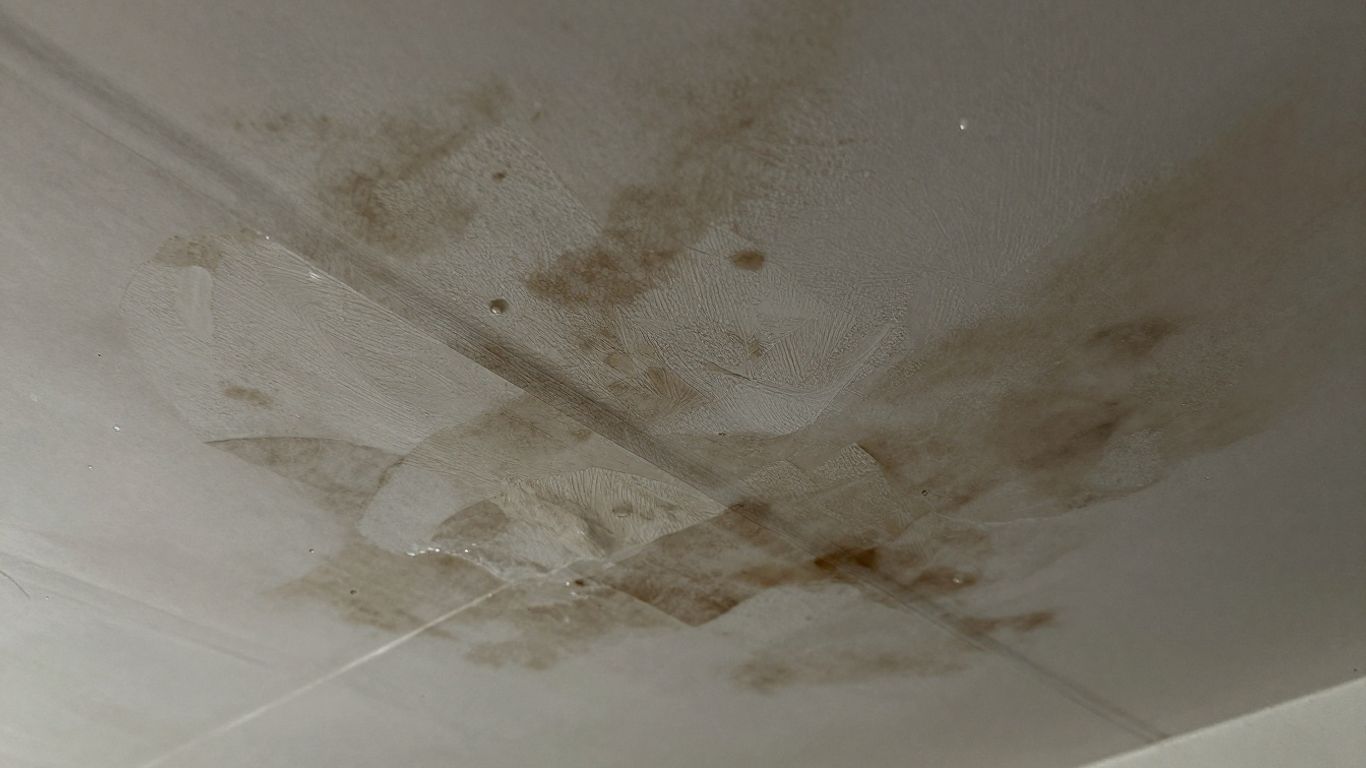
You know, sometimes the ceiling just starts to look… off. Maybe it’s a textured finish, like that popcorn stuff, and it’s starting to bulge in weird spots. Or perhaps you have those drop ceiling tiles, and they’re starting to sag or look a little warped. This is a pretty clear sign that moisture has gotten up there and is messing with the material.
Water doesn’t just sit there; it soaks in. When that happens to ceiling tiles or textured finishes, they can swell, warp, or even start to break down. It’s not just about looks, either. That sagging isn’t just an eyesore; it means the material is getting heavy with water, and eventually, it could give way. Imagine a chunk of ceiling tile or a section of texture falling down – not ideal.
Here’s what to look out for:
- Uneven Bulges: The texture might start to puff out in certain areas, looking lumpy or swollen.
- Drooping Tiles: If you have a drop ceiling, the tiles themselves might start to bend downwards, losing their flat appearance.
- Cracking or Crumbling: The moisture can weaken the material, leading to small cracks or even pieces breaking off, especially with older textured finishes.
It’s easy to think, ‘Oh, it’s just a bit of texture,’ but that warping is your ceiling telling you something’s wrong. It could be a slow leak from a pipe above, condensation issues, or even a problem with your roof. Whatever it is, it needs attention before it becomes a bigger problem, like mold growth or even a partial ceiling collapse.
Don’t just try to smooth over or push back warped sections. That’s like putting a band-aid on a broken bone. The underlying moisture issue needs to be found and fixed first. Ignoring warped tiles or texture means you’re letting the damage continue, potentially spreading to other parts of your ceiling or even the structure above.
Don’t Wait, Act Now
So, we’ve gone over a bunch of signs that your ceiling might be trying to tell you something’s up with water. It’s easy to see a little stain and think, ‘Ah, I’ll get to that later,’ but honestly, that’s usually when things get worse. Water damage doesn’t just sit there; it spreads, it weakens things, and it can lead to some pretty nasty mold if you’re not careful. Catching these signs early, like those weird spots or that faint musty smell, is way better than dealing with a soggy mess or a collapsed ceiling later on. If you see anything that looks off, don’t just ignore it. It’s always a good idea to get a professional to take a look, just to be safe. Better to find out it’s nothing than to wait and find out it’s a big problem.
Frequently Asked Questions
How fast can mold grow after ceiling water damage?
Mold can start growing on wet ceiling materials pretty quickly, usually within 24 to 48 hours if the conditions are right. This means that once you spot water damage on your ceiling, it’s a race against time. Getting professionals to dry and treat the area fast is super important to stop mold from taking hold and causing more problems.
Can I just cover up a water stain on my ceiling with paint?
You should never paint over a water stain on your ceiling without fixing the moisture problem first. Paint might hide the stain for a little while, but if there’s still water in the ceiling materials, the damage will keep getting worse underneath. Plus, trapping moisture can create a perfect spot for mold to grow. Always stop the leak, make sure the ceiling is totally dry, deal with any mold, and then use a special stain-blocking primer before you paint.
Is water damage on a ceiling always an emergency?
Not every sign of a ceiling leak is an immediate emergency, but all of them need to be checked out by a professional pretty soon. A tiny, old stain that’s completely dry might be okay to watch for a week or two. But if you see water actively dripping, the ceiling is sagging, stains are getting bigger, or there’s visible mold, that’s an emergency and you need a professional to look at it the same day. When in doubt, it’s always best to call for an inspection.
What should I do if my ceiling is sagging?
A sagging ceiling is a serious warning sign because it means a lot of water has built up above and the ceiling material is losing its strength. It could collapse! You need to get everyone out of the room right away. Move any important things out of the way if you can do so safely. Then, call emergency restoration services immediately. Don’t try to poke holes or drain it yourself, as this could make it collapse faster.
What causes water stains on ceilings?
Water stains on ceilings usually happen because of a leak somewhere above. This could be from a leaky roof, problems with pipes in the floor above, or condensation from your air conditioning system. Sometimes, ice dams in the winter can also force water under roof shingles and cause leaks that show up on the ceiling.
How can I tell if a water stain on my ceiling is getting worse?
To see if a water stain is getting worse, you can do a simple check. Take a picture of the stain and date it. You can also use a pencil to lightly draw a circle around the edge of the stain directly on the ceiling. Check it every day for about a week. If the stain gets bigger, darker, or spreads, it means the leak is still active and you should call a professional.
