So, your basement decided to become a swimming pool? Yeah, that’s never fun. Dealing with a flooded basement is a real pain, and honestly, it can get messy fast. Water can do a lot of damage, not just to your stuff but to the actual structure of your house. Plus, there’s the whole mold thing, which is just gross and bad for your health. It might seem like a good idea to just grab a mop and go at it yourself, but trust me, it’s usually more complicated than it looks. Getting the basement flood cleanup right from the start is super important.
Key Takeaways
- Time is really of the essence when your basement floods. The longer water sits, the more damage it causes, and mold can start growing pretty quickly.
- Trying to clean up a flooded basement on your own can actually make things worse. You might miss hidden moisture, leading to mold and structural problems later.
- Professionals have special tools and know-how to get all the water out, dry everything properly, and make sure your basement is clean and safe.
- When you see a lot of water, signs of mold, or worry about electrical or structural issues, it’s definitely time to call in the experts for basement flood cleanup.
- After the cleanup, take steps to prevent future floods, like checking your drainage, maintaining pipes, and maybe getting a backup system for your sump pump.
Understanding the Urgency of Basement Flood Cleanup
Time Is Your Biggest Enemy After a Flood
Minutes count when water invades your basement. The longer you let moisture sit, the greater the risk to your house and belongings. Water starts damaging wood and drywall in just a few hours. If left unchecked, mold may pop up within the first one or two days. Quick action can mean the difference between a simple fix and months of repairs.
Here’s what typically happens in the first 48 hours:
| Hours Since Flood | Potential Damage |
|---|---|
| 0–8 | Items soak, minor warping starts |
| 8–24 | Wood swells, metals rust, odors begin |
| 24–48 | Mold growth, drywall breaks down |
If you’re dealing with a sudden flood, immediately:
- Shut off the electricity in the affected area
- Remove valuable items to a safe place
- Start water extraction right away (using a pump or wet/dry vacuum)
Even if you think the damage isn’t that bad, hidden moisture may already be working behind the walls or under the floorboards.
For more on how delays can increase the repair bill and health risks, see the impact of waiting on water removal.
Why Expert Response Time Is Critical
Some jobs really do need a pro. When a basement floods, experts have the right tools and know-how to get water out fast and track down damp spots you’d miss. They use heavy-duty pumps, industrial air movers, and special moisture meters that most homeowners don’t have. Fast, expert help nips mold and structural issues in the bud.
Here’s what experts bring to the table:
- Industrial equipment for deep water extraction
- Skilled eyes to spot hidden moisture under flooring or inside walls
- Experience with safe handling of contaminated or sewage water
- Professional-grade disinfectants to keep bacteria at bay
Most home insurance companies also recommend professional cleanup to avoid denied claims due to improper handling. Acting quickly and bringing in pros can save you money and a giant headache down the road.
If you’re worried about moisture turning into stubborn mold, restoration professionals often work alongside mold remediation experts to make sure your basement stays safe.
The Dangers of DIY Basement Flood Cleanup
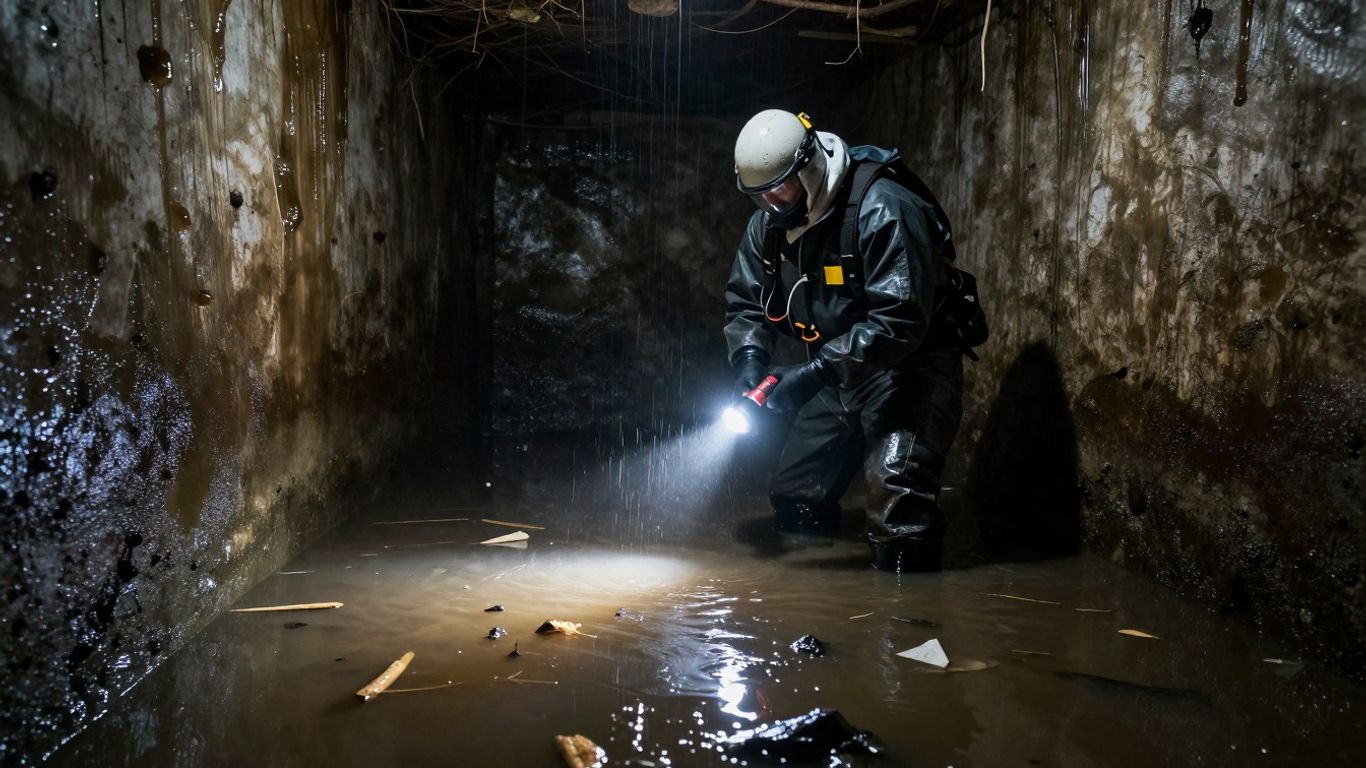
It might seem like a good idea to just grab a wet vac and tackle that flooded basement yourself. I mean, how hard can it be, right? Well, it’s often a lot trickier and more dangerous than it looks. Trying to fix a flooded basement without the right knowledge and equipment can actually make things worse.
Hidden Moisture and Persistent Odors
Water doesn’t just sit on the surface. It loves to sneak into places you can’t see, like behind walls, under floorboards, and deep into insulation. If you don’t get all of that moisture out, it’s a recipe for trouble. You’ll likely end up with that classic musty smell that just won’t go away. This smell is often a sign that mold is starting to grow, and that can cause health problems for your family. Dealing with mold growth in Louisville, KY, for example, requires careful attention to humidity levels and ventilation.
Structural Weakening and Electrical Hazards
Standing water and the dampness it leaves behind can seriously weaken the structure of your home over time. Wood can rot, drywall can crumble, and even concrete can be affected. Plus, there’s the immediate danger of electricity. If water gets anywhere near electrical outlets, wiring, or appliances, you’re looking at a serious shock risk. It’s why professionals always recommend turning off the power to the affected area before even thinking about going in.
Why Professional Expertise Prevents Worsened Damage
Professionals have specialized tools, like industrial pumps and moisture meters, that can find and remove water that your average wet vac will miss. They also know how to properly dry out the space using powerful dehumidifiers and fans, which speeds up the process and helps prevent mold. They’re trained to spot potential structural issues and electrical hazards you might overlook. Basically, they have the know-how to clean up the mess effectively and safely, stopping problems before they start or get worse. It’s about getting the job done right the first time, avoiding costly mistakes and health risks down the line.
When floodwater comes into contact with sewage or other contaminants, it becomes a serious health hazard. Trying to clean this up yourself without proper protective gear and knowledge can expose you to dangerous bacteria and pathogens. Professionals are equipped to handle these hazardous materials safely.
The Professional Basement Flood Cleanup Process
When your basement takes on water, it’s easy to feel overwhelmed. You might be tempted to grab some towels and a shop vac and call it a day. But honestly, that’s usually not enough. Professional cleanup crews have a whole system for tackling this mess, and it starts the moment they arrive.
Emergency Assessment and Water Extraction
The first thing a pro does is figure out exactly what they’re dealing with. They’ll check for safety issues, like electrical hazards, and assess how far the water has spread. Then, the real work begins: getting that standing water out. They use heavy-duty submersible pumps for big jobs and powerful wet/dry vacuums for smaller areas and corners. The goal is to remove as much water as possible, as quickly as possible, to stop the damage from getting worse. They’ll also make sure the water they remove is directed away from your home so it doesn’t just flow back in.
Advanced Drying and Dehumidification
Just because you can’t see the water doesn’t mean it’s gone. Water loves to hide in walls, under floors, and in insulation. Professionals use specialized equipment like industrial-strength dehumidifiers and high-velocity air movers (fans) to pull that hidden moisture out of the air and materials. This isn’t like the little dehumidifier you might use in a damp closet; these are serious machines designed to dry out a whole basement. They’ll monitor the humidity levels closely to make sure everything is drying properly. This step is super important for preventing mold and structural damage down the road. It can take days, sometimes even weeks, to get everything truly dry.
Thorough Cleaning, Sanitization, and Mold Prevention
Floodwater isn’t just dirty; it can be full of nasty stuff like bacteria, sewage, and other contaminants. So, after drying, everything needs a deep clean and sanitization. Professionals use special cleaning solutions to kill germs and prevent mold from taking hold. They’ll clean all the surfaces – floors, walls, and anything else that got wet. They might also use antimicrobial treatments to create an environment where mold can’t grow. If certain items, like soaked drywall or insulation, are too damaged or contaminated, they’ll be removed and replaced. This whole process helps make sure your basement is not only dry but also safe and healthy again. Documenting all the damage with photos and videos before cleanup starts is a good idea, especially for insurance claims.
Professionals have the right tools and know-how to get into all the nooks and crannies where water likes to hide. Trying to do it all yourself can sometimes mean you miss spots, leading to bigger problems later on, like mold or weakened structures.
Essential Tools for Effective Basement Flood Cleanup
When your basement takes on water, having the right gear makes a huge difference. It’s not just about getting the water out; it’s about doing it safely and making sure you don’t miss any damp spots that could cause bigger problems later. Trying to tackle a flood with just a mop and a bucket is like trying to bail out a sinking boat with a teacup – it’s just not going to cut it.
Water Extraction Tools: Pumps and Vacuums
First things first, you need to get the standing water gone. For serious flooding, a submersible pump is your best friend. These bad boys can move a lot of water quickly, draining your basement much faster than you could by hand. For smaller puddles or those tricky corners, a wet/dry vacuum is a must-have. Make sure it has good suction power and a decent-sized tank so you aren’t emptying it every two minutes.
Drying Equipment: Dehumidifiers and Fans
Once the bulk of the water is out, the real work of drying begins. This is where dehumidifiers and fans come into play. Dehumidifiers pull moisture right out of the air, which is super important for preventing mold and mildew. You’ll want to run these continuously. High-powered air movers, or fans, help circulate the air, speeding up the drying process for walls, floors, and anything else that got wet. Think of it as giving your basement a good, strong breeze to help it dry out faster.
Protective Gear and Cleaning Supplies
Don’t forget about your own safety! Floodwater can be nasty, carrying all sorts of contaminants. You absolutely need to protect yourself. This means wearing waterproof boots, heavy-duty gloves, and a mask to avoid breathing in mold spores or other airborne nasties. After drying, you’ll need cleaning supplies like disinfectants and sanitizers to clean all the surfaces. Scrubbing brushes and sponges will also be handy for getting into nooks and crannies. It’s also a good idea to have plastic sheeting on hand to protect any items you’re trying to salvage during the cleanup process.
Dealing with a flooded basement is tough, and using the right equipment makes the job less daunting and more effective. It’s about having the right tools to tackle the water and then dry everything out properly to avoid lingering issues like mold or structural damage.
When to Call Professionals for Basement Flood Cleanup
Sometimes, a little water in the basement is something you might feel you can handle yourself. Maybe it was just a small leak from a washing machine hose, and you grabbed some towels and a shop vac. But there are definitely times when trying to DIY the cleanup can actually make things worse, or just isn’t safe. Knowing when to throw in the towel and call in the pros is super important for getting your home back to normal without causing more problems.
Signs of Extensive Water Damage
If the water in your basement is more than just a puddle, it’s time to think about professional help. We’re talking about water that’s several inches deep, or water that has spread throughout the entire basement space. Trying to remove that much water with a regular wet vac is going to take forever and probably won’t get it all. Professionals have the heavy-duty pumps and vacuums needed to extract large volumes of water quickly. They also have specialized equipment to find moisture that’s hiding in walls or under floors, which is where a lot of the real damage can happen if it’s left untreated. For situations like this, contacting a certified water damage restoration company like PuroClean is a good idea. Their trained technicians are equipped to handle the situation effectively.
Identifying Mold Growth and Sewage Contamination
This is a big one. If you see any signs of mold – fuzzy patches, discoloration on walls, or that distinct musty smell – you need to call experts. Mold isn’t just unsightly; it can cause serious health issues, especially for people with allergies or respiratory problems. Professionals have the right gear and cleaning agents to safely remove mold and, more importantly, figure out why it started growing in the first place to prevent it from coming back. Dealing with mold requires professional expertise for safe and effective removal. Certified companies use advanced techniques to identify the source, prevent spore spread, and ensure health and property safety.
Also, if the water in your basement looks or smells like it might be from a sewage backup, do not, under any circumstances, try to clean that up yourself. Sewage water is full of nasty bacteria and viruses and is a serious health hazard. Professionals are trained to handle these hazardous materials safely and have the proper protective equipment and sanitization methods.
Addressing Structural and Electrical Concerns
Water can do more than just ruin your carpet and furniture. If you notice any changes in your basement’s structure – like cracks appearing in the foundation walls, doors that won’t close right anymore, or floors that seem to be sagging – that’s a sign of significant structural damage. This needs to be assessed and repaired by professionals who understand building structures.
And then there’s electricity. Water and electricity are a dangerous mix. If the floodwater has reached any of your electrical outlets, wiring, or appliances, it’s a major safety risk. You could get a serious shock. In these cases, it’s best to leave the cleanup to the pros who know how to safely shut off power and work around electrical systems without putting themselves or your home at further risk.
When in doubt, it’s always better to err on the side of caution. The cost of professional cleanup is often much less than the cost of dealing with long-term problems like mold infestations, structural damage, or health issues caused by contaminated water.
Preventing Future Basement Floods

After dealing with a basement flood, the last thing you want is a repeat performance. Taking steps to prevent future water intrusion is key to protecting your home and your peace of mind. It’s about being proactive rather than reactive.
Improving Exterior Drainage Systems
Your home’s exterior drainage is the first line of defense. Gutters and downspouts, if clogged or poorly directed, can send a surprising amount of water right towards your foundation. Make it a habit to clean out your gutters at least twice a year, especially in the fall after leaves have dropped. Ensure your downspouts extend at least a few feet away from the house, ideally with extensions that direct water further out into the yard. Grading your yard properly, so the ground slopes away from your foundation, is also a big help. This simple slope guides surface water away, preventing it from pooling around your basement walls.
Maintaining Plumbing and Foundation Integrity
Inside your home, your plumbing system and foundation are critical. Regularly inspect visible pipes for any signs of leaks or corrosion. A small drip now can become a major burst later. Pay attention to your water heater and any appliances that use water; they can be sources of leaks too. For your foundation, a yearly check for cracks is a good idea. Even small fissures can let water seep in over time. Sealing these up promptly with appropriate waterproof materials can save you a lot of trouble down the road. If you have a sump pump, test it regularly to make sure it’s working correctly, and consider installing a backup system for power outages.
Installing Backup Systems for Water Management
Sometimes, even with the best maintenance, water can still find a way in, especially during heavy storms or power failures. This is where backup systems come in. A battery-powered sump pump is a smart investment if your primary pump relies on electricity. Another option is a water-powered backup pump, which uses your home’s water pressure. For homes prone to sewer backups, installing a backwater valve on your main sewer line can be a lifesaver. This valve allows sewage to flow out but prevents it from backing up into your basement. These systems act as a safety net, giving you an extra layer of protection when nature decides to test your home’s defenses.
Being proactive about water management around your home isn’t just about avoiding a messy cleanup; it’s about safeguarding the structural health of your house and preventing the conditions that lead to mold growth. Addressing potential issues before they become major problems is always the more sensible approach.
Wrapping Up Your Basement Flood Cleanup
So, dealing with a flooded basement is a real pain, no doubt about it. It’s messy, it’s stressful, and it can cause a lot of hidden problems if you’re not careful. While it might seem like a good idea to tackle it yourself, remember that water can get into places you can’t see, leading to mold or even structural issues down the road. That’s why, for anything more than a small puddle, calling in the pros is usually the smartest move. They’ve got the gear and the know-how to get your basement truly dry and safe again, and they can help prevent future headaches too. Don’t let a flood ruin your home; get it fixed right the first time.
Frequently Asked Questions
How quickly does mold start growing after a basement flood?
Mold can start to grow in as little as 24 to 48 hours after water damage. This is why it’s super important to dry out your basement as fast as possible.
Can I clean up basement flooding myself?
While you can handle small leaks, big floods are risky to clean up yourself. Water can hide in walls and under floors, and you might not have the right tools to dry it out completely. This can lead to bigger problems like mold or even damage to your home’s structure.
What are the biggest dangers of a flooded basement?
The main dangers include electrical shocks from wet outlets and cords, mold growth which can harm your health, and damage to your home’s foundation and walls that can make it unsafe.
What do professional flood cleanup services do?
Professionals use special equipment to remove all the water, even from hidden spots. They then use powerful machines to dry everything out fast and clean and disinfect the area to stop mold and germs from growing.
How can I stop my basement from flooding again?
You can help prevent future floods by making sure your gutters and downspouts are clean and direct water away from your house. Also, check for cracks in your foundation and fix them, and consider getting a backup sump pump.
When should I definitely call a professional for basement flooding?
You should call professionals if the water is deep, if you see or smell mold, if the water might be from sewage, or if you think the flood has damaged your home’s structure or electrical system. They have the tools and knowledge to handle these serious issues safely.
