Discovering a sewer back up in your basement is a homeowner’s nightmare. The smell, the mess, the potential for serious damage – it’s a lot to handle. But don’t panic. This guide breaks down exactly what you need to do, from the first moment you notice the problem, to making sure it doesn’t happen again. We’ll help you understand the risks and the best ways to deal with a sewer back up basement situation.
Key Takeaways
- When you find a sewer back up in your basement, safety comes first. Turn off electricity if possible and never step into standing water. Get everyone, including pets, out of the affected area immediately.
- Stop using all water in your home right away. Don’t flush toilets, run sinks, or use appliances that use water. This prevents more sewage from entering your basement.
- Document the damage thoroughly with photos and videos before any cleanup starts. This is important for insurance claims related to the sewer back up basement.
- Don’t attempt to clean up a sewer back up basement yourself. Sewage contains harmful bacteria and requires professional equipment and training for safe and effective cleaning.
- Prevent future sewer back up basement issues by installing protective plumbing devices like backwater valves and maintaining your sewer lines regularly.
Immediate Steps for Sewer Back Up Basement
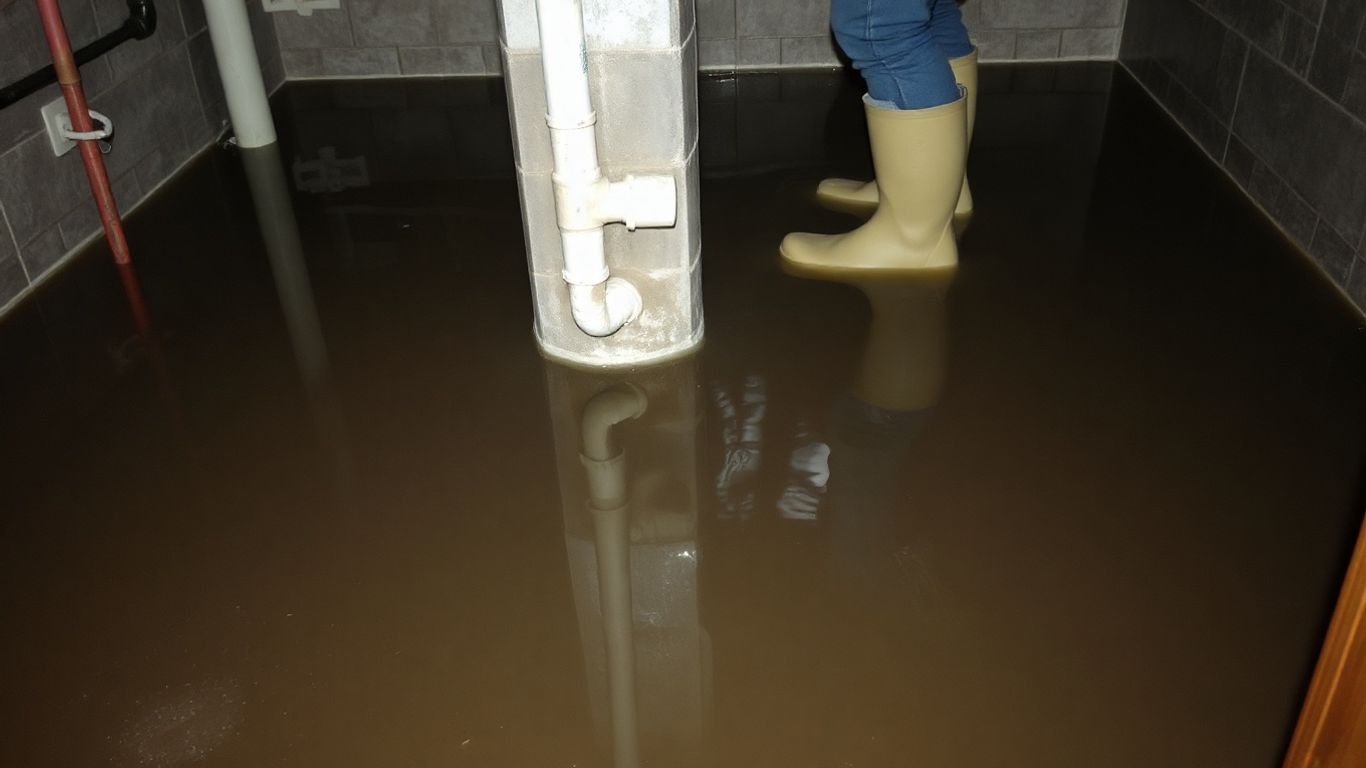
Okay, so you’ve discovered that dreaded brown water backing up into your basement. It’s a gross situation, no doubt, but the most important thing is to act fast and smart. Don’t panic, but don’t delay either.
Prioritize Safety and Evacuate
First things first: your safety and your family’s safety are paramount. Never step into standing water in your basement if the power is still on. Sewage can carry all sorts of nasty bacteria and even electrical hazards if submerged outlets or wires are involved. If you can safely get to your breaker box from outside the flooded area, shut off the electricity to the basement. If you’re unsure or it’s not safe, just leave it. Also, if you notice a strong, foul odor, it’s a clear sign to get everyone out of the house immediately and call for help. Don’t wait around to see what happens.
Stop Water Usage Immediately
This might seem obvious, but it’s critical. Every single drop of water you use in your home – flushing a toilet, running a sink, doing laundry, even running the dishwasher – sends more water down the pipes. And if those pipes are already backing up into your basement, that extra water has nowhere to go but into your living space. So, tell everyone in the household to stop using water immediately. This simple step can significantly reduce the amount of damage while you wait for professional help.
This situation is more than just an inconvenience; it’s a health hazard. The contaminated water can harbor bacteria and viruses, posing risks if it comes into contact with skin or is inhaled.
Document the Damage Thoroughly
Before you do anything else (after ensuring safety and stopping water use, of course), grab your phone or camera. Take clear photos and videos of the backup and the damage. Get shots of the water level, any items that are soaked, and any visible damage to walls or the floor. Don’t get too close to the contaminated water, but try to capture the extent of the problem. Make a list of everything that’s damaged, noting what it is, when you bought it if you remember, and what you think it’s worth. This documentation is super important for any insurance claims you’ll need to file later. It’s your proof of what happened and the extent of the mess. You might want to check if your homeowner’s policy covers sewer backups before you even start this process.
Here’s a quick rundown of what to document:
- When you discovered the backup: Note the exact date and time.
- Water level: How high did the water get?
- Damaged items: List everything affected, from furniture to stored boxes.
- Visible damage: Document any structural issues or mold starting to form.
- Actions taken: Record any steps you took, like shutting off water or calling professionals.
Understanding the Dangers of Sewer Back Up Basement
Health Risks Associated with Sewage
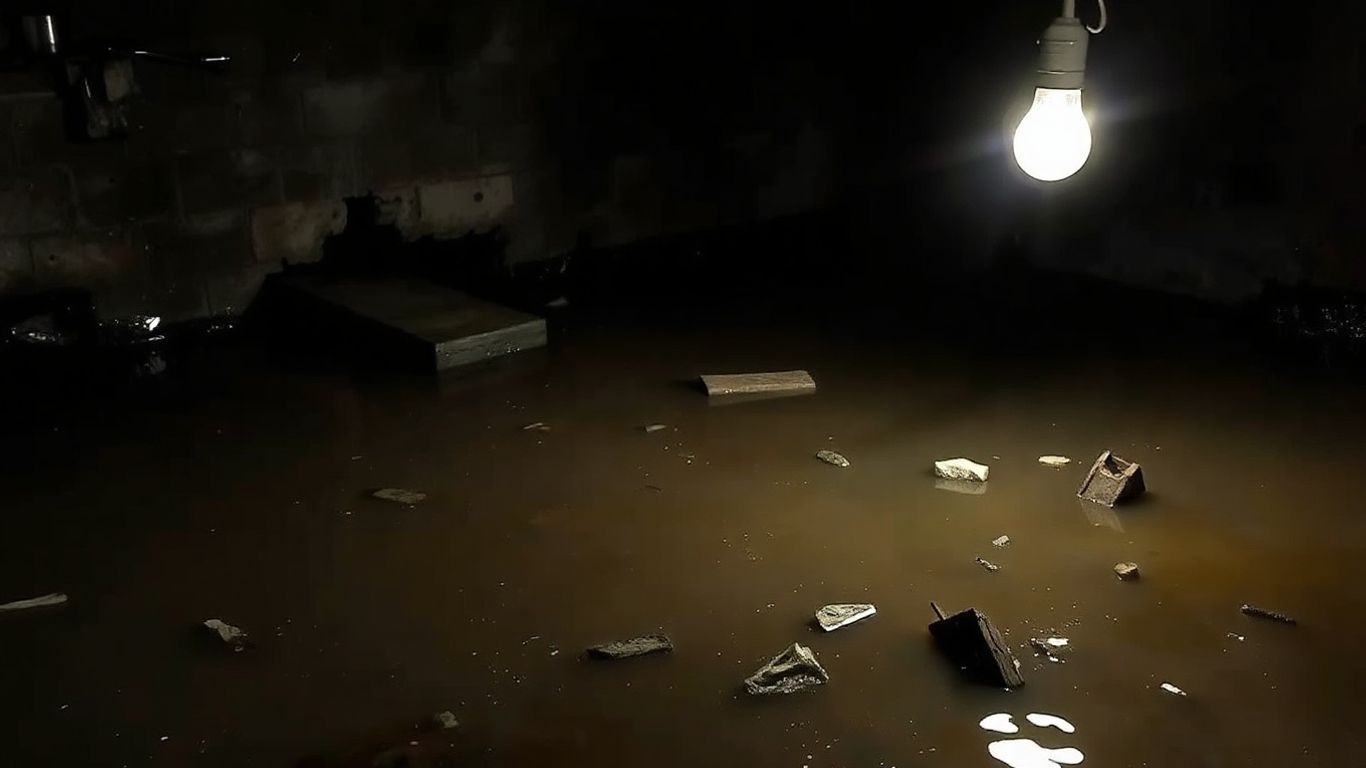
Okay, so you’ve got sewage in your basement. It’s not just a gross mess; it’s a serious health hazard. This stuff is packed with all sorts of nasty bacteria, viruses, and parasites. We’re talking about things like E. coli and salmonella, which can cause some pretty awful stomach problems, vomiting, and diarrhea. And it doesn’t stop there. You can also end up with skin infections from contact or even respiratory issues if the fumes linger. The longer sewage sits, the more those harmful microorganisms multiply. It’s especially risky for kids, older folks, or anyone with a weaker immune system, but honestly, nobody is completely immune. If anyone in your household starts feeling sick after a backup, especially with flu-like symptoms or a rash, it’s time to call a doctor.
Why Sewage Backup is More Than Just Water
When a pipe bursts and clean water floods your basement, it’s a mess, sure. But sewage backup? That’s a whole different ballgame. This isn’t just water; it’s contaminated waste. We usually classify this kind of water as ‘Category 3’ or ‘black water.’ It’s the worst kind because it’s loaded with pathogens. Think about what goes down the drain – it’s not just water. This contamination can seep into your home’s structure, like drywall and wood, and it doesn’t just go away when the water recedes. It can cause mold and mildew issues down the line, too. Plus, the damage isn’t just to your belongings; it’s to the very integrity of your home. Materials can warp, corrode, and weaken over time if not properly addressed. It’s why prompt cleanup is so important.
Here’s a quick look at how water contamination is categorized:
- Category 1 (Clean Water): Comes from a clean source, like a broken supply line. Minimal health risk initially.
- Category 2 (Gray Water): Contains some contaminants, like from a washing machine or dishwasher. Carries some health risks.
- Category 3 (Black Water): Highly contaminated, like from a sewer backup. Contains dangerous bacteria and pathogens.
Dealing with sewage in your basement means you’re dealing with a biohazard. It requires more than just mopping; it needs specialized cleaning and disinfection to make your home safe again.
When to Seek Professional Help for Sewer Back Up Basement
Okay, so you’ve got sewage in your basement. It’s a gross situation, and honestly, it’s probably time to call in the pros. Trying to tackle this yourself is usually a bad idea, and here’s why.
Recognizing When to Evacuate Your Home
Your safety comes first, always. If you smell really strong, foul odors, or if the water level is rising quickly, it’s time to get out. Don’t mess around with electricity and standing water – that’s a recipe for disaster. If you’re unsure about the safety of your home, just leave. It’s better to be safe than sorry, and professionals can handle the mess once it’s safe to enter.
The Importance of Professional Cleanup Services
Look, regular household cleaners just aren’t going to cut it when it comes to sewage. These backups are full of nasty stuff that can make you really sick. Professionals have the right gear, like special suits and masks, and they use industrial-strength cleaners that actually kill the bad germs. They also know how to find moisture that might be hiding in your walls or floors, which can lead to mold later on. Trying to DIY this often means you’ll end up with more problems down the road, costing you more money and headaches.
Sewage backups aren’t just about water damage; they’re a serious health hazard. The bacteria and viruses present can cause a range of illnesses if not properly dealt with. Professional cleanup crews are trained to handle these risks safely and effectively, using specialized equipment and protocols to disinfect and restore your home.
Here’s a quick rundown of what the pros do:
- Water Removal: They use powerful pumps to get all the standing sewage water out fast.
- Decontamination: They clean and disinfect all affected surfaces with special antimicrobial products.
- Drying and Monitoring: They use industrial fans and dehumidifiers to dry everything out completely and check for any hidden moisture that could cause issues later.
- Disposal: They know how to properly get rid of contaminated materials like carpet or drywall that can’t be saved.
Working With Your Insurance Company
When you call in a professional cleanup service, they can often help you with your insurance claim. They know what documentation your insurance company needs, like photos and detailed lists of damaged items. This can make the whole process smoother. Plus, some insurance policies might require you to use certified professionals for sewage backup cleanup to cover the damage. It’s worth checking your homeowners insurance policy details, but generally, having professionals handle it makes the claim process much easier and more likely to be approved.
Remember, sewage backup is a serious issue. Don’t hesitate to call for help. The sooner you get professionals involved, the better they can mitigate the damage and get your home back to normal.
Preventing Future Sewer Back Up Basement Issues
Nobody wants to deal with a sewer backup, especially in their basement. It’s messy, it’s gross, and it can be a real headache to clean up. The good news is, there are definitely things you can do to stop it from happening again. Think of it as giving your home’s plumbing a little extra TLC.
Install Protective Plumbing Devices
One of the smartest moves you can make is to install a backwater valve. This little gadget acts like a one-way door for your sewer line. When the main sewer backs up, the valve automatically closes, preventing that nasty stuff from coming into your home. Many newer homes are built with these already, but if yours isn’t, it’s worth looking into. It’s a pretty solid investment when you consider the alternative. You might also want to talk to a plumber about capping off floor drains if you don’t really use them. They can be a direct entry point for backup water during heavy storms.
Maintain Your Sewer Lines Regularly
Your sewer lines aren’t exactly something you think about until there’s a problem, right? But just like anything else, they need a little attention now and then. Tree roots are a major culprit for clogs, slowly growing into pipes and causing blockages. Getting your sewer line inspected with a camera every few years can catch these issues before they become big problems. A plumber can spot roots, cracks, or other blockages that you’d never know were there. Also, if you have older pipes, like clay or cast iron, consider replacing them with modern PVC. PVC pipes are way more resistant to root intrusion and just last longer overall. Regular maintenance is key to a functioning sewer system [bb4e].
Responsible Waste Disposal Habits
This one is all about what you put down your drains and into your toilets. It sounds simple, but it makes a huge difference. Only flush toilet paper – seriously. Those “flushable” wipes? They don’t break down like toilet paper and are a common cause of clogs. Paper towels, feminine hygiene products, and even excessive amounts of food scraps should never go down the toilet or sink. And grease? Pour it into a container and throw it in the trash. It might seem like a hassle, but grease hardens in your pipes and creates serious blockages over time. Being mindful of what goes down the drain can save you a lot of trouble.
Taking these preventative steps can save you a lot of stress and money down the line. It’s about being proactive rather than reactive when it comes to your home’s plumbing.
It’s also a good idea to be aware of what’s happening with your municipal sewer system, especially if you live in an area with combined storm and sanitary sewers. During really heavy rain, these systems can get overloaded, and that’s often when backups happen. While you can’t control the city’s system, understanding the risks can help you be better prepared.
Common Mistakes to Avoid During a Sewer Back Up Basement
Dealing with a sewer backup in your basement is stressful, and it’s easy to make mistakes when you’re trying to fix it. Don’t let panic lead you to do something that makes the situation worse. Understanding what not to do is just as important as knowing what steps to take.
Do Not Attempt DIY Cleanup
It might seem like a good idea to grab your shop vacuum and start cleaning up the mess yourself, but this is a big no-no. Standard shop vacuums aren’t built for sewage. They can actually spread harmful bacteria and viruses through the air, turning a bad situation into a health hazard for everyone in the house. Plus, the electrical components aren’t designed for wet, contaminated environments, posing a shock risk. Soft items like mattresses, rugs, or stuffed animals that have come into contact with sewage are usually beyond saving. They can’t be properly disinfected and should be discarded.
Avoid Spreading Contamination
When you’re dealing with sewage, containment is key. Don’t open up all your windows and doors thinking it will help dry things out faster. While ventilation is important later, doing it too early can actually spread the nasty odors and contaminants to other parts of your home, like your living areas or upstairs bedrooms. It’s also critical to avoid using cleaning chemicals haphazardly. Never mix different cleaning products, especially bleach and ammonia, as this can create toxic fumes that are incredibly dangerous to inhale. Always follow product instructions and ensure good ventilation when using any cleaning agents.
Even a small amount of sewage can contain millions of harmful bacteria and pathogens. What looks like a minor issue can quickly escalate into serious health problems and lead to extensive, costly repairs if not handled correctly from the start. It’s often best to leave the cleanup to professionals who have the right equipment and training.
When in doubt, it’s always better to call in the pros. They have the specialized gear and knowledge to handle sewage cleanup safely and effectively. For instance, a strong sewage smell or multiple slow drains are clear indicators of a sewer line backup that needs professional attention. Trying to tackle Category 3 water (black water) yourself is risky and can lead to long-term issues like mold growth if not completely remediated.
Don’t Let It Happen Again
Dealing with a sewer backup is a real headache, and honestly, nobody wants to go through that. We’ve talked about what to do right away to stay safe and stop things from getting worse, and why calling in the pros is usually the best move. Remember, trying to clean up sewage yourself can be pretty risky for your health and might not even fix the problem right. Once everything is cleaned up and your basement is back to normal, think about ways to prevent this from happening again. Things like getting a backwater valve installed or just being careful about what you flush can make a big difference. It’s all about protecting your home and your family from this nasty surprise.
Frequently Asked Questions
What should I do the very first second I notice sewage in my basement?
Safety first! If you see sewage, get everyone, including pets, out of the basement right away. Don’t walk through the water. If it’s safe to do so from a distance, turn off the electricity to your basement to avoid shocks. Then, stop using any water in your house – no toilets, sinks, or showers. This stops more sewage from coming in. Finally, call a plumber to find out why it’s happening and a professional cleanup service.
Is sewage really that dangerous?
Yes, it’s much more than just dirty water. Sewage is full of nasty germs like bacteria and viruses that can make you very sick. These germs can cause stomach problems, skin infections, and even breathing issues. It’s important not to touch it and to let professionals handle the cleanup.
Can I just clean up the sewage myself to save money?
It’s a really bad idea to try cleaning up sewage yourself. You need special gear, like masks and gloves, to protect yourself from sickness. Plus, regular cleaning supplies won’t kill all the dangerous germs. Professionals have the right tools and training to clean it safely and make sure your home is truly clean, which can actually save you more money in the long run by preventing health problems and future mold.
How can I stop this from happening again?
You can take steps to prevent future backups. Installing a backwater valve on your main sewer line is a great idea; it acts like a one-way door to stop sewage from flowing back into your home. Also, make sure to get your sewer lines checked regularly by a plumber to catch problems like tree roots or cracks early. And be mindful of what you flush – only toilet paper should go down the drain, and never pour grease down the sink.
When should I absolutely get out of my house?
You should leave your home if the sewage spreads beyond the basement into your living areas. If you smell sewer gas all through the house, that’s a sign of a big problem. Also, if anyone in your family starts feeling unwell, especially with breathing problems, it’s time to go. If the sewage is really deep, or if you can’t safely turn off the electricity, it’s best to evacuate until professionals fix it.
Will my homeowner’s insurance pay for the cleanup?
Most standard homeowner’s insurance policies don’t automatically cover damage from sewer backups. However, you can often buy a special add-on, called a rider, for a small extra cost that will cover it. It’s a good idea to talk to your insurance agent to see if you have this coverage or if you can add it, just in case the worst happens.
