Mold. It’s that unwelcome guest that shows up in damp corners and can make your home feel less like a sanctuary and more like a science experiment gone wrong. You’ve probably heard a lot of things about how to get rid of it, and one of the most common suggestions is bleach. But does bleach really kill mold effectively, or is it just a myth? We’re going to unpack what bleach can and can’t do, look at other options, and talk about how to keep the mold from coming back in the first place. Let’s get this sorted.
Key Takeaways
- Bleach can kill surface mold, but it’s not always the best solution for porous materials where mold can grow deep inside.
- While bleach might kill mold on non-porous surfaces, it doesn’t always address the underlying moisture problem that allows mold to grow.
- For more stubborn or widespread mold issues, commercial mold removers or specialized treatments might be more effective than bleach.
- Preventing mold means finding and fixing leaks, improving air circulation, and keeping things dry.
- Always use safety gear like gloves and masks when cleaning mold, and ensure good ventilation, especially if using strong chemicals like bleach.
Does Bleach Effectively Kill Mold?
So, the big question: can you just grab that bottle of bleach from under the sink and call it a day when you see mold? It’s a common thought, and honestly, bleach is a powerful cleaner. But when it comes to mold, it’s not quite the magic bullet many people think it is.
Understanding Bleach’s Chemical Properties
Bleach, specifically sodium hypochlorite, is a strong disinfectant. It works by oxidizing organic matter, which essentially breaks down the cells of mold and other microorganisms. This is why you often see mold stains disappear after applying bleach. It’s effective at killing mold on non-porous surfaces because it can reach the mold and break it down. However, its effectiveness on porous materials is where things get tricky.
Limitations of Bleach for Mold Remediation
Here’s the catch: mold has roots, or hyphae, that can grow deep into porous materials like drywall, wood, or carpet. Bleach, being a liquid, often doesn’t penetrate these materials deeply enough to kill the entire mold colony. It might kill the surface mold you can see, but the roots can survive and regrow. This is why, even after bleaching, you might find the mold coming back.
- Surface Level Action: Bleach primarily affects the visible mold on the surface.
- Porous Material Issues: It struggles to reach and kill mold roots embedded in materials like wood or drywall.
- Re-growth Potential: Because the roots can survive, mold can often return.
- No Long-Term Prevention: Bleach doesn’t offer residual protection against future mold growth.
While bleach can kill mold on hard, non-porous surfaces, it’s often not the best choice for materials where mold can take root. It might make the surface look clean, but the problem can persist beneath the surface, leading to recurring issues.
When Bleach Might Be Sufficient
So, is bleach ever useful? Yes, but in specific situations. If you have a small patch of mold on a non-porous surface, like a ceramic tile in your bathroom or a glass shower door, bleach can be a viable option. It can effectively kill the mold and remove stains. For these situations, you’ll want to make sure you’re using the right concentration. A common recommendation is to dilute bleach with water, typically a 1:10 ratio (one part bleach to ten parts water). Always ensure good ventilation when using bleach, and wear protective gear. For more extensive mold problems, or when mold is on porous materials, you’ll likely need to explore other commercial mold removers or professional help.
Alternative Solutions for Mold Eradication
So, bleach isn’t always the best tool for the job, especially when you’re dealing with mold that’s gotten into porous materials like drywall or wood. It might kill what you see on the surface, but the roots can stay put, ready to grow back. That’s why looking into other options makes a lot of sense. There are some pretty effective products out there that get the job done without some of bleach’s drawbacks.
Exploring Commercial Mold Removers
When you’re facing a mold problem, the store shelves are packed with options. It can be a bit overwhelming trying to figure out which one is actually going to work. Some are designed for heavy-duty jobs, while others are gentler for everyday use or for people who are sensitive to strong chemicals. It’s worth checking out reviews and product descriptions to see what others have found successful. For instance, some products are specifically formulated to tackle tough mold issues, while others focus on being eco-friendly. You can find a good overview of different types of mold removers here.
The Role of Hypochlorous Acid
Hypochlorous acid (HOCl) is a really interesting compound that’s gaining traction in mold remediation. It’s naturally produced by our own white blood cells to fight off infections, which is pretty neat. In disinfectant form, it’s known for being effective against a wide range of microorganisms, including mold, but it’s also generally considered safer for people and pets than harsher chemicals. It works by disrupting the cell membranes of mold spores. Some products use it as their active ingredient, offering a different approach to killing mold.
Natural and DIY Mold Treatments
Sometimes, you might prefer to go the natural route or use things you already have around the house. Vinegar, for example, is a popular choice. Its acidity can kill many types of mold. You just pour undiluted white vinegar into a spray bottle and spray it directly onto the moldy areas. Let it sit for about an hour, then wipe it down and rinse with water. Another option is hydrogen peroxide, which is an antifungal, antiviral, and antibacterial agent. You can buy it at most drugstores. A 3% solution is usually effective. Spray it on the mold, let it sit for about 10 minutes, and then scrub and wipe clean.
Here are a few common DIY approaches:
- Vinegar: Use undiluted white vinegar in a spray bottle. Let it sit on the mold for an hour before wiping.
- Hydrogen Peroxide: A 3% solution can be sprayed on mold, left for 10 minutes, then scrubbed and wiped.
- Tea Tree Oil: Mix about a teaspoon of tea tree oil with a cup of water in a spray bottle. Spray on moldy areas and don’t rinse. The smell can be strong, but it’s effective.
- Baking Soda: This is a mild abrasive and deodorizer. Mix with water to form a paste, apply to moldy areas, scrub, and then rinse.
While these DIY methods can be effective for small mold issues, it’s important to remember that they might not penetrate porous materials as deeply as some commercial products. For extensive mold growth, professional help is often the most reliable solution.
It’s also worth noting that while bleach might seem like a quick fix, it often doesn’t get to the root of the problem, especially on surfaces that aren’t completely non-porous. For a more thorough approach, exploring these alternatives can make a big difference in getting rid of mold for good. If you’re unsure about the best method for your situation, consulting with a mold remediation specialist is always a good idea, and they can provide advice on safer alternatives.
Preventing Mold Recurrence
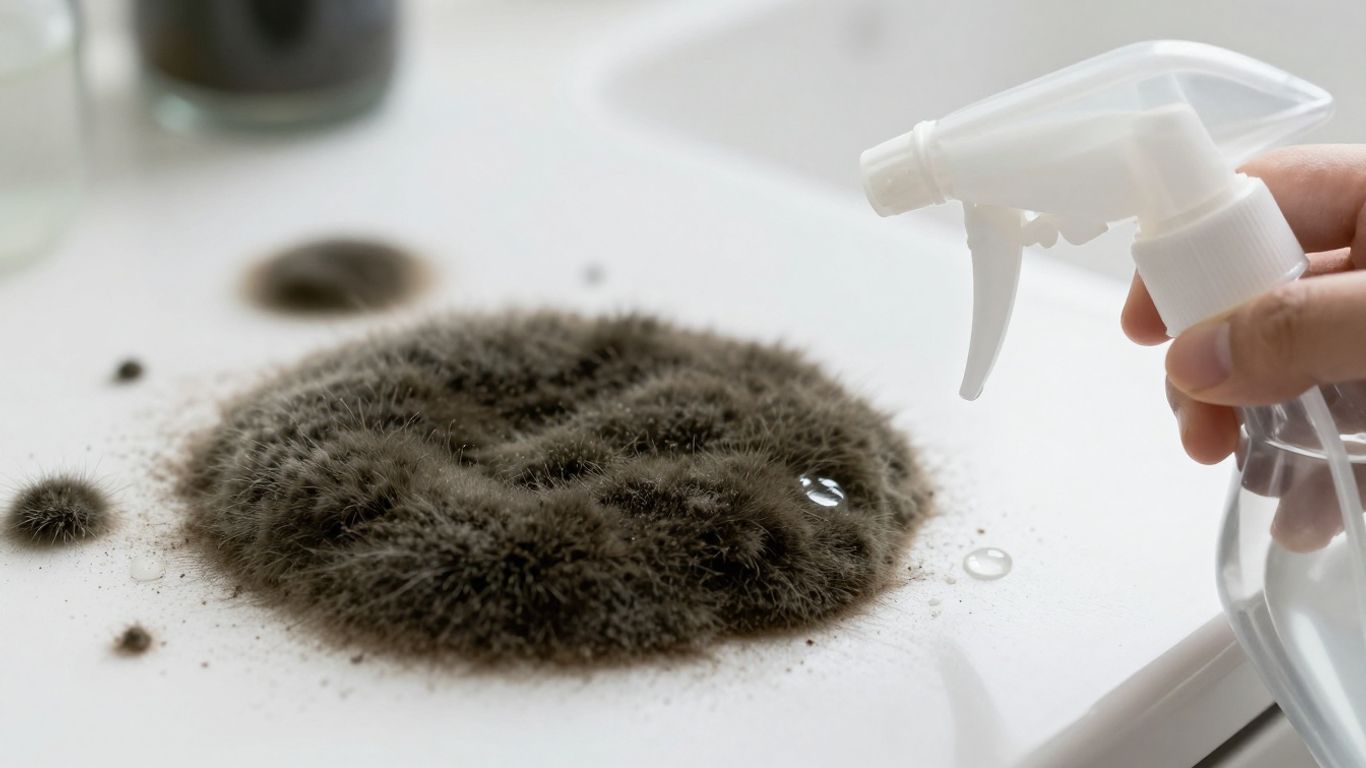
So, you’ve tackled the mold, and things are looking (and smelling) better. That’s great! But the real trick is keeping it from coming back. Mold is sneaky; it just needs a little moisture and a food source to get a foothold again. The key to long-term mold prevention is controlling moisture and improving air circulation.
Addressing Moisture Sources
This is probably the most important step. If you don’t fix the water problem, the mold will return, no matter what you do. Think about where water might be getting into your home. It could be obvious, like a leaky pipe under the sink or a roof that needs repair. Sometimes it’s less obvious, like condensation on windows or in poorly ventilated areas.
- Fix leaks promptly: Don’t put off fixing dripping faucets, leaky pipes, or roof issues. Even small drips can create a damp environment.
- Manage humidity: Aim for indoor humidity levels between 30-50%. Use dehumidifiers in damp areas like basements or crawl spaces. Consider a hygrometer to monitor levels.
- Check appliance seals: Ensure washing machines, dishwashers, and refrigerators aren’t leaking water.
- Proper drainage: Make sure your gutters are clear and that water drains away from your home’s foundation.
Improving Ventilation
Stagnant, moist air is mold’s best friend. Good airflow helps to dry out surfaces and prevent moisture from building up. This is especially important in areas that tend to be damp, like bathrooms and kitchens.
- Use exhaust fans: Always run exhaust fans in bathrooms during and after showers, and in kitchens when cooking. Make sure they vent outside, not into the attic.
- Open windows: When the weather permits, open windows to let fresh air circulate. This is a simple but effective way to reduce indoor humidity.
- Don’t block vents: Ensure furniture or other items aren’t blocking air vents or return grilles.
- Consider air purifiers: While not a direct moisture solution, air purifiers with HEPA filters can help capture mold spores circulating in the air.
Sealing and Protective Measures
Once you’ve addressed the moisture and ventilation issues, you can take steps to seal surfaces and make them less hospitable to mold.
- Seal porous materials: Use mold-resistant paints or sealants on surfaces prone to moisture, like basement walls or bathroom tiles. This makes it harder for mold to grow on or penetrate the material.
- Regular cleaning: Keep up with regular cleaning, especially in areas where mold has been a problem before. This removes potential food sources for mold spores.
- Inspect regularly: Periodically check areas where mold has previously occurred, as well as other potential problem spots, for any signs of new growth or moisture issues. Catching things early makes them much easier to deal with.
Preventing mold isn’t a one-time fix; it’s an ongoing process of vigilance. By consistently managing moisture and airflow, you create an environment where mold struggles to survive and thrive. It’s about making your home less inviting to those unwelcome microscopic guests.
Sometimes, you might need specific products to help with sealing. For instance, a good rubber sealant can be useful for creating airtight barriers in certain situations, though it’s important to use it correctly and in appropriate areas.
Safety Precautions When Cleaning Mold
Alright, let’s talk about staying safe when you’re tackling mold. It’s not just about getting rid of the fuzzy stuff; it’s about making sure you don’t end up with more problems than you started with. Think of it like this: you wouldn’t go into a construction zone without a hard hat, right? Cleaning mold requires a similar level of preparedness.
Protective Gear for Mold Removal
First things first, you need to protect yourself. Mold spores can get everywhere, and inhaling them or getting them on your skin isn’t ideal, especially if you have allergies or sensitivities. Wearing the right gear is non-negotiable.
Here’s a quick rundown of what you should have:
- Gloves: Heavy-duty rubber or nitrile gloves are best. They keep mold and cleaning solutions off your hands.
- Eye Protection: Goggles that seal around your eyes will prevent spores and cleaning splashes from getting in.
- Respiratory Protection: This is super important. At a minimum, use an N95 respirator mask. If you’re dealing with a large area or a particularly nasty patch, a half-face or full-face respirator with P100 filters is even better.
- Clothing: Old clothes that you don’t mind getting dirty or potentially ruining are a good idea. Long sleeves and pants are a must.
Proper Ventilation During Cleaning
Opening windows and doors is usually a good idea when cleaning, but with mold, it’s a bit more nuanced. You want to ventilate the area you’re cleaning to get the mold spores and fumes from cleaning products out of the air. However, you don’t want to spread those spores to other parts of your house or outside where they can cause more problems.
- Containment: If possible, seal off the area you’re cleaning from the rest of your home using plastic sheeting and tape. This helps keep spores from spreading.
- Airflow: Use fans to direct air out of the contained area and away from living spaces. Avoid fans that just blow air around the room you’re cleaning, as this can just stir up spores.
- Timing: Try to ventilate well during and for at least 24 hours after cleaning.
Safe Handling of Cleaning Agents
Whether you’re using bleach, vinegar, or a commercial cleaner, always read the label. Different products have different instructions and warnings. For instance, when using bleach, it’s often recommended to use it diluted. For cold water, aim for about 100 ppm chlorine, which means adding roughly 10 ml of household bleach to 10 liters of water. Always throw away diluted bleach solutions after 24 hours.
Never mix cleaning chemicals, especially bleach with ammonia or other acids. This can create dangerous fumes that are harmful to breathe. Always use cleaning agents in a well-ventilated area and follow the manufacturer’s instructions carefully. If you’re unsure about a product, it’s better to err on the side of caution and look for alternatives, like exploring natural and organic solutions if they fit your situation.
Remember, safety first. A little extra effort in preparation can save you a lot of trouble down the line.
The Science Behind Mold and Disinfectants
How Mold Spreads and Thrives
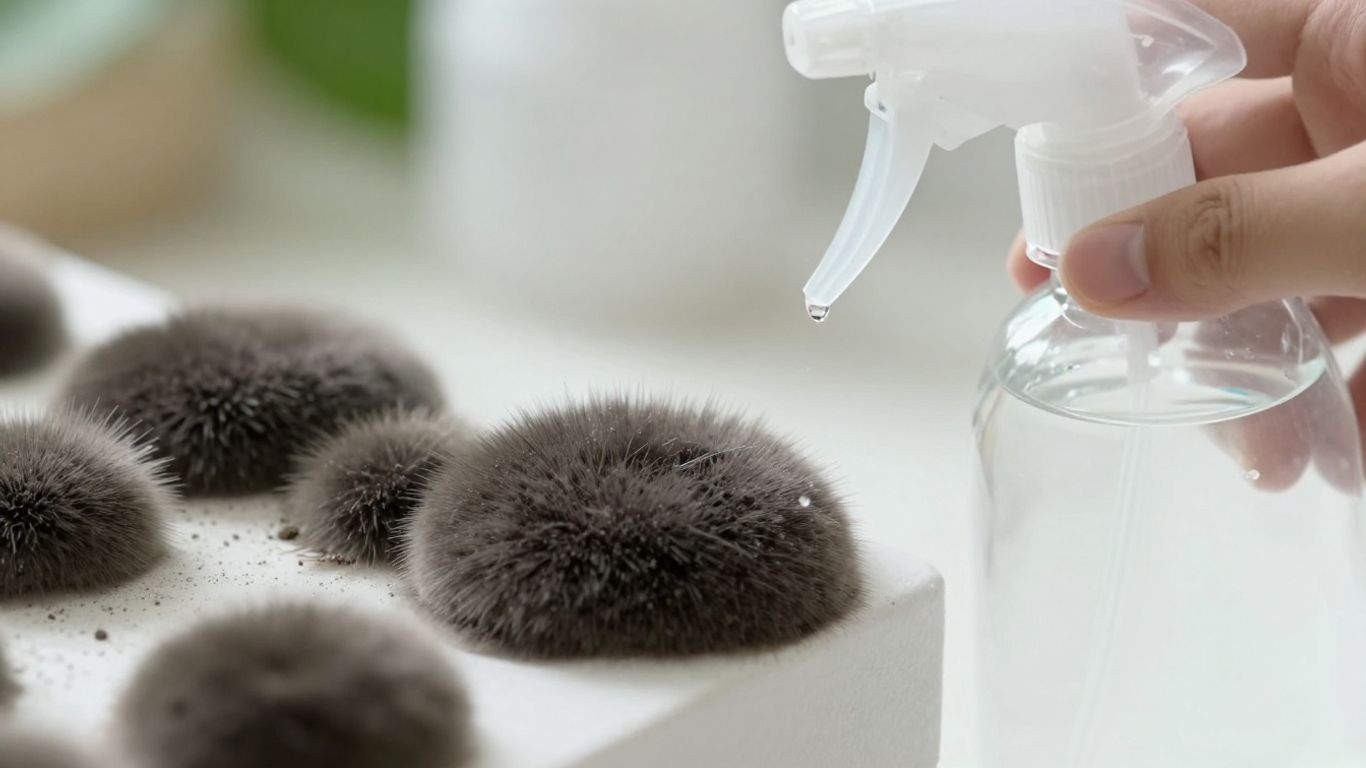
Mold is a type of fungus that reproduces by releasing spores. These microscopic spores are everywhere, floating around in the air both inside and outside our homes. They’re pretty resilient and can survive in a lot of different conditions. When these spores land on a surface that has moisture and a food source (like dust, wood, or even drywall), they can start to grow. It’s a simple process, really: spore lands, finds food and water, and begins to multiply. This is why mold often shows up in damp areas like bathrooms, kitchens, or basements. The key to mold growth is moisture; without it, even a spore can’t get a foothold.
Disinfectant Efficacy Against Fungi
Different disinfectants work in different ways to tackle mold. Some, like bleach, work by oxidizing the mold’s cell structure, essentially breaking it down. Others might disrupt the mold’s metabolic processes. It’s important to know that not all disinfectants are created equal when it comes to mold. Some might kill surface mold but leave the roots intact, especially on porous materials. This means the mold could potentially grow back.
Here’s a quick look at how some common approaches stack up:
- Bleach: Effective on non-porous surfaces by oxidizing mold cells. However, it can struggle with porous materials and may not kill deeply embedded mold. It also doesn’t address the underlying moisture issue.
- Vinegar: Acetic acid in vinegar can kill many mold species. It’s often considered a gentler option than bleach and can penetrate porous surfaces better.
- Hydrogen Peroxide: A good option that kills mold, bacteria, and viruses. It breaks down into water and oxygen, making it a more environmentally friendly choice.
- Commercial Mold Removers: These are specifically formulated to kill mold and often come with instructions for different types of surfaces. Some use quaternary ammonium compounds or other active ingredients.
Understanding Sanitizing vs. Cleaning
It’s easy to mix up cleaning, sanitizing, and disinfecting, but they’re not quite the same thing. Cleaning is just the physical act of removing dirt and debris from a surface. Sanitizing reduces the number of germs to a safe level, usually by about 99.9%. Disinfecting goes a step further and kills most of the germs on a surface. When we’re talking about mold, we often want to disinfect to kill the mold spores. However, simply killing the mold isn’t enough if the surface isn’t also clean and the moisture source isn’t addressed. You might kill the mold, but if the conditions are still right, it’ll just come back.
When you’re dealing with mold, remember that killing the visible growth is only part of the battle. You also need to clean the area thoroughly and, most importantly, fix whatever is causing the moisture problem in the first place. Otherwise, you’re just setting yourself up for round two.
For instance, using a product like Danolyte might kill mold on contact, but if the wall is still leaking, the mold will likely return. It’s a multi-step process to truly get rid of mold and keep it gone.
Choosing the Right Cleaning Products
Okay, so you’ve decided to tackle that mold situation, and now you’re standing in the cleaning aisle, totally overwhelmed. What’s the best stuff to grab? It’s not always as simple as just picking up the brightest bottle. You’ve got to think about what you’re actually trying to achieve and what’s safe for your home.
Evaluating Product Labels and Claims
First off, read those labels. Seriously. They’re not just for decoration. You’ll see terms like "disinfectant," "sanitizer," and "cleaner." They all mean different things. A cleaner just gets rid of dirt and gunk. A sanitizer reduces the number of germs, and a disinfectant kills most of them. For mold, you’re usually looking for something that can kill the mold itself, not just wipe away the visible stuff. Pay close attention to whether the product specifically mentions killing mold or mildew. Sometimes, a product might be great for general cleaning but won’t touch mold spores effectively.
Concentration and Dilution Ratios
This is where things get a bit technical, but it’s important. Many cleaning products, especially bleach-based ones, need to be diluted correctly to work. Using them straight might be too harsh or not effective, and using them too diluted means they won’t do the job. For instance, when using bleach for cleaning, the concentration matters a lot. You might see instructions like "add X amount to Y liters of water." It’s not just a suggestion; it’s about getting the right chemical balance to kill mold without damaging surfaces or creating unsafe fumes. For food prep areas, specific concentrations are key to both cleaning and sanitizing properly.
Convenience of Bleach Tablets
Bleach tablets have become super popular, and for good reason. They’re way less messy than liquid bleach. No more accidental spills or trying to measure out that perfect amount. You just drop a tablet into water, and it dissolves. This makes them really handy for things like cleaning toilets or even just tossing one into a bucket of water for scrubbing down surfaces. They offer a pretty precise way to get a cleaning solution ready, which is nice when you’re not sure about mixing liquids yourself. Some people even use them for laundry or to freshen up drains. They’re a simple switch that can make cleaning feel a lot less like a chore and more like a breeze. If you’re looking for an easy way to get a good clean, these little powerhouses are definitely worth checking out for various cleaning tasks.
When you’re choosing a mold cleaner, think about the surface you’re cleaning. Some products are great for hard, non-porous surfaces like tile or glass, but they might damage porous materials like drywall or wood. Always test a small, hidden area first if you’re unsure. And remember, even the best cleaner won’t work if the area stays wet. Addressing the moisture is always step one.
Here’s a quick rundown of what to look for:
- Specific Mold Claims: Does it say "kills mold and mildew"?
- Surface Compatibility: Is it safe for the material you’re cleaning?
- Safety Instructions: Are there clear warnings about ventilation and protective gear?
- Dilution Requirements: If it needs diluting, are the instructions clear?
Choosing the right product can make all the difference in getting rid of mold and keeping it from coming back. It’s about being smart with your cleaning choices, whether you’re going for a commercial spray or looking into DIY mold removal options.
So, What’s the Verdict on Bleach and Mold?
Alright, so we’ve talked a lot about mold and bleach. It turns out, while bleach can kill mold on surfaces, it’s not always the best or safest choice, especially for porous stuff. Sometimes it just pushes the mold around or doesn’t get to the root of the problem. We saw how people are trying all sorts of things, from special disinfectants to sealing themselves in their homes, trying to get rid of this pesky mold. The real takeaway here is that dealing with mold often means looking beyond just a quick spray. It might involve better ventilation, fixing leaks, and sometimes, calling in the pros. Don’t just grab the bleach and hope for the best; understand what you’re up against and choose the right tool for the job. And hey, if all else fails, maybe just move. Kidding… mostly.
Frequently Asked Questions
Can bleach really get rid of mold?
Bleach can kill mold on non-porous surfaces like tiles or glass. However, mold can grow into porous materials like wood or drywall, and bleach might not reach the roots to kill it completely. It can also be harsh and spread mold spores if not used carefully.
Is bleach the best way to clean mold?
While bleach can kill surface mold, it’s not always the best or safest option. For deeper mold problems, other cleaners or professional help might be needed. It’s important to consider the type of surface and the extent of the mold growth.
What are safer alternatives to bleach for mold?
There are several alternatives! You can find commercial mold removers designed for specific surfaces. Some people use natural options like vinegar or baking soda. Hypochlorous acid is another effective and less harsh option that’s gaining popularity.
How can I stop mold from coming back?
Preventing mold is all about controlling moisture. Fix any leaks, improve air circulation by opening windows or using fans, and make sure to dry wet areas quickly. Sealing surfaces can also help prevent mold from taking hold.
What safety steps should I take when cleaning mold?
Always wear protective gear like gloves, a mask, and eye protection to avoid breathing in mold spores or getting chemicals on your skin. Make sure the area is well-ventilated, either by opening windows or using fans, especially when using strong cleaners like bleach.
What’s the difference between cleaning and sanitizing?
Cleaning means removing visible dirt, dust, and grime. Sanitizing goes a step further by killing germs and mold. You usually need to clean an area first before you can effectively sanitize it.
