Finding mold in your home can be a real headache, and figuring out how to get it cleaned up, especially when you’re hoping insurance will help, can feel like a whole other challenge. This article is all about mold cleanup services that work with insurance, breaking down what you need to know to get your home back in shape without losing your mind. We’ll cover how insurance works with mold, the steps to take, and how to pick the right folks for the job.
Key Takeaways
- Many insurance policies can cover mold cleanup if the mold growth resulted from a covered event like a sudden pipe burst or storm damage, but policies vary widely.
- Document everything from the initial discovery of mold to all communication with your insurance company and the remediation service.
- Look for mold cleanup services that are licensed, accredited, and have direct experience working with insurance claims to simplify the process.
- Understand that insurance might not cover mold if it’s due to neglect or poor maintenance, and be aware of policy exclusions and deductibles.
- Prompt action is key: contain the mold, stop the water source if possible, and contact both your insurance provider and a professional mold cleanup service as soon as you find damage.
Understanding Mold Cleanup Services That Work With Insurance
Discovering mold in your home can be a real headache, and figuring out how to get it cleaned up, especially when insurance is involved, adds another layer of complexity. It’s not always straightforward, but knowing the basics can make a big difference. Many homeowners insurance policies can cover mold cleanup if the mold growth is a direct result of a sudden, accidental event. Think of a pipe bursting or a storm causing water damage. These are typically covered perils. However, if the mold is due to long-term issues like chronic leaks, poor ventilation, or general neglect, your insurance company might deny the claim. It really comes down to the cause of the mold.
Common Coverage Scenarios for Mold Removal
When it comes to mold removal with insurance coverage, certain situations are more likely to be approved than others. It’s all about linking the mold to a specific, sudden event that your policy covers. Here are some common scenarios:
- Sudden Water Damage: A burst pipe, a washing machine hose breaking, or a dishwasher leak that causes water to spread and then leads to mold growth. The initial water damage is usually covered, and the resulting mold cleanup often is too.
- Storm Damage: Wind-driven rain entering your home through a damaged roof or window during a storm can create the moisture needed for mold to grow.
- Fire Suppression: Water used to put out a fire can lead to mold if not dried properly and quickly.
How Insurance Policies Impact Remediation
Your insurance policy is the rulebook for what’s covered. Different policies have different limits and deductibles for mold damage. Some policies might have a specific cap on mold remediation costs, while others might have a higher deductible for mold claims compared to other types of damage. It’s important to review your policy documents carefully to understand these limitations. Understanding your policy’s specifics is key to a smoother process. This knowledge helps you set realistic expectations and prepare for the claims process.
Typical Exclusions in Insurance Policies
While insurance can be a lifesaver for mold issues, there are common exclusions you need to be aware of. These are the situations where you’ll likely have to cover the costs yourself:
- Gradual Leaks: Slow, ongoing leaks from plumbing or roofs that have been present for a long time.
- Flooding: Surface water flooding or sewer backup is often excluded unless you have a separate flood insurance policy.
- Poor Maintenance: Mold growth resulting from a lack of upkeep, like not fixing a known leaky faucet or not maintaining ventilation.
- High Humidity: Mold growth due to generally high indoor humidity levels without a specific triggering event.
It’s always best to address any signs of water damage or moisture immediately. The longer you wait, the more likely mold is to develop, and the harder it might be to get your insurance company to cover the cleanup. Prompt action can save you a lot of trouble and money down the line.
When you’re dealing with mold, especially if you suspect it’s covered by your insurance, contacting a professional mold cleanup service that has experience working with insurance companies is a smart move. They can help assess the damage, understand the cause, and guide you through the claims process. Many restoration companies can help you navigate the insurance claims process and coordinate the necessary paperwork for a quicker, easier experience.
Navigating the Insurance Claims Process for Mold Cleanup
Discovering mold in your home can be stressful, and figuring out how to get your insurance company to help can feel like another hurdle. It’s not always straightforward, but understanding the process can make a big difference. This is where knowing how to file a mold insurance claim becomes really important.
Steps to Filing a Mold Claim
When you find mold, the first thing to do is act fast. You’ll want to document everything you see. Take pictures or videos of the affected areas. Then, it’s time to contact your insurance provider. They’ll likely ask you to fill out a claim form. This is where you’ll detail the situation, including when and how you discovered the mold damage. Be prepared to provide information about any water source that might have caused the problem.
Here’s a general rundown of what to expect:
- Initial Contact: Call your insurance agent or the claims department. Explain the situation clearly.
- Claim Submission: Fill out the official claim forms provided by your insurer. Be thorough and honest.
- Inspection: Your insurance company will likely send an adjuster to assess the damage. This person will evaluate the extent of the mold and determine if it’s covered under your policy.
- Review and Approval: The adjuster’s report goes to the insurance company for review. They’ll decide whether to approve your claim and how much they will cover.
- Remediation: Once approved, you can proceed with hiring a mold cleanup service. Keep your insurer in the loop about the chosen company and the remediation plan.
Working With Adjusters During Mold Remediation
Adjusters are the eyes and ears of your insurance company on the ground. They’ll come to your home to inspect the mold damage. It’s a good idea to be present during their visit if possible. This way, you can point out areas you’re concerned about and answer any questions they might have. Remember, they are assessing the mold damage insurance claims, so showing them the full scope of the problem is key. They’ll take notes, photos, and measurements to build their report. Be polite but firm about the extent of the issue.
The adjuster’s report is a critical document. It forms the basis for the insurance company’s decision on your claim. Make sure they see all the affected areas, including any hidden spots you might have found.
Documentation Needed for Insurance Approval
To get your claim approved smoothly, good documentation is your best friend. You’ll need proof of the damage and evidence that it’s a covered event. This usually includes:
- Photographs and Videos: Clear visual evidence of the mold and any related water damage.
- Water Source Identification: Information about what caused the water intrusion (e.g., a leaky pipe, storm damage). This is vital for understanding how to file mold insurance claim.
- Contractor Estimates: Quotes from qualified mold remediation companies detailing the scope of work and costs.
- Mold Assessment Report: If you had a professional mold assessment done, this report is essential.
- Receipts: Keep records of any immediate steps you took to prevent further damage, like temporary water extraction.
Having all your ducks in a row can speed up the approval process and help prevent disputes down the line. It shows you’re taking the situation seriously and have a clear plan for addressing the mold.
Selecting Certified Mold Cleanup Services With Insurance Experience
Finding the right mold cleanup company when you’re dealing with insurance can feel like a puzzle. You want someone who knows their stuff when it comes to mold, but also understands how to work with your insurance company. It’s not just about getting the mold gone; it’s about making the whole process smoother.
Why Licensing and Accreditation Matter
First off, look for credentials. A licensed and accredited company shows they’ve met certain standards. This isn’t just a nice-to-have; in many places, it’s required by law. These certifications mean the technicians have gone through training and know the proper ways to handle mold safely and effectively. It’s a sign they take their work seriously and are up-to-date on the latest techniques. You can usually check with your state’s licensing board to confirm a company’s status. This step helps avoid hiring someone who might do more harm than good.
Verifying Insurance Partnerships With Providers
When a company says they
Key Features of Reliable Mold Cleanup Companies
When you’re dealing with a mold problem, especially one that might involve insurance, you need a company you can count on. It’s not just about getting rid of the visible stuff; it’s about a thorough job that prevents it from coming back and handles the paperwork correctly. So, what makes a mold cleanup company truly reliable?
Rapid Emergency Response Capabilities
Mold doesn’t usually wait for a convenient time to show up. Water damage, leaks, or high humidity can create a breeding ground for mold very quickly, sometimes within 24 hours. A company that offers 24/7 emergency services and a quick response time is invaluable. This means they can get to your property fast to stop the problem from getting worse, which is especially important if water damage is involved. Waiting too long can mean more spread, more damage, and higher costs. A rapid response can make a big difference in the overall outcome and how much your insurance might cover.
Industry-Leading Mold Removal Techniques
Don’t settle for a company that just wipes down the surface. Reliable mold cleanup services use advanced methods and specialized equipment. This includes:
- Containment: Setting up barriers to stop mold spores from spreading to other parts of your home or business during the cleanup.
- Removal: Safely removing mold-infested materials, whether it’s drywall, carpet, or insulation.
- Cleaning and Sanitization: Using professional-grade cleaners and techniques to kill mold and bacteria on surfaces.
- Drying: Employing industrial dehumidifiers and air movers to thoroughly dry out the affected areas and prevent moisture from returning.
They should also be able to assess air quality to make sure the spores are gone from the air you breathe. This kind of detailed work is what prevents mold from becoming a recurring headache.
Customer Reviews and Local Experience
What are other people saying about the company? Online reviews and testimonials can offer a lot of insight. Look for companies that consistently get positive feedback regarding their professionalism, thoroughness, and communication. Local experience is also a big plus. A company that knows the area understands common building issues, climate-related moisture problems, and local building codes. They’re often more familiar with how insurance companies in your region operate, too. This local knowledge can streamline the entire process, from assessment to final restoration. If you’re in Jackson, MS, for example, finding a professional mold inspection and removal service that knows the local climate can be very beneficial.
Dealing with mold can be stressful, and you want a company that makes the process as smooth as possible. This means clear communication about what they’re doing, why they’re doing it, and what to expect next. They should be transparent about costs and how they work with insurance adjusters. A good company acts as your advocate, not just a contractor.
When choosing a service, consider these points carefully. A reliable company will not only fix the immediate mold issue but also help you prevent future problems and work effectively with your insurance provider to get your property back to normal.
What to Do When You Discover Mold Damage
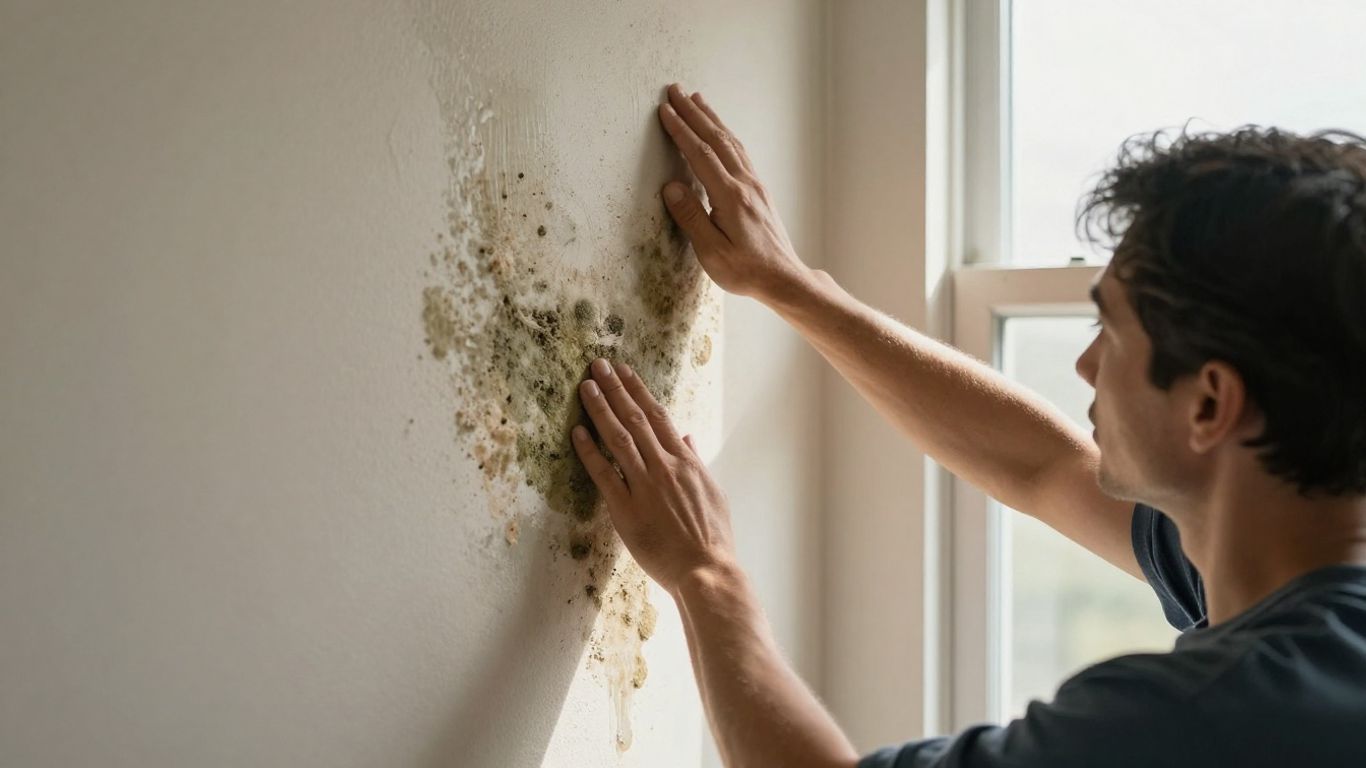
Finding mold in your home can be unsettling, to say the least. It’s not just an eyesore; it can affect your health and the structural integrity of your house. When you first spot it, or even just suspect it’s there, the most important thing is to act quickly and smartly. Don’t panic, but don’t ignore it either. The longer mold has to grow, the bigger the problem becomes, and the more expensive it can get to fix.
Immediate Actions to Contain Mold Spread
Once you notice mold, your first instinct might be to scrub it away. Hold on a second! Before you grab the bleach, think about containment. Mold spores are tiny and can travel through the air. If you start scrubbing or disturbing the moldy area without proper precautions, you could be spreading those spores to other parts of your home. So, what should you do?
- Isolate the Area: If possible, close doors leading to the affected room. If it’s a small area, you might be able to cover furniture with plastic sheeting and tape it down to create a barrier.
- Ventilate (Carefully): Open windows in the affected room to the outside, but only if it’s not raining or excessively humid. This can help reduce moisture and air out the space. However, be mindful that this could also spread spores outside your home.
- Turn Off Your HVAC: This is a big one. If you suspect mold is in your ventilation system or could be spread through the air, shut off your heating, ventilation, and air conditioning system immediately. Running the fans can push mold spores all over your house. Turning off your HVAC is a critical step.
- Document Everything: Take pictures or videos of the mold you see. Note the location, size, and any visible signs of water damage. This will be super helpful later when you talk to your insurance company.
What Not to Do Before Professionals Arrive
There are a few common mistakes people make when they find mold that can actually make things worse. Avoid these pitfalls:
- Don’t try to clean large areas yourself: While small spots of surface mold might be manageable, anything more than a square foot or two is usually best left to the pros. DIY attempts can spread spores or not fully remove the mold.
- Don’t ignore the smell: That musty odor is your nose telling you something is wrong. Even if you can’t see the mold, a persistent smell means it’s likely there, possibly in hidden spots like behind walls or under flooring.
- Don’t paint over mold: Painting or caulking over mold doesn’t kill it. It just hides it, allowing it to continue growing and potentially causing more damage underneath.
- Don’t use regular cleaning supplies on extensive mold: Bleach might kill surface mold, but it doesn’t always penetrate porous materials where mold roots can live. Plus, mixing cleaning chemicals can be dangerous.
Communicating With Your Insurance Provider
As soon as you’ve taken initial containment steps and documented the damage, it’s time to contact your insurance company. The sooner you report the issue, the better. They’ll guide you through their specific claims process.
- Notify Them Promptly: Call your insurance agent or the claims department as soon as possible after discovering the mold. Delays can sometimes affect coverage.
- Explain the Cause: Be ready to explain what you believe caused the mold. Was it a leaky pipe, a storm, or a flood? The cause of the water damage is often key to whether your policy covers mold remediation. Professional mold removal often starts with identifying the source of moisture.
- Ask About Coverage: Inquire specifically about mold coverage. Policies vary widely, and some may have limitations or exclusions for mold damage, especially if it’s due to long-term neglect or poor maintenance.
- Follow Their Instructions: Your insurance provider will likely assign an adjuster to assess the damage. Cooperate fully with them and provide all the documentation you’ve gathered. They might recommend specific mold cleanup services that work with insurance, or they may allow you to choose your own provider, subject to their approval.
Dealing with mold damage is stressful, but remember that a structured approach can make the process much smoother. Focus on containment, avoid DIY fixes for significant issues, and communicate clearly and quickly with your insurance company. This proactive stance will help protect your home and your health.
Remember, the goal is to stop the mold’s spread and get your home back to a healthy state. Getting professionals involved early is usually the most effective way to achieve this, especially when insurance is involved.
Comprehensive Mold Assessment and Inspection Procedures
When you’re dealing with a potential mold problem, especially one that might involve insurance, the first thing you need is a really thorough look at what’s going on. This isn’t just about spotting the fuzzy stuff on the wall; it’s about figuring out where it came from and how far it’s spread. A good assessment team will look for more than just the obvious.
Detecting Hidden Water Sources and Mold Colonies
Mold needs moisture to grow, and that moisture often comes from places you can’t easily see. Think leaky pipes behind walls, condensation building up in attics, or even a slow drip from a window seal. Professionals use special tools, like moisture meters and infrared cameras, to find these hidden wet spots before they become big mold problems. They’re looking for any sign of water intrusion that could be feeding mold growth, even if you can’t see any visible mold yet. Identifying the source of the water is the absolute first step to stopping mold for good. Finding these hidden colonies is key to a successful cleanup. It’s like being a detective for your house.
Humidity and Air Quality Testing
Even if you can’t see mold, a musty smell or unexplained allergy symptoms can be a sign that mold spores are floating around in the air. That’s where air quality testing comes in. Specialists will take samples of the air inside your home and send them to a lab to see what’s in them. They’re checking for mold spore counts and types. They’ll also measure the humidity levels in different rooms. High humidity, especially if it stays that way, is a big red flag for potential mold growth. They want to make sure the air you’re breathing is clean and that there aren’t excessive spores that could cause health issues or spread to other areas. This testing helps paint a picture of the indoor environment.
Evaluating Structural Damage Due to Mold
Mold doesn’t just sit on the surface; it can eat away at building materials. When mold grows on drywall, wood, or insulation, it can weaken these materials over time. An inspection will involve checking for any signs of damage like staining, warping, or crumbling. They’ll look at the integrity of the structure to see if the mold has caused any significant harm. This part of the assessment is really important for insurance purposes because it helps determine the full scope of the damage and what needs to be repaired or replaced. It’s not just about cleaning the mold; it’s about fixing what the mold has damaged.
A proper assessment is more than just a quick look around. It involves a systematic approach to find the root cause of the moisture, identify all affected areas, and understand the extent of the damage. This detailed evaluation is what allows for an effective remediation plan and a smoother insurance claim process.
Here’s a quick look at what’s typically involved:
- Visual Inspection: Checking all accessible areas for visible mold growth, water stains, and signs of moisture.
- Moisture Detection: Using tools like moisture meters and thermal imaging to find hidden water intrusion.
- Air Sampling: Testing indoor air quality for mold spore counts and types.
- Surface Sampling: Taking samples from surfaces if mold is suspected but not visible.
- Documentation: Taking photos and notes of all findings, including potential water sources and damaged materials.
This detailed process helps ensure that no mold is missed and that the remediation plan addresses the problem completely. It’s the foundation for getting your home back to normal. If you’re dealing with a water damage event, getting a professional mold assessment is a critical step in the process after a water damage event.
| Assessment Component | Tools Used | Purpose |
|---|---|---|
| Moisture Detection | Moisture Meter, Infrared Camera | Locate hidden water sources behind walls or under floors. |
| Air Quality Testing | Air Sampling Pump, Collection Media | Measure mold spore concentration and identify types present. |
| Visual Inspection | Flashlight, Magnifying Glass | Identify visible mold growth and water stains. |
| Structural Evaluation | Probing Tools, Hammer | Assess the integrity of building materials affected by mold. |
Effective Mold Remediation and Property Restoration
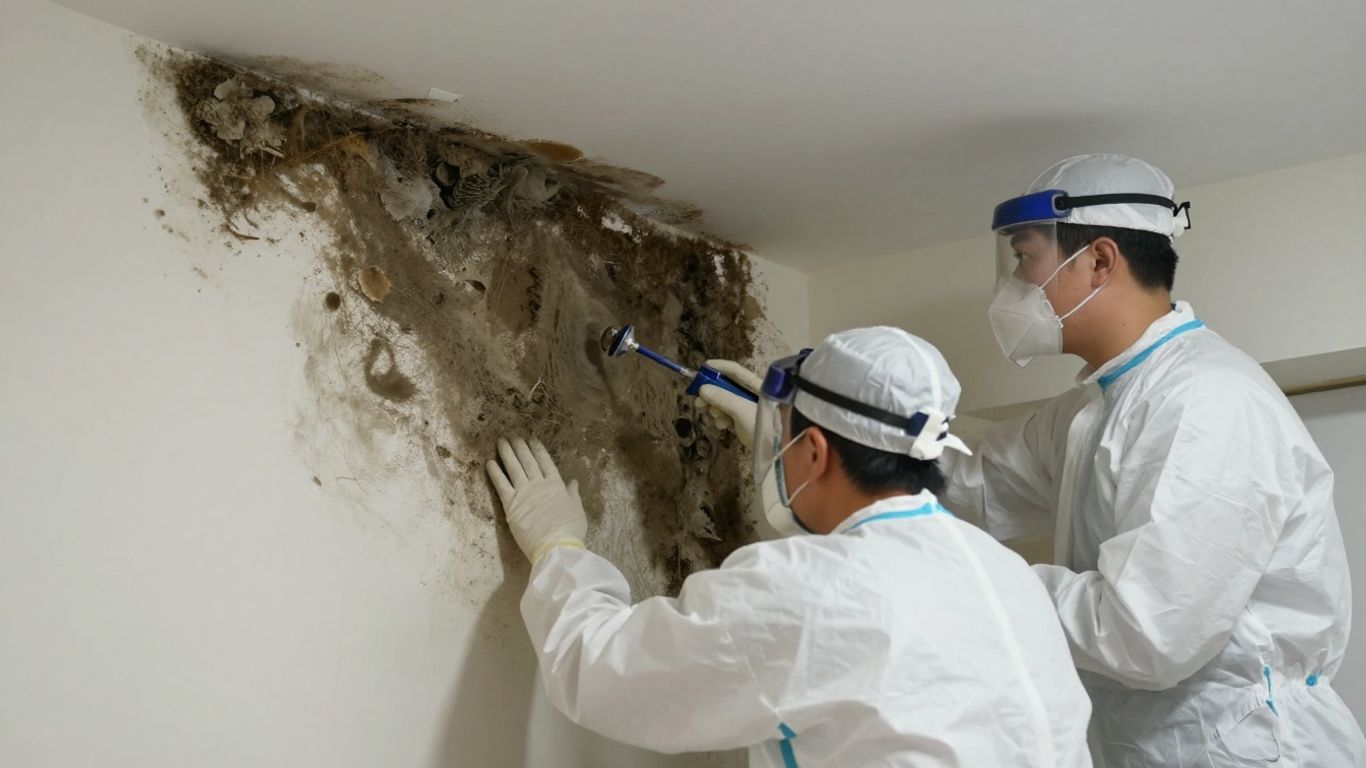
Once mold is discovered, the next big step is getting it properly cleaned up and your property put back together. This isn’t just about wiping away visible spots; it’s a whole process that involves getting rid of the mold, cleaning up the mess, and fixing any damage. Professional mold cleanup services that work with insurance understand this entire cycle. They know how to handle everything from the initial containment to making sure your home is safe and healthy again.
Containment and Removal of Mold-Infested Materials
The first priority is stopping the mold from spreading. Professionals will set up barriers, often using plastic sheeting and negative air pressure, to isolate the affected areas. This prevents mold spores from traveling through your HVAC system or just floating around the house. Then comes the removal. If materials like drywall, insulation, or carpeting are heavily infested, they usually need to be carefully removed and disposed of. It’s a messy job, but it’s necessary to get rid of the source.
Sanitization and Indoor Air Quality Improvements
After the bulk of the mold is gone, the real cleaning begins. This involves using specialized cleaning agents and techniques to kill any remaining mold spores on surfaces. Think of it as a deep clean, but for mold. A big part of this is improving your indoor air quality. Professionals use air scrubbers and HEPA filters to remove airborne spores and contaminants, making the air you breathe much cleaner and healthier. This step is really important for preventing the mold from coming back.
Restoration of Building Structures and Belongings
This is where your property starts to look like itself again. Depending on how bad the damage was, this could mean anything from patching up drywall and repainting to more extensive reconstruction. If personal belongings were affected, they might be taken to a special facility for cleaning and restoration. The goal is to return your home and your things to their pre-mold condition. It’s a big job, and working with insurance mold remediation companies can help make the financial side smoother. They know how to document the work for insurance claims, which is a huge relief when you’re already dealing with the stress of mold damage.
The process of mold remediation is thorough. It’s not just about making it look clean; it’s about ensuring the environment is safe and healthy. This involves multiple stages, from initial assessment and containment to the final restoration and preventative measures. Each step is designed to address the mold effectively and prevent future issues.
Here’s a general idea of what the restoration phase might involve:
- Structural Repairs: Replacing damaged drywall, subflooring, or framing.
- Cosmetic Updates: Painting, installing new flooring, or replacing fixtures.
- Content Restoration: Cleaning and repairing furniture, electronics, and other personal items.
- HVAC Cleaning: Ensuring your heating, ventilation, and air conditioning systems are free of mold spores.
This whole process can feel overwhelming, but having professionals who are experienced with insurance claims makes a significant difference. They can help guide you through the steps and ensure the work is done right, so you can get back to living in a safe home. Understanding the insurance claims process is key here.
Coordinating With Your Lender During Insurance-Funded Mold Cleanup
When your insurance company agrees to cover mold cleanup, it’s not always as simple as getting a check and hiring whoever you want. If you have a mortgage, your lender often gets involved, especially if the repair costs are significant. This is because, technically, the house is collateral for their loan, and they want to make sure it’s properly repaired before any major work happens.
Third-Party Payments and Mortgage Company Involvement
It’s pretty common for insurance settlement checks to be made out to both you and your mortgage company. What happens next can vary. Sometimes, the lender will just sign the check over to you, and you’re responsible for managing the payments to the restoration company. Other times, the lender will hold onto the funds and release them to the contractor in stages, often after an inspector verifies that the work is progressing as it should. You’ll want to have a clear conversation with your mortgage company early on about their specific process and how involved they plan to be. This helps avoid surprises down the road.
Ensuring Quality Control and Work Completion
Even when your lender is involved in the payment process, it’s still your responsibility to make sure the mold remediation job is done right. The lender’s involvement is mainly about protecting their financial interest in the property. They might send an inspector, but that doesn’t mean you can just sit back and relax. You need to stay actively involved, ask questions, and make sure the remediation company is following the agreed-upon plan and meeting industry standards. Don’t hesitate to voice any concerns you have about the quality of the work.
Homeowner Responsibilities in Project Oversight
Your role as the homeowner is pretty important here. You’re the one living in the house and will be living there after the repairs. This means you should:
- Review the remediation plan and the contractor’s bid carefully.
- Keep communication open with both your insurance company and your lender.
- Monitor the progress of the work and report any issues immediately.
- Understand who is responsible for what, especially if there are delays or unexpected problems.
Dealing with mold damage is stressful enough without adding layers of complexity with your lender. Being proactive and understanding the process can make a big difference in getting your home back to normal safely and efficiently. Remember, your lender wants the property restored, but you’re the one who needs to ensure the work is done to a standard that protects your family’s health and the integrity of your home.
It’s also a good idea to check if the contractors are properly licensed and accredited. While your insurer might suggest companies, they can’t force you to use a specific one. You always have the final say in who performs the work. Understanding your insurance coverage is key to managing this entire process smoothly.
Preventing Future Mold Growth After Remediation
So, you’ve gone through the whole mold cleanup ordeal, and thankfully, it’s over. But here’s the thing: mold is a bit like that uninvited guest who just keeps showing up if you don’t address the real problem. The key to keeping your home mold-free after professionals have done their work is all about managing moisture. Without controlling water sources, mold will eventually return.
Maintaining Proper Moisture Levels Indoors
This is probably the most important part. Mold needs moisture to grow, plain and simple. So, you’ve got to keep things dry. Think about where moisture usually hangs out in a house: bathrooms, kitchens, basements, laundry rooms. These are prime spots.
- Ventilation is your friend: Always use exhaust fans when you’re showering, cooking, or running the dishwasher. Make sure they vent outside, not just into the attic. If you don’t have them, consider getting them installed.
- Fix leaks ASAP: That little drip under the sink? Don’t ignore it. Even small leaks can create a damp environment where mold loves to grow. Get them repaired quickly.
- Control humidity: Aim for indoor humidity levels between 30% and 50%. You can use a dehumidifier, especially in damp areas like basements or during humid seasons. A hygrometer can help you keep track of these levels.
Routine Inspections and Maintenance Tips
It’s not a one-and-done situation. You need to keep an eye on things. Regular checks can catch potential problems before they become big mold issues.
- Check under sinks and around appliances: Look for any signs of leaks or dampness. This includes refrigerators, dishwashers, and washing machines.
- Inspect your roof and gutters: Clogged gutters can cause water to back up and seep into your home’s structure. Make sure they’re clear and draining properly.
- Look at window seals: Damaged or old window seals can let in moisture, especially during rain.
- Examine your HVAC system: Ensure it’s working correctly and that condensation is being managed. Sometimes, mold can grow in ductwork if there’s excess moisture.
Proactive Strategies to Reduce Mold Risk
Beyond just fixing leaks and keeping things dry, there are other smart moves you can make. These are about creating an environment that’s just not very welcoming to mold spores.
- Clean up spills quickly: Whether it’s water or something else, don’t let liquids sit on carpets or floors.
- Use mold-resistant products: When you’re renovating or repairing, consider using mold-resistant drywall or paints, especially in areas prone to moisture.
- Ensure good airflow: Don’t block vents. Rearrange furniture if it’s pushed right up against walls, especially exterior ones, to allow air to circulate.
After professional mold remediation, your home should be a safe space again. But remember, mold spores are everywhere in the environment. The goal isn’t to eliminate every single spore, but to control the conditions that allow them to multiply into a problem. Keeping moisture in check is the most effective way to prevent mold from coming back and to protect your home’s integrity.
Think of it like this: the cleanup crew removed the visible mold and dealt with the immediate damage. Now, it’s your job to make sure the conditions that caused it in the first place don’t reappear. It’s about ongoing care for your home, making sure it stays healthy and dry for years to come. This proactive approach is key to long-term success after dealing with mold.
Costs and Insurance Coverage for Mold Remediation Services
Figuring out the cost of mold cleanup can feel like a guessing game, and then there’s the whole insurance part. It’s not always straightforward. The price tag for mold remediation can swing wildly, depending on how widespread the problem is, where it’s located, and the size of your property. You might hear figures ranging from $10 to $25 per square foot, but that’s just a ballpark. For a whole house, you could be looking at anywhere from $10,000 to $30,000 or more if there’s significant damage to walls, floors, and HVAC systems.
Estimating Expenses for Full Property Cleanup
When mold has really taken hold, it’s not just about wiping down a few spots. Professionals need to assess the situation, contain the spread, remove contaminated materials, and then clean and restore affected areas. This can involve:
- Removing and disposing of moldy drywall, insulation, or carpeting.
- Cleaning structural elements like framing and HVAC systems.
- Restoring damaged building materials, which might mean minor repairs or even reconstruction.
- Treating the air to improve indoor quality.
Costs can also go up if specialized treatments or pack-out services for belongings are needed. Sometimes, HVAC system cleaning alone can run $2,000 to $6,000, depending on the complexity.
Insurance Coverage Limitations and Deductibles
Your homeowner’s insurance might cover mold damage, but it’s a big ‘if’. Generally, policies cover mold if it’s a direct result of a covered peril, like a sudden pipe burst or a storm-related flood. If the mold grew slowly over time due to poor maintenance or a long-term leak you didn’t address, insurance companies often deny the claim. It’s also common for policies to have specific limits on mold coverage, sometimes capped at around $10,000, and you’ll almost always have a deductible to meet before the insurance kicks in. Reviewing your policy details is key to understanding what’s actually covered and what’s not. Some policies may require an endorsement for mold coverage.
It’s important to remember that insurance companies usually want to see that the mold growth was unexpected and accidental. If they believe the mold could have been prevented with regular home maintenance, they might not pay for the cleanup.
Handling Unexpected Out-of-Pocket Costs
Even with insurance, you might end up paying some costs yourself. This could be due to your deductible, coverage limits, or exclusions in your policy. If your insurance settlement check is made out to both you and your mortgage company, your lender might get involved in overseeing the work and releasing funds. This can add another layer to the process. It’s wise to get multiple quotes from remediation companies and discuss them with your insurer to get a clearer picture of what will be covered and what you might need to pay from your own pocket. Sometimes, preventative measures like using high-quality air filters can help avoid future costly issues, potentially saving you money in the long run.
Choosing a Local Mold Cleanup Service That Works With Insurance
Finding a mold cleanup company that actually works with your insurance can feel like a puzzle, especially when you’re already stressed about the damage. It’s not just about finding someone who can get rid of the mold; it’s about finding someone who understands the whole insurance claim process. A local service often has an edge here. They know the area, they’re usually quicker to respond, and they’ve likely worked with your specific insurance company before.
Benefits of Local Experience and Rapid Response
When mold pops up, time is really of the essence. The longer it sits, the more it can spread and cause damage. A local company can typically get to your property much faster than a national chain. Think about it: they’re already in your town or a nearby one. This rapid response is key to containing the problem before it gets out of hand. Plus, local businesses often have a better grasp of regional building codes and common issues specific to your area, which can be a big help when dealing with insurance adjusters.
Legal and Regulatory Compliance
It’s important that whoever you hire is properly licensed and follows all the rules. In some places, like Texas, there are specific regulations for mold assessors and remediators. Companies need to be licensed, and there are rules about who can do the assessment versus who can do the cleanup to avoid conflicts of interest. Your insurance company will want to see that all the work is being done legally and correctly. A company that’s upfront about its licenses and certifications is usually a good sign.
Access to Insurance-Approved Restoration Networks
Many insurance companies have networks of restoration professionals they trust. While you usually get to pick your own contractor, working with someone who is part of or familiar with these networks can smooth things over. They know the paperwork the insurance company needs, they understand the billing procedures, and they’re generally experienced in getting claims approved. This can save you a lot of back-and-forth.
Here’s a quick look at what to expect:
- Licensing and Certifications: Always ask for proof. This shows they’re qualified.
- Insurance Experience: Have they worked with your insurer before? Do they know the process?
- Response Time: How quickly can they get to your property in an emergency?
- Local Knowledge: Do they understand local building practices and potential issues?
When you’re dealing with mold and insurance, it’s easy to feel overwhelmed. The best approach is to find a local mold cleanup service that has a solid track record of working with insurance companies. They can guide you through the process, handle the technical aspects of mold removal, and help ensure your claim goes as smoothly as possible. This way, you can focus on getting your home back to normal without the added stress of insurance paperwork.
It’s also a good idea to check if the company has experience with covered events like water damage that often lead to mold issues. This broader understanding can be really helpful when explaining the situation to your insurance adjuster.
Dealing with mold can be tough, especially when you’re not sure how to pay for it. Many homeowners worry about the cost of mold cleanup and how it might affect their insurance. It’s important to find a service that understands how to work with insurance companies to make the process smoother for you. Don’t let mold damage stress you out; find a reliable local mold cleanup service that can handle the insurance side of things. Visit our website today to learn more about choosing the right service and get the help you need.
Wrapping Up Your Mold Cleanup Journey
Dealing with mold can feel overwhelming, especially when you’re not sure if your insurance will cover it. We’ve talked about how important it is to find a mold cleanup service that knows how to work with insurance companies. Remember, these professionals can help sort out the paperwork and make the whole process smoother. Don’t hesitate to ask potential companies about their experience with insurance claims. Getting professional help is key to making sure the mold is gone for good and your home is safe again. It’s worth the effort to find the right team to get your peace of mind back.
Frequently Asked Questions
Will my insurance pay for mold cleanup?
Often, yes! If the mold grew because of a sudden event like a burst pipe or a storm, your insurance might cover the cleanup. But if the mold grew slowly over time because of a leak you knew about but didn’t fix, it might not be covered. It really depends on your specific insurance policy and what caused the mold.
What’s the first thing I should do if I find mold?
First, try to stop the water source causing the mold, if you can safely do so. Then, close off the room where the mold is to stop it from spreading. Don’t touch the mold or try to clean it yourself, especially if it looks like black mold. Turn off your air conditioning and fans in that area. The best thing is to call a professional mold cleanup service right away.
How do I file a mold claim with my insurance company?
Start by calling your insurance company to let them know about the mold problem. They’ll likely send an adjuster to check out the damage. You’ll need to give them all the information you have, like when you first noticed the mold and what you think caused it. Keep good records of everything, like photos and any communication you have with the company.
What kind of documentation do I need for my insurance claim?
You’ll need proof of the damage. This usually means taking lots of clear pictures or videos of the mold and any water damage. Keep any bills or receipts from temporary fixes you had to make. Also, save all the paperwork from the mold cleanup company, including their assessment and the final bill. Your insurance company will tell you exactly what they need.
Can I use any mold cleanup company, or does it have to be one approved by my insurance?
Your insurance company can’t force you to use a specific company. However, they might suggest some companies they’ve worked with before. It’s a good idea to choose a company that has experience working with insurance claims. They’ll know what paperwork is needed and how to deal with the insurance adjusters.
What if my mortgage company is involved?
Sometimes, insurance checks for major repairs are made out to both you and your mortgage company. Your mortgage company might hold onto the money and pay the cleanup crew directly, or they might sign the check over to you. You should talk to your mortgage company to understand how they’ll handle the payment and if they’ll be overseeing the work.
How much does mold cleanup usually cost, and how much does insurance cover?
The cost can vary a lot, from a few hundred dollars for a small spot to tens of thousands for a whole house. Insurance coverage also varies. Some policies have limits on how much they’ll pay for mold, and you’ll likely have a deductible to pay first. Always check your policy details or ask your insurance agent.
How can I prevent mold from coming back after cleanup?
The key is to control moisture! Fix any leaks right away. Keep humidity levels down by using fans and dehumidifiers, especially in bathrooms and kitchens. Make sure your home is well-ventilated. Regularly check for any damp spots, especially after rain or if you have plumbing issues. Keeping things dry is the best defense.
