Wood is a favorite spot for mold because it holds moisture well. Knowing what kills mold on wood and how to deal with it is important for keeping your home healthy. Here are the main things to remember:
Key Takeaways
- Mold loves wood because wood soaks up water, giving mold a place to grow.
- You can clean small mold patches at home using simple solutions like vinegar or dish soap.
- Always wear protective gear like gloves and a mask when cleaning mold.
- Fixing the source of moisture is the only way to stop mold from coming back.
- For big mold problems or if mold keeps returning, it’s best to call a professional.
Understanding Mold on Wood
Wood is a popular material for homes, found in everything from the floors we walk on to the furniture we use and even the structural beams holding things up. Unfortunately, this makes wood a prime spot for mold to set up shop. Mold, a type of fungus, needs just a few things to grow: moisture, warmth, and a food source. Wood provides all of these, making it an ideal environment for mold to thrive. It can start growing in as little as 24 hours after wood gets wet.
Why Mold Thrives on Wood Surfaces
Mold loves wood because it’s porous and can soak up and hold moisture. This moisture is the key ingredient mold needs to grow. Common culprits that lead to damp wood include leaky pipes, roof leaks, poor ventilation in certain areas, and even just high humidity levels inside your home. If you clean mold but don’t fix the moisture problem, it’s just a matter of time before it comes back. It’s like putting a band-aid on a leaky faucet – it doesn’t solve the real issue.
Addressing the source of moisture is the most important step in getting rid of mold. Without fixing the underlying problem, any cleaning you do will only be a temporary fix.
Identifying Different Types of Mold
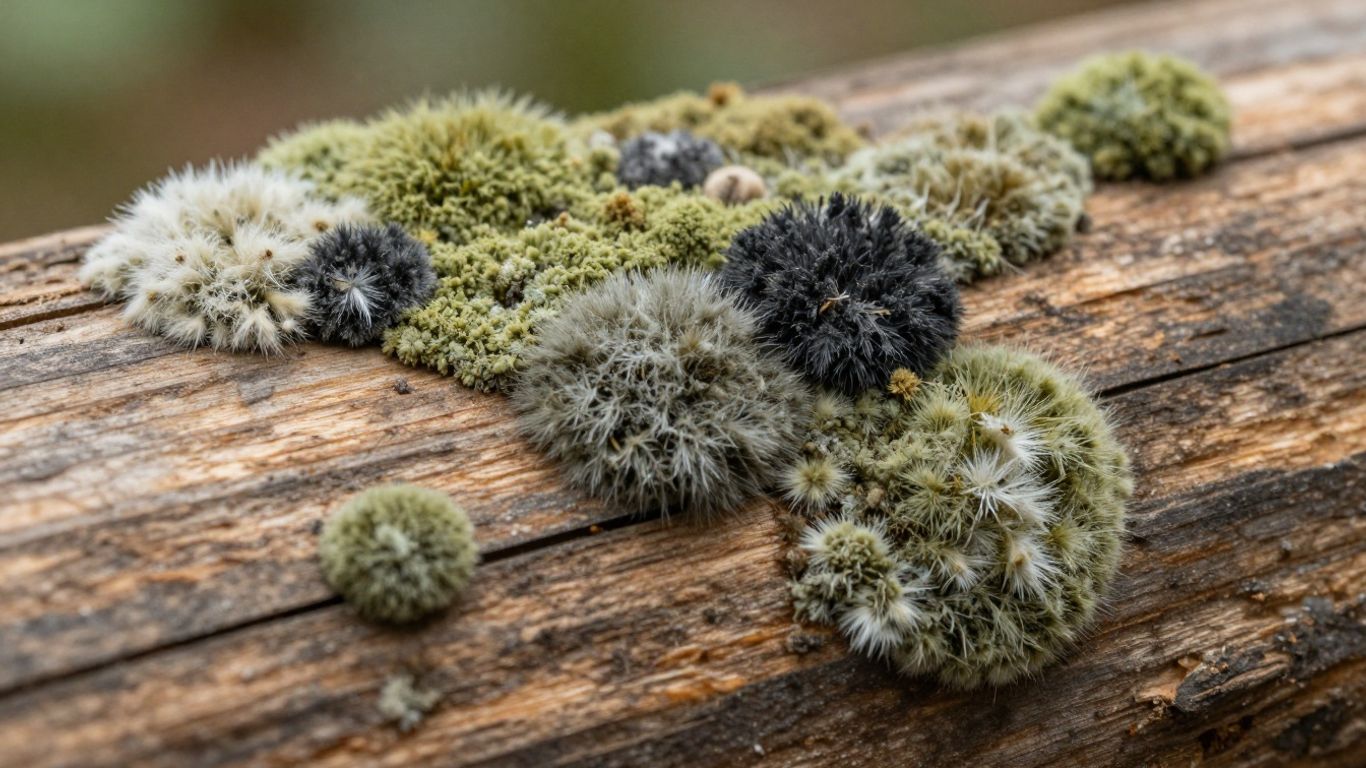
Mold on wood doesn’t always look the same. You might see patches that are black, green, gray, or white. Sometimes it looks fuzzy, other times powdery or even slimy. Beyond the visual cues, a musty, earthy smell is a big giveaway. If the wood starts to feel soft or warp, that’s a sign the mold might be digging deeper into the wood fibers. While not all black mold is dangerous, some types, like Stachybotrys chartarum, can produce toxins that affect your health, causing symptoms like coughing or eye irritation. It’s important to know that molds typically do not cause issues indoors unless they land on a wet surface and start to grow. This growth can potentially lead to health problems [14ff].
Recognizing the Signs of Mold Growth
Spotting mold early is key to dealing with it effectively. The most obvious sign is discoloration on the wood’s surface. Look for those strange colored patches – black, green, gray, or white. Don’t forget your nose; a persistent musty or earthy odor is a strong indicator. Check the texture too. Is it fuzzy, powdery, or slimy to the touch? Soft spots or warping in the wood can also signal a problem. If you’re dealing with a small patch on a piece of furniture, you might be able to handle it yourself. But if the mold covers a large area, or if the wood seems structurally compromised, it might be time to think about professional help. For instance, if you’re exploring the beautiful coastal areas of La Jolla, you wouldn’t want mold to be a concern on your vacation rental [b386].
Safe and Effective Cleaning Solutions
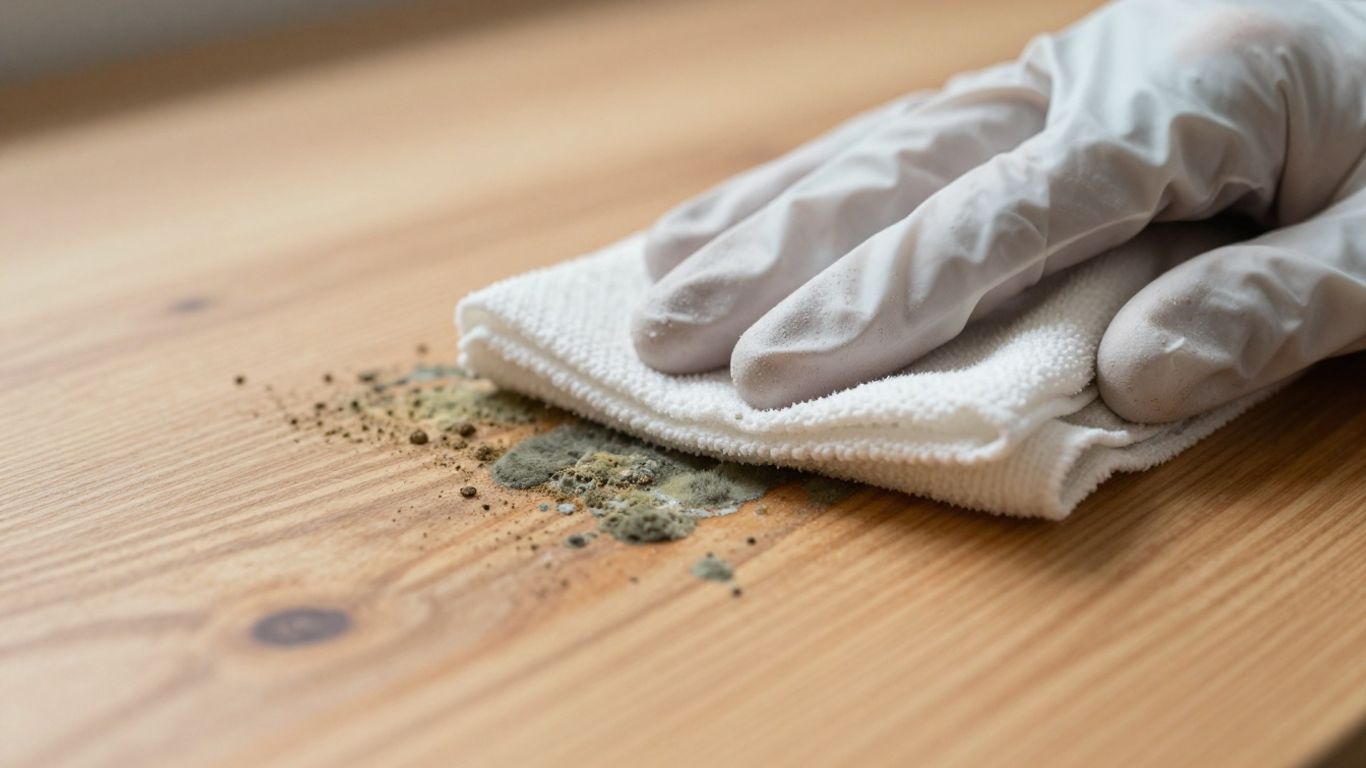
When you spot mold on your wood surfaces, don’t panic. There are several common household items that can help you tackle it without resorting to harsh chemicals. The key is to choose the right solution for the type of wood and the extent of the mold.
Using Dish Soap and Water for Surface Mold
For very light, surface-level mold on finished wood, a simple solution of dish soap and warm water can often do the trick. It’s gentle and won’t damage the wood’s finish. Just mix a teaspoon of dish soap into a spray bottle filled with warm water. Lightly spray the affected area and use a soft brush or cloth to gently scrub away the mold. Afterward, wipe the area clean with a damp cloth and dry it thoroughly with a towel. This method is good for cleaning up visible mold but might not kill spores deep within the wood. It’s a good first step before trying something stronger if needed.
Harnessing the Power of White Vinegar
White vinegar is a real workhorse when it comes to mold. It’s acidic enough to kill a wide variety of mold species, and it’s generally safe for most wood types. Mix equal parts distilled white vinegar and water in a spray bottle. Spray this mixture directly onto the moldy spots and let it sit for at least an hour. This gives the vinegar time to penetrate and kill the mold. After an hour, wipe the area down with a damp cloth, then dry it completely. The vinegar smell is noticeable at first, but it dissipates fairly quickly.
Exploring Borax as a Mold Inhibitor
Borax is another excellent, less harsh option for dealing with mold on wood. It’s a naturally occurring mineral that works as a fungicide. To prepare a borax solution, mix about one tablespoon of borax powder with one cup of warm water. Stir until the borax is mostly dissolved. Apply this solution to the moldy wood using a soft brush, scrubbing gently. The neat thing about borax is that you don’t rinse it off. Leaving a bit of the solution on the surface helps to deter future mold growth. Make sure the wood dries completely afterward, perhaps by using a fan or dehumidifier. This method is particularly good for unfinished or porous wood where you want to leave a protective residue. Remember to always vacuum up loose spores before applying any liquid cleaners.
It’s important to remember that while these solutions are effective for many situations, they work best when the source of moisture is also addressed. Mold needs damp conditions to grow, so finding and fixing leaks or condensation issues is just as vital as cleaning the mold itself.
Here’s a quick rundown of what to use:
- Dish Soap & Water: Best for light surface mold on finished wood.
- White Vinegar: Effective at killing mold species, good for most wood types.
- Borax: Acts as a mold inhibitor, leaving a residue to prevent regrowth, great for unfinished wood.
Always test any cleaning solution on an inconspicuous spot first to make sure it doesn’t discolor or damage the wood. And don’t forget to wear protective gear like gloves and eye protection when you’re cleaning.
Advanced Mold Removal Techniques
Sometimes, the usual cleaning methods just don’t cut it. When you’re dealing with mold that’s really dug in, you might need to step up your game. It’s not always about scrubbing harder; it’s about using the right tools and methods for the job.
When to Consider Hydrogen Peroxide
Hydrogen peroxide is a bit of a powerhouse when it comes to killing mold. It’s a natural disinfectant and can be pretty effective on wood. You can use a 3% solution, which you can usually find at any drugstore. Just spray it directly onto the moldy spot, let it sit for about 10-15 minutes, and then wipe it away. It’s a good option if you’re looking for something a bit stronger than vinegar but still want to avoid harsh chemicals. It can also help lighten stains left behind by the mold.
The Role of HEPA Vacuums in Spore Control
Mold doesn’t just sit there; it releases tiny spores into the air. These spores can spread and cause new mold growth elsewhere, or worse, cause health problems. This is where a HEPA vacuum comes in handy. HEPA stands for High-Efficiency Particulate Air, and these vacuums are designed to trap even the smallest particles, including mold spores. Using a HEPA vacuum before you start cleaning can help prevent spores from becoming airborne. After you’ve cleaned the visible mold, vacuuming the area again with a HEPA filter can catch any remaining spores. Just remember to dispose of the vacuum bag carefully afterward, sealing it tightly before throwing it away.
Sanding Wood to Eliminate Stubborn Mold
For mold that has really penetrated the wood surface, sanding might be your best bet. This is a more aggressive approach, so it’s usually a last resort for visible mold. You’ll want to start with a coarser grit sandpaper to remove the mold and any stained wood, then move to a finer grit to smooth the surface. Always wear protective gear, like a mask and gloves, when sanding. After sanding, clean the area thoroughly and consider applying a mold-inhibiting sealant to protect the wood going forward. If the mold is extensive or you’re dealing with soft, rotting wood, it might be time to look into professional help for wood restoration.
It’s important to remember that sanding can create a lot of dust, including mold spores. Make sure the area is well-ventilated, and consider sealing off the room if possible to prevent spores from spreading throughout your home. Always clean up all dust and debris thoroughly after sanding.
Here’s a quick look at when each method might be most appropriate:
- Hydrogen Peroxide: Good for surface mold, stains, and as a step up from vinegar.
- HEPA Vacuum: Best used before and after cleaning to capture airborne spores.
- Sanding: For mold that has deeply penetrated the wood surface and can’t be scrubbed away.
If you’ve tried these methods and the mold keeps coming back, or if the affected area is very large, it might be time to call in the pros. They have specialized equipment and knowledge to handle tough mold situations. You can find resources on mold remediation from organizations that offer guidance on cleaning.
Crucial Safety Precautions for Mold Removal
Alright, so you’ve decided to tackle that moldy wood yourself. That’s great, but before you grab any old rag and spray bottle, let’s talk about staying safe. Mold isn’t just an eyesore; it can mess with your health, especially if you’ve got allergies or breathing issues. Taking the right precautions is non-negotiable.
Essential Protective Gear to Wear
Think of this like gearing up for a messy, but important, mission. You don’t want mold spores getting into your system. Here’s what you should have on hand:
- Respirator: A NIOSH-approved N95 respirator is your first line of defense against breathing in mold spores. If you’re dealing with a larger area or a tougher job, a half-face or full-face respirator might be a better choice.
- Eye Protection: Goggles that seal around your eyes are a must. Regular glasses won’t cut it; you need something that keeps dust and tiny particles out.
- Gloves: Protect your skin with non-latex, vinyl, nitrile, or rubber gloves. Never touch mold or moldy materials with your bare hands.
- Clothing: Wear old clothes that you can wash immediately after cleaning, or even better, dispose of them if they’re heavily contaminated. Long sleeves and pants are a good idea too.
Ensuring Proper Ventilation During Cleaning
This is super important. You need fresh air circulating to help clear out mold spores and any fumes from cleaning products. Open up windows and doors as much as possible. If you have fans, set them up to blow air out of the room you’re working in, not into other parts of the house. This helps prevent spreading spores around. It’s a good idea to keep the area you’re cleaning separate from the rest of your living space if you can.
Never mix cleaning products, especially bleach with ammonia or other cleaners. This can create dangerous fumes. Stick to one cleaning solution at a time and always follow the product’s instructions.
Handling Moldy Debris Safely
Once you’ve scrubbed away the mold, what do you do with the mess? Don’t just toss it in a regular trash bag and leave it. Seal moldy materials in heavy-duty plastic bags, tie them up tight, and then place those bags into another sealed bag. This double-bagging helps contain the spores. If you’re dealing with a lot of contaminated material, you might need to check local regulations for proper disposal. For significant water damage or mold covering more than 10 square feet, it might be time to look into professional mold remediation.
Here’s a quick rundown of what to do with moldy items:
- Hard Surfaces: Clean thoroughly with a suitable cleaner and dry completely. Some items might be salvageable.
- Porous Materials: Things like ceiling tiles, carpet, or drywall that are heavily infested might need to be thrown away. Mold can get deep into these materials, making complete removal difficult.
- Disposal: Double-bag all contaminated debris before taking it outside for disposal.
Knowing When to Call a Professional
Sometimes, you just have to admit defeat and call in the cavalry. While tackling small mold patches on wood can be a DIY job, there are definitely times when it’s best to step back and let the pros handle it. Ignoring these signs can lead to bigger problems down the road, both for your home and your health.
Assessing the Scale of the Infestation
If the mold covers a large area, it’s time to consider professional help. A good rule of thumb is the 10-square-foot rule: if the moldy area is larger than about a 3-foot by 3-foot patch, it’s probably beyond a simple cleanup. Professionals have the equipment and knowledge to deal with extensive mold growth safely and effectively. They can also identify if the mold has spread into hidden areas, like inside walls or under flooring.
- Mold covering more than 10 square feet.
- Mold that returns repeatedly after cleaning.
- Mold growth in areas with significant water damage.
- Mold that appears to be spreading rapidly.
Recognizing Signs of Structural Damage
Mold isn’t just an eyesore; it can actually eat away at wood, weakening its structure over time. If you notice that the wood feels soft, spongy, or is crumbling, this is a serious red flag. This kind of damage requires more than just surface cleaning. Professionals can assess the extent of the structural compromise and recommend the appropriate repairs. They can also help find the original source of the moisture that allowed the mold to grow in the first place, which is key to preventing future issues.
When mold has been caused by sewage or other contaminated water sources, it’s always best to bring in specialists experienced with that type of cleanup. They have the right protocols to handle hazardous materials safely.
When DIY Mold Removal Isn’t Enough
There are situations where your efforts, no matter how diligent, just won’t cut it. This is especially true for certain types of mold or when the mold has deeply penetrated porous materials like unfinished wood. If you’re dealing with what looks like black mold, it’s often best to err on the side of caution and call in experts. They have specialized tools and containment strategies to manage potentially hazardous mold spores. For extensive issues, consider reaching out to a company like RestorePro Restoration for professional mold remediation services.
- Mold that has caused wood to rot or become structurally unsound.
- Suspected mold growth within HVAC systems.
- Persistent health issues like allergies or respiratory problems that seem linked to mold exposure [b629].
- Mold that has penetrated deeply into porous wood materials.
Preventing Future Mold Growth on Wood
So, you’ve dealt with the mold, and things are looking better. That’s great! But honestly, the real win is stopping it from coming back. Mold loves damp, dark places, and wood is like a five-star hotel for it. The trick is to make your home less inviting for these tiny, unwelcome guests. It’s all about controlling moisture and keeping an eye on things.
Addressing Moisture Sources Promptly
This is probably the most important step. Mold needs water to grow, plain and simple. If you have a leaky pipe under the sink, a roof that’s seen better days, or even just condensation building up, you’ve got to fix it. Don’t just wipe up the water and forget about it. Find the source and stop the water from getting in or pooling up in the first place. If you can dry out a damp area within a day or two, mold usually won’t get a chance to start. Keeping your gutters clear and making sure the ground slopes away from your house are good ways to manage water around your home. It’s about being proactive and not letting little water issues turn into big mold problems. Check out tips for water damage to get a better idea of what to look for.
Maintaining Optimal Indoor Humidity Levels
Even if you don’t have obvious leaks, the air in your home can be too damp. Mold spores are everywhere, just waiting for the right conditions. Aim to keep your indoor humidity between 30% and 50%. You can use a dehumidifier, especially in basements or bathrooms where moisture tends to hang around. Running exhaust fans when you shower or cook also makes a big difference. It might seem like a small thing, but controlling the general dampness in the air really helps.
Regular Inspection of Vulnerable Wood Areas
Think of this as a regular check-up for your home’s wood. Pay special attention to areas that are more likely to get wet. This includes places around windows and doors, decks, and any wood that’s close to plumbing. Look for any signs of dampness, discoloration, or that musty smell. Catching mold early, when it’s just a small spot, is so much easier to deal with than a big infestation. Keeping sealants in good shape is also key, especially on exterior wood. A quick look around every few months can save you a lot of trouble down the line. You can find more details on wood maintenance to help you keep your surfaces in good shape.
Mold prevention isn’t a one-time fix; it’s an ongoing process of vigilance. By consistently managing moisture and inspecting your home, you create an environment where mold struggles to survive, protecting both your property and your health.
Conclusion
Tackling mold on wood might seem daunting, but with the right knowledge and tools, it’s a manageable task. Remember, addressing the moisture source is key to preventing its return. For small spots, household cleaners and a bit of elbow grease can work wonders. However, don’t hesitate to call in the pros for larger or persistent problems. Keeping your wood surfaces clean and dry is the best defense against mold.
Frequently Asked Questions
What’s the difference between mold and mildew?
Think of mildew as a common, often powdery type of mold. It usually shows up as white or gray and can turn brown or black. You might find it in damp spots like basements or bathrooms. If a stain lightens when you wipe it with bleach, it’s probably mildew. If it doesn’t change, it’s likely just dirt.
Can I really save wood that has mold on it?
Yes, you often can! If you catch the mold early and fix the water problem causing it, cleaning it up can save your wood. The trick is to act fast. The sooner you deal with it, the better your chances of getting rid of it for good.
How do I stop mold from growing on wood in the first place?
The best way to prevent mold is to keep wood dry. Fix any leaks right away, even small ones. Make sure your house has good airflow, especially in bathrooms and kitchens. Using a dehumidifier can help lower the dampness in the air. Also, check areas where wood meets windows or pipes often.
What kills black mold on wood?
Some black mold, like Stachybotrys chartarum, can be harmful. If you see a lot of black mold, especially if it looks fuzzy and greenish-black, it’s safest to call experts. They have special tools and knowledge to handle it without spreading dangerous spores. For smaller spots, vinegar can help.
Can I use bleach to kill mold on wood?
It’s generally not a good idea to use bleach on wood. Bleach works best on hard, non-porous surfaces. Wood soaks up water, and the water in bleach can get into the wood, but the part that kills mold (chlorine) doesn’t soak in well. This means the mold might come back later.
What should I do if mold keeps coming back after I clean it?
If mold reappears after you’ve cleaned it, it’s a strong sign that the water problem hasn’t been fully fixed. Mold spores are everywhere, and they’ll grow back if they have moisture. In this case, it’s really best to get help from a professional mold remover. They can find the hidden water source and get rid of the mold properly.
