A flooded basement at 2 a.m. doesn't care about company hours. Truck-mount extractors pull standing water in a single pass; commercial dehumidifiers drive moisture content below 16 percent before any rebuild estimate gets quoted. Indiana farmland and small-town housing stock built on clay subsoil that pushes hydrostatic pressure against prevent foundations makes timing critical — every hour the water sits, the demo footprint grows. The certified mold removal specialists 47226 Clifford IN question truly means "who has trucks staged in Southern Indiana right now and a live dispatcher." Mold Remediation Hotline has both.
About Certified Mold Removal Specialists 47226 Clifford IN in Clifford, IN
A typical Clifford, IN basement flood response runs 5-10 days from extraction to clearance. Phases: emergency extraction (hours 0-6), removal of unsalvageable wet materials (day 1-2), framing drying with LGR dehumidifiers (days 2-5). Antimicrobial application (day 5), and post-remediation moisture/air-quality verification (day 6-7). Each phase ships with photographs and moisture readings for the insurance file.
Basement flooding categories also drive the insurance conversation. Standard Indiana homeowners policies cover sudden, accidental water events (burst pipe, appliance failure) but exclude groundwater flooding (rising water table, surface flood). Sewer backup is usually a separate rider. The certified mold removal specialists 47226 Clifford IN respond is the same regardless — the insurance scope depends on accurate cause documentation.
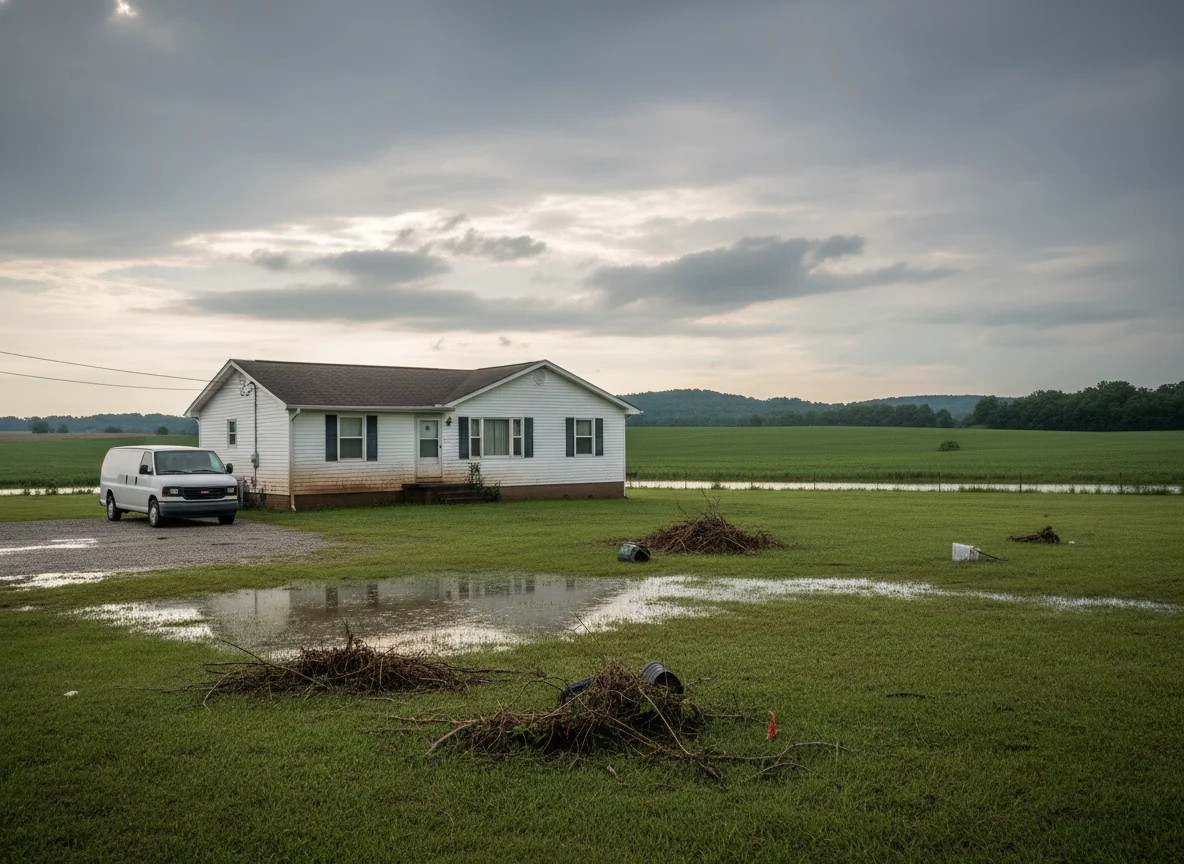
Why Basement Flooding Matters for Clifford Residents
Why immediate skilled response matters: mold spores germinate at 24-48 hours, wood-decay fungi take hold at 72 hours, and electrical corrosion compounds with moisture. On top of that, a 4-hour delay can double the eventual job cost. Underneath the obvious deterioration is usually crawl-space vapor barriers tearing at the seams and letting ground moisture wick upward.
Wood-decay fungi spread by spore aerosolization. On top of that, indiana climate amplifies this because conditioned air mixes faster across rooms. Without HEPA-filtered sealed zone during demolition, a contained issue becomes a whole-house issue.
Warning Signs in Clifford, IN 47226 Homes
- Cold-feeling concrete floor in normally-dry weather (active moisture)
- Pooling water around the foundation exterior after rain
- Wet or damp drywall tape lines along the bottom 12 inches of basement walls
- Sewer odor without visible water (often precedes a backup event)
- Active dripping or water flow that homeowner cannot stop
- Loud sump pump cycling on a non-rainy day (groundwater intrusion)
Our Basement Flooding Remediation Services in Clifford, IN
Every certified mold removal specialists 47226 Clifford IN call in 47226 runs through the same inspection-first scoping process — the demo plan never starts until the affected zone is mapped.
Demolition & Material Removal
Commercial-grade LGR dehumidifiers, air movers, and sealed drying chambers bring affected materials below 16 percent dampness content per IICRC S500 standards.
Structural Drying
HEPA-filtered negative air machines, containment barriers, removal of contaminated drywall and insulation, and EPA-registered antimicrobial application to all framing and concrete.
Antimicrobial Treatment & Clearance
Post-job evaluation of sump pump capacity, French drain condition, vapor barriers, and exterior grading specific to your {city} {indicate} property.
Inspection & Moisture Mapping
Industrial water extraction equipment removes 99%+ of standing water in a single visit. Pumping is the easy stage; what comes next (drying) determines whether mold colonization happens. We size truck-mount units by basement square footage and water category.
Containment Setup
After extraction, mold inspection begins: thermal imaging to find hidden saturation, pin moisture meters on every wall and sill, surface tape-lifts for visible growth, and an ERMI baseline air specimen. On top of that, the drying plan is written from this data.
How Our Remediation Process Works
Our foremen carry this exact checklist on every Clifford, IN flooded-basement dispatch. The phases never change; the durations vary based on water depth, water category, and floor square footage:
- Triage call. Dispatch gathers the basics — what you see, where it started, how to access — and schedules an in-person inspection inside the work week.
- On-site inspection. Moisture mapping, thermal imaging, air sample, surface tape-lift. Written scope before any demo.
- Demolition. Cut-back to clean wood with 6-12 inch safety margin. HEPA wet-vac during cuts.
- Waste protocol. Every bag of demo material is sealed, labeled with contamination class, and disposed per state mold-waste rules.
- Structural drying. LGR dehumidifiers + air movers running 3-7 days. Daily moisture logs.
- Antimicrobial application. Fogging system distributes EPA-registered fungicide across the exposed work zone, including hidden surfaces.
- Build containment. Negative air pressure, sealed perimeter, PPE swap chamber, smoke-tested for leaks before demo begins.
- Post-remediation verification. Independent third-party lab air sample plus surface tape-lift. Pass before any new flooring goes back.
Expert Experience: What We've Seen in Clifford, IN
After enough basement floods you can predict where the wet spots will appear before setting up the moisture meter. Cove between footing and slab is always wet first. Egress window wells are second. Around floor drains third. Equally important, indiana farmland and small-town housing stock built on clay subsoil that pushes hydrostatic pressure against stop foundations ensures all three appear on most calls.
Insurance and legal point on basement floods: never dispose of sewage-contaminated material as standard trash. Category 3 black water waste requires sealed bag-out and labeled hauling under EPA and state biohazard guidance. Important to flag, mixing it into regular trash is a violation in most Indiana counties.
If you're in 47226 and you've found visible mold on subfloor sheathing, stop reading and grab the phone. We'd rather take a precautionary inspection at 2 a.m. than rebuild your kitchen floor next year.
What Our Clifford Customers Say
"Pre-sale inspection flagged subfloor mold under a bathroom. In addition, they scoped the affected area accurately, ran HEPA containment during demo, and the buyer's re-inspection passed without issue."
— Sandra L., Clifford
"Crawl space mold from a vapor-barrier failure. Beyond that, they handled the remediation, recommended encapsulation, and coordinated with a contractor for the follow-up. Field reality: the slow stain bloom on a finished ceiling that the homeowner attributes to roof leaks for two seasons before discovering the bathroom-overflow upstream is the kind of finding that reshapes a scope.
— Bryan T., Clifford
"Found mold growing in the basement after a slow plumbing leak ran for months. Just as important, clearance air sample came back clean." Crew did the full inspection, gave us a written quote, and finished the remediation in under a week.
— Daniel R., Clifford
Pros and Cons of DIY vs. Professional Basement Flooding Remediation
DIY Approach
Pros: Faster on a small patch if you have the right tools (HEPA vac, respirator, polyethylene). Suitable for surface tape-lift verification only.
Cons: Subfloor mold almost always extends beyond the visible patch — most DIY project leaves contaminated wood in place. Important to flag, regularly voids the homeowners insurance mold rider. No clearance documentation.
Professional Remediation
Pros: Inspection scopes the actual affected zone (not just visible). Clearance testing. Demolition removes contaminated wood per IICRC S520 standards. Drying to written moisture targets. That's how attic baffles blocked by blown-in insulation, killing the soffit-to-ridge air path and growing mold on the underside of the roof deck ends up in a remediation scope months later.
Cons: Higher upfront cost. Multi-day job timeline. Coordination with flooring contractor for rebuild.
Tips to Prevent Basement Flooding in Your Clifford Home
- Test foundation drainage every spring — water pooling against the foundation feeds subfloor moisture
- Add a battery-backup sump pump in case of power loss during storms
- Maintain HVAC condensate drain lines (clogs cause slow leaks under floors)
- Keep gutters clear and downspouts discharging 6+ feet from the foundation
- Install or replace vapor barriers before they tear or shift out of place
- Schedule a crawl-space inspection every 18 months — most basement flood starts there
- Pull and inspect any flooring that buckles, lifts, or develops a musty smell
Service Area Context: 47226
Operational context for 47226: average dispatch-to-arrival window during normal traffic is approximately 31 minutes. About 56% of basement flood projects we run in 47226 involve crawl-space-driven moisture rather than direct plumbing or roof intrusion. Our staff has logged approximately 16 basement flood cases in this ZIP area over the past 12 months. The detail most contractors skip is the musty basement smell that lingers long after the obvious water is gone.
Pre-Call Checklist for Clifford IN Homeowners
Before you call us, run through this short checklist — it speeds up the triage and improves the accuracy of your insurance file:
- Have you avoided wading through standing water near submerged outlets or appliances?
- Have you contacted your homeowners insurance carrier to open a claim file?
- Have you cracked basement windows to vent if there is no obvious electrical hazard?
- Have you photographed the standing water and any visible damage BEFORE moving anything?
- Have you noted any tenants, children, or immunocompromised household members?
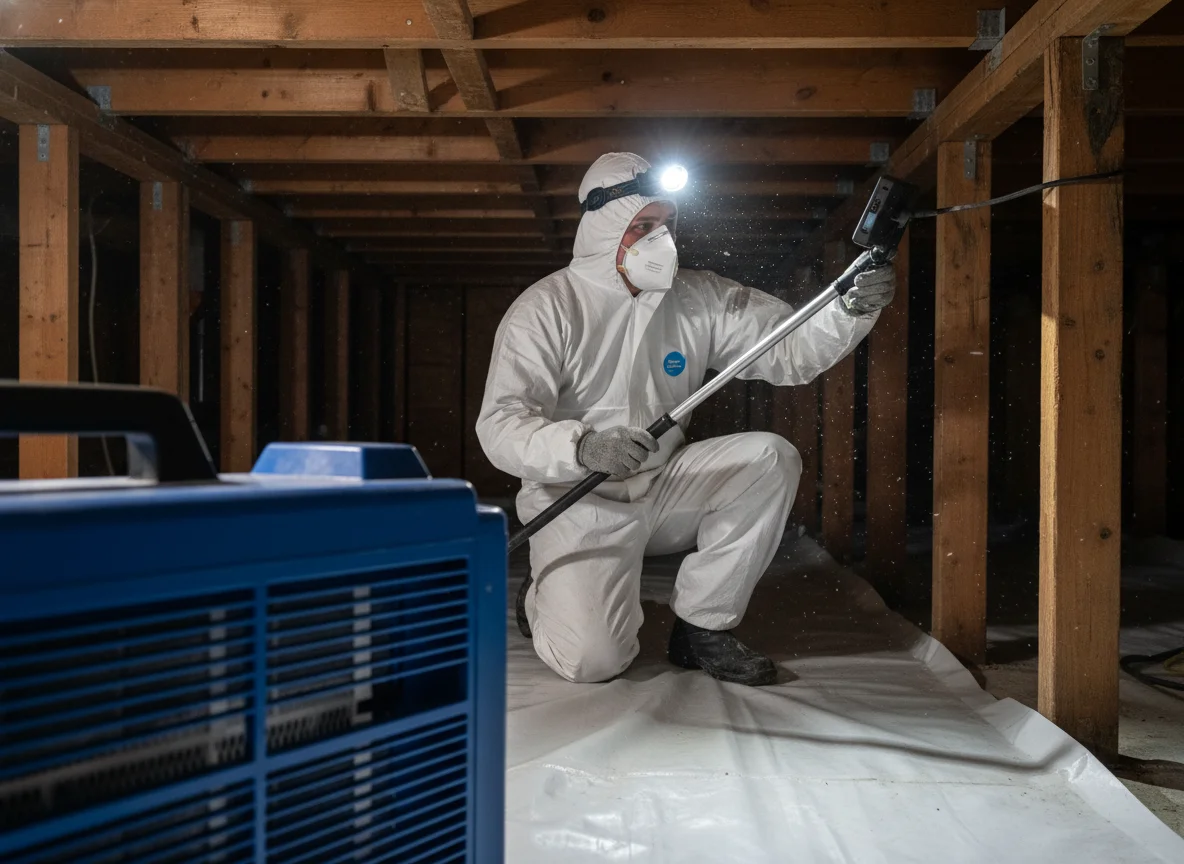
See Our Crew in Action
Service Area Map
Conclusion
When water hits the basement floor, the clock starts and doesn't pause. Equally important, mold colonies establish themselves in 24-48 hours, and every hour after that adds cost and health risk. Mold Remediation Hotline does exactly that across Clifford area. Trade reality: Penicillium drift settling on books and fabric in a finished basement after a sewer backup is the kind of discovery that reshapes a scope.
Frequently Asked Questions About Certified Mold Removal Specialists 47226 Clifford IN
What should I do after certified mold removal specialists 47226 Clifford IN to keep it from recurring?
Three things prevent recurrence: fixing the original dampness source, maintaining crawl-space humidity below 55%, and re-testing air quality 6 and 12 months after remediation. Crucially, the first is non-negotiable; without it, recurrence is guaranteed.
How do I prepare my Clifford home for the remediation team?
Obvious the affected room of furniture and personal items. Don't lift any flooring (we will under sealed zone). Take baseline photos for your insurance file. Don't run dehumidifiers or fans (changes humidity readings). Shut off HVAC to the affected zone if possible.
Is post-remediation testing really necessary?
Yes — for insurance claims, residence sales, and your own peace of mind. Worth noting, third-party clearance air sampling proves the remediation was effective. The detail most contractors skip is winter ice-dam meltwater backing up under shingles and dripping into the soffit cavity for weeks before staining the ceiling below.
Subfloor mold remediation pricing in Clifford, IN — what should I expect?
Costs vary by scope. Whole-basement job can clear $25K. We provide written estimates after on-site inspection — never on the phone. Whole-room subfloor replacement with joist sistering can hit $5K-$15K. A 4x4 ft patch with no joist work runs $1,500-$3,500.
What about Category 3 black water basement flood?
Sewer-backup subfloor work is the strictest category we manage. On top of that, we run entire HEPA containment, biohazard disposal, and ERMI clearance testing. Cross-contamination prevention is critical because sewer pathogens migrate alongside the mold spores.
Will the mold return after professional remediation?
Our benchmark warranty covers the remediated zone for 12 months IF the underlying dampness source has been corrected. The warranty doesn't cover recent mold from a NEW moisture event (varied leak, different cause). Most failures are new sources, not failed remediation.
Will my homeowners insurance cover certified mold removal specialists 47226 Clifford IN?
Coverage hinges on the cause. Mold riders sometimes use. We document the loss event precisely so the carrier has facts to act on, not just a homeowner claim. Burst pipe yesterday: usually covered. That's how condensate drain freeze-ups in unconditioned attics that drip onto kraft-paper insulation ends up in a remediation scope months later.
Why is basement flood considered worse than surface mold?
Three differences: basement flood affects load-bearing wood (load-bearing), it grows on the back face you can't see, and it usually involves wood-decay fungi (not just surface molds). Each requires a different antimicrobial and specification.
How many days will certified mold removal specialists 47226 Clifford IN take in my Clifford, IN home?
Single-room subfloor projects typically take 5-7 days. In addition, the longest phase is always framing drying — moisture content has to drop below 16% before rebuild starts. Multi-room or whole-basement basement flood can take 10-14 days.
Can I DIY basement flood removal?
For a genuinely modest patch (under 4 sq ft) with no visible Stachybotrys, DIY is plausible with HEPA respirator and proper containment. For anything larger, anything with black staining, or anything for an insurance claim, trained remediation is required.
Trusted Sources & References
- Centers for Disease Control and Prevention — Basic Facts about Mold and Dampness
- Environmental Protection Agency — A Brief Guide to Mold, Moisture, and Your Home
- Institute of Inspection, Cleaning and Restoration Certification — IICRC S500 Water Damage Restoration Standard
- Federal Emergency Management Agency — Dealing with Flood Damage
- U.S. Department of Housing and Urban Development — Healthy Homes Mold Resources