Dealing with flood damage can be overwhelming. Here are the most important things to remember to help you get through it and restore your home.
Key Takeaways
- Safety is the top priority when returning to a flood-damaged home. Turn off utilities and avoid standing water.
- Contact your insurance company right away and document all damage with photos and videos.
- Professional flood restoration services are vital for thorough water extraction, drying, and sanitization.
- Hidden moisture can lead to mold and structural problems, so rapid and complete drying is essential.
- Understand your insurance policy and work with professionals to help with the claims process.
Immediate Steps After Flood Damage
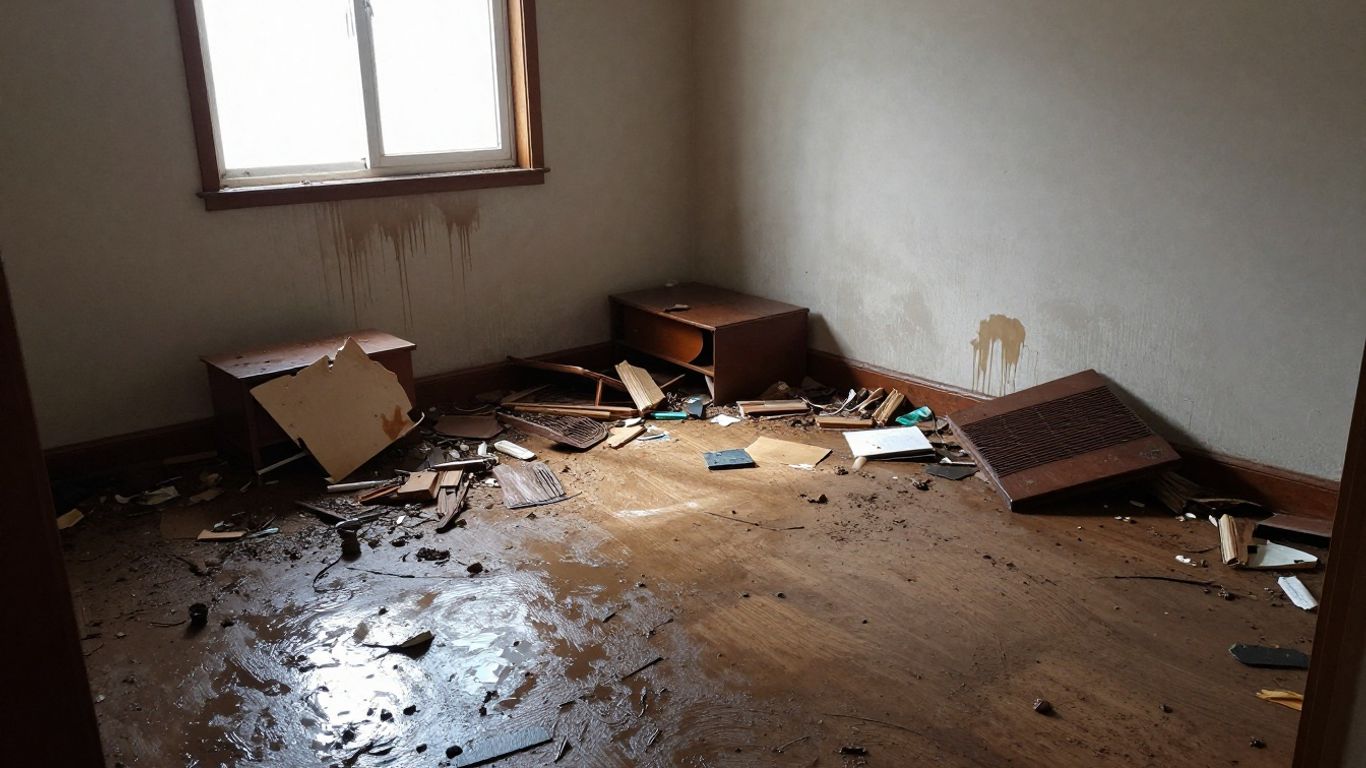
Okay, so the water’s finally gone down, and you’re looking at your home. It’s a mess, I get it. But before you even think about grabbing a mop, there are some really important things you need to do. Your safety is number one, always.
Prioritize Safety Upon Return
First things first: make sure it’s actually safe to go back inside. Sometimes, officials will tell you when it’s okay, but don’t just assume. Look for any obvious signs of structural damage, like cracked walls or a sagging roof. Never step into standing water if you can avoid it, especially if the power might still be on. Floodwaters can hide all sorts of nasty stuff – sharp objects, open holes, and even dangerous bacteria. If you can safely get to your main electrical panel, shut off the power. If not, call your utility company or an electrician. It’s better to wait and be safe than sorry.
Contact Your Insurance Provider
As soon as you can, give your insurance company a call. Don’t wait too long, because they’ll need to start the claims process. Ask them what your policy covers regarding flood damage, what documentation they need from you, and if you should wait for an adjuster before you start cleaning or throwing things away. Sometimes, they have specific requirements, and you don’t want to mess that up.
Document All Damage Thoroughly
This is super important for your insurance claim. Before you move or clean anything, take tons of pictures and videos. Get shots of the water lines on the walls, all the damaged furniture, any structural issues you see, and any standing water left. Make a list of everything that’s ruined, noting how old it was and what you think it was worth. Keep any receipts for things you have to buy right away, like fans or cleaning supplies, because those might be covered too. This detailed record is your best friend when talking to the insurance company.
Remember, floodwaters can carry contaminants like sewage and chemicals. Always wear protective gear, like rubber boots and gloves, when you’re assessing the damage. Don’t take chances with your health.
The Professional Flood Restoration Process
When floodwaters hit your home, it’s a chaotic time. You’re probably wondering what happens next and how to get things back to normal. That’s where professional flood restoration comes in. These teams have the tools and know-how to tackle the mess effectively. Their systematic approach is designed to minimize damage and speed up your recovery.
Water and Flood Damage Assessment
First things first, the pros need to figure out exactly what they’re dealing with. They’ll come in and do a thorough inspection. This isn’t just about looking at the visible water; they’re checking for moisture hidden in walls, under floors, and in your insulation. They use special tools like moisture meters and thermal imaging cameras to map out where the water has gone. Based on this assessment, they’ll create a plan and give you an estimate for the work needed. This initial step is key to making sure nothing gets missed.
Emergency Water Extraction
Once they know the scope of the problem, the next step is getting rid of all the standing water. This is usually done with powerful pumps and specialized wet/dry vacuums. The sooner they can remove this water, the better, as it helps stop further damage from spreading. Think of it like bailing out a sinking boat – the faster you get the water out, the less damage occurs. This is a critical part of the water damage restoration process.
Drying and Dehumidification
After the bulk of the water is gone, the real drying begins. This is where professional-grade equipment makes a huge difference. They use industrial air movers, which are much more powerful than regular fans, to circulate air and speed up evaporation. They also deploy high-capacity dehumidifiers that pull a lot of moisture out of the air. This process is vital for preventing mold and structural issues down the line. They’ll monitor the drying process closely, often visiting daily to check progress and adjust equipment as needed.
Cleaning and Sanitization
Water damage, especially from floods, can leave behind more than just moisture. It can bring in dirt, debris, and even harmful bacteria. So, after drying, everything needs a thorough cleaning. Professionals use specialized cleaning agents and techniques to sanitize all affected surfaces, furniture, and belongings. This step is super important for removing odors and making sure your home is safe and healthy again, especially since mold can start growing in as little as 24-48 hours.
The goal of professional cleaning and sanitization is not just to make things look clean, but to eliminate potential health hazards and prevent the growth of mold and bacteria that thrive in damp conditions.
Here’s a quick look at what they tackle:
- Surfaces: Walls, floors, and ceilings are cleaned and disinfected.
- Belongings: Furniture, carpets, and personal items are assessed for cleaning or restoration.
- Odor Control: Deodorizing treatments are applied to remove musty smells.
- Mold Prevention: Sanitizing solutions help inhibit future mold growth.
Addressing Structural and Material Damage
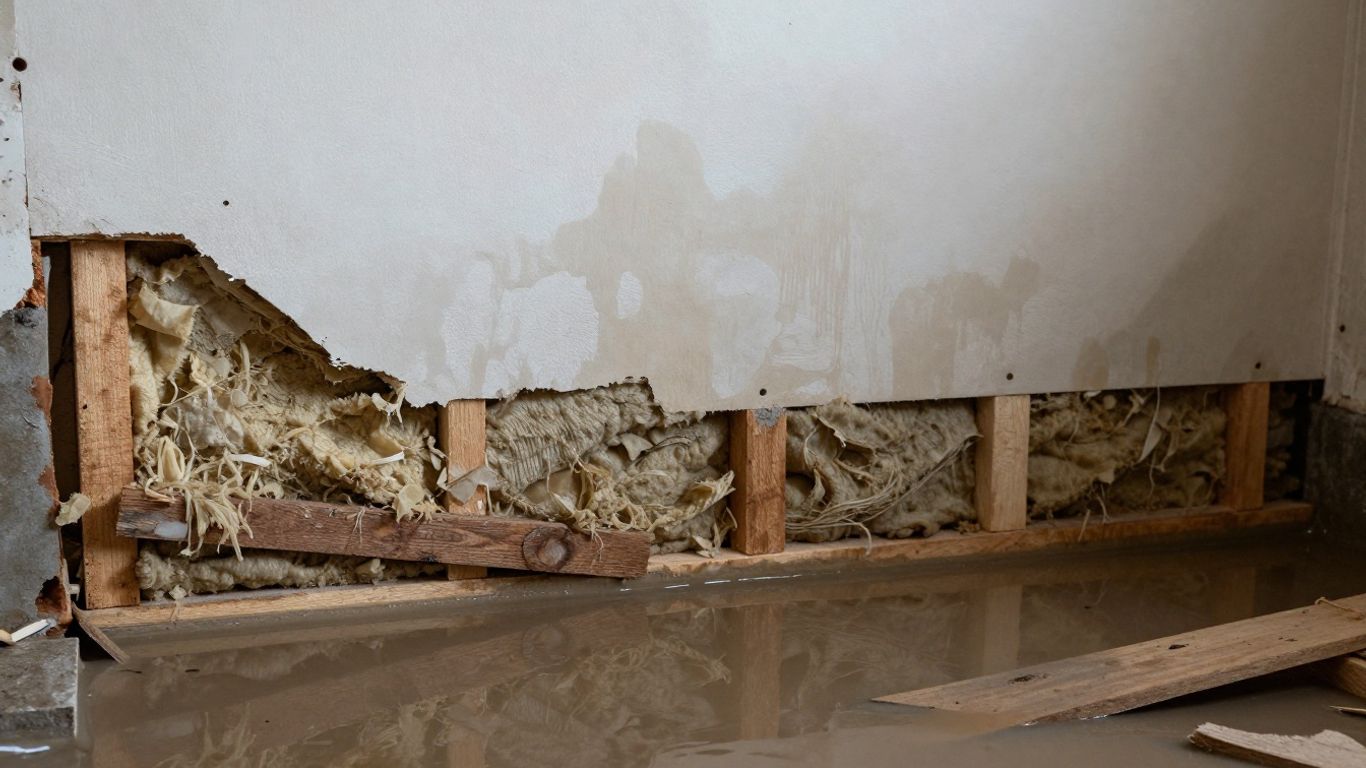
Once the immediate water removal is done, the real work of fixing things begins. This is where we get into the nitty-gritty of repairing the actual structure of your home and the items inside it. It’s not just about drying things out; it’s about making sure your house is safe and sound again.
Removal of Damaged Materials
This is often the first big step after the water’s gone. Anything that’s too damaged to be saved has to come out. Think soaked drywall, ruined insulation, warped flooring, and furniture that’s beyond repair. Professionals will carefully remove these items to prevent further damage and to make way for new materials. They’ll also sort through belongings to see what can be salvaged and what needs to be discarded. It’s a tough process, seeing all your stuff piled up, but it’s necessary.
- Drywall and Plaster: Often needs to be cut out and replaced if it’s saturated and shows signs of swelling or crumbling.
- Flooring: Carpets, padding, and even some types of wood or laminate flooring usually have to be removed entirely.
- Insulation: If insulation in walls or attics gets wet, it loses its effectiveness and can become a breeding ground for mold, so it’s typically removed.
- Personal Belongings: Items like upholstered furniture, mattresses, and electronics might be unsalvageable.
Restoration and Repairs
After the damaged stuff is out, it’s time to put things back together. This involves repairing the structural elements of your home. This could mean fixing framing, replacing subfloors, or putting up new drywall. It’s about rebuilding the integrity of your house. Sometimes, it’s minor fixes, and other times, it’s a bigger job, like rebuilding a whole section of a wall. The goal is to get your home back to how it was before the flood, or even better.
The process of rebuilding requires careful attention to detail to ensure that all repairs are not only aesthetically pleasing but also structurally sound, preventing future issues.
Salvaging Wood Floors
Wood floors can be tricky. Sometimes, they can be saved, and other times, they’re a lost cause. If they’re not too badly warped or damaged, professionals can use specialized drying techniques to try and bring them back. This might involve using targeted heat and airflow to slowly dry out the wood and prevent further warping or swelling. It’s a delicate operation, and success isn’t guaranteed, but it’s worth trying if the floors are valuable or if replacing them would be extremely costly. Sometimes, they can even help with specialized repair needed for saturated partitions to prevent rot in structural framing.
Here’s a quick look at what might happen with wood floors:
- Assessment: Experts check the extent of water saturation and any visible damage like cupping or buckling.
- Drying: Specialized equipment is used to slowly and evenly dry the wood, often over several days or weeks.
- Refinishing: Once dry, floors may need sanding and refinishing to restore their appearance and protect them.
It’s a lot to deal with, but taking these steps systematically helps make sure your home is truly restored and safe.
Preventing Long-Term Issues
The Importance of Rapid Drying
After the initial water removal, the clock is ticking. Getting your home thoroughly dried out as quickly as possible is the single most important step to prevent a cascade of long-term problems. Think of it like this: the longer materials stay wet, the more they absorb moisture, and the harder it becomes to fully dry them. This prolonged dampness creates the perfect breeding ground for mold and can weaken the structural integrity of your home. Professionals use specialized equipment like high-speed air movers and industrial dehumidifiers to speed up this process significantly, often getting things dry in a matter of days rather than weeks. This rapid intervention is key to avoiding issues down the road.
Identifying and Mitigating Hidden Moisture
Water doesn’t always stay where you can see it. It can seep behind walls, under floors, and into insulation. If this hidden moisture isn’t found and removed, it can lead to serious structural damage and mold growth later on. Professionals have tools like moisture meters and thermal imaging cameras to detect these hidden damp spots that you might miss. They can then use targeted drying techniques to pull the moisture out before it causes bigger problems. It’s about being thorough and looking beyond the obvious.
Preventing Mold Growth
Mold needs moisture, warmth, and a food source (like wood or drywall) to grow. Floodwaters often introduce mold spores into your home. If you don’t dry everything out completely and clean affected surfaces properly, mold can start to grow within 24 to 48 hours. This isn’t just about aesthetics; mold can cause health problems and further damage your home’s materials. Proper cleaning with appropriate solutions and complete drying are your best defenses. If you’re dealing with significant water damage, especially from contaminated sources, it’s often best to let the pros handle the mold remediation to ensure your home is safe.
Here’s a quick rundown of what to watch out for:
- Musty Odors: A persistent damp or musty smell is a strong indicator of hidden mold.
- Visible Mold: Any fuzzy or discolored patches on walls, ceilings, or other surfaces.
- Peeling Paint or Wallpaper: This can be a sign of moisture trapped behind the surface.
- Warped Materials: Wood or drywall that looks bent or distorted might be affected by moisture.
Dealing with flood damage is a marathon, not a sprint. Rushing the drying and cleaning process can lead to more expensive repairs and health concerns down the line. Patience and thoroughness are your best friends here.
Understanding Insurance and Claims
Dealing with flood damage is tough enough without adding insurance headaches. It’s important to know what your policy covers and how to get the ball rolling on your claim. Your insurance provider is your first call after ensuring your safety. They can explain your coverage and what steps you need to take next. Sometimes, they might even advise you on whether to wait for an adjuster before starting any cleanup, which can be important for your claim.
Flood Insurance Coverage
Not all insurance policies are the same when it comes to water damage. Standard homeowner’s insurance often covers sudden issues like a burst pipe or a storm that causes water to come in through the roof. However, damage from rising floodwaters, like from a river overflowing, usually isn’t covered by a typical policy. For that kind of protection, you might need separate flood insurance coverage. This is especially true if you live in a flood-prone area. It’s always best to check the specifics of your policy or talk to your insurance agent to understand exactly what you’re covered for.
Navigating the Insurance Claims Process
Once you’ve contacted your insurer, the claims process begins. This can feel like a maze, but staying organized helps. Here’s a general idea of what to expect:
- Initial Report: You’ll file a claim, providing details about the flood and the damage.
- Adjuster Visit: An insurance adjuster will likely visit your property to assess the damage. They’ll look at everything from structural issues to damaged belongings.
- Documentation Review: The adjuster will review your documentation (photos, videos, inventory lists) and compare it with their findings.
- Settlement Offer: Based on the assessment and your policy, the insurance company will make a settlement offer.
Remember, it’s often recommended to take immediate steps to prevent further damage, like covering a damaged roof with a tarp. However, it’s wise to document these temporary fixes before you make them, and communicate with your insurer about what you’re doing.
Documentation for Reimbursement
Thorough documentation is key to getting the reimbursement you deserve. Start taking pictures and videos as soon as it’s safe to return to your property. Capture the water levels on walls, damaged furniture, and any structural issues. Create a detailed list of everything that was damaged, including its age and estimated value. Don’t forget to keep receipts for any emergency repairs or temporary solutions you implement. This detailed record-keeping will be invaluable when you’re working with your insurance company to process your claim and get the funds needed for repairs and replacements.
When to Call Flood Restoration Experts
Dealing with flood damage can feel overwhelming, and sometimes, it’s more than just a simple cleanup job. Knowing when to bring in the pros can save you a lot of headaches and prevent bigger problems down the road. It’s not always obvious, but there are definitely signs that point to needing professional help.
Recognizing Contaminated Water Categories
Floodwaters aren’t always just plain water. They can carry all sorts of nasty stuff. Professionals are trained to identify and handle different categories of water contamination, which is super important for your health and the proper restoration of your home. There are generally three categories:
- Category 1: Clean Water. This comes from a source like a broken pipe or overflowing sink and is generally safe.
- Category 2: Gray Water. This has some contaminants and could cause illness if ingested. Think of water from a washing machine or dishwasher.
- Category 3: Black Water. This is highly contaminated and can come from sewage backups or floodwaters carrying dangerous bacteria and chemicals. This is where professional intervention is absolutely critical.
Handling black water without the right gear and knowledge is a serious health risk. Professionals have the protective equipment and cleaning agents to deal with it safely.
Expertise in Hidden Damage Detection
Water loves to hide. It can seep into walls, under floors, and into crawl spaces where you can’t see it. This hidden moisture is a breeding ground for mold and can weaken your home’s structure over time. Restoration experts have special tools, like moisture meters and thermal cameras, to find this hidden dampness that you might miss. They know where to look and what to look for, making sure everything gets dried out properly. This is key to preventing long-term issues like mold growth and structural decay. Getting a professional assessment can really help you understand the full extent of the damage, not just what’s visible on the surface. You can find local specialists available to address unexpected flooding any time.
Specialized Drying and Remediation Equipment
Your average homeowner doesn’t have industrial-grade dehumidifiers or high-powered air movers. These are the tools that professionals use to dry out your home quickly and effectively. They can remove moisture from materials like drywall, wood, and carpets much faster than just opening windows. This rapid drying is vital to stop mold from growing and to prevent further damage to your home’s structure. Professionals also use specialized cleaning agents and techniques to sanitize affected areas, removing odors and killing any lingering bacteria or mold spores. Promptly addressing water damage is a big part of effective restoration, and these tools make a huge difference. Acting quickly minimizes potential harm to your home or business.
Conclusion
Getting your home back to normal after a flood is a big job, but it’s doable. Remember to always put safety first when you go back in. Take lots of pictures of the damage for your insurance. Don’t be afraid to call in the pros for the really tough stuff like electrical issues or mold – they have the right tools and know-how. It’s also okay to feel stressed; talk to friends or family if you need to. Taking it one step at a time will make the whole process feel less overwhelming. Thinking about ways to prevent flooding in the future, like getting flood insurance, can also help. With a good plan and some patience, your home can be safe and comfortable again.
Frequently Asked Questions
What should I do the moment I realize my home has flooded?
First, make sure everyone is safe. If you can do so without risk, turn off your electricity and gas. Then, call your insurance company to let them know what happened. It’s also a good idea to start taking pictures of the damage.
Is flood damage always covered by my regular home insurance?
Usually, no. Standard home insurance often doesn’t cover damage from outside flooding. You might need a separate flood insurance policy for that. It’s best to check your policy details or ask your insurance agent.
How quickly does mold start growing after a flood?
Mold can start to grow pretty fast, sometimes in as little as 24 to 48 hours after water damage. That’s why it’s super important to get the area dried out as quickly as possible.
Can I clean up flood damage myself?
For minor issues, maybe. But floodwaters can carry nasty stuff like bacteria and chemicals. Professionals have special gear and cleaning solutions to make sure everything is truly clean and safe, especially if the water was really dirty (like sewage).
How long does flood restoration usually take?
It really depends on how bad the flood was and how much damage there is. Simple drying might take a few days, but if there’s a lot of water or structural repairs are needed, it could take weeks.
What’s the difference between grey water and black water?
Think of grey water as water that’s a bit dirty, like from a washing machine or a clogged sink. Black water is the really nasty stuff, like sewage or water from a river that’s full of pollution. Black water is much more dangerous and needs professional cleanup.
