Here are the main points to remember about tackling orange mold on your ceiling. Keep these handy for quick reference:
Key Takeaways
- Orange mold needs moisture, food (like wood or paper), and the right temperature to grow. Leaks and poor ventilation are common culprits.
- Look for fuzzy, textured patches with a musty smell. It’s different from flat, chalky stains or simple dirt.
- For small spots (under 10 sq ft), wear protective gear (mask, gloves, goggles) and clean with vinegar or a mild bleach solution.
- Never just paint over mold. You must remove the mold and fix the moisture problem first, or it will return.
- If the mold covers a large area, is in your HVAC system, or you have health concerns, call a professional mold remover.
Identifying Orange Mold on Your Ceiling
Seeing an orange splotch on your ceiling can be a bit alarming, right? It’s easy to jump to conclusions, but before you panic, let’s figure out what you’re actually looking at. Confirming the presence of mold is the first step to tackling it effectively.
Confirming the Presence of Mold
Sometimes, what looks like mold is just a bit of dirt, some soot from a candle, or maybe a water stain that’s dried. It’s important to tell the difference because you don’t want to go through a whole mold removal process if it’s not actually mold. True mold usually has a fuzzy or velvety texture, unlike a flat stain. It might also give off a distinct musty smell, which is a pretty good indicator that mold is around. If you’re unsure, sometimes professional testing is the only way to be 100% certain.
Distinguishing Orange Mold from Other Stains
Orange mold can sometimes be mistaken for other things. For instance, rust stains on metal surfaces are flat and have a metallic sheen. Mineral deposits, like efflorescence on concrete, look chalky and crystalline. Food stains are usually sticky and come off easily with soap and water. Wood stain or paint discoloration will follow the grain of the wood or have a smooth, uniform finish. Orange mold, on the other hand, tends to be fuzzy and grows in irregular patches. It thrives in damp conditions, whereas many other stains are the result of a one-time event like a spill or leak. If you’re dealing with a persistent moisture problem, it’s more likely to be mold. Addressing high humidity is key.
Characteristics of True Orange Mold
So, what makes something true orange mold? It typically has a fuzzy or cotton-like texture, and you’ll often notice a musty, earthy odor. It doesn’t usually form a smooth, flat surface. Instead, it appears as irregular patches or colonies. This type of mold needs organic material to feed on, like wood or paper products, and it loves humid environments, generally needing relative humidity above 60% to really get going. It also prefers temperatures between 59-86°F (15-30°C). Unlike simple stains, mold has a three-dimensional growth structure. Some species, like Acremonium strictum, can appear orange, yellow, or even pink and are often found on building materials that have been exposed to moisture for a while.
Mold thrives when there’s a combination of moisture, a food source (like the materials in your home), and the right temperature. Without one of these, it can’t grow. Identifying the source of moisture is usually the most important step in stopping mold.
It’s worth noting that while many molds are just unsightly, some can cause health issues, especially for people with allergies or weakened immune systems. If you suspect a large infestation, especially in areas prone to roof leaks, it might be time to call in the pros.
Understanding the Causes of Ceiling Mold
So, you’ve spotted some fuzzy orange stuff on your ceiling. Before you panic, let’s figure out why it’s there in the first place. Mold, including that unwelcome orange variety, doesn’t just pop up out of nowhere. It needs specific conditions to grow, and understanding these is key to getting rid of it and keeping it away.
Moisture Sources: The Primary Trigger
The absolute biggest reason mold shows up on your ceiling is moisture. Think of it as the main ingredient mold needs to survive and spread. Without water or high humidity, mold spores can’t really get a foothold and multiply. This moisture can come from a few different places, and sometimes it’s not even obvious.
- Condensation: This happens when warm, moist air hits a cold surface, like your ceiling. It’s similar to how water droplets form on a cold glass of iced tea in the summer. In your home, this often occurs when there’s a big temperature difference between the air inside and the ceiling surface, especially in poorly insulated areas. This can be a real problem in places with dry winters but warm indoor heating, creating that perfect condensation setup.
- Leaks: Even a tiny drip from a roof leak or a faulty pipe can introduce enough water to start a mold problem. These leaks can be hidden for a while, letting moisture soak into drywall or insulation, creating a damp environment that mold loves. According to the EPA, mold can start growing within 24 to 48 hours after water exposure if the area stays damp.
- High Humidity: Bathrooms and kitchens are notorious for this. Showers, baths, and cooking all release a lot of steam. If your bathroom doesn’t have a good exhaust fan, that steam just hangs around, eventually settling on your ceiling and causing it to get damp.
Organic Food Sources for Mold Growth
Mold needs more than just water; it also needs something to eat. Luckily for mold, most homes are full of potential food sources. Your ceiling itself, made of materials like drywall, wood, or paint, can provide the nutrients mold needs. Dust and dirt that settle on the ceiling can also contribute. It’s not picky; it just needs organic material to break down.
Environmental Conditions Favoring Mold
Besides moisture and food, mold thrives in certain environmental conditions. It generally prefers:
- Poor Airflow: Stagnant air allows moisture to linger and prevents surfaces from drying out. This is why corners and areas with limited ventilation are often the first to show mold.
- Warm Temperatures: While mold can grow in a range of temperatures, warmer conditions often speed up the process. Bathrooms, heated by showers, can become ideal breeding grounds.
- Darkness: Mold doesn’t need sunlight to grow. In fact, it often prefers darker, undisturbed areas, which is why ceilings can be a prime spot.
Addressing the root cause of moisture is the most important step in getting rid of ceiling mold. Simply cleaning the visible mold without fixing the underlying issue, like a leak or poor ventilation, means the mold will likely return. It’s like trying to bail out a sinking boat without plugging the hole.
Understanding these factors helps you pinpoint why that orange mold is appearing on your ceiling and what you need to do to stop it. If you’re dealing with persistent moisture issues, you might want to look into improving ventilation in your home.
Common Areas Prone to Orange Mold
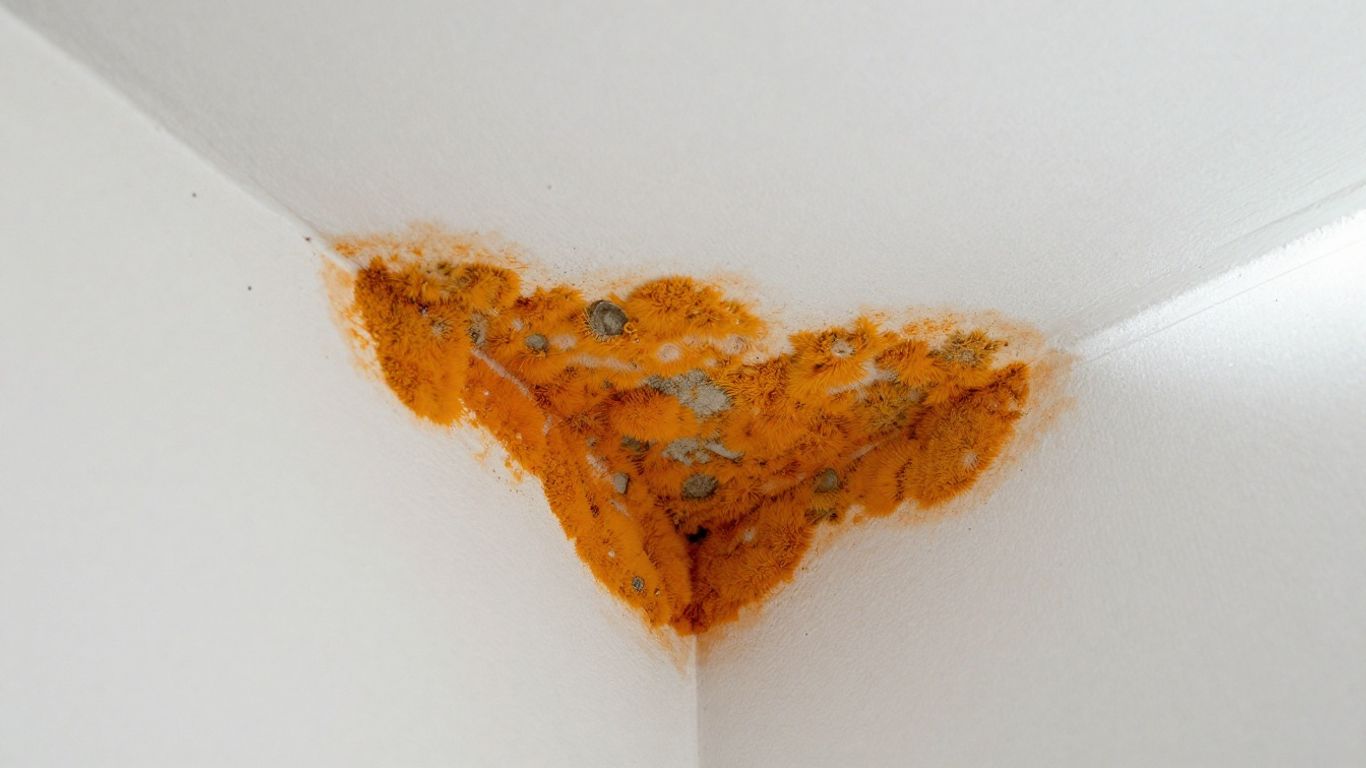
You know, mold can pop up in all sorts of places, but some spots in your house are just practically inviting it over, especially if things are a bit damp. It’s like leaving the welcome mat out for these fuzzy orange guests. Understanding where it likes to hang out is half the battle in getting rid of it and keeping it gone.
Bathroom Humidity and Steam
Bathrooms are basically a mold spa. All that hot water from showers and baths creates a ton of steam. If your bathroom doesn’t have good airflow, that moisture just hangs around, clinging to walls, ceilings, and especially wooden vanities. Grout lines and tile seams are also prime real estate for mold to set up shop. It’s the constant high humidity that really fuels the growth here.
Kitchen Grease and Moisture
Your kitchen might seem less obvious, but it’s another hotspot. Cooking releases steam and grease particles into the air. These can settle on surfaces, including the ceiling above your stove or cabinets. Under the sink is another common culprit, often due to slow plumbing leaks or condensation. It’s not just about water; the grease acts as a food source too.
Basement Water Intrusion
Basements are notorious for mold. They’re underground, so they’re susceptible to water seeping in through foundation walls, especially after heavy rain or snowmelt. Poor ventilation in basements means any moisture that gets in tends to stay there, creating that perfect damp environment. Exposed wooden beams and joists are particularly vulnerable.
Attic Condensation and Leaks
Attics can get pretty damp too, often from roof leaks or condensation. Warm, moist air from the house can rise into the attic, and if it cools down too quickly, condensation forms. This moisture can then get trapped in insulation or settle on the wooden rafters. Areas around vents, chimneys, or skylights are also common spots for leaks to start, providing a direct water source for mold. If you’re dealing with a leaky roof, it’s important to get it fixed quickly, maybe even looking into roof repair services.
Mold loves organic materials when it’s damp. Think wood, paper, and even dust. So, any area in your home that has these materials and struggles with moisture control is a potential problem zone. Keeping these areas dry and well-ventilated is key to preventing mold from taking hold in the first place.
Safe DIY Removal of Orange Mold
Okay, so you’ve spotted that unwelcome orange fuzz on your ceiling. Don’t panic! For smaller patches, you can often handle this yourself. It’s not rocket science, but you do need to be smart about it. Safety first is the name of the game here.
Essential Safety Equipment
Before you even think about grabbing a sponge, gear up. Mold spores can get into your lungs and eyes, and nobody wants that. Here’s what you’ll need:
- Respiratory Protection: A good N95 or P100 respirator mask is a must. Don’t skimp on this.
- Hand Protection: Rubber gloves that go up to your mid-forearm are best. You don’t want mold creeping up your sleeves.
- Eye Protection: Safety goggles will keep spores out of your eyes.
- Body Protection: Disposable coveralls are a good idea, especially if the area is a bit larger. You can just toss them afterward.
Choosing the Right Cleaning Solutions
You don’t always need fancy chemicals. Sometimes, what you have in your cleaning cabinet is perfectly fine. For non-porous surfaces like painted drywall or tile, a diluted bleach solution works well. A 1:10 ratio of bleach to water is usually enough. If you’re dealing with more porous materials, undiluted white vinegar is a solid choice. It’s less harsh but still effective at killing mold. You can also find commercial mold removers, but make sure they’re EPA-registered. Always check the product label for instructions.
Step-by-Step Removal Process
Here’s how to tackle it:
- Isolate the Area: Close doors to the room and cover any vents with plastic sheeting. This stops the mold spores from spreading to other parts of your house. Think of it like creating a mini containment zone.
- Gear Up: Put on all your safety equipment. Seriously, don’t skip any steps here.
- Prepare Your Solution: Mix your bleach solution or have your vinegar ready.
- Apply and Wait: Generously apply your chosen cleaner to the moldy area. Let it sit for about 10-15 minutes. This gives it time to actually kill the mold.
- Scrub: Use disposable cloths or sponges to scrub the area. Work from the outside edges of the mold patch inward to avoid spreading spores.
- Rinse and Dry: Wipe down the area with a damp cloth to remove any residue, and then dry it completely. A fan can help speed this up.
- Dispose Safely: Bag up all your used cleaning materials (rags, gloves, mask, etc.) in sealed plastic bags and throw them away immediately. Then, take a shower.
Remember, DIY removal is best for small, surface-level mold patches. If the mold covers a large area, or if it’s gotten into materials like insulation or wood framing, it’s time to call in the pros. Trying to DIY a big job can actually make things worse and spread the mold further.
Proper Disposal of Contaminated Materials
This is super important. Once you’re done cleaning, all the materials you used – rags, sponges, gloves, your mask, even the coveralls if you wore them – need to be disposed of properly. Seal them up tight in plastic bags. Double-bagging is a good idea. Then, get them out of your house and into your outdoor trash bin right away. This prevents any lingering spores from getting back into your living space. If you’re unsure about the extent of the mold, it might be worth looking into professional mold remediation services to be absolutely sure it’s all gone.
When to Call Professional Mold Remediation
Sometimes, that orange stuff on your ceiling is more than just a cosmetic issue. While small patches might be manageable with a bit of elbow grease and the right cleaner, there are definitely times when you should step back and call in the pros. Trying to tackle a big mold problem yourself can actually make things worse, spreading spores around your home and potentially causing more health issues.
So, when is it time to hand over the cleaning supplies and pick up the phone?
- The mold covers a significant area. If you’re looking at more than about 10 square feet of mold growth, it’s generally considered a large infestation. Trying to clean that much yourself is a huge undertaking and increases the risk of airborne spores. Professionals have the equipment to contain and remove large amounts safely.
- The mold keeps coming back. You’ve cleaned it, it looked gone, but then it reappears. This usually means the underlying moisture problem hasn’t been fully fixed, or the mold is deeper than you can reach. Professionals can identify and fix the root cause.
- There are serious health concerns. If anyone in your household has allergies, asthma, or a weakened immune system, DIY mold removal can be risky. The cleaning process itself can release spores, and harsh chemicals might be needed that aren’t safe for everyone. It’s always better to err on the side of caution when health is involved.
- The mold is linked to contaminated water. If the mold appeared after a sewage backup or flood with contaminated water, you absolutely need professionals. They have specialized training and equipment to handle hazardous materials and ensure the area is truly safe.
Dealing with mold can be stressful, but knowing when to call for help is key to protecting your home and your family’s well-being. Professionals have the tools and knowledge to handle situations that are beyond a typical DIY fix, ensuring the job is done right the first time.
If you’re unsure about the extent of the problem or if it involves your HVAC system, it’s wise to get a professional opinion. They can perform inspections and testing to give you a clear picture of what you’re dealing with. For more information on when professional help is needed, you can check out guidelines for mold remediation.
Remember, your health and safety come first. Don’t hesitate to seek expert assistance if the situation seems overwhelming or potentially hazardous. For more on identifying mold issues, you might find signs of mold problems helpful.
Preventing Future Orange Mold Growth
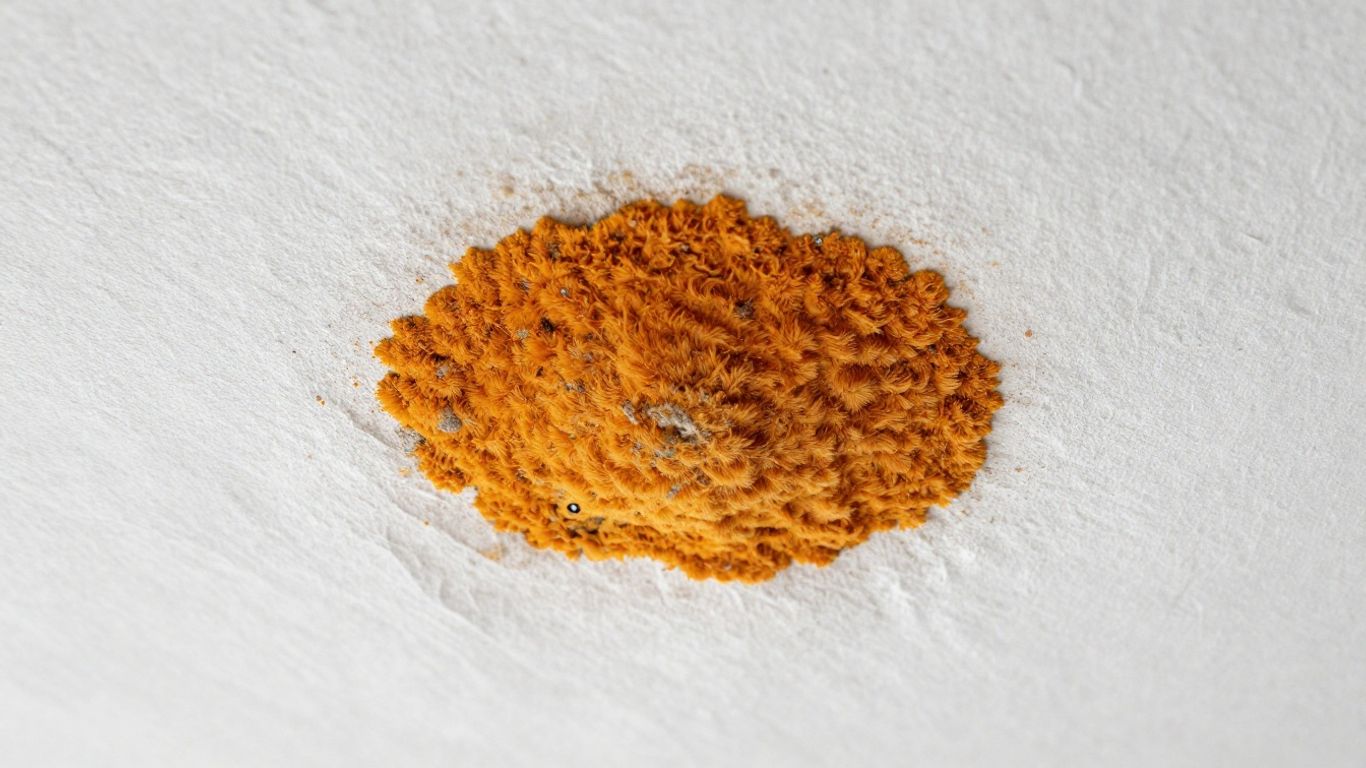
Okay, so you’ve dealt with that orange mold situation on your ceiling. That’s a relief, right? But now comes the important part: making sure it doesn’t just waltz right back in. Prevention is way better than having to deal with it all over again. It really boils down to a few key things, mostly related to moisture and air flow.
Controlling Indoor Humidity Levels
Keeping the humidity in your home at a good level is probably the single most effective thing you can do. When the air gets too damp, mold has a field day. Aim to keep your indoor humidity between 30% and 50%. You can get a little gadget called a hygrometer to measure it, and if it’s too high, a dehumidifier can be a lifesaver, especially in basements or during those super muggy summer months. Seriously, a good dehumidifier is worth its weight in gold.
Improving Ventilation in High-Moisture Areas
Think about places like your bathroom and kitchen. These spots naturally get steamy and moist. If you don’t have good ventilation, that moisture just hangs around, creating a perfect party atmosphere for mold. Make sure your bathroom exhaust fan is actually working and use it every time you shower or bathe. It’s also a good idea to keep the door closed while you’re in there to keep the steam contained. In the kitchen, using your range hood when you cook helps a lot too. Sometimes, just opening a window for a bit can make a difference.
Addressing Leaks and Water Intrusion Promptly
This one seems obvious, but you’d be surprised how often small leaks get ignored. That tiny drip from a pipe under the sink or a small shingle missing on the roof might not seem like a big deal, but it’s a direct invitation for mold. Fix any leaks you find right away, no matter how small they seem. Check around windows and doors for any signs of water getting in, especially after heavy rain. If you have a basement, keep an eye out for damp spots or water seeping in, particularly after snow melts. Addressing these issues quickly stops mold before it even has a chance to start. If you’re unsure about the extent of a leak, getting a professional to check out your plumbing is a smart move.
Conclusion: Keeping Your Ceiling Mold-Free
Dealing with orange mold on your ceiling might seem like a big problem, but it doesn’t have to be. By using the right tools and safety steps, you can clean up small mold spots yourself. The most important thing is to figure out why the mold showed up in the first place. Whether it’s a leaky roof, bad air flow, or too much moisture, fixing the source means the mold won’t come back. If the mold covers a large area or you’re worried about your health, it’s best to call in the pros. Staying on top of home maintenance and keeping humidity in check will help you enjoy a clean and healthy home for a long time.
Frequently Asked Questions
What exactly is orange mold?
Orange mold is just a name for different kinds of fungi that look orange. They like damp, dark places and help break down stuff like dead leaves and wood in nature. Inside your house, they can grow on things like wood, paper, or even dust if there’s enough moisture.
How can I tell if it’s really mold and not just a stain?
True mold usually feels fuzzy or velvety and might have a damp, musty smell. Stains from rust or minerals are often flat and don’t smell. If you touch mold, it might come off on your finger, and it looks like it’s growing, not just sitting there.
Is orange mold dangerous to have on my ceiling?
Yes, it can be. Mold spores can cause allergies, make asthma worse, or lead to breathing problems, especially for kids or people who are already sick. Some molds can even produce stuff that’s bad for you if you breathe it in a lot.
Can I just wipe the orange mold off my ceiling?
Wiping might get rid of the surface color, but it won’t kill the mold or fix the reason it’s growing. The mold will likely come back. You need to clean it properly and, more importantly, fix whatever is making it wet.
What’s the best way to clean small spots of orange mold?
For small areas, wear a mask, gloves, and eye protection. You can use a solution of white vinegar or a mix of water and a little bleach (about 1 part bleach to 10 parts water). Scrub the mold away, rinse, and let the area dry completely. Make sure the room is well-ventilated.
When should I call a professional for help?
You should call experts if the mold covers a large area, like more than a 3-foot by 3-foot space. Also, call them if the mold keeps coming back even after you clean it, or if you or someone in your home has serious health issues that might be made worse by mold.
