Here are the main points to remember about testing your home for mold:
Key Takeaways
- Look for visible mold, musty smells, and health issues as signs of a problem.
- DIY mold test kits can offer a starting point for checking air or surfaces.
- Moisture meters and infrared cameras help find damp spots where mold likes to grow.
- Call professionals for large mold areas, persistent smells, or after major water damage.
- Controlling humidity and fixing leaks are vital for preventing mold from coming back.
Recognizing Potential Mold Indicators
So, you’re wondering if your house has a mold problem? It’s not always obvious, but there are definitely signs to look out for. Think of it like being a detective in your own home. The first thing most people notice is a smell. It’s usually described as musty, kind of like old socks or a damp basement, and it just doesn’t seem to go away, even after airing the place out. This persistent odor is a big clue, especially if you can’t pinpoint where it’s coming from.
Visible Signs of Mold Growth
Sometimes, mold makes itself known visually. You might see fuzzy or slimy patches on walls, ceilings, or even in your shower grout. These can be black, green, white, or even orange, depending on the type. Don’t just wipe it away and forget it; that’s often just the tip of the iceberg. Look for discoloration, peeling paint, or wallpaper that’s bubbling up – these can all be signs that moisture is trapped behind the surface, creating a perfect breeding ground for mold. It can start small, like a tiny spot, but it can spread surprisingly fast.
The Presence of Musty Odors
That musty smell we talked about? It’s a really strong indicator. Mold releases spores, and these spores often have a distinct, unpleasant odor. If you walk into a room and get that earthy, damp smell, it’s worth investigating further. Sometimes the smell is stronger in certain areas, like bathrooms, basements, or closets. Even if you don’t see any mold, that smell means it could be hiding behind walls or under floorboards. It’s a sign that the environment might be right for mold to grow, even if it’s not visible yet. If you’re dealing with persistent odors, you might need to consider professional mold testing.
Understanding Health Complications
Beyond the smell and the spots, mold can actually affect how you feel. People living in a moldy home might start experiencing allergy-like symptoms more often. This could include sneezing, a runny nose, itchy eyes, or skin rashes. Some folks might have more serious respiratory issues, like coughing or wheezing, especially if they have asthma or other breathing problems. If you and your family are suddenly dealing with more unexplained health complaints, it’s definitely a reason to check your home for mold. It’s not just about the house; it’s about your well-being too.
Mold thrives in damp conditions. If you notice any of these signs, it’s important to address the underlying moisture issue first. Fixing leaks or improving ventilation can make a big difference in preventing mold from taking hold.
DIY Mold Testing Methods
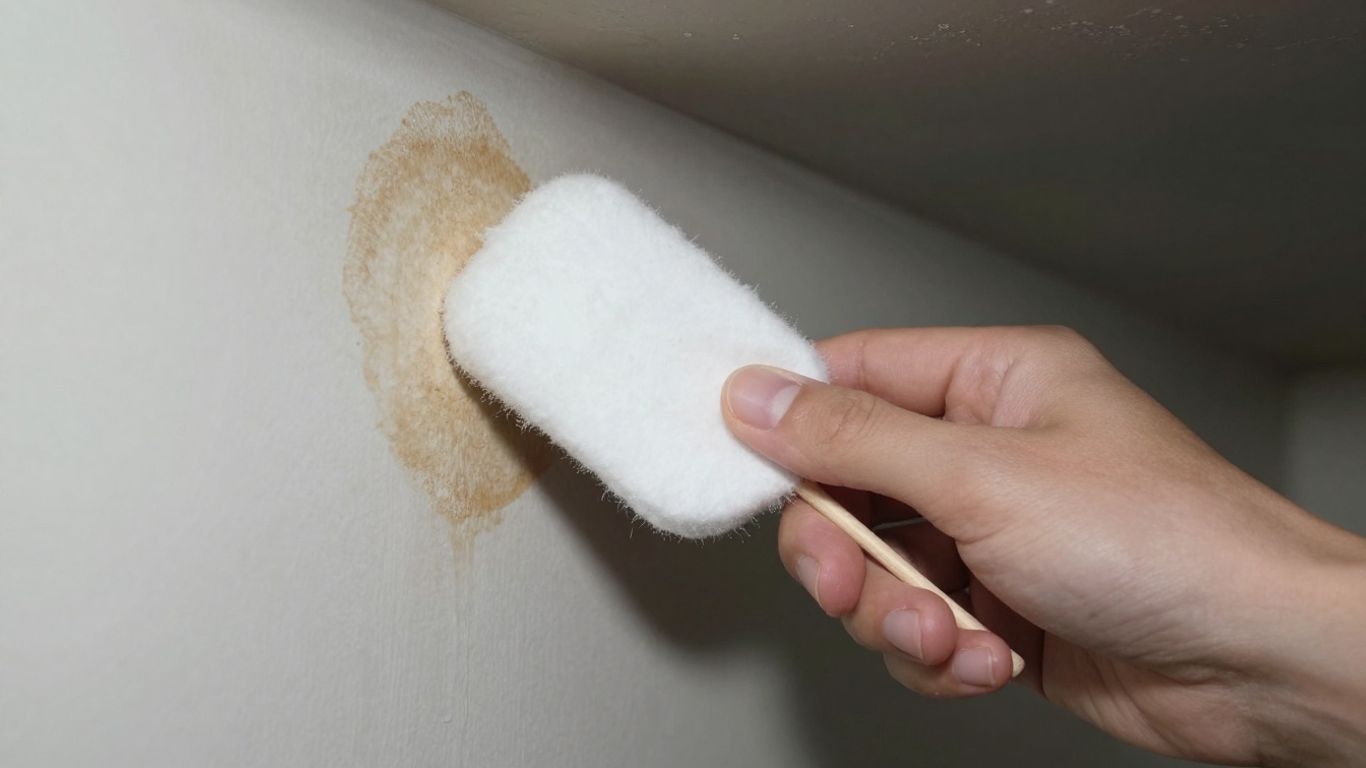
So, you’ve got a hunch there might be some mold lurking around your place. Before you go calling in the cavalry, there are a few things you can try yourself. These methods won’t give you the super-detailed breakdown a pro can, but they can certainly point you in the right direction.
Using Home Mold Test Kits
These kits are pretty common and you can grab them at most hardware stores or order them online. They’re usually pretty straightforward. The main idea is to see if mold spores are floating around in your air or if there’s mold on a surface you can see. They typically come with little dishes for air samples or swabs for surfaces. Just be sure to read the instructions carefully because messing that up can lead to wonky results. While these kits can be a good starting point, remember that DIY mold test kits can be misleading. They might tell you mold is present, but they often don’t tell you the whole story about the type or how much is there.
Performing Air Sampling
This is one of the most common things you’ll do with a home test kit. You basically set out a little petri dish, leave it open in a room where you suspect mold for a day or two, and then seal it up. The idea is that airborne mold spores will land on the growth medium in the dish. If mold grows, you send it off to a lab (if the kit requires it) for analysis. It’s a decent way to get an idea of what’s in the air, but it’s not foolproof. Things like how windy it is outside or if your windows are open can affect the results. You can find kits specifically designed for this, like the Mold Armor Do It Yourself Mold Test Kit.
Swabbing Visible Mold
If you can actually see mold on a wall, a ceiling tile, or somewhere else, you can use a swab from your kit to collect a sample. Just gently rub the swab over the discolored area and then put it back in its container. Again, you’ll usually send this off to a lab. This helps identify what kind of mold you’re dealing with on that specific spot. It’s good for targeted testing, but it won’t help you find mold that’s hiding behind walls or under floorboards.
Keep in mind that DIY kits are generally less accurate than professional testing. They might detect mold, but they often can’t tell you the species or the concentration levels, which are important for understanding the risk.
Advanced Tools for Moisture Detection
Sometimes, you just can’t see the mold, but you know something’s not right. That’s where a couple of handy tools come into play. They don’t test for mold directly, but they help you find the wet spots where mold loves to hang out. Think of them as your mold’s early warning system.
Utilizing Moisture Meters
These little gadgets are pretty straightforward. A moisture meter, sometimes called a mold meter tester, measures the water content in building materials like drywall, wood, or carpet. You’re looking for readings that are higher than normal for that material. If you get a high reading, it means the area is damp, and that’s a red flag for potential mold growth. They’re not super expensive, and you can find them at most hardware stores. It’s a good idea to keep one around if you live in a humid area or have had water issues before. You can use it to check common problem spots like basements, bathrooms, and around windows.
Here’s a quick rundown of how to use one:
- Calibrate it: Make sure the meter is set correctly for the material you’re testing (wood, drywall, etc.).
- Test known dry areas: Get a baseline reading from a part of your house that you know is dry. This gives you something to compare against.
- Probe suspect areas: Gently insert the meter’s pins into the material or press the sensor against it. Move it around to get a good reading.
- Note high readings: If you get readings significantly higher than your baseline, mark the area. This is where you might need to investigate further.
Remember, a moisture meter tells you about dampness, not mold itself. High moisture levels just mean conditions are right for mold to start growing if it hasn’t already.
Employing Infrared Cameras
Infrared cameras, also known as thermal imaging cameras, are a bit more high-tech. They work by detecting temperature differences. Water, whether it’s a leak or just condensation, often has a different temperature than the surrounding dry materials. So, the camera can show you a visual map of your walls or ceilings, highlighting cooler or warmer spots that might indicate hidden moisture. This is especially useful for finding leaks behind walls or under floors that you can’t see or feel. Some professional mold inspectors use these specialized thermal imaging tools to track hidden pipe leaks effectively.
These cameras can help identify:
- Areas where pipes might be leaking inside walls.
- Condensation forming on cold surfaces like windows or pipes.
- Areas where water might have seeped in from the outside.
- Damp spots behind cabinets or appliances.
While you might not buy one of these yourself (they can be pricey!), knowing they exist is helpful. If you suspect a hidden moisture problem that a moisture meter can’t pinpoint, it might be time to consider bringing in a professional who has access to this kind of equipment.
When to Engage Professional Mold Inspectors
Sometimes, you just know when a problem is bigger than your average DIY fix. If you’re seeing mold spread across more than 10 square feet, that’s a pretty clear signal to bring in the experts. Large infestations often mean there are deeper issues going on, like problems with ventilation or even structural concerns that need a pro’s eye.
Another big clue is a persistent musty smell that just won’t quit, even after you’ve tried airing out the house or cleaning surfaces. This often points to hidden mold lurking behind walls, under floors, or up in the attic. Professionals have tools like infrared cameras and moisture meters that can pinpoint these hidden spots without tearing your house apart.
Significant water damage, like from a major leak or flooding, is also a red flag. Water can seep into building materials and insulation, creating a perfect breeding ground for mold that you might not even see at first. It’s wise to get a professional assessment after such events to make sure everything is dry and mold-free.
And, of course, if multiple people in your household are experiencing unexplained health issues like respiratory problems or allergic reactions, it’s worth investigating mold as a potential cause. A certified inspector can help identify the type and amount of mold present, which is important information for your doctor.
When you’re dealing with any of these situations, it’s best to call in a professional mold inspector. They have the training and equipment to accurately assess the problem, figure out the source, and recommend the right steps for cleanup and prevention. Trying to handle a large or hidden mold issue yourself could actually make things worse or expose you to more spores. It’s often a necessary step when buying or selling a property too, to ensure there are no hidden problems. Mold inspections are crucial after water damage or when buying a new home.
Here’s a quick rundown of when to call the pros:
- Large-scale infestations: Mold covering more than 10 square feet.
- Persistent odors: A musty smell that doesn’t go away.
- Major water damage: After flooding or significant leaks.
- Health concerns: Multiple occupants experiencing unexplained symptoms.
- Property transactions: Before buying or selling a home.
Understanding Professional Mold Testing Procedures
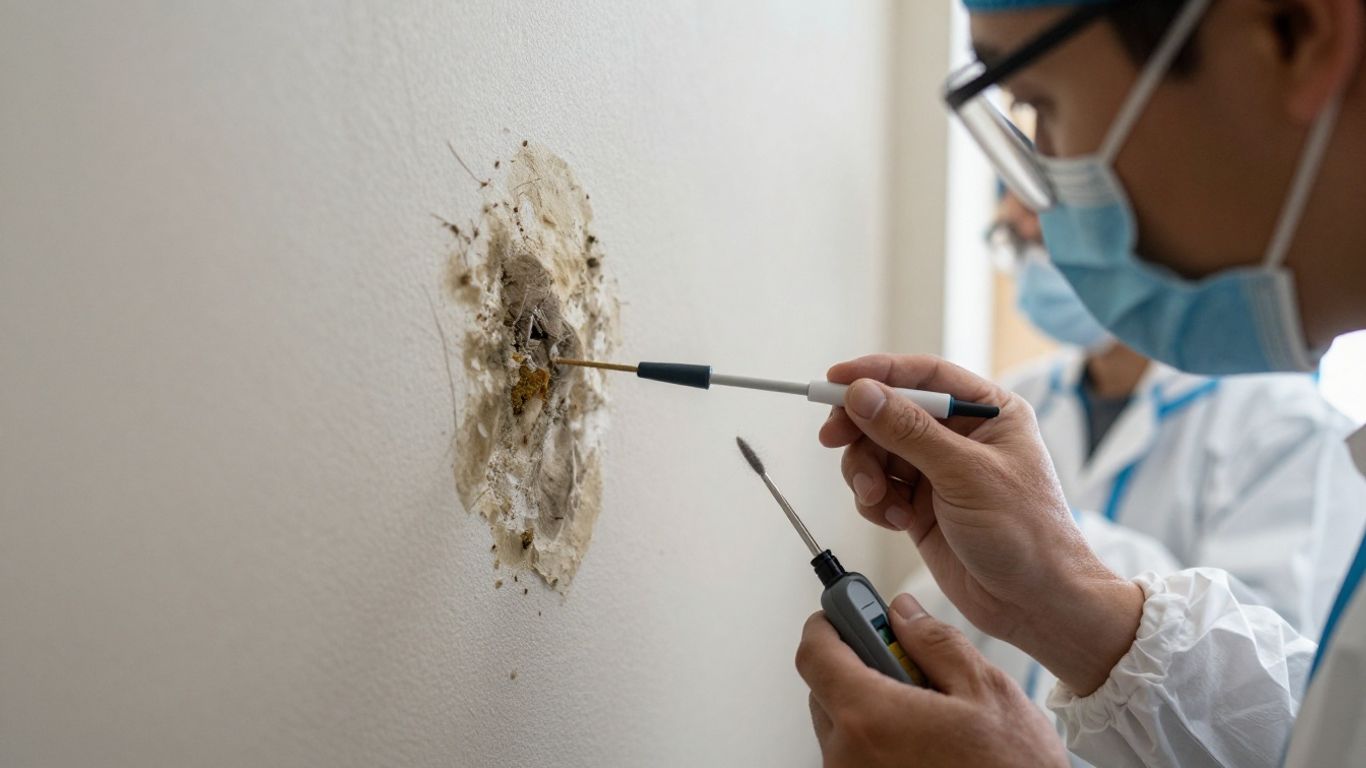
So, you’ve done the visual checks and maybe even sniffed around for that tell-tale musty smell. That’s a good start, but sometimes, you need to go deeper. Professional mold testing is where you get the real answers, especially if you’re dealing with a tricky situation or just want absolute certainty. It’s not just about finding mold; it’s about figuring out what kind it is, how much is there, and where it’s hiding.
Types of Mold Sampling
Professionals have a few ways to collect samples, and they’ll pick the best method for your situation. It’s not a one-size-fits-all deal.
- Air Sampling: This is super common. They use special pumps to pull air from different parts of your home through a filter or a collection device. This tells them what kind of mold spores are floating around and in what concentrations. It’s great for getting a general idea of the air quality inside.
- Surface Sampling: If you see mold on a surface, or even if you don’t but suspect it’s there, they can take a swab or a piece of the material. This is good for confirming what type of mold is on a specific spot.
- Bulk Sampling: This is when they take a piece of the actual material that might be moldy, like a bit of drywall or insulation. It’s a more direct way to test suspect materials.
There are also different ways samples are analyzed. Non-viable sampling just tells you if mold is present, whether it’s alive or dead. Viable sampling actually tries to grow the mold in a lab, which can identify live mold but might take longer and miss certain types. Your inspector will explain which approach makes the most sense for your home.
The Testing and Analysis Process
Once the samples are collected, they don’t just guess. Everything gets sent off to a specialized lab. Think of it like sending blood work to a lab after a doctor’s visit. The lab technicians use microscopes and other equipment to identify the specific types of mold and how many spores were collected. This whole process, from sampling to getting results back, usually takes a few days to about a week, depending on the lab and how many tests were done. It’s important to follow any instructions the inspector gives you before and after the testing to make sure the results are accurate. This might include things like not cleaning the suspected area or keeping windows closed for a period.
Interpreting Your Mold Test Results
Getting the lab report is one thing, but understanding what it actually means is another. A good mold inspector will walk you through the report, explaining the findings in plain English. They’ll tell you:
- What types of mold were found: Some molds are more concerning than others.
- The concentration of spores: This is usually measured in spores per cubic meter of air. High numbers usually mean there’s a problem.
- Where the mold is likely coming from: Based on the samples, they can often pinpoint the source or areas of concern.
The report will also likely include recommendations for what to do next. This could range from simple cleaning advice to needing a full mold remediation plan. Don’t just look at the numbers; consider the whole picture the inspector presents.
Based on these results, the inspector will suggest the best course of action. This might involve specific cleaning methods or, for larger issues, a professional remediation plan. They might also give advice on how to prevent mold from coming back, which is just as important as getting rid of it in the first place. For more on how professionals approach inspections, you can check out general mold inspection info.
Preventing Future Mold Growth
So, you’ve dealt with a mold issue, or maybe you’re just trying to be proactive. That’s smart! Mold loves damp, dark places, and honestly, it can pop up anywhere if the conditions are right. The good news is, keeping it at bay isn’t rocket science. It mostly comes down to a few key habits that make your home less inviting for those pesky spores.
Controlling Indoor Humidity
This is probably the biggest one. Mold needs moisture to grow, so keeping your home’s humidity levels in check is super important. The sweet spot is generally between 30% and 50% relative humidity. Anything consistently above 60% is basically an open invitation for mold. You can grab a simple humidity meter (they’re pretty cheap at hardware stores) to keep tabs on this. If you notice condensation on windows or pipes, that’s a clear sign humidity is too high, and you need to act fast to dry things out and figure out why it’s happening.
Here are some ways to keep that humidity down:
- Ventilate moisture-producing areas: Always use exhaust fans in bathrooms when showering and in the kitchen when cooking. If you don’t have fans, open a window.
- Use dehumidifiers and air conditioners: These are your best friends during humid months. Run them as needed to keep the air dry.
- Address condensation: Insulate cold pipes and surfaces to prevent moisture from forming. You might also need to increase the air temperature slightly.
Keeping humidity low isn’t just about mold; it can also make your home feel more comfortable and help prevent other issues like dust mites.
Ensuring Proper Ventilation
Good airflow helps prevent moisture from settling and becoming a breeding ground for mold. Think of it like giving your home a chance to breathe.
- Open windows and doors: When the weather permits, opening up your home allows fresh air to circulate and push out stale, moist air. This is especially helpful after cleaning or if you’ve had a lot of cooking or showering.
- Use fans: Ceiling fans and portable fans can keep air moving, even when windows are closed. This is particularly useful in areas that tend to be stagnant, like basements or closets.
- Check your HVAC system: Make sure your heating, ventilation, and air conditioning system is working efficiently. Sometimes, issues with the HVAC can contribute to poor air circulation or moisture problems. If you suspect your ducts might have mold, it’s best to consult resources on air duct cleaning before running the system.
Addressing Leaks Promptly
This one seems obvious, but it’s worth repeating because it’s so critical. Any water leak, big or small, needs immediate attention. Mold can start growing in as little as 24 to 48 hours after a water event. So, if you have a leaky pipe, a roof issue, or even a spill, you need to fix it and dry the area completely. Don’t let water sit around. Regularly clean out your gutters too, and make sure the ground around your foundation slopes away from the house to prevent water from pooling. Addressing these water issues quickly is your first line of defense against mold.
Conclusion
Dealing with mold can feel overwhelming, but knowing how to test your home for it is the first step. Whether you use simple DIY kits or call in the experts, early detection and proper action are key. Remember to also focus on preventing mold by controlling moisture and fixing leaks. A mold-free home is a healthier home for everyone.
Frequently Asked Questions
What are the first signs that I might have mold?
Keep an eye out for fuzzy or discolored spots on walls, ceilings, or other surfaces. A persistent musty or earthy smell, especially in damp areas like bathrooms or basements, is also a big clue. Sometimes, people notice allergy-like symptoms getting worse at home, which could be a sign too.
Can I really test for mold myself?
Yes, you can! There are home mold test kits you can buy at stores or online. These usually involve either taking air samples or swabbing visible mold spots. They can give you an idea if mold is present, but sometimes a professional is needed for a full picture.
How big does a mold problem need to be before I call a pro?
If the mold covers an area larger than about 10 square feet (like a 3-foot by 3-foot patch), it’s usually best to get professional help. Big mold problems can mean there’s a bigger issue causing it, like a hidden leak.
What do mold test results mean?
The test results will usually tell you what type of mold was found and how much. High amounts of mold spores in the air or specific types of mold can mean you need to take action. A professional will explain these results and suggest what to do next.
How can I stop mold from growing back?
The best way to prevent mold is to control moisture. Keep humidity levels down, especially in bathrooms and kitchens, by using exhaust fans. Fix any leaks right away, and make sure your home has good airflow. Fixing the source of moisture is key.
Are mold test kits accurate?
Mold test kits can be helpful for a quick check, but their accuracy can vary. They might tell you if mold spores are in the air or on a surface, but they might not always identify the exact type or how serious the problem is. For a definite answer, especially with larger issues, professional testing is more reliable.
