Tackling cigarette smoke on walls can be a challenge, but with the right approach, you can win. Here are the main things to remember:
Key Takeaways
- Strong cleaners like TSP and ammonia can be very effective but require caution and good ventilation.
- Natural options such as vinegar and baking soda are safer for you and your home, and they work well for less severe smoke issues.
- Always test any cleaner on a small, hidden area of the wall first to avoid damage.
- Proper ventilation is super important when using any cleaning product, especially stronger ones.
- For really tough jobs, consider professional cleaning services or specialized equipment like steam cleaners or air purifiers.
1. TSP Cleaner
When you’re dealing with stubborn cigarette smoke residue, Trisodium Phosphate, or TSP, is a heavy-duty cleaner that often gets the job done. It’s a powerful chemical cleaner that’s really good at breaking down the sticky, greasy film left behind by nicotine and tar. This stuff is potent, so you’ll want to be careful when you use it.
Here’s a quick rundown on why TSP is a go-to for tough jobs like this:
- Effectiveness: It tackles both the stains and the lingering odors that smoke leaves behind.
- Surface Compatibility: It works on most painted walls, but always test in a small, hidden spot first.
- Availability: You can usually find TSP at most hardware or home improvement stores.
How to Use TSP Safely:
- Mix it up: Always follow the instructions on the TSP packaging for the correct water-to-cleaner ratio. Usually, it’s a few tablespoons per gallon of warm water.
- Gear up: Wear rubber gloves and eye protection. Open windows for ventilation – this stuff can be strong.
- Scrub away: Use a sponge or a soft-bristled brush to gently scrub the affected walls. Work in small sections.
- Rinse thoroughly: Wipe down the walls with a clean, damp sponge or cloth to remove all TSP residue. Make sure to rinse your sponge often.
- Dry: Let the walls air dry completely.
TSP is a strong cleaner and should be handled with care. It’s not recommended for all surfaces, and proper ventilation is key to avoid inhaling fumes. Always read the product label before use.
For really tough jobs where the residue has deeply penetrated porous materials like drywall, TSP is often one of the most effective solutions available to break down tar and nicotine residue.
2. Vinegar Solution
If you’re looking for a more natural approach to tackling those stubborn cigarette smoke stains and smells on your walls, white vinegar is a surprisingly effective choice. It’s readily available, inexpensive, and doesn’t involve the harsh chemicals found in some other cleaners. Vinegar works by neutralizing odors rather than just masking them, which is a big plus when dealing with persistent smoke smells. This makes it a great option for a first pass or for lighter smoke damage.
Here’s a simple way to prepare and use a vinegar solution:
- Mix one part white vinegar with one part warm water. For tougher jobs, you can increase the vinegar ratio slightly, but always test in an inconspicuous spot first.
- Dip a soft cloth or sponge into the solution. Wring it out so it’s damp, not dripping wet.
- Gently wipe down the walls in a circular motion. You’ll want to work in small sections.
- As you clean, use a separate, clean cloth to wipe away any loosened residue and to dry the wall. This prevents the moisture from sitting too long on the paint or wallpaper.
- Repeat the process as needed. For really set-in stains, you might need a few passes.
Vinegar’s acidity helps break down the sticky residue left by cigarette smoke. While it’s generally safe for most painted surfaces, it’s always a good idea to do a patch test in a hidden area to make sure it doesn’t affect your paint’s finish. You can find more tips on cleaning various surfaces at home improvement stores.
Don’t be alarmed if you notice the vinegar smell while you’re cleaning; it dissipates quickly once the walls are dry, leaving behind a much fresher scent.
3. Baking Soda
Baking soda is another one of those handy household items that can really help out when you’re dealing with stubborn smoke smells and stains on your walls. It’s pretty gentle, so you don’t have to worry too much about it damaging your paint or wallpaper, which is a big plus. Plus, it’s a fantastic odor absorber. It doesn’t just cover up the smell; it actually helps to get rid of it.
Here’s a simple way to use it:
- First, sprinkle a generous amount of baking soda directly onto the affected wall areas. You want to make sure you get a good coating.
- Let it sit there for about 10 to 15 minutes. This gives the baking soda time to work its magic and start absorbing those smoky odors.
- After it’s had time to sit, use a damp cloth to gently wipe away the baking soda. As you wipe, you should notice the stains and the smell starting to lift.
Baking soda is a mild abrasive, which means it can help lift away grime and residue without being harsh. It’s also a natural deodorizer, making it a great choice for tackling that lingering cigarette smell.
If you’re looking for other natural ways to tackle odors, baking soda is a great ingredient for removing smoke smells from various items around your home. You can even add it to your laundry to help with smoky clothes.
4. Ammonia Cleaner
Ammonia is a pretty strong cleaner, and when it comes to breaking down that sticky tar and nicotine residue left by cigarette smoke, it can be a real workhorse. It’s a powerful degreaser, which is exactly what you need for heavy smoke buildup. However, and this is a big however, ammonia has some seriously strong fumes. You absolutely have to be careful when you use it.
Here’s a basic rundown on how to use it:
- Mix your solution: A common ratio is one part ammonia to two parts water. Some people use it undiluted for really tough spots, but I’d start with the diluted version.
- Safety first, always: This is non-negotiable. You need to wear gloves to protect your skin and goggles to protect your eyes. Make sure the area you’re cleaning is super well-ventilated. Open windows, turn on fans – get as much fresh air circulating as possible. Seriously, don’t skip this part; the fumes can be rough.
- Scrub away: Use a cloth or a sponge to scrub the walls. Work in small sections so you don’t let the solution dry on the wall.
- Rinse and dry: After scrubbing, wipe the walls down with clean water to get rid of any ammonia residue. Then, dry the walls thoroughly.
Ammonia can be effective for tough smoke stains, but its strong fumes mean you must prioritize ventilation and wear protective gear like gloves and goggles. It’s a powerful degreaser that can tackle stubborn residue when used correctly.
While ammonia can be quite effective, remember that it’s a potent chemical. If you’re dealing with very delicate paint or wallpaper, you might want to test it on an inconspicuous spot first. For less intense situations, or if you’re sensitive to strong smells, other options might be more comfortable. If you’re finding the stains are just too stubborn, you might need to consider professional cleaning services that have specialized equipment.
5. Dish Soap Mixture
Sometimes, the simplest solutions are the most effective, and a good old dish soap mixture can really cut through that greasy film left by cigarette smoke. You know, the kind that makes your walls feel sticky to the touch? Dish soap is designed to break down grease and grime, which is exactly what that smoke residue is.
This is a great go-to for lighter smoke damage or as a first step before trying something stronger. It’s gentle enough that you don’t have to worry too much about damaging your paint, but it’s still surprisingly effective at lifting away that yellowish tint and the embedded odors. Plus, most people already have dish soap in their kitchen, making it super accessible.
Here’s a basic recipe that works well:
- 1 gallon of warm water
- 3 tablespoons of liquid dish soap (a good degreasing one works best)
- A half-cup of baking soda (optional, but it helps with odor)
Mix these ingredients together in a bucket. Then, using a soft sponge or a microfiber cloth, start wiping down your walls. Work in small sections, and be sure to rinse your sponge or cloth frequently in clean water. It’s also a good idea to dry the wall as you go with a separate, clean towel to prevent water spots and protect your drywall. You might need to go over stubborn spots a couple of times. For a more specific ratio, some people find a solution of one teaspoon of dishwashing liquid and one-fourth cup of distilled white vinegar per quart of warm water to be quite effective for tackling smoke smells [ecd1].
Remember to always test any cleaning solution on an inconspicuous area of your wall first. This way, you can be sure it won’t discolor or damage the paint before you tackle the whole room. It’s a small step that can save you a lot of headaches later on.
This method is pretty straightforward, and if you’re lucky, it might be all you need to get your walls looking and smelling fresh again. If the smoke damage is really heavy, you might need to move on to something a bit more heavy-duty, but it’s always worth starting with the basics.
6. Lemon Juice Degreaser
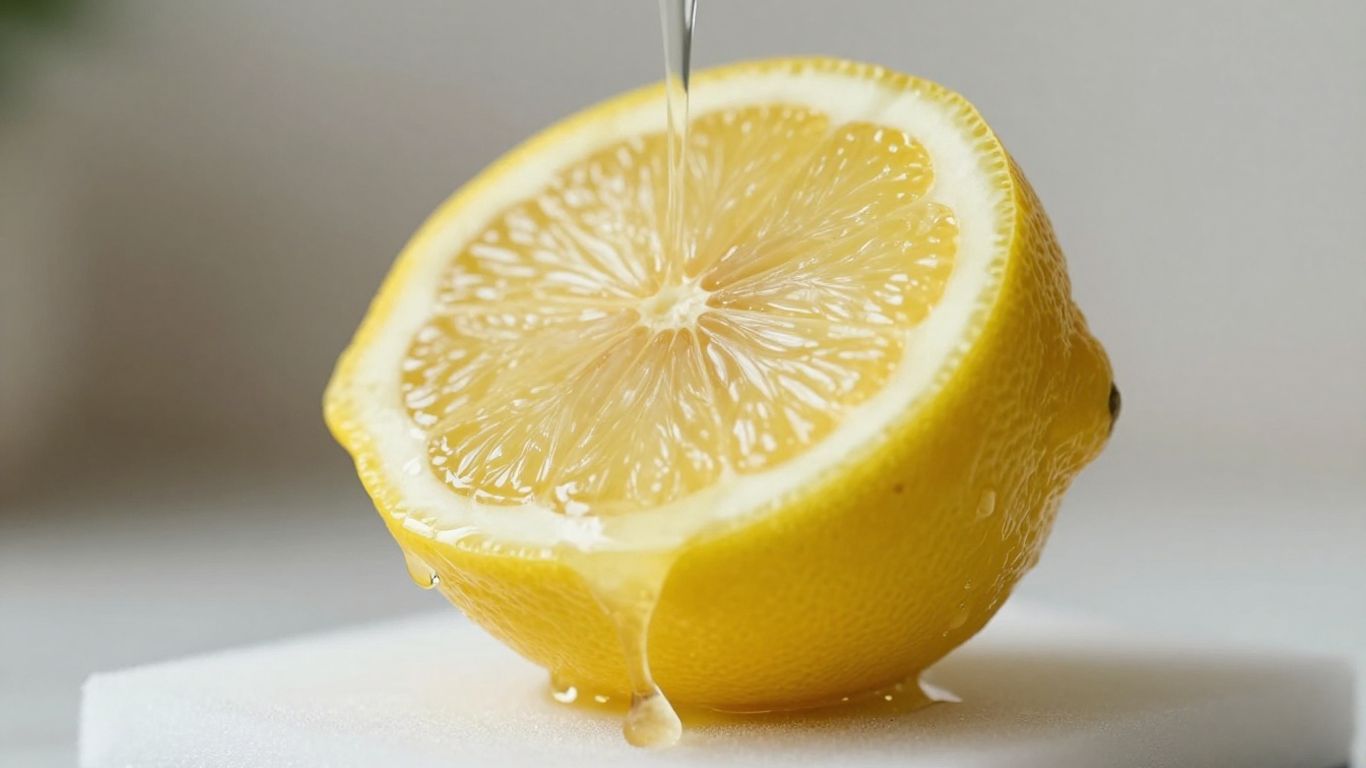
Lemon juice, with its natural acidity, can act as a surprisingly effective degreaser for tackling those stubborn smoke residues on your walls. It’s a gentler alternative to some harsher chemicals, and it leaves behind a fresh scent, which is a nice bonus.
The citric acid in lemon juice helps to break down the oily film left by cigarette smoke. This makes it easier to wipe away the grime that has accumulated over time. While it might not be the strongest cleaner for deeply embedded stains, it’s a great option for lighter smoke damage or as a follow-up treatment after using another cleaner.
Here’s a simple way to prepare and use a lemon juice degreaser:
- Mix one cup of fresh lemon juice with one cup of warm water in a spray bottle.
- For a bit more cleaning power, you can add a teaspoon of dish soap to the mixture.
- Always test the solution on an inconspicuous area of the wall first to make sure it doesn’t affect the paint.
- Spray the solution onto a section of the wall, let it sit for a minute or two, and then gently scrub with a soft sponge or cloth.
- Wipe the area clean with a damp cloth and dry thoroughly.
This method is particularly good for tackling the sticky film that smoke leaves behind. It’s a good idea to have some white vinegar on hand as well, as it’s another natural option that works well for smoke residue.
While lemon juice is a natural degreaser, it’s important to remember that it is still acidic. Use it in a well-ventilated area and wear gloves if you have sensitive skin. For very heavy smoke damage, you might need to repeat the process or consider a stronger cleaner.
7. Bleach Solution
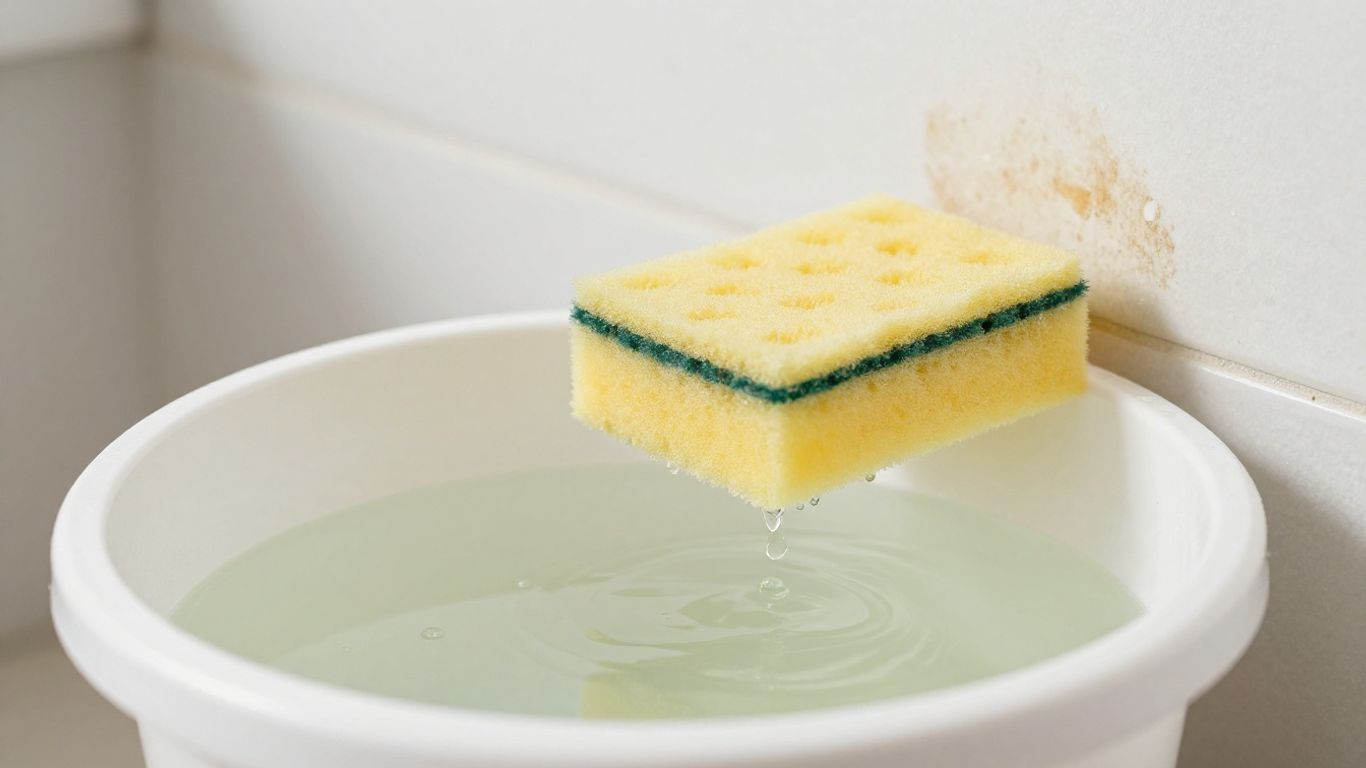
Bleach is a strong cleaner, and while it can tackle tough stains and odors, you need to be really careful when using it. It’s not for every surface, and you definitely don’t want to mix it with other cleaners, especially ammonia, because that creates dangerous fumes. If you’re dealing with really stubborn smoke residue that hasn’t penetrated too deeply, a diluted bleach solution might be an option, but always test it on a small, hidden spot first.
Always use bleach in a well-ventilated area and wear protective gear like gloves and eye protection.
Here’s a general approach if you decide to try it:
- Preparation: Open windows and doors to get good airflow. Put on old clothes and your safety gear.
- Mixing: Mix one part bleach with about ten parts water. Don’t make it too strong; you can always try a second pass if needed. For example, for a quart of water, add about 3-4 tablespoons of bleach.
- Application: Use a sponge or cloth to apply the solution to the affected wall areas. Work in small sections.
- Rinsing: Thoroughly rinse the walls with clean water afterward to remove all bleach residue. This is super important.
- Drying: Dry the walls completely.
Be aware that bleach can discolor or damage certain types of paint and wallpaper. If your walls are painted with a flat finish or have delicate wallpaper, it’s probably best to skip the bleach altogether and opt for a gentler method. This is a powerful tool, but it needs to be handled with respect and caution, and it’s often not the first choice for cleaning smoke damage from walls.
If you’re unsure about using bleach or if the smoke damage is extensive, consider consulting professionals who have specialized cleaning agents and equipment.
8. Citrus Degreaser
Sometimes, you just need something that cuts through grease and grime, and that’s where a citrus degreaser can really shine. These cleaners harness the natural power of citrus fruits, like oranges or lemons, to break down the sticky, oily residue left behind by cigarette smoke. It’s a fantastic option if you’re looking for something that smells good and is effective.
Citrus degreasers work by using d-limonene, a compound found in citrus peels. This stuff is a solvent, meaning it can dissolve other substances, like the tar and nicotine that cling to your walls. It’s often less harsh than some chemical cleaners, which is a big plus.
Here’s a general idea of how you might use one:
- Ventilate the area: Open up windows and doors. You want fresh air circulating.
- Test a small spot: Before you go all in, try the degreaser on an inconspicuous area of the wall to make sure it doesn’t damage the paint or wallpaper.
- Apply and scrub: Spray the degreaser onto a cloth or sponge, or directly onto a small section of the wall if the product instructions allow. Gently scrub the affected area.
- Wipe clean: Use a damp cloth to wipe away the residue. You might need to rinse your cloth often.
- Dry the wall: Pat the area dry with a clean towel.
While citrus degreasers can be quite effective at tackling the greasy film left by smoke, they might not always be enough on their own for really stubborn, old stains. You might need to repeat the process or combine it with another cleaning method.
If you’re having trouble finding a commercial citrus degreaser, you can sometimes make your own by mixing citrus peels with a bit of water and letting it sit for a while, though commercial options are usually more potent for tough jobs. For a good starting point on cleaning various surfaces, check out how to clean smoke off walls.
9. Steam Cleaner
A steam cleaner can be a surprisingly effective tool for tackling stubborn cigarette smoke residue on walls. The hot vapor penetrates porous surfaces, loosening the tar and nicotine that cling to paint and wallpaper. This method is particularly good for deep cleaning where other methods might just be wiping the surface. It’s a more physical way to break down the grime.
Here’s how you might use one:
- Preparation is Key: Before you start steaming, make sure the room is well-ventilated. Open windows and turn on any fans. You’ll also want to protect your floors and any nearby furniture with drop cloths.
- Test a Small Area: Always test the steam cleaner on an inconspicuous spot first to ensure it doesn’t damage your paint or wallpaper. Different finishes react differently to heat and moisture.
- Work in Sections: Don’t try to steam an entire wall at once. Work in small, manageable sections, moving the steam cleaner slowly and steadily.
- Wipe and Dry: As you steam a section, follow immediately with a clean microfiber cloth to wipe away the loosened residue. Then, dry the area thoroughly to prevent moisture damage.
While a steam cleaner can be a powerful ally, it’s a more intensive approach. For very heavy smoke damage, you might consider professional help, as they have specialized equipment and techniques to handle severe contamination.
Using a steam cleaner requires a bit of effort and care. It’s not just about blasting steam; it’s about the combination of heat, agitation, and immediate removal of the lifted grime. Patience is definitely a virtue with this method.
10. HEPA Air Purifier
After you’ve tackled the walls and surfaces, it’s time to address the air itself. This is where a HEPA air purifier really shines. These machines are designed to capture tiny particles, including those lingering smoke residues that cleaning alone might miss. Think of it as a final polish for your indoor air quality.
HEPA filters are rated to trap at least 99.97% of airborne particles 0.3 micrometers in size. For cigarette smoke, this means it can grab a lot of the stuff that causes that stale smell and can even be harmful. Many good air purifiers also include an activated carbon filter. This part is super important because it actually absorbs odors, not just traps particles. So, you get a double whammy: particles are caught, and smells are neutralized.
Here’s a quick rundown of what to look for:
- HEPA Filter: This is the main event for particle capture.
- Activated Carbon Filter: Crucial for absorbing smoke odors.
- Coverage Area: Make sure the purifier is sized for the room you’re using it in.
- CADR Rating: This tells you how quickly it cleans the air (Clean Air Delivery Rate).
Using a HEPA air purifier is a solid step to help remove smoke particles and odors from the air after cleaning your walls. It’s not a magic bullet for the walls themselves, but it makes a big difference in how fresh the whole house feels.
While cleaning the walls and surfaces is the primary way to remove the source of the smoke smell, purifying the air is the necessary follow-up step. It catches what’s left behind and prevents the odor from recirculating.
When you’re choosing a unit, check out reviews specifically mentioning smoke removal. Some models are better than others at handling tough odors. It’s a good investment for long-term air quality, especially if you’re sensitive to smells or dealing with persistent smoke issues. You can find units that are quite effective for various room sizes, making it adaptable to your needs. Remember, these filters need to be replaced periodically to keep them working their best, so factor that into your ongoing costs. It’s a key part of maintaining a smoke-free environment after the initial cleaning.
Wrapping Up: Your Walls, Smoke-Free
Getting rid of cigarette smoke from your walls might seem like a big job, but it’s totally doable. You’ve got a bunch of options, from strong stuff like TSP to natural helpers like vinegar and baking soda. Remember to always test a small spot first and wear gloves. If the smell and stains are really stubborn, don’t be afraid to call in the pros. Either way, you can make your home smell fresh and look clean again!
Frequently Asked Questions
What’s the quickest way to get rid of cigarette smoke smell from walls?
For a quick fix, try a strong cleaner like ammonia mixed with water, but make sure the room is super well-ventilated. Open windows and use fans! If that’s not an option, a good air purifier can help a lot with the smell.
Can I just paint over smoke stains?
Nope, painting over smoke stains is usually a bad idea. The tar and nicotine will likely bleed through the new paint, and the smell might come back. It’s best to clean the walls thoroughly first before you even think about painting.
Is TSP safe to use on painted walls?
TSP is powerful stuff and can clean really well, but it can also be harsh. It’s generally safe for most painted surfaces, but you should always test it on a small, hidden spot first. And definitely wear gloves and eye protection when you use it!
How often should I clean my walls if someone smokes inside?
If someone smokes inside regularly, you’ll probably need to do a good cleaning every few months to keep the smell and stains from building up too much. Regular dusting can also help a bit in between cleanings.
What’s the difference between cleaning smoke stains and smoke smell?
Stains are the visible marks, like yellow or brown spots, that you can often scrub away. The smell is the odor that has soaked into the walls and air. Some cleaners are great for both, while others might focus more on one or the other. Good ventilation and air purifiers are key for tackling the smell.
Can I use vinegar on wallpaper?
Vinegar is a natural cleaner, but it can sometimes damage or discolor certain types of wallpaper. It’s always a good idea to test a small, hidden area of the wallpaper first to see how it reacts before you clean the whole wall.
