If you’re wondering about bleach and mold, here’s what you really need to know before you grab that bottle.
Key Takeaways
- Bleach can kill mold on hard, non-porous surfaces when used properly.
- It doesn’t work well on porous materials like wood or drywall.
- Always mix bleach with water—never use it straight or mix with other cleaners.
- Dead mold can still be harmful, so removal is important after cleaning.
- Fixing leaks and keeping things dry is the best way to stop mold from coming back.
Does Bleach Effectively Kill Mold?
So, the big question: does that trusty bottle of bleach under your sink actually get rid of mold? The short answer is, well, it can, but it’s not always the best or most complete solution. Bleach is a disinfectant, and when used correctly, it can kill mold spores on surfaces. It works by breaking down the mold’s cells. However, its effectiveness really depends on the type of surface you’re dealing with.
Understanding Bleach’s Mechanism Against Mold
Bleach, specifically chlorine bleach, is a powerful biocide. It works by oxidizing the mold’s cellular structure, essentially destroying it. When you apply a bleach solution, it can penetrate the surface and kill the mold it comes into contact with. This is why it’s often seen as a go-to for cleaning up visible mold spots, especially on hard, non-porous surfaces like tile or sealed countertops. It’s important to remember that bleach is most effective when it can sit on the surface for a specific amount of time to do its work. For many common household bleaches, this contact time is around 10 minutes.
EPA Registration and Mold Killing Claims
When we talk about killing mold, especially in a way that’s recognized by authorities, the Environmental Protection Agency (EPA) comes into play. The EPA registers certain products that claim to kill mold. Chlorine bleach is one of the few disinfectants that is registered with the EPA for killing mold and mildew. This means it has met certain standards for effectiveness against these organisms. However, it’s worth noting that the EPA doesn’t necessarily endorse bleach as the best or only way to deal with mold. Their guidance often points towards addressing the moisture source as the primary solution, rather than just killing the mold itself. You can find information on proper bleach dilution ratios for cleaning tasks.
Bleach vs. Other Mold Treatments
So, how does bleach stack up against other methods? Vinegar, for instance, is another popular DIY mold killer. While vinegar is acidic and can kill some types of mold, it’s not registered by the EPA for mold killing claims like bleach is. Other methods include hydrogen peroxide, baking soda, or specialized mold removers. Some studies suggest that a detergent/bleach wash can be quite effective at reducing mold spores and even some mycotoxins on certain materials, sometimes outperforming other treatments like steam cleaning in specific scenarios. However, it’s not a magic bullet. For instance, one study showed that while washing techniques were effective, they didn’t always remove all mold from every type of material, especially porous ones.
It’s crucial to understand that even if bleach kills the mold, the dead mold can still trigger allergic reactions in sensitive individuals. Therefore, simply killing the mold isn’t enough; it must also be physically removed from the surface.
When dealing with mold, especially if it covers a large area or you’re unsure about the best approach, it’s often recommended to consult professional mold remediation guidelines or experts. They can assess the situation and recommend the most appropriate and safe course of action.
The Correct Way to Use Bleach for Mold Removal
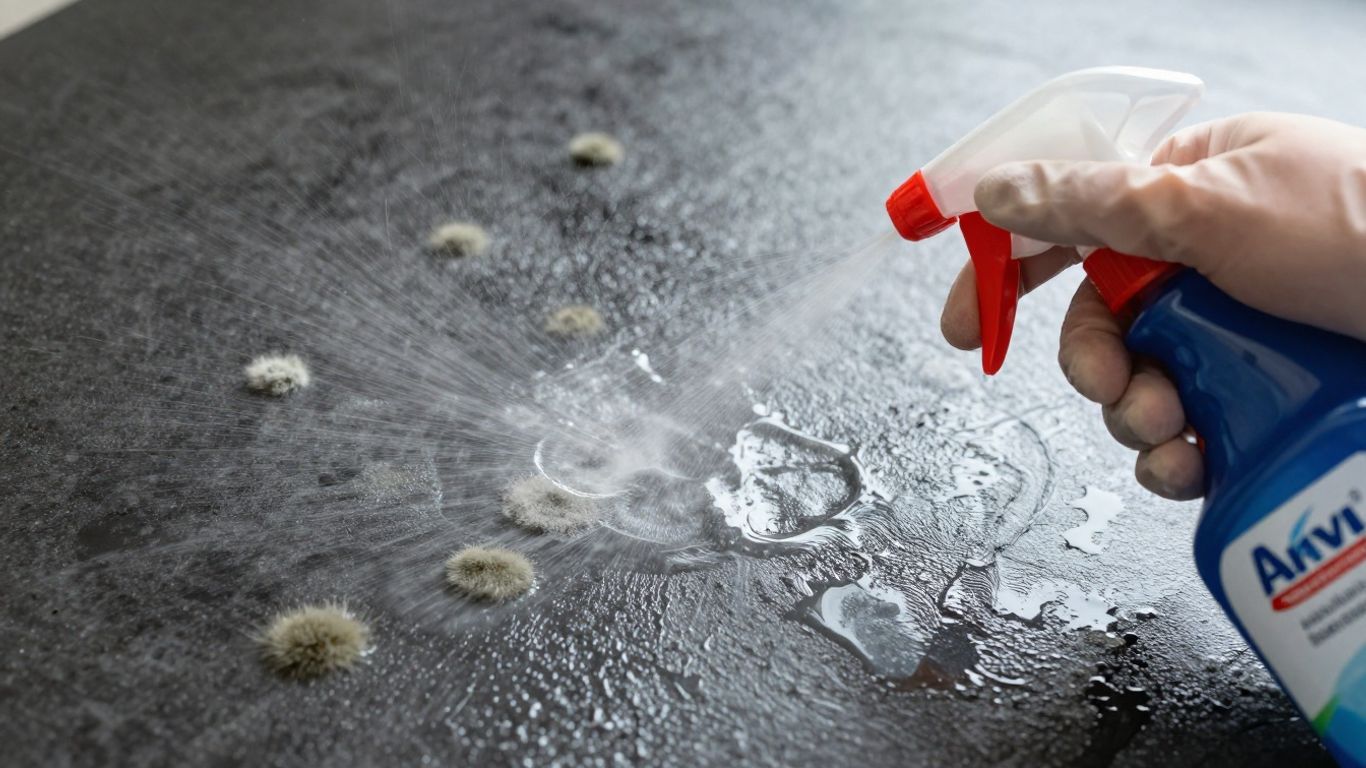
So, you’ve spotted some mold and your first thought is, "Bleach!" It’s a common go-to, and for good reason, but using it effectively and safely is key. It’s not just about splashing it on and hoping for the best. There’s a bit of a science to it, and if you get it wrong, you might not be as successful as you hoped.
Getting the mix right is super important. Too weak, and it might not do the job. Too strong, and you’re just wasting product and increasing risks. For general mold cleanup on hard, non-porous surfaces, a common recommendation is about 1/3 cup of bleach per gallon of water. This creates a solution that’s strong enough to tackle surface mold without being overly harsh.
Here’s a quick rundown:
- 1 Gallon of Water
- 1/3 Cup of Bleach
Always use freshly mixed solutions. Bleach loses its potency over time, especially when diluted, so mix up only what you think you’ll need for the job.
This is where a lot of people cut corners, and it’s a big mistake. Bleach is a powerful chemical, and you need to treat it with respect. Always ensure you have good ventilation before you even open the bottle.
- Ventilation is Non-Negotiable: Open windows and doors. If you’re in a bathroom, run the exhaust fan. You don’t want to be breathing in those fumes.
- Protect Your Skin and Eyes: Wear rubber gloves to protect your hands from irritation and damage. Safety glasses are also a good idea to prevent splashes from getting into your eyes.
- Never Mix Bleach: This is a big one. Never, ever mix bleach with ammonia or any other cleaning products, especially those containing acids. The chemical reactions can produce toxic gases that are seriously dangerous.
Remember, dead mold can still cause allergic reactions. So, while killing it is the goal, you’ll also need to physically remove it afterward.
Once you’ve got your solution mixed and your safety gear on, it’s time to apply it. Don’t just spray and wipe immediately. Bleach needs time to work its magic.
- Apply the Solution: You can use a sponge, a cloth, or even a spray bottle for easier application on surfaces. Make sure to cover the moldy area thoroughly.
- Let It Sit: For bleach to effectively kill mold on hard surfaces, it needs about 10 minutes of contact time. This allows the bleach to break down the mold cells.
- Rinse and Dry: After the 10 minutes are up, rinse the area with clean water. Then, let it air dry completely. Using a fan can speed this up. Thorough drying is key to preventing mold from coming back. If you’re dealing with mold on surfaces that aren’t completely non-porous, you might want to look into other mold treatment options because bleach might not be the best fit.
Limitations and Considerations for Bleach Use
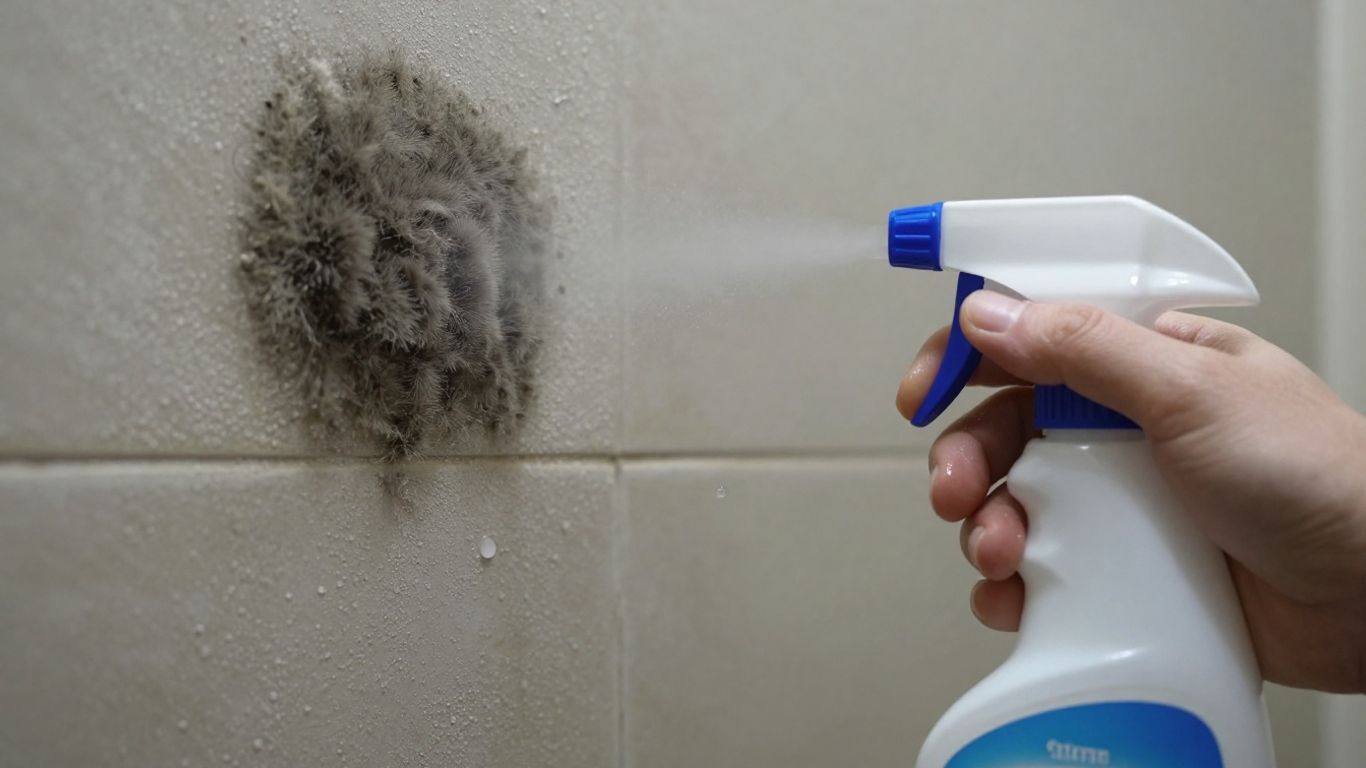
Bleach is a popular go-to for cleaning up mold, but there are some important things to keep in mind before you start spraying it everywhere. Bleach isn’t a cure-all for every mold problem, and the way you use it really matters.
Bleach’s Effectiveness on Porous vs. Non-Porous Surfaces
- Bleach works best on hard, non-porous surfaces like tiles, glass, and bathtubs.
- On porous materials (wood, drywall, ceiling tiles), bleach can’t penetrate deep enough. Mold roots can stay behind and regrow.
- Using bleach on porous surfaces might seem like it works, but the discoloration is just surface-level – the mold can come back fast.
| Surface Type | Bleach Effectiveness | Risk of Mold Return |
|---|---|---|
| Tile, Glass | High | Low |
| Painted Drywall | Low | High |
| Wood | Low | High |
| Carpet | Low | High |
Sometimes, cleaning with bleach just masks the problem; if the underlying moisture isn’t fixed, those stubborn black spots will likely reappear.
The Importance of Removing Dead Mold
- Killing mold isn’t enough; you have to physically remove the dead spores too.
- Even dead mold can cause allergies or trigger asthma in sensitive folks.
- Scrubbing and rinsing away all visible mold is just as important as applying bleach in the first place.
Here are a few steps for proper removal:
- Clean as much visible mold as possible before applying bleach.
- Make sure to scrub after treatment, not just spray and wipe.
- Always rinse the area with water and let it dry fully.
Check out these EPA recommendations explaining why bleach isn’t advised for routine mold cleanup and may even lead to more moisture problems.
When to Call a Professional Mold Remediation Service
- If the mold covers an area larger than 10 square feet, don’t try to tackle it alone.
- If you notice moisture problems that keep coming back, a professional can investigate what’s causing them.
- Mold in heating and cooling systems, or areas you can’t easily access, should also be left to expert remediation.
Rather than reaching for more chemicals, sometimes it’s better to choose a safer homemade solution like vinegar for smaller jobs, though even then, keep an eye on ventilation and your reactions.
In summary, bleach is only helpful in certain situations. Understanding when and how to use it (and when not to) makes a big difference in keeping your home safer and cleaner.
Preventing Mold Growth After Cleaning
So, you’ve tackled the mold, maybe with bleach, maybe with something else. That’s great, but the job isn’t really done until you make sure it doesn’t just come right back. Mold needs a few things to thrive, and the biggest one is moisture. If you don’t fix the underlying dampness, you’re just setting yourself up for another mold party down the road.
Addressing Moisture as the Root Cause
This is the big one, folks. Mold can’t grow without water. Think about it – where do you usually see mold? Bathrooms, kitchens, basements, places that tend to be a bit damp. So, the first step to keeping mold away for good is to find and fix whatever is causing the moisture problem. This could be anything from a leaky pipe under the sink to a roof that’s seen better days. Sometimes it’s as simple as a poorly sealed window letting rain in. You’ve got to dry out any water-damaged areas within 24 to 48 hours to really stop mold in its tracks. If you’ve got persistent dampness, consider getting a dehumidifier, especially in basements or other enclosed spaces. It really makes a difference.
Improving Ventilation to Deter Mold
Good airflow is like mold’s worst nightmare. When air can move freely, it helps to dry out surfaces and prevents moisture from building up. This is why bathrooms and kitchens often have exhaust fans. Make sure you’re using them! Turn on the fan when you’re showering or cooking, and let it run for a bit afterward to clear out the steam. Opening windows when the weather is nice also helps a lot. Think about how stuffy a room can get – that’s prime mold real estate. Better air circulation means less chance for mold spores to settle and start growing.
Regular Cleaning and Inspection Practices
Even with moisture controlled and ventilation sorted, a little regular upkeep goes a long way. Wiping down surfaces that tend to get damp, like shower walls or around the kitchen sink, can prevent small issues from becoming big ones. Keep an eye out for any signs of mold returning, like those tell-tale spots or that musty smell. Catching it early makes it much easier to deal with. It’s also a good idea to check areas that are often hidden, like behind appliances or inside closets, just to be sure. If you’re dealing with a large area of mold, or if you suspect it’s in your HVAC system, it might be time to call in the pros.
Remember, killing mold is only half the battle. If you don’t address the conditions that allowed it to grow in the first place, it’s almost guaranteed to return. Focus on moisture control and good airflow, and you’ll be much better off in the long run.
Conclusion
So, does bleach kill mold? The short answer is yes, but it’s not always the best or only solution. Bleach can kill mold on hard, non-porous surfaces if you use it correctly, but it doesn’t work well on porous materials like wood or drywall. Plus, dead mold can still cause problems if you don’t remove it. Always fix the moisture problem first, and don’t be afraid to call a pro if the mold is widespread or keeps coming back. Remember, safety comes first—wear gloves, use good ventilation, and never mix bleach with other cleaners.
Frequently Asked Questions
Does bleach kill mold on all surfaces?
Bleach works best on hard, non-porous surfaces like tiles or glass. It doesn’t soak into porous stuff like wood or drywall, so mold roots can stay behind.
How do I mix bleach for cleaning mold?
Mix 1/3 cup of bleach with 1 gallon of water. Always use fresh solution and wear gloves.
Is it safe to use bleach to clean mold?
It’s safe if you keep windows open, wear gloves, and never mix bleach with other cleaners. Never mix with ammonia or vinegar, as it can make dangerous fumes.
Why is mold coming back after I clean it with bleach?
If you don’t fix the moisture problem, mold will keep growing. Cleaning alone isn’t enough—you need to keep things dry.
Should I use bleach or vinegar to kill mold?
Only bleach is registered with the EPA to kill mold. Vinegar can clean some surfaces, but it’s not proven to kill mold as well as bleach.
When should I call a professional for mold?
If mold covers more than 10 square feet, keeps coming back, or you have health concerns, it’s best to call a mold expert.
