Every winter, people start asking, does cold kill mold? You’d think the chilly air would wipe out any mold in your home, but that’s not really how it works. In fact, winter can actually make mold problems worse indoors. With the heat cranked up, windows shut tight, and a lot more moisture in the air, mold can find plenty of cozy spots to grow. If you’ve ever noticed a musty smell in your basement, or seen fuzzy patches on your window sills, you’re not alone. Let’s break down what really happens to mold in the winter, and what you can do about it.
Key Takeaways
- Cold weather outside doesn’t kill mold inside your home. Mold spores can survive freezing temperatures and become active again when conditions are right.
- Winter creates perfect conditions for indoor mold growth because of high humidity, poor ventilation, and warm indoor temperatures.
- Common winter mold spots include basements, attics, around windows, inside mattresses, and even on holiday decorations or live Christmas trees.
- A musty odor, visible spots, and unexplained allergy symptoms are big warning signs of hidden mold during the colder months.
- Preventing mold is all about keeping things dry: use dehumidifiers, check for leaks, ventilate rooms, and store seasonal items in airtight containers.
Understanding Winter Mold Growth
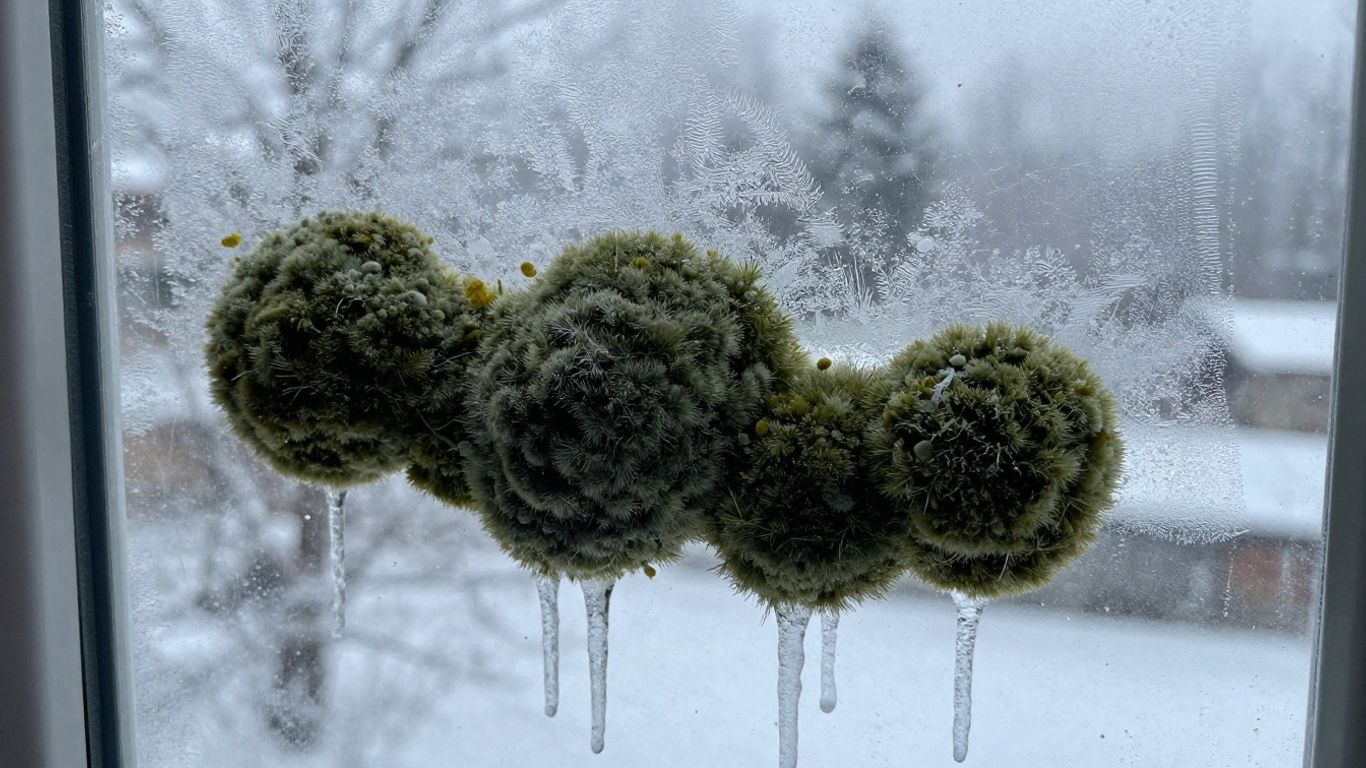
When the temperatures drop and we start spending more time indoors, it might seem like the cold would put a damper on mold growth. But honestly, winter can actually create some pretty ideal conditions for mold to get comfortable in your home. It’s not just about the cold outside; it’s what happens inside that really matters.
Why Winter Creates Ideal Conditions for Mold
Think about it: as it gets colder, we naturally turn up the heat and seal up our homes tight. This means less fresh air circulating. While this keeps us cozy, it also traps moisture and warmth inside. Mold spores are pretty much everywhere, just waiting for the right moment to sprout. When you combine warmth, moisture, and organic materials (like dust, wood, or fabric), you’ve got a recipe for mold to start thriving. It’s a bit counterintuitive, but our efforts to stay warm can inadvertently create a mold-friendly environment.
The Role of Indoor Humidity and Temperature
The sweet spot for most mold growth is a combination of moderate temperatures and high humidity. When we heat our homes, the air inside can become quite humid, especially if we’re also cooking, showering, or even just breathing. This is because warm air holds more moisture than cold air. When this warm, moist air comes into contact with cooler surfaces, like windows or uninsulated walls, the moisture condenses. This condensation is a direct water source for mold spores. Even if you don’t see visible water, elevated humidity levels alone are enough to get mold going. Keeping humidity in check is key to preventing mold, and it’s something many people overlook during the colder months. You can get a simple hygrometer to keep an eye on your home’s humidity levels; aiming for below 50% is generally recommended.
Common Winter Hiding Spots for Mold
Mold doesn’t always announce itself with a big, obvious patch. It likes to hide in places you might not think to look, especially during winter. Some common spots include:
- Around windows and doors: Where cold drafts meet warm indoor air, condensation is common.
- Bathrooms and kitchens: Increased use of hot water for showers and cooking can pump up humidity.
- Basements and crawl spaces: These areas are often cooler and can trap moisture, especially if ventilation is poor.
- Closets and storage areas: Items stored here, especially if they’ve been in a damp garage or attic, can harbor spores.
- Behind furniture or appliances: Areas with poor air circulation are prime real estate for mold.
- Inside HVAC systems: If your heating system isn’t maintained, it can circulate mold spores throughout your home.
It’s easy to think that mold takes a break when it’s freezing outside, but the reality is that our indoor environments can become surprisingly hospitable to mold during winter. The key factors are trapped moisture and warmth, which are often a byproduct of our winter heating habits and reduced ventilation. Paying attention to these indoor conditions is more important than you might think for keeping your home healthy.
Does Cold Kill Mold?
It’s a common thought, right? When the temperatures drop and we’re all bundled up, surely that cold must be zapping any pesky mold lurking around. Well, the truth is a bit more complicated than a simple freeze-and-forget scenario. While freezing temperatures can put mold into a dormant state, it doesn’t actually kill it.
Think of mold spores like tiny seeds. When it gets really cold, they just sort of… pause. They can survive for a long time in this inactive state, waiting for warmer, moister conditions to return. So, that frost on your windowpane or the chilly air in your garage might be slowing things down, but it’s not a permanent solution.
The Impact of Freezing Temperatures on Mold Spores
When mold encounters freezing temperatures, its growth and reproduction halt. The water inside its cells can freeze, potentially causing some damage. However, mold has some pretty impressive survival strategies. Many types of mold produce spores that are incredibly resilient. These spores can withstand extreme conditions, including freezing, drying out, and even radiation, for extended periods. It’s like they’re built for survival, just waiting for the right moment to spring back to life.
Mold Survival Strategies in Cold Climates
Molds have developed several ways to make it through the cold months:
- Spore Formation: Producing hardy spores is their main defense. These spores are lightweight and can travel easily, but more importantly, they are tough.
- Dormancy: They can enter a state of dormancy, much like a bear hibernating. Their metabolic activity slows way down, conserving energy until conditions improve.
- Location: Mold often finds cozy, protected spots indoors where temperatures might not drop as low as outside. Think attics, basements, or even inside wall cavities.
Why Cold Doesn’t Eliminate Mold Indoors
The biggest reason cold doesn’t eliminate mold inside our homes is that our indoor environments are often warmer and more humid than the outdoors, especially during winter. We crank up the heat, and our activities like cooking and showering add moisture to the air. This creates a perfect breeding ground, even when it’s freezing outside. Even if the outdoor air is cold, if you have a poorly insulated home or areas with persistent moisture, mold can continue to thrive. For instance, condensation on windows and walls can provide just enough moisture for mold to survive and even grow, despite the cold. If you’re dealing with mold, especially in areas like your mattress, cold alone won’t solve the problem. You need to address the moisture source directly.
Identifying Mold in Your Home During Colder Months
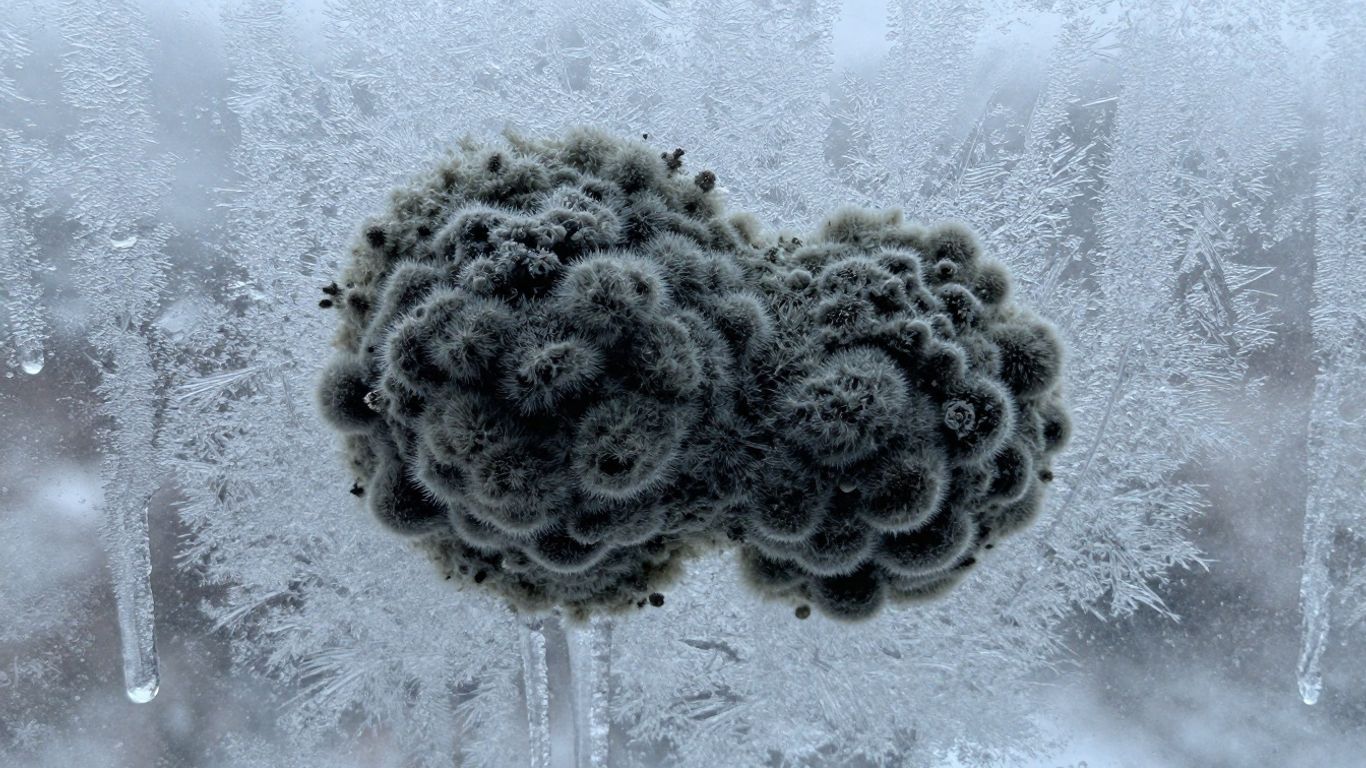
Winter might seem like a time when mold takes a backseat, but that’s often not the case. In fact, the very conditions that make our homes cozy during the colder months can create hidden havens for mold. Spotting it early is key to preventing bigger problems down the line. So, what should you be looking for?
The Tell-Tale Musty Odor
This is often the first clue that something’s not quite right. Mold doesn’t always announce itself with a splash of color; sometimes, it’s just a smell. Think damp earth, old socks, or a general feeling of mustiness. This persistent, unpleasant odor is your nose’s way of telling you mold might be lurking nearby. Even if you can’t see it, a strong musty smell, especially one that seems to get worse when you turn up the heat or after a rain shower, is a solid reason to investigate further. It’s particularly common in areas with poor air circulation, like closets, basements, or even inside furniture. If you notice this smell, it’s worth checking out hidden areas where mold thrives.
Visual Signs of Mold Growth
Of course, sometimes mold makes itself known visually. It can show up in a variety of ways, depending on the surface it’s growing on. You might see fuzzy or powdery patches, often in shades of black, green, white, or even orange. Discolored spots on walls, ceilings, or fabrics are also common. Peeling paint or wallpaper can sometimes be a sign of moisture buildup leading to mold. Keep an eye out for these visual cues, especially in areas prone to moisture:
- Bathrooms: Around showers, tubs, and sinks.
- Kitchens: Under sinks, around dishwashers, and refrigerators.
- Basements and Attics: In damp corners or where leaks have occurred.
- Windows: Especially around the sills and frames where condensation collects.
- Seasonal Items: Check stored decorations or clothing for any unusual spots or textures.
Health Symptoms Associated with Mold Exposure
Sometimes, you might not see or smell mold, but your body reacts to it. Mold spores can trigger a range of health issues, and these symptoms can be more noticeable during winter when we spend more time indoors. Common reactions include:
- Sneezing and coughing
- Runny or stuffy nose
- Watery, itchy eyes
- Skin rashes or irritation
- Headaches
- Worsening of asthma symptoms
If you or your family members are experiencing these symptoms more frequently, especially after spending time in a particular room or after bringing out seasonal items like holiday decorations, it could be a sign of mold exposure. For instance, Christmas Tree Syndrome is a known issue where mold spores from live trees can cause allergy-like symptoms.
It’s important to remember that mold can grow on almost any surface, given the right conditions. Don’t dismiss a persistent musty smell or unexplained health symptoms. Early detection, whether through your senses or noticing visual signs, is the first step in tackling mold before it becomes a larger problem in your home.
Preventing Mold Before Winter Arrives
Getting ahead of mold before the chill really settles in is a lot easier than dealing with a major problem in the dead of winter. A bit of prep can go a long way toward keeping your home dry and mold-free all season. Here’s how to make sure you’re not setting yourself up for unpleasant surprises once the temperature drops.
Proper Storage of Seasonal Items
Holiday decorations, old clothing, even that fake tree you’ve had for years—they all need to stay dry if you want to avoid mold trouble. Before packing anything away:
- Use sealed, plastic bins instead of cardboard boxes, which trap moisture and encourage mold growth.
- Wipe down items with a dry cloth before storing. If it feels even a little damp, leave it out to air dry before packing.
- Store your stuff in dry, ventilated places—basements, attics, and garages can be risky if they’re prone to moisture. Check for leaks or condensation, and fix those first.
You’d be surprised how often holiday ornaments and keepsakes get ruined just because the storage boxes picked up a bit of moisture over the summer. Mold loves dark, poorly ventilated corners.
Addressing Attic and Basement Moisture
Attics and basements are classic mold hideouts, especially as the weather gets colder. These out-of-the-way spots can trap heat and humidity, which lets mold take root. To keep these areas dry:
- Repair roof or foundation leaks quickly.
- Run a dehumidifier if humidity creeps above 50%. Empty and dry its tray regularly so it doesn’t become a mold magnet itself. (More on this in the tips on controlling indoor humidity.)
- Make sure vents are open and not blocked by insulation or stored boxes.
- Check for wet spots or water stains, especially after storms.
| Common Moisture Sources in Winter | Mitigation Tactic |
|---|---|
| Roof leaks | Inspect/repair the roof |
| Unsealed windows | Caulk or weatherstrip |
| Foundation cracks | Fill and seal promptly |
| Condensation from indoor heat | Use a dehumidifier |
Pre-Winter Home Maintenance Checks
A quick checklist before it gets cold can save you lots of headaches.
- Inspect the roof and attic for leaks or water marks.
- Clean out gutters and downspouts, so water doesn’t back up and seep into walls.
- Test exhaust fans in kitchens and bathrooms—they should clear the air, not just make noise.
- Check plumbing for drips or slow leaks, especially under sinks and around the water heater.
- Give any crawlspaces a quick walkthrough for damp patches or odd smells.
Small leaks may not seem urgent, but after months of cold, they can lead to a surprising amount of mold—even if you can’t see it at first.
By taking these steps before winter, you’re making it a lot tougher for mold to gain a foothold. And if you need help or don’t feel comfortable handling any of this, there are professionals who can check these vulnerable areas for you. (If you’re curious about which spaces are most at risk, check out typical winter mold hotspots.)
Combatting Mold Growth in Winter
Okay, so winter’s here, and you’ve realized mold isn’t just a summer problem. It’s easy to think the cold will just freeze it out, but as we’ve seen, that’s not really how it works. The real battle against mold during these colder months is all about managing the environment inside your home. Keeping indoor humidity in check is your number one weapon.
The Importance of Ventilation
When it’s freezing outside, the instinct is to seal up the house tight. But that traps moisture inside, which is exactly what mold loves. You need to let that damp air out and bring some fresh air in, even if it’s just for a little while each day. Think about it: cooking, showering, even just breathing all add moisture to the air. Without a way for it to escape, it just hangs around, waiting for mold to show up.
- Crack a window: Even opening a window for 10-15 minutes a day, especially in rooms where moisture is generated like the kitchen or bathroom, can make a big difference.
- Use exhaust fans: Make sure your bathroom and kitchen exhaust fans are working properly and use them every time you cook or shower. Let them run for a bit after you’re done, too.
- Vent clothes dryers outside: This sounds obvious, but sometimes vents get blocked or disconnected. Make sure yours is venting properly and not just blowing moist air into your attic or basement.
Using Dehumidifiers Effectively
Dehumidifiers are fantastic tools for winter mold prevention. They pull excess moisture right out of the air. But just plugging one in and forgetting about it isn’t enough. You need to use them smartly.
- Placement matters: Put your dehumidifier in the area where you notice the most moisture or in a central location. Don’t block the airflow around it.
- Empty it regularly: That water has to go somewhere! If the tank gets full, the machine stops working. Plus, if the tank sits full for too long, mold can actually grow in the dehumidifier itself.
- Set it right: Aim for indoor humidity levels between 30% and 50%. Too low and your house might feel uncomfortably dry, but too high is an invitation for mold.
Keeping your home’s humidity below 50% is key to preventing mold growth during the winter. A simple hygrometer can help you monitor these levels accurately, so you know when to turn on your dehumidifier or open a window.
Controlling Indoor Humidity Levels
Beyond ventilation and dehumidifiers, there are other ways to keep moisture from building up. Think about where moisture comes from in the first place. Long, hot showers are great on a cold day, but they pump a lot of steam into the air. Holiday cooking can also add to the humidity. Even houseplants can contribute. If you’ve got a lot of them, make sure they’re not sitting in soggy soil. Addressing leaks promptly, like dripping faucets or roof issues, is also a big part of preventing mold before winter arrives.
- Limit shower times: Try to keep showers a bit shorter and cooler if possible.
- Cover pots when cooking: This traps steam and reduces the amount of moisture released into the air.
- Dry things thoroughly: Don’t leave damp towels or clothes lying around. Make sure anything that gets wet, like spills or condensation on windows, is dried up quickly. Addressing attic and basement moisture is also a big part of preventing mold during these colder months.
Specific Winter Mold Concerns
Winter can bring about some unique mold challenges that you might not think about until they’re staring you in the face (or, you know, smelling musty). It’s not just about the cold outside; it’s how we react to it indoors that often creates the perfect storm for mold. Let’s break down a few common culprits.
Mattress Mold and Winter Humidity
Your mattress can be a surprisingly cozy spot for mold, especially when the weather turns cold. As we crank up the heat and seal our homes tight, indoor humidity levels tend to climb. Combine that with the natural moisture from our bodies overnight – sweat, oils, and dead skin cells – and you’ve got an ideal environment for mold to get a foothold. Mold on a mattress isn’t just gross; it can seriously impact your health, leading to allergies, asthma flare-ups, and skin irritation. If you notice a persistent musty smell or dark spots, it’s time to investigate. Sometimes, a spill that didn’t dry completely before the sheets went back on can be the culprit. If mold is present, it’s often best to replace the mattress, and if the smell lingers, you might have a bigger issue elsewhere in the room that needs attention.
Christmas Tree Syndrome and Mold Spores
Ah, the festive season. That beautiful live Christmas tree brings a wonderful scent into your home, but it can also be a carrier of mold spores. Trees growing outdoors are exposed to all sorts of fungi, and when you bring that tree inside your warm, humid house, those spores can multiply. This can lead to what’s known as Christmas Tree Syndrome, causing symptoms like sneezing, coughing, runny noses, and itchy eyes, especially for those with allergies or asthma. To help prevent this, consider giving your tree a good rinse with a hose outside before bringing it in and letting it dry thoroughly. Also, limiting the time the tree stays indoors can reduce spore exposure.
Condensation on Windows and Walls
This is a classic winter problem. When warm, moist air inside your home meets cold window panes or exterior walls, condensation forms. It’s that foggy look you see on your windows on a chilly morning. While a little bit of condensation might seem harmless, if it’s happening regularly, that moisture can create a damp surface where mold loves to grow. You might start seeing fuzzy black, green, or white spots along window sills, frames, or even on the walls nearby. Addressing this means tackling the humidity inside your home and improving ventilation. Sometimes, simply wiping down windows daily can make a difference, but if it’s a persistent issue, you might need to look at better insulation or ventilation solutions. Keeping indoor humidity levels below 50% is a good goal to aim for.
Dealing with these specific winter mold concerns often comes down to managing indoor moisture. Whether it’s from your mattress, a holiday tree, or condensation, excess dampness is the common thread that allows mold to thrive. Being aware of these potential problem areas can help you take steps to prevent mold before it becomes a bigger issue.
When to Seek Professional Mold Remediation
Sometimes, no matter how hard you try to keep things dry and clean, mold just seems to find a way. It can be frustrating, especially when you’ve already tried cleaning it yourself. If you’re finding that mold keeps popping up, or if the problem seems bigger than what you can handle, it’s probably time to call in the pros.
Assessing the Extent of Mold Infestation
Figuring out if you need professional help often comes down to the size of the problem. For small spots, maybe a few square inches, you might be able to tackle it with some household cleaners. But if the mold covers a larger area, say more than a square foot or two, it’s a good indicator that you should get professional advice. Large infestations can spread spores easily, making the problem worse if not handled correctly. Also, consider where the mold is. If it’s in your HVAC system, attic, or behind walls, that’s definitely a job for the experts.
Dealing with Recurring Mold Issues
Have you cleaned mold before, only to see it return a few weeks later? This is a common sign that the underlying moisture issue hasn’t been fully resolved. Professionals can help identify the source of the moisture that’s feeding the mold, whether it’s a hidden leak, poor ventilation, or something else. They have the tools and knowledge to not only remove the existing mold but also to help prevent it from coming back. It’s really about fixing the root cause, not just the symptom.
Protecting Your Health from Mold Hazards
Mold isn’t just unsightly; it can also affect your health. Symptoms like sneezing, coughing, itchy eyes, or even more serious respiratory issues can be linked to mold exposure. If you or someone in your household is experiencing these symptoms, especially if they seem to get worse when you’re at home, it’s a strong reason to get professional help. They can assess the air quality and ensure the mold is removed safely, which is especially important if you have young children, elderly family members, or individuals with compromised immune systems. You can find licensed, certified professionals with experience in professional mold removal who can properly assess the situation and recommend the best course of action.
If you notice a persistent musty odor, visible mold growth on surfaces, or signs of water damage like staining or peeling paint, it’s a clear signal that mold might be present. Don’t ignore these signs, as they often indicate a problem that requires professional attention to ensure a healthy living environment.
Here’s a quick rundown of when to call the experts:
- The mold covers an area larger than 10 square feet.
- Mold reappears after you’ve cleaned it.
- The mold is located in hard-to-reach places like attics, crawl spaces, or HVAC systems.
- You or your family members are experiencing unexplained health symptoms that might be related to mold.
- There has been significant water damage or flooding in your home.
So, Does Cold Kill Mold?
Alright, so we’ve talked a lot about how winter can actually be a prime time for mold to set up shop in our homes, especially on things like mattresses. It turns out that while freezing temperatures might slow some mold down outside, the cozy, heated indoors we create during winter actually gives it a perfect environment to thrive. Think closed windows, higher humidity, and all those cozy surfaces. The key takeaway here isn’t that winter is mold-free, but rather that we need to be extra mindful of moisture. Keeping things dry, using dehumidifiers, and maybe even getting a good mattress protector can make a big difference. So, while the cold outside might seem like a mold killer, it’s really the conditions inside our homes during winter that we need to watch out for.
Frequently Asked Questions
Can mold really grow when it’s cold outside?
Yes, mold can still grow in the cold! While freezing temperatures might slow it down or kill some mold on the outside, mold spores are tough. Inside our homes, heating systems create warm spots, and closed windows trap moisture. This combination of warmth and dampness is all mold needs to thrive, even when it’s chilly out.
Does freezing temperatures kill mold?
Freezing temperatures can make mold go dormant, meaning it stops growing and spreading. However, it doesn’t necessarily kill the mold completely. Once the temperature warms up and there’s moisture, the mold can become active again. So, while cold might pause it, it doesn’t always eliminate it.
What are the common signs of mold in my home during winter?
The most common sign is a musty, damp smell that you can’t get rid of. You might also see fuzzy or discolored patches on walls, ceilings, or around windows. Sometimes, people experience allergy-like symptoms such as sneezing, coughing, or itchy eyes more often during the winter, which can be a sign of mold.
Why is my mattress a problem for mold in the winter?
Your mattress can become a cozy spot for mold in winter because we tend to heat our homes and keep windows shut. This raises the humidity inside. Plus, body heat, sweat, and oils can make the mattress surface damp, creating the perfect environment for mold to grow.
How can I prevent mold from growing in my home this winter?
To prevent mold, keep your home well-ventilated by cracking a window or using exhaust fans, especially in bathrooms and kitchens. Use a dehumidifier to control moisture levels, aiming for humidity between 30-50%. Also, fix any leaks promptly and make sure damp areas dry out completely.
What is ‘Christmas Tree Syndrome’?
Christmas Tree Syndrome refers to allergy-like symptoms caused by mold spores that can be present on real Christmas trees. When you bring a tree inside your warm home, these spores can multiply and spread, leading to sneezing, coughing, and itchy eyes for some people.
