Chicagoland property owners might think the cold weather means mold is gone for good. It’s a common idea, that winter’s chill just kills off mold. But honestly, that’s not really how it works. Mold is tougher than most people realize and doesn’t just die when it gets cold. It mostly just takes a break, waiting for things to warm up or get damp again. This misunderstanding can lead to bigger problems and costly fixes down the road. Let’s clear up some of these myths and talk about what you can do to keep mold out of your home, even when it’s freezing outside.
Key Takeaways
- Cold temperatures don’t kill mold; they usually just make it go dormant. Mold spores are very hardy and can survive freezing weather.
- Indoor environments, especially heated homes, can provide the moisture and conditions mold needs to grow, even when it’s cold outside.
- Condensation on cold surfaces like windows and walls is a major source of moisture that fuels mold growth during winter.
- Leaks, ice dams, and melting snow can introduce water into your home, creating damp areas where mold can thrive.
- Preventing mold in winter involves controlling indoor humidity, fixing leaks, improving ventilation, and regularly checking for moisture and mold signs.
Will Cold Kill Mold? Separating Fact From Fiction
It’s a common thought: winter arrives, temperatures plummet, and surely, all that mold just freezes and dies, right? Many homeowners breathe a sigh of relief when the snow starts falling, thinking their mold worries are over. Unfortunately, this is one of the biggest myths out there. Cold weather doesn’t actually kill mold; it just puts it on pause.
Mold’s Resilience in Freezing Temperatures
Mold is incredibly tough. Think of it like a plant that goes dormant in winter. The cold might stop its active growth, but the mold itself, especially its spores, remains alive and well. These spores are built to survive harsh conditions, including freezing temperatures. They can hang out for months, just waiting for things to warm up and get a little moist again. So, while you might not see visible mold growth on your outdoor surfaces during a deep freeze, it’s very likely still there, dormant and ready to spring back to life.
Mold spores are like tiny survivalists. They can endure extreme heat, cold, and dryness, waiting for the perfect moment to start growing again. This resilience is why simply waiting for winter to solve your mold problem is a flawed strategy.
Indoor Environments: A Haven for Mold
Here’s where things get tricky. While it’s freezing outside, your home is likely a cozy, heated environment. This contrast between the cold outdoors and warm indoors creates a perfect storm for moisture buildup. Think about condensation forming on windows or cold pipes. These damp spots, even if small, can become ideal nurseries for mold. Plus, as we seal up our homes to keep the cold out, we often reduce ventilation, trapping moisture inside. This means indoor mold can actually thrive during winter, even if outdoor mold activity slows down. It’s a bit of a paradox, but your warm house can become a mold’s best friend.
The Moisture Factor: Mold’s True Requirement
Temperature is only part of the equation. The real key ingredient mold needs to grow is moisture. Whether it’s 70 degrees Fahrenheit inside or 20 degrees outside, if there’s a water source, mold can find a way. This moisture can come from various places during colder months:
- Condensation: Warm, moist indoor air hitting cold surfaces like windows, walls, or uninsulated areas is a major culprit. This is especially common in bathrooms and kitchens.
- Leaks: Winter weather can bring its own set of water issues. Snowmelt, ice dams, or even just rain can find their way into your home through roof leaks or foundation cracks.
- Heating Systems: Running your furnace can sometimes dry out the air, but it can also contribute to moisture problems if not properly managed, especially in poorly ventilated areas.
Understanding that mold needs moisture, not just warmth, is the first step in realizing why winter doesn’t automatically mean the end of mold concerns. You need to actively manage moisture levels to keep mold at bay, regardless of the season. If you’re dealing with persistent moisture issues, checking your home’s ventilation is a good place to start.
Understanding How Mold Survives Winter Conditions
It’s a common thought that when the temperature drops and everything freezes over, mold just… dies. But honestly, that’s not really how it works. Mold is way tougher than we give it credit for. Think of it less like a delicate flower and more like a seasoned survivalist. It doesn’t just pack up and leave when winter hits; it adapts.
Dormancy, Not Death: Mold’s Winter Strategy
When it gets cold, mold doesn’t actually die. Instead, it enters a state of dormancy. This is similar to how some animals hibernate – they aren’t dead, they’re just waiting for better conditions. Mold spores are incredibly resilient and can hang out in this dormant state for a long time, just waiting for warmth and moisture to return. This means that even if you don’t see visible mold growth during the coldest months, the potential is still there, lurking.
The Hardy Nature of Mold Spores
Mold spores are the tiny reproductive units that mold releases. They are built to survive. They can handle a lot, from freezing temperatures to extreme heat. It’s not uncommon for these spores to remain viable for years, just floating around until they find a spot with enough moisture to start a new colony. This is why even if you clean up mold, it can come back if the underlying moisture issue isn’t fixed.
Indoor Environments: A Haven for Mold
While outdoor mold might slow down, our homes often become cozy little incubators for mold during winter. We crank up the heat, which can change indoor humidity levels. Plus, things like cooking, showering, and even breathing release moisture into the air. If this moist air can’t escape because of poor ventilation, it settles on surfaces. This is where the real trouble starts. Areas like bathrooms, kitchens, basements, and even windowsills can become prime real estate for mold growth, especially when warm, moist air meets cold surfaces, creating condensation. It’s a cycle that keeps mold thriving, even when it’s freezing outside. If you’re dealing with persistent moisture issues, it might be worth looking into home ventilation systems.
Mold doesn’t need summer heat to grow; it just needs moisture. Our heated homes, combined with everyday activities, can create the perfect conditions for mold to flourish, regardless of the outdoor temperature. This is why addressing moisture is key, not just the cold.
Here’s a quick look at how mold survives:
- Dormancy: Freezing temperatures cause mold to become inactive, not dead.
- Spore Resilience: Mold spores are tough and can survive harsh conditions for extended periods.
- Indoor Niches: Heated homes with poor ventilation and condensation provide ideal indoor environments for mold.
It’s easy to think winter is a break from mold problems, but as you can see, it’s often just a different kind of battle. Understanding how mold survives these conditions is the first step to keeping it out of your home.
The Winter Paradox: Why Cold Weather Fuels Mold
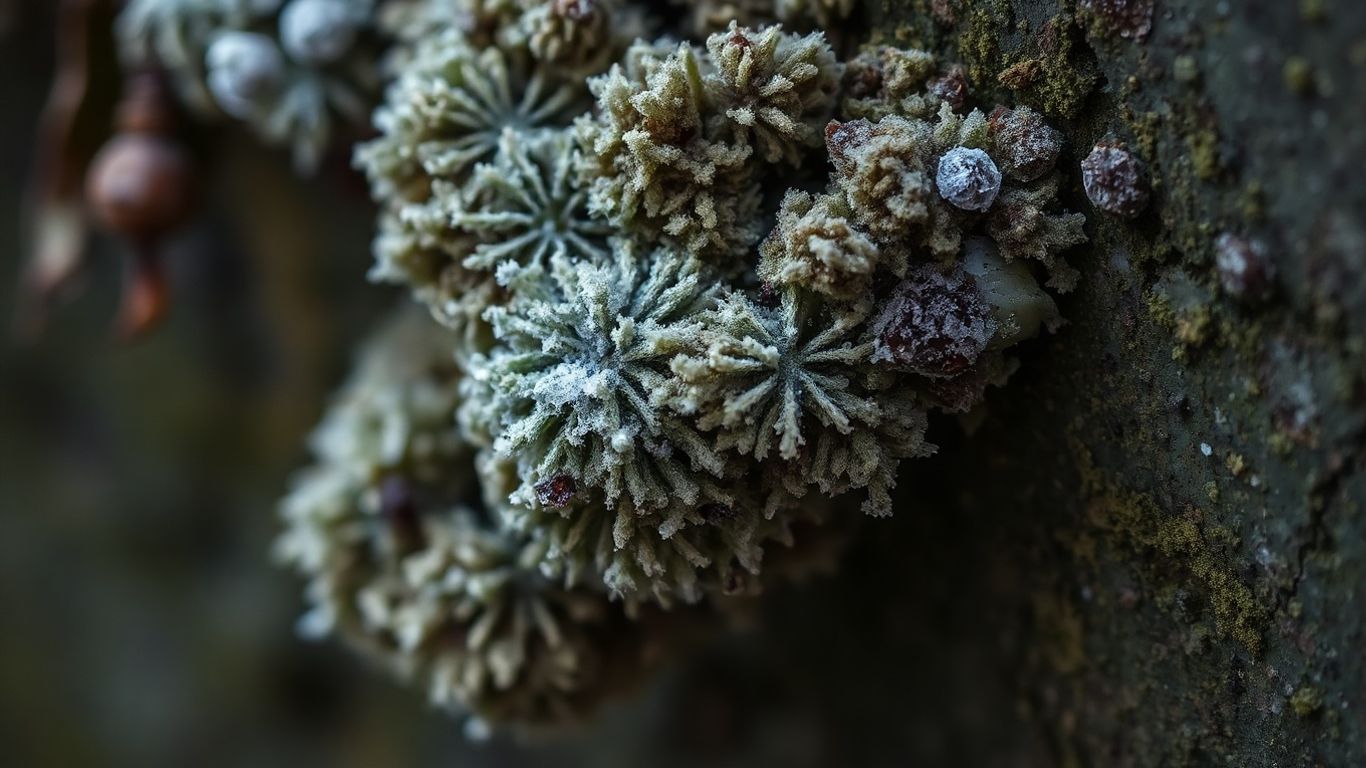
It’s a common thought: winter arrives, the temperatures plummet, and surely, that means mold has nowhere to go, right? Well, not exactly. This is where things get a bit tricky, and frankly, a little surprising. Instead of disappearing, mold often finds new ways to thrive during the colder months, and sometimes, our own efforts to stay warm actually help it along. It’s a real paradox, but understanding it is key to keeping your home healthy.
Condensation: The Silent Moisture Creator
When the weather outside gets cold, the inside of your house becomes a warm, inviting space. This temperature difference is a recipe for condensation. Think about your windows on a chilly morning – you see that fogging up? That’s moisture. This happens on walls, around window frames, and in any spot where warm, moist indoor air meets a cold surface. This seemingly small amount of water is all mold needs to start setting up shop. It’s not just a little bit of dampness; it’s a consistent source of water that mold loves.
- Windows and Doors: Cold drafts and poorly insulated frames are prime spots.
- Unheated Rooms: Basements and attics can get surprisingly cold, leading to condensation.
- Behind Furniture: Areas where air doesn’t circulate well can trap moisture.
The constant battle between warm indoor air and cold exterior surfaces creates a microclimate perfect for mold, often in places you don’t see right away.
Leaks and Water Intrusion in Colder Months
Winter isn’t just about snow and ice; it can also bring unexpected water issues. Heavy snowmelt, ice dams forming on roofs, or even just general wear and tear on your home’s exterior can lead to leaks. If water gets into your walls, attic, or basement, it creates a damp environment. And as we mentioned, mold only needs moisture to grow. So, while you might be focused on keeping the cold out, you might be letting water in, which is mold’s favorite invitation. It’s important to keep an eye on your roof and gutters, especially after big storms. A small leak now can become a big mold problem later.
Humidity from Heating Systems
Here’s another twist: the very systems we use to keep our homes warm can also contribute to mold growth. When you turn on your furnace or heater, it can change the air inside your home. Sometimes, this can lead to increased humidity, especially if your home isn’t well-ventilated. You might be trying to combat the dry winter air with humidifiers, but overdoing it can create too much moisture. This excess humidity can settle on surfaces, providing the damp conditions mold needs. Maintaining the right balance of humidity is more important than ever in winter.
| Area of Concern | Typical Winter Issue | Mold Impact |
|---|---|---|
| Indoor Air | Increased humidity from heating | Provides moisture for growth |
| Windows/Walls | Condensation buildup | Damp surfaces for spores |
| Basements/Attics | Cold spots, poor airflow | Moisture accumulation |
If you notice a persistent musty smell, it could be a sign of hidden mold growth, often intensified during winter heating [6d71]. Addressing these issues promptly is key to preventing a small problem from becoming a major one.
Debunking Outdoor Mold Myths in Winter
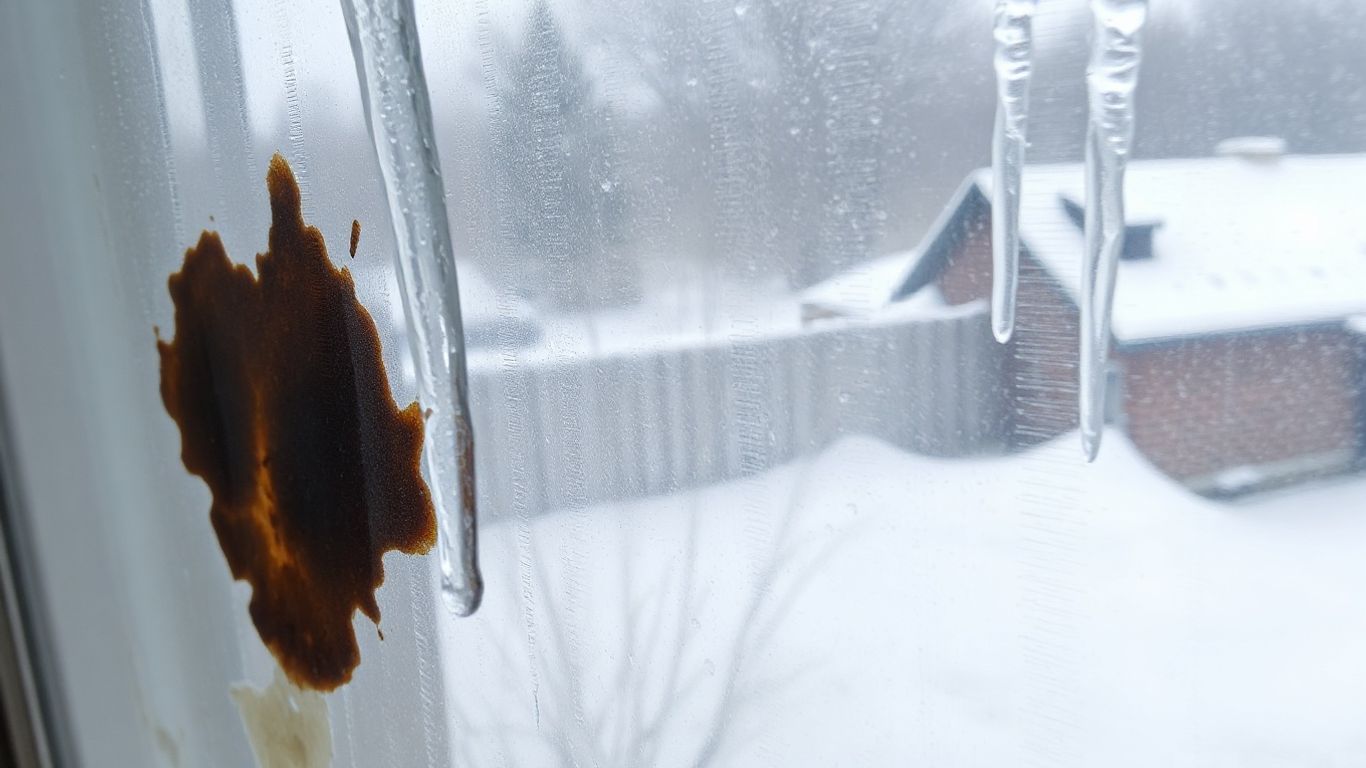
It’s easy to think that when the temperatures drop and the snow starts to fly, mold just packs its bags and leaves. We tend to associate mold with warm, damp summer days, right? Well, that’s a common misconception, and it’s time we set the record straight.
Mold’s Persistence on Outdoor Surfaces
Even when it’s freezing outside, mold isn’t exactly taking a vacation. It’s more like it’s hitting the pause button. Mold spores are incredibly tough. They can hang out on all sorts of outdoor surfaces – think wood decks, fences, siding, even soil and mulch piles. These spots can offer a bit of shelter and retain moisture, allowing mold to just chill out, dormant but not dead. So, that seemingly clean-looking deck might still have mold hiding underneath the surface, just waiting for a warmer day.
The Illusion of Eradication by Freezing
Freezing temperatures don’t actually kill mold; they just make it go dormant. It’s like putting a plant in the fridge to keep it fresh – it’s not dead, just inactive. When the weather warms up and moisture returns, those dormant spores wake right back up and start growing again. This is why you might see mold reappear year after year, even if you thought the winter would have taken care of it. It’s a cycle that continues if the underlying moisture issues aren’t addressed. This is similar to how snow mold can affect lawns, even healthy ones, after prolonged snow cover [bcdb].
Reactivation When Conditions Improve
When spring rolls around, or even on a warmer winter day, mold is ready to spring back into action. If you had mold issues last year, and the moisture source was never fixed, you’re likely to see it return. The spores that survived the cold will find that damp spot again and start multiplying. It’s a good reminder that dealing with mold isn’t just about the current weather; it’s about fixing the root cause of moisture problems around your home. Addressing these issues promptly can prevent a small problem from becoming a big one, and it’s something that can be tackled any time of year, not just when it’s warm [58c0].
Here’s a quick rundown of why winter doesn’t mean the end of mold:
- Dormancy is Key: Mold spores can survive extreme cold by becoming dormant.
- Sheltered Spots: Areas like under eaves, in mulch, or on shaded surfaces can stay moist and slightly warmer, allowing some growth.
- Indoor Advantage: Your heated home creates a perfect, humid environment for mold, even when it’s freezing outside.
It’s a common mistake to assume that winter’s chill is a natural mold killer. While it might slow down growth, mold spores are built to survive. They lie in wait, ready to reactivate the moment conditions become favorable again, often within the very walls of our homes.
Preventing Mold Growth During Colder Months
So, winter’s here, and you might be thinking mold has packed its bags and left. Not so fast! While the outdoor chill might slow things down, your cozy indoor space can actually become a mold’s winter paradise if you’re not careful. The key is managing moisture, plain and simple. Keeping indoor humidity in check is your first line of defense against unwanted fungal guests.
Here’s how to tackle it:
- Control Indoor Humidity Levels: Aim to keep your home’s relative humidity between 30% and 50%. Anything higher, especially above 60%, really gets mold going. You can use a dehumidifier in damp areas like basements or laundry rooms. And try not to overdo it with humidifiers if you’re already adding moisture to the air through daily activities.
- Address Condensation Issues: Cold surfaces are condensation magnets. Think windows, exterior walls, and even basements. Insulating windows can help a lot, and using exhaust fans in bathrooms and kitchens after you shower or cook is a must. Don’t forget to wipe down any damp spots you see on windowsills or walls.
- Fix Leaks and Water Intrusion Promptly: Winter can bring its own water woes, like ice dams or snowmelt seeping into your foundation. Regularly check your roof, walls, and foundation for any signs of leaks. Make sure your gutters are clear so water flows away from your house, not towards it. Addressing these issues quickly stops mold before it even thinks about setting up shop. You can find more information on detecting and preventing mold if you’re unsure where to start.
When we seal up our homes to keep the cold out, we often trap moisture inside. This creates the perfect, humid environment for mold to thrive, even when it’s freezing outside. It’s a bit of a paradox, but a very real one for homeowners.
Don’t let the cold fool you into thinking mold is gone. By being proactive about moisture, you can keep your home healthy all winter long. Remember, addressing indoor humidity and improving air circulation are key.
Ensuring Proper Airflow and Inspections
Good airflow in the house isn’t just about staying comfortable—it’s also about stopping mold in its tracks. Stale, still air plus moisture gives mold spores all the encouragement they need. Winter can trick you into thinking the cold will keep you safe, but closing everything up to keep warm? That’s exactly how mold finds its happy place.
Maintaining Heating and Air Circulation
Consistent air movement is one of the most overlooked ways to keep moisture (and mold) under control. Here’s what most people forget:
- Move furniture away from vents so air can flow freely.
- Use ceiling fans (yep, even in the winter—just change the direction) to push warm air around.
- Don’t close closet or pantry doors for weeks on end—open them occasionally to let them "breathe."
- If you’ve got window condensation, wipe it up fast and check for airflow issues.
If you want more strategies for healthy air at home, these ideas for improving indoor airflow help create a space where mold struggles to take hold.
Conducting Regular Mold Inspections
Mold can hide in places you’d never think to look: under sinks, behind boxes, even in the corners of your laundry room. Regular check-ups help you catch small problems before they become big ones. Don’t just glance into the basement—get a flashlight and look for:
- Discolored spots on walls, ceilings, and around windows.
- Musty odors, especially in rarely used rooms or areas that had leaks before.
- Peeling paint or bubbling wallpaper, which can mean hidden moisture.
Here’s a quick table of high-risk inspection areas and how often to check:
| Area | How Often Should You Check? |
|---|---|
| Under sinks | Once a month |
| Basement & crawlspaces | Monthly |
| Around windows | Each week in winter |
| Attic and roof edges | Each season (quarterly) |
When it comes to mold, the sooner you spot it, the less hassle (and money) you’ll end up spending.
Dealing with Existing Mold Issues
If you find mold, don’t ignore it, and don’t just reach for the nearest bottle of bleach. For small patches (less than a square foot), simple cleaning agents and a bit of elbow grease can work. Bigger jobs? It might be time to bring in the pros.
Here’s how you can tackle mold step by step:
- Find and fix whatever’s causing the dampness—repair leaks or deal with condensation.
- For small spots, clean with dish soap and water; skip the bleach, especially for anything that’s porous or textured.
- If the mold keeps coming back, or if it’s spread, contact a reliable mold remediation company to make sure everything gets fixed—especially if it’s in your HVAC system or behind walls.
Staying alert to airflow issues, regular inspections, and facing mold problems quickly will go much farther than just hoping cold weather will solve things for you.
So, Does Cold Kill Mold?
Alright, so we’ve talked a lot about how cold weather doesn’t actually kill mold. It just makes it take a nap, and then it wakes up when things get warm and damp again. That means just because it’s freezing outside doesn’t mean your house is safe from mold. In fact, all the sealing up we do to stay warm can actually create more problems inside. The real key is keeping things dry and making sure your house can breathe, no matter what the temperature is. So, don’t let winter fool you – keep an eye out for moisture and deal with any mold issues you find right away. Staying on top of it is the best way to keep your home healthy all year long.
Frequently Asked Questions
Does freezing weather actually kill mold?
No, cold weather doesn’t kill mold. Think of it like a bear hibernating. Mold spores can go dormant, meaning they stop growing but aren’t dead. When the temperature warms up and there’s moisture, they wake up and start growing again.
Can mold grow inside my house even if it’s cold outside?
Yes, absolutely! Your house is often warmer inside than it is outside during winter. This, combined with moisture from things like cooking, showering, or even breathing, creates a perfect spot for mold to grow, especially in areas with poor air movement.
What is condensation and how does it help mold grow in winter?
Condensation happens when warm, moist air inside your house touches cold surfaces, like windows or uninsulated walls. This makes water droplets form, creating damp spots. Mold loves these damp spots and can start growing there quickly.
Are there specific places in my home where mold is more likely to grow in winter?
Mold often pops up in places where moisture likes to hang out. This includes around windows and doors, in basements or crawl spaces, bathrooms, kitchens, and any area with poor air circulation or insulation.
What can I do to stop mold from growing in my home during winter?
The key is to control moisture. Keep your home’s humidity levels down (ideally between 30-50%), make sure air can move around by using fans and not blocking vents, fix any leaks right away, and wipe down surfaces where you see condensation.
If I find mold, should I try to clean it myself?
For small spots (less than about 10 square feet), you might be able to clean it with soap and water or a mold cleaner. However, if the mold covers a larger area, or if you’re not sure what to do, it’s best to call a professional mold removal service to make sure it’s all gone safely.
