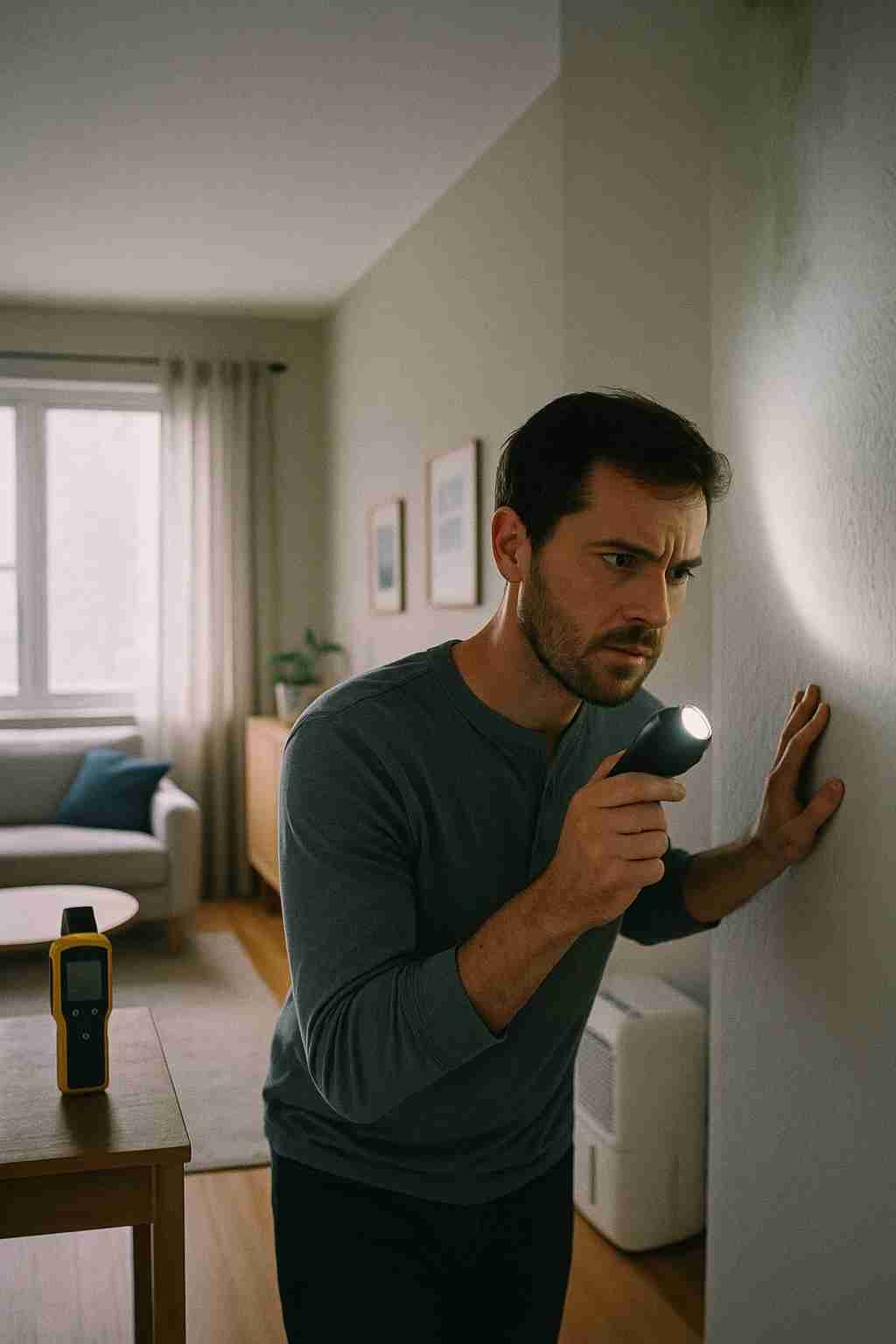
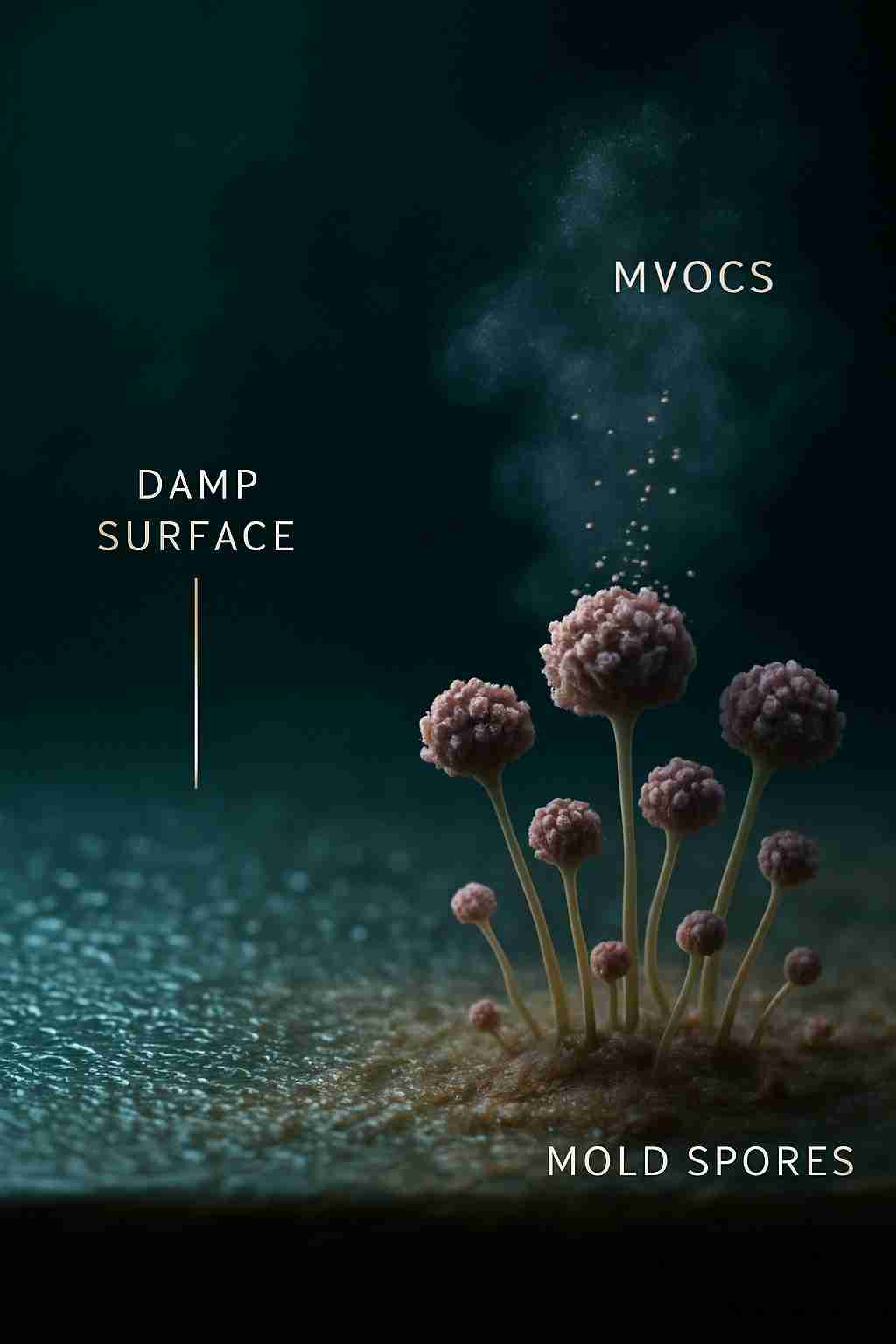
What does mold smell like in a house? If you’ve ever caught a whiff of something musty, damp, or unpleasantly earthy in your home, you might be smelling mold. This distinctive odor is one of the earliest warning signs of a mold problem, often appearing before you can see visible growth. Mold releases volatile organic compounds (VOCs) called microbial volatile organic compounds (MVOCs) that create these characteristic smells. Understanding what mold smells like and where these odors originate can help you catch infestations early and prevent serious damage to your property and health.
Understanding the Distinct Smell of Mold
The Primary Mold Odor Profile
The most common description of what mold in the house smells like is “musty” or “earthy.” This smell resembles:
- Damp soil or rotting wood
- Old books in a neglected basement
- Wet cardboard left in humid conditions
- Stale, unventilated spaces
The intensity varies depending on the mold species, moisture levels, and how long the infestation has been growing. Some people compare it to the smell of dirty, wet laundry that’s been forgotten in the washing machine for days.
Why Mold Smells the Way It Does
Mold produces MVOCs as metabolic byproducts during its growth cycle. These chemical compounds include alcohols, aldehydes, ketones, and terpenes. Different mold species produce different combinations of these compounds, which explains why not all mold smells exactly the same. The concentration of MVOCs increases as the colony grows, making the smell stronger over time.
Variations in Mold Odors
While musty is the most common descriptor, mold can produce several distinct smells:
Earthy and soil-like: Common with Aspergillus and Penicillium species Sweet or fruity: Sometimes associated with certain wood-decaying fungi Ammonia-like: Can indicate protein decomposition alongside mold Pungent or sour: Often found in areas with sewage issues or water damage
Some homeowners report that mold smells like sweaty socks in house environments, particularly in closets, basements, or poorly ventilated bathrooms. This comparison is accurate because the same types of bacteria and fungi that cause foot odor can thrive in damp indoor spaces.
Common Places Where Mold Smells Appear
High-Risk Areas in Your Home
Certain locations are breeding grounds for mold due to moisture, poor ventilation, or organic materials:
- Bathrooms: Showers, tubs, and sink areas where humidity accumulates
- Basements and crawl spaces: Low airflow and potential water seepage
- Attics: Roof leaks and poor insulation create condensation
- Kitchen areas: Under sinks, behind appliances, near dishwashers
- HVAC systems: Ductwork and air handlers can harbor hidden growth
- Wall cavities: Behind drywall where leaks go unnoticed
- Carpets and padding: Especially after water damage or in humid climates
Seasonal Patterns
Mold smells often intensify during specific times:
- Summer months: High humidity promotes rapid growth
- After heavy rain: Water intrusion events
- Winter heating season: Condensation from temperature differences
- Spring thaw: Melting snow can cause foundation moisture
Why Your House Smells Musty But No Mold Is Visible
A musty smell in house mold sign doesn’t always mean you’ll immediately spot the growth. Mold often thrives in hidden locations where visual inspection is difficult or impossible. Here’s why you might detect the odor without seeing mold:
Hidden Growth Locations
Behind walls and wallpaper: Water damage from plumbing leaks creates ideal conditions Under flooring: Moisture trapped beneath vinyl, laminate, or carpeting Inside insulation: Wet insulation in walls or attics remains concealed Within HVAC systems: Air ducts, drip pans, and cooling coils Behind baseboards: Small leaks or condensation accumulates unnoticed Above ceiling tiles: Roof leaks may not show immediate staining
Early-Stage Detection
Mold smell often precedes visible growth by weeks or months. The MVOCs that create odor disperse through air much faster than the mold colony itself spreads across surfaces. This makes your nose one of the most sensitive early warning systems for mold problems.
Finding Mold Smell But Can’t Find Mold in House: Investigation Steps
When you detect mold odor without locating the source, systematic investigation is essential.
Step 1: Document the Smell
- Note when the smell is strongest (time of day, weather conditions)
- Identify which rooms or areas have the strongest odor
- Track any patterns related to HVAC operation or appliance use
Step 2: Conduct a Moisture Inspection
Use these tools and techniques:
- Moisture meter: Check walls, floors, and ceilings for elevated readings
- Infrared camera: Reveals temperature differences indicating moisture
- Visual inspection: Look for water stains, discoloration, or bubbling paint
- Feel test: Touch surfaces for unexpected dampness
Step 3: Check Hidden Areas
Investigate these commonly overlooked spots:
- Remove air vent covers and inspect ductwork
- Pull back corners of carpeting near exterior walls
- Check behind large furniture and appliances
- Inspect basement rim joists and foundation
- Examine attic ventilation and insulation
Step 4: Consider Professional Mold Inspection
Professional inspectors offer:
- Air quality testing: Measures mold spore concentrations
- Surface sampling: Identifies specific mold species
- Thermal imaging: Locates moisture intrusion points
- Detailed reporting: Provides documentation for remediation
Most reputable inspectors charge between $300-$600 for comprehensive residential mold inspections, though prices vary by location and home size.
Reach out to the Mold Remediation Hotline at 332-220-0303 for professional mold inspection and testing services.
You can trust our years of experience in indoor air quality and mold inspection. We serve clients across the country.

Health Implications of Mold Exposure
Prolonged exposure to mold and its odors can cause various health issues:
Immediate Symptoms
- Nasal congestion and sneezing
- Eye, nose, and throat irritation
- Coughing and respiratory discomfort
- Skin rashes or irritation
- Headaches and fatigue
Long-Term Concerns
For sensitive individuals, chronic exposure may lead to:
- Asthma development or worsening symptoms
- Allergic reactions
- Respiratory infections
- Compromised immune response
People with existing respiratory conditions, allergies, or weakened immune systems face higher risks. The Environmental Protection Agency emphasizes that any mold growth indoors should be addressed promptly, regardless of species.
Practical Solutions for Eliminating Mold Odors
Immediate Actions
Improve ventilation: Open windows, use exhaust fans, and increase air circulation Reduce humidity: Maintain indoor humidity between 30-50% using dehumidifiers Fix water problems: Repair leaks, address drainage issues, and eliminate moisture sources Clean visible mold: Use appropriate cleaning solutions on hard surfaces Dispose of contaminated materials: Remove water-damaged carpets, insulation, or drywall
Prevention Strategies
Implement these long-term measures:
- Install proper ventilation: Ensure bathrooms, kitchens, and laundries have adequate exhaust systems
- Monitor humidity levels: Use hygrometers to track indoor moisture
- Maintain HVAC systems: Regular cleaning and maintenance prevent mold growth in ducts
- Direct water away from foundation: Proper grading and gutter systems protect basements
- Use mold-resistant products: Choose mold-resistant drywall, paint, and materials in high-moisture areas
When to Call Professionals
Professional remediation is necessary when:
- Mold covers areas larger than 10 square feet
- Growth occurs within HVAC systems
- Contamination affects porous materials like insulation
- The source of moisture isn’t easily identified
- Residents experience health symptoms
Professional remediation typically costs between $500 for small projects to $6,000+ for extensive infestations requiring structural work.
Reach out to the Mold Remediation Hotline at 332-220-0303 for professional mold inspection and testing services.
You can trust our years of experience in indoor air quality and mold inspection. We serve clients across the country.
Expert Perspective on Mold Detection
As a certified indoor air quality professional with over 15 years investigating residential mold issues, I’ve learned that homeowners who trust their sense of smell catch problems earlier than those who wait for visible signs. In a recent case, a family in Portland detected a subtle earthy odor in their bedroom but found nothing during visual inspection. Thermal imaging revealed moisture behind an exterior wall from a slow plumbing leak. The hidden mold colony had grown across 40 square feet of wall cavity, completely invisible but producing significant MVOCs. Early detection based on smell alone saved them thousands in potential structural damage.
The key lesson: never ignore persistent musty odors. Your nose is detecting real chemical compounds produced by active mold growth. Even when you can’t locate the source immediately, the smell confirms an existing moisture and mold problem that requires investigation.
Distinguishing Mold Smells from Other Household Odors
Not every musty smell indicates mold. Consider these alternatives:
Mildew on fabrics: Similar smell but surface-level issue on textiles Dirty HVAC filters: Can produce stale, dusty odors Pet odors: May create musty smells in carpets and upholstery Plumbing issues: Sewer gases can produce unpleasant earthy smells Old building materials: Historic homes may have characteristic odors from age alone
The distinguishing factor: mold smells persist despite cleaning efforts and often intensify with increased humidity or reduced ventilation.
Conclusion
What does mold smell like in a house? That distinctive musty, earthy, or damp odor is your home’s way of alerting you to hidden moisture problems and potential mold growth. Whether the smell resembles wet cardboard, soil, or old socks, taking it seriously can prevent extensive property damage and protect your family’s health. When you notice these odors, even without visible mold, conduct thorough investigations of high-risk areas, address moisture sources promptly, and don’t hesitate to seek professional help for persistent problems. Your sense of smell is one of the most reliable early detection tools for maintaining a healthy, mold-free home.
Frequently Asked Questions (FAQ Schema)
Q1: What does mold smell like in a house? A: Mold typically smells musty, earthy, or damp, similar to wet soil, rotting wood, or old books. The odor comes from microbial volatile organic compounds (MVOCs) released during mold growth.
Q2: Can you smell mold if you can’t see it? A: Yes, mold often produces noticeable odors before visible growth appears. The smell can emanate from hidden locations like wall cavities, under flooring, or within HVAC systems where mold thrives unseen.
Q3: Is a musty smell always a sign of mold? A: While a musty smell is a strong indicator of mold, it can also result from mildew, dirty HVAC filters, or plumbing issues. Persistent musty odors that worsen with humidity usually indicate active mold growth.
Q4: How do I find hidden mold that I can smell? A: Use moisture meters to detect wet areas, inspect hidden spaces like behind appliances and inside walls, check HVAC systems, and consider hiring a professional mold inspector with thermal imaging equipment.
Q5: Does mold smell dangerous to breathe? A: The odor itself indicates mold spores and MVOCs in the air, which can cause respiratory irritation, allergic reactions, and other health issues, especially for sensitive individuals. Any persistent mold smell warrants investigation and remediation.
