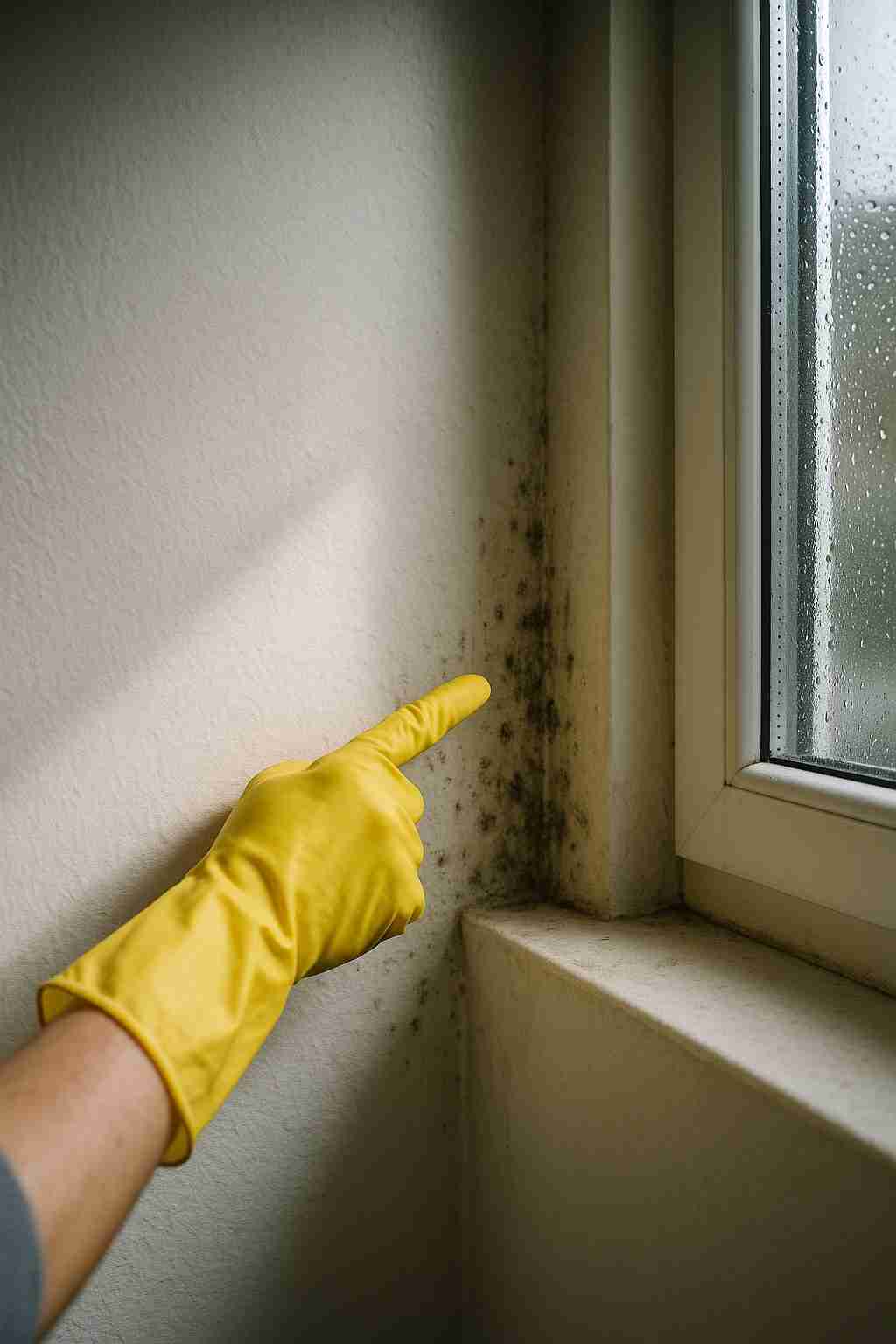
Recognizing the early signs of mold in house environments can save homeowners thousands of dollars in remediation costs and prevent serious health complications. Mold growth typically begins invisibly, developing in hidden spaces where moisture accumulates unnoticed. Within 24 to 48 hours of water exposure, mold spores can colonize surfaces and begin reproducing rapidly. Understanding what to look for, from visual indicators to distinctive odors, empowers you to address contamination before it becomes a structural and health hazard. This comprehensive guide reveals the telltale warning signs, detection methods, and preventive strategies every homeowner needs.
What Does Mold Look Like in Your Home?
Mold manifests in various colors and textures depending on the species and surface it colonizes. Black mold (Stachybotrys chartarum) appears dark green or black with a slimy texture when wet. Aspergillus species range from white to yellow, green, or brown. Pink mold (actually bacteria) commonly appears in bathrooms and showers.
Common visual indicators include:
- Fuzzy or powdery patches on walls, ceilings, or floors
- Discolored spots ranging from white, green, black, orange, or pink
- Circular or irregular staining patterns that expand over time
- Bubbling or peeling paint and wallpaper
- Warped or water-stained surfaces
The challenge with how to identify mold in the home is that early growth often resembles dirt or soot. Small colonies may appear as tiny black dots clustering in corners, grout lines, or along baseboards. Always investigate discoloration on porous surfaces like drywall, wood, and fabric, as these materials harbor mold more readily than non-porous surfaces.
The Distinctive Smell: What Does Mold Smell Like in a House?
Before you see mold, you’ll likely smell it. What does mold smell like in a house? Most people describe it as musty, earthy, or resembling rotting wood and damp soil. This odor results from microbial volatile organic compounds (MVOCs) that mold releases as it feeds on organic materials.
Odor characteristics by location:
- Basements: Heavy, dank smell similar to wet cardboard
- Bathrooms: Mildew-like scent mixed with dampness
- Kitchens: Sour or fermented odor near sinks and appliances
- Attics: Stale, musty smell intensifying during humid weather
If you notice persistent musty odors that worsen when running HVAC systems or after closing up your home, you likely have hidden mold growth. The smell often concentrates near air vents, behind furniture, or in enclosed spaces where air circulation is limited. Trust your nose, it’s frequently the first detection tool signaling contamination before visual evidence appears.
Hidden Mold: How to Detect Mold Behind Walls and Carpets
The most dangerous mold grows where you cannot see it. How to detect mold behind walls and carpets requires strategic investigation techniques since these hidden colonies cause extensive damage before discovery.
Behind Walls
Warning signs include:
- Visible exterior indicators: Water stains, bubbling paint, or wallpaper separating from the wall
- Temperature variations: Cold or damp spots on walls indicate moisture intrusion
- Sound changes: Walls may sound hollow when tapped due to deterioration
- Electronic moisture meters: Professional-grade tools measure moisture content without invasive testing
Check areas near plumbing fixtures, exterior walls, windows, and anywhere roof leaks might channel water. Use a flashlight to inspect inside wall cavities through electrical outlets (with power off) or small access points.
Under Carpets and Flooring
Carpet mold thrives in padding and subfloors where moisture from spills, leaks, or flooding becomes trapped. Pull back carpet corners in suspected areas to inspect the padding and subfloor. Dark staining, deterioration, or musty odors confirm contamination.
High-risk carpet areas:
- Near water heaters and washing machines
- Below windows with condensation issues
- In basements with concrete slab foundations
- Around HVAC vents with condensation problems
Consider professional infrared thermography for comprehensive detection. This non-invasive technology identifies moisture patterns and temperature anomalies indicating hidden mold colonies.
Identifying Mold in Damp Areas of the Home
Certain locations provide ideal conditions for mold colonization. Identifying mold in damp areas of the home requires focusing your inspection on these vulnerable zones:
Bathrooms
Bathrooms generate constant moisture through showers, baths, and sink use. Inspect:
- Shower curtains, liners, and tile grout
- Caulking around tubs and sinks
- Under sink cabinets and around toilet bases
- Exhaust fan housings and ductwork
- Behind toilets and vanities
Basements and Crawl Spaces
Underground spaces naturally accumulate moisture. Check:
- Foundation walls and floor joints
- Around sump pumps and floor drains
- Stored items, especially cardboard boxes
- Wooden support beams and floor joists
- HVAC equipment and condensation lines
Kitchens
Food preparation areas combine moisture with organic materials. Examine:
- Under sinks and around garbage disposals
- Behind refrigerators and dishwashers
- Around window sills above sinks
- Inside cabinets with plumbing penetrations
- Exhaust hood filters and ductwork
Attics and Roof Spaces
Poor ventilation and roof leaks create mold havens. Investigate:
- Roof decking and rafters
- Insulation materials
- Around chimney flashings and roof penetrations
- Soffit and ridge vents
- HVAC equipment and ductwork
Regular inspection of these areas, monthly for high-risk zones like bathrooms, catches contamination during early, manageable stages.
Health Symptoms: Signs You Have Mold Exposure in Your Home
Your body often signals contamination before you locate the source. Signs you have mold exposure in your home manifest as various health symptoms, particularly affecting respiratory and immune systems.
Common health indicators:
- Persistent coughing, sneezing, or wheezing
- Nasal congestion and sinus infections
- Eye irritation, redness, or watering
- Skin rashes or irritation
- Headaches and fatigue
- Difficulty concentrating (brain fog)
- Aggravated asthma symptoms
Individuals with compromised immune systems, allergies, or respiratory conditions experience more severe reactions. Children and elderly family members are particularly vulnerable. If symptoms improve when you leave home and worsen upon return, environmental mold exposure is likely.
The Centers for Disease Control and Prevention (CDC) recognizes mold exposure as a significant indoor air quality concern. Long-term exposure to certain species like black mold can cause serious health complications including chronic respiratory disease and immune system suppression.
Moisture Problems That Trigger Mold Growth
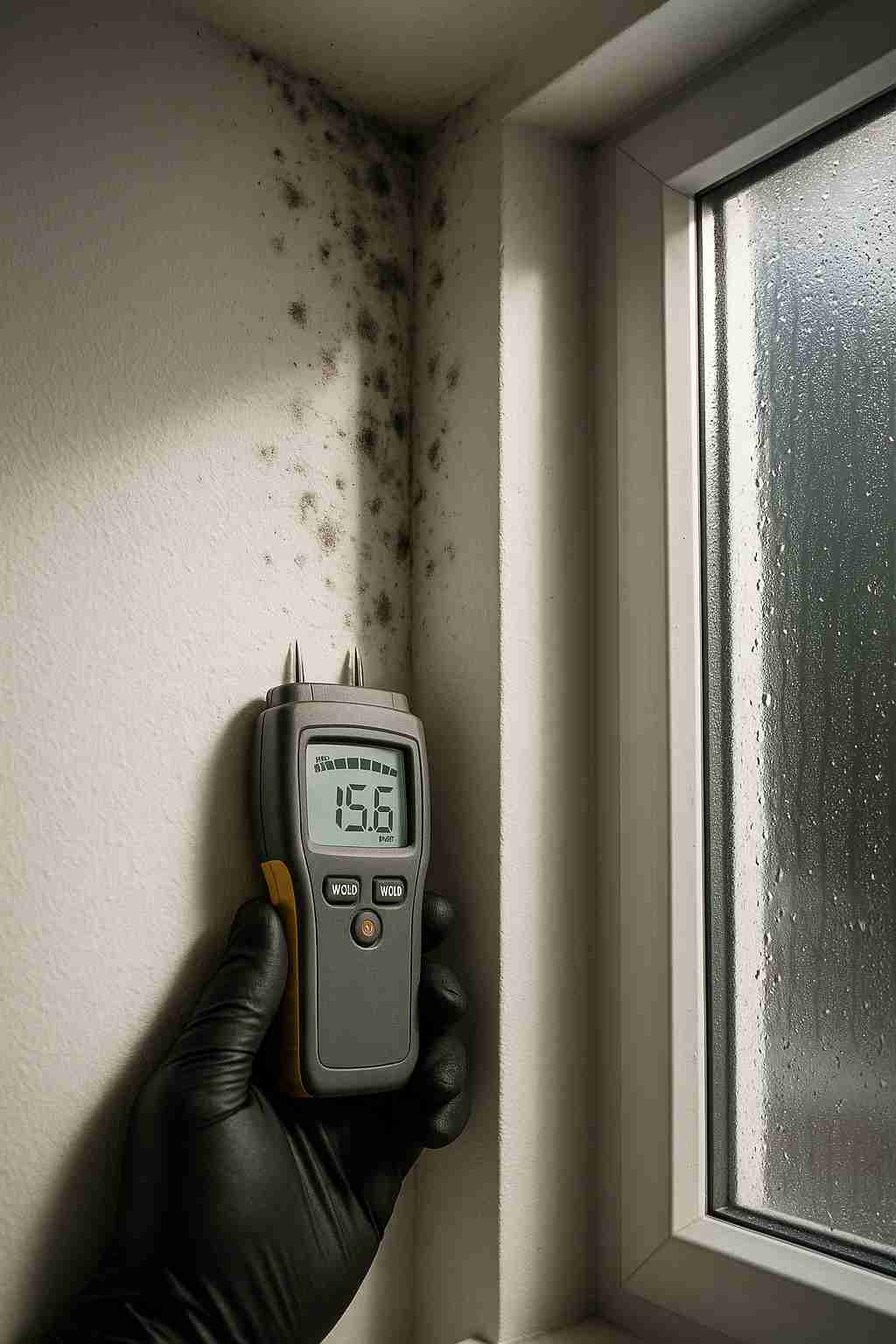
Understanding moisture sources prevents mold establishment. Mold requires three conditions: moisture, organic food source, and temperatures between 40-100°F. Eliminating moisture breaks this growth cycle.
Primary Moisture Sources
1. Plumbing Issues
- Leaking pipes behind walls and under sinks
- Dripping faucets and toilet seals
- Burst washing machine hoses
- Malfunctioning water heaters
2. Environmental Factors
- High humidity levels (above 60%)
- Poor ventilation in bathrooms and kitchens
- Condensation on windows and pipes
- Flooding from storms or groundwater
3. Structural Problems
- Roof leaks from damaged shingles
- Foundation cracks allowing water intrusion
- Inadequate drainage around the home’s perimeter
- Defective gutters and downspouts
4. HVAC System Issues
- Condensation from air conditioning units
- Poorly insulated ductwork
- Blocked or damaged condensate drains
- Insufficient dehumidification
Monitor indoor humidity using a hygrometer. Maintain levels between 30-50% to inhibit mold growth. Run dehumidifiers in damp areas and ensure proper ventilation throughout your home.
Professional Assessment vs. DIY Detection
While homeowners can identify obvious mold problems, professional assessment provides comprehensive evaluation and peace of mind.
When to Call Professionals
Contact certified mold inspectors when:
- Mold covers areas larger than 10 square feet
- Contamination occurs in HVAC systems
- You suspect mold but cannot locate it
- Family members experience persistent health symptoms
- You’re purchasing a home and want thorough inspection
- Post-flooding or major water damage occurs
Certified inspectors use advanced equipment including moisture meters, thermal imaging cameras, air quality testing, and laboratory analysis to identify mold species and concentration levels. Professional reports provide documentation for insurance claims and remediation planning.
DIY Detection Methods
Homeowners can perform preliminary assessments using:
- Visual inspection with flashlights and mirrors
- Consumer moisture meters ($30-100)
- Home mold test kits (limited accuracy)
- Smell tests in suspected areas
- Regular monitoring of vulnerable locations
Document findings with photos and notes. Track any progression to determine if professional intervention is necessary.
Preventing Mold Before It Starts
Prevention proves far more cost-effective than remediation. Implement these strategies to keep your home mold-free:
Immediate Actions:
- Fix water leaks promptly: Address plumbing issues within 24 hours
- Improve ventilation: Use exhaust fans during and after showers for 30 minutes
- Control humidity: Run dehumidifiers in basements and damp spaces
- Clean regularly: Remove potential food sources like dust and organic debris
- Dry wet materials quickly: Address spills, flooding, or water damage immediately
Long-term Strategies:
- Install vapor barriers in crawl spaces
- Ensure proper attic and roof ventilation
- Grade landscaping to direct water away from foundations
- Clean gutters and downspouts seasonally
- Service HVAC systems annually
- Use mold-resistant paint in moisture-prone areas
- Replace aging caulking and weather stripping
Invest in a whole-house humidity monitoring system for proactive moisture management. Smart sensors alert you to humidity spikes before mold establishes.
Expert Remediation Recommendations
When you discover early signs of mold in house areas, swift action prevents escalation. For small affected areas (less than 10 square feet), homeowners can safely remediate using proper protective equipment and EPA-approved cleaning solutions.
Safe DIY Remediation Steps:
- Protect yourself: Wear N95 respirator, gloves, and eye protection
- Contain the area: Close doors and cover vents to prevent spore dispersal
- Remove affected materials: Discard porous items like drywall, insulation, and carpeting that cannot be fully cleaned
- Clean surfaces: Use detergent solutions or commercial mold cleaners (avoid bleach on porous surfaces)
- Dry thoroughly: Use fans and dehumidifiers to ensure complete drying
- Address moisture source: Fix the underlying problem causing mold growth
For extensive contamination, structural mold, or sensitive individuals in the household, hire certified remediation specialists. The Institute of Inspection, Cleaning and Restoration Certification (IICRC) certifies qualified professionals who follow industry standards for safe, effective mold removal.
Never paint over mold or simply wipe it away. These approaches fail to address root causes and allow continued growth beneath surface treatments.
Conclusion
Recognizing the early signs of mold in house environments protects your property value, structural integrity, and family health. From distinctive musty odors to visible discoloration, warning signs typically appear before major contamination develops. Focus your vigilance on moisture-prone areas like bathrooms, basements, and kitchens while remaining alert to health symptoms indicating hidden exposure. Regular inspection, prompt moisture control, and immediate response to water damage form your strongest defense against mold colonization. When contamination exceeds manageable levels or affects critical home systems, professional assessment and remediation ensure complete resolution. By implementing the detection techniques and prevention strategies outlined in this guide, you’ll maintain a healthy, mold-free living environment for years to come.
Frequently Asked Questions
Q: How quickly can mold start growing in a house after water damage?
A: Mold can begin growing within 24 to 48 hours after water exposure. Spores exist naturally in air and only need moisture, organic material, and suitable temperatures to colonize. This is why immediate drying and remediation of water damage is critical for prevention.
Q: Can I remove mold myself or do I need professional help?
A: Homeowners can safely remove mold from small areas (less than 10 square feet) using proper protective equipment and EPA-approved cleaning methods. Professional remediation is necessary for large contaminated areas, mold in HVAC systems, structural mold, or when household members have health sensitivities.
Q: What is the most common place to find mold in a house?
A: Bathrooms are the most common location for mold growth due to constant moisture from showers, baths, and poor ventilation. Basements rank second because of their naturally damp conditions, followed by kitchens, attics, and areas around windows with condensation problems.
Q: Does bleach kill mold permanently?
A: Bleach kills surface mold on non-porous materials but does not penetrate porous surfaces like drywall or wood where roots (hyphae) extend deep into materials. Additionally, the water in bleach solutions can actually feed remaining mold. EPA-registered antimicrobial cleaners or detergent solutions work more effectively for most applications.
Q: How do I know if mold is making me sick?
A: Common symptoms of mold exposure include persistent coughing, nasal congestion, eye irritation, skin rashes, headaches, and fatigue. If symptoms improve when you leave your home and worsen upon return, mold exposure is likely. Individuals with asthma, allergies, or compromised immune systems experience more severe reactions. Consult a healthcare provider if you suspect mold-related illness.
